VERONIKA YEMELYANOVA ON ACT: ALL THEATRICAL PERFORMANCES PROHIBITED FOR TWENTY YEARS
CONVERSATION BY SELIN KIR
CO-FOUNDER, CURATOR
28 SEPTEMBER 2026 — KYIV, UKRAINE
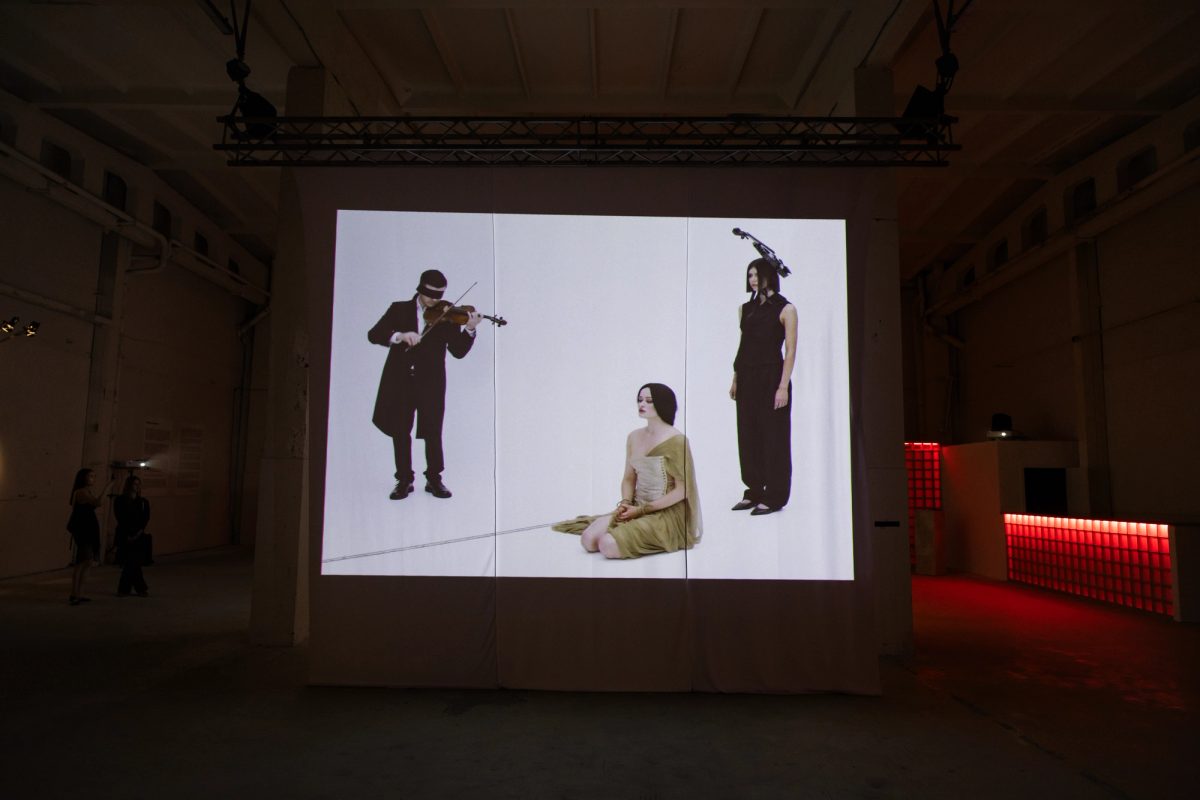
In 1642, the English Parliament shut the theatres and kept them dark for nearly two decades. Almost four centuries later, Kyiv-based artist Veronika Yemelyanova takes that ban as her point of departure, not to restage history, but to ask what prohibition does to the people who live under it. Her first solo exhibition, Act: All Theatrical Performances Prohibited for Twenty Years, staged at the experimental cultural space Kudriavka, unfolds across three video performances tracing desire as it intensifies, substitutes, and finally hardens into ritual long after its object has vanished. Around them sit the "artefacts": gloves, ropes, and other remnants carried out of each performance like evidence from a scene. Drawing on Lacan, Bergman, and a deeply theatrical sensibility, and made by an artist who chose to return to Ukraine in wartime, the exhibition becomes a meditation on how art, and the self, endure when the curtain is forced down. We spoke with Yemelyanova about forbidden desire, the choreography of space, and what continues once the performance is over.
After a show this large and this personal, what comes next? Is there another project already taking shape, or are you letting yourself sit with this one for a while before moving on to whatever’s next?
When you work on what you love, it doesn’t feel like work. Although physically I felt extremely exhausted after the exhibition, my mind can’t stand still. I would absolutely love to bring this exhibition to London and Paris, but already have an idea for the new performance. Even more than one idea haha. That will remain a secret for now:)
Congratulations again on Act: All Theatrical Performances Prohibited for Twenty Years, what a powerful first solo show to put into the world. In 1642, English Parliament closed the theatres under Puritan influence, and the ban held for almost two decades. Of everything you could have drawn on to think through prohibition, why this event, this exact historical anchor?
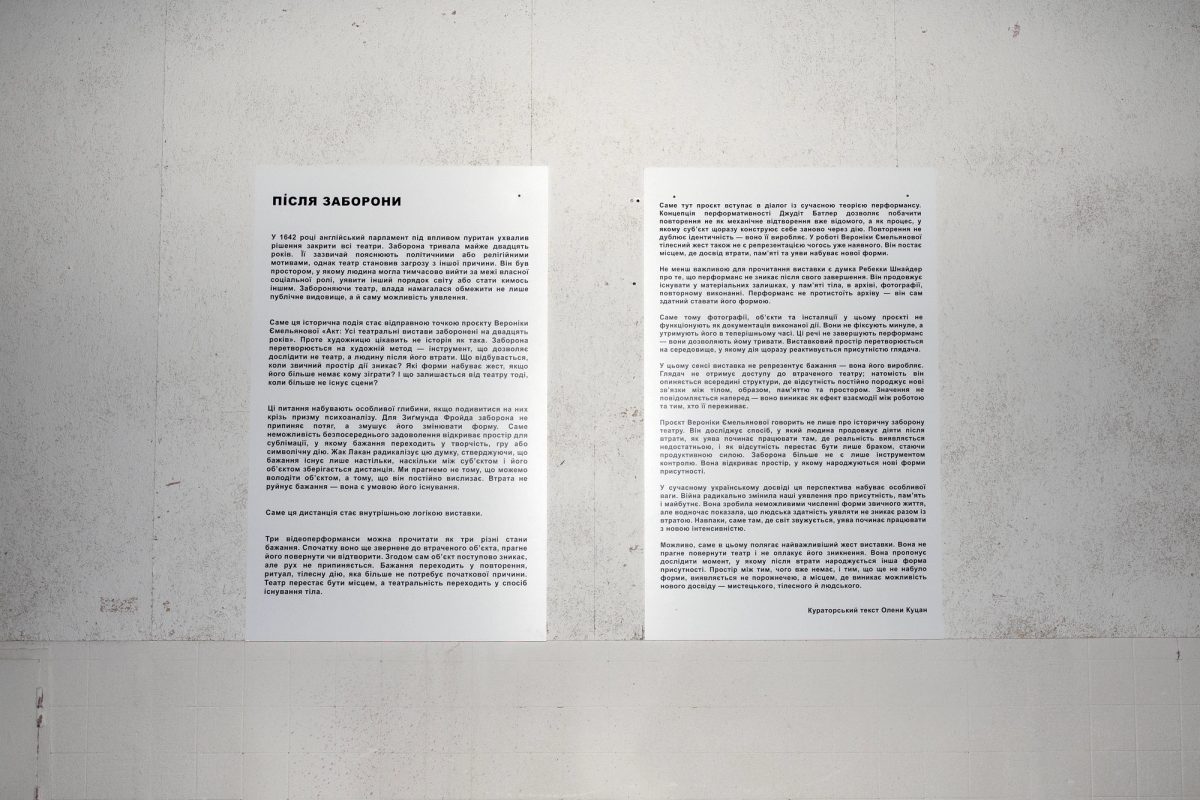
I first learned about this fact about ten years ago, and it has stayed with me ever since. The prohibition of theatre is an unusual kind of prohibition: it is a restriction on self-expression and on the ability to form thoughts outside the official discourse, so essentially, a prohibition of alternative ways of thinking. At some point, I realised I wanted to dedicate the exhibition to precisely this idea. Furthermore, my visual language, my artistic practice, and even the way I live are deeply theatrical. In that sense, the historical fact of the theatre ban became a perfect conceptual intersection.
Olena’s text is careful to say that history is not your subject, that prohibition functions here as a method, a device for approaching the experience of absence rather than a retelling of the past. We’re curious whether that distinction was clear to you from the outset, or whether it’s something that revealed itself only once the work was underway.
I never aim to reproduce historical facts with complete accuracy. When something captures my interest, I sublimate it and reinterpret it through my own artistic perspective. What I knew from the beginning was that I wanted to explore how prohibition functions. I have always been interested in the way the human psyche works, why we sometimes act in ways that seem irrational or contradictory.
"The prohibition of theatre is an unusual kind of prohibition: it is a restriction on self-expression and on the ability to form thoughts outside the official discourse, so essentially, a prohibition of alternative ways of thinking."
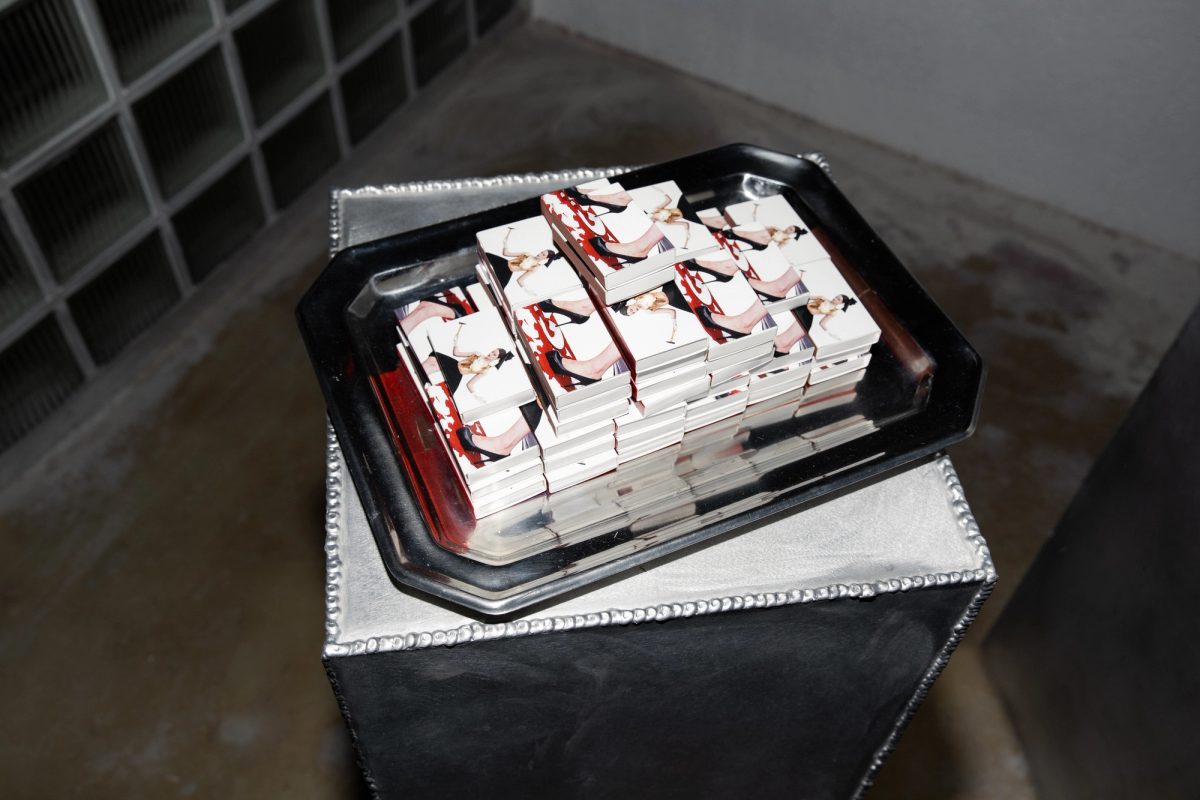
The exhibition reads the three video performances as three states of desire: a movement from trying to recover what’s lost, to a slow disappearance of the object itself, to a repetition or ritual that continues without needing the original cause. That’s a very precise emotional and structural progression to hold across three separate works. Did you conceive of it as a single arc from the start, or did each performance reveal the next step only in the process of making it?
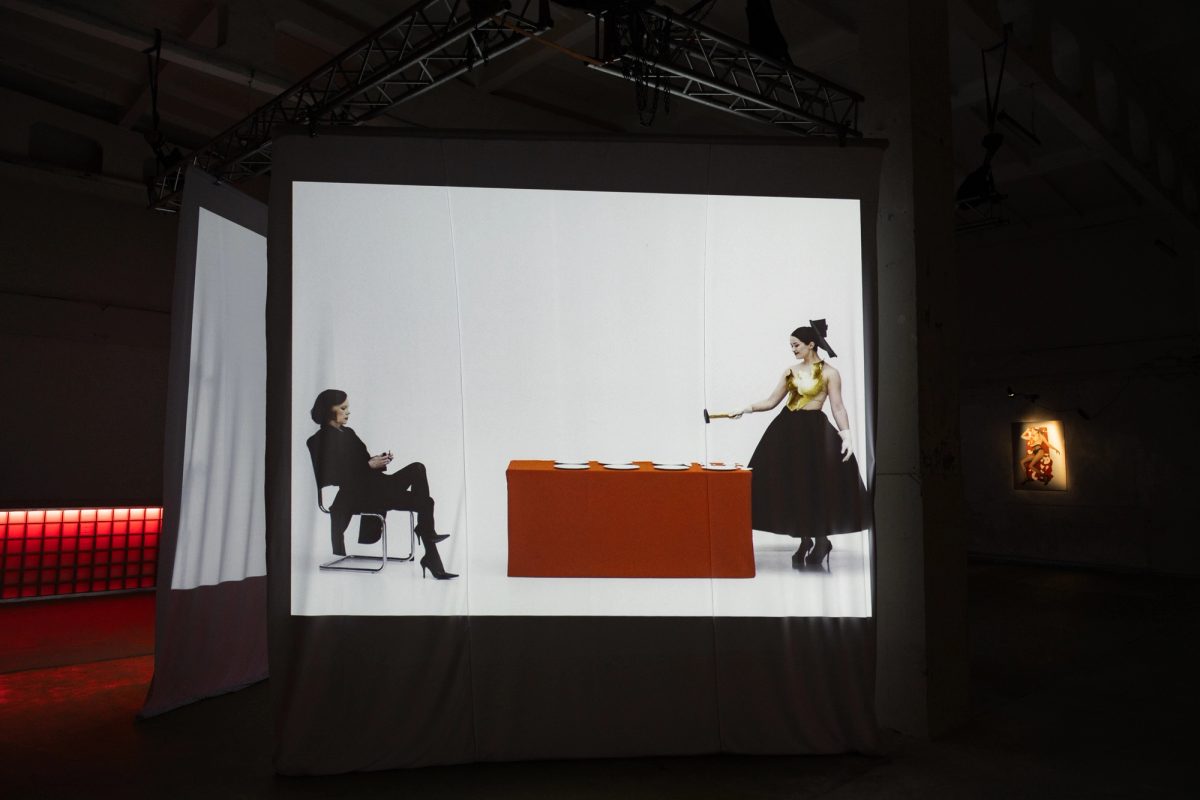
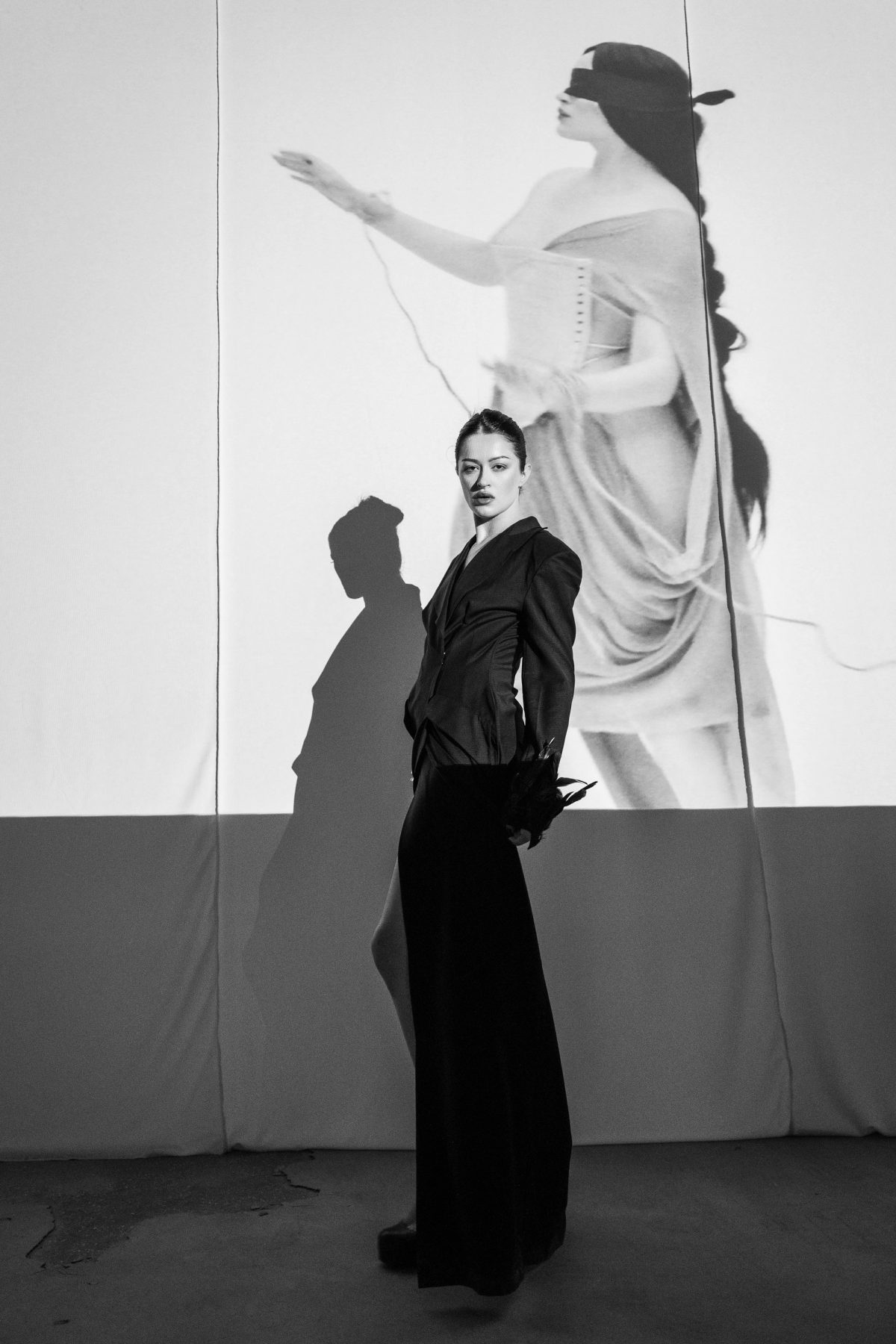
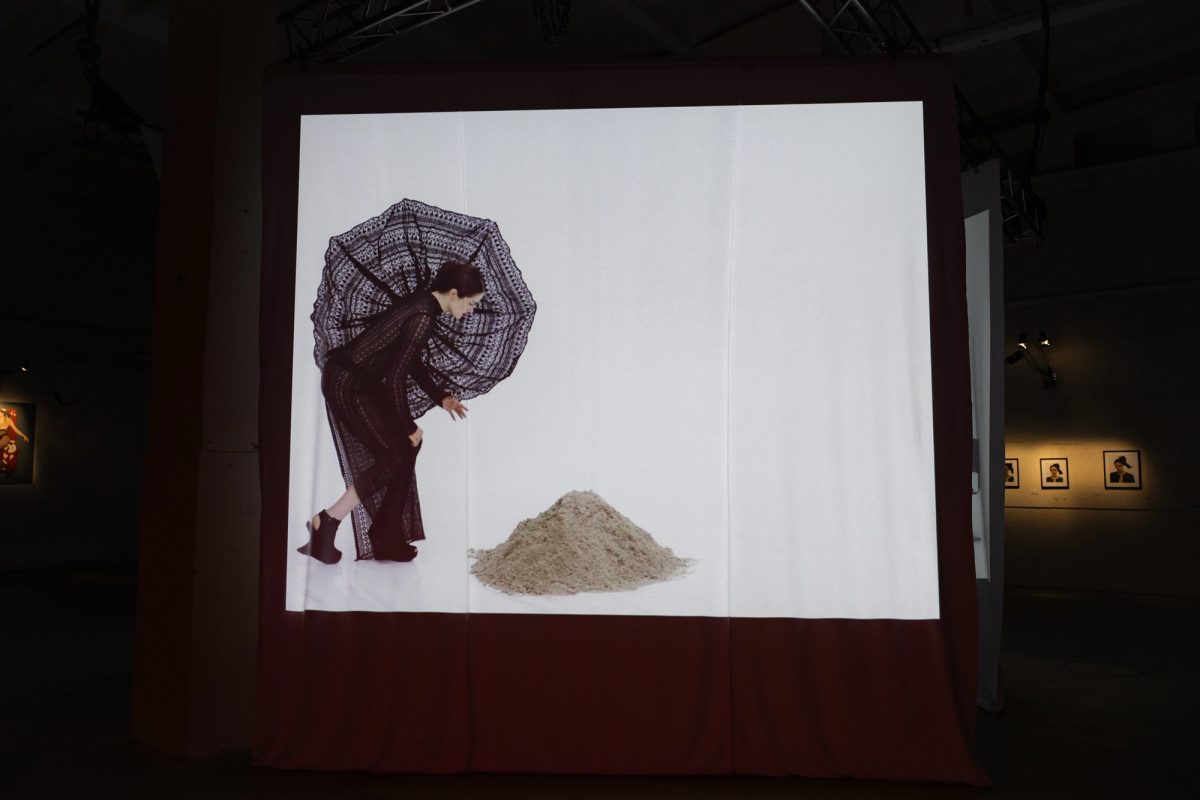
Thank you for such a precise reflection. This progression comes from my knowledge of Lacan and the psychoanalytic structure of desire. The first stage is “Desire Intensified”: in Lacanian terms, when an object becomes forbidden or inaccessible, desire can become even more intense. The second is “I Can’t Get It, So I Play”: when the desired object cannot be reached, we create a replacement of an original one, so that desire can continue in an obsessive-compulsive form. The third is “I Don’t Remember What It Is That I Wanted Anymore, But I Continue to Worship It”: the original object has disappeared, but it continue to live an an idealized version in our memory. It’s very melancholic. My performances have a strong dramaturgical and visual structure, but they remain live and responsive to the moment, so they can never be reproduced in exactly the same way twice. Interestingly, the audience also interpreted the relationship between the three works in different ways and I think that’s great.
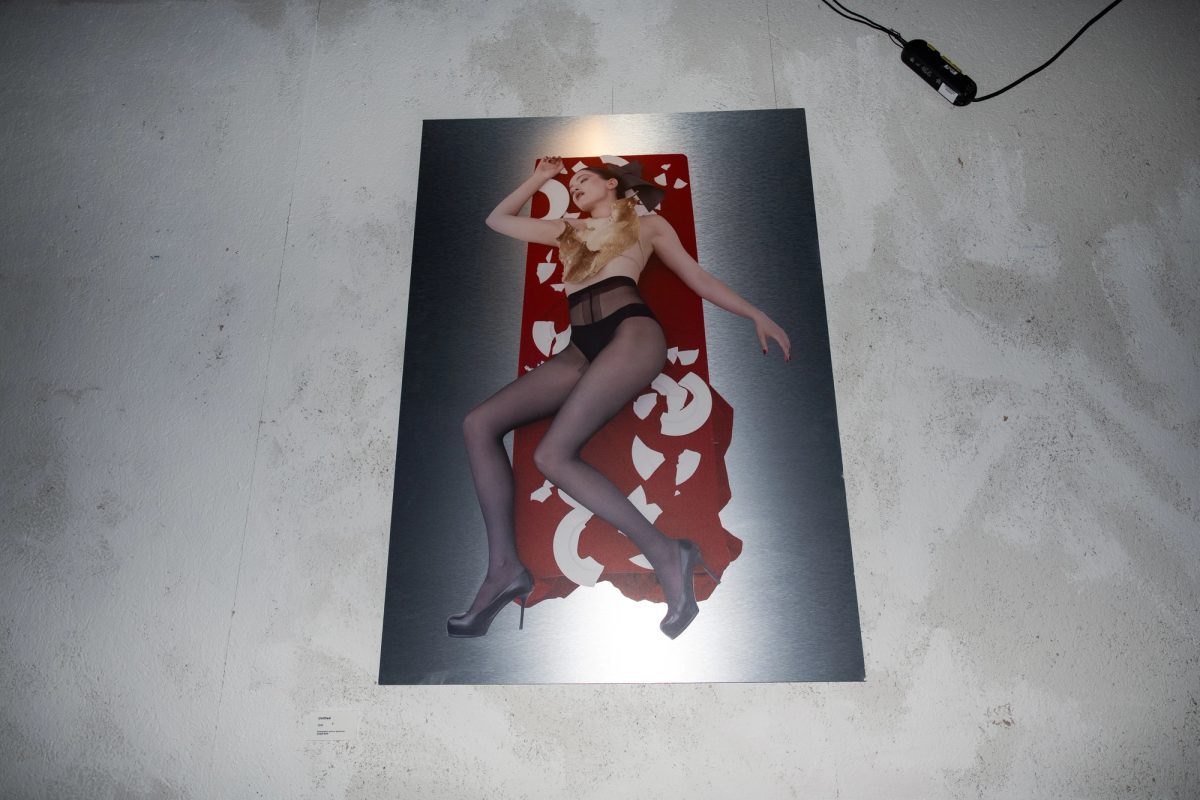
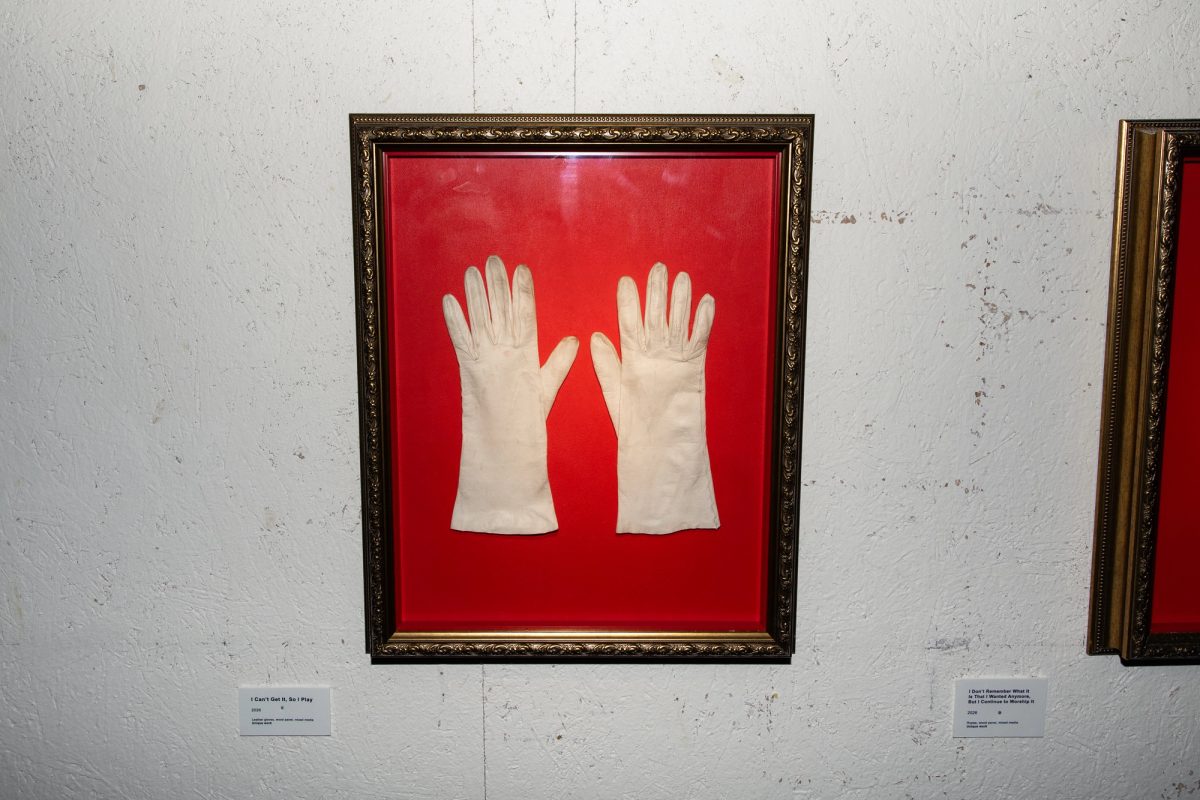
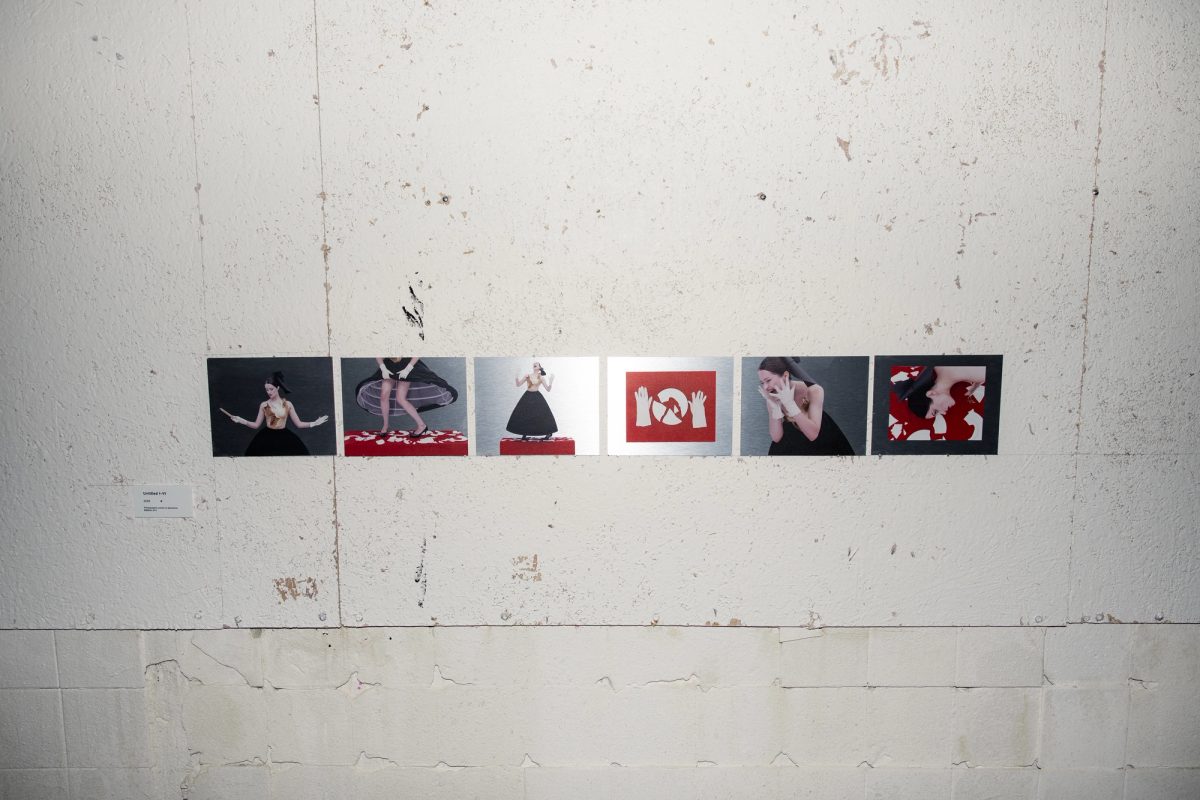
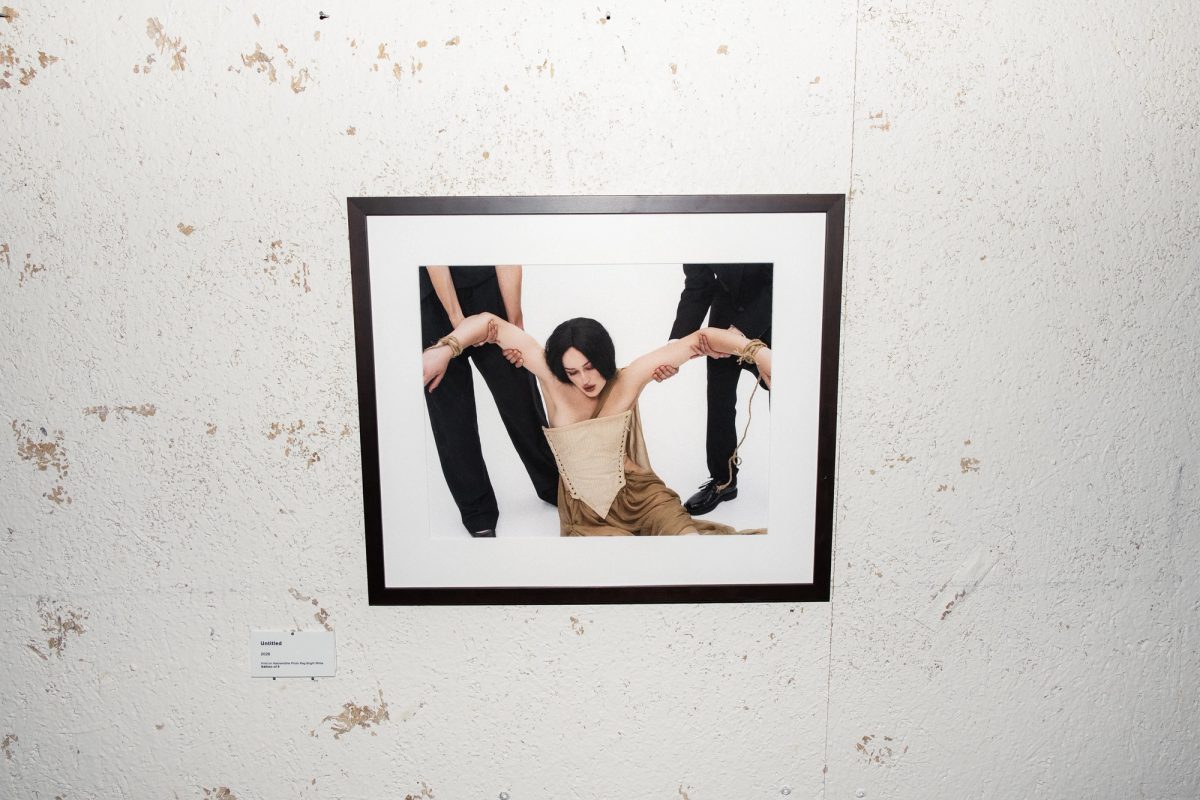
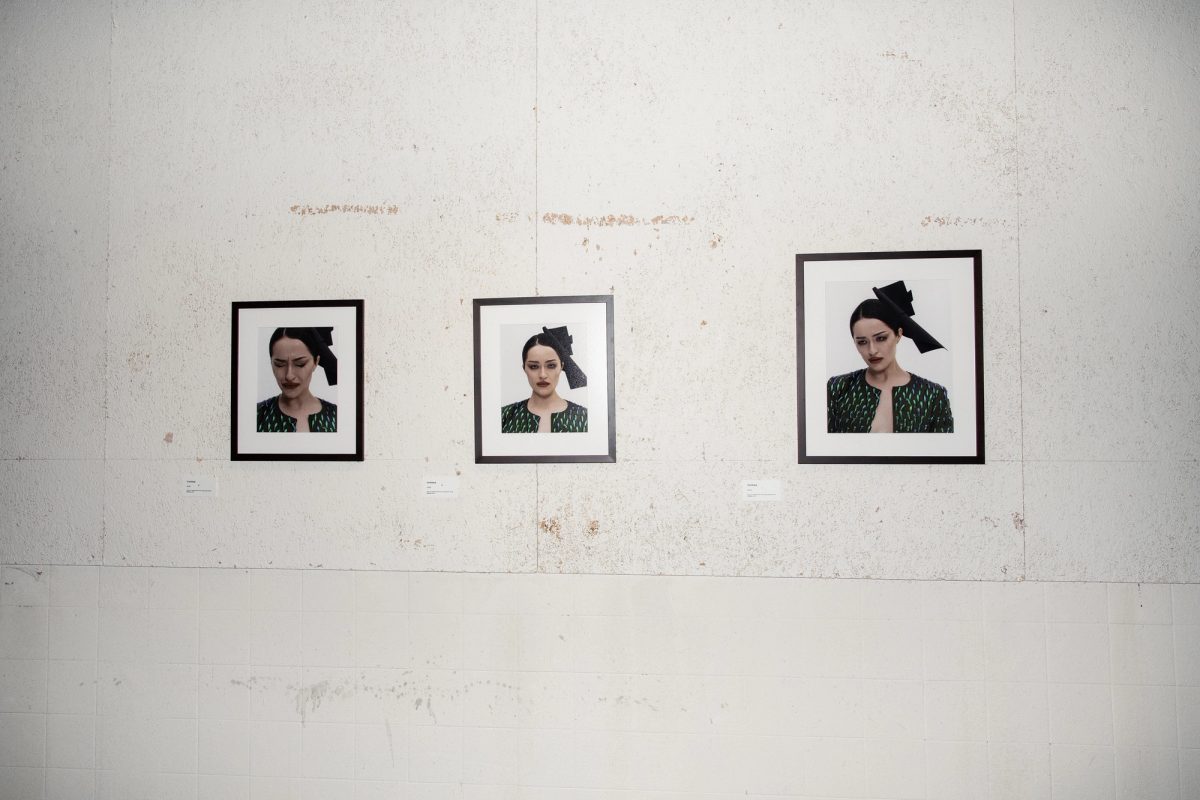
Several of the framed pieces, the hands, the scissors, the gloves, the knotted cord don’t read as documentation so much as remnants, almost evidentiary. Can you tell us more about the life these objects had before they arrived on the wall? Were they made in anticipation of a performance, used within one, or produced afterward as a kind of residue?
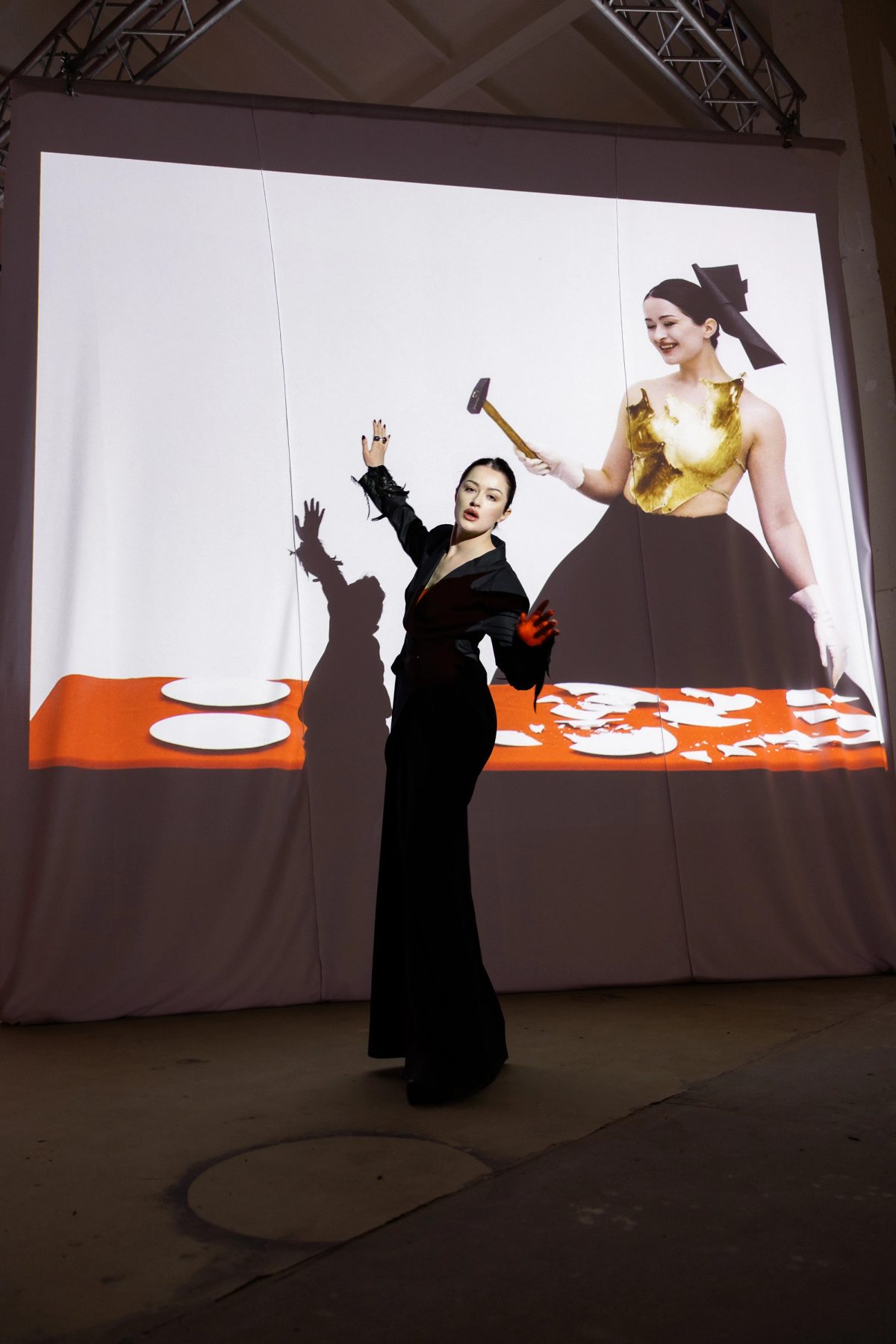
That is a very precise observation. I call these works as artefacts, a way of extending my performative world beyond the live event. Everything begins with the performance, and the artifacts are the physical remnants of what actually happened within it. For example, in the second performance, where the plates are broken, I wear white leather gloves. The gloves in the frame are the exact same ones I wore during the performance. In the final performance, I am tied with ropes, which are then cut to release me. Those very ropes became the artefact. In my practice, the performance is almost like an expedition, an investigation into myself and into desire. The artefacts are what we find along the way.
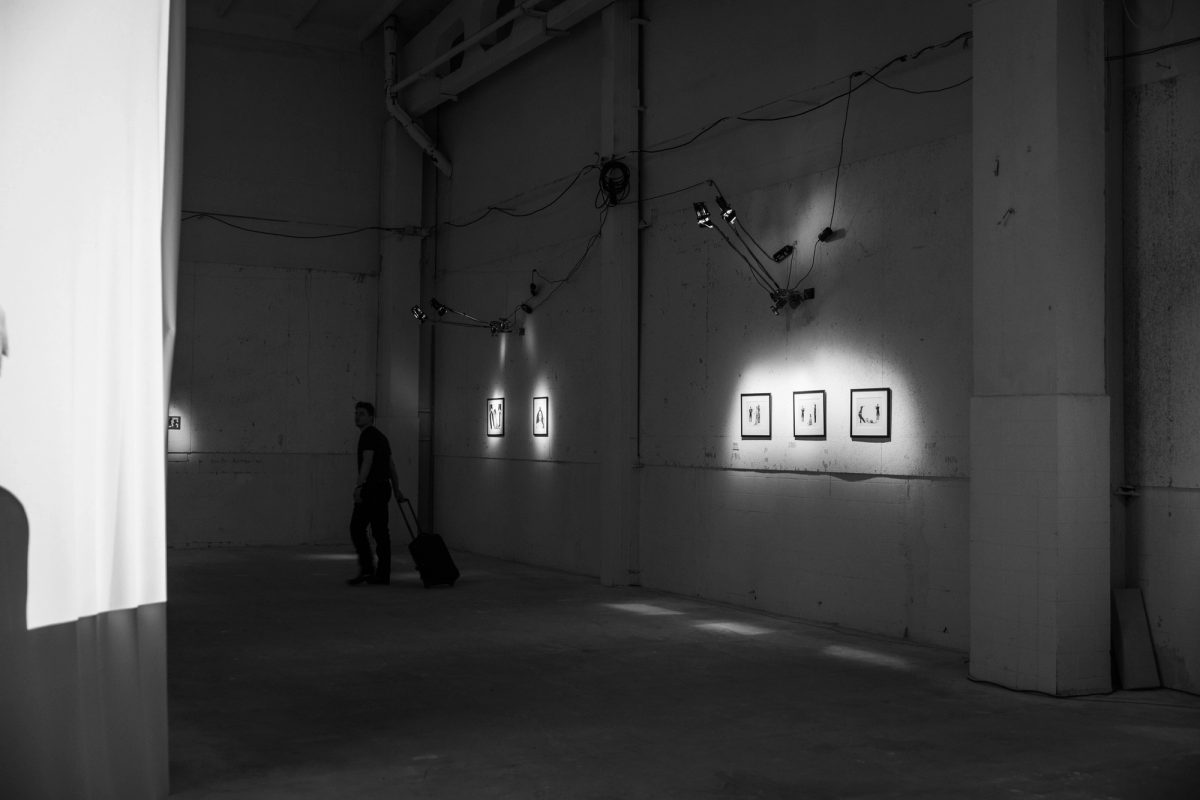
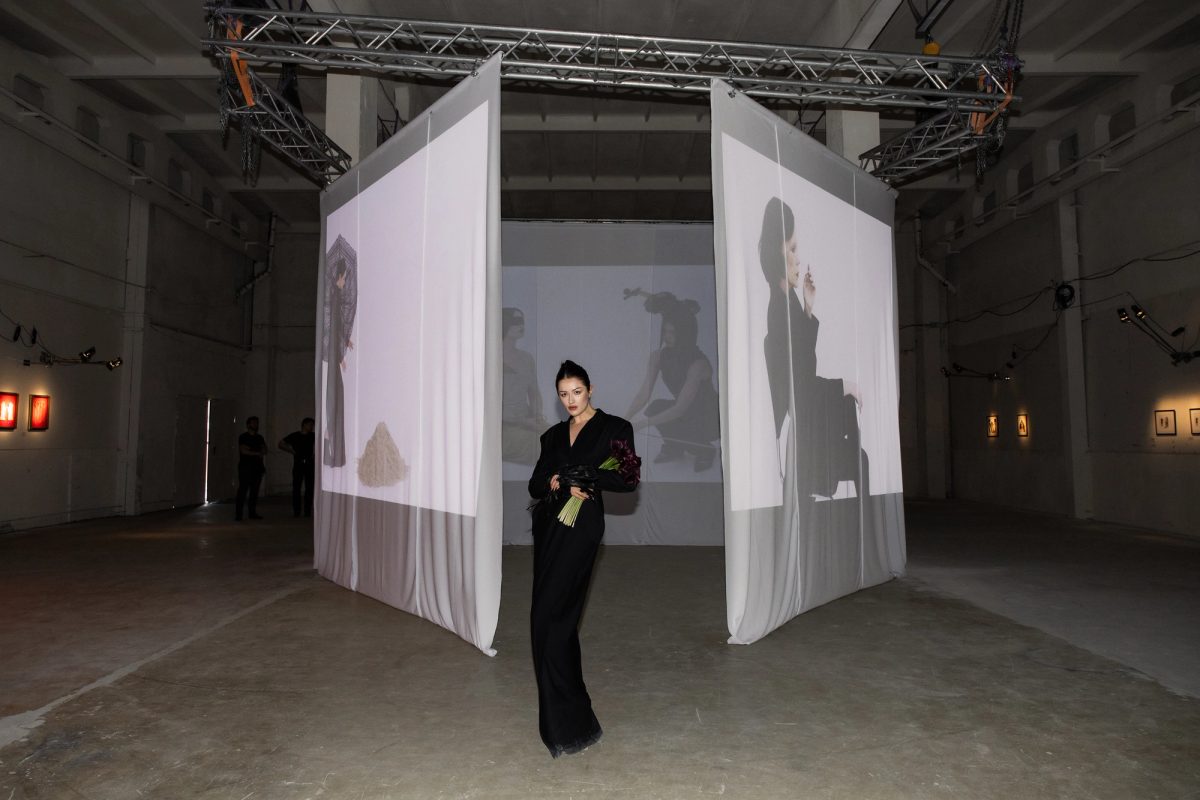
The installation itself moves between very different registers. Intimate framed photographs at close range, and then these large immersive gestures: the fabric screens, the chain curtain, the glass-brick walls that seem to physically implicate the viewer’s body in the space. How deliberate was that choreography of scale? Were you thinking about the visitor’s physical passage through the room as part of the work itself, rather than simply as a sequence of things to look at?
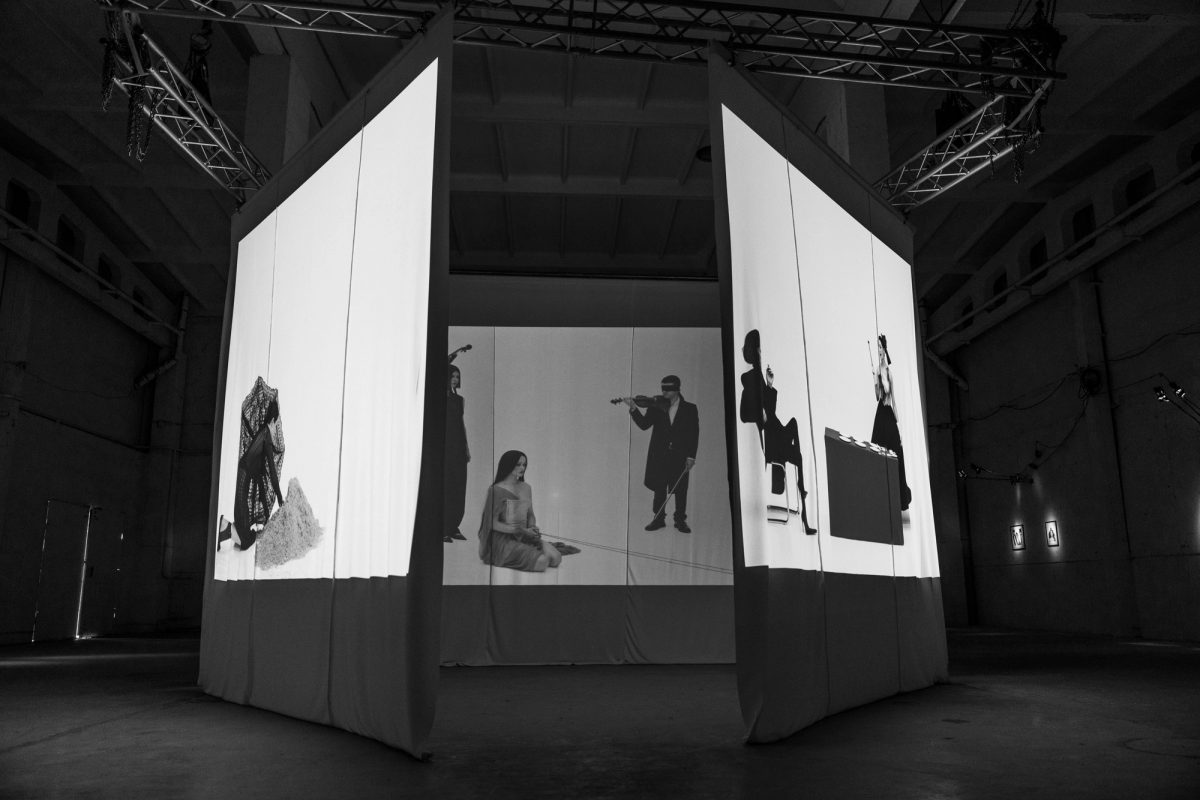
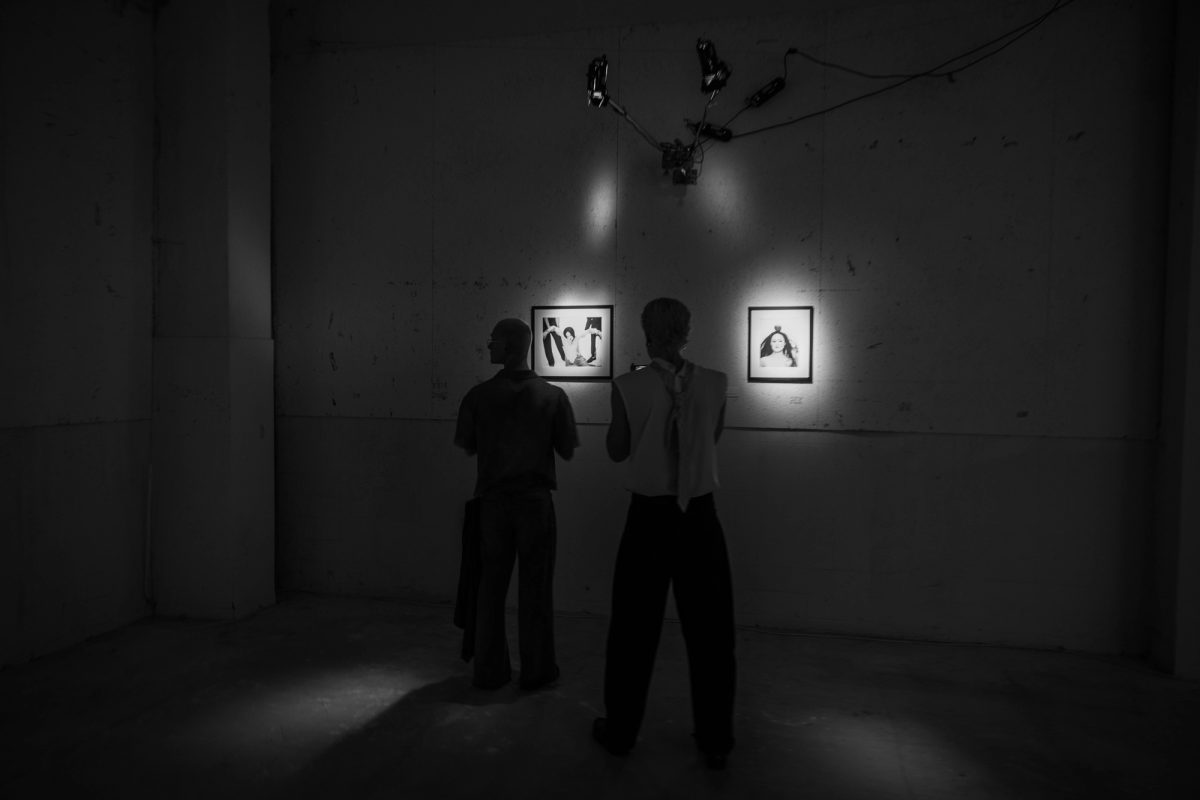
It came together quite naturally. The exhibition took place at Kudriavka, it is an experimental cultural space in Kyiv rather than a traditional gallery. When I first saw the completely bare hall, I immediately understood that it was perfect for the project. Together with Anastasia, Kudriavka’s Creative Lead and my team, we designed the choreography of how the viewer would move through the room. The only existing element was the bar, which we decided to illuminate in red. Everything else, the lighting, screens, sound, and installation, was built from scratch by us. The three screens were arranged as a triangle with openings, so the performances could be viewed both from outside and from within. We deliberately played all three videos and their sound simultaneously, allowing the three stages of forbidden desire to merge into one visual and sonic cacophony and placing the viewer inside the experience. The « artefacts » were then presented in the chronological order of the performances.
"In my practice, the performance is almost like an expedition, an investigation into myself and into desire. The artifacts are what we find along the way."
Olena’s text situates the project within the contemporary Ukrainian experience: the way war has altered the relationship to presence, memory, and the future, and the way imagination persists, even intensifies, under conditions of loss. Given how central that framing is to the text, do you see this exhibition as a direct response to the war, or is the connection more a matter of the work being made by someone living through this moment, without the war being its explicit subject?
The art created during wartime inevitably reflects the reality in which it is made. My relationship to this is quite personal. I lived in Canada for seven years and consciously chose to return to Ukraine during the war because I felt that my art needed to be created here. The exhibition is not about war directly, but it is about the creation under conditions of crisis, and about the question of how art itself survives in such a context. Historically, the original theatre ban took place during the English Civil War, which also brings the work back to questions of dissent, freedom of expression, and what happens when a system attempts to control what can be seen, performed, or imagined. We reflect on it daily in Ukraine.
This is your first solo exhibition, and by any measure a substantial one: three video works, multiple installation environments, a large body of objects and photographs. Putting a show of this scale together for the first time involves a huge number of decisions that go beyond the studio such as sequencing, spatial pacing, how one piece talks to the next. How did that process work between you and Olena? Were the spatial and curatorial choices something you arrived at together, or did you come into the install with a fairly fixed idea of how the work should unfold, and Olena helped shape it from there?
The conceptual and artistic vision was entirely mine, and I also handled the organizational and production side of the exhibition myself. I have been working in fashion and film for the past six years, so I brought a strong production background into the process. At the same time, the exhibition would not have been possible without the people who helped translate that vision into reality. Olena deeply understood my vision and translated it into a beautiful curatorial text. Anastasiia, Kudriavka’s Creative Lead, helped me develop the spatial concept and bring the installation together. Artem filmed the performances, merging his own visual language with mine. Nazar, the gaffer, went far beyond what was asked of him and created the entire lighting design. Oleksandr, who specialises in video installations, helped bring the technical side of the work together. My wonderful assistant Darya helped me manage every aspect of the performance shoots and made sure nothing was left undone. And Bogdan, a designer based in Paris, created spectacular costumes for the performances. And many more! So I was working simultaneously as the artist and the producer of the exhibition, but everyone involved helped me preserve my original vision while also expanding it.
Could you tell us a little about how performance and photography arrived together in your practice? Did one lead you toward the other, or have they always moved in parallel for you, informing each other from early on?
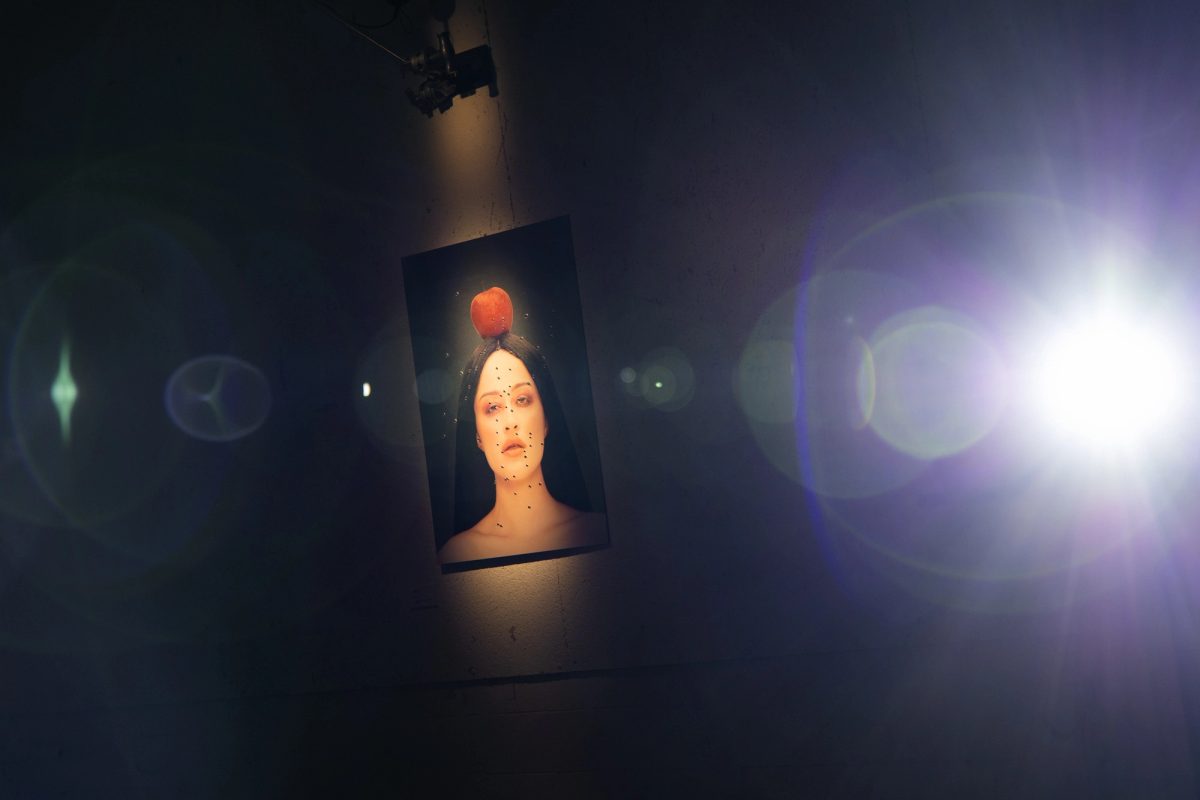
Photography was a very natural extension of my performance practice. In the same way that the « artefacts » extend the performance beyond the live event, photography allows me to open another layer of it, frozen in time. I always loved making self-portraits. It is therapeutic to me, also I very much relate to Bergman’s “Persona” and the philosophy behind the film.
"Historically, the original theatre ban took place during the English Civil War, which also brings the work back to questions of dissent, freedom of expression, and what happens when a system attempts to control what can be seen, performed, or imagined."
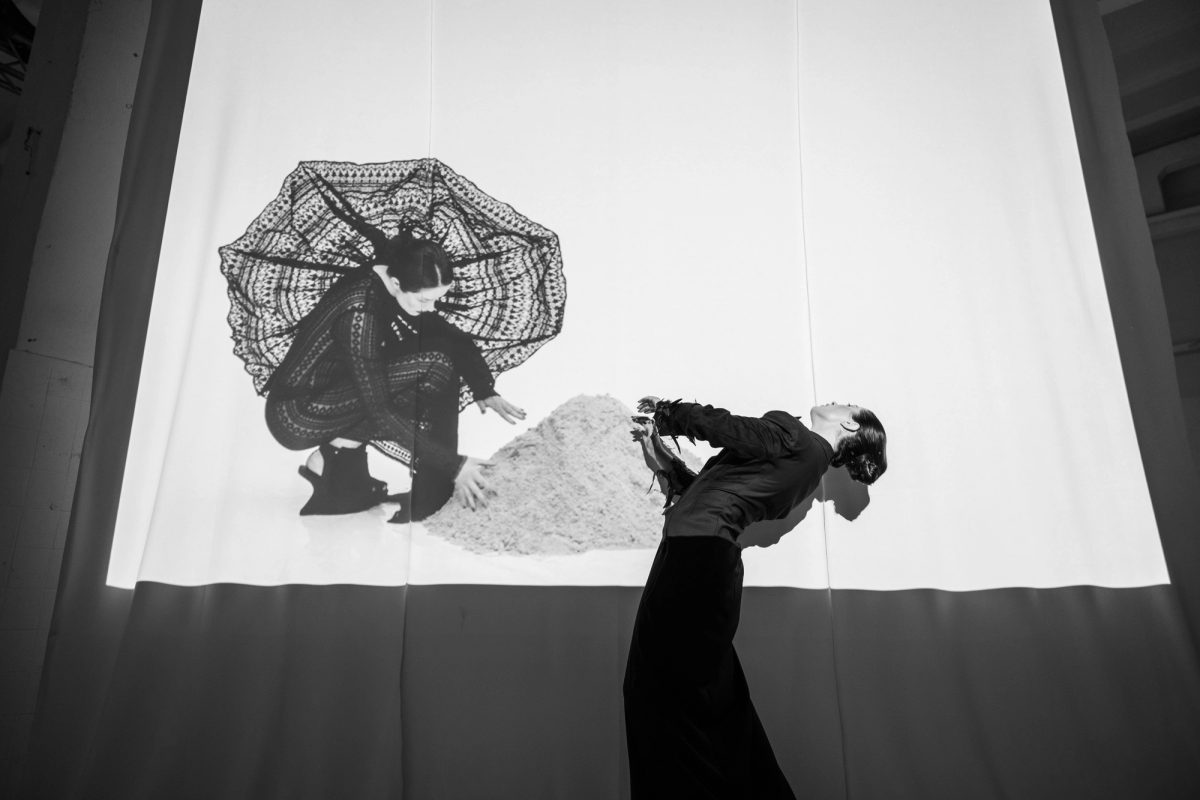
Now that the exhibition is open and being encountered by an audience, what has it left you with? Is there a question the work has posed to you that wasn’t there before you made it? Something you’re still sitting with, now that the performances are, in the language of the text, no longer disappearing but continuing?
Once the exhibition opened, I became interested in how these concepts continue to transform through other people’s interpretations. A lot of people approached me during the opening night and after, wanting to talk more about the project. A work that sparks a conversation — for me it’s the highest compliment.
All photographs of Act: All Theatrical Performances Prohibited for Twenty Years by Pavel Bloudovskiy.