THE POSE, THEN THE EMOTION: IN CONVERSATION WITH ELSA ROUY
CONVERSATION BY SELIN KIR
CO-FOUNDER, CURATOR
18 FEBRUARY 2026 — UNITED KINGDOM
In this conversation, Elsa Rouy reflects on a practice grounded in emotion, composition, and the unstable logic of the body. Working primarily in figurative painting, she describes her process as one that begins with feeling rather than narrative, where pose and image-making gradually construct meaning through redaction, addition, and material negotiation. The body becomes both bounded and boundless, a site through which control and unpredictability, intimacy and distance, are continuously tested within the limits of the canvas. Rejecting fixed storytelling, Rouy positions ambiguity as a deliberate method, allowing each painting to function as a layered confessional shaped by intuition, formal decisions, and the push and pull of existence itself.
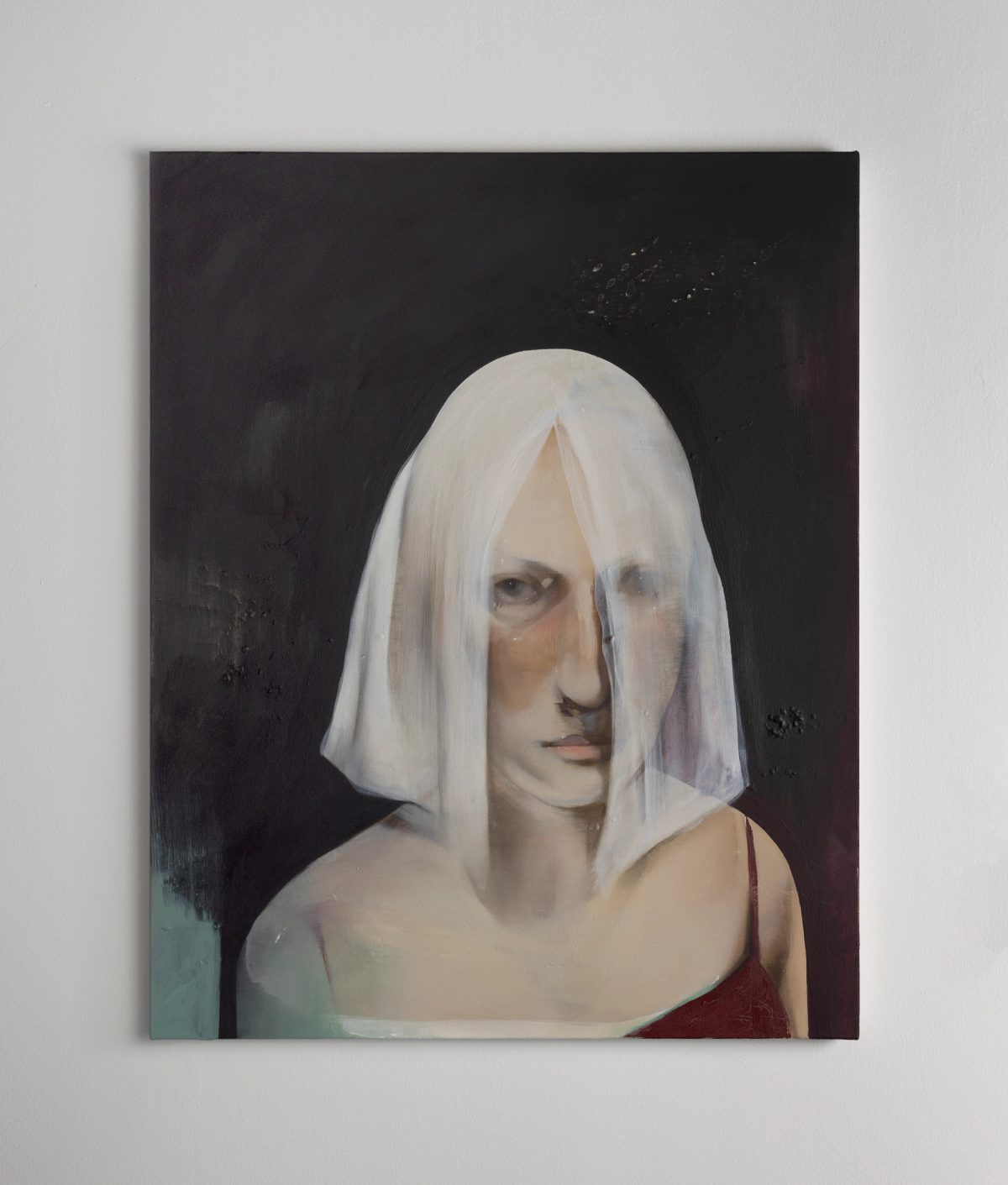
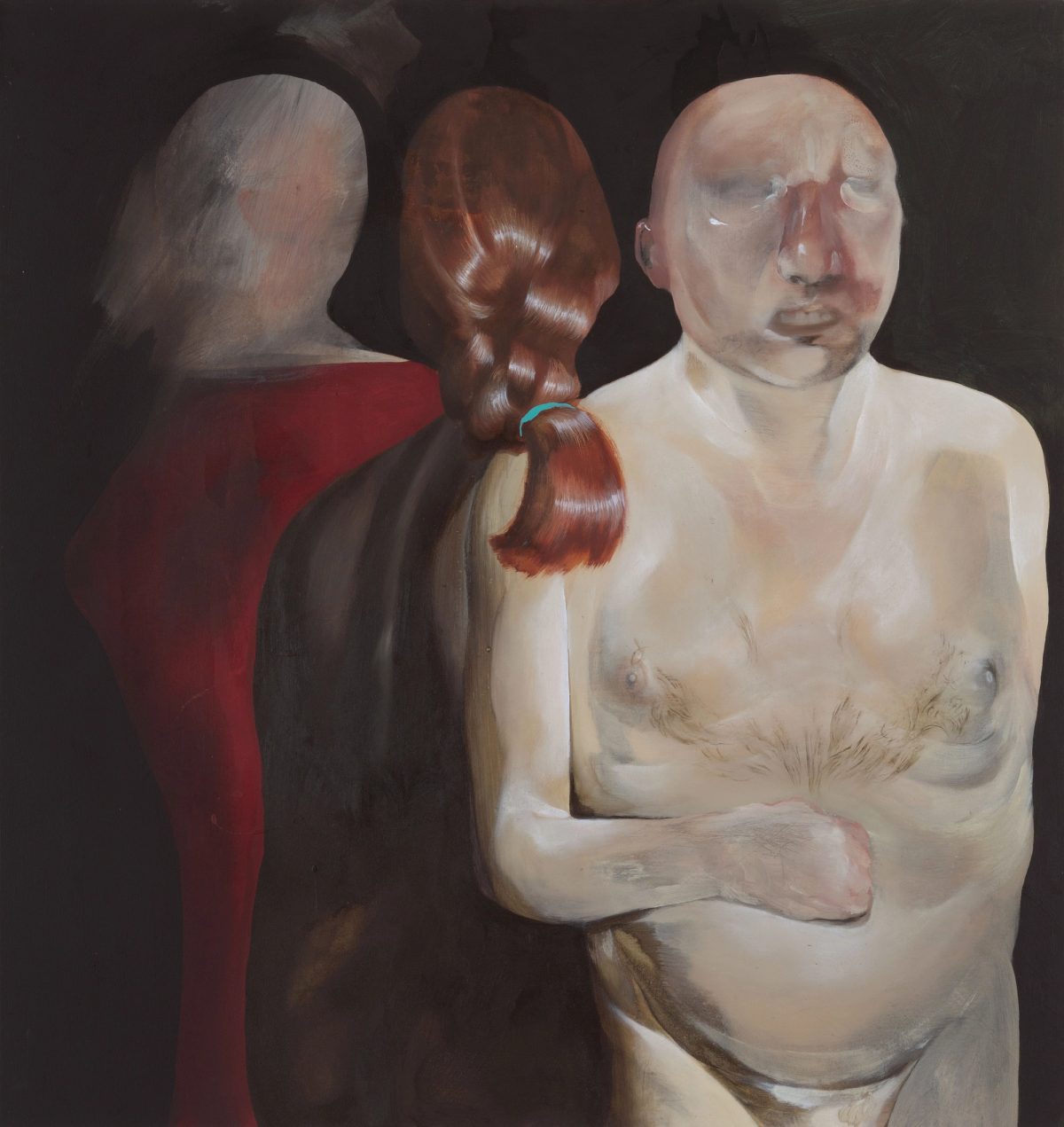
ELSA ROUY LEFT: WITHOUT SENTIMENT, 2025 | RIGHT: INTOXICATED, DIMINISHED AND DISAPPEARED, 2025
You started painting seriously at a young age and were picked up by a gallery while still studying. How did that early visibility shape your confidence in the studio, and did it change how you related to making work at all?
I was picked up by a gallery that had also just started at around 19, I think, maybe 20 years old, and the initial years helped me grow and feel more confident with making and sticking by my creative decisions. The feeling of being backed by a gallery gave me security to explore themes and techniques that felt out of my comfort zone without the fear that it would greatly affect my livelihood. I was having group and solo shows with them; this allowed me to experiment with audience reactions to new works and have a platform. The gallery didn’t survive, and I realised having a gallery wasn't as secure as I had believed. The decline of the gallery was unfortunate and sad, but again, I’m glad this happened at a young age, as it taught me new lessons and became something that has actually given me a lot more confidence in myself and my capabilities outside of painting that I would have never thought of myself when represented.
Your paintings often come from personal experience, but they never feel like straight confession. How do you decide what stays close to your life and what gets transformed or fictionalised on the canvas?
I never have an experience and think, “Ok, I will paint this.” My paintings are more a continuous diary or world-building of ideas. When I begin a painting, I usually start with a feeling; sometimes it’s quite ambiguous, but I know what it is because I feel it. Trying to describe the feeling would be a bit like a riddle, so I start to think and gather imagery that best represents what I’m trying to express. I suppose the images I make become fictionalised enactments of the feeling. The paint, the process, the redactions and additions when the artwork is being made, become an experience with other emotions involved. The result is always a mixed bag of decisions that end in a singular image. Because of this, I think each artwork is multiple confessionals or thought processes at once.
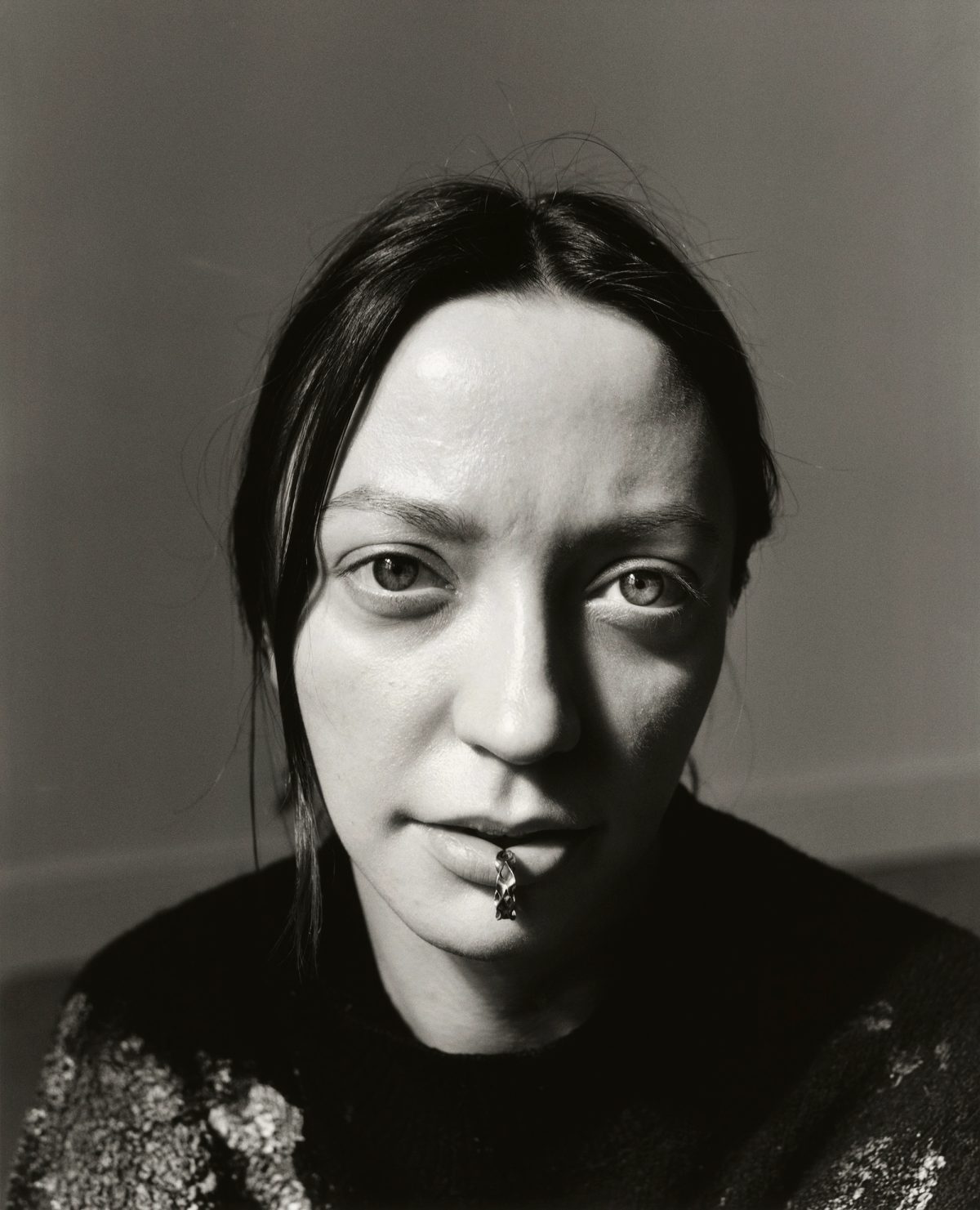
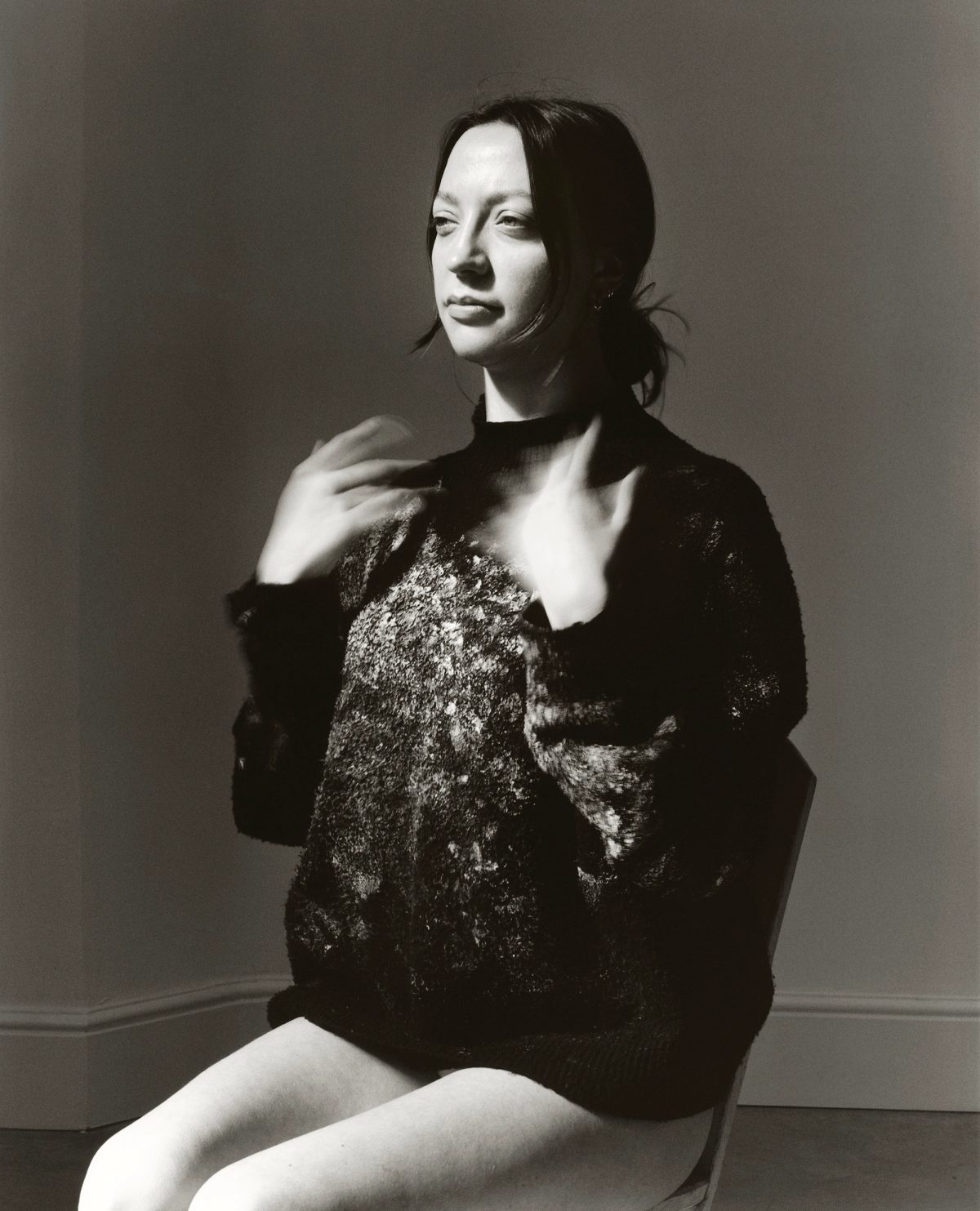
STEPH WILSON, GILDED LILIES (SELF-PORTRAIT OF THE ARTIST)
“My paintings are more a continuous diary or world-building of ideas.”
Your figures often appear suspended in moments of transition: merging, splitting, softening, or coming undone, without ever fully settling into a stable form. What draws you to these states of instability, and how do they reflect your thinking around the body as something continuously shaped by desire, memory, pressure, and power?
When coming up with the idea, it’s the emotion, then the pose.
When painting, it’s the pose, then the emotion.
The situation they’re in is last for both, as I think this is very reliant on the viewer’s interpretation.
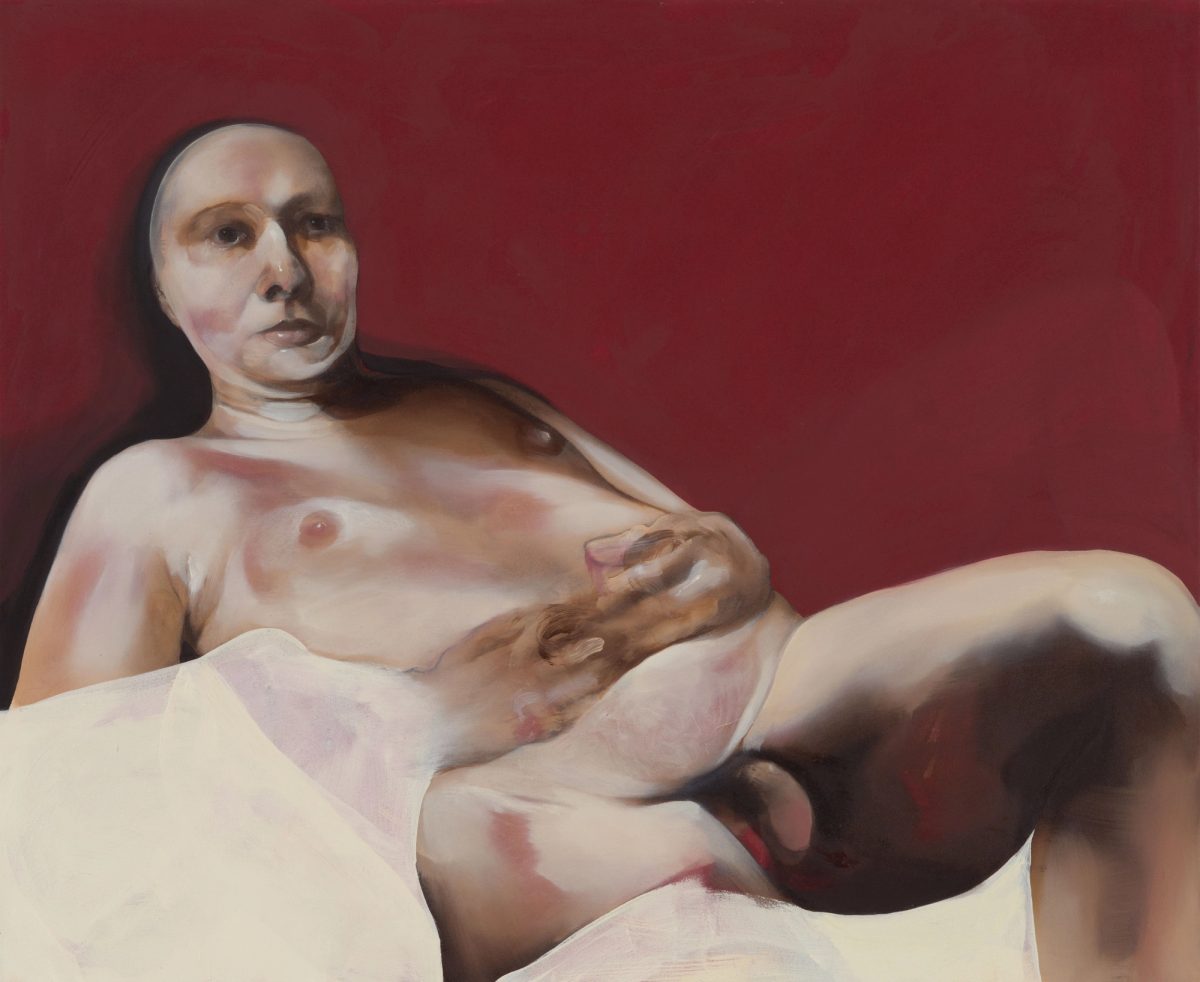
ELSA ROUY, SUBURBAN GOTHIC, 2025
There’s a physical intensity to your figures: bodies pressed together, stretched, leaking, or tangled. When you’re painting, what usually comes first: the pose, the emotion, or the situation they’re in?
This leads onto the second reason, which is, in my experience, having a mind and body feels completely bounded and boundless, predictable and unpredictable. We are encased, but our insides constantly move; we can be opened and we can leak. Life, in some ways, feels eternal, but we die. My mind feels expansive, but it only exists with myself. I can go on with my ideas of the push and pull of existence forever. Then what I find interesting is combining this personal contradiction with another person/body existing in the same way, and the results and outcomes of that, and viewing it from a sympathetic and unbiased lens.
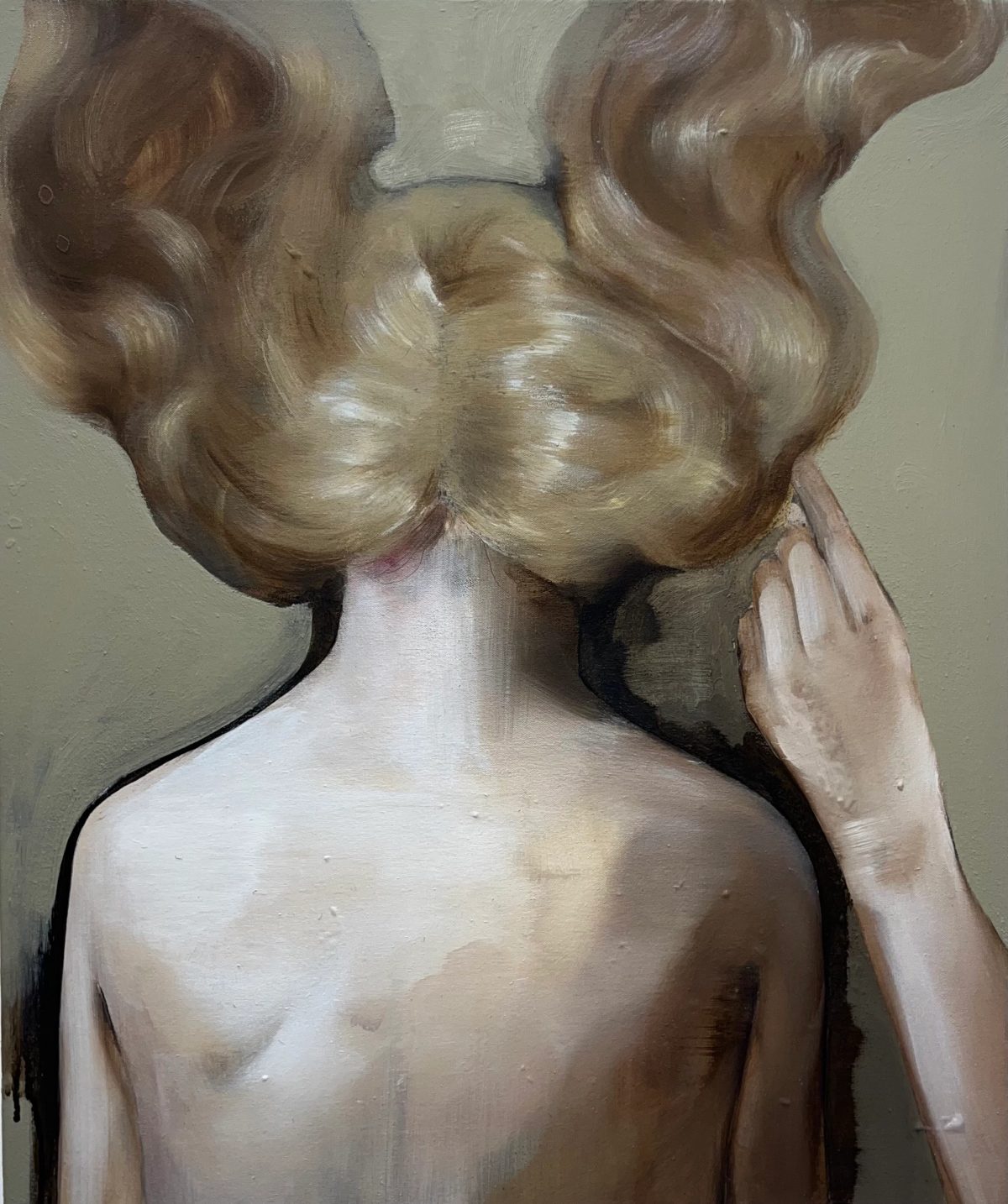
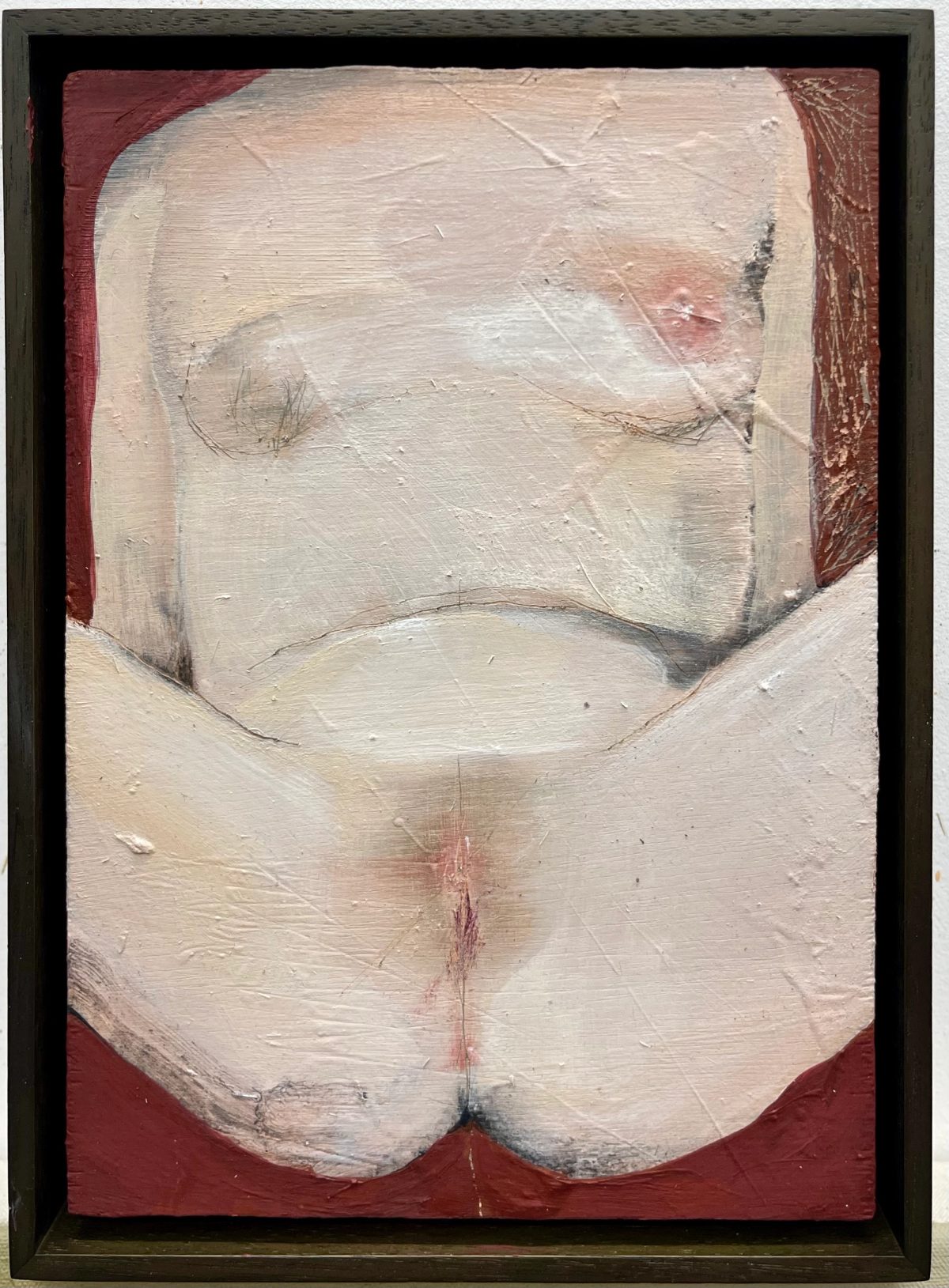
ELSA ROUY LEFT: THE BODY, 2025, ACRYLIC ON CANVAS, 60 × 50 CM, COURTESY OF Patricia Low Venezia | RIGHT: AVOIDING THE SUBJECT, ACRYLIC ON BOARD IN BOX FRAME, 15 × 21 CM, COURTESY OF Patricia Low Venezia
“When I begin a painting, I usually start with a feeling; sometimes it’s quite ambiguous, but I know what it is because I feel it.”
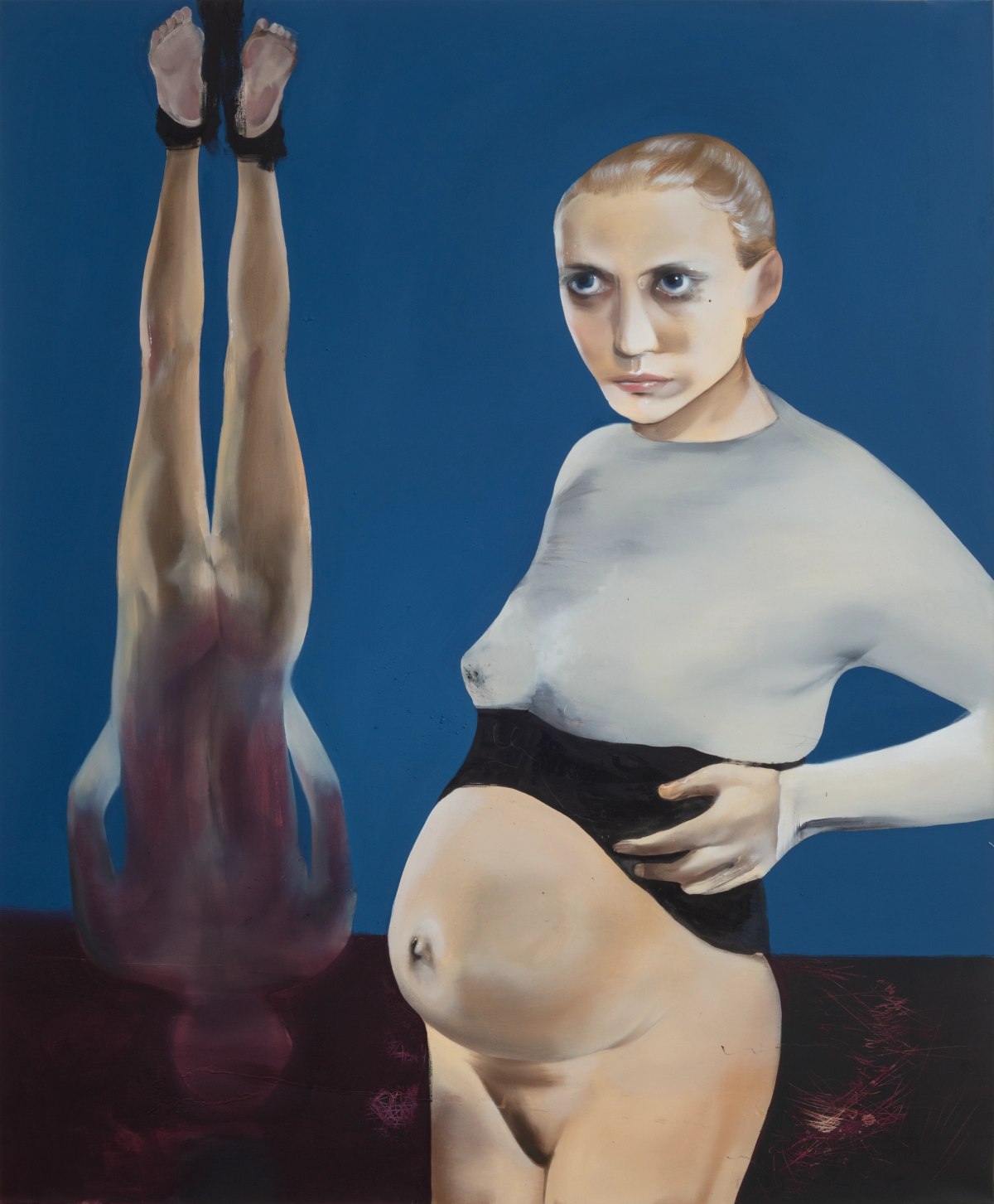
ELSA ROUY, THE GLORY, 2025
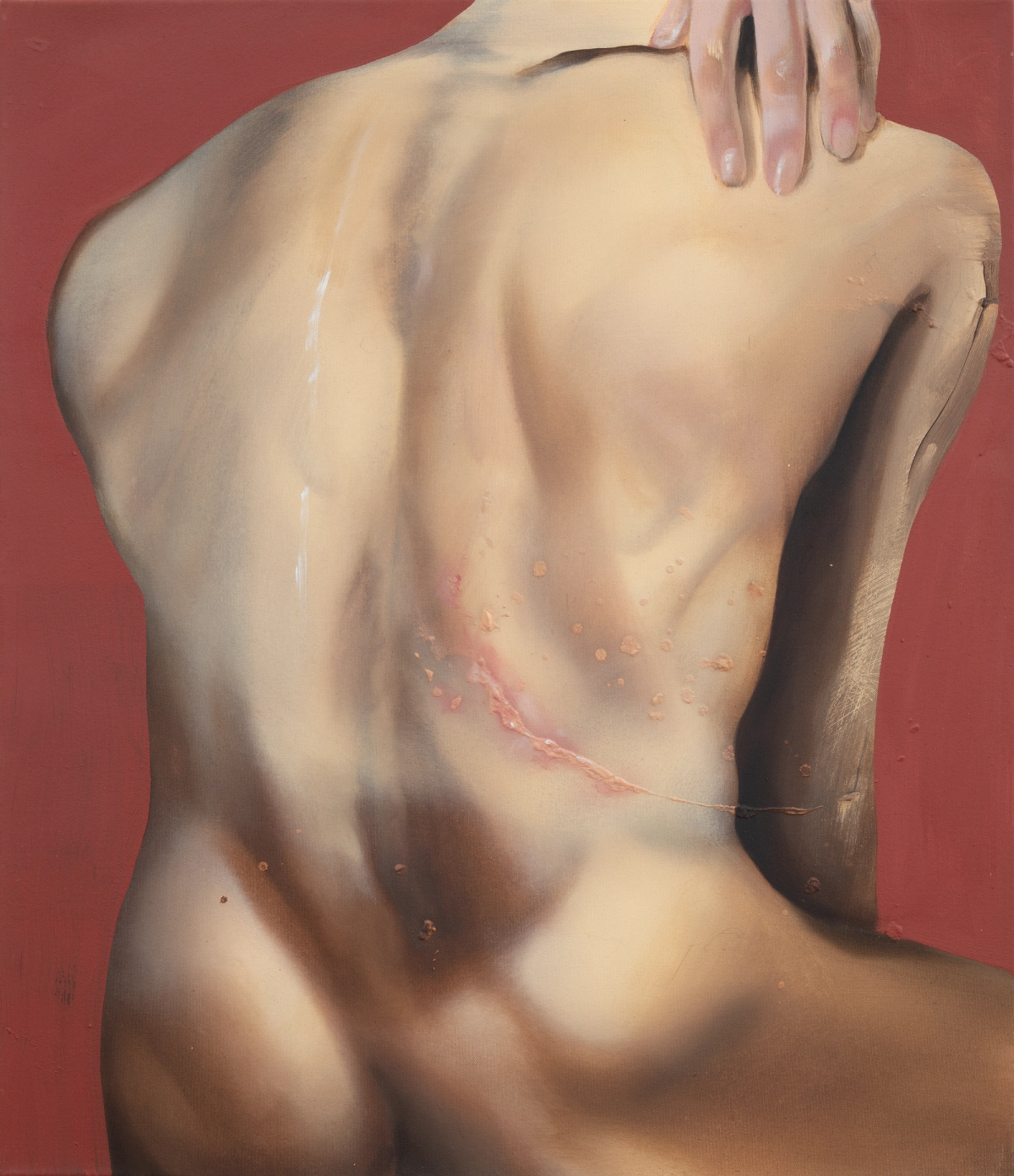
ELSA ROUY, THE FRAGILE, 2025
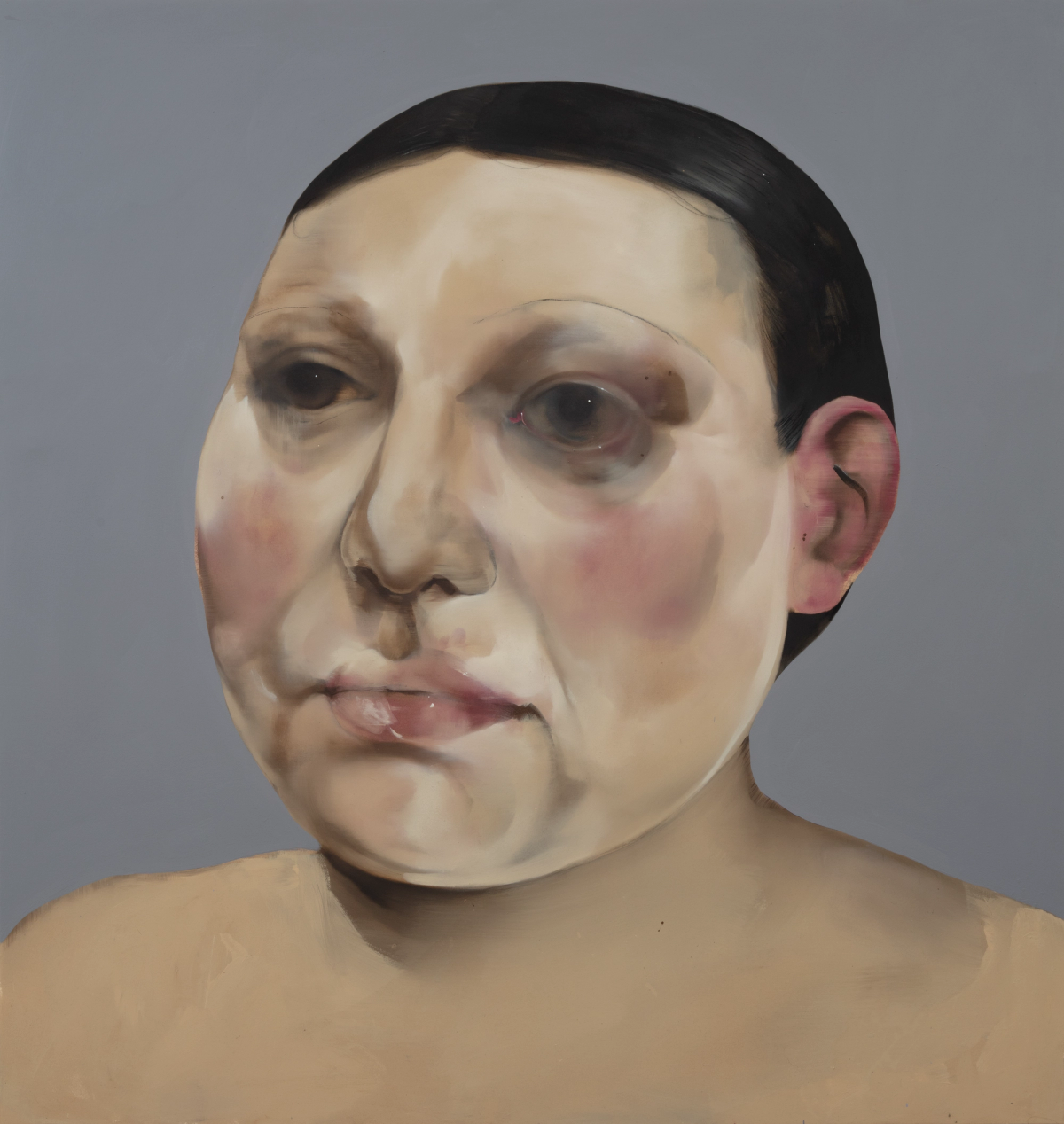
ELSA ROUY, VIRGIN STATE OF MIND, 2025
As your exhibitions have moved between London, Europe, and the US, have you noticed differences in how audiences respond to the work, and has stepping back from trying to control those responses changed how you decide when a painting is finished, or how much ambiguity you’re comfortable leaving in place?
Yeah, the responses have variations; there’s an overall tone that people get it, but I notice slight nuances. In the US, it seems more political than in Europe, and probably the same with London. It’s hard to tell, as I think it varies more person to person than place to place. As for when a painting is finished, I have no control over that. The painting is done when it says it’s done! The more ambiguity, the better, I think. Who wants to be told what to think and see? The viewer will always have their own interpretation anyway.
Painting bodies so closely and repeatedly, has your relationship to your own body changed over time, or does the studio feel like a separate space entirely?
I think I’m more comfortable with my body now, or at least I think about it less. I sometimes have to use crude photos of myself or mirrors to get a body position or facial expression how I want it; something that is pretty or attractive isn’t generally fun to paint, so they’re usually unflattering. This form of self-objectification is quite good, as it removes me from viewing myself objectively from a desire perspective and more as a means to an end to get the right image. The studio changes depending on how far along a series I am; sometimes it’s an empty shell, sometimes I feel like I know all my paintings personally.
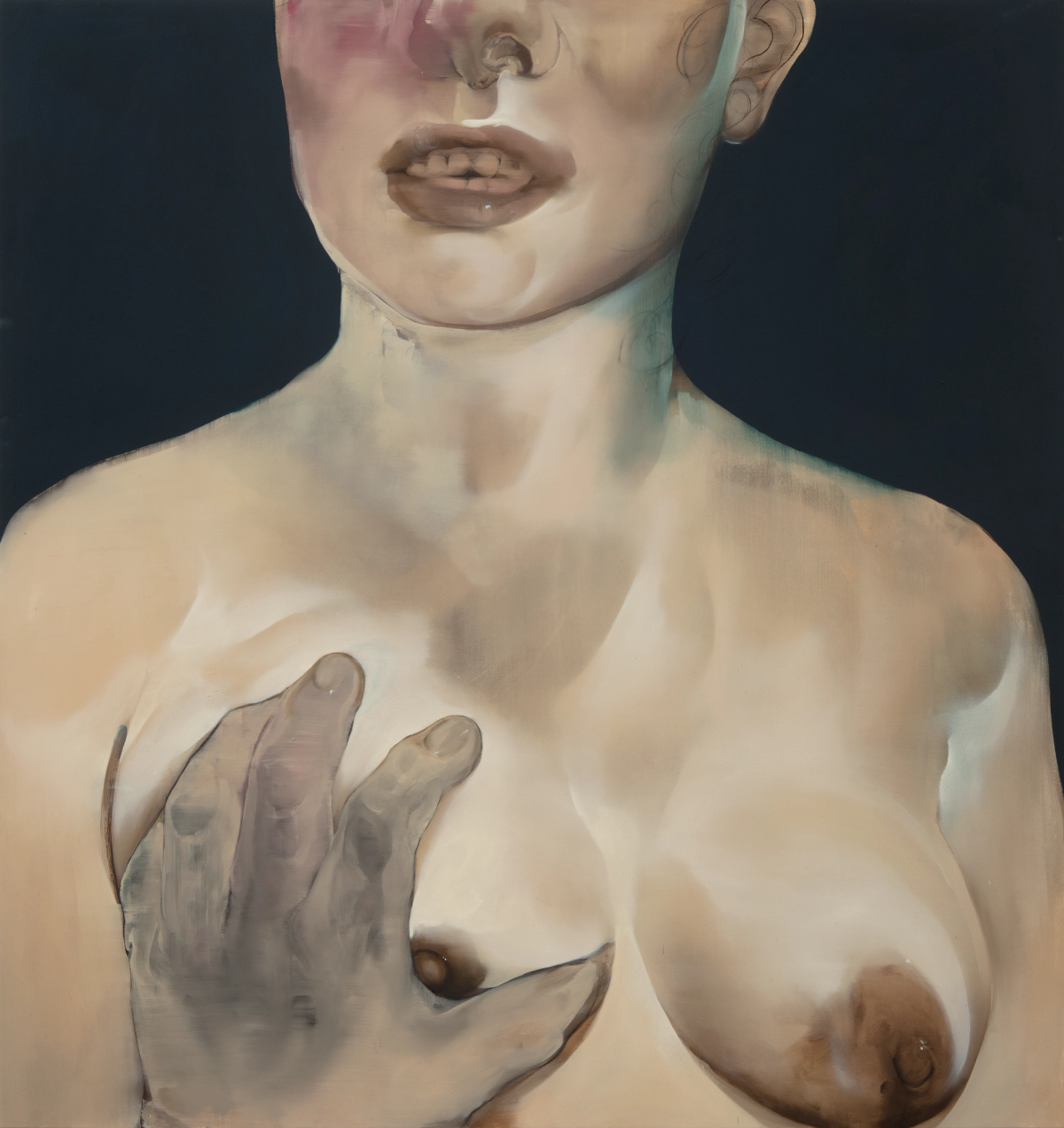
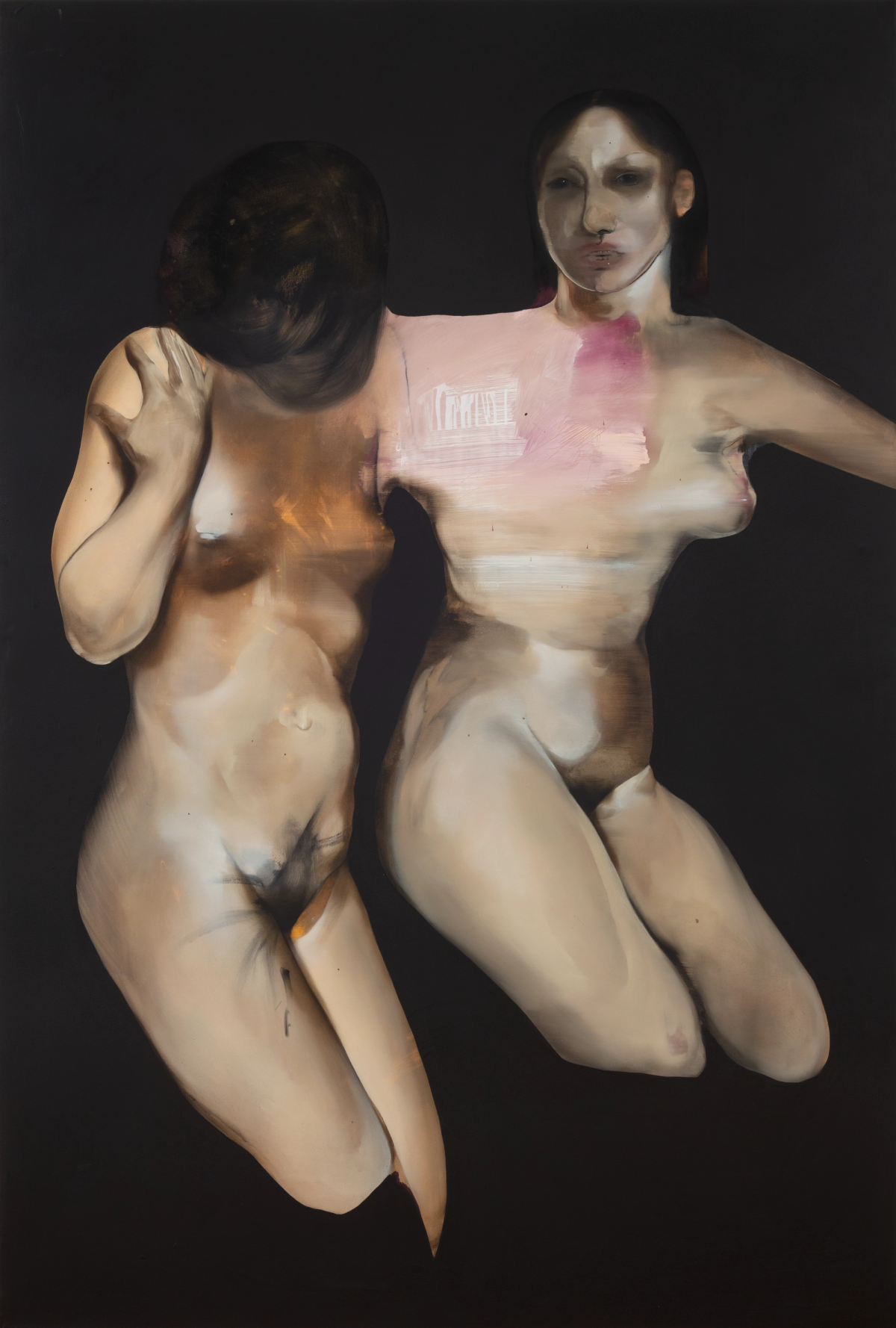
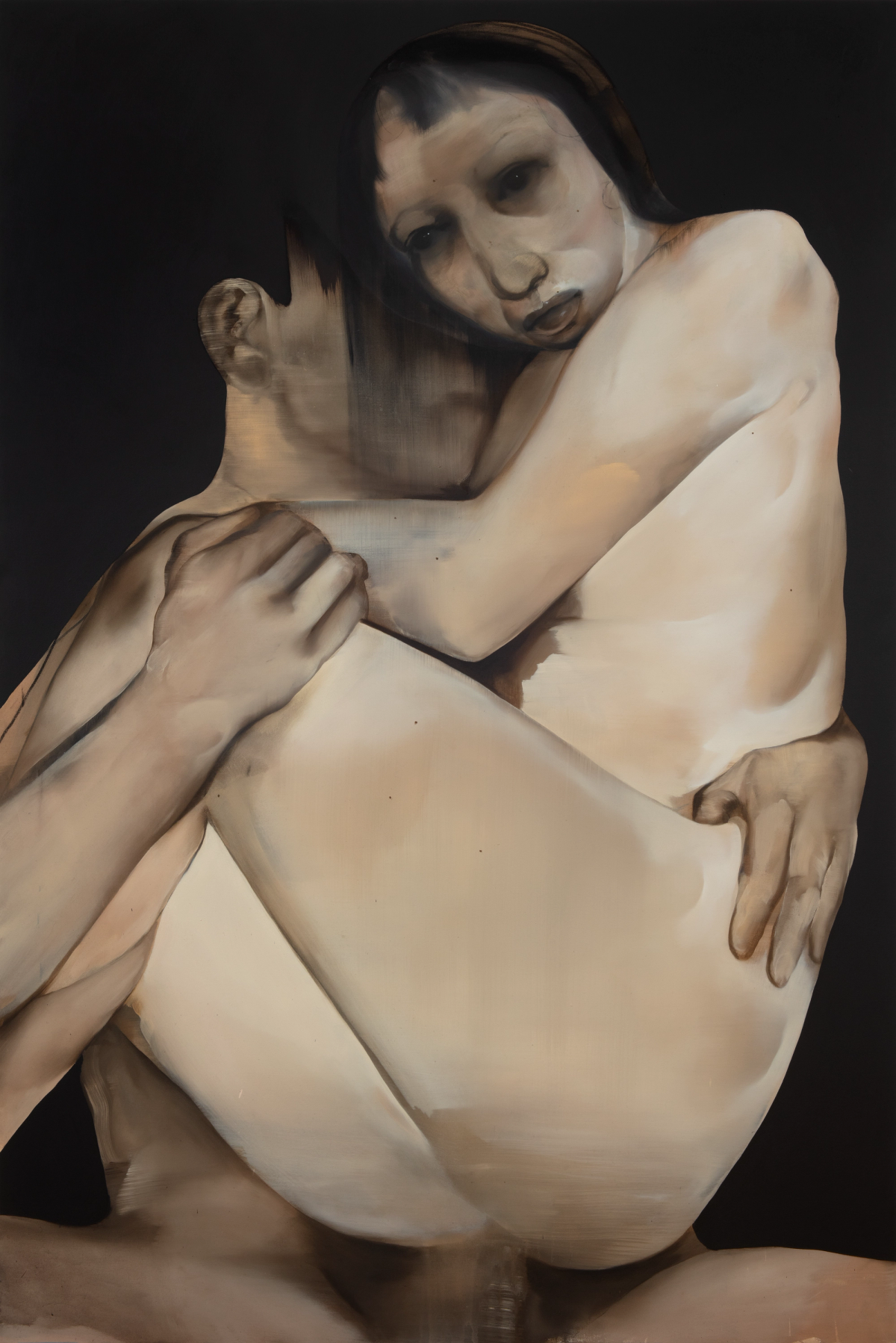
ELSA ROUY LEFT: THANKS, 2025 | MIDDLE: SMART, WITTY, MYSTERIOUS, 2025 | RIGHT: OUT OF MY HEAD, 2025
Have there been moments when painting felt limiting for what you wanted to express, and working with wearables, poetry, or video opened something up instead?
Yes, especially if I have an idea in mind that is bigger than my painting ability. Poetry has opened up new ways of expressing, as I can form the image with words instead of being hindered by myself; however, my goal is to get myself to a point where I can paint exactly what I want to express every time.
Your paintings often resist clear storytelling, yet they feel emotionally specific. Do you think about narrative at all while working, or does it emerge afterwards?
The narrative always emerges afterwards. I have ideas like I want people to be grouped on this side of the canvas and empty space here. I want a figure emerging from behind another figure; how can I do that? They can be choking them. The space in this canvas is too empty; how can I fill it? I will make her pregnant. Most of the time, there is no planned narrative, just compositional decisions. When I create series, I will want them to have an overriding emotion that creates dialogue between the works. What is going on in the paintings isn’t particularly important, as long as it has the feeling.
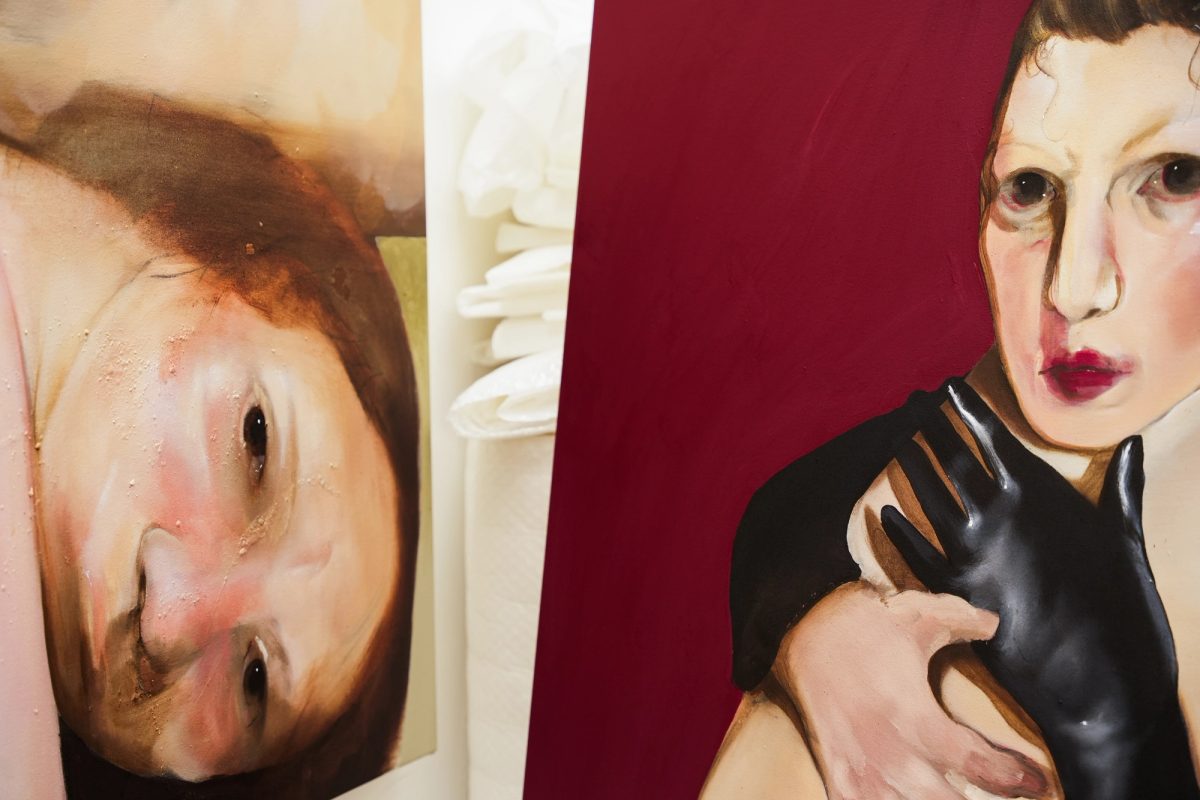
ELSA ROUY, STUDIO SHOT, 2025
“Because of this, I think each artwork is multiple confessionals or thought processes at once.”
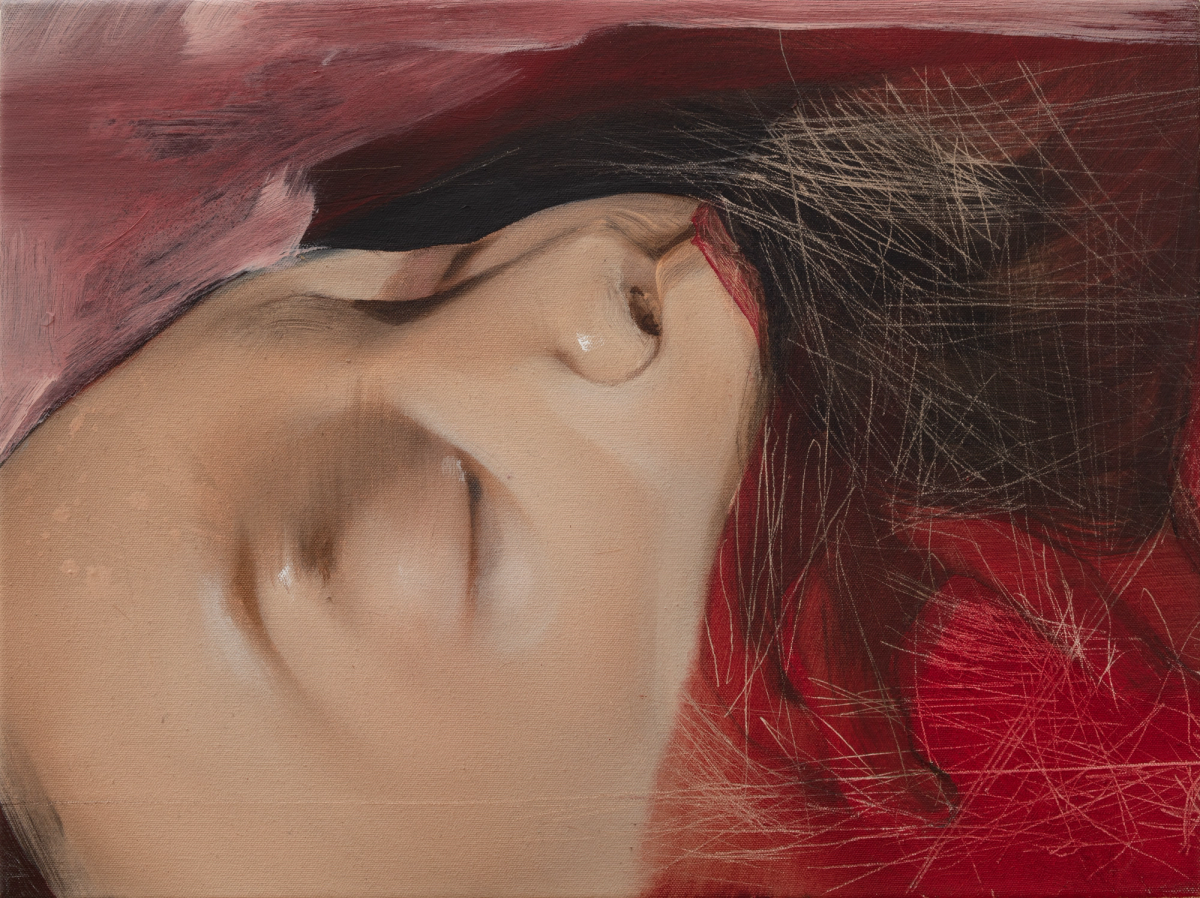
ELSA ROUY, THE END, 2025
How do you usually know when a painting is finished? Is it a visual decision, an emotional one, or simply a sense that you can’t push it any further?
Most of the time, it’s a mix of visual and emotional decisions. When the painting feels just right. Pushing past this feeling seems pointless, as I usually ruin the painting, and I can always start another one.
Looking ahead to your upcoming shows in Radom and Zurich, what questions are you currently working through in the studio, and where do you feel the practice is heading next?
They have both opened now. I’ve had a break, and I’m going back today, asking, what do I do now? I always feel pressure to make better and better works, but I think I just need to continue on what I was doing, and the practice will head where it’s meant to. I guess what I’m trying to do is refine an idea, but this idea constantly changes as I change. Honestly, I only feel like I’ve just started learning how to paint in the last two years or so, and this is my starting point. I feel more confident about not having so many answers about where I want my work to go. Also, I am much more confident about making work and imagery I want to make without too much explanation about why; it feels right to me.
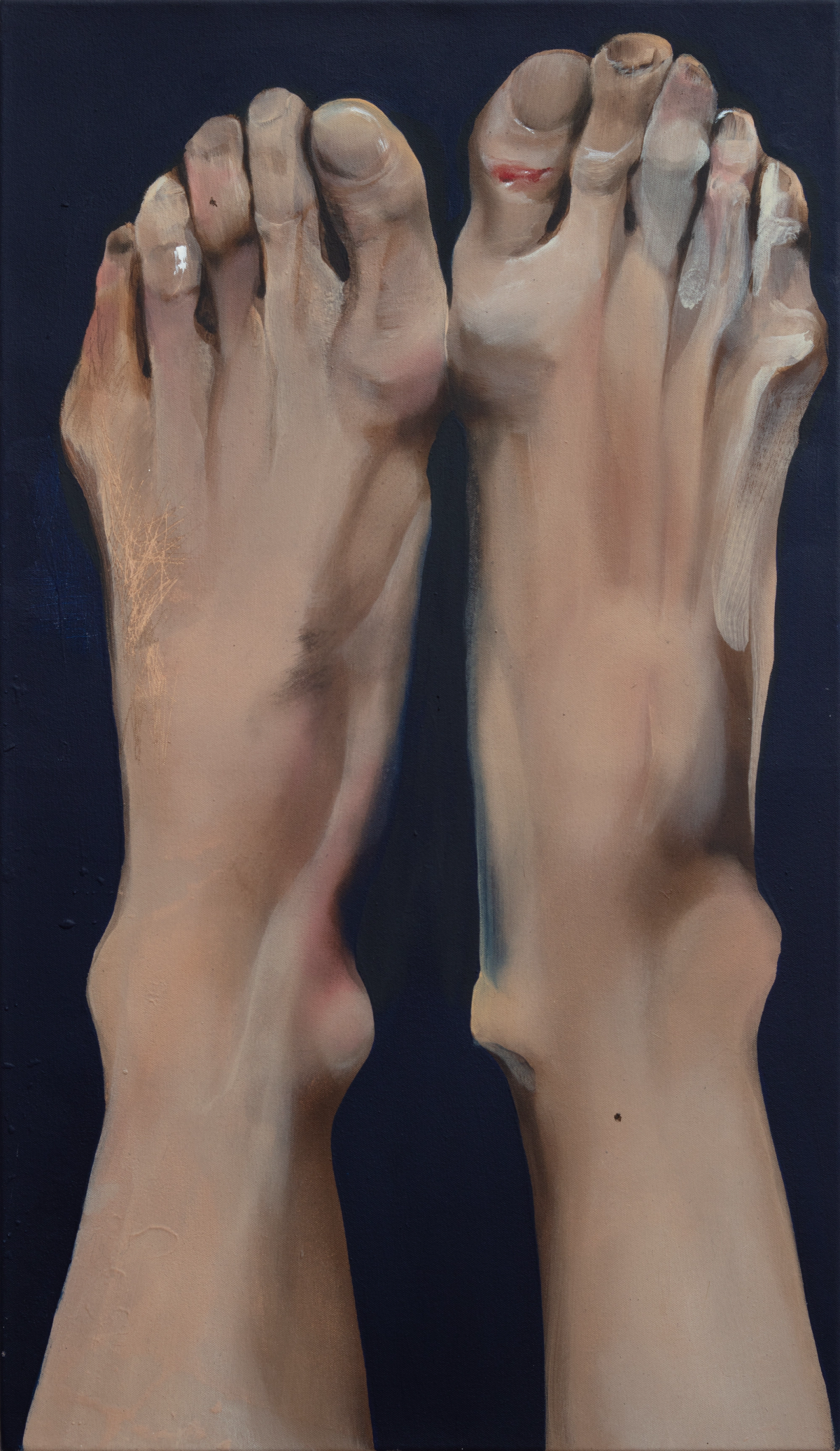
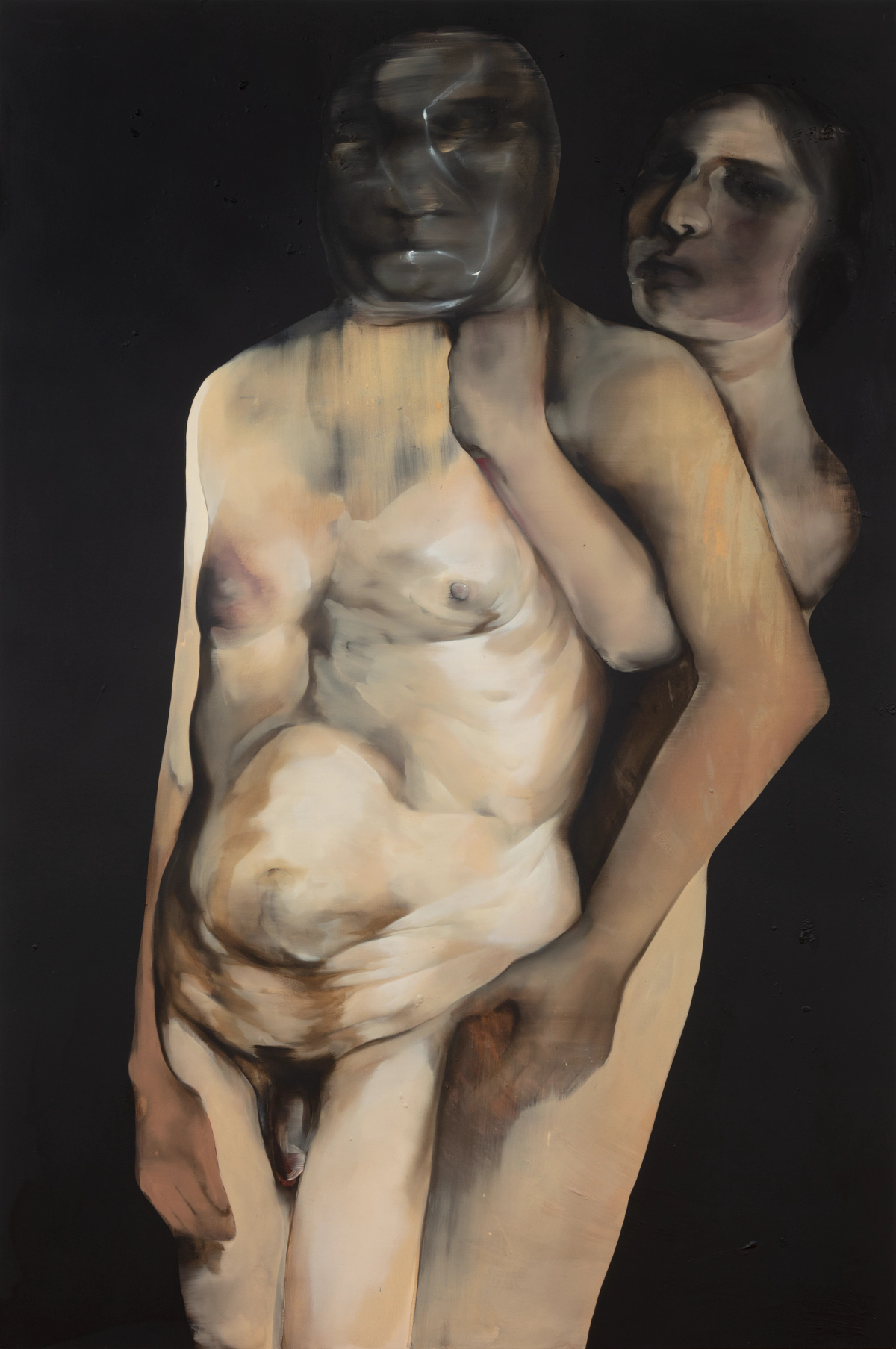
ELSA ROUY LEFT: A SOFT SPOT, 2025 | RIGHT: CHOKE, 2025
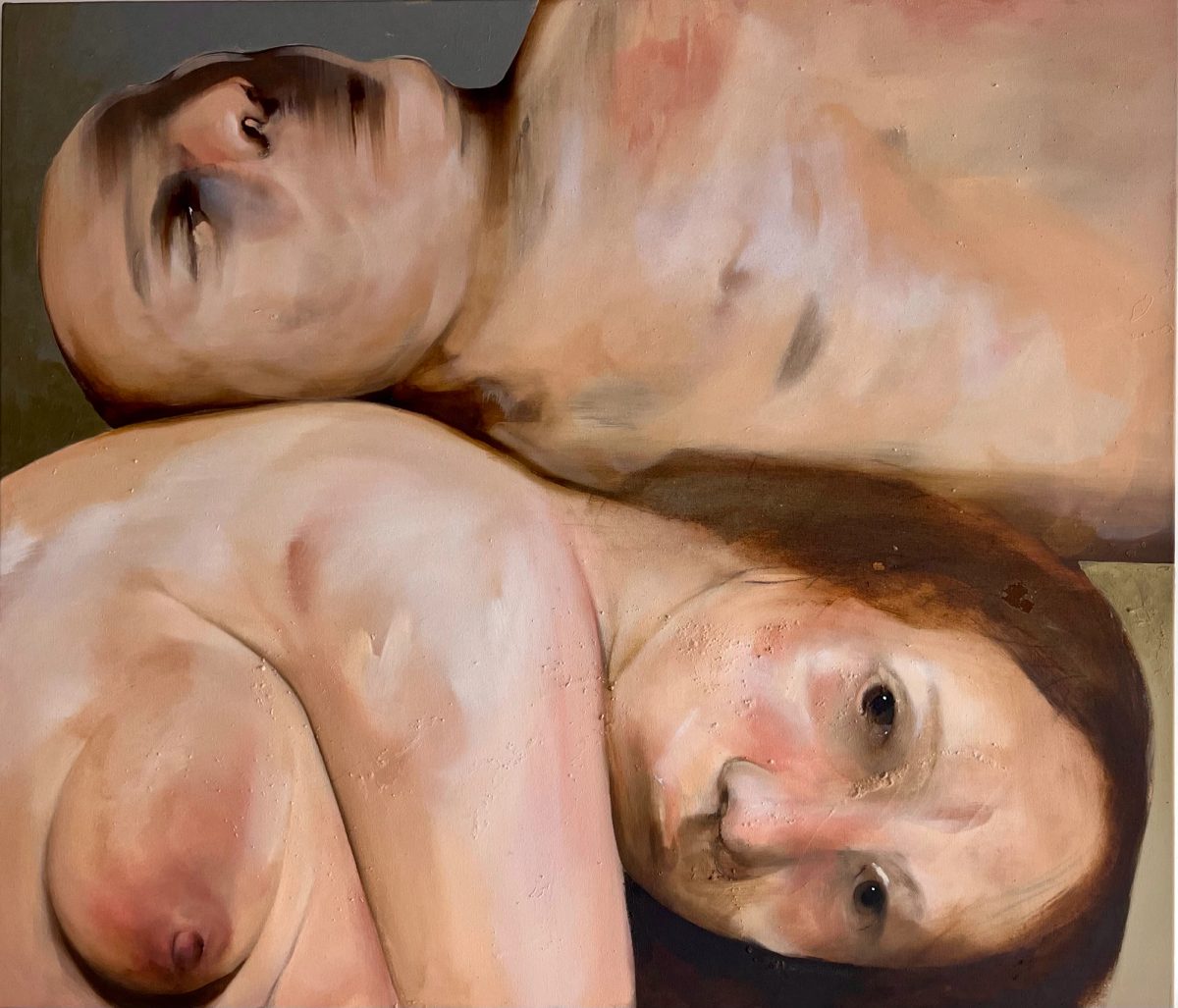
COVER IMAGE: ELSA ROUY, REGRET, ACRYLIC ON CANVAS, 110 × 90 CM, COURTESY OF Patricia Low Venezia