THE MAKING OF THE FOOL: IN CONVERSATION WITH PYTKO
CONVERSATION BY SELIN KIR
CO-FOUNDER, CURATOR
15 APRIL 2026 — UNITED KINGDOM
When PYTKO began working on her upcoming EP, she wasn't thinking about Tarot as a theme. She was thinking about it as a structure, something she could step into, follow, and allow to guide the work without predetermining where it would end. The result is a project that sits somewhere between sound, spirituality, and the strange intimacy of meaning-making in the age of the algorithm. The Fool, the EP's lead single released April 10th, opens that world with characteristic precision: three words into the lyric and you already know this is not an album about innocence, but about the particular courage of moving forward without proof. We spoke with PYTKO about the EP, the cards, the collaborators, and the much larger world she is quietly building around all of it.
The idea of building an entire EP around the Tarot deck is such a specific and committed concept. So why Tarot, and why now? And what is it about right now, this particular cultural moment, that made it feel like the right time to put it into the world?
Tarot didn’t arrive to me as an abstract concept, it felt more like a structure I could actually step into, something to guide me. I had been feeling quite disconnected from any clarity for a while. Everything was a bit opaque, as if I were moving without orientation. Around that time I started watching Tarot readings online, quite casually. Something about their language, the repetition of symbols, and the way meaning was hinted at rather than fixed really pulled me in. It felt urgent somehow, like a reminder that mystery still has a place, that not everything needs to be fully explained or resolved. What stayed with me wasn’t prediction, but the sense that maybe things are already arranged in ways we don’t fully see. Maybe what we call choice is more fluid than we think. That tension between agency and surrender became really compelling.
So Tarot became more of a working method. I didn’t want to make a tarot-themed album in a literal sense. I wanted the cards to guide the process, to be like a musical score or set of coordinates I could follow without knowing exactly where they’d lead. In that way, the project came alive for me. It became about encountering the meaning, as if I were entering something with its own internal logic and responding to it.
The EP uses the cards as a framework to ask what belief looks like now, when intuition is constantly being negotiated with algorithms, feeds, and suggested meanings. Tarot became my way of slowing that down, of reintroducing uncertainty as something generative, something you can move with rather than try to resolve. It allowed me to build this musical world more organically. Things could appear, shift, or even contradict themselves. I could follow rather than control, and that, for me, felt like a very necessary shift.
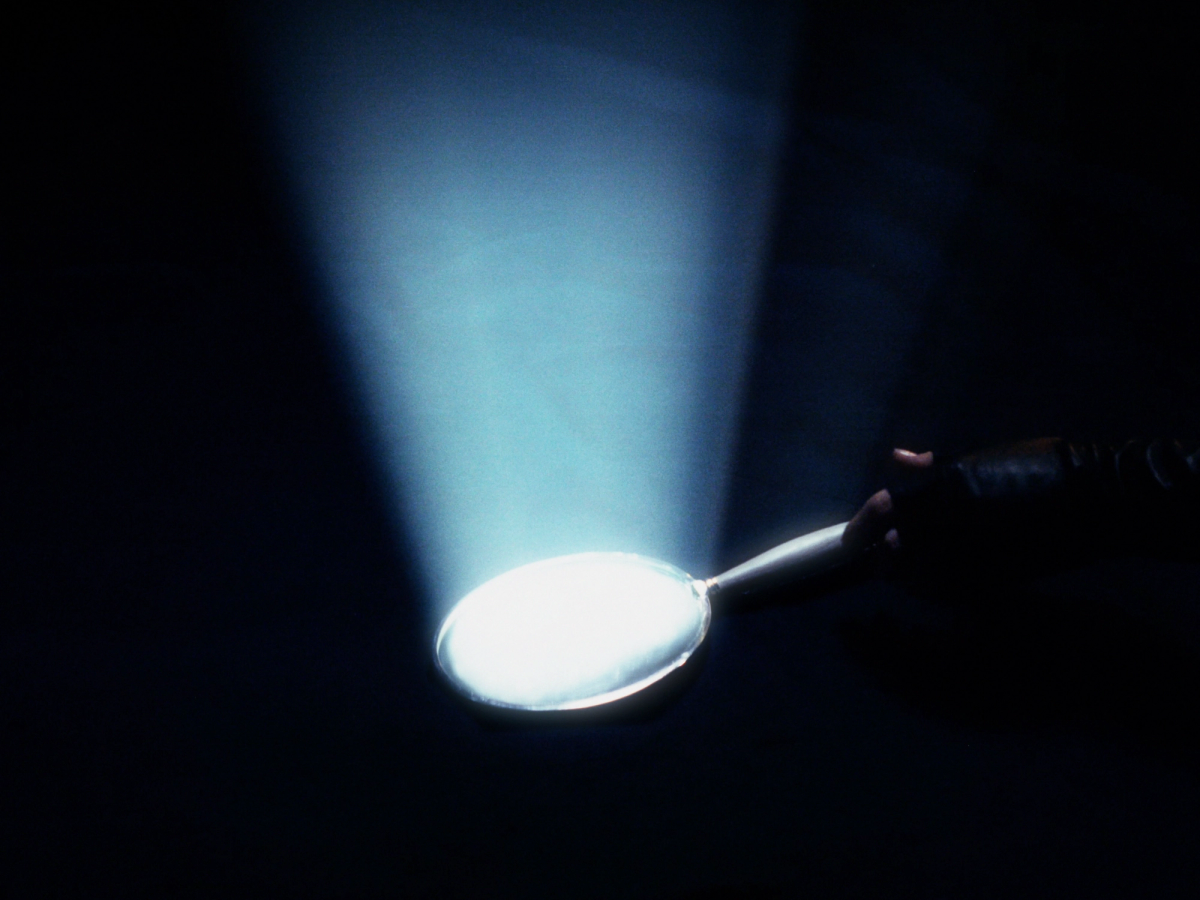
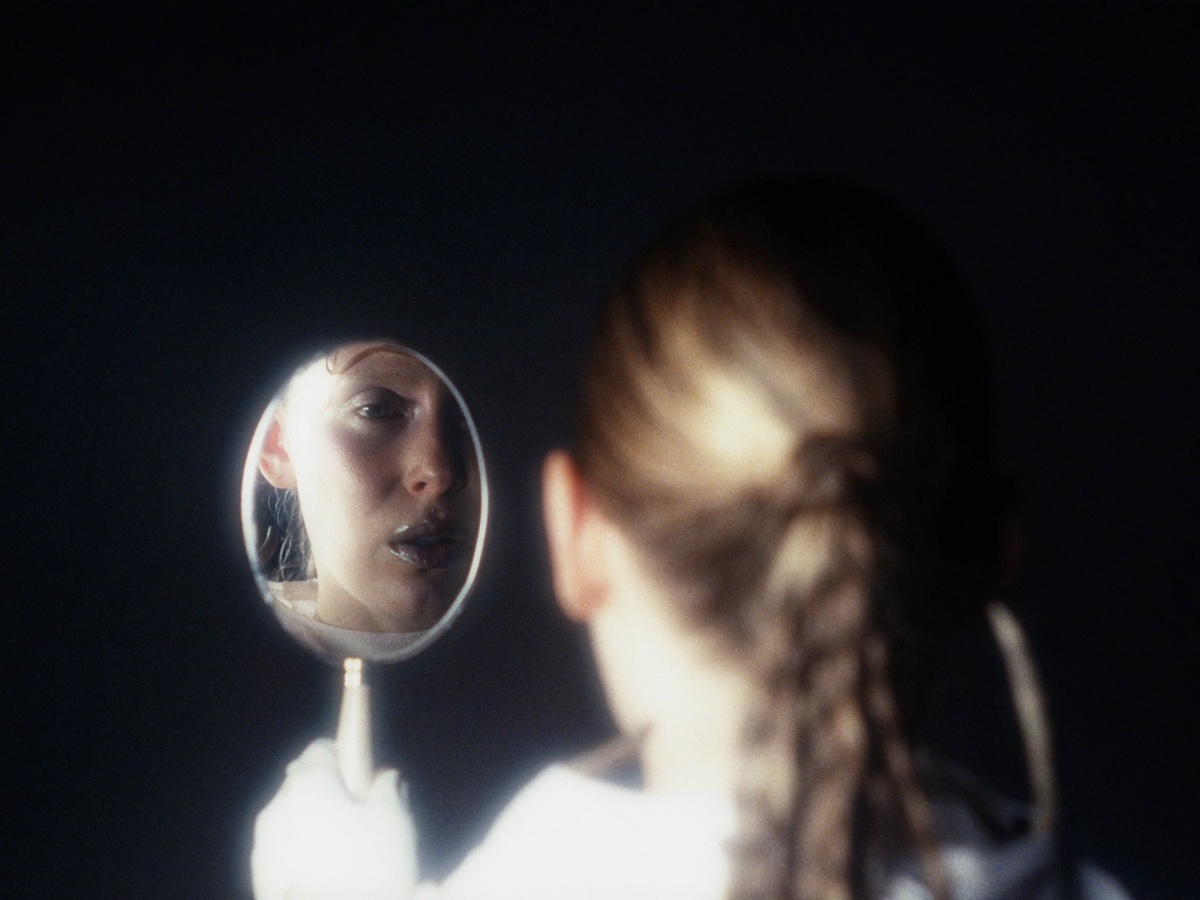
Each tarot card carries so much accumulated symbolism, so much visual history, archetypes that go back centuries. When you sit down to write, do you go deep into all of that, the history, the Rider-Waite imagery, the esoteric readings, or do you try to come to it completely empty? And once you do find your way in, what does that actually look like in the studio? Are you building from a voice note, a field recording, a texture, a feeling?
I never set out with a fixed rule for how a track should begin. Sometimes it’s a single sound that feels charged or a line that appears half-formed. Other times I’ll be out and about on my bike, in my kitchen, outside late at night and I’ll record something because it holds a certain weight. I’ve learned to trust those instincts. If something makes me feel even slightly disoriented or drawn in, I follow it. The same happens in the studio, I don’t try to control everything. It’s more like a playground where things can misbehave. I’ll stretch sounds until they almost collapse, layer voice until it stops sounding like human, let noises drift or distort. I’m testing how far it can move and still carry something alive.
Of course, I knew the history and symbolism of the cards when I began this EP. I couldn’t completely ignore that weight. But I didn’t want to feel restricted by it. If you take the symbols too literally, they can lock you in. Instead of asking what a card looks like, what it means, I asked what it feels like. I thought about moments in my life where I experienced that exact tension or emotion. Once I found that connection, everything else fell into place. There’s always some research underneath. You can’t escape the depth of these archetypes, but what leads is instinct, and a quiet trust that meaning, your meaning, will emerge through the process.
The Fool is traditionally the moment before fear, pure potential on the edge of a cliff. But your lyric is “You talk like truth / I don’t see proof / Both of us halfway”, which sounds much more suspended than naive optimism. Is your Fool someone who’s already stepped off the cliff and isn’t sure yet whether they’re flying or falling?
I never saw The Fool as just innocence. For me it’s really about contradiction. It’s that moment where you can sense instability, feel the doubt, and still choose to move forward without an answer. A lot of that comes from my own experience, a time when I felt misaligned, misunderstood or blamed in ways I couldn’t quite respond to. After a while that does something to you, you start questioning your own instincts, lose your voice and your sense of truth. That’s the layer of The Fool I connected with: feeling almost foolish for believing in something, for staying true to yourself when nothing seems clear. But instead of trying to resolve that, I got fascinated by what it means to carry on anyway. I wanted to capture that hanging, uncertain feeling.
Working on the track with KIWI mirrored this openness. We didn’t sit down and define what the song meant for either of us. I sent her my draft and she responded intuitively, adding instruments and her vocals, without any need to explain. It’s rare to have that kind of trust. You can be really close to someone creatively without exchanging definitions. Even if the song holds slightly different meaning for each of us, it still arrived whole. I love that about it; it leaves space for listeners to find themselves somewhere in it, without being told exactly where to stand.
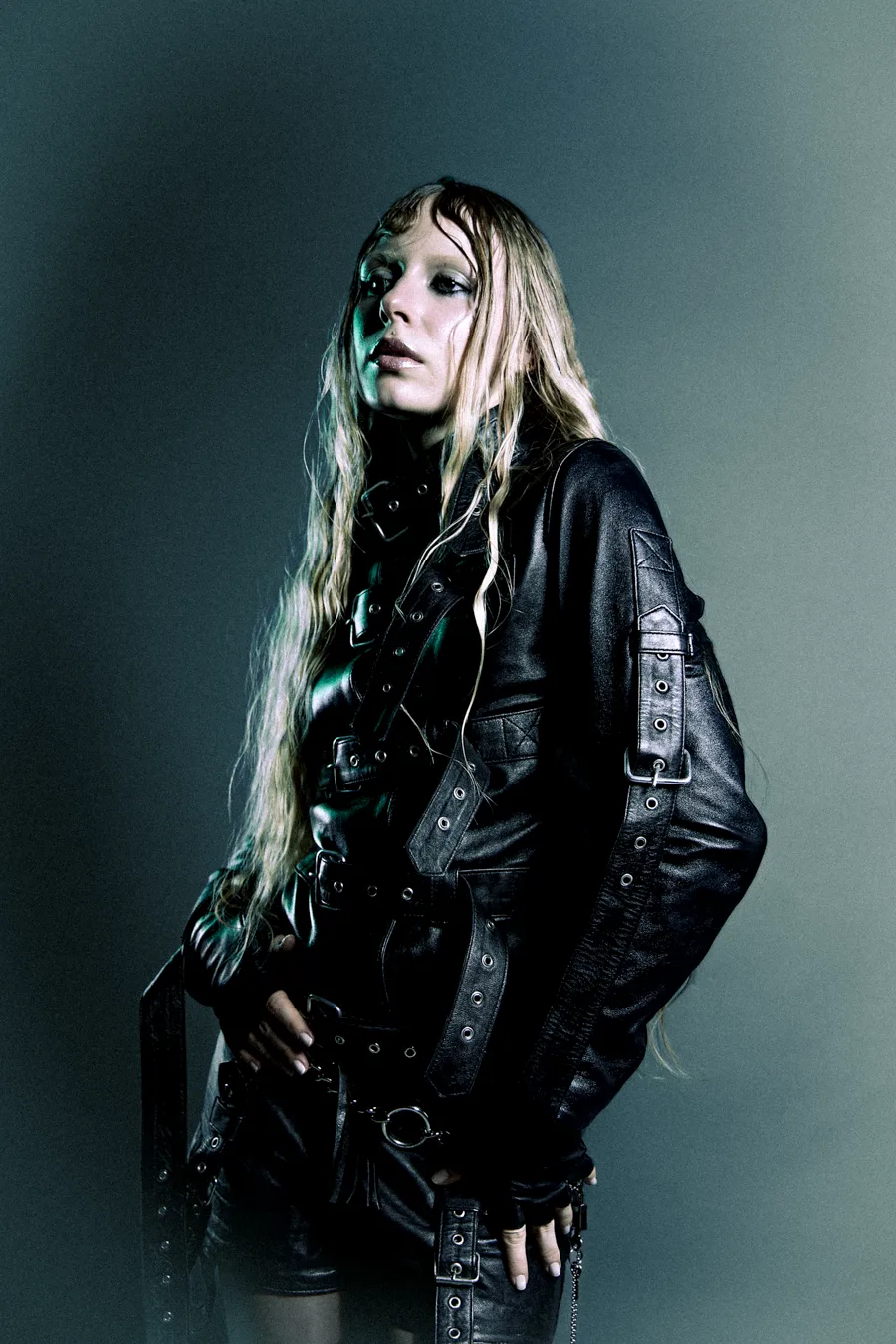
"The EP uses the cards as a framework to ask what belief looks like now, when intuition is constantly being negotiated with algorithms, feeds, and suggested meanings."
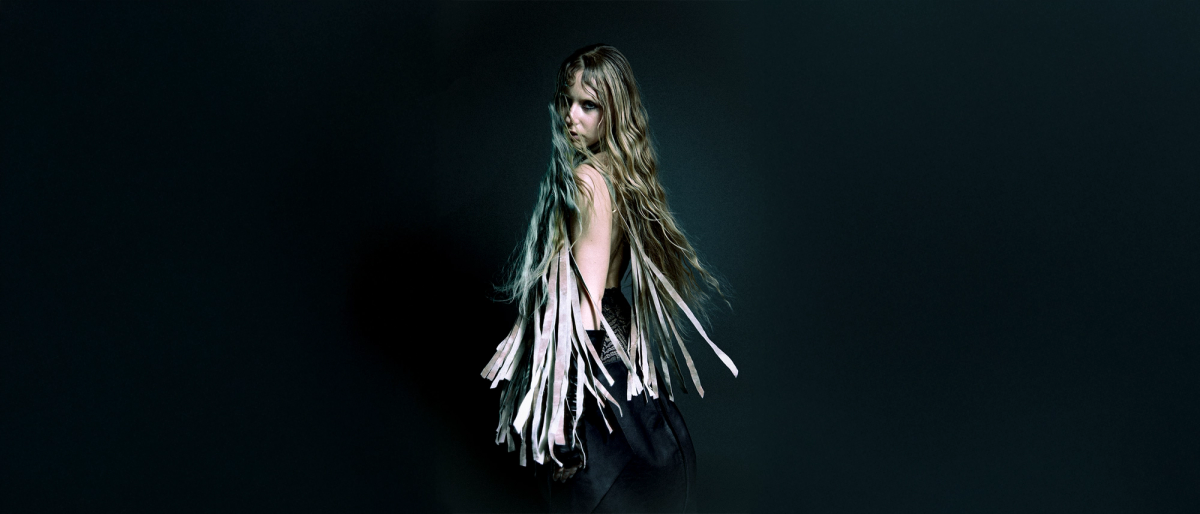
There’s something genuinely funny, and also genuinely interesting about using one of the oldest symbolic systems in the world to make sense of TikTok. Are people scrolling through TikTok Tarot readers genuinely looking for meaning, or just something that feels like it?
There’s something deeply human about wanting to recognise yourself in something, to feel spoken to, even if it’s indirect. Social media platforms just amplify that. They make the impulse constant, feeding us content at such speed that we’re always reaching for patterns or reassurance.
I won’t lie, that pace can feel overwhelming. You’re taking in fragments of meaning all the time. But it also reflects how we live now. Meaning is embedded in the stream of everything. And within that, people are still looking for connection. Even if something is generalised or projected, the moment of recognition can still be very real. You might come across something simple and suddenly feel seen, or lighter, or shifted in some small way. I don’t think that should be dismissed.
What interests me more is what happens when this becomes a primary way of finding meaning. When belief starts to follow the logic of the feed, fast, repetitive, slightly detached, but also strangely intimate. And also why we feel the need to invalidate it. If something makes you feel understood or inspired, does it really matter that it arrived through a simple or shared format?
I don’t mean we should accept everything without question, but it may be important to pay attention to what it reveals about how we process emotion and how we try to make sense of things now.
There is a genuinely an interesting mix of people in the EP. But with a project this personal, one built around your own relationship to these specific cards, how do you know when to let someone else in?
For me the work only really starts to breathe when other people enter it. The project is personal, but that doesn’t mean it needs to be closed. If anything, it becomes more alive through exchange. Working entirely on my own can feel quite isolating. In earlier projects I was very DIY, writing, producing, building visuals on my own. That taught me a lot, but it also made me realise how much I value dialogue. With this project, I made a conscious decision to open that up. To invite people in not just as contributors, but as co-thinkers, each with their own language and perspective, responding to the work freely. That’s where something unexpected can happen.
There’s a very particular feeling when you hand over something fragile, like a draft or an idea, and it comes back transformed into something you couldn’t have reached on your own. It shifts the work, but it also shifts you. For me, that process is about learning. It breaks your habits, your patterns, the ways you usually resolve things. It pushes you out of your comfort zone, and in that space you start to see differently, not just the work, but your own position within it. At that point it stops being just mine. It becomes shared, layered, carrying different perspectives at once.
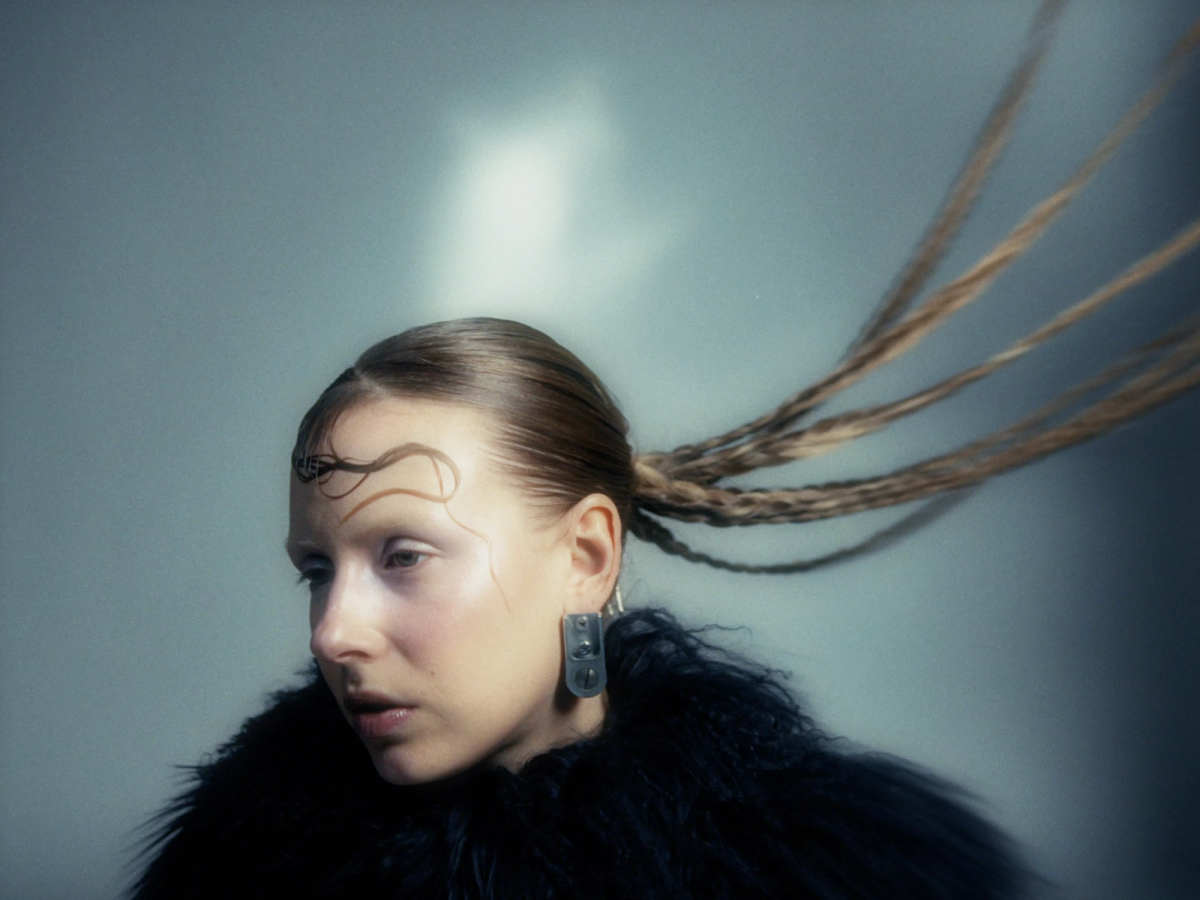
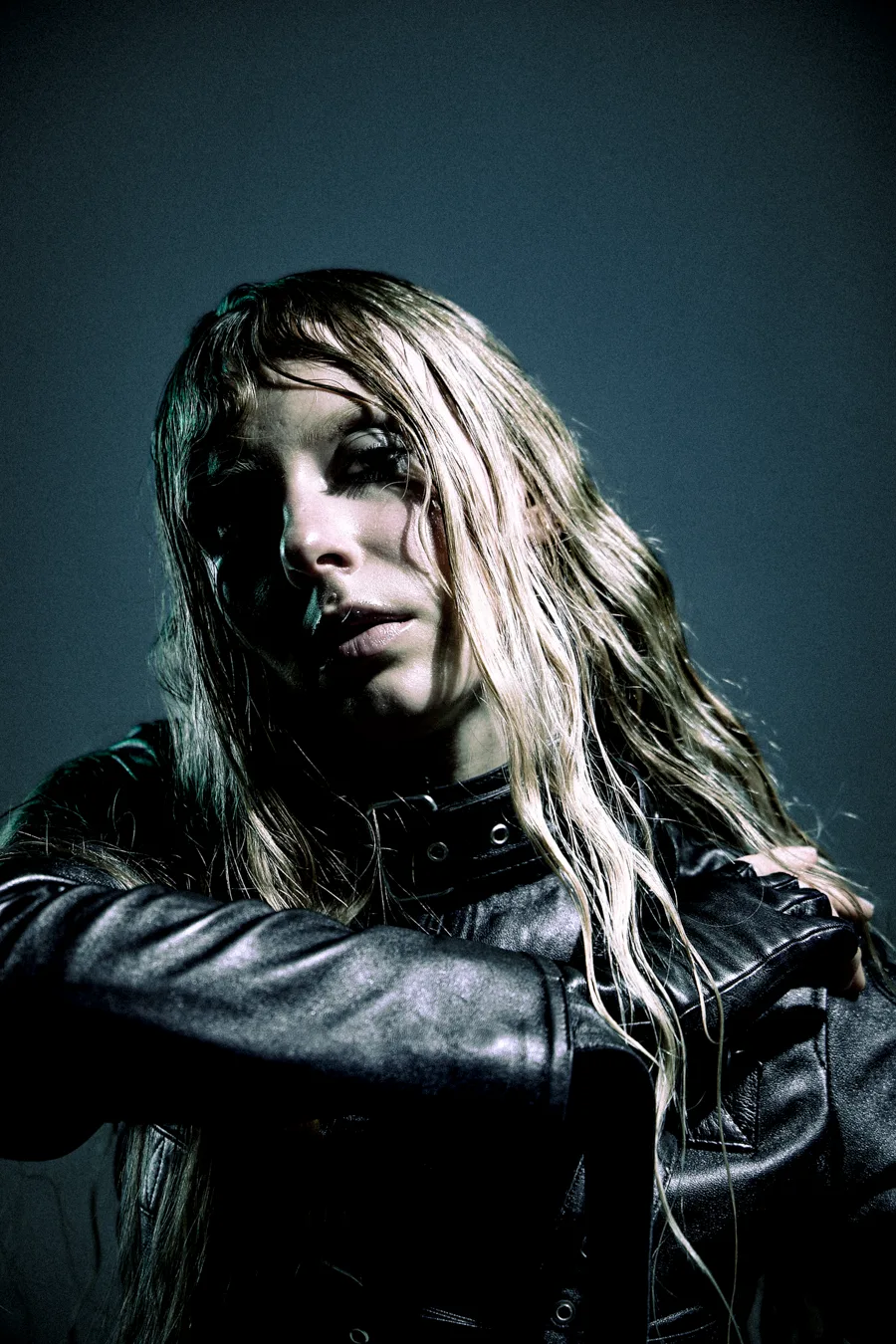
"I'll stretch sounds until they almost collapse, layer voice until it stops sounding like human, let noises drift or distort. I'm testing how far it can move and still carry something alive."
Field recordings are such a core part of how you work. You’ve talked about treating music as material, almost sculpturally, layering voice and texture and found sound into something that feels physical. For this EP specifically, what were you recording? What sounds were you hunting for?
I’ve been building a field recording archive for years, collecting sounds from travel and everyday life, moments that didn’t seem important at the time but held a certain atmosphere. It’s like a memory bank.
For this EP, I became very focused on something much closer to the body, which is breath. I recorded a lot of it, very intimately, very close, and then pushed it until it almost lost its human quality. Stretching it, distorting it, layering it into something that sits between organic and synthetic. That contrast became very important.
There’s something about taking a sound that is so immediate and human and letting it dissolve into something unfamiliar. It adds a different dimension. Especially with a project that deals with spirituality and emotion, I didn’t want the sound world to feel entirely natural or entirely real.
Alongside that, I work a lot with very small details. Tiny sound elements that you might not consciously notice, but that quietly shift the atmosphere. I often think about it in a similar way to sound design for film, or Foley, except there’s no visual reference, only imagination. It’s very instinctive, and I don’t always have the language for it while I’m doing it. It feels more like shaping the air within a space, allowing something to appear, disappear, flicker slightly, until the whole environment starts to move in a subtle way.
This project is so much bigger than a record. You’ve got musicians, visual artists, fashion designers, videographers, game designers all involved. It sounds less like you’re releasing an EP and more like you’re building an entire world around a set of ideas. So what does that world actually look like, and what should we expect? What’s coming beyond the music?
I think what I love most about this project is that I don’t fully know what it is yet. There is a vision, of course, certain ideas, but once you invite other people in, it stops being so fixed. It shifts, it stretches, it becomes something more fluid.
Working with musicians, visual artists, designers, filmmakers, game designers, graphic designers creates a kind of moving ecosystem. Everyone brings their own way of seeing, and the work begins to move beyond what I could imagine on my own. I don’t want the project to arrive exactly as I first imagined it. I want it to be interrupted, reinterpreted, even slightly redirected along the way. That’s where something real can happen. It’s usually in those moments, slightly outside of my comfort zone, that I feel something genuinely shift, both in the work and in how I understand myself within it. So I don’t think of it as a finished world. It’s more like a space that stays in motion. You can enter it from different points, through sound, image, performance, digital elements, and each entry offers a different perspective.
What’s coming beyond the music reflects that. There are visual works, performative elements, interactive pieces, but none of them are just extensions of the songs. They exist alongside them, each with their own internal logic. It’s fully a transmedia project for me.
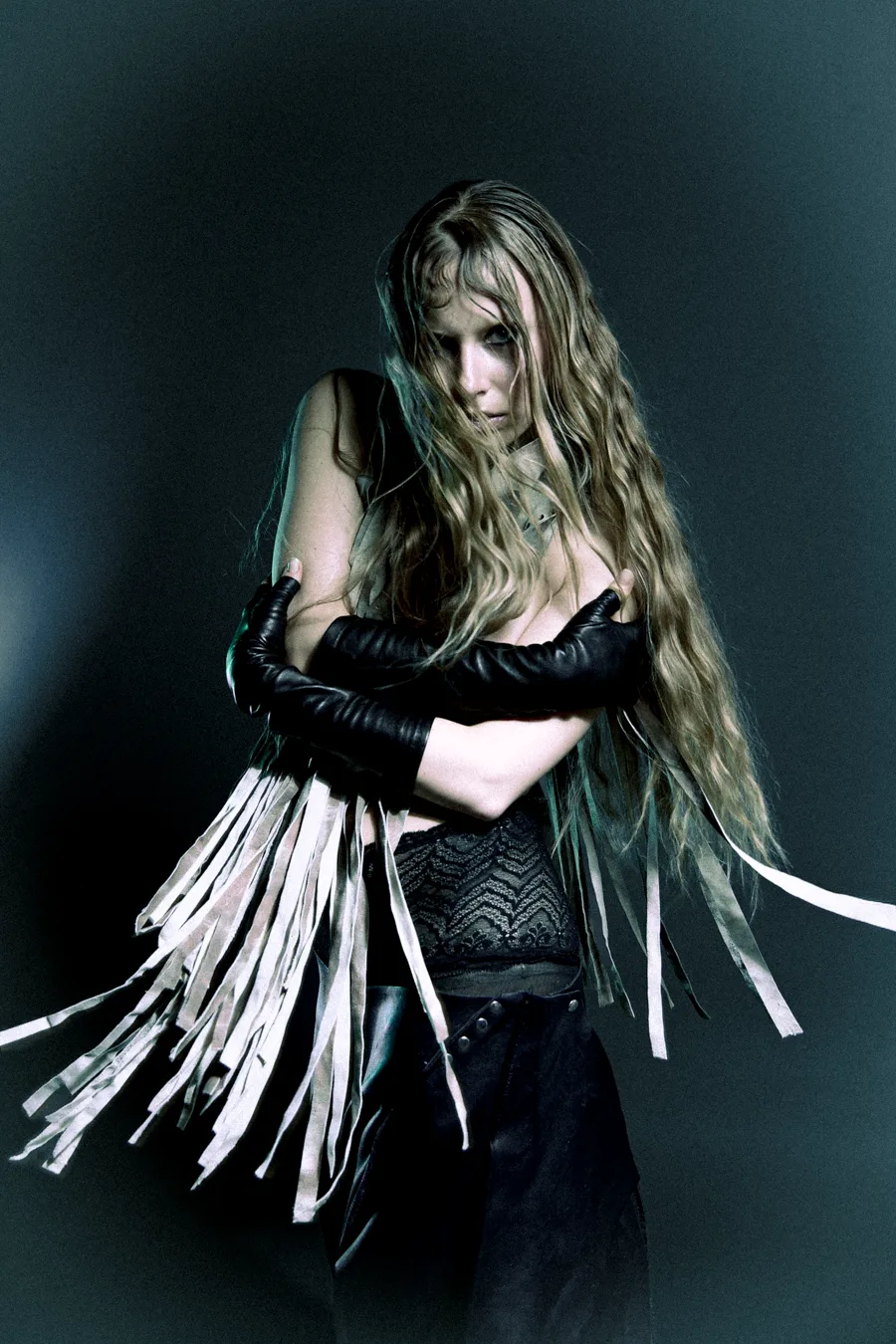
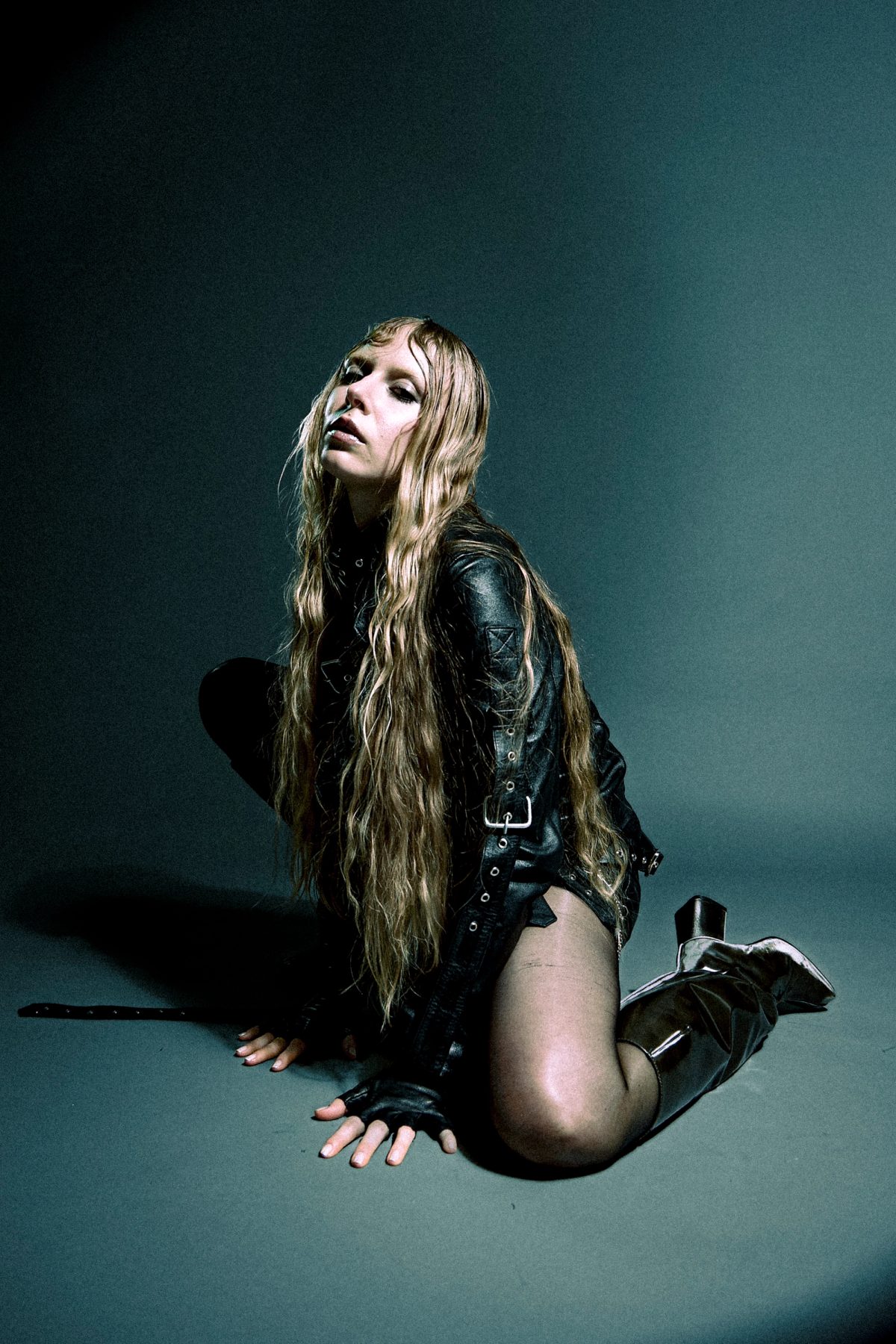
"I don't think of it as a finished world. It's more like a space that stays in motion. You can enter it from different points, through sound, image, performance, digital elements, and each entry offers a different perspective."
The Fool drops April 10th, and then the full EP follows. Beyond the music, what’s actually coming? Are there live shows, installations, something visual we should be watching out for? And you’ve also got a separate collaboration with Roman Flügel coming on Phantasy Sound in May. How does that sit alongside the EP, is it a completely different headspace or does it connect?
This year feels quite different for me. I feel like I’m returning to something more instinctive, almost childlike. I’ve been thinking a lot about being playful in my practice, exploring and trusting movement, even when I don’t feel fully ready.
I’m trying to follow what feels right rather than waiting for certainty. In a way, that’s become a kind of personal method, something that really grew out of making The Fool. That track holds a lot of that internal negotiation, so carrying that forward feels quite natural.
That shift is shaping everything that’s coming next. I’m interested in allowing different parts of my practice to exist in ways I can simply follow, thinking less about control and more about staying responsive. This year I’m trying not to overthink. I’m trying to stay open, to move with things as they unfold. There’s something quite comforting in trusting that the structure is already there in some form, and that I’m just interpreting what the cards are offering, translating it into sound, image, or experience.
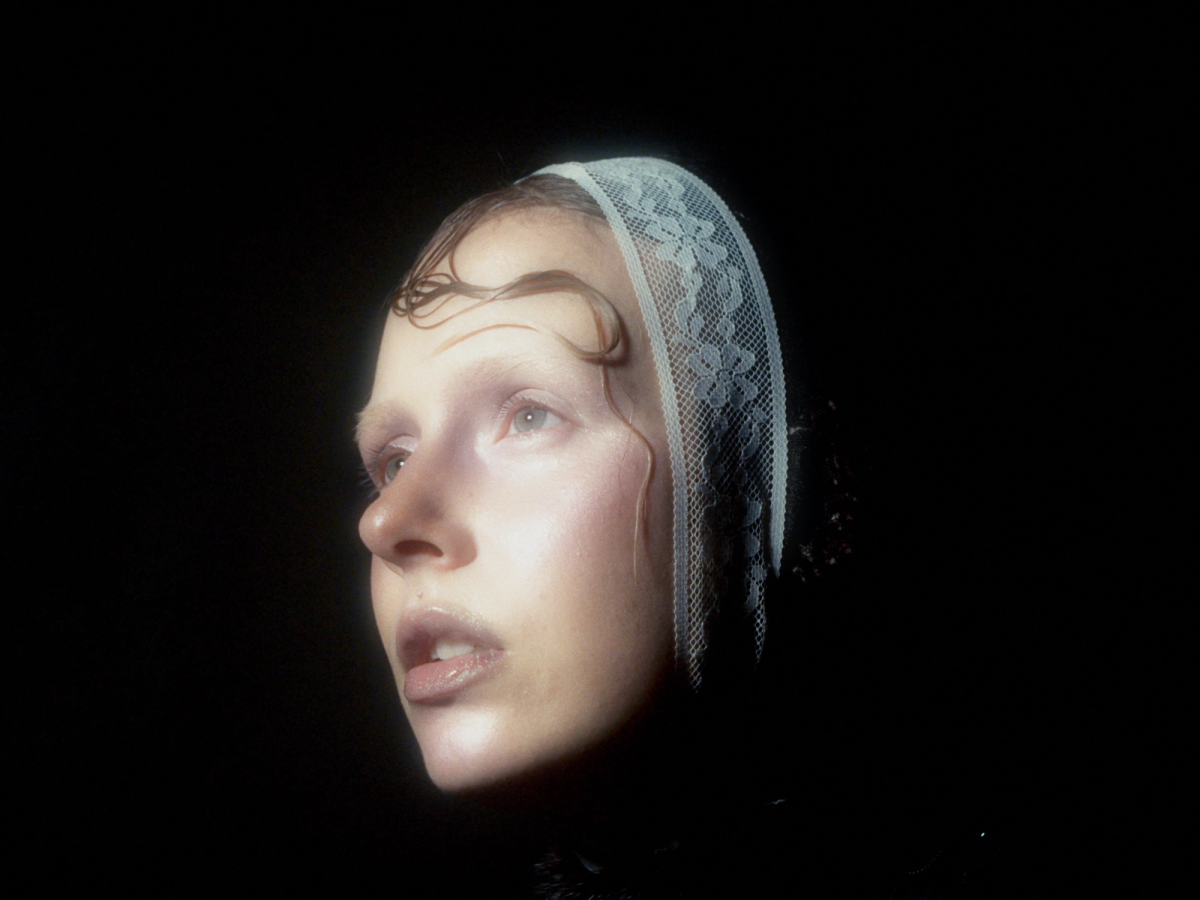
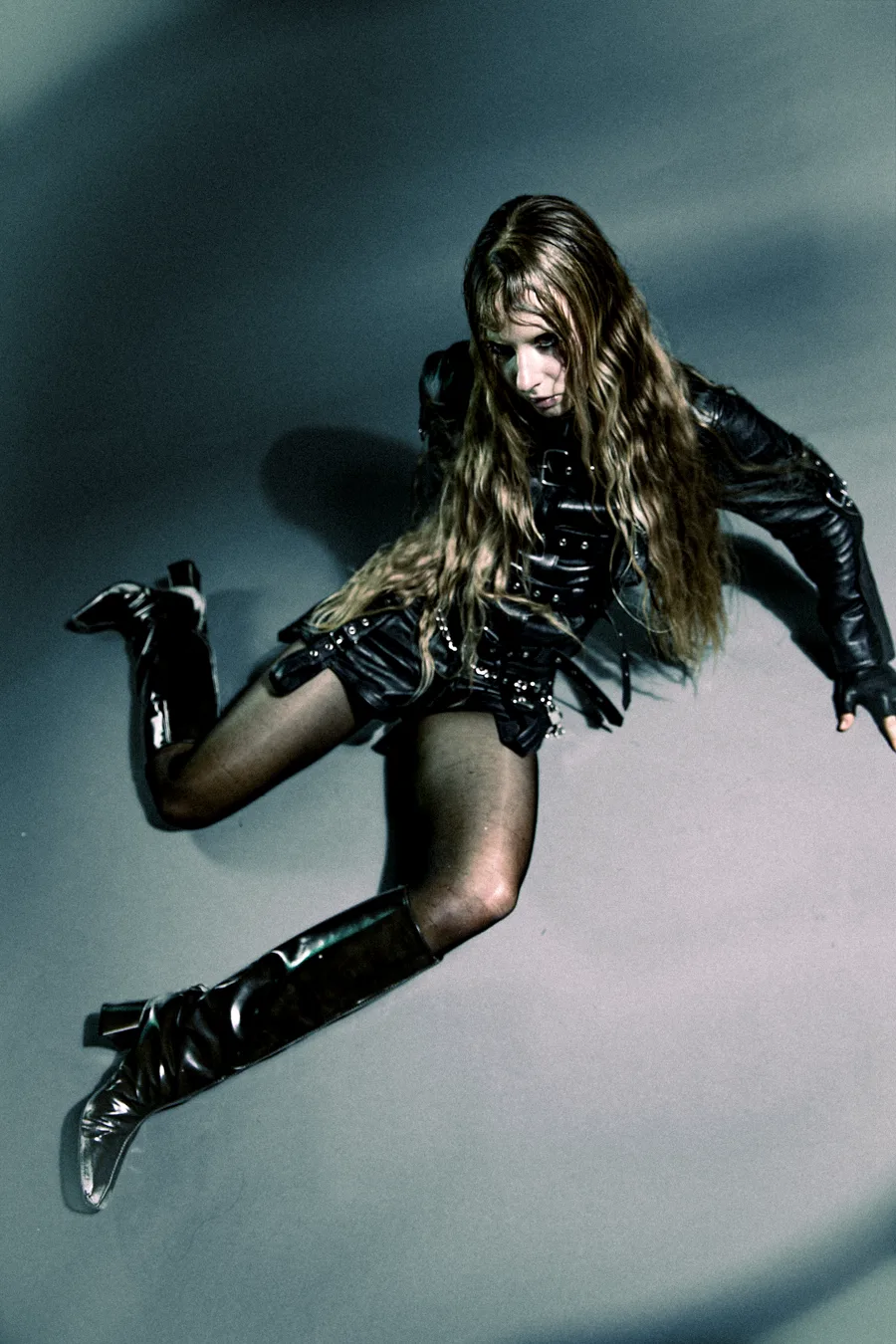
Photography — Angela Piazza @mistyday6
Fashion Design & Styling — Feyza Berca @feyzaberca, featuring designs by Erika Kaija @erikaija
Cinematography — Veronika Butkevich @vmbut
Creative Direction — Sophie Stöckemann @sophivst
Production — Anita Filippova @wakaport