THE BODY EXTENDED: IN CONVERSATION WITH SHYN
CONVERSATION BY YANGRUNG CHEN
CO-FOUNDER, ART DIRECTOR
28 OCTOBER 2025 — UNITED KINGDOM
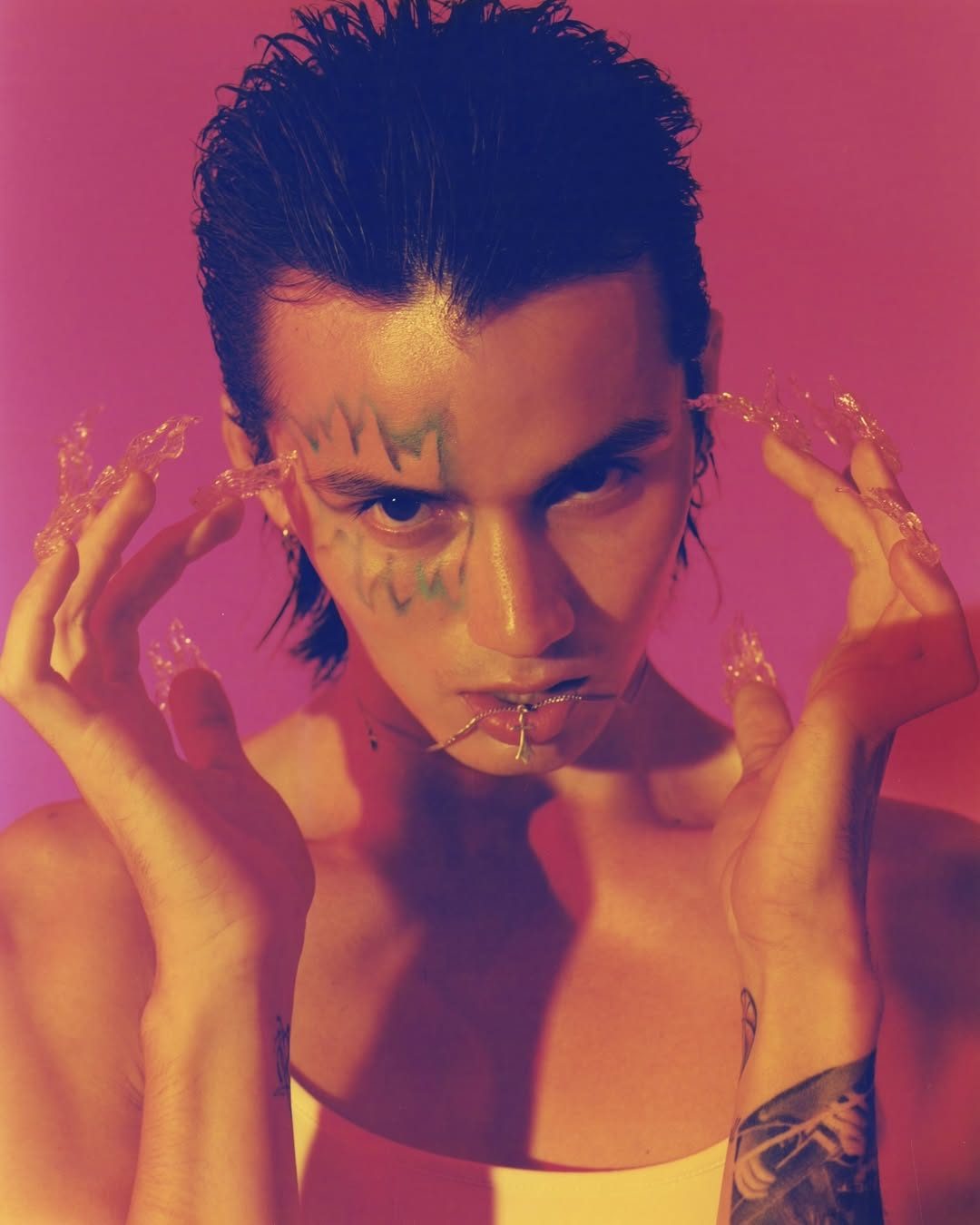
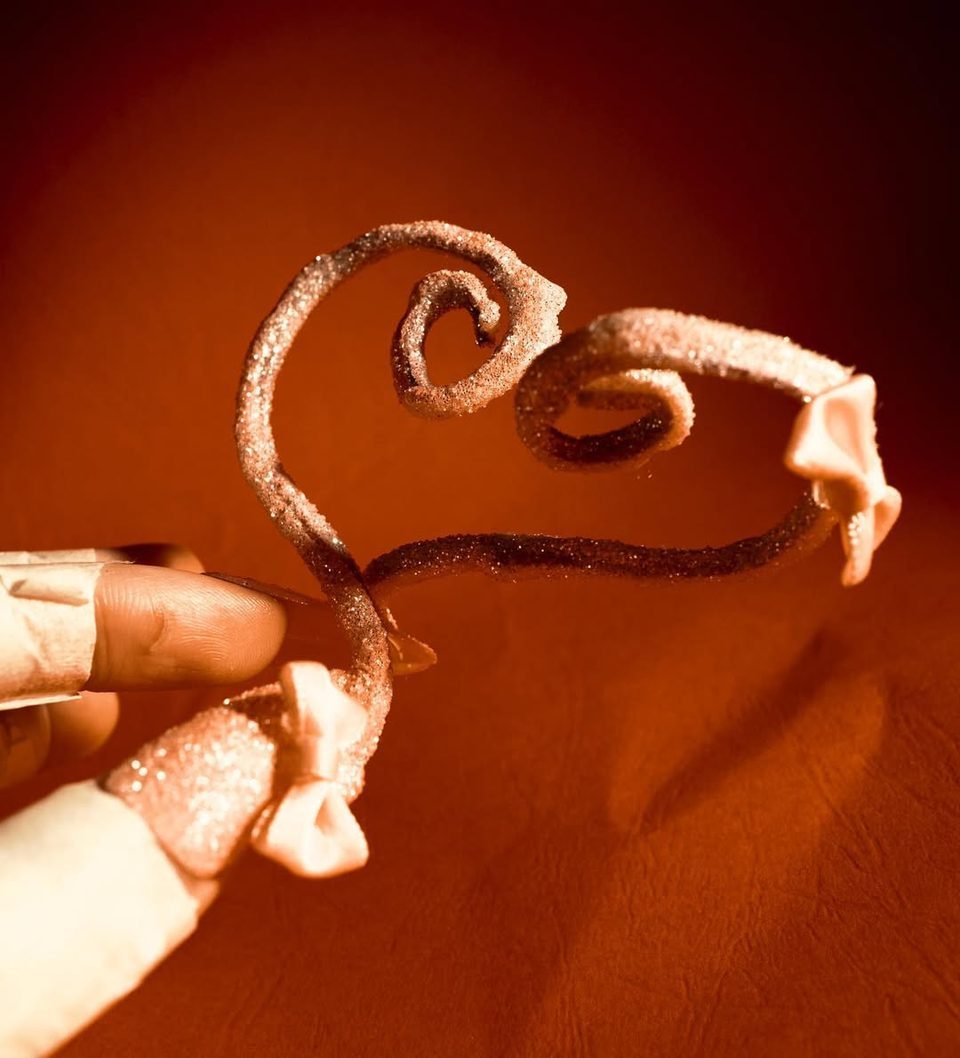
In a time when nail art has ascended from beauty ritual to cultural currency, SHYN’s practice moves beyond trend into transformation. Her work treats nails as extensions of the body: soft sculptures that moves somewhere between ornament and organism. Where much of the contemporary nail boom flirts with luxury and spectacle, SHYN operates elsewhere: in tension, in play, in distortion. Through acrylic, resin, and plastic, she builds surreal surfaces that oscillate between attraction and discomfort: candy and scalpel, tenderness and threat. What emerges is a practice that turns the hand into a stage for metamorphosis, and beauty into a site of resistance.
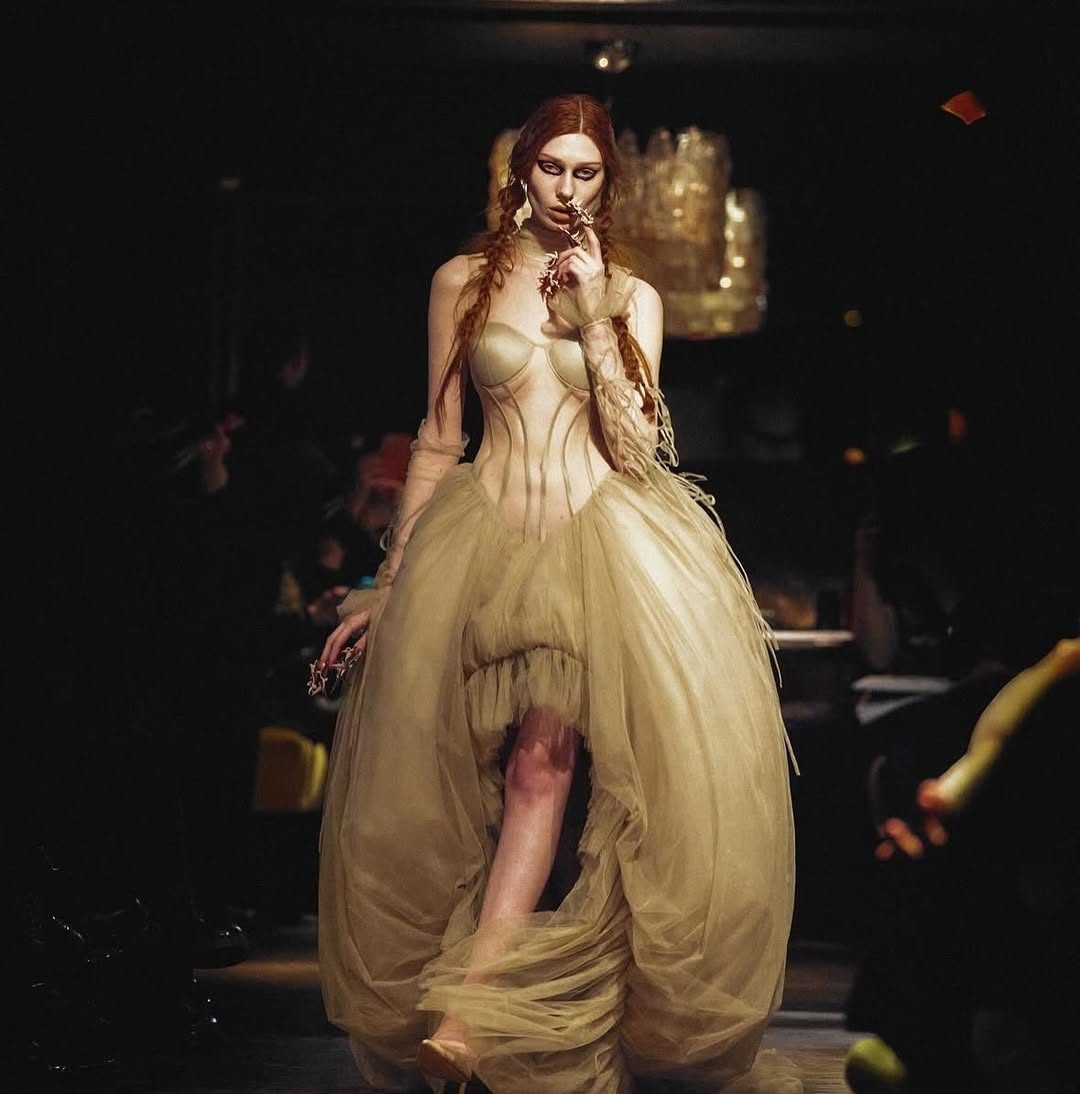
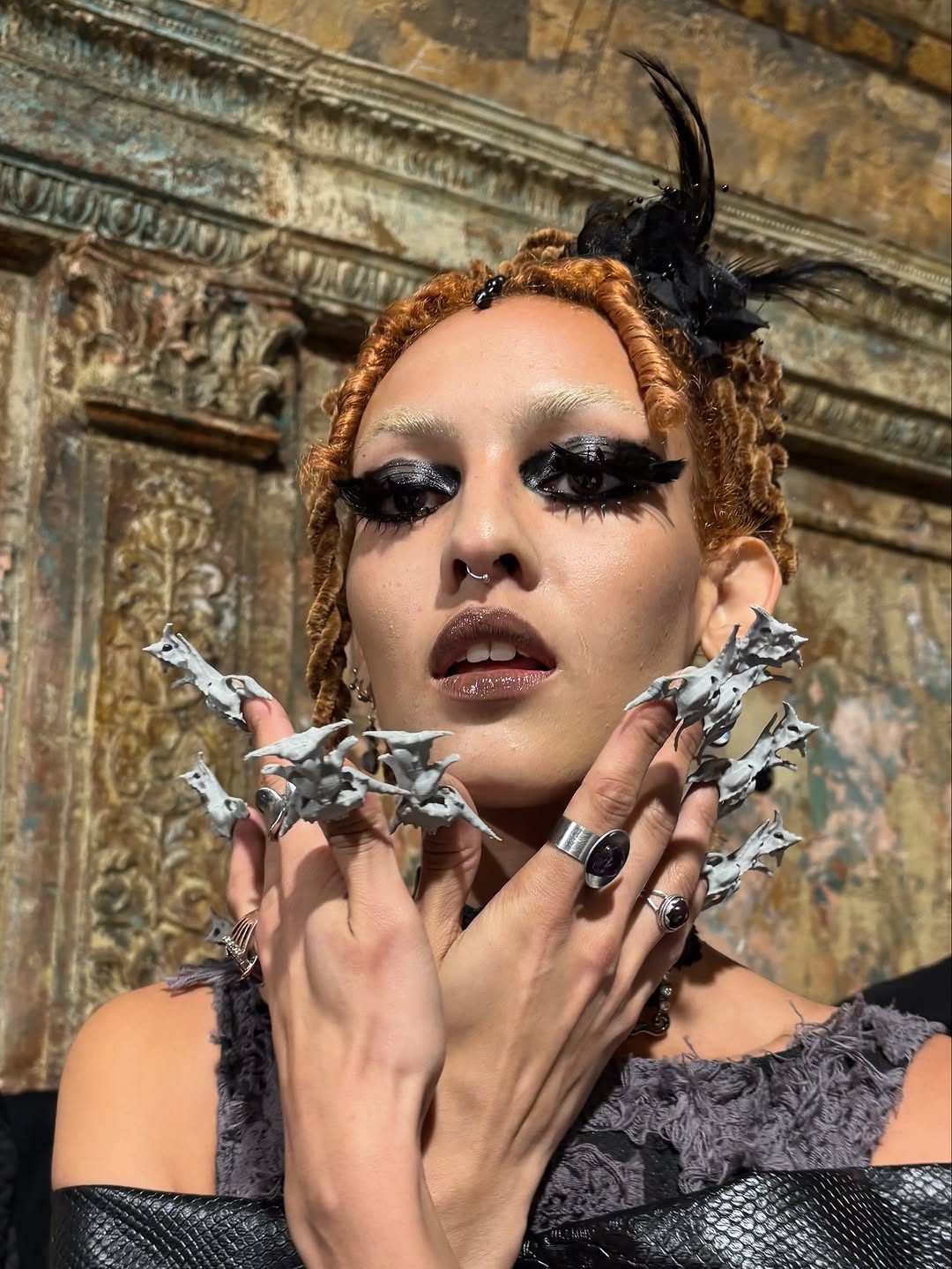
We first encountered your work at Iris Yang’s fashion show in London. The garments were extraordinary but your nails extended it. How do you see your practice in relation to fashion, performance, or sculpture? Do you consider these wearable objects, body mods, or something else entirely?
My work exists somewhere between fashion, performance, and sculpture. Nail art, for me, isn't just decorative, it's an extension of the body, a kind of physical language. I see my nails as wearable sculptures rather than fashion accessories. They reshape the body and shift perceptions. These aren't just ornamental; they engage with the body so directly that I sometimes think of them as soft body modifications.
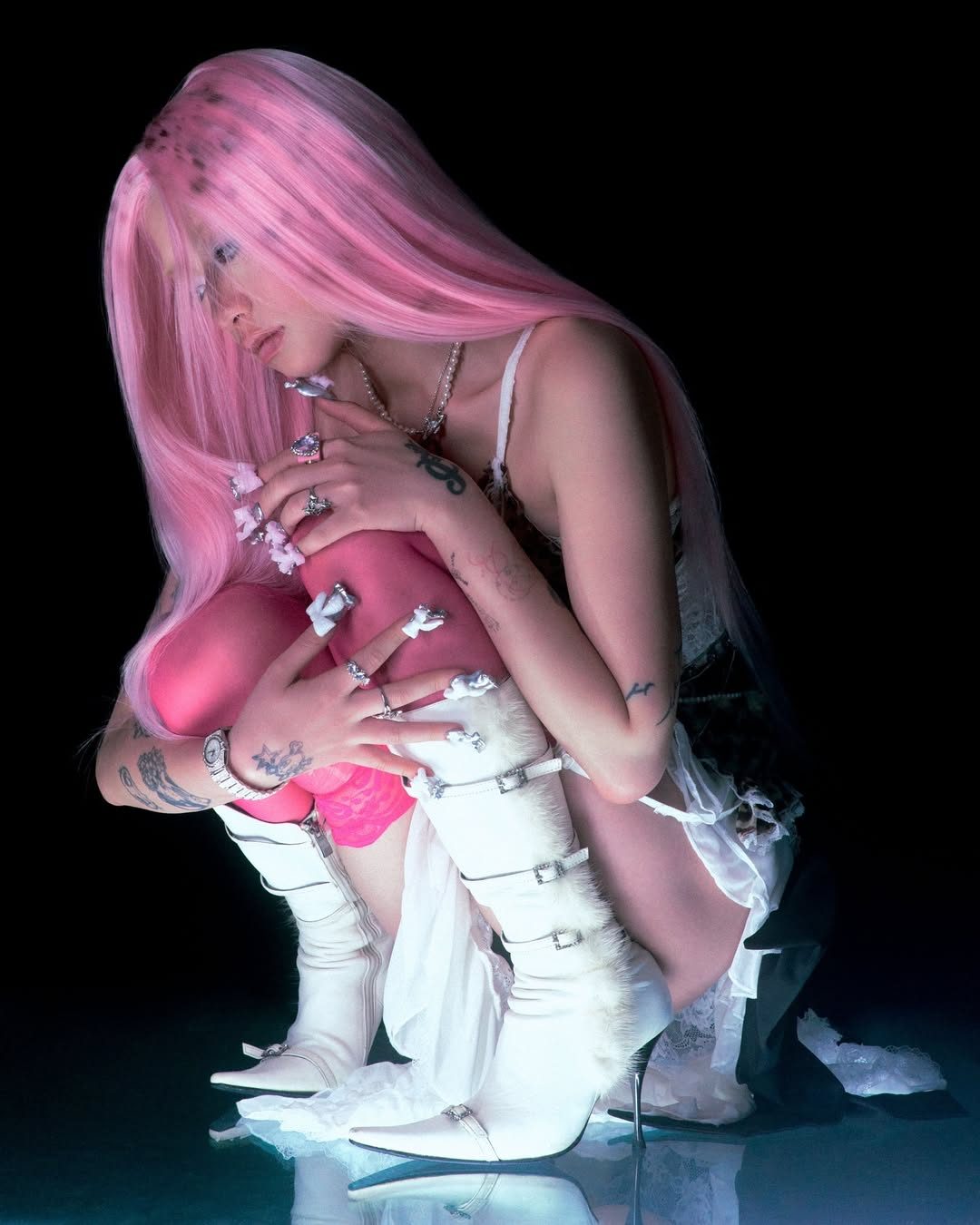
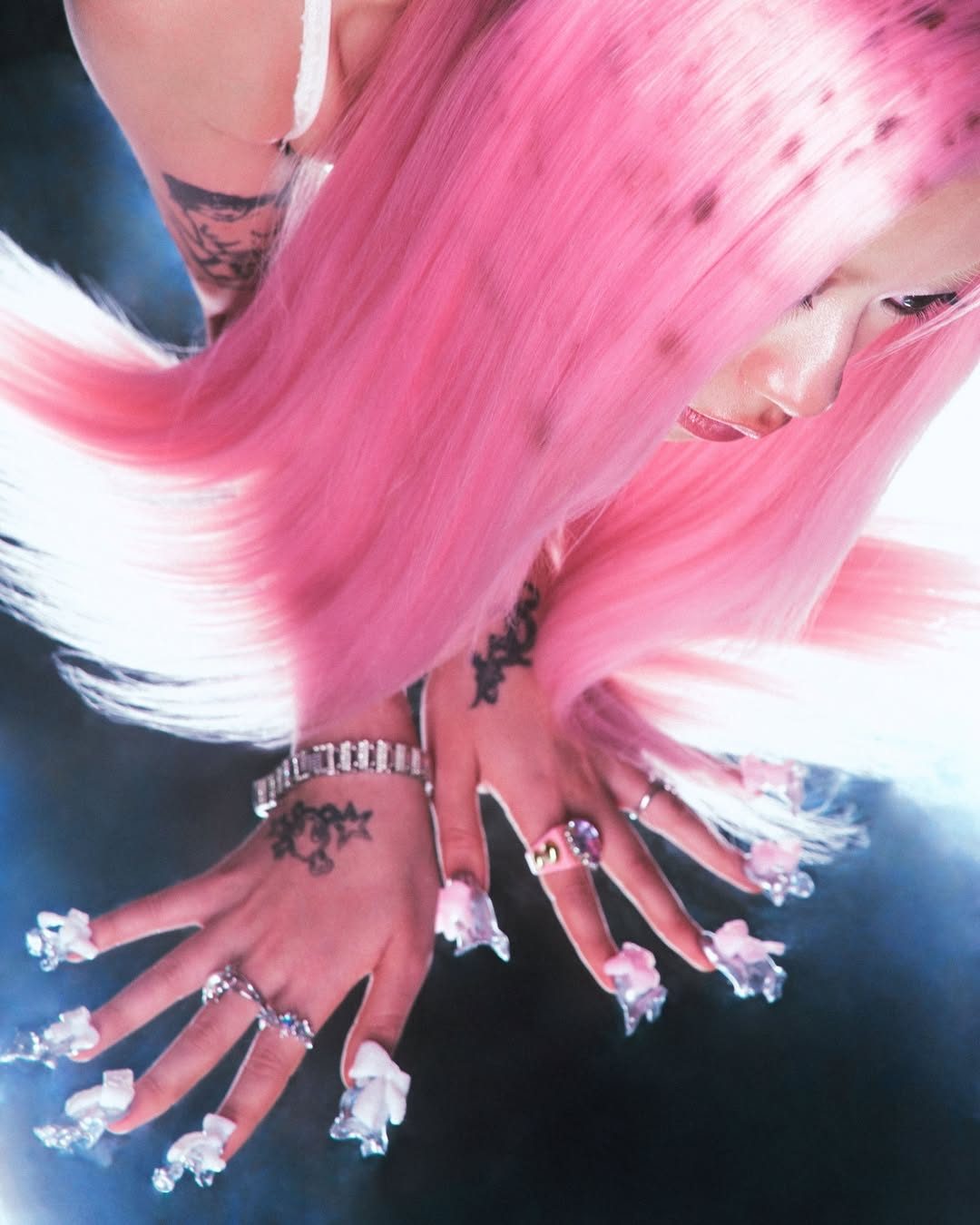
There’s been a huge boom in nail art over the last few years. Nails have moved from beauty salons to runways, galleries, editorial covers, and even art biennials. How do you feel about this moment? Where does your work sit within, or outside, that boom?
I'm excited by the current nail art boom. it’s opened up space for nails to be seen as legitimate artistic mediums. But I don’t feel fully inside that trend. I try to push past it. My work is more about crossing boundaries, between beauty and grotesque, between utility and fantasy. Nails, in my world, become symbols of desire, of fear, of transformation.

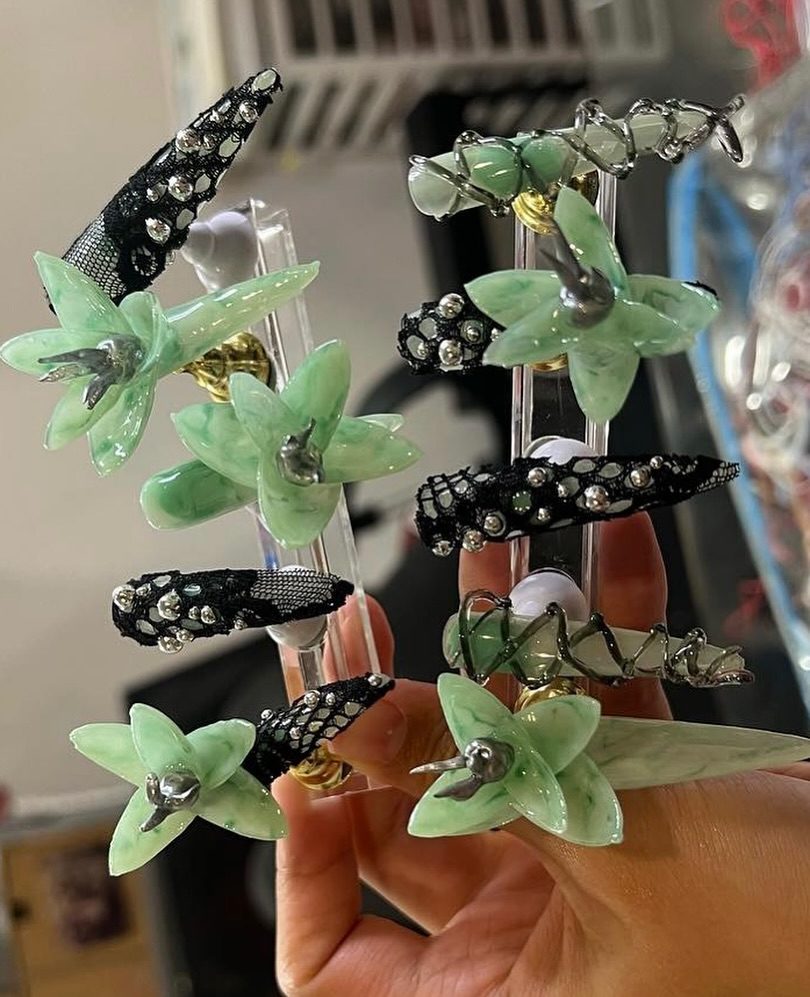
Talk us through your process. What’s the first thing that happens when you begin a new set? Do you sketch? Mold? Improvise? How do you balance technical construction with impulse and play?
I often begin with intuition. Sometimes I sketch, but more often, I just start building. I think through form first, what shape it might take on the hand, how it moves or clashes with the body. I like when the process surprises me. That tension between technical construction and improvisation is important, it keeps the work alive and playful.
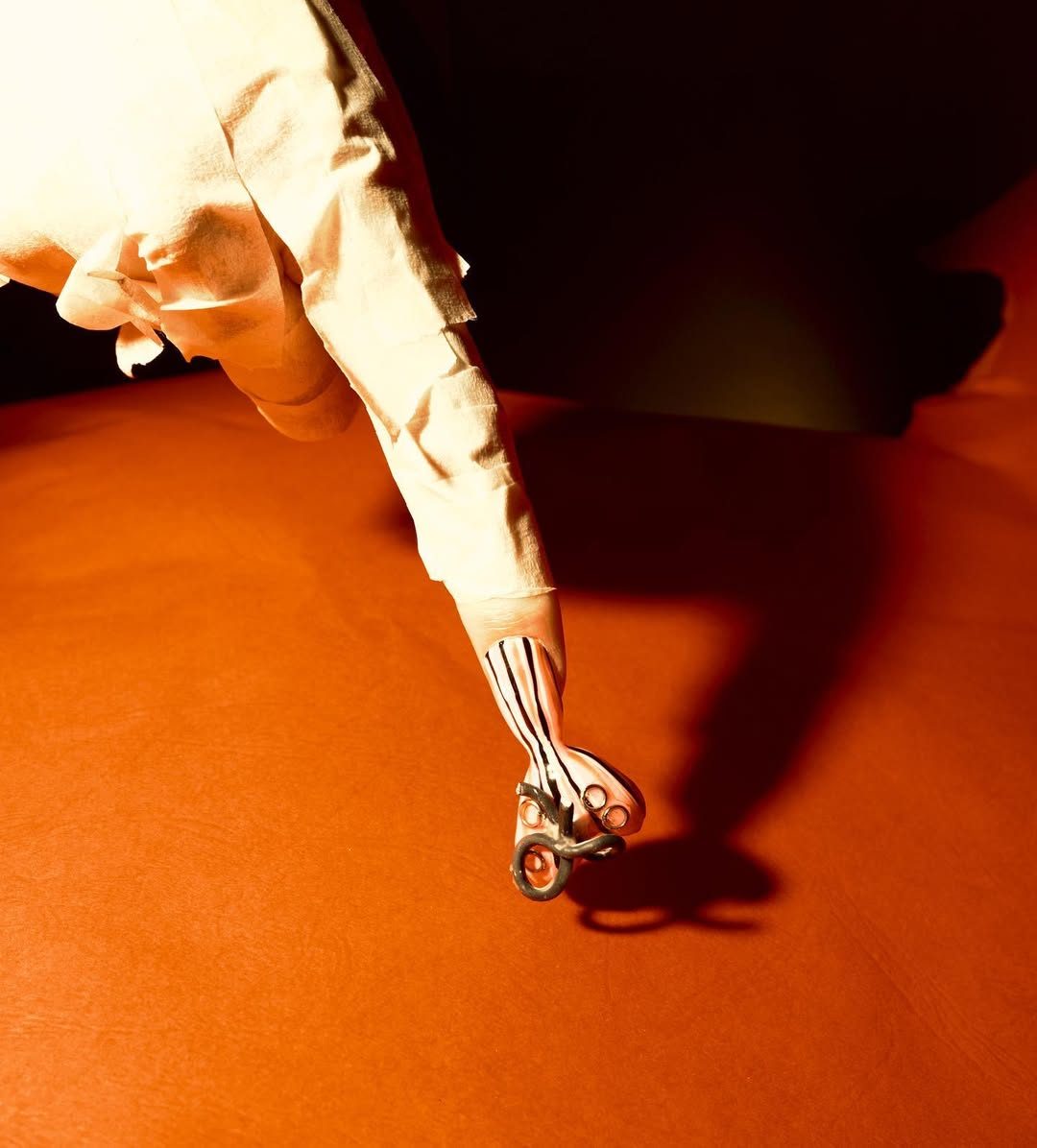

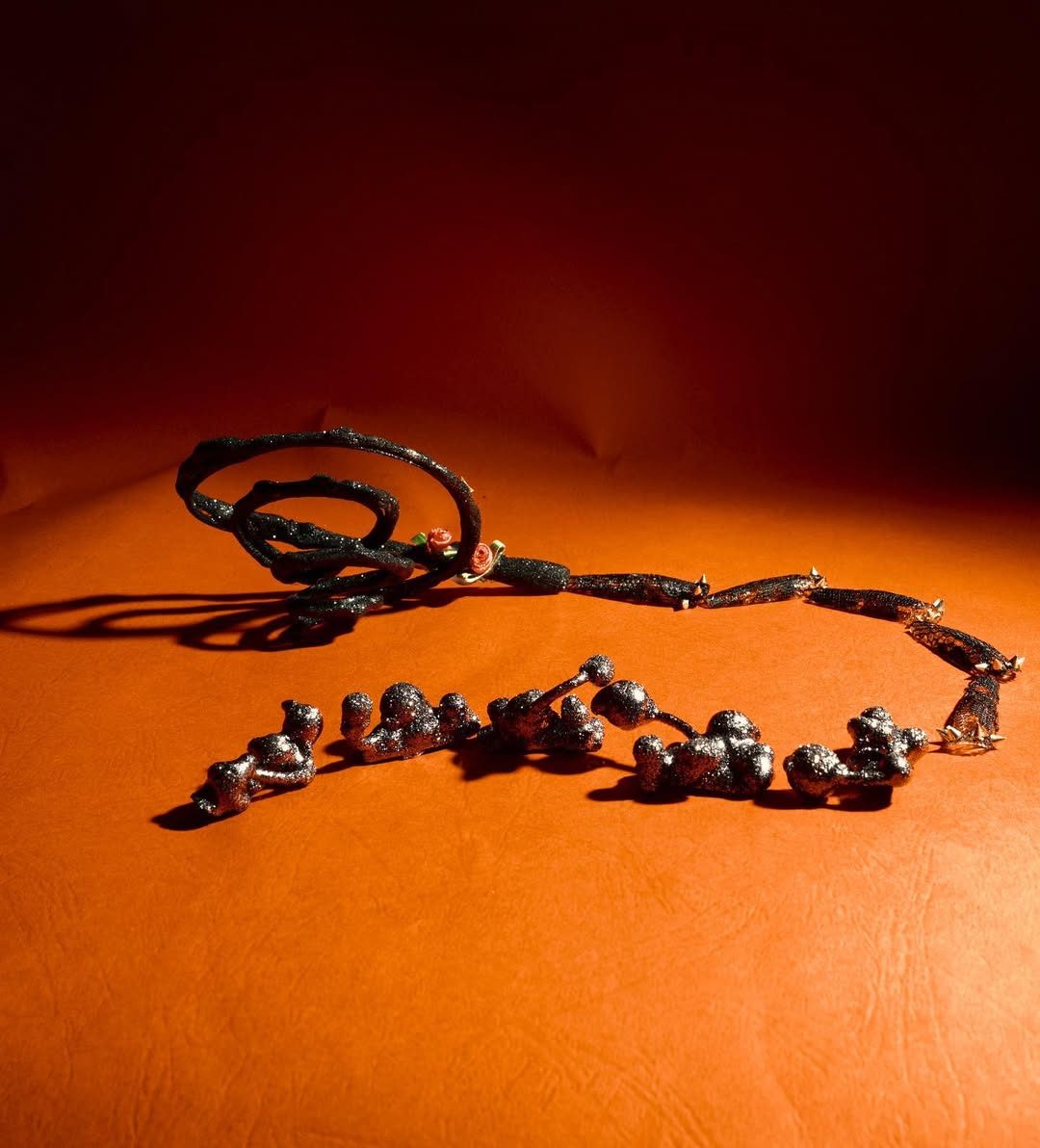
Your textures feel edible, monstrous, synthetic, candy-like, sometimes even surgical. What materials are you working with, and how do you manipulate them to achieve that level of surreal tactility?
I work with acrylic, resin, plastics, and other synthetic materials. Each has a different language, some are glossy like candy, others are sharp and sterile like surgical instruments. I manipulate them to create surreal surfaces that feel edible, alien, sometimes even medical. I want the viewer to feel torn between attraction and discomfort.
“Nail art isn’t decoration, it’s a physical language. I build gestures, not accessories.”
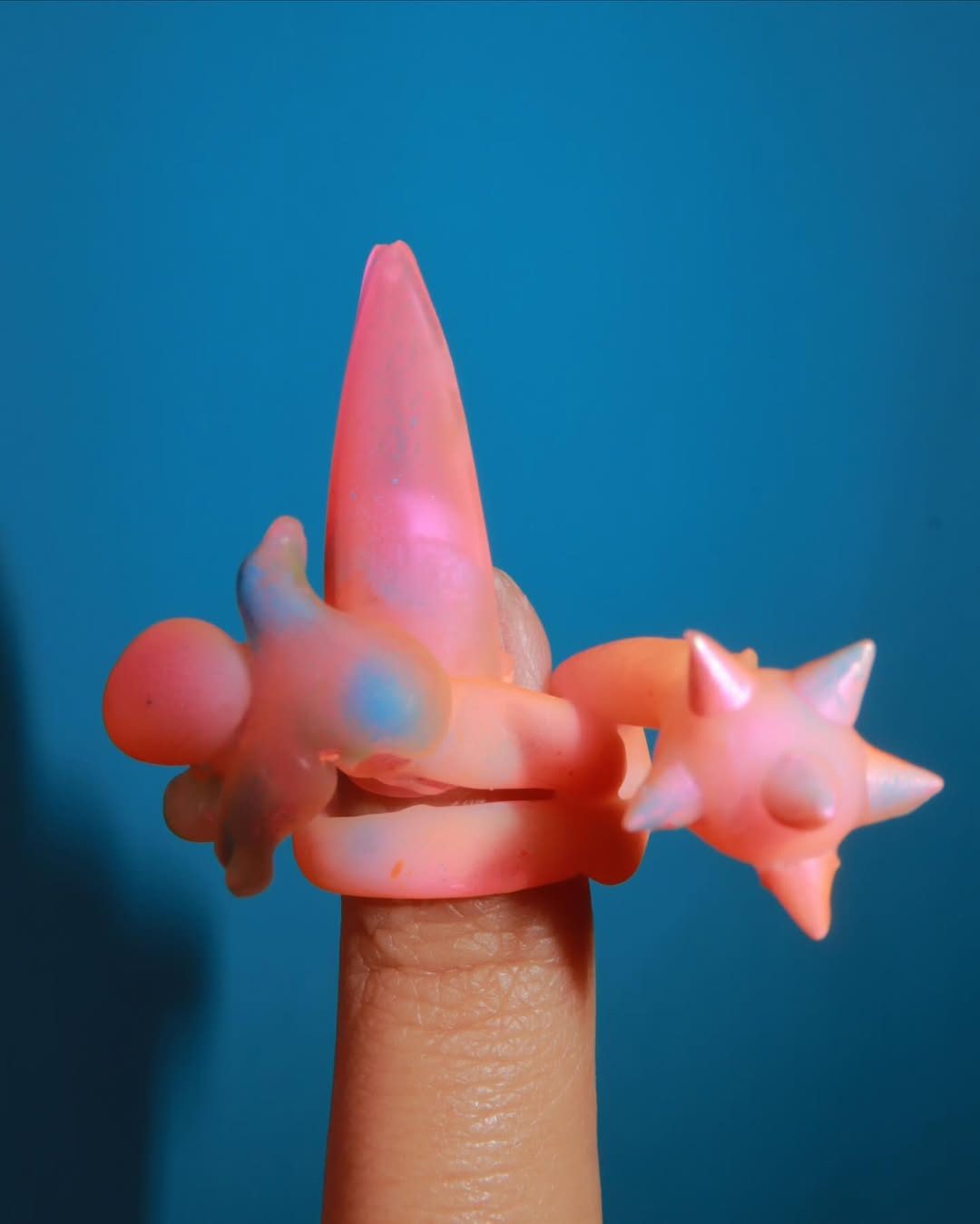
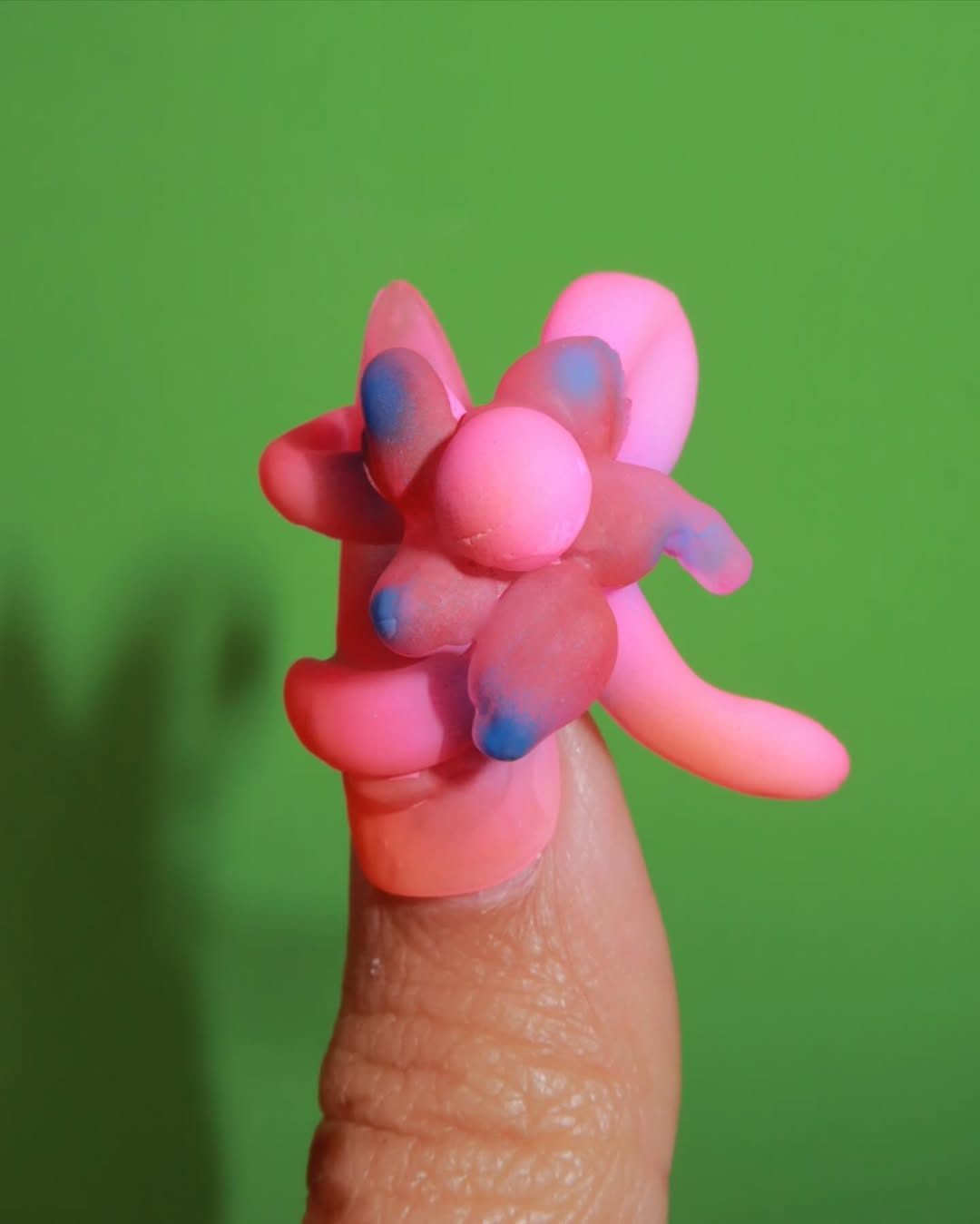
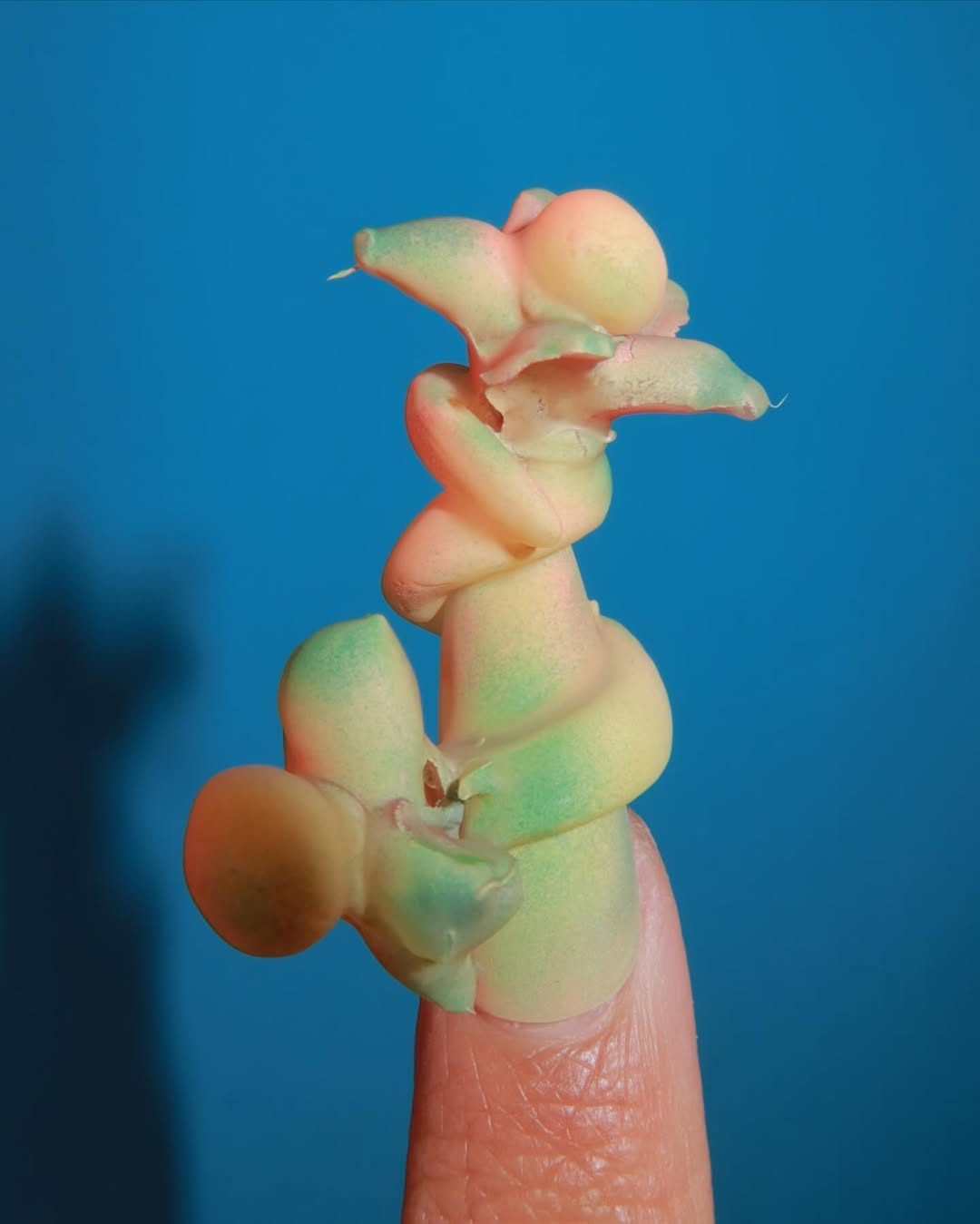
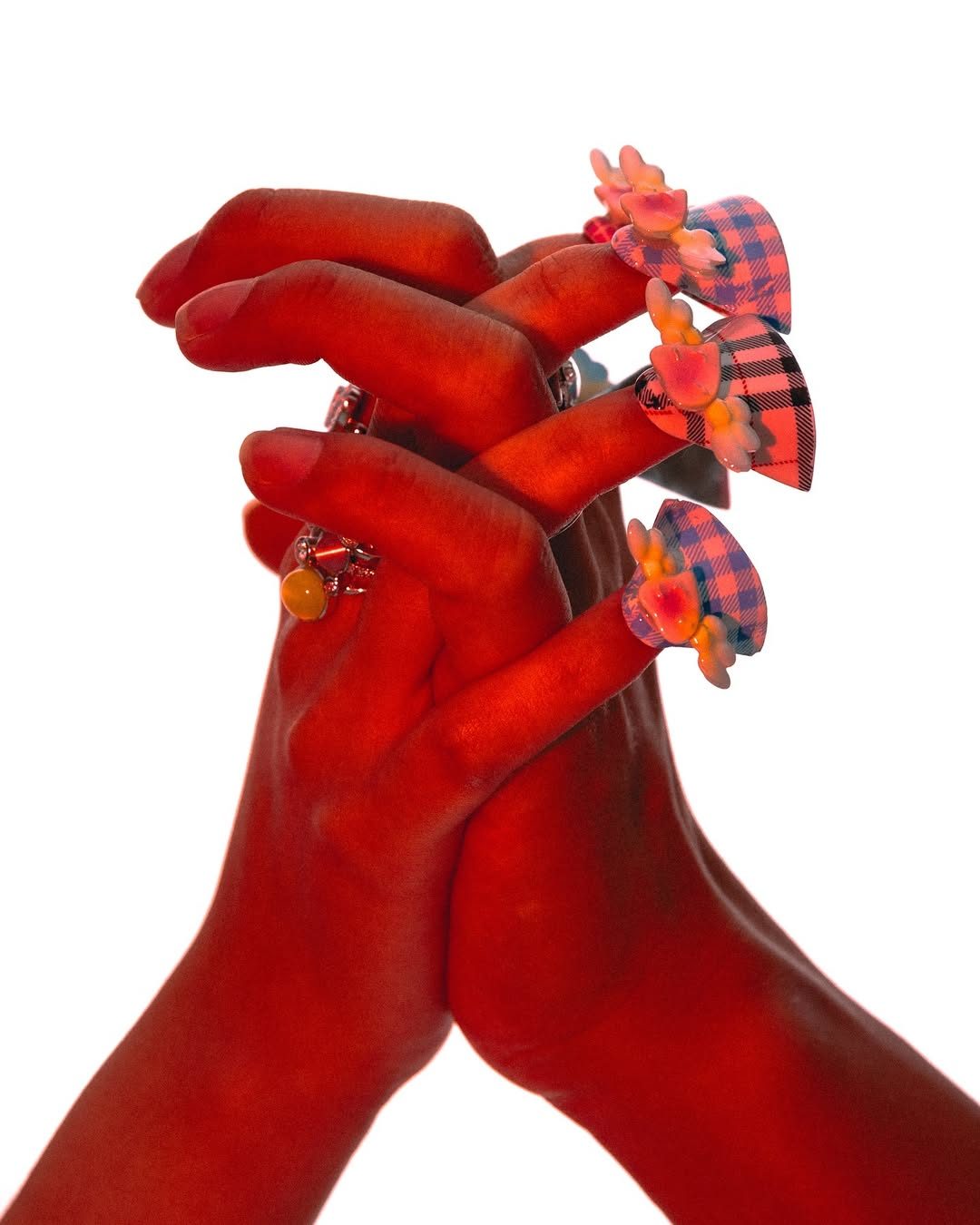
In many sets, you exaggerate length to the point of absurdity, sometimes the nails look like weapons, antennae, or miniature installations. What draws you to that scale? Do you think about function at all, or is non-function the point?
I’m drawn to absurd length because it creates instant tension. Sometimes the nails feel like weapons, sometimes like antennae or alien limbs. That kind of scale transforms the wearer, they can’t be passive. It’s less about functionality, and more about anti-function. I love when something beautiful also becomes unwieldy or threatening.
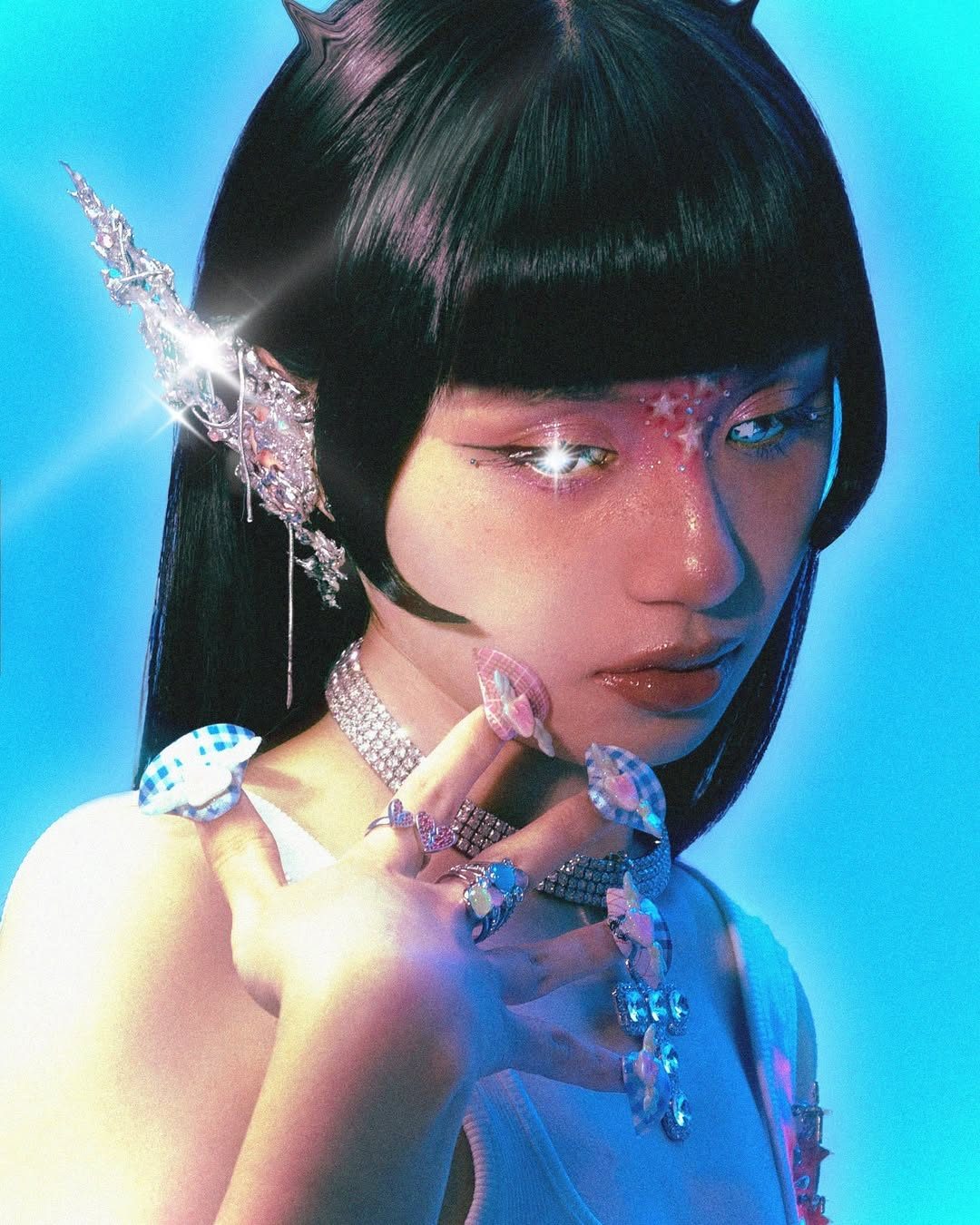
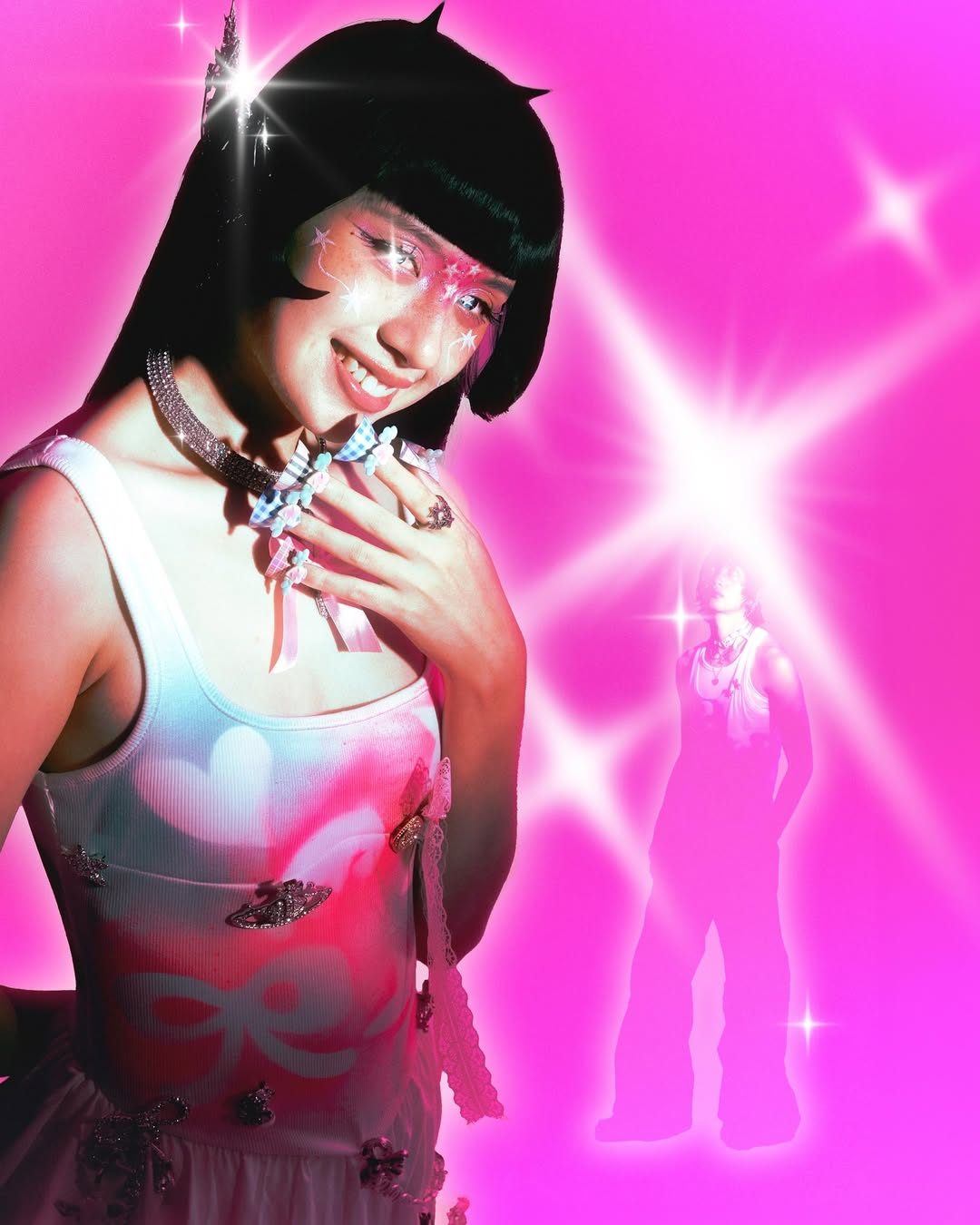
Despite the scale and intensity of your pieces, there’s always a sense of fun, of cuteness, chaos, cartoon logic. How do you navigate that line between playful and disturbing? Do you feel aligned with any particular visual subcultures or references?
There’s definitely a cartoon logic in my work, something silly, chaotic, but also unsettling. I like that balance. It mirrors how we experience things in real life, when cute things become creepy, or vice versa. I’m influenced by a lot of visual subcultures: cyber aesthetics, kawaii horror, low-fi sci-fi, even anime villains. I’m drawn to anything that rides the edge.
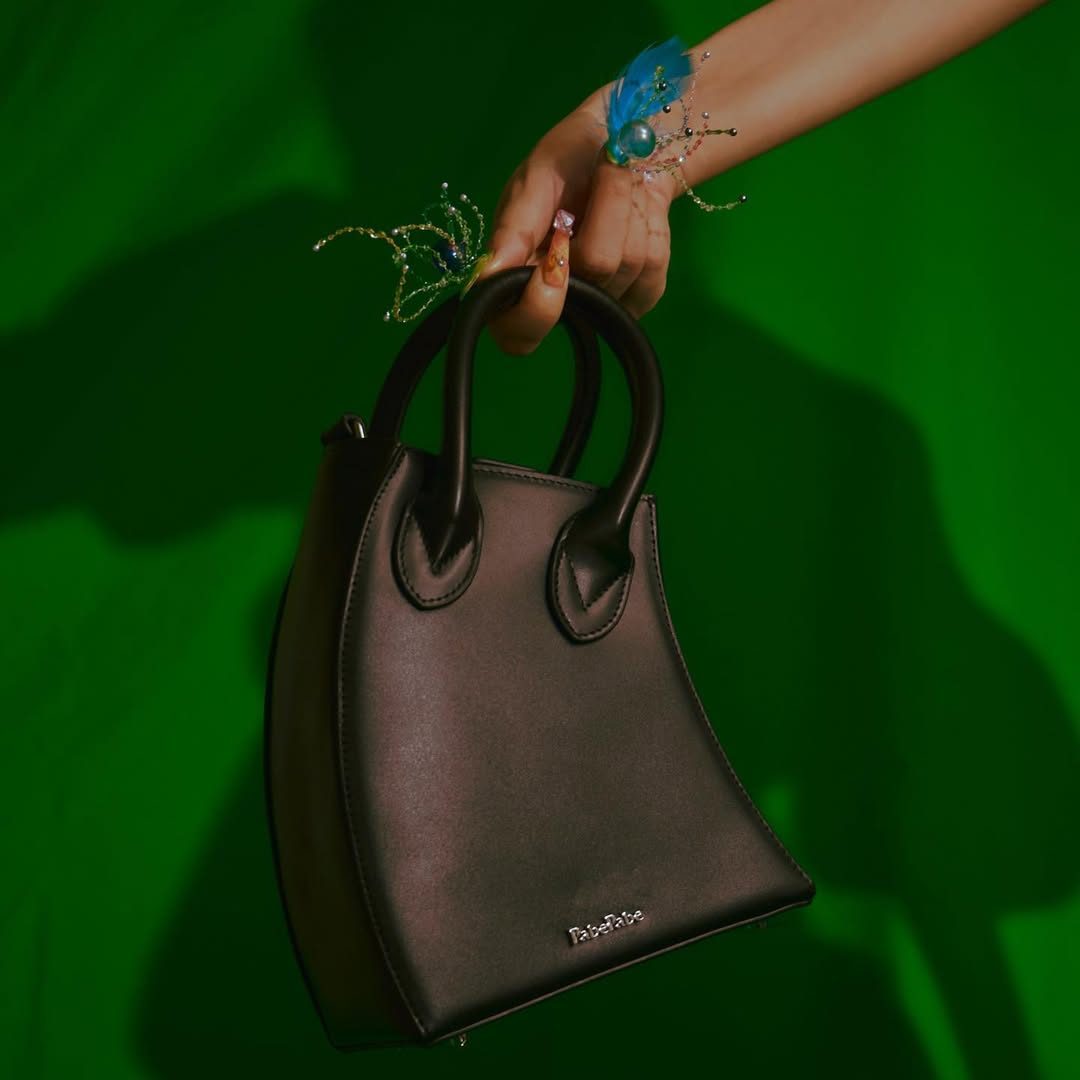

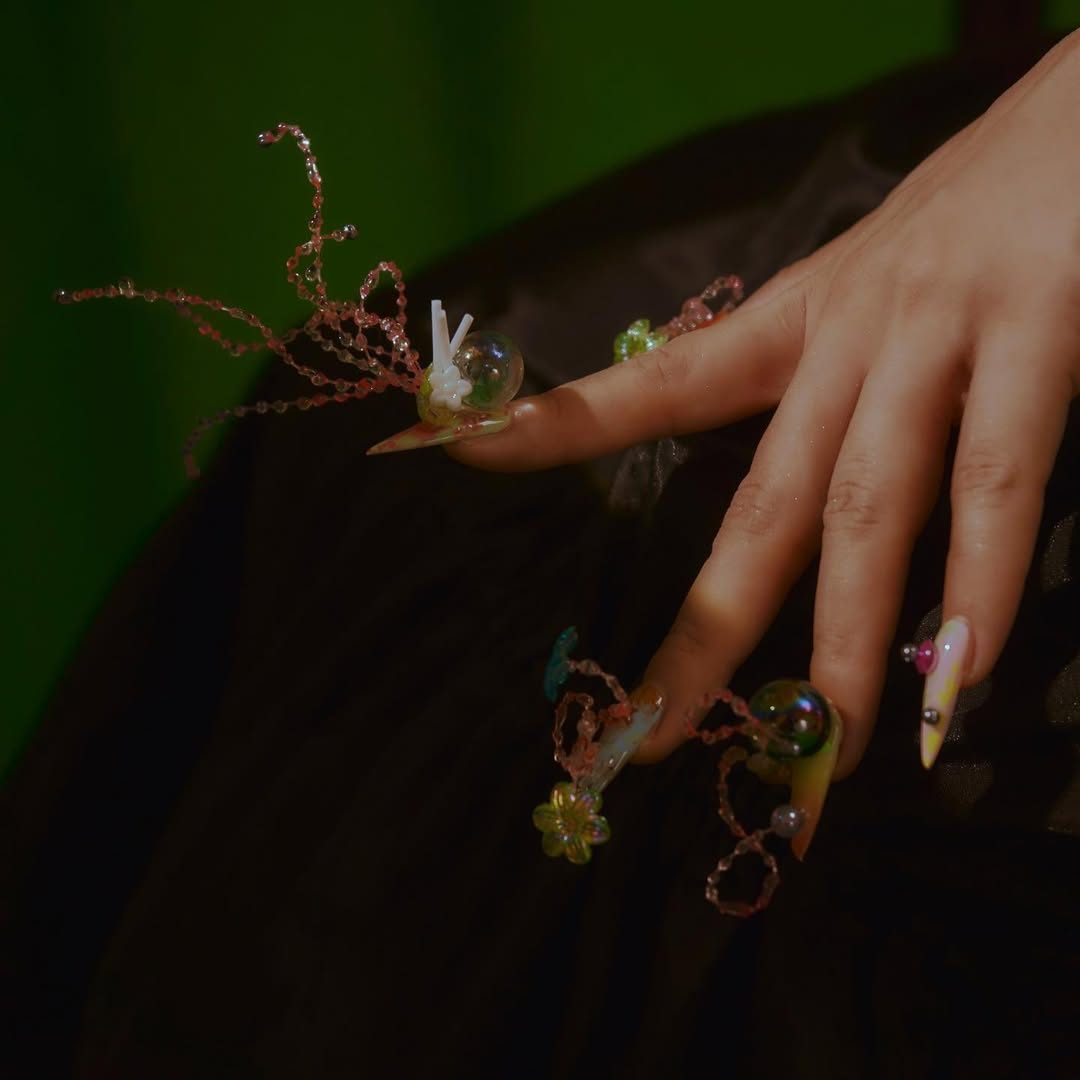
You’ve worked on fashion shows, editorials, and individual commissions. How does your process shift depending on context?
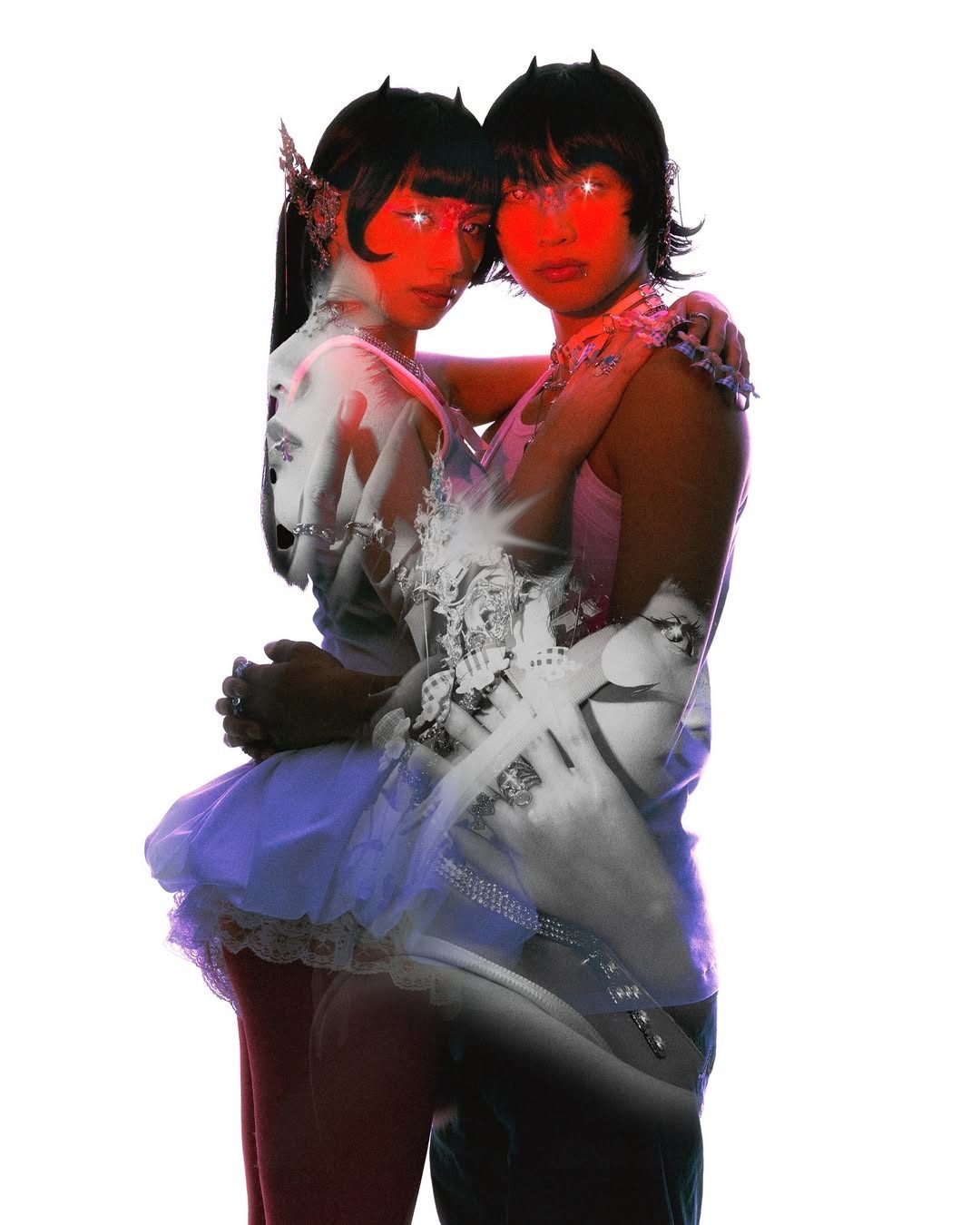
The context always shifts the process. For fashion shows, I think about how the nails live on the runway, how they move, catch light, interact with clothing. For editorial shoots, I focus more on narrative and image. With private commissions, it's about intimacy, what that specific person wants to express through the nails. Each context reveals a different side of the work.
“I’m drawn to absurd length because it transforms the wearer. Beauty becomes something you have to confront.”
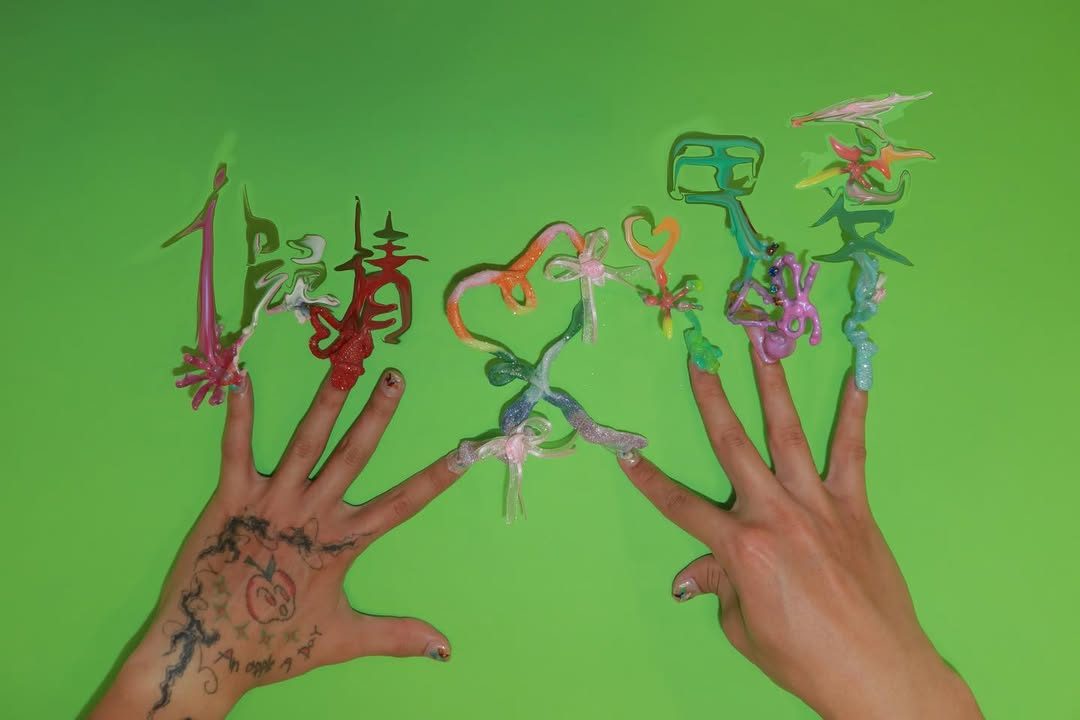
Let’s talk longevity. Your works feel precious but ephemeral. Are they meant to last? Or is their short lifespan part of their meaning?
My pieces are meant to be temporary, and that’s intentional. There’s something beautiful about their fragility. They might only last a few hours, but they create a moment that sticks. I see them almost like performance artifacts: precious because they’re fleeting. Their ephemerality is part of the meaning.
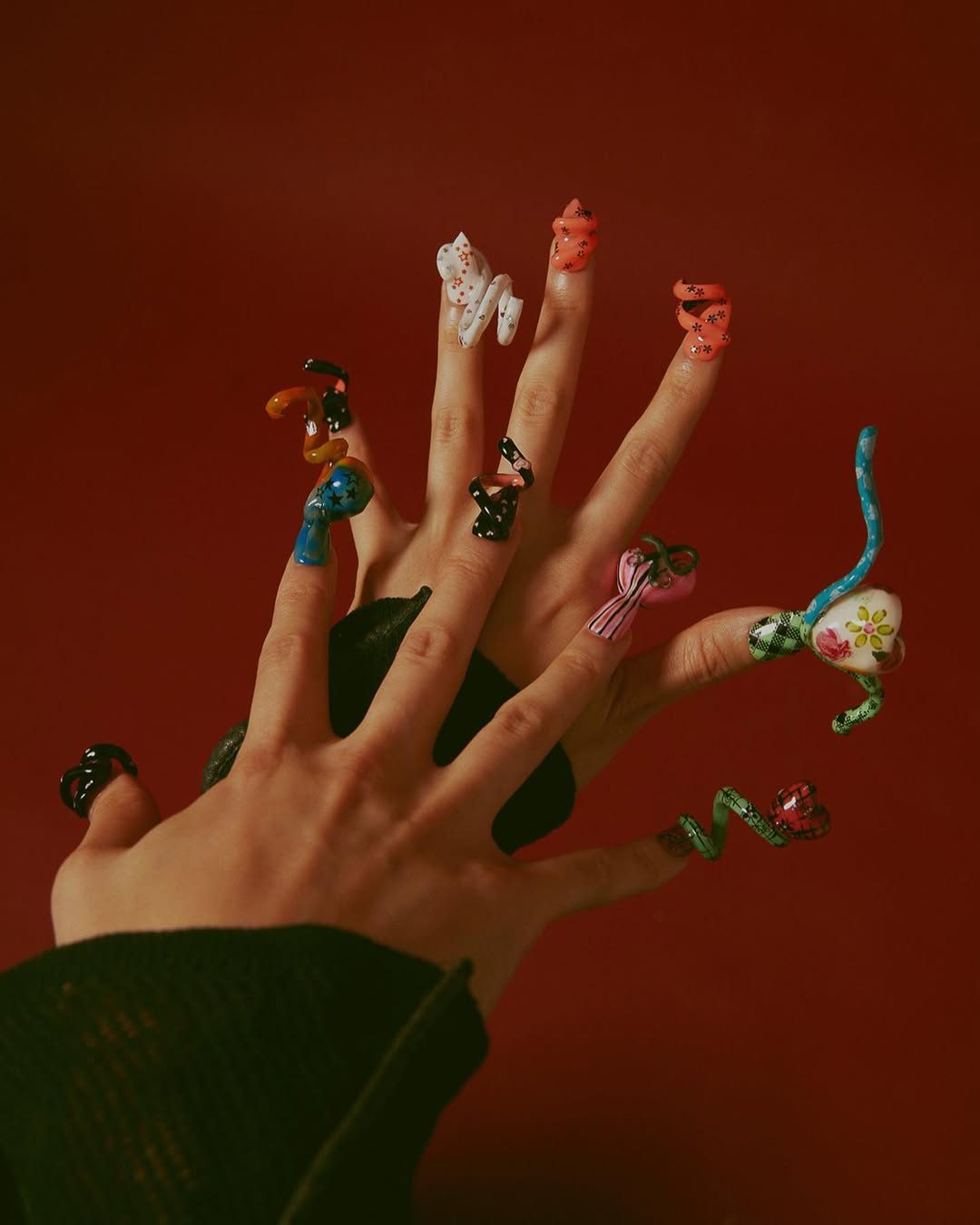
And finally, what’s next for you? Where do you want to push this practice: materials, bodies, scale, or even beyond nails altogether?
I want to keep experimenting with scale, with materials, with how the work interacts with different bodies. I’m interested in pushing the practice beyond nails toward full-body adornments, wearables, or sculptural installations. I’m not done with nails, but I don’t want to be confined by them either. This is just one part of a bigger language I’m still discovering.
“My pieces are meant to be temporary: fragile architectures that live, breathe, and disappear.”