THE ANGEL DUST: IN CONVERSATION WITH KACIE
CONVERSATION BY MOCO CHEN
CO-FOUNDER, ART DIRECTOR
11 MARCH 2026 — UNITED KINGDOM
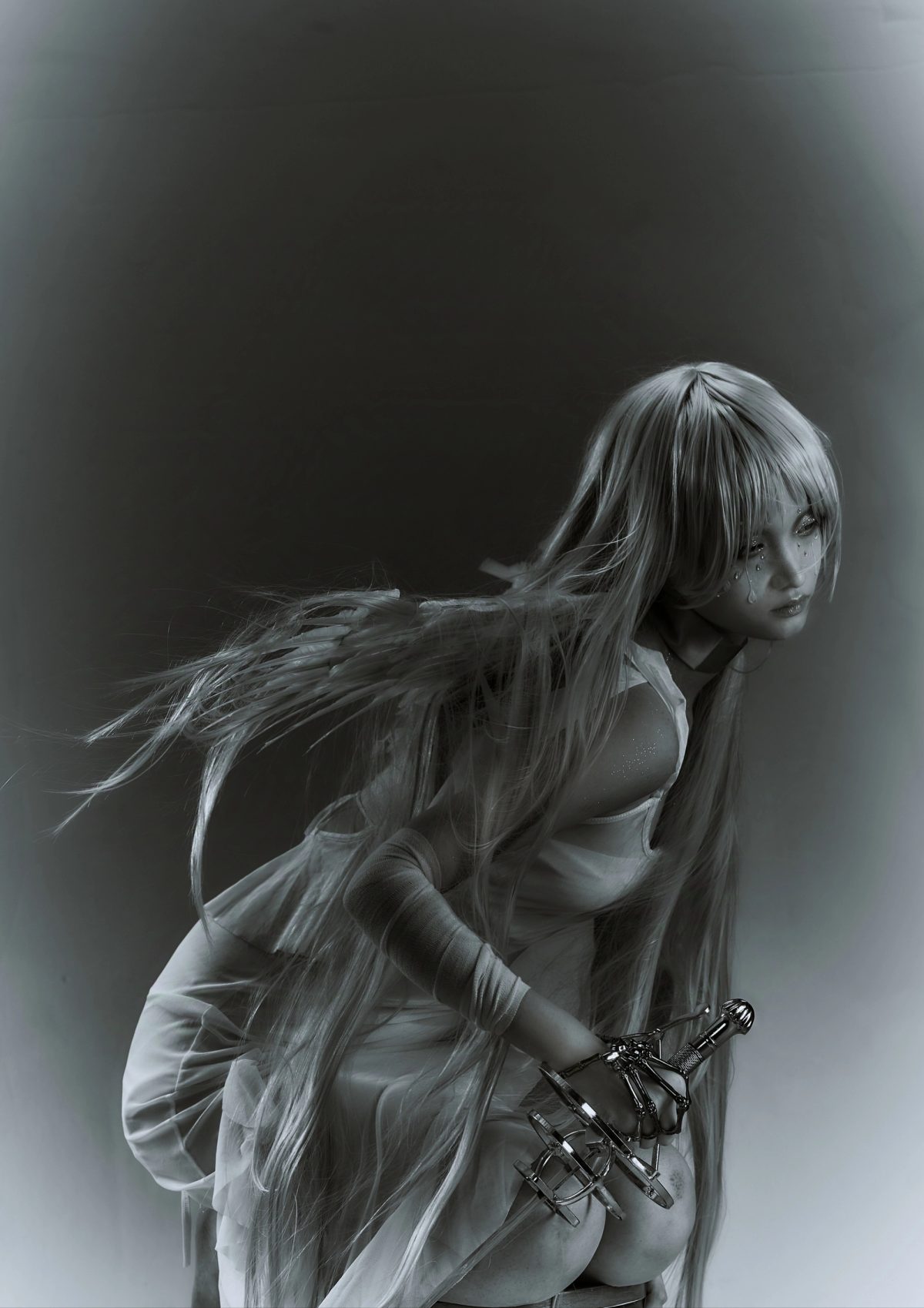
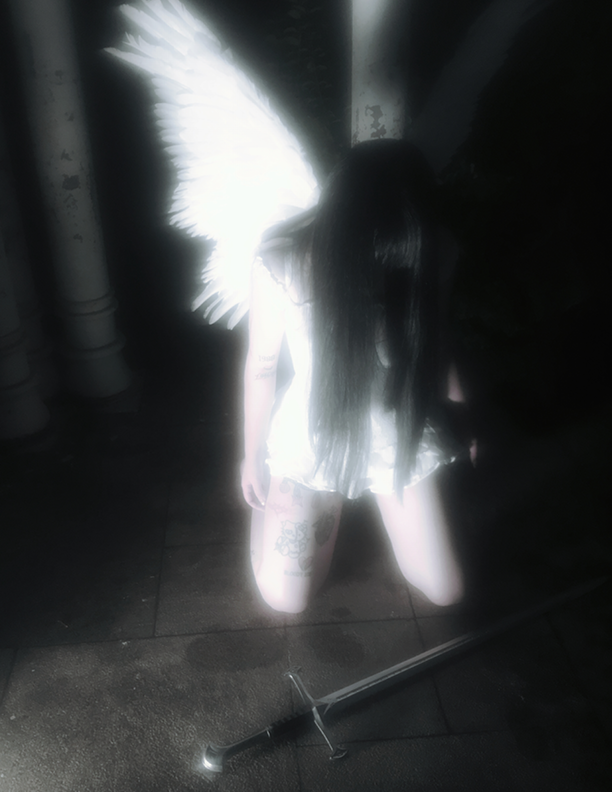
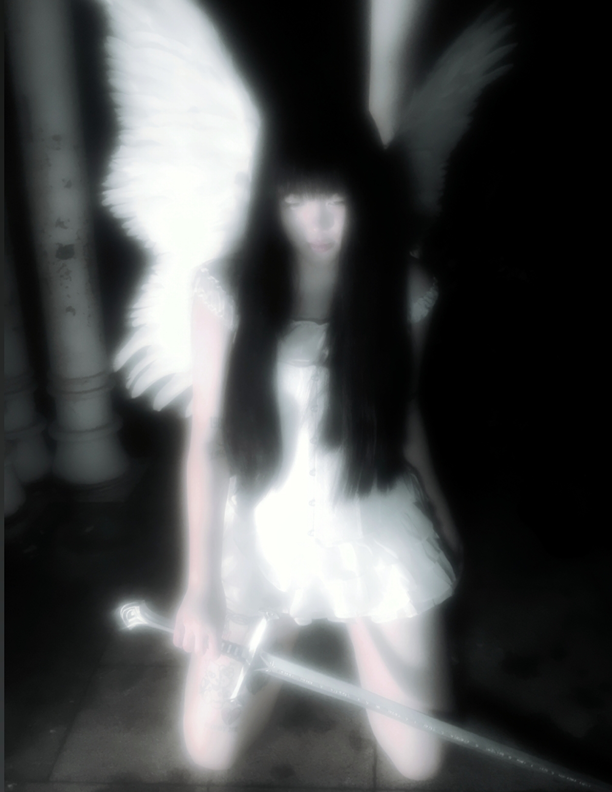
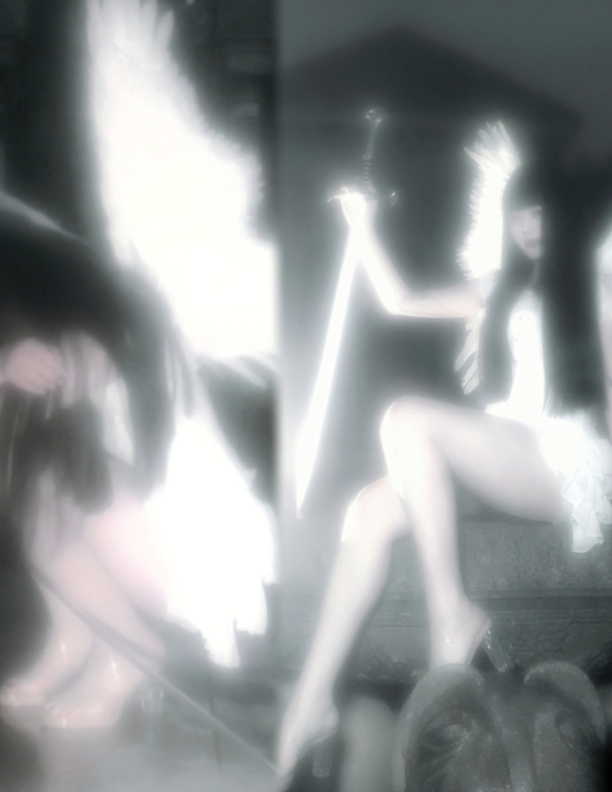
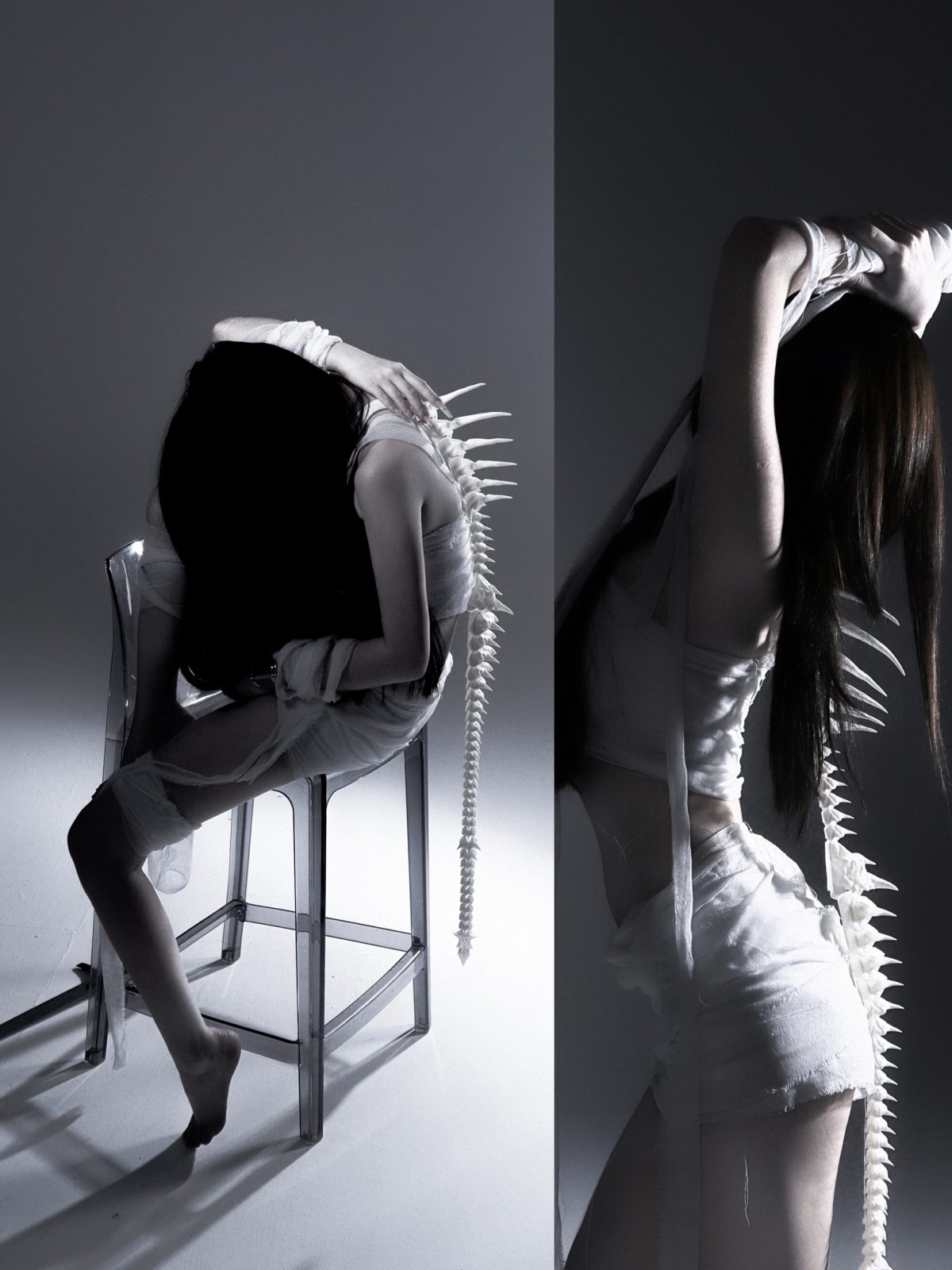
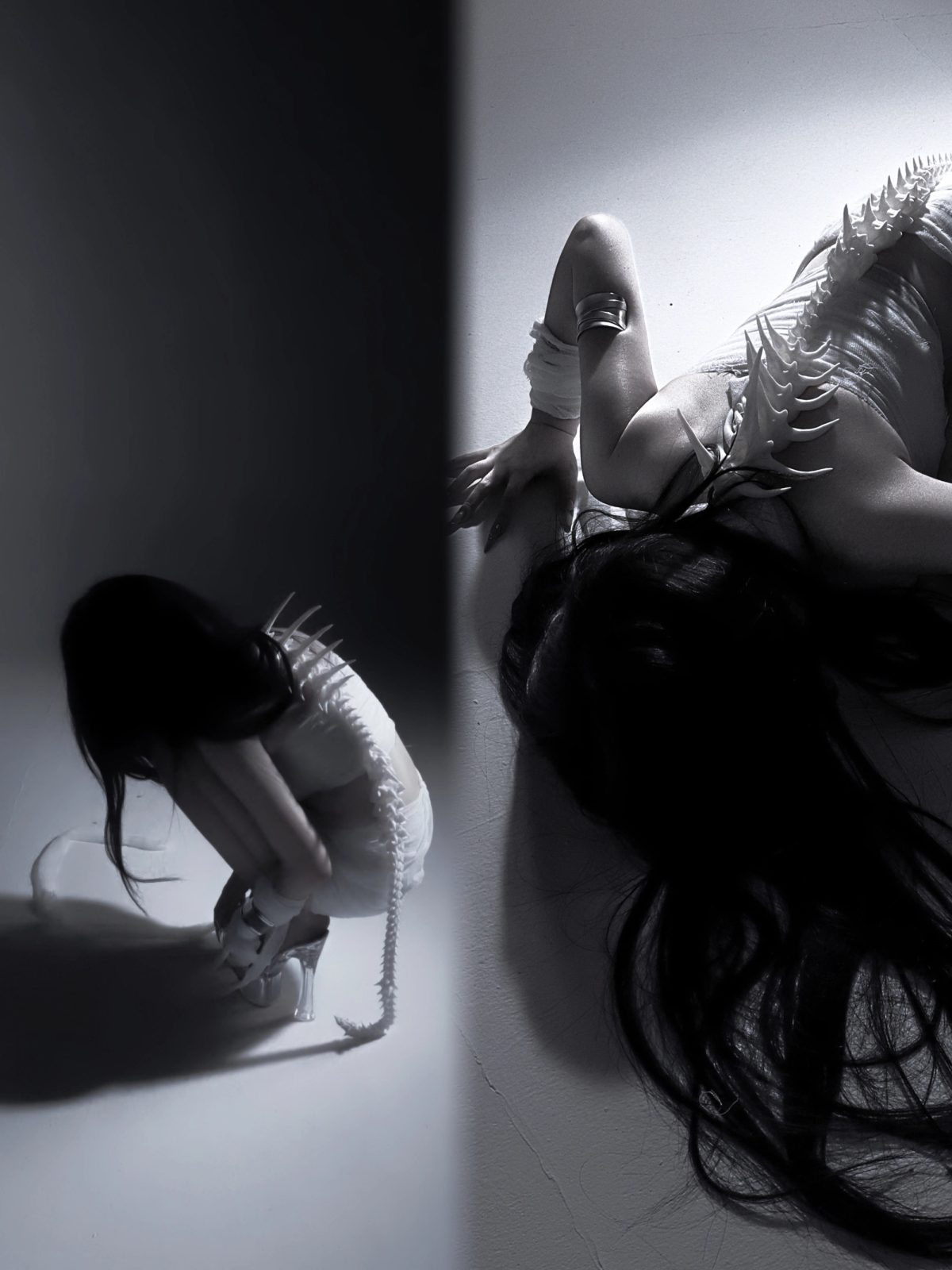
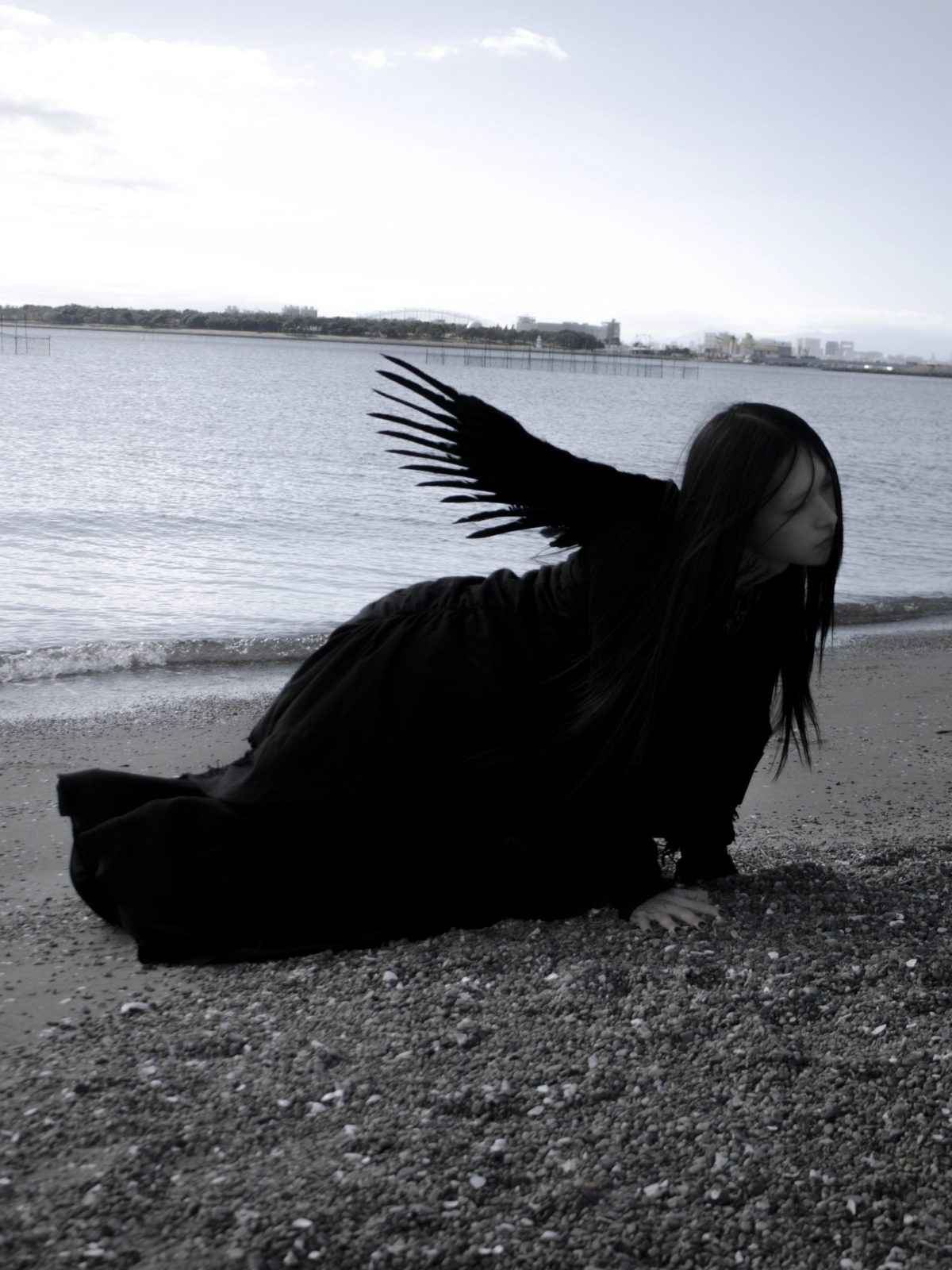
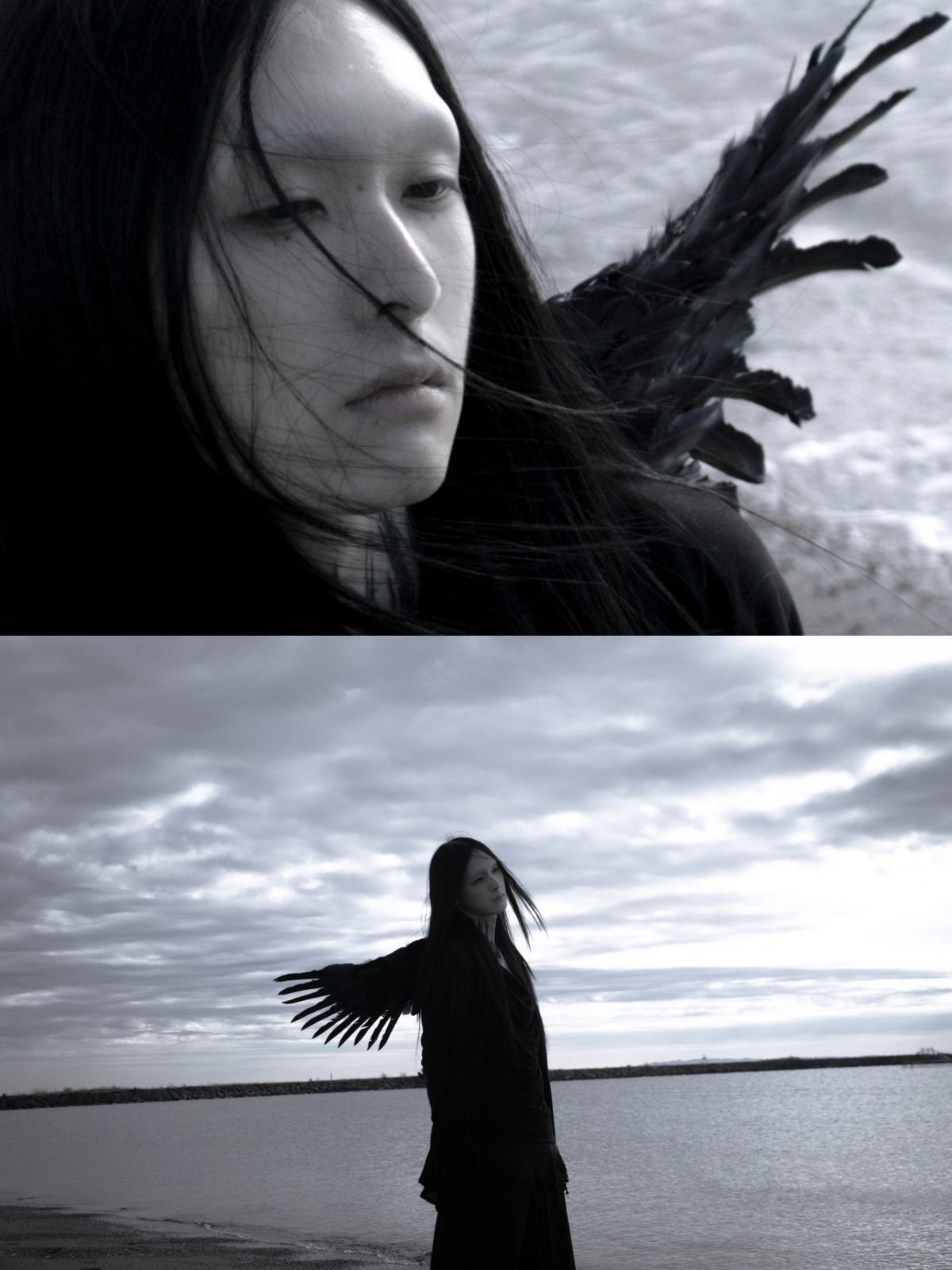
In the visual series 'The Angel Dust', photographer Kacie constructs a restrained visual universe where bodies, textures, and symbols recur across shifting environments. Working within a deliberately limited palette of desaturated tones and metallic surfaces, the images hover between documentation and fabrication, realism and quiet myth-making. Wings, reflective materials, and blade-like structures appear repeatedly as elements of an evolving symbolic language. We also discussed her relationship to colour as a form of resistance to visual saturation, the blurred boundary between documentation and digital intervention, the symbolic role of recurring objects such as wings and metallic structures, and the way post-processing, composition, and staging work together to construct a coherent yet continuously evolving visual world.
Your work operates within a very controlled tonal universe: desaturated, metallic, almost lunar. It feels less like a stylistic choice and more like a rule. What is the conceptual function of this limited colour spectrum in your practice? What would break if you stepped outside of it?
I think that colour is a distraction from reality. Low-saturation visuals allow viewers to bypass surface hues and directly enter light, shadow, structure, time, and memory. I shape an alternate world through these desaturated colours, creating a serene spiritual realm and a restrained emotional experience. This limited use of colour, on another level, serves as a resistance to the oversaturated visual stimuli of consumer society. It strips away the emotional and cultural connotations carried by colour and reduces the body and materials to mysterious, cold, hard, and reconstructable visual units. If we were to step outside these rules, it would strip visual coherence, leading to a transformation in the foundational theory of the work.
3BLUE ANGEL
There’s an ambiguity in your images around what is physically constructed and what is digitally intervened. At what point does the image shift from documentation to fabrication in your process?
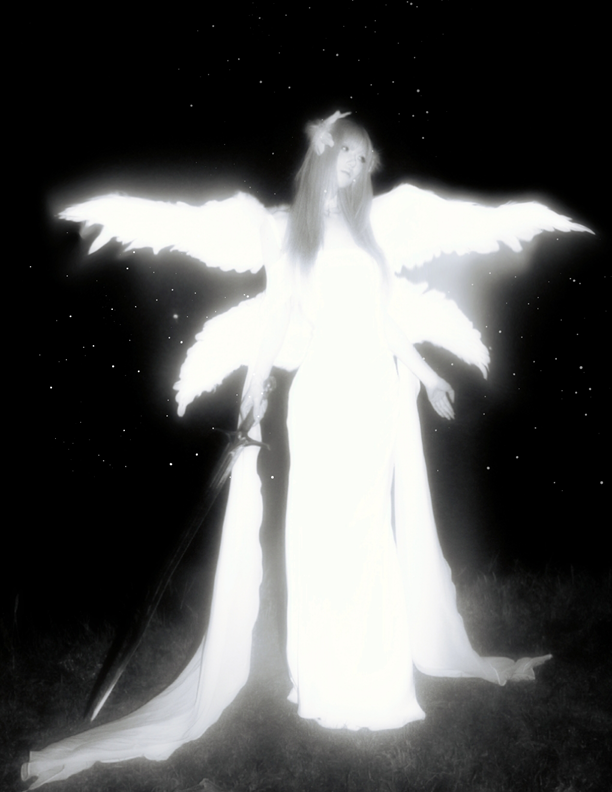
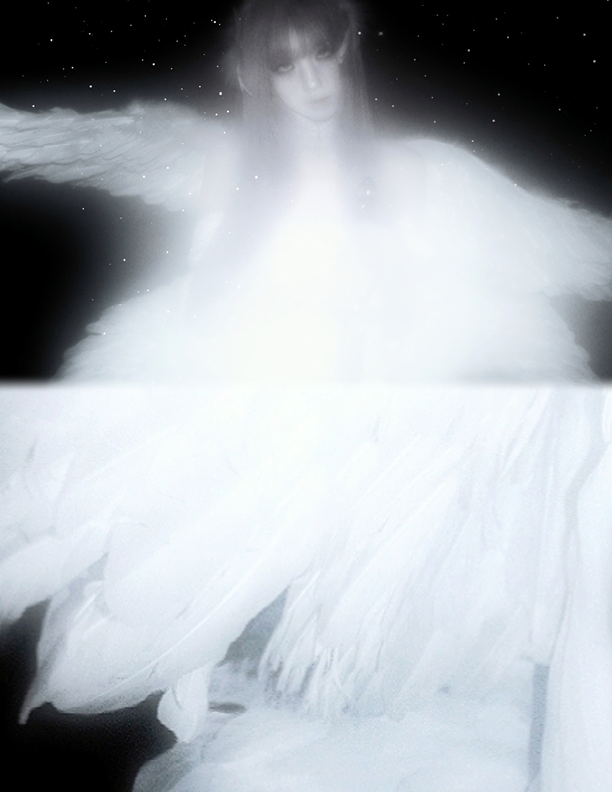
I began my explorative documentation of the world at around 15 years old, using my mother’s phone. Later, I encountered different types of low-resolution devices, and during a chance moment, when I accidentally dirtied the lens, I discovered that, in the imaging world of these devices, the pictures became soft, even, and surreal. Everyday scenes turn both familiar and strange. Thus, it felt as if I had regained a pair of eyes with which to observe the world. I captured daily scenes in large quantities and processed them in a way that estranges them from the ordinary. This practice has trained me to recognise the unnaturalness in ordinary spaces. This batch of works is hazy and ethereal, filled with a unique halo that lays the groundwork for the “otherworldly” atmosphere present in my future works. I studied oil painting as my undergraduate major and was captivated by images of angels in European paintings from various periods. I attempted to combine winged figures with the photographic techniques I had been developing, along with special post-processing, resulting in my first batch of iconic character photography in 2023.
“The colour is a distraction from reality.”
SWORD AND ANGEL
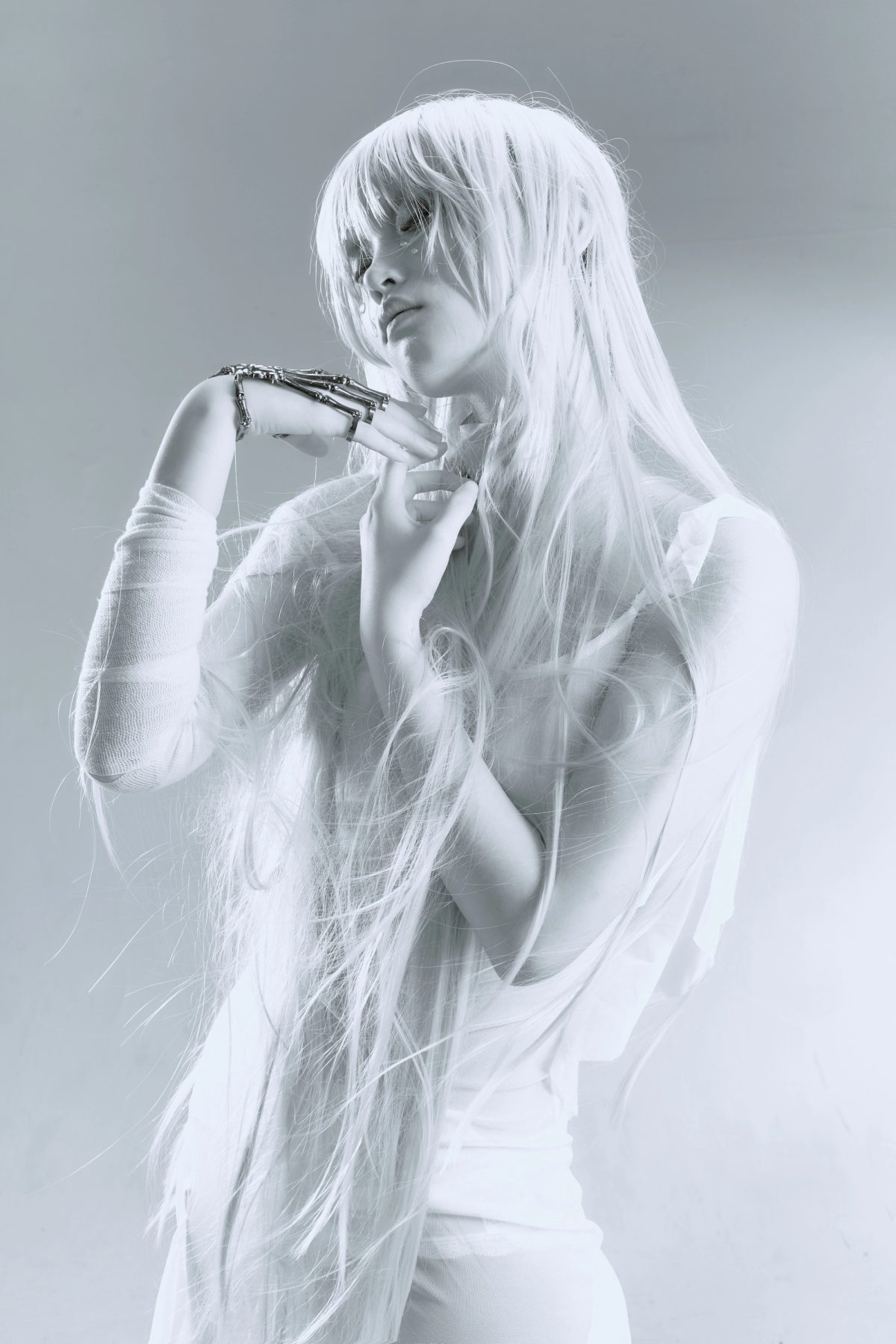
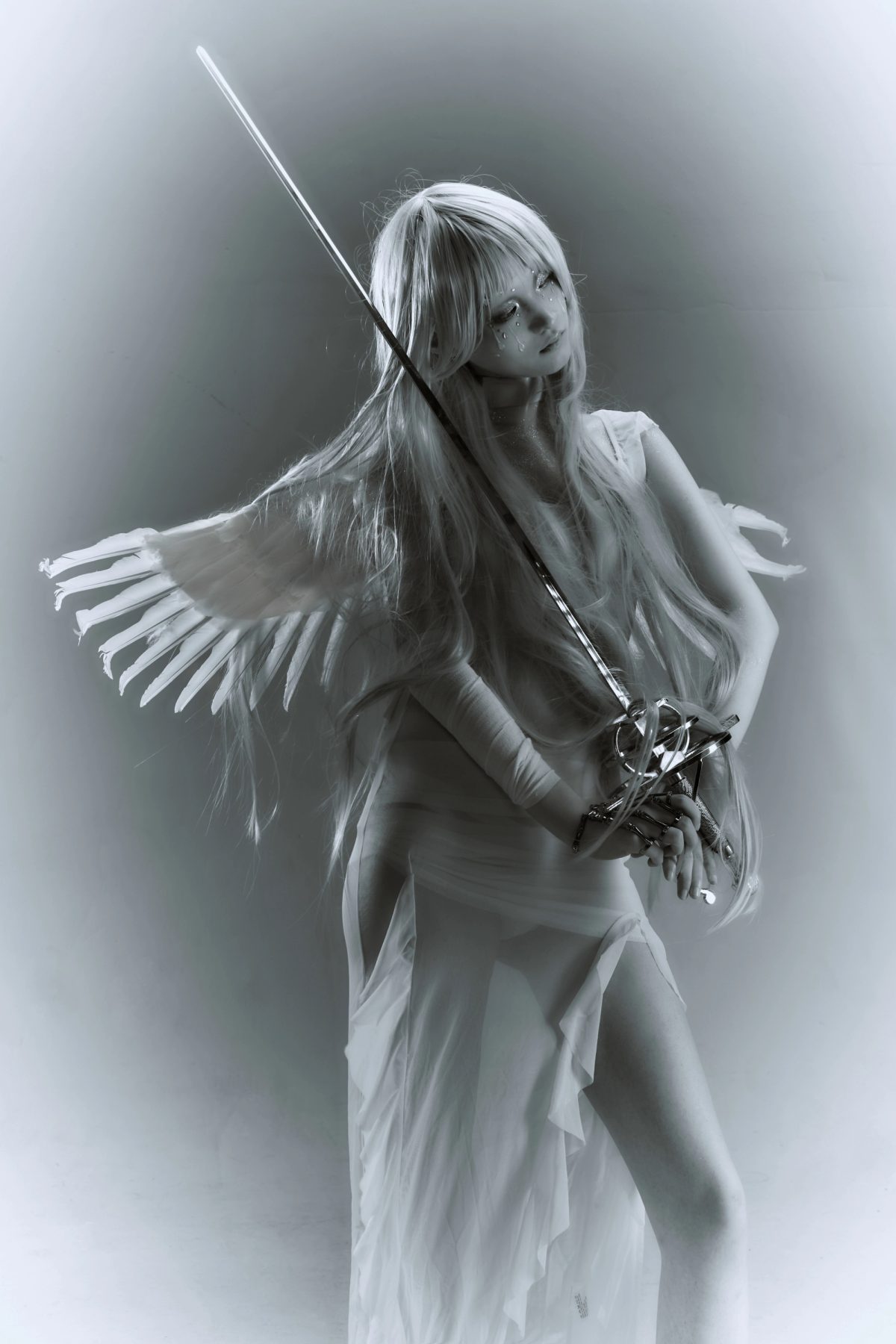
Wings, metallic extensions, blade-like textures, reflective surfaces, these elements recur across different bodies and scenarios. Are they symbols, tools, armour, or something else entirely? How do you decide when an object becomes part of your visual language rather than just a prop?
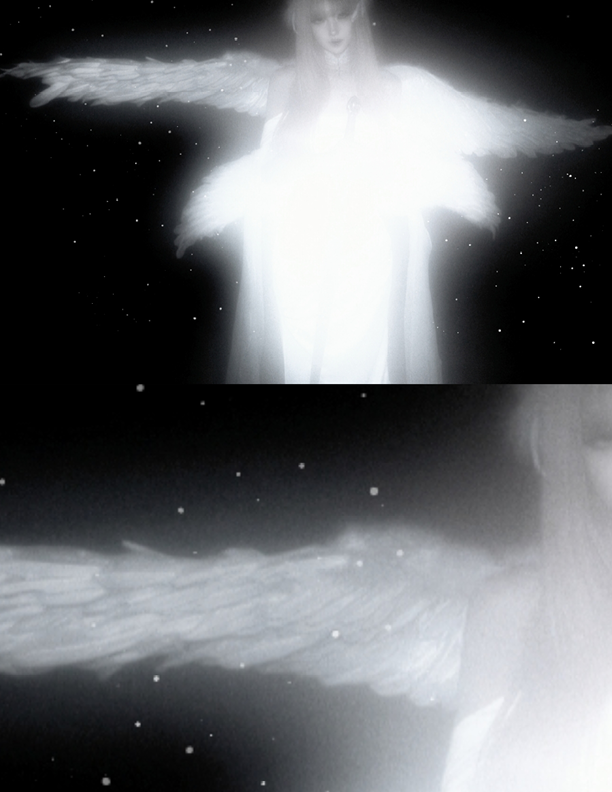
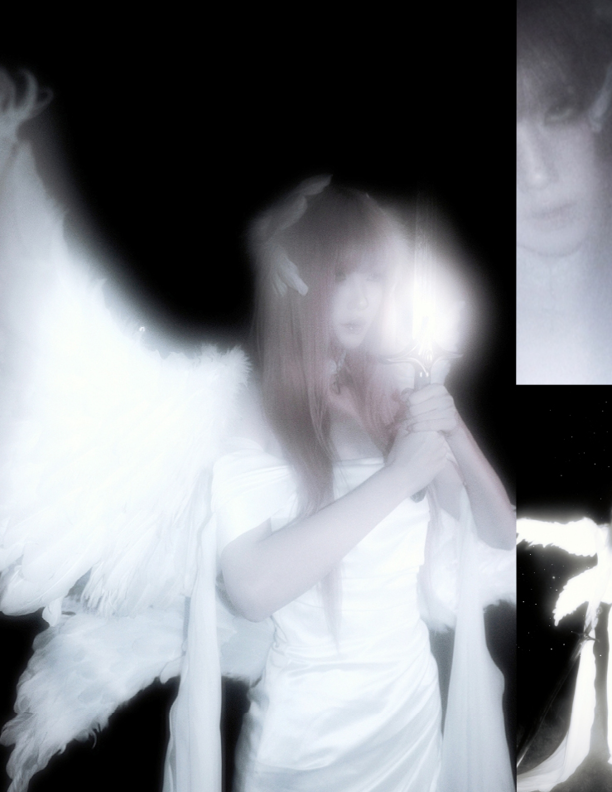
Wings and metallic extending structures are recurring elements that serve both as symbols and tools. They are not isolated props but rather “parts” that compose my visual language. When they embody the atmosphere in my works, they transcend their prop-like qualities. For instance, wings serve as a visual carrier for constructing dreams and transcendental atmospheres, expressing the inner softness and goodness of individuals, intertwining with the divine. The metallic texture symbolises resilience and an indestructible spirit. The combination of the two allows me to convey my ongoing pursuit of observing the world with a heart of compassion while standing with a spirit of resilience.
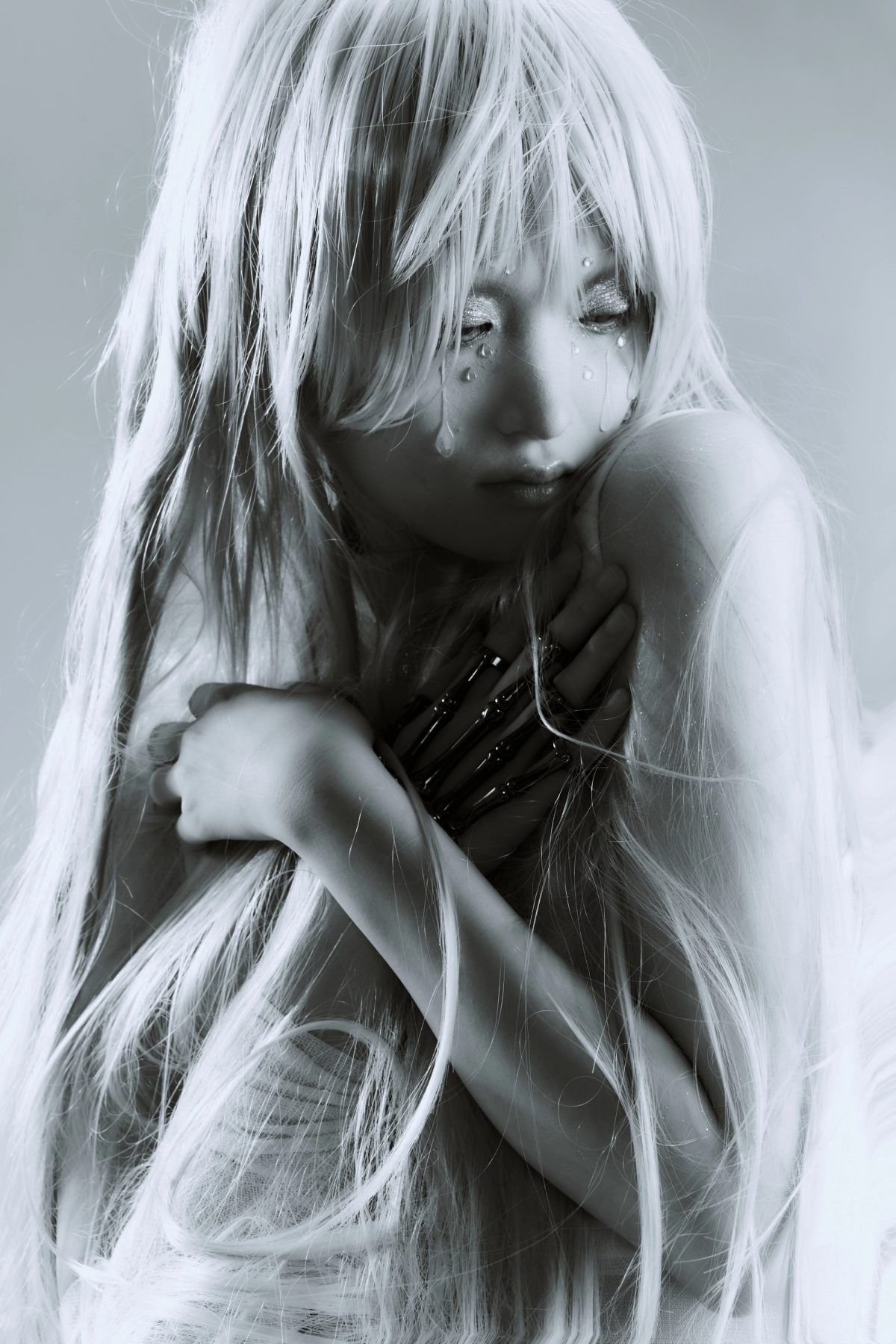
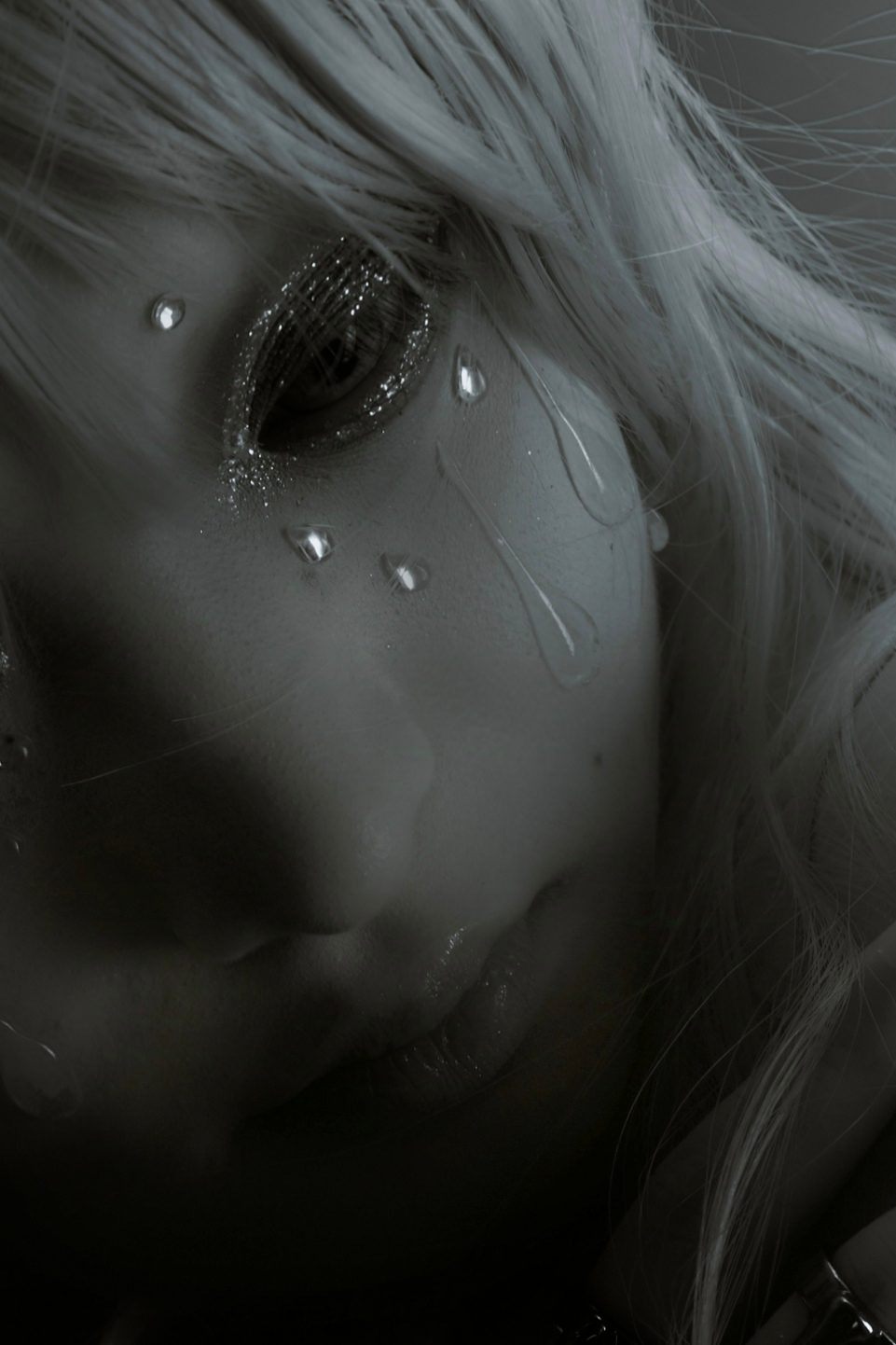
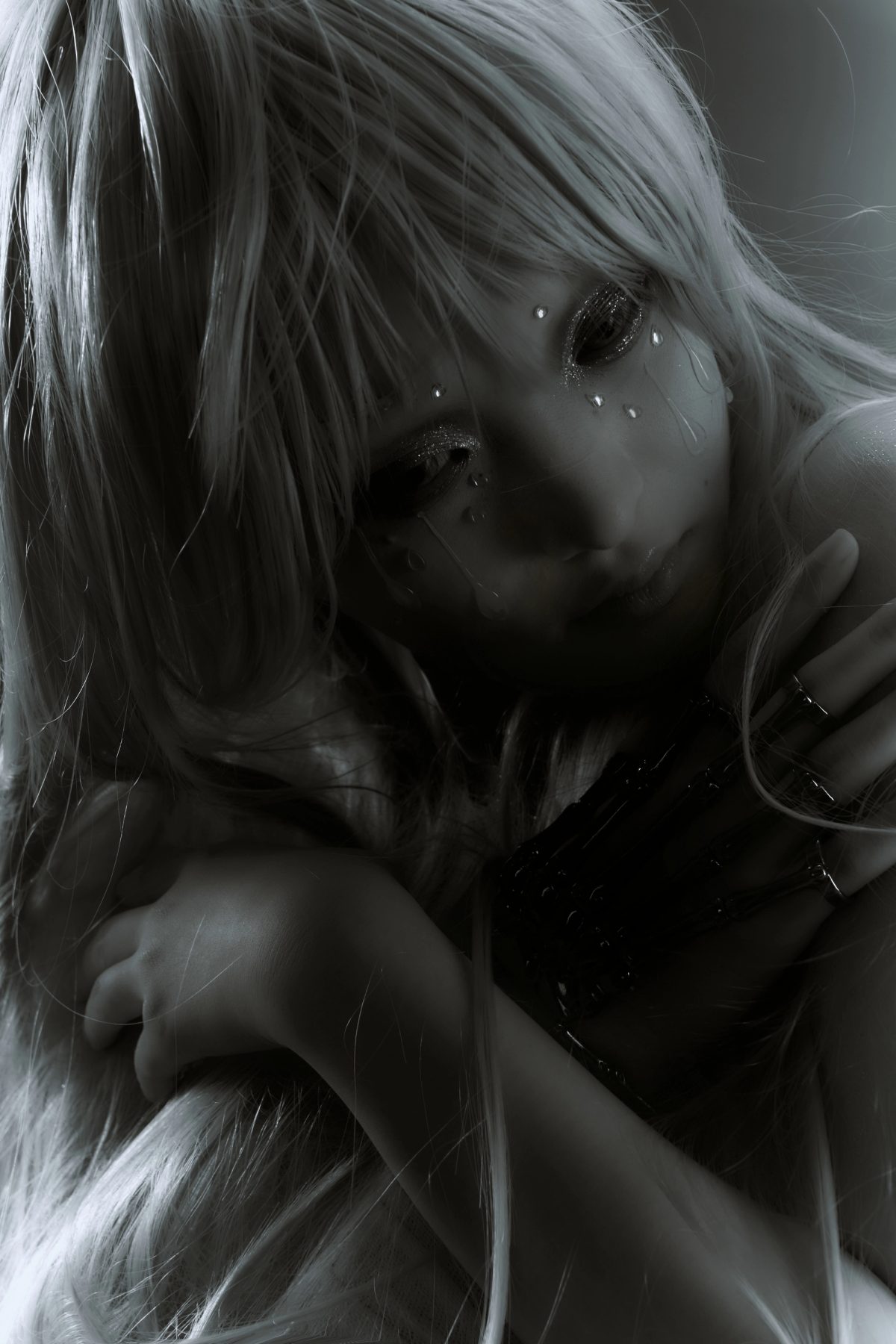
“Wings and metallic extending structures are recurring elements that serve both as symbols and tools.”
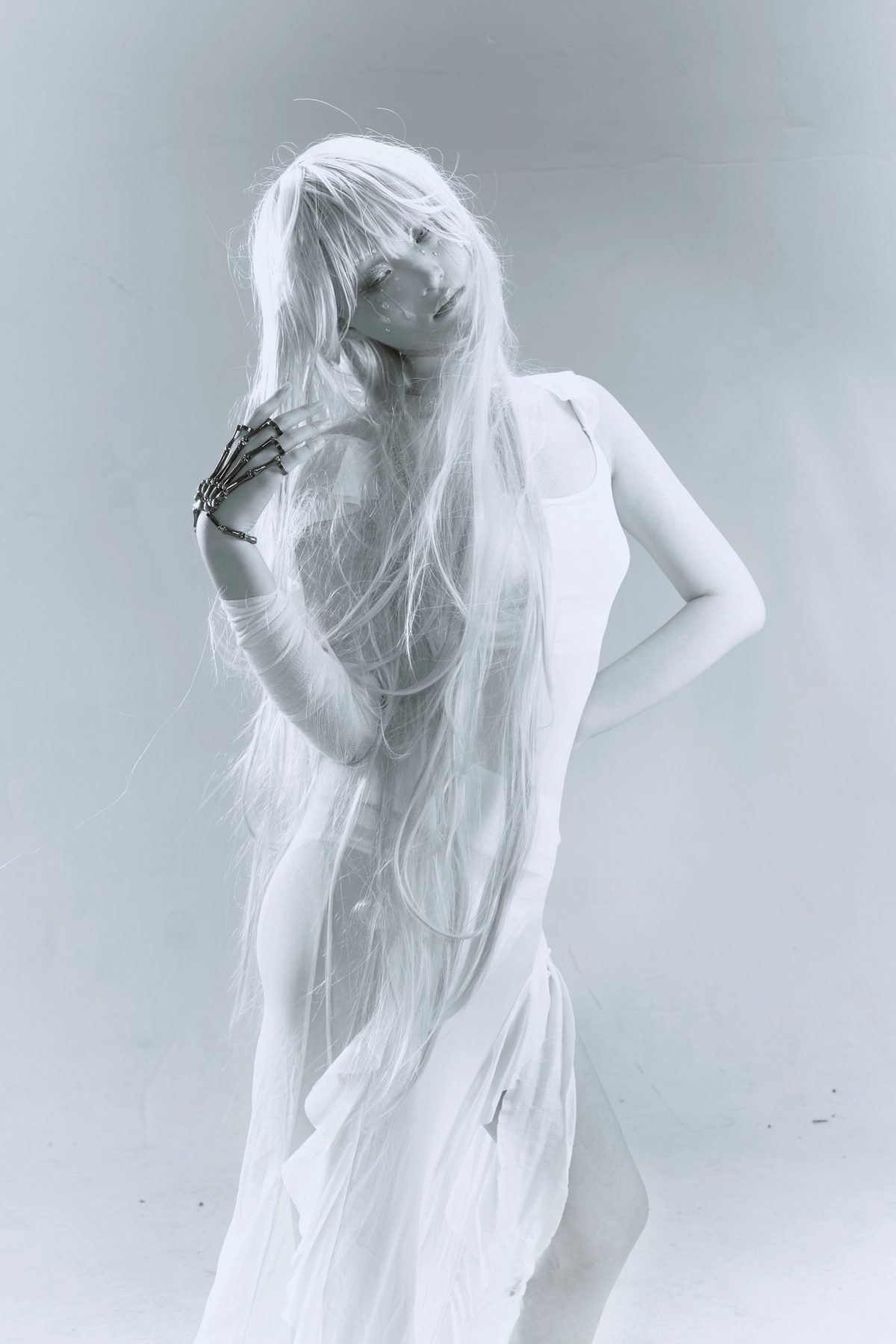
THE GREY ANGEL
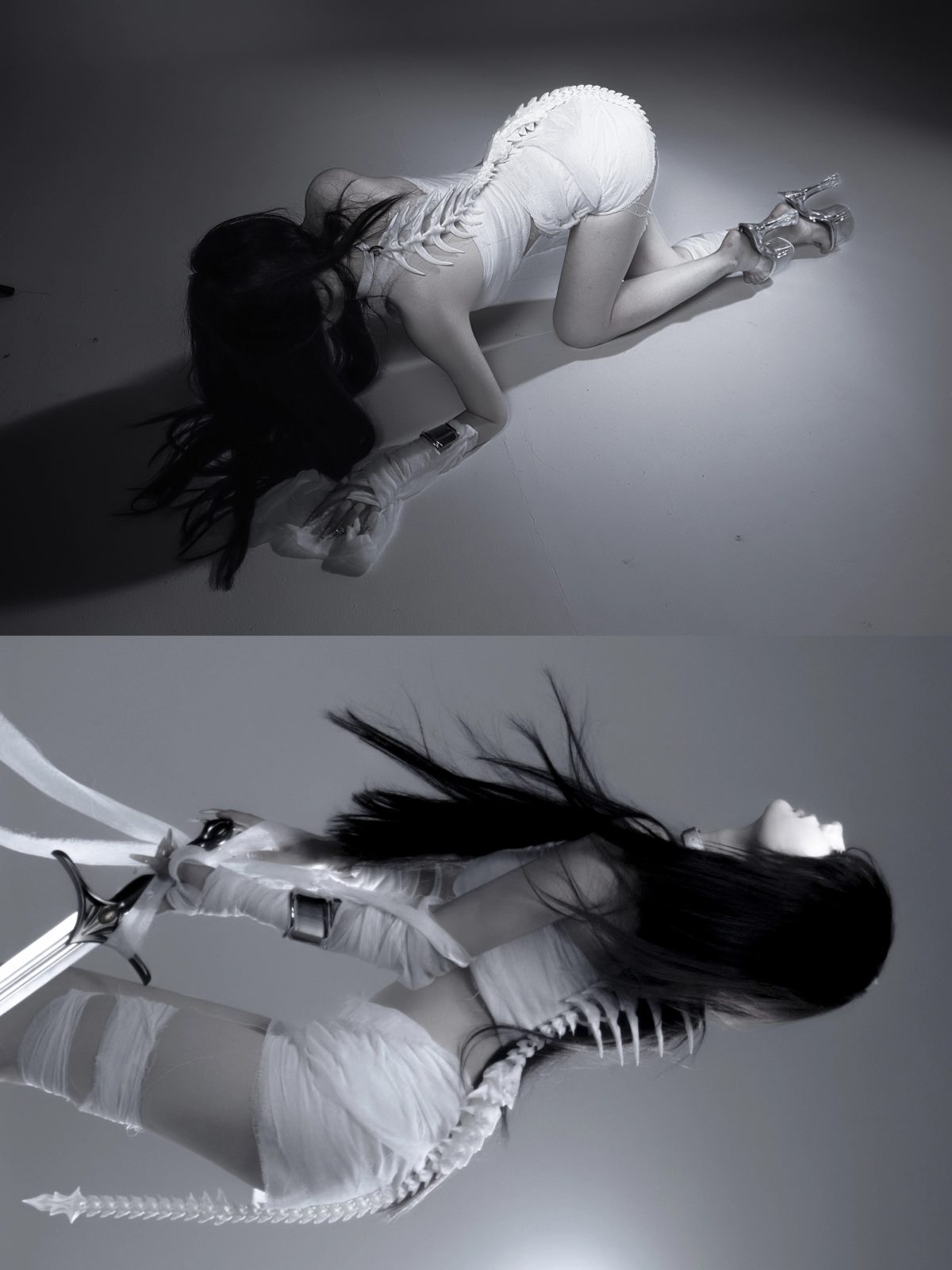
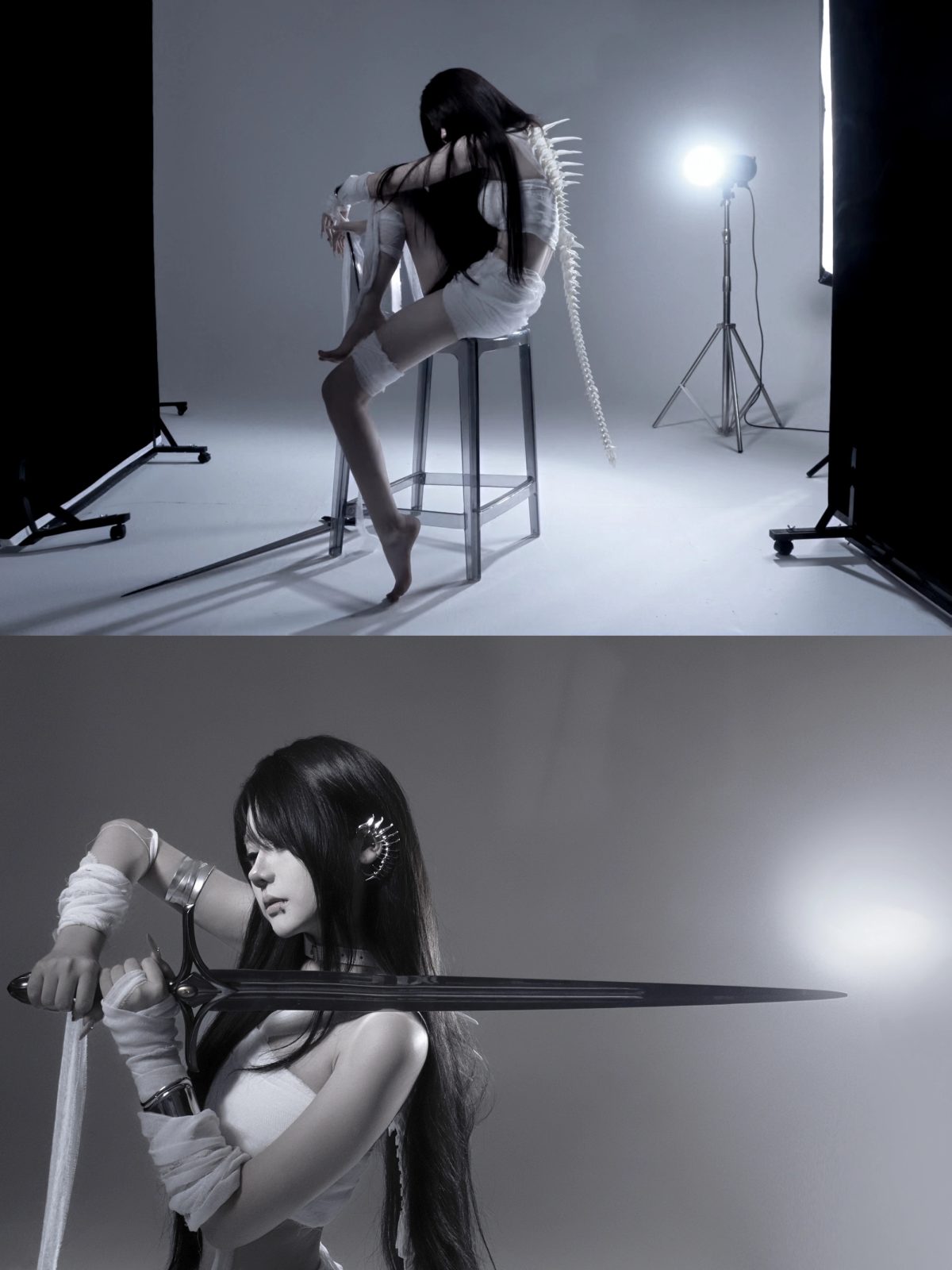
Your aesthetic feels consistent to the point of world-building. Are you constructing a single evolving character across works, or are these different subjects filtered through one visual consciousness? In other words, is the sameness a signature or a narrative?
In my non-commercial creations, I attempt to conceal human dominance, using people as symbols that serve the space and environment. I am indeed shaping a continuously evolving singular character, which does not refer to any specific individual but rather serves as a variable or punctuation within the visual narrative. This approach allows for a consistent expression of the same worldview. Such “unity” acts as both a personal artistic signature and a form of narrative expression.
4KEEL
The figures in your work feel highly styled yet strangely autonomous, as if they belong to a world with its own internal physics. How much of your image-making is built through live styling, costume, and physical set, and how much is resolved in post-production? Where does the “real” performance end?
When a shoot focuses excessively on costumes or styling, or when the scene is artificially constructed to be overly complex, or even when we are in a grand and bizarre natural landscape, the richness of textures, visuals, and layers in the entire composition can become overwhelming. In such cases, the emphasis on post-processing will be relatively reduced while adhering to the principle of “low saturation,” ensuring the image does not exert too much force. When the subjects’ attire becomes light and minimalist, and the space shifts to random scenes, the increased unpredictability can create an obstacle to the realism of the setting. Therefore, I often reset the image, as one would with a painting by cropping and composing, adjusting c olours, and creating texture to achieve a visually satisfying effect. I am captivated by bizarre and strange painters like Hieronymus Bosch and enjoy viewing works related to mysticism and symbolism. As a result, my photographic works possess a strong sense of unreality. I revel in dreaming and shaping fantastical realms. In addition to extensively experimenting with photography using different devices, I document dreams and feelings, or the absurd realities of specific moments, through writing. This further enables me to transform text into images, helping me refine symbols more precisely and express the main ideas intuitively.
“I revel in dreaming and shaping fantastical realms.”
2SEASIDE
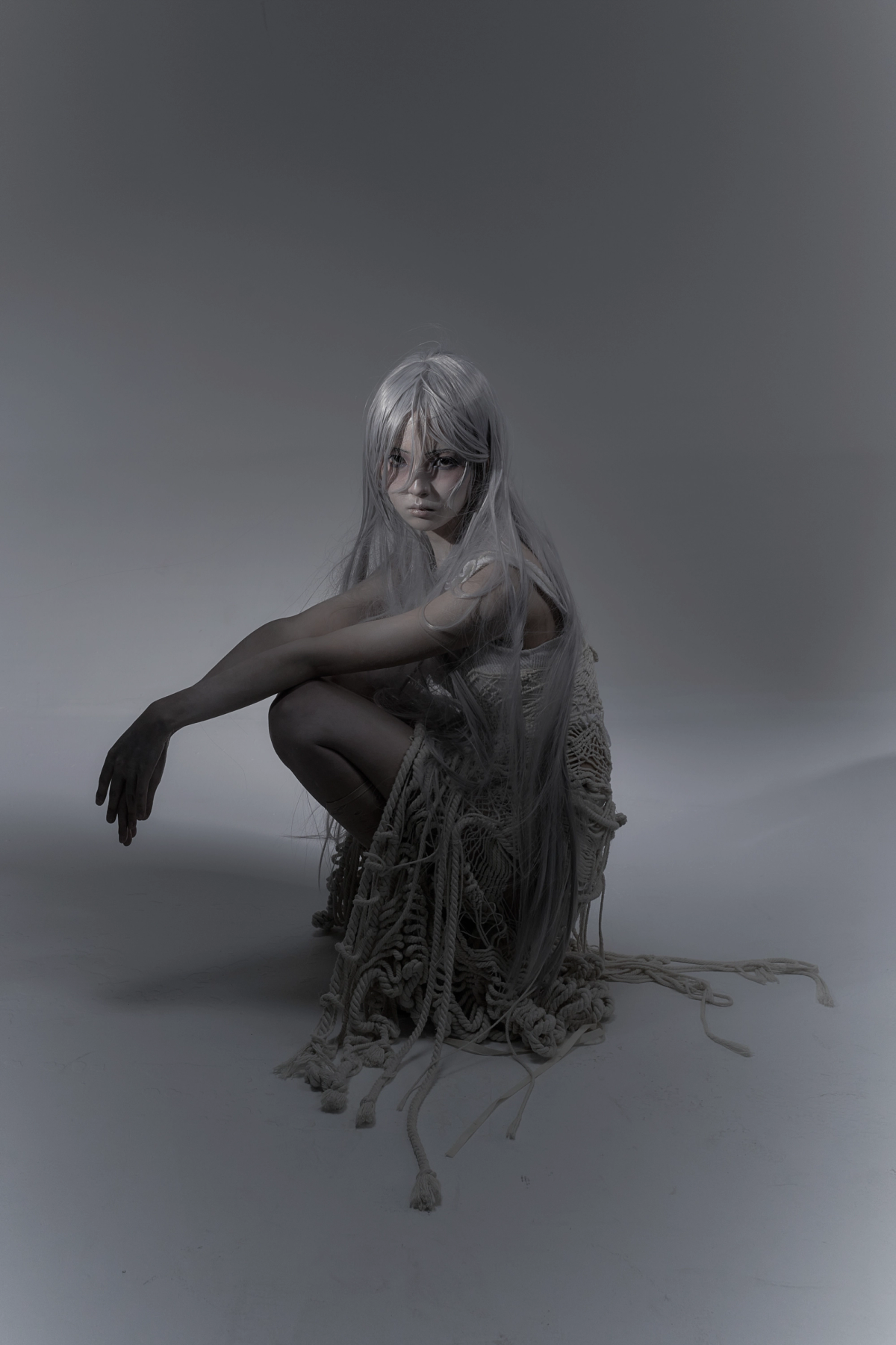
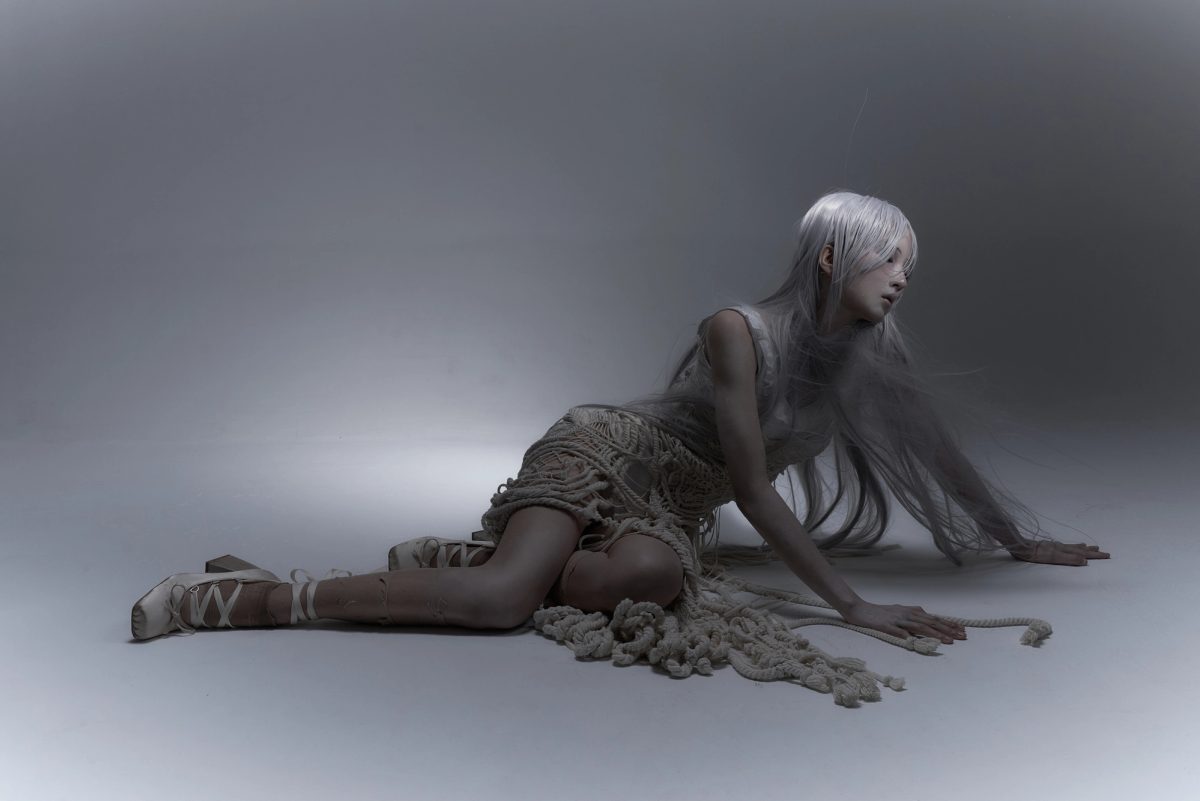
ROPE ART