RESTING INSIDE THE EXTREME PRESENT: IN CONVERSATION WITH CHRISTIANE PESCHEK
CONVERSATION BY SELIN KIR
CO-FOUNDER, CURATOR
14 MARCH 2026 — UNITED KINGDOM
In an era defined by acceleration, constant connectivity, and algorithmic attention, the question of how to remain present becomes increasingly fragile. Across installations, writings, and sensory environments, Christiane Peschek constructs spaces that gently interrupt this condition. Visitors are asked to leave their smartphones outside, time begins to slow, and perception recalibrates through breath, sound, scent, and subtle shifts of light. Her works operate as temporary counter-spaces, thresholds where emotional and bodily states such as heat, exhaustion, rest, and hypersensitivity become spatial experiences. Moving between the physical and the digital, the intimate and the planetary, Peschek’s practice explores what it means to inhabit the present moment in a world increasingly mediated by machines. In this conversation, she reflects on presence, ritual, authorship, and the architectures of inner states that shape her installations.
It’s so nice to have you here and to speak with you, Christiane. Your practice often operates in states you describe as hyper presence-zones of heightened sensation, vulnerability, and awareness. Are there specific situations, during installation, performance, or even rest, where you feel this state emerge most strongly?
My main interest in working with space is to facilitate moments of slowness in an oversaturated world where everything, including artworks, is competing for attention. One simple but very effective gesture I use in my installations is asking visitors to leave their smartphones outside in order to allow an experience fully in the present moment. Once the possibility of capturing or producing content disappears, people are thrown back onto their own senses and their own attention. That shift often opens the door to a deeper form of presence, which I’m very curious about.
Time is the other important material I work with. When visitors are allowed to stay in a space without pressure, something begins to unfold naturally. Sound, scent, and reduced visual stimuli help me create an atmosphere where emotional states can surface.
I see my role less as guiding people toward a specific experience and more as facilitating the conditions in which something can emerge. In that sense, I think of my installations as thresholds for people who don’t want to be distracted from being alive. I’m not interested in producing escapist experiences. Instead, I try to design environments that invite staying with the space, with oneself, and with the awareness that nothing is permanent.
This approach also appears in my two dimensional works. The portraits often contain a certain blurriness that slows down the act of looking and resists immediacy. In the installations and retreats, it manifests as temporary counter-spaces where time and presence themselves become the material.
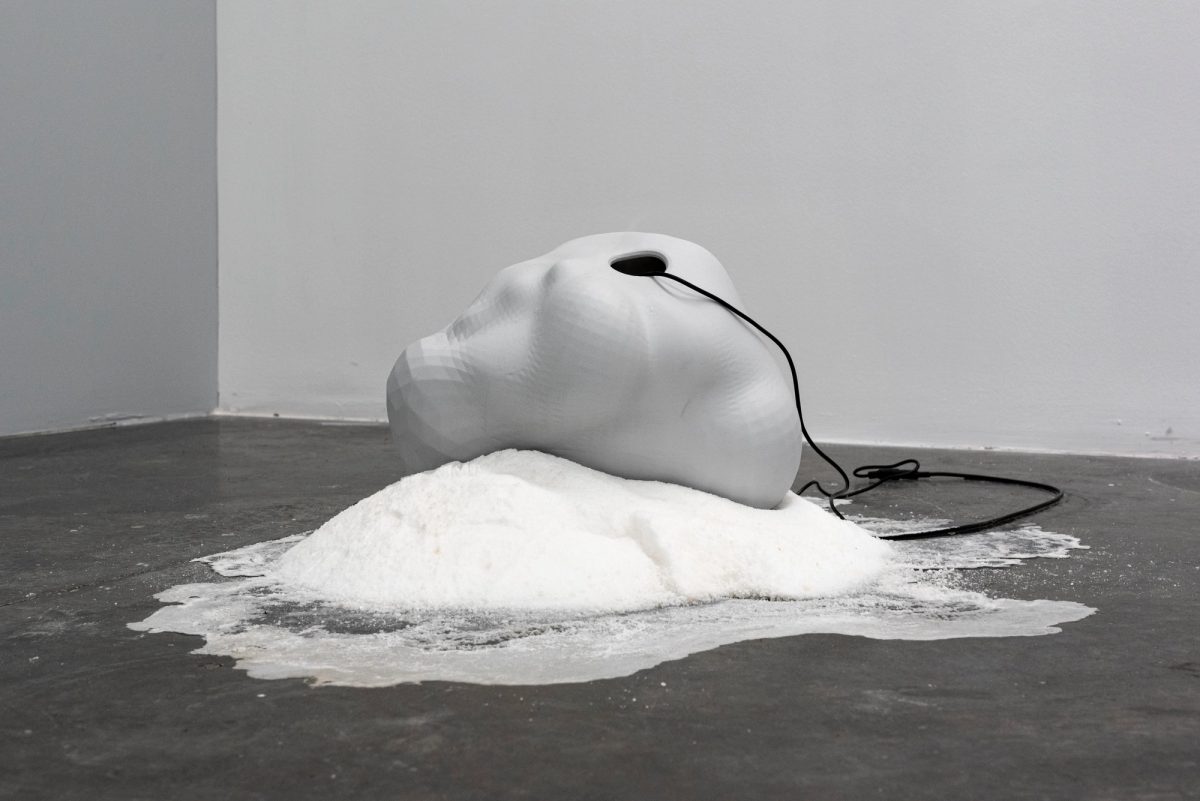
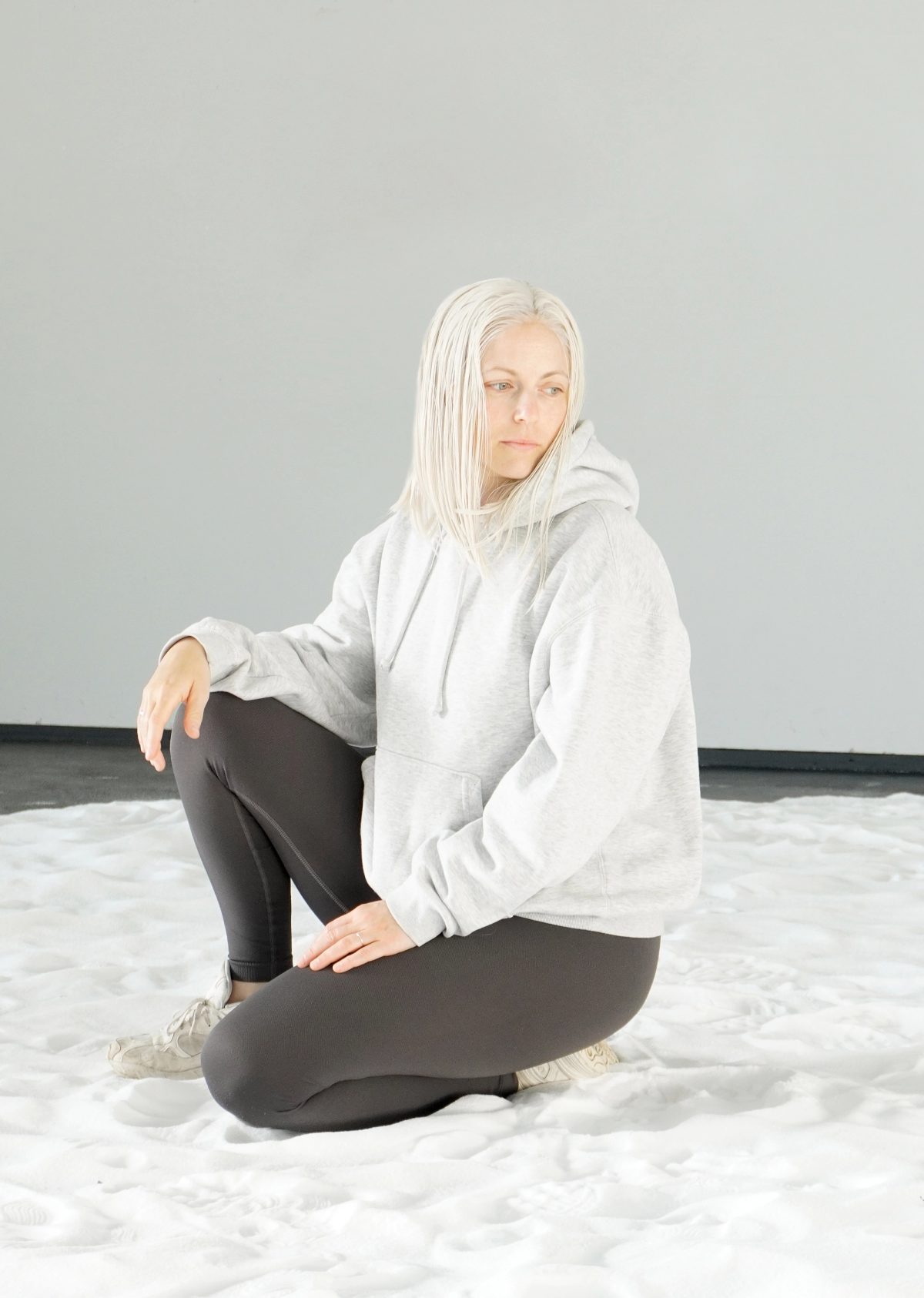
Christiane Peschek, 3D Printed Body in Transition After 9 Days in the Spa (left); Infinity Land (Portrait), 2024 (right)
Many of your installations, FEVER, INFINITY LAND, HYPERSENSITIVE, create environments that feel closer to bodily conditions than exhibition spaces: heat, breath, sonic pressure, exhaustion, rest. How do you translate these internal states into concrete spatial and sensory decisions?
My work often begins with what I would describe as emotional world-building. It’s an inside-out process where an internal state becomes the architecture of the space. Instead of illustrating a concept, I translate a bodily or psychological condition into atmosphere through temperature, sound, rhythm, light, or spatial pacing.
In FEVER, for example, I developed an environment where visitors could step into something like their own inner desert. The installation unfolded across two floors and moved through different states of fever, an escalating body temperature that raises questions about heat not only as a physical condition but also as an emotional one. Where does heat live in our inner landscapes? Where in the body or psyche does a burning intensity appear that makes it difficult to remain still? The work connected these personal states to broader planetary conditions like climate, exhaustion, and the sense of living as a species under increasing pressure.
The work HYPERSENSITIVE, in contrast, emerged from observing how digital systems mirror emotions. I became interested in moments like encountering a meme in your feed at two in the morning that somehow resonates uncannily with your mood. Screens reflecting feelings, or feelings being shaped by algorithmic environments. The installation explored how constant connectivity and online wellness cultures influence bodies, relationships, and identities. It brought together writings, screenshots, bookmarks, and fragmented narratives into a non-linear environment that reflects the overstimulation of digital presence.
In the installation OASIS, I shifted the focus toward our digital bodily extensions: profiles, avatars, and online presences. I was curious what it might mean to create a space of rest not only for the physical body but also for these extended skins. Wi-Fi itself became part of the installation, used as a treatment element to make visitors aware of invisible frequencies and the fluid boundaries between biological and digital bodies.
Across these works, my goal is always similar: to build environments where internal states of heat, sensitivity, exhaustion, and expansion can be spatially felt.
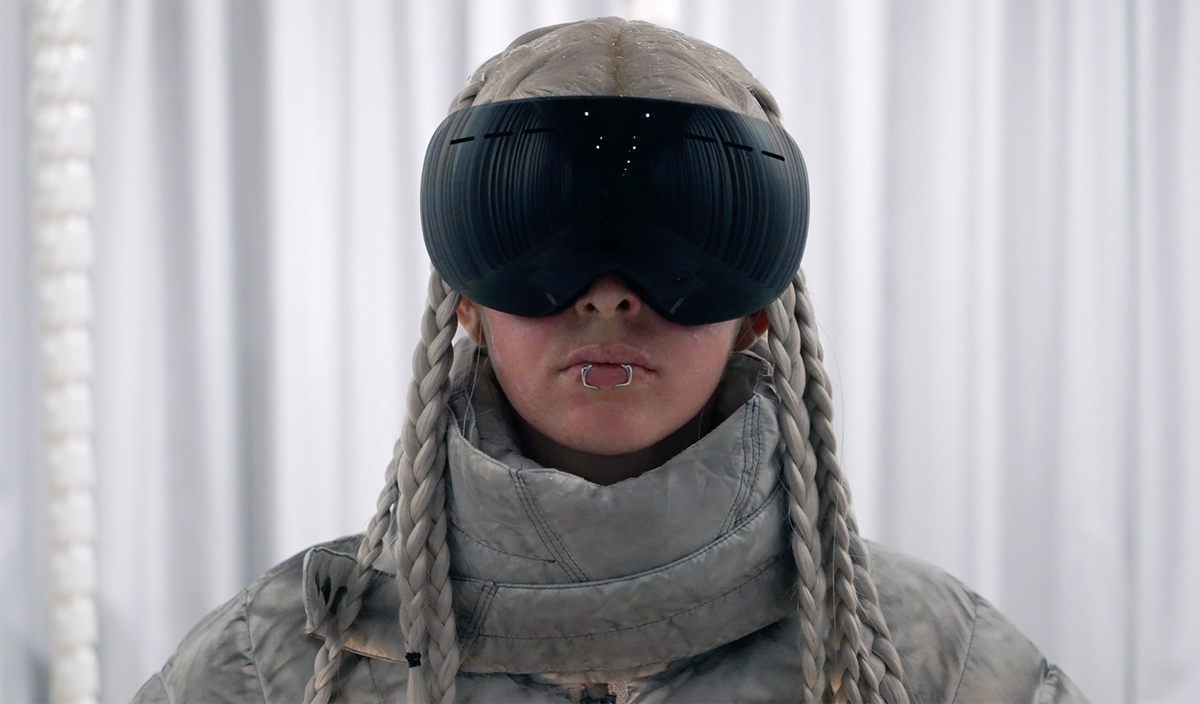
Christiane Peschek, FEVER (Performance), 2024
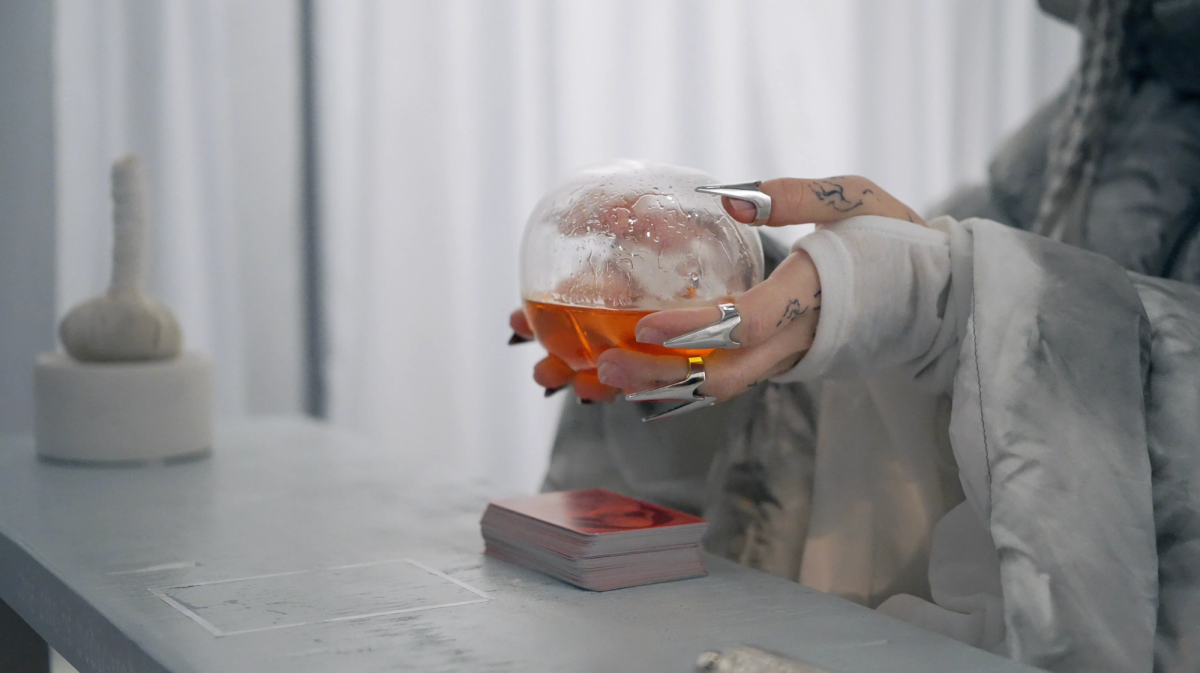
Christiane Peschek, FEVER (Performance), 2024
“My installations are thresholds for people who don’t want to be distracted from being alive.”
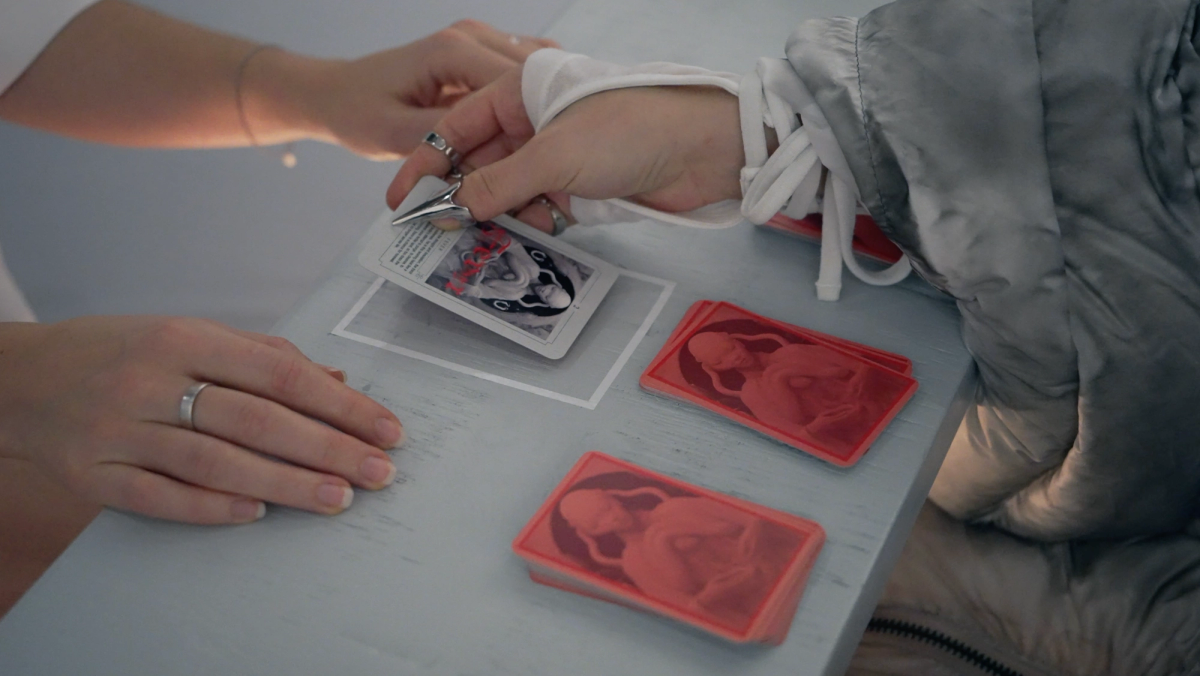
Christiane Peschek, FEVER (Performance), NIKA Projectspace, Dubai, 2024
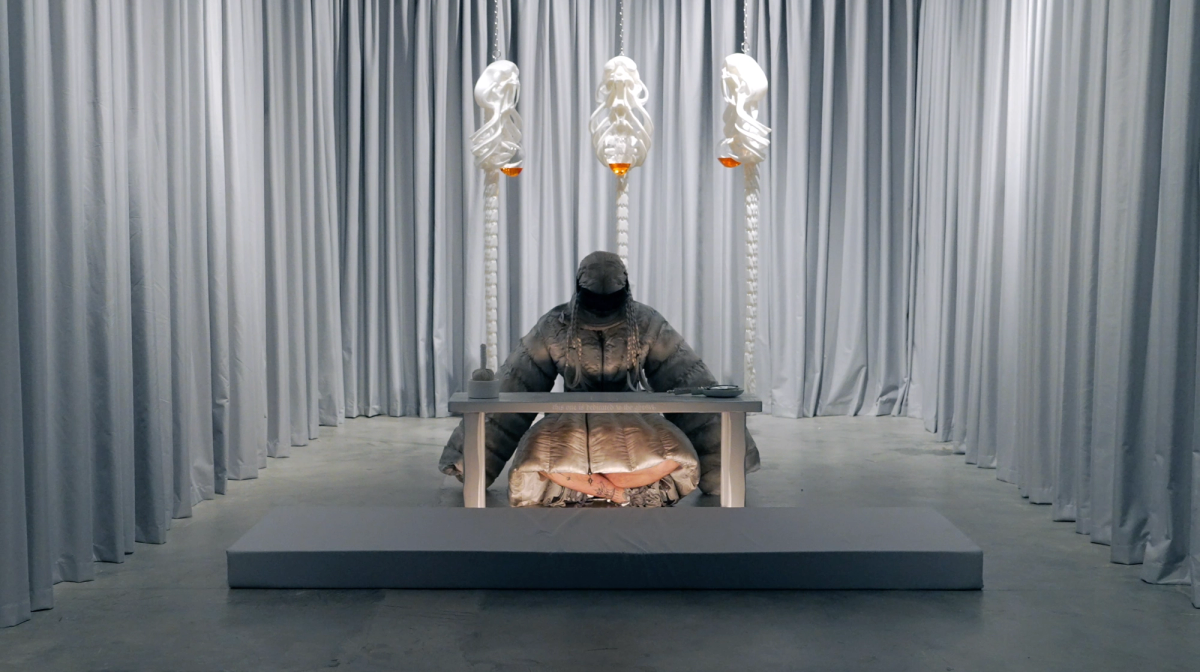
Christiane Peschek, FEVER (Oracle), NIKA Projectspace, Dubai, 2024
Sleep, rest, illness, and overstimulation recur as structural and conceptual tools in your work. How do these states shape how people move, pause, or stay within your installations? Do you see these states as forms of resistance, survival strategies, speculative futures, or something else entirely?
I’m interested in translating inner or emotional states into environments that can be physically experienced. I observe how they shape how a body moves through a space. States of rest, illness, or intense emotional processes slow people down.
Facilitating an environment of rest and stillness invites visitors to pause, linger, or simply stay for a while. I believe that’s extremely necessary right now. We currently live in a highly overstimulated reality, so spaces that evoke rest or quietness can act as a counterbalance to that constant pressure.
When visitors enter my installations, they often arrive with the curiosity to encounter an artwork, but what happens is a small shift in how they feel while being there. I sometimes describe this as a micro-adjustment of perception or emotion. The work doesn’t aim for a dramatic transformation, but for a subtle change in tempo.
Many visitors tell me afterwards that they are grateful for the silence and the permission to rest, because it’s something they rarely allow themselves in everyday life. In that sense, the installations become temporary resting sites within the extreme present.
“Instead of illustrating a concept, I translate a bodily or psychological condition into atmosphere.”
Your works often seems to bring care and control into close proximity: self-healing rituals sit uncomfortably close to optimisation, wellness aesthetics, or algorithmic feedback loops. When you’re building an installation, how do you recognise when something tips too far toward comfort or too far toward control?
I’m not sure if I always recognize the exact moment when it tips. I think I approach my installations less as systems of control and more as spaces of facilitation. I can set conditions with light, sound, rhythm, and duration, but I can never control what happens in someone’s inner world.
That tension between care and control is actually something I’m interested in keeping visible. Many contemporary wellness cultures promise comfort and optimization at the same time, and I find that overlap both seductive and slightly unsettling.
In my work, I create a framework that offers guidance without prescribing an outcome. So the installation might suggest a rhythm, a gesture, or a state of rest, but the experience always remains open. Visitors bring their own emotional and physical states into the space.
In that sense, the work is less about directing a specific feeling and more about holding a structure where different responses can unfold. Sometimes I wish I could briefly inhabit the perceptions of the people inside the installation, to feel what they feel while they linger there. But that opacity is also part of the work.
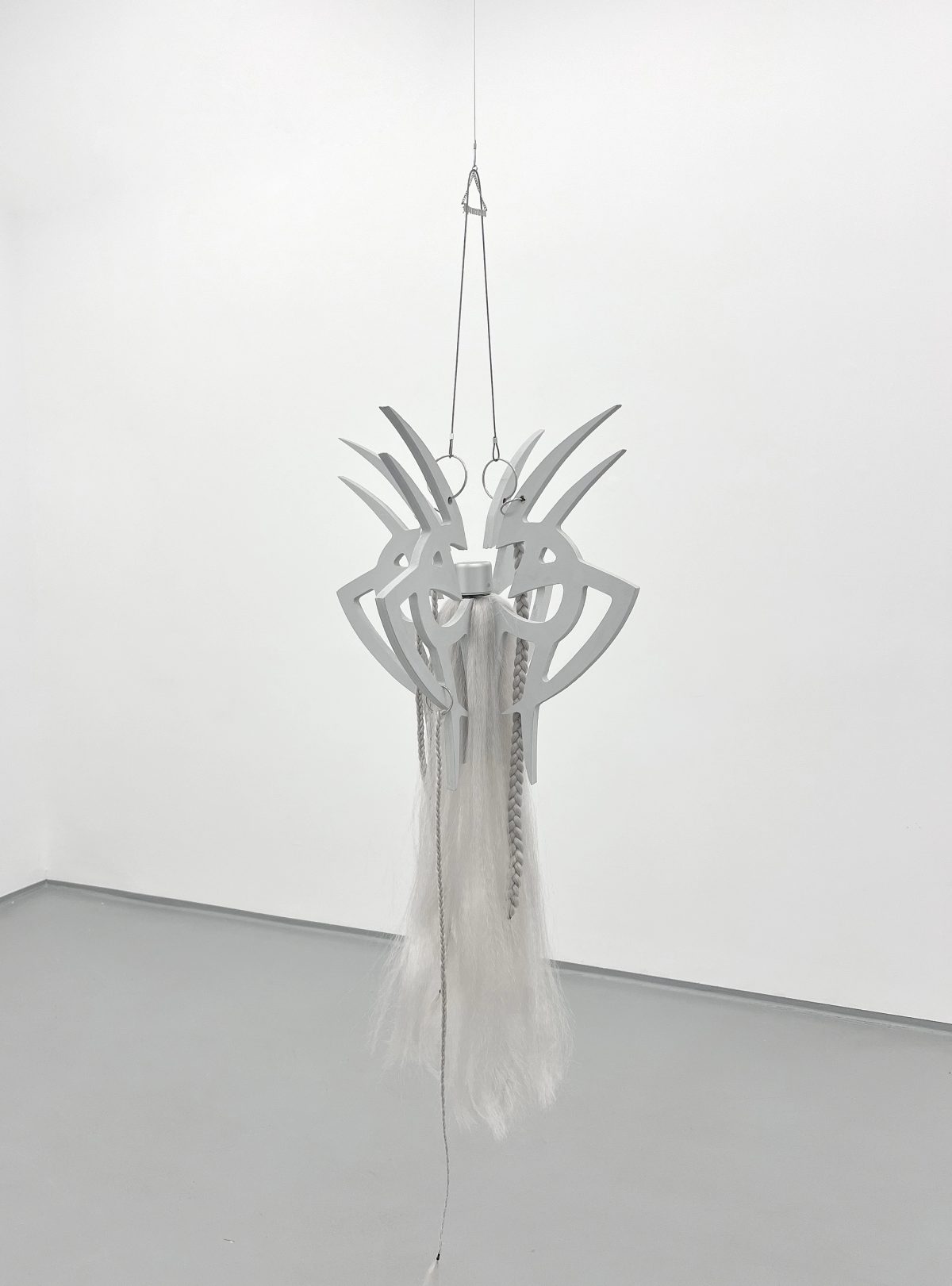
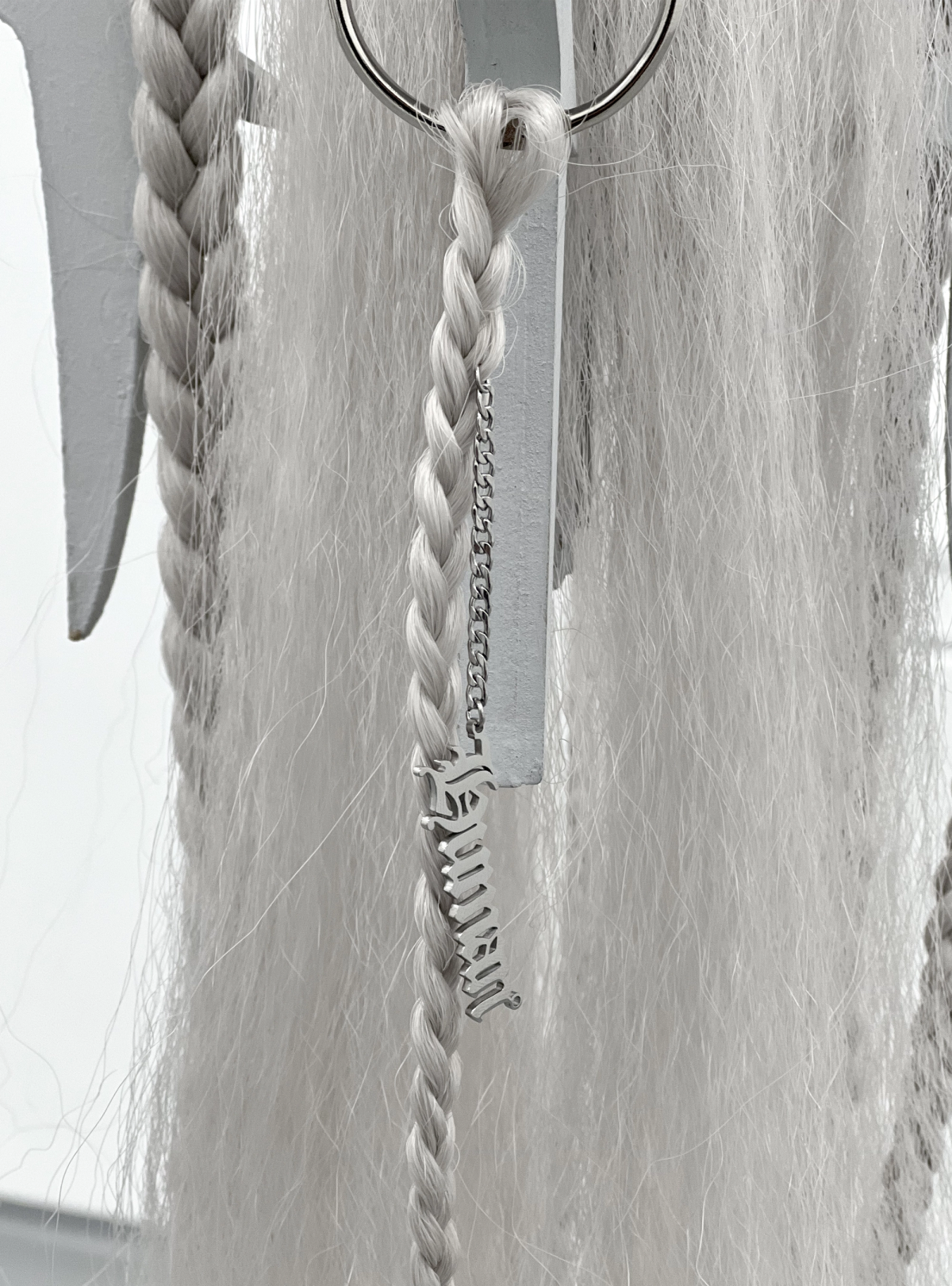
Christiane Peschek, Human Object
In works that involve AI-generated imagery, sound, scent, and research-led processes, technology doesn’t feel like a neutral tool but an active agent. How do you think about authorship when systems, human and non-human, shape both form and meaning?
I think we are slowly moving from the figure of the author toward the role of the curator. When working with AI systems, authorship becomes distributed across human and non-human agents: datasets, algorithms, interfaces, and the person who frames the process.
What matters is less the idea of individual creation and more the orchestration of systems. For me, prompting is not simply giving instructions; it’s a form of choreography based on ideas and thought patterns. You set conditions, guide tendencies, and respond to what the system produces.
Meaning then emerges through this interaction rather than from a single authorial voice. In that sense, the question of authorship feels slightly outdated.
What interests me more is how we navigate a world where human and machine perception constantly overlaps. Perhaps the truly rare thing in the future will be the unmediated human perspective, and the ability to encounter the world directly and share that experience with others.
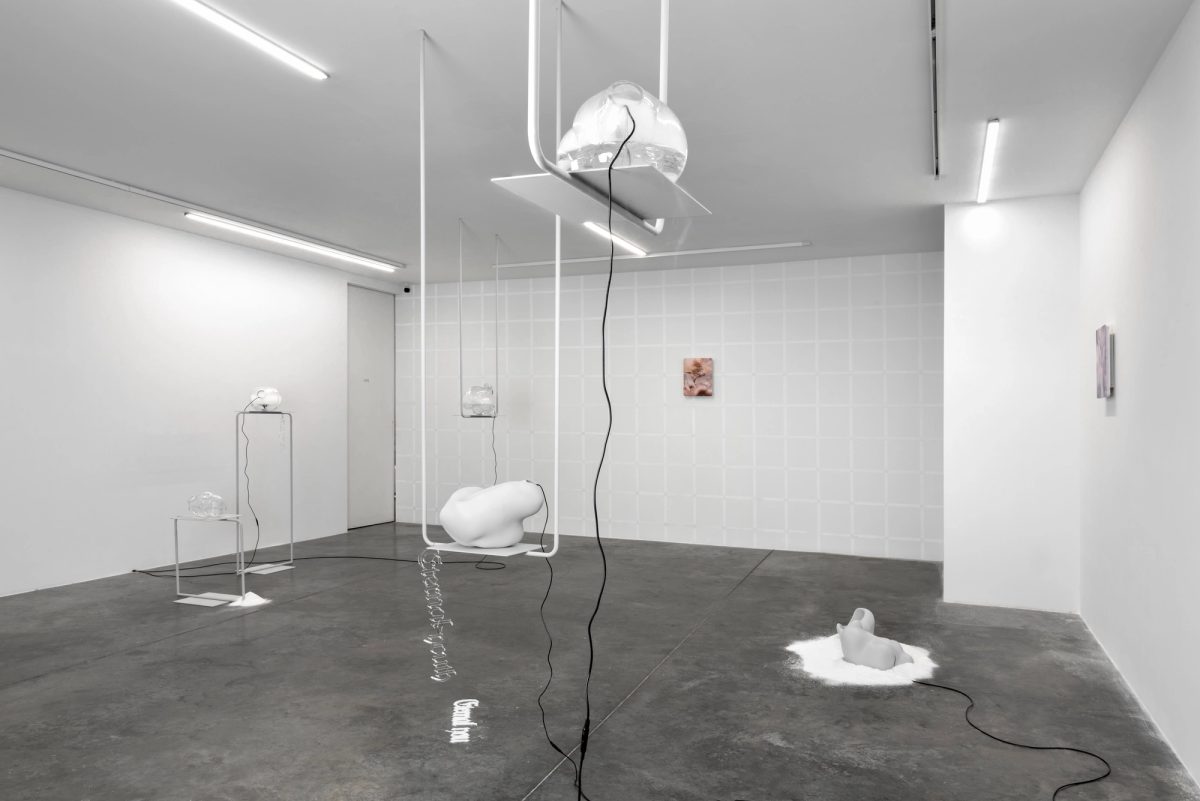
Christiane Peschek, OASIS, installation view, 2022. Photo credit: Zeynep Firat
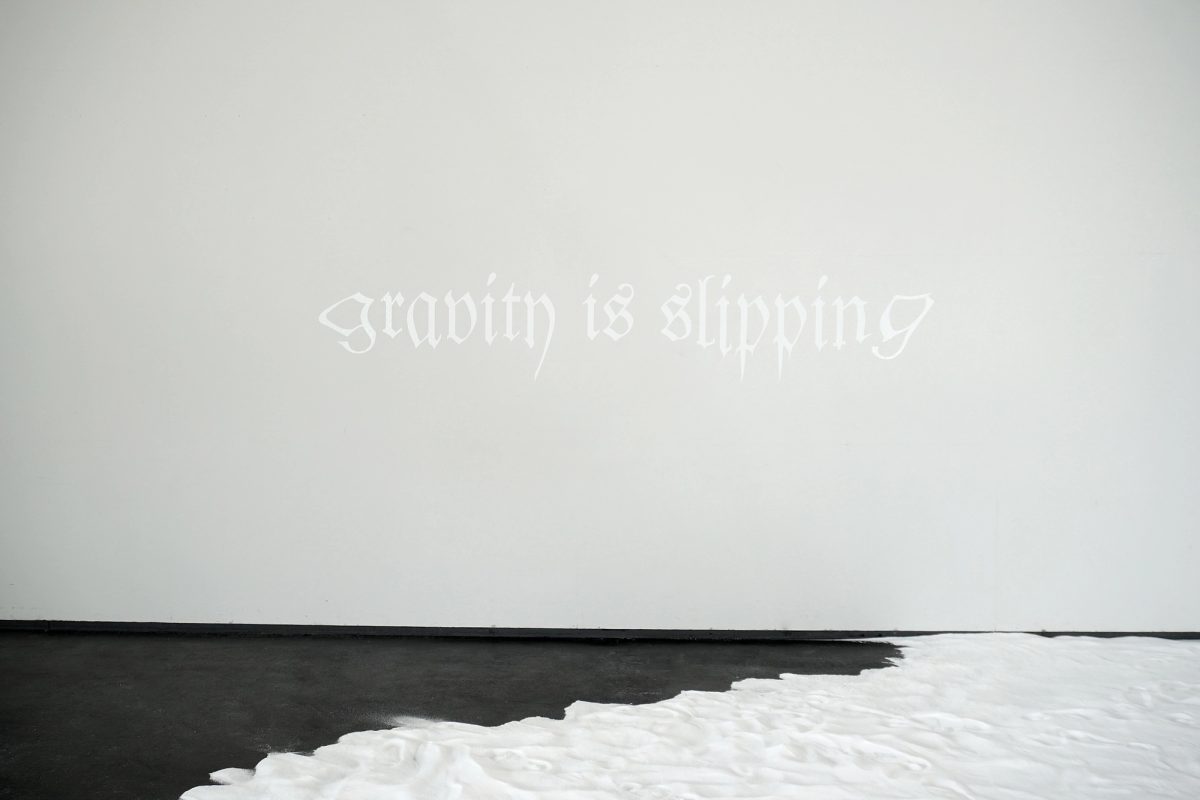
Christiane Peschek, Infinity Land, 2024
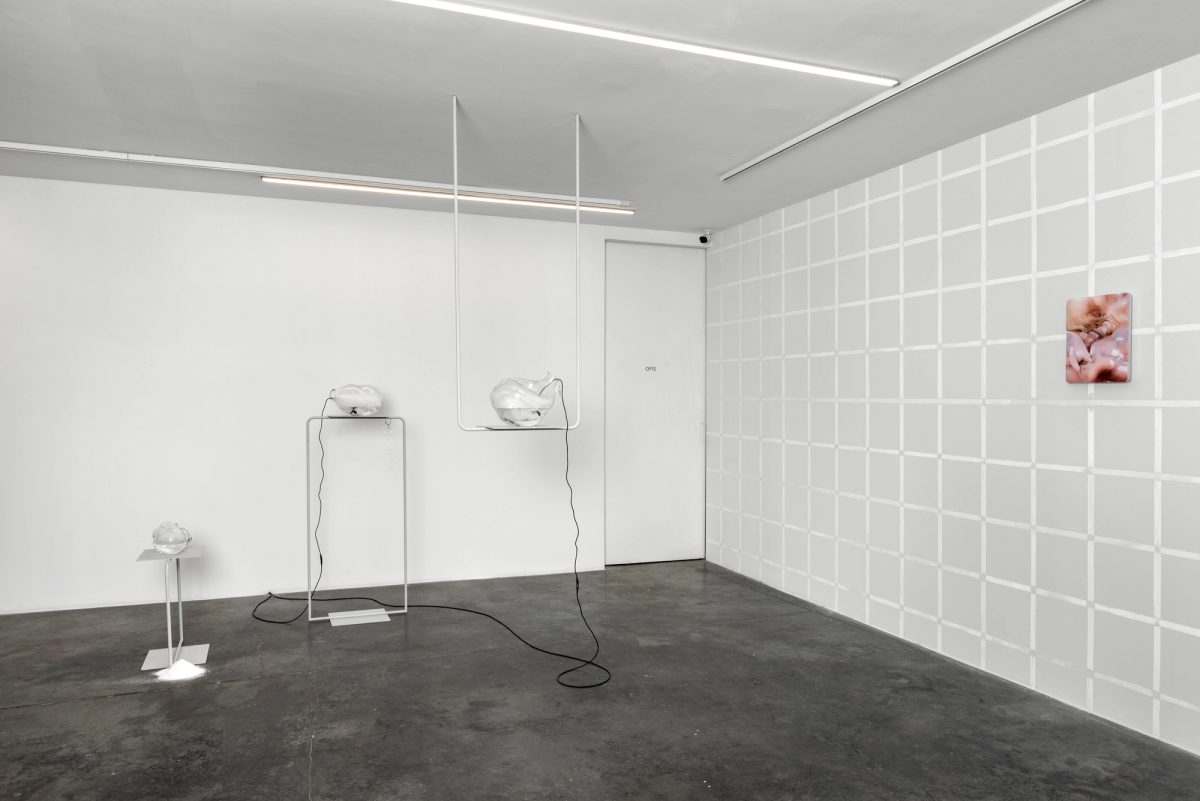
Christiane Peschek, OASIS, installation view, 2022. Photo credit: Zeynep Firat
Ritual plays a quiet but persistent role in your installations: collective rest, durational structures, repeated gestures, and shared rhythms (breath, ASMR, cycles). How do these shared rhythms and repeated actions shape how people relate to the space and to one another?
Rituals interest me because they reorganize time. Many of our daily rhythms today are shaped by acceleration, constant connectivity, productivity, and overstimulation. In my installations, I introduce a different temporal structure by working with slower, more fundamental rhythms such as breath, repetition, stillness, and cycles.
These durational structures gradually shift how people inhabit the space. Instead of moving quickly from one artwork to another, visitors begin to slow down, linger, or simply remain present for a while. A shared rhythm starts to emerge, not necessarily through direct interaction, but through a subtle synchronization of attention and tempo.
What interests me is creating a framework where experience unfolds collectively but without prescription. People don’t have to perform anything or respond in a specific way. The structure is there, but what happens inside it remains open.
In a culture that is constantly pushing for visibility and reaction, these slower, repeated actions allow another mode of being together. Sometimes simply breathing, listening, or staying within the same temporal field already becomes a quiet form of connection.
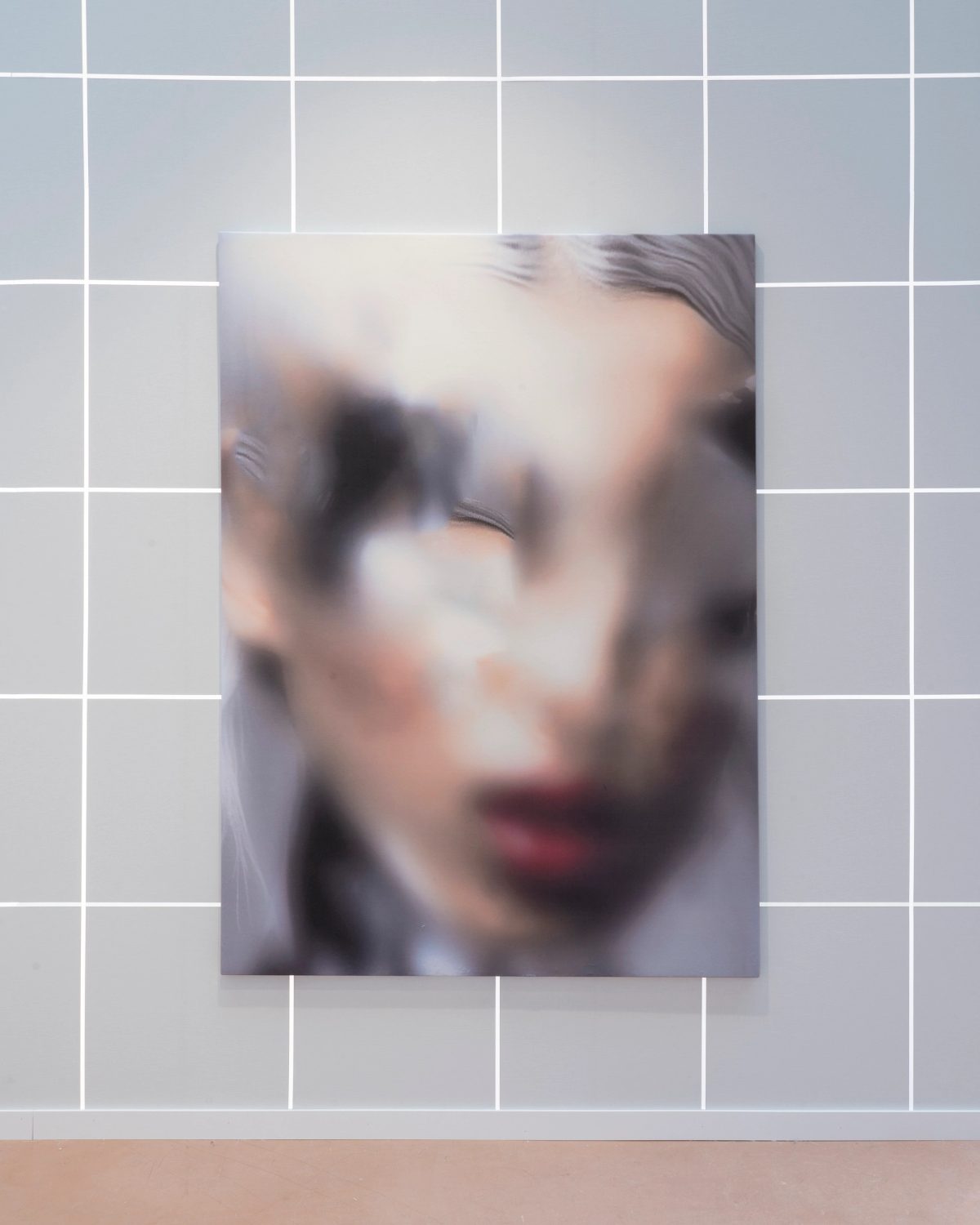
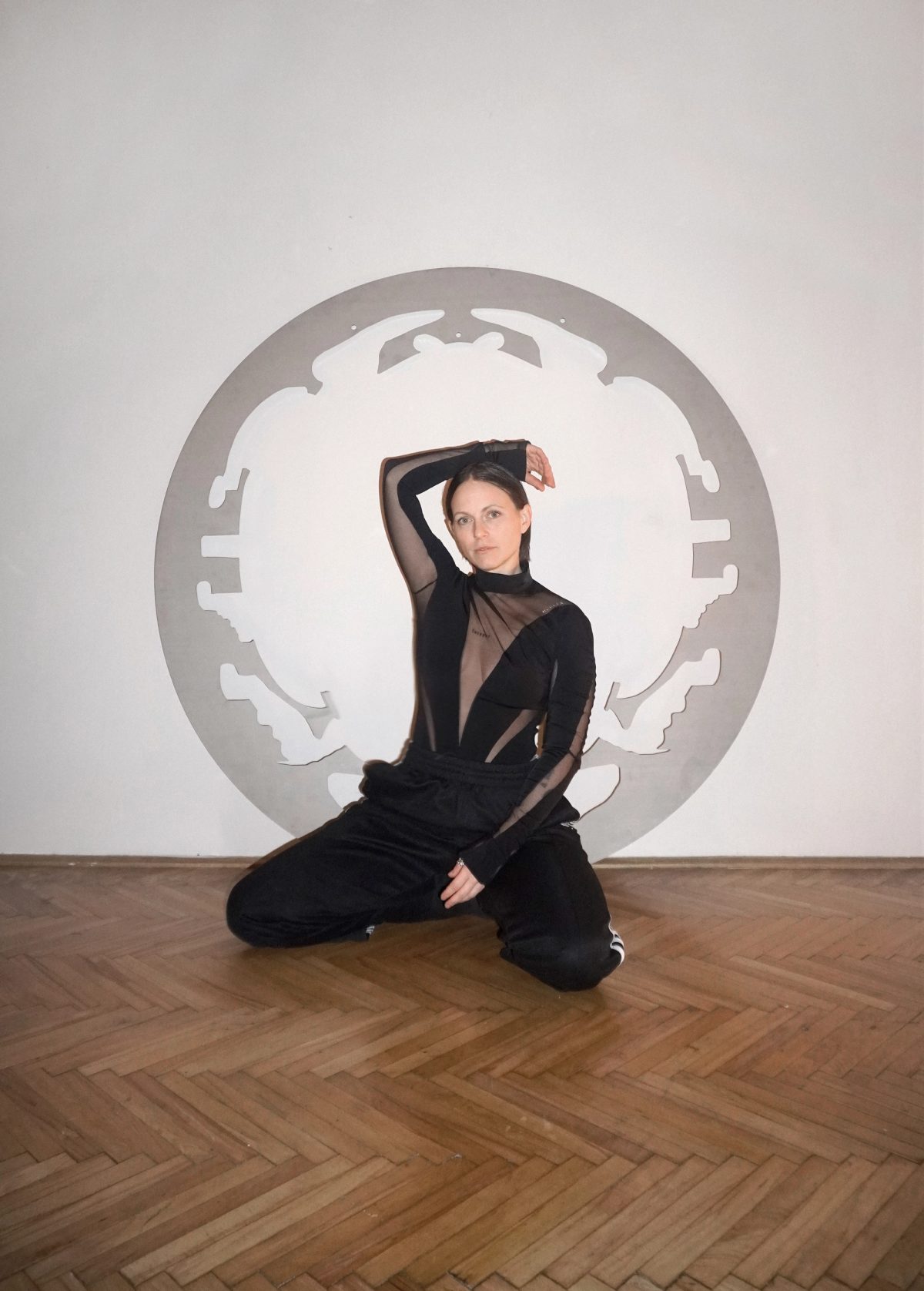
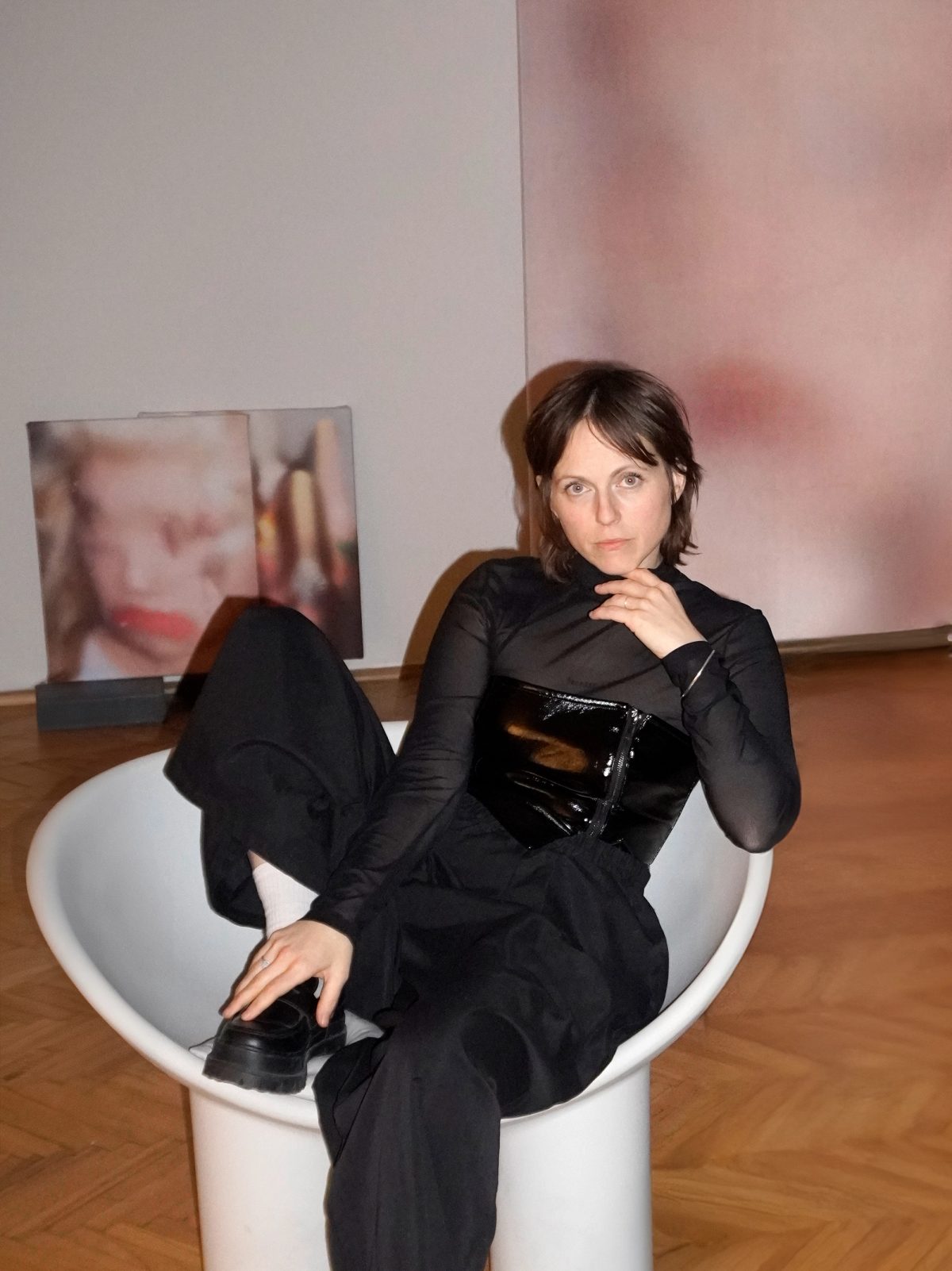
Installation view, Paris Photo, 2024 (right); Christiane Peschek, Artist Portrait (left)
Writing has become more visible in your practice through talks, statements, and publications like SOFT. How does writing function alongside making, does it clarify decisions, document processes, or open new directions?
Writing has always been an integral part of my practice. It appears in different forms, like artist books, spoken layers in installations, and more recently as ASMR storytelling. I’m interested in the linearity of writing and listening, and the attention it requires to sit with a text and follow it through time.
In that sense, writing creates a different mode of presence than images. When you read or listen, the body is here, but the mind can travel with the words. That movement between attention and drifting is something I find very close to the experiential spaces I build in my installations.
Many of my texts emerge in moments of silence. They often begin as fragments of emotions, observations, or images that surface almost intuitively. So for me, it goes hand in hand with all the other manifestations in my process.
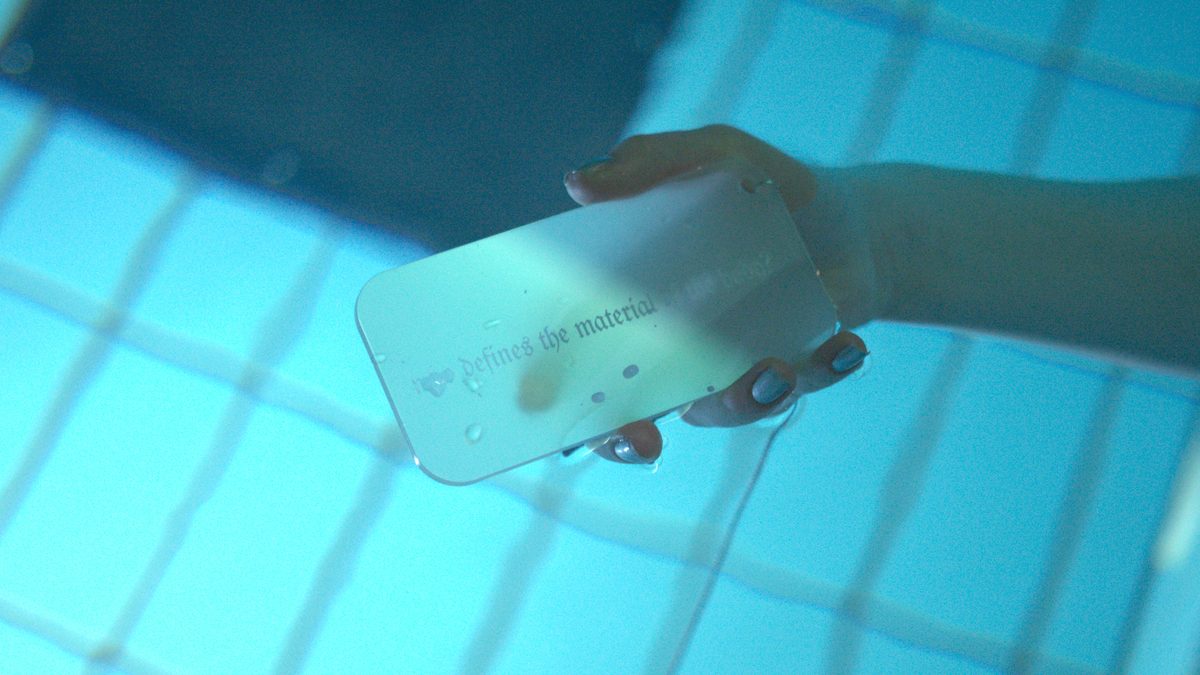
Christiane Peschek, Rituals of Vapor Shells (still), 2023
“Once the possibility of capturing or producing content disappears, people are thrown back onto their own senses and their own attention.”
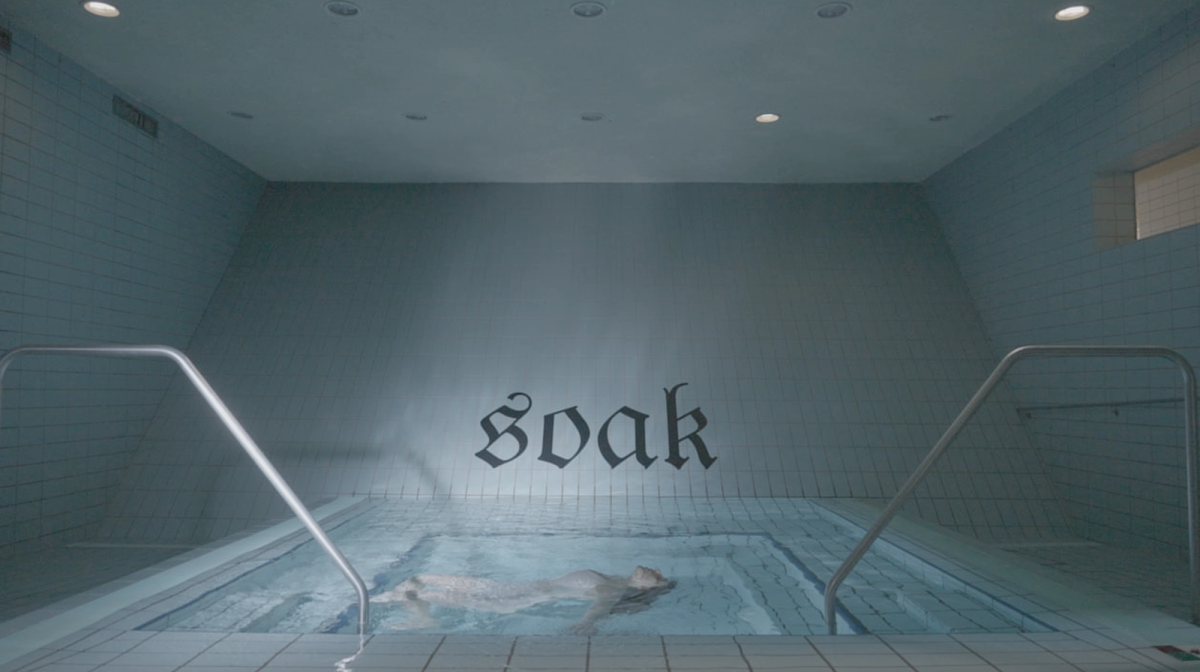
Christiane Peschek, Rituals of the Vapor Shells, 2023
Christiane Peschek, Vapor Shells, 2023
Finally, as your practice continues to move between research, writing, performance, installation, and pedagogy, and as you prepare New Rituals [for the End of the World] for its upcoming presentation at Haus der Elektronischen Künste (HEK), what kind of space, condition, or state are you trying to build next?
I’m currently developing a new installation titled Phoenix Castle. It forms the final chapter of a larger body of work called The Gaia Scripts, a cycle of four installations dedicated to the elements. While FEVER explored the element of fire, Phoenix Castle turns toward earth and soil.
The project revolves around two figures: the phoenix and the ghost. Both are entities that, in different ways, resist the finality of matter. The ghost appears as an ephemeral form that refuses burial, something that rises from within the soil. The phoenix, on the other hand, embodies the myth of regeneration, the continual return from ashes. Through these figures, the work reflects on cycles of disappearance and re-emergence, asking what vanishes and what returns in new forms.
A large part of the research for the project will take place during a three-month stay in Japan starting in April. During that time, I want to spend periods in retreat and meditation while also researching traditions around ghosts in Shinto cosmology and their curious reappearance within contemporary algorithmic image cultures.
Phoenix Castle will be activated in several exhibitions this year, with presentations planned in Tokyo, Istanbul, Salzburg, and Seoul.
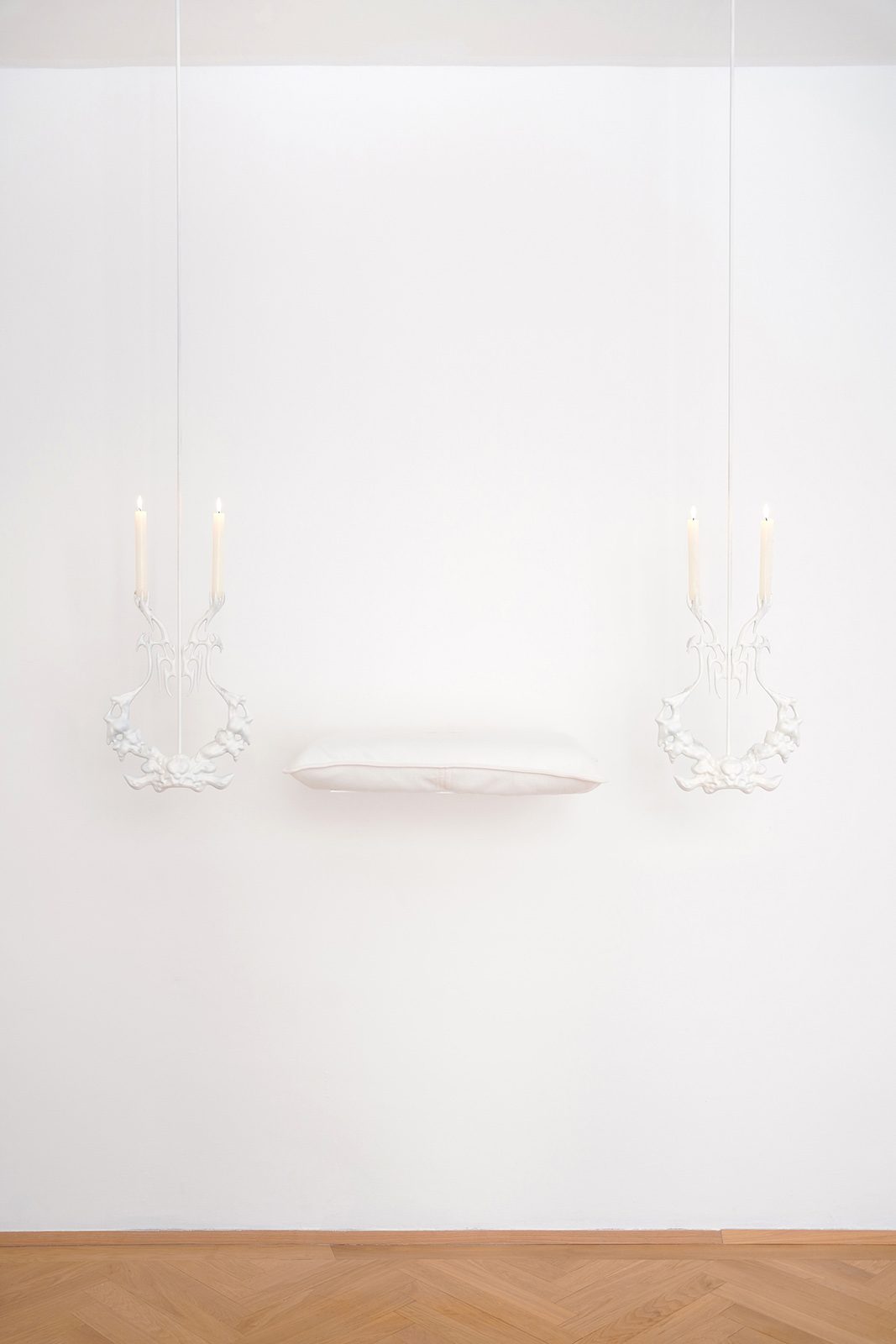
Christiane Peschek, HYPERSENSITIVE, 2025