FABLES WITHOUT ORIGIN: IN CONVERSATION WITH KARAN DHANKANI
CONVERSATION BY SELIN KIR
CO-FOUNDER, CURATOR
27 MARCH 2026 — UNITED KINGDOM
Beginning with narrative but never fully resolving into it, Karan Dhankani's work draws from fables, fragments, and symbolic residues that remain deliberately open. Images are not assembled to clarify meaning but to hold it in suspension, built through layering, translation, and gradual reduction until something quieter, more precise emerges. Recurring forms, animals, crowns, serpentine lines appear less as symbols to decode and more as structures that organise the image from within. Influences drift between literature, cinema, and constructed worlds, where atmosphere carries more weight than explanation. Across Dhankani's practice, each work settles into its own internal logic: a contained world, slightly displaced, where meaning is felt before it is understood.
Before we talk about the work, we’re curious about the person behind it. Who are you, and what experiences shaped the way you see and construct images today?
I don’t particularly believe I’ve had experiences that make me fundamentally different from anyone else moving through life. Like everyone, I have simply passed through my own series of moments and situations, some positive and some more difficult.
For me, visual art has always been a way of reflecting on those experiences, on feelings, and on the lessons that come with them. I don’t have any formal art education, so the process of making work has naturally become a form of self-regulation. It is a way for impressions and thoughts to slowly take shape through the images and the worlds I try to build.
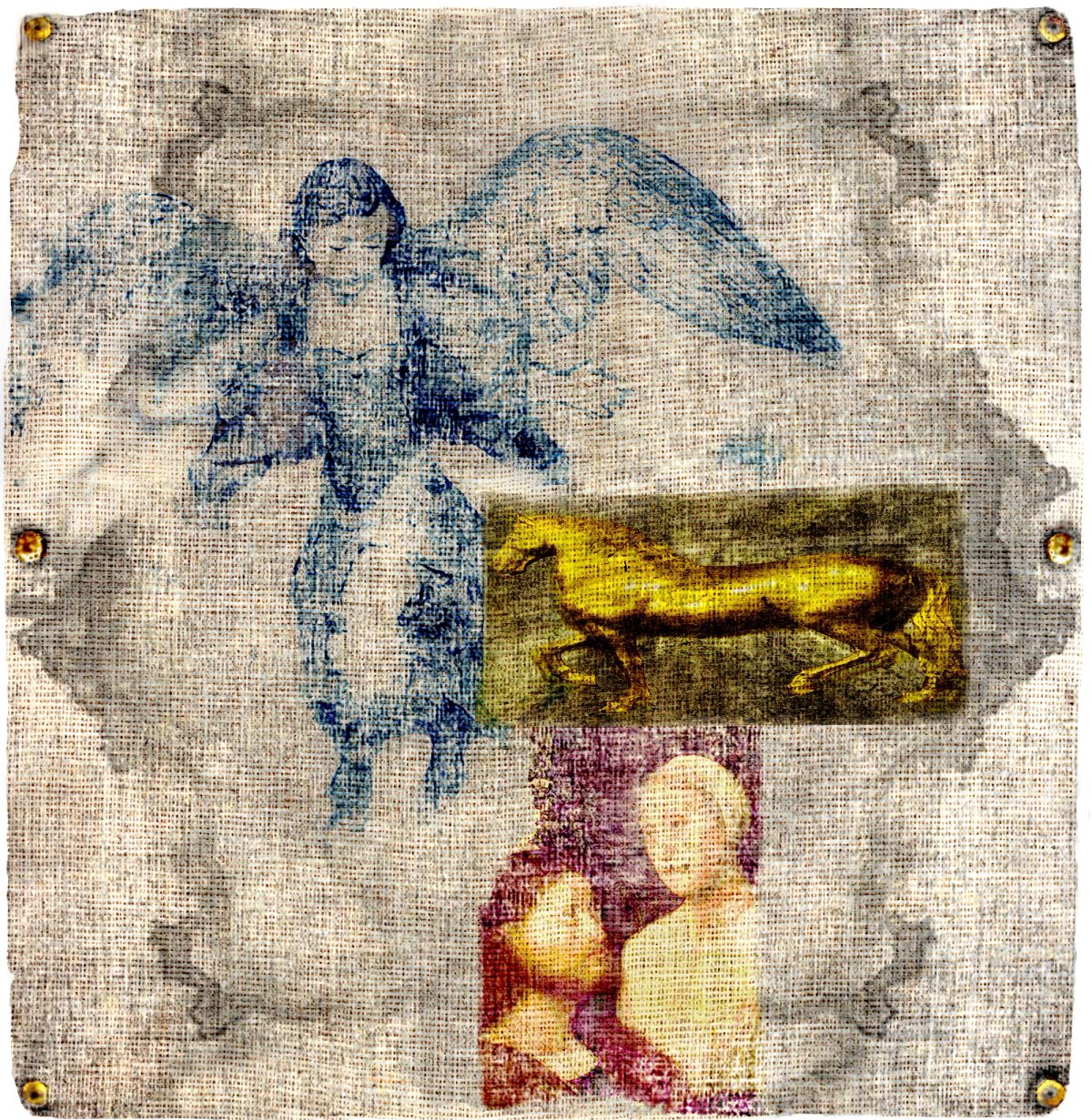
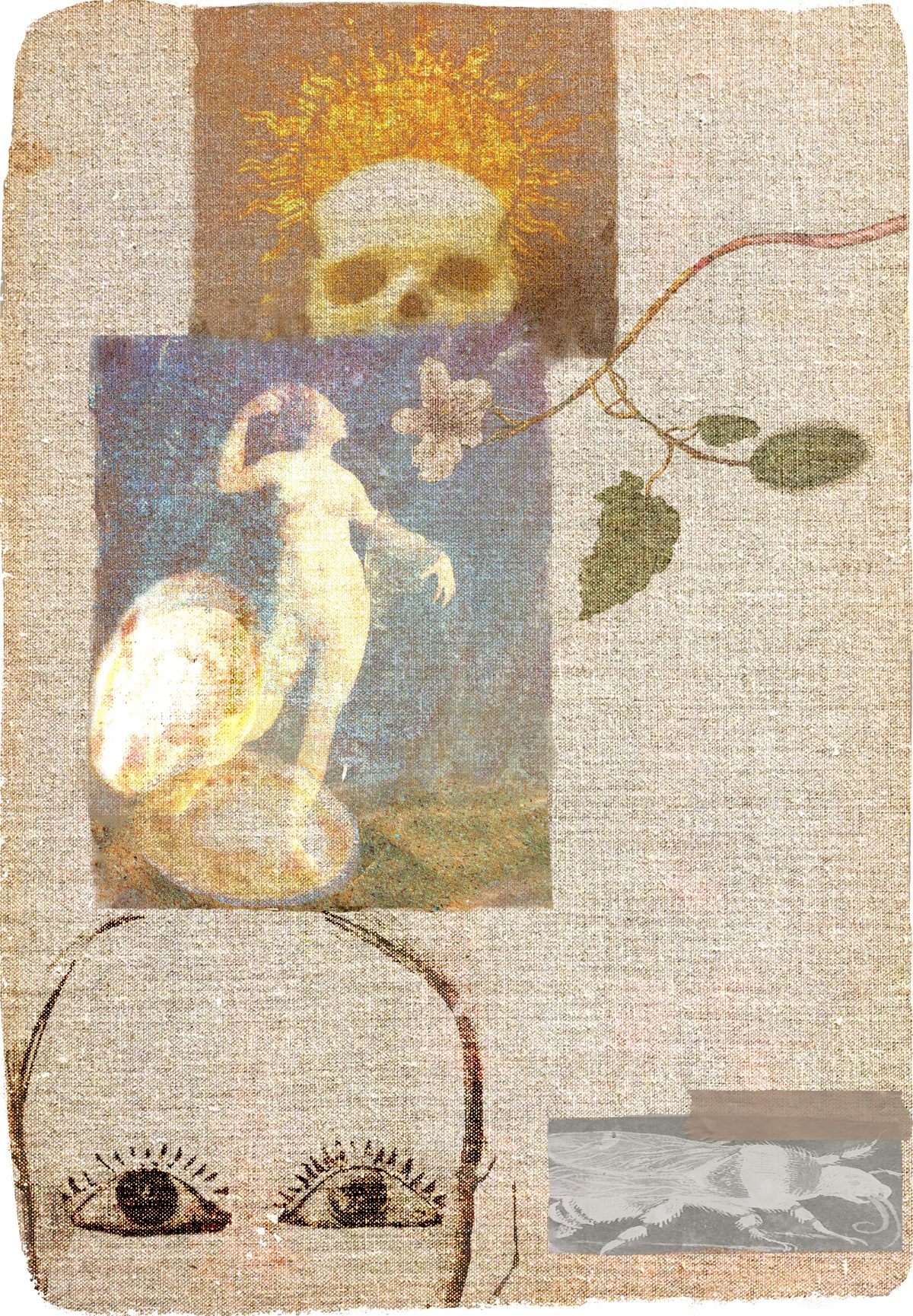
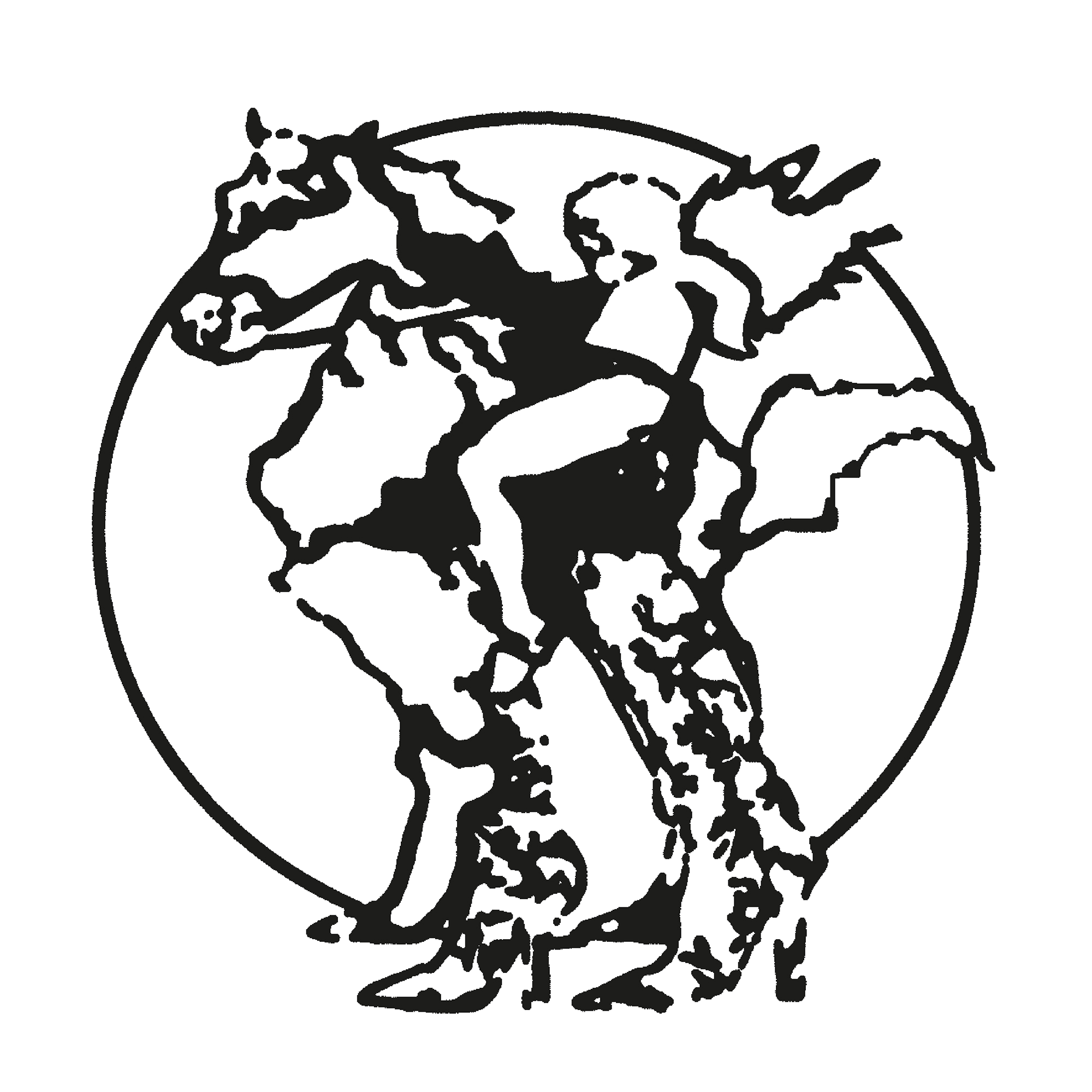
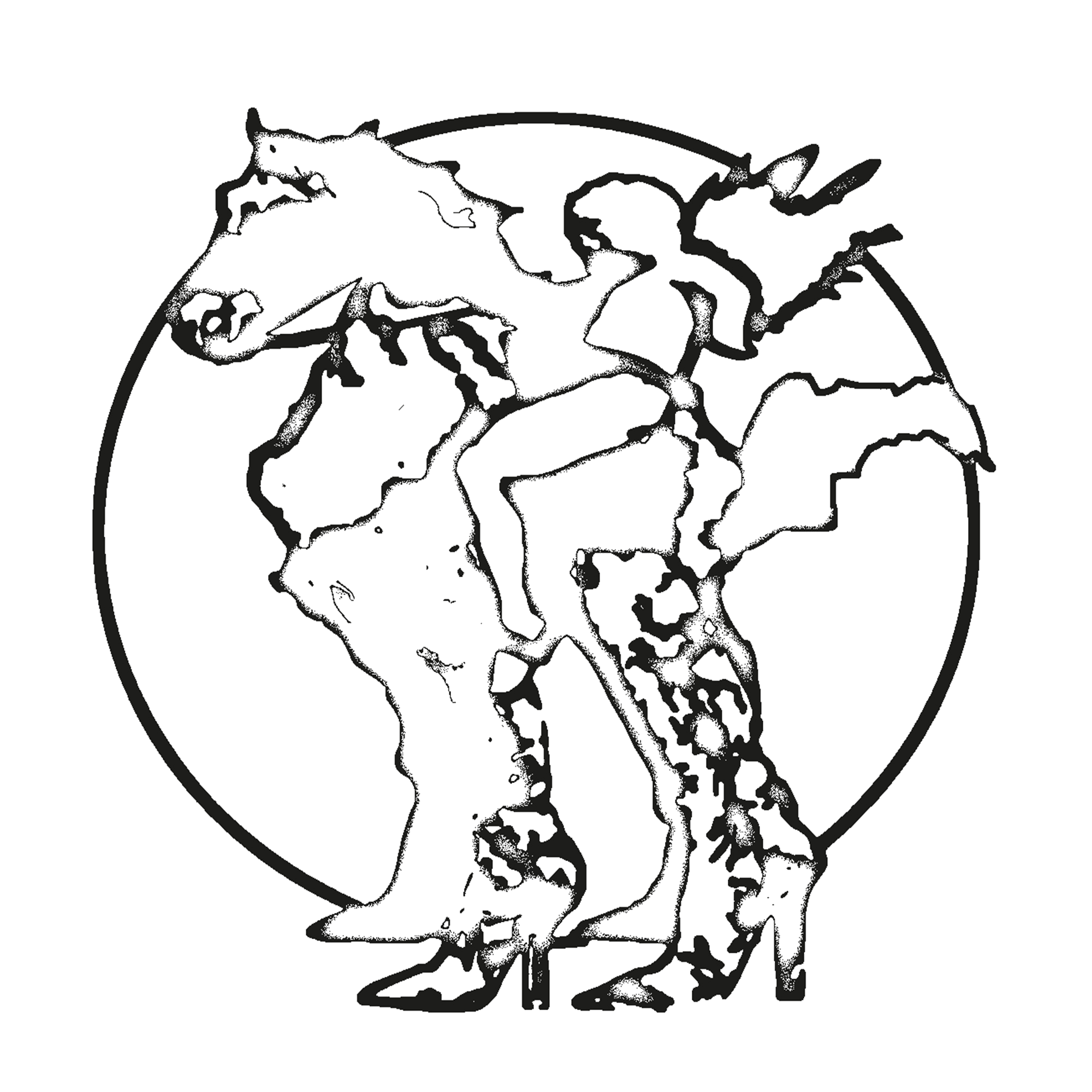
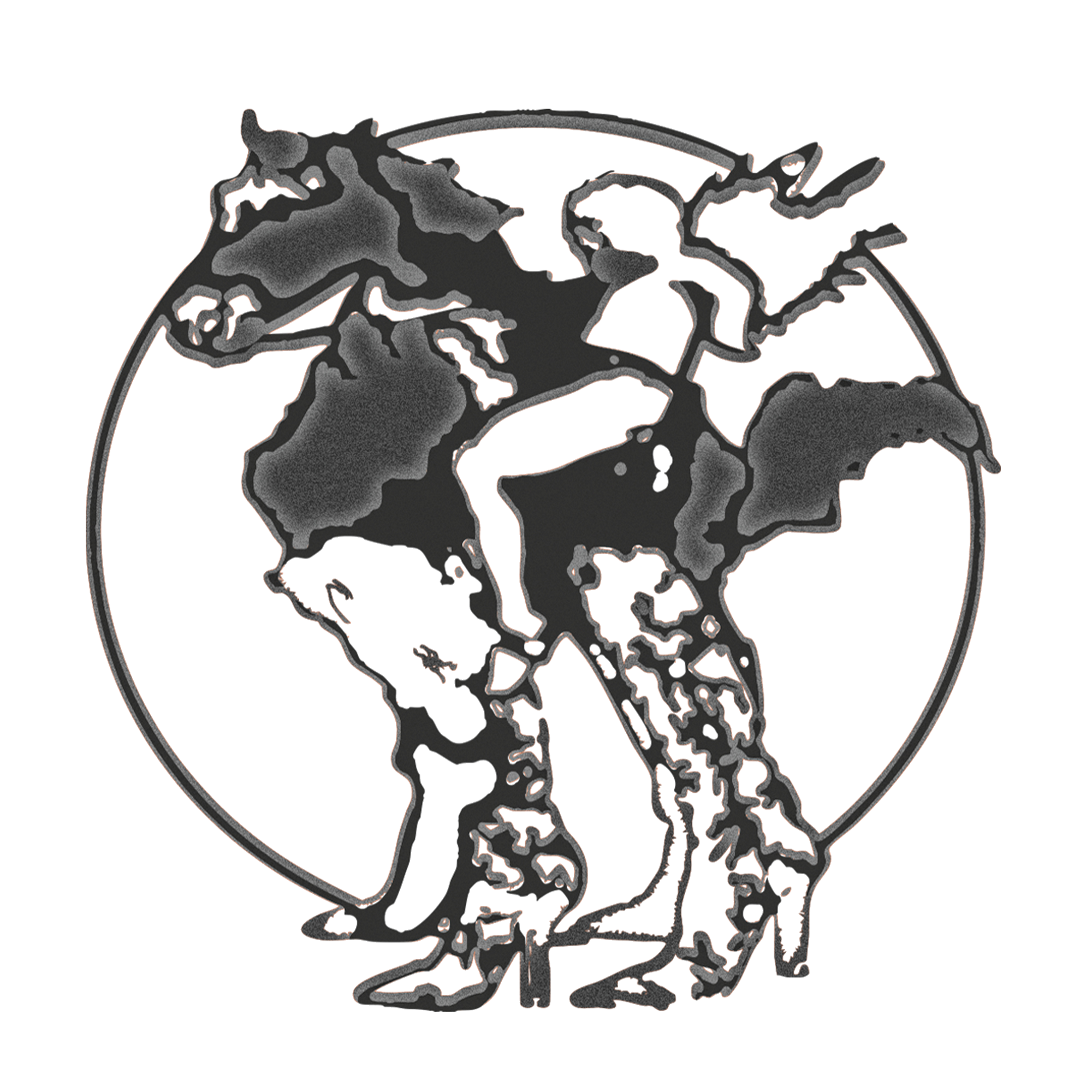
Left: Karan Dhankani, Untitled (II). Right: Karan Dhankani, Hallucinations of Free Will.
Your process seems to move images through several stages: scanning, printing, editing, layering so the final work feels like a chain of translations. Could you walk us through how a piece typically develops for you, and how the image changes as it passes through these different stages?
For me, most pieces begin with a narrative. I usually start by reflecting on the feeling or underlying narrative I want the work to hold. I often draw on stories and fables, especially the small lessons hidden within them, because they offer something symbolic that can be reimagined visually.
Once the story is set, the materials become just as important as the subject itself. The figure or object might appear central, but the textures carry their own meaning. Roughness, grain, and surface all shape the atmosphere of the image.
From there, I try to keep the process playful. The stages are never completely fixed, and the tone of the work often reveals itself along the way, sometimes darker, sometimes lighter or more reflective. I often add more than I need and gradually remove it to reach the final piece. It is more demanding, but through that restraint, the image becomes clearer and more deliberate.
Several pieces feel like visual notes from a culture that never quite existed. Do you ever think about the fictional worlds your images might belong to?
Yes, definitely. I often feel that each of my artworks exists within its own separate world. Some feel quite close to our reality, while others feel much further removed, but it is never entirely consistent. Each piece seems to develop its own atmosphere and internal logic as it comes together.
One idea I would love to explore in the future is creating something closer to a tapestry or long illustration, almost like a visual sequence. Instead of a single image, it would function more like a small series, where I focus entirely on one of these imagined worlds and what unfolds within it. The idea of building a contained visual universe, and allowing its symbols, characters, and environments to interact across several scenes is something that really interests me.
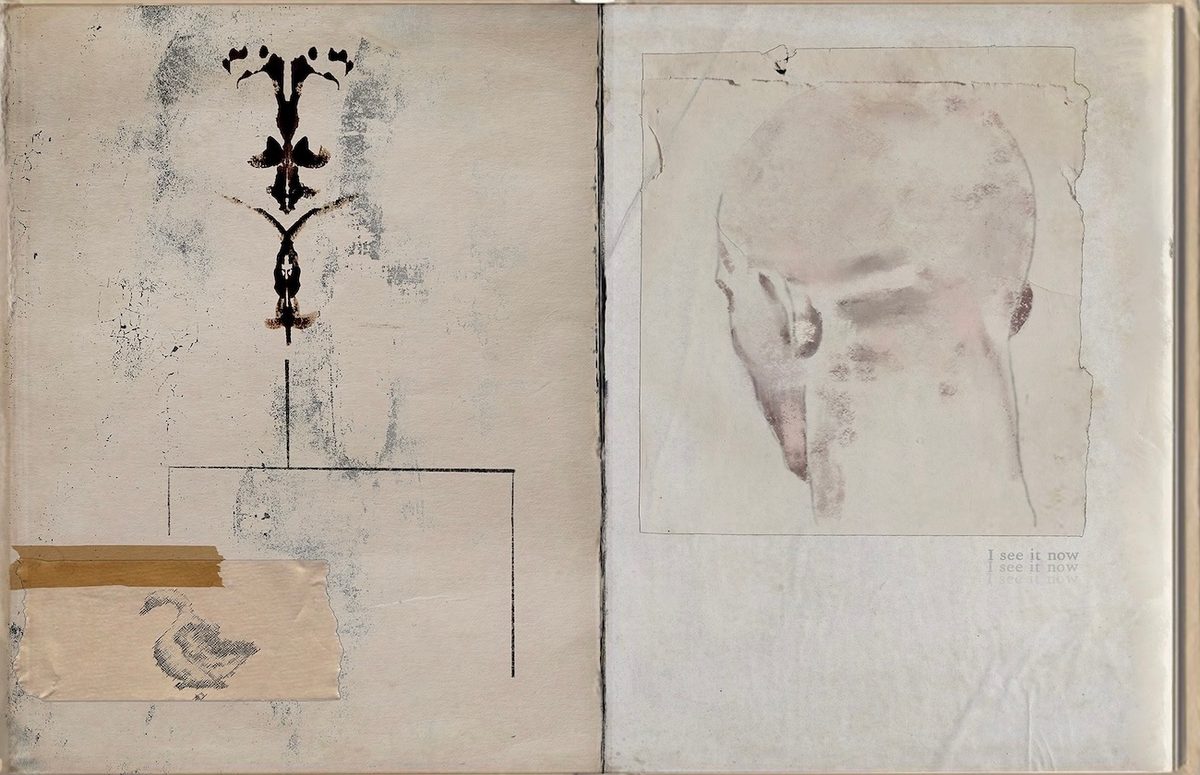
Karan Dhankani, Joys of Indecision.
“Each piece seems to develop its own atmosphere and internal logic as it comes together.”
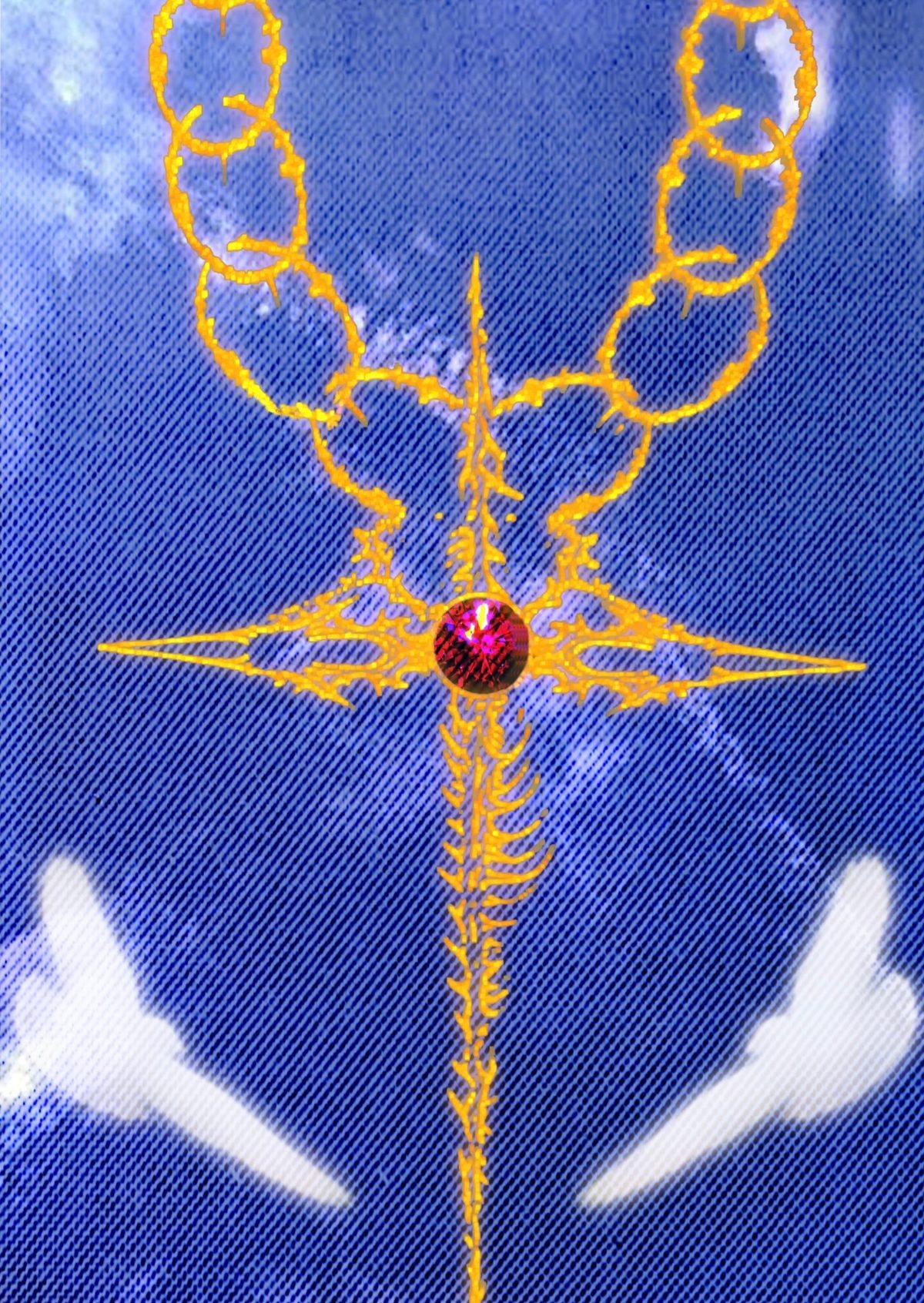
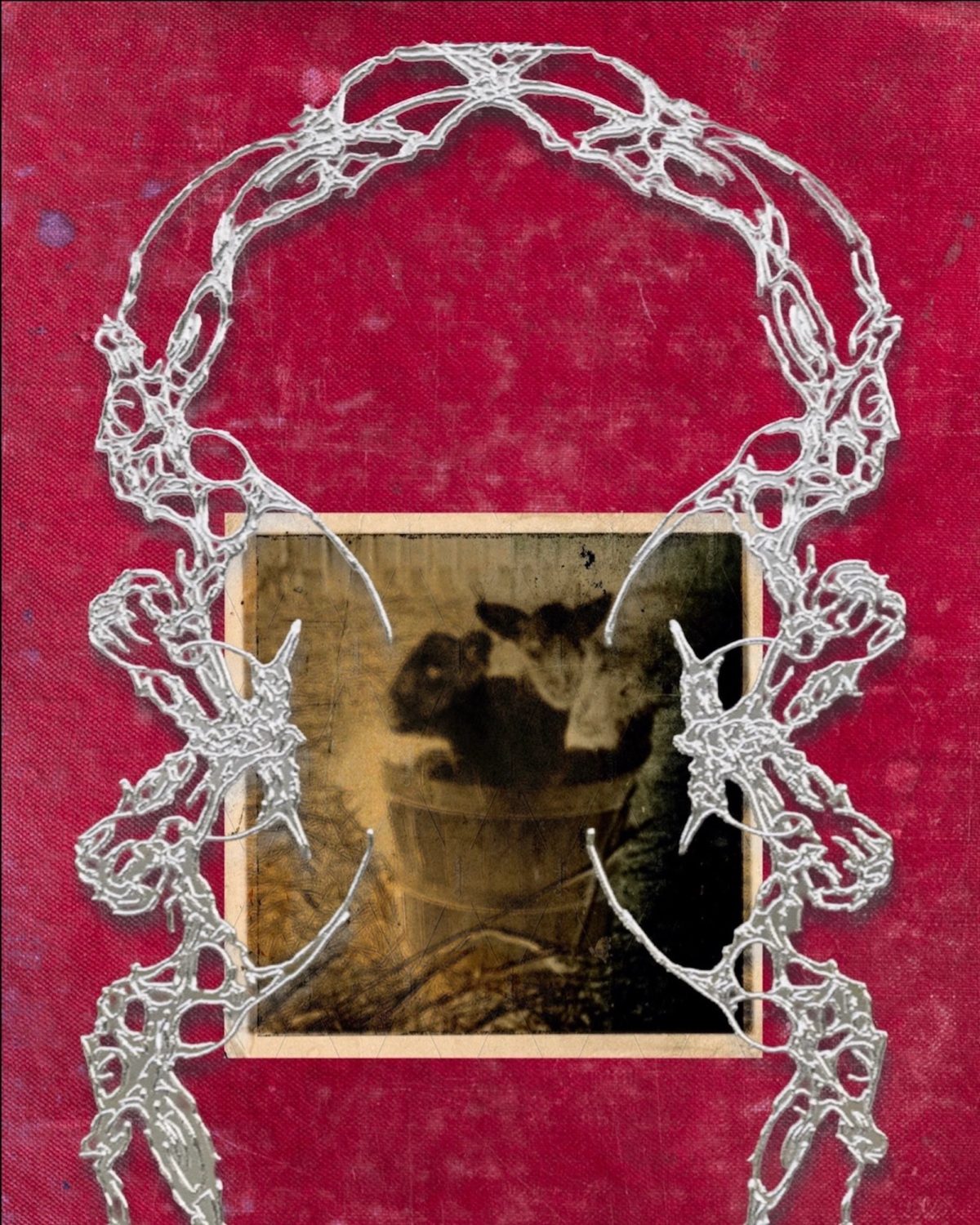
Left: Karan Dhankani, Mickey’s Dreams of Mallory. Right: Karan Dhankani, Fair Judgement.
Collage historically disrupts the authority of images by removing them from their original context. In your work, though, the fragments often feel strangely cohesive, almost like they were always meant to belong together. What draws you to a particular image in the first place?
Usually, it is something instinctive. I am drawn to images that already have a strong presence on their own, especially where there is a sense of expression, whether it is a human face or even an animal. A gesture, a look, or a strange detail can make an image feel alive or slightly unsettling.
When I collect images, I am not really thinking about how they will fit together yet. I am more interested in whether the image has enough character to stand on its own.
Symbols appear repeatedly in your work, animals, crowns, serpentine shapes, ornamental forms. Do these symbols develop personal meanings over time, or do you prefer them to remain open?
I tend to leave them quite open. I don’t usually approach them as symbols with fixed meaning. Most of the time, I’m simply drawn to the shape itself: the curve of a serpent, the structure of a crown, the posture of an animal.
There are a couple of symbols that I personally hold with greater significance, but in general, I prefer them to remain flexible so they can take on different meanings depending on the image.
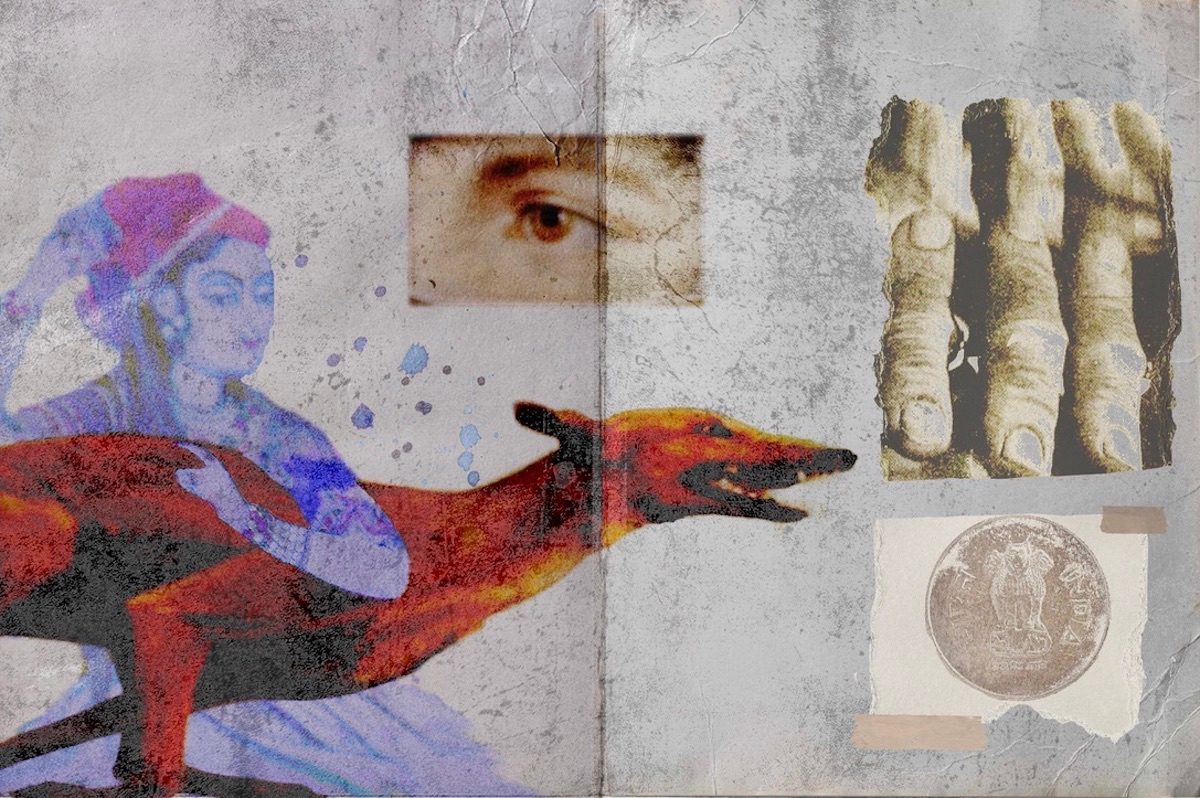
Karan Dhankani, Broken Oaths.
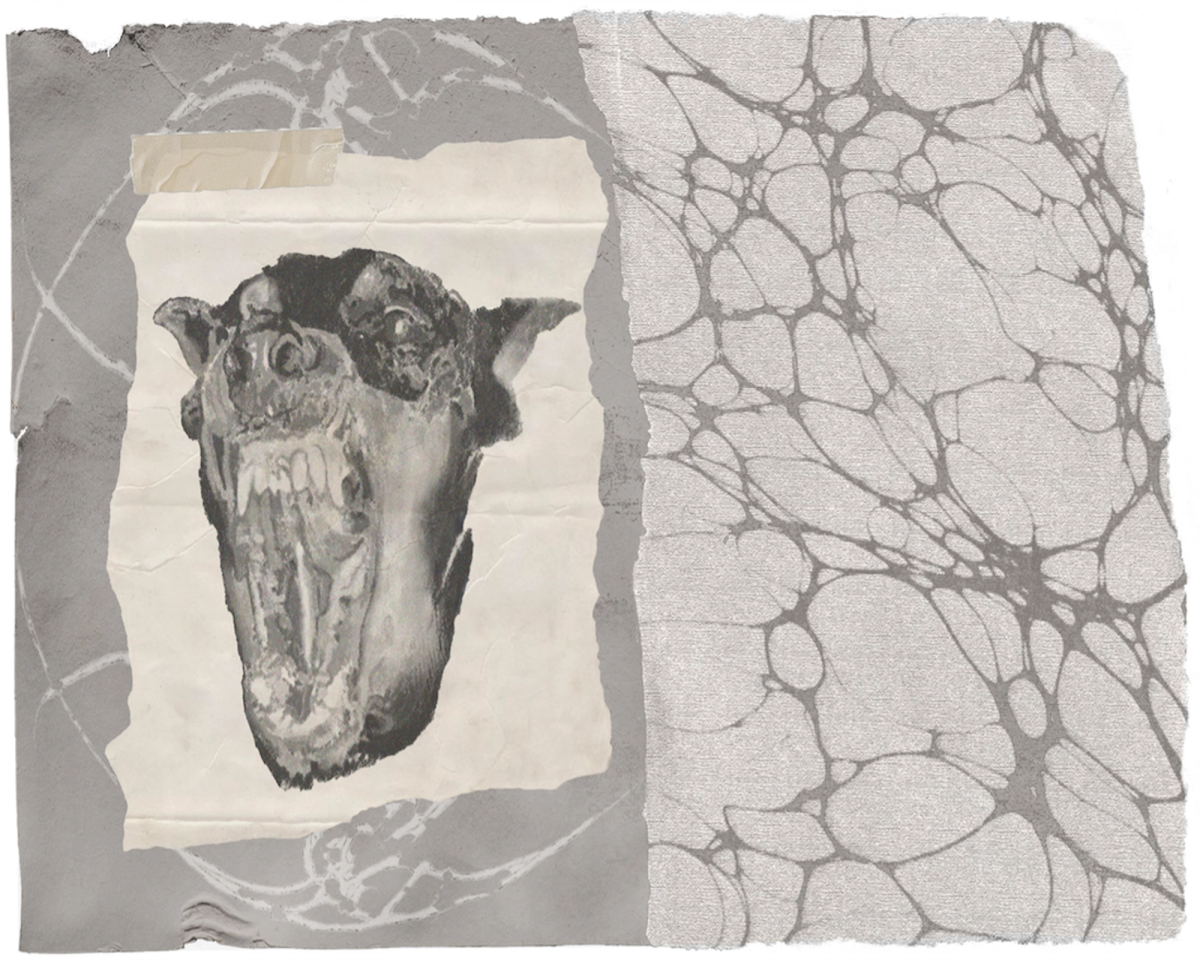
Karan Dhankani, Untitled.
Many artists talk about influence in terms of specific artists, but sometimes influence comes from unexpected places, such as films, music, science, architecture, and internet culture. What kinds of things outside of art feed into your visual thinking?
My main influence is literature. I am really drawn to works such as Emil Cioran’s A Short History of Decay, as well as Henry Miller’s Tropic of Cancer and the poetry of Charles Baudelaire in Les Fleurs du Mal, which was so important in the Symbolist movement. I am very interested in the spiritual tension and reflection on existence that runs through them.
Cinematically, Ingmar Bergman, Luis Buñuel, and David Lynch influence my work, and the symbolic imagery in Alejandro Jodorowsky’s The Holy Mountain was huge for me. Recently, I watched Begotten, directed by E. Elias Merhige, which is very visually intense but feels more like witnessing an ancient ritual than a conventional story.
Weirdly enough, video games have also influenced me quite a lot, especially the worlds created by Hidetaka Miyazaki at FromSoftware. Games like Bloodborne and Dark Souls are some of my favourites because of the way they build these decaying worlds through fragments and symbolism rather than direct explanation.
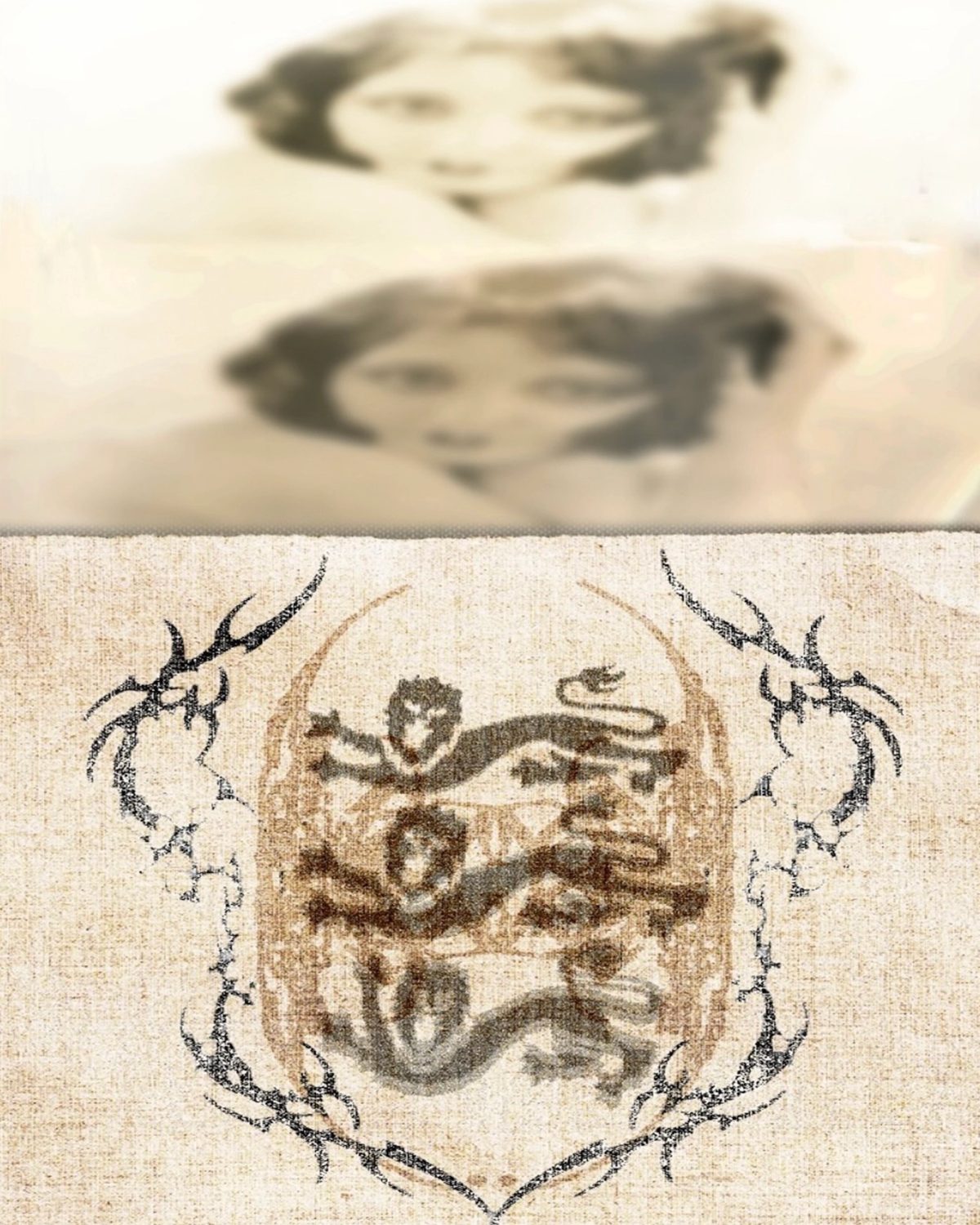
Karan Dhankani, Hometown Heroine.
“I often add more than I need and gradually remove it to reach the final piece. It is more demanding, but through that restraint the image becomes clearer and more deliberate.”
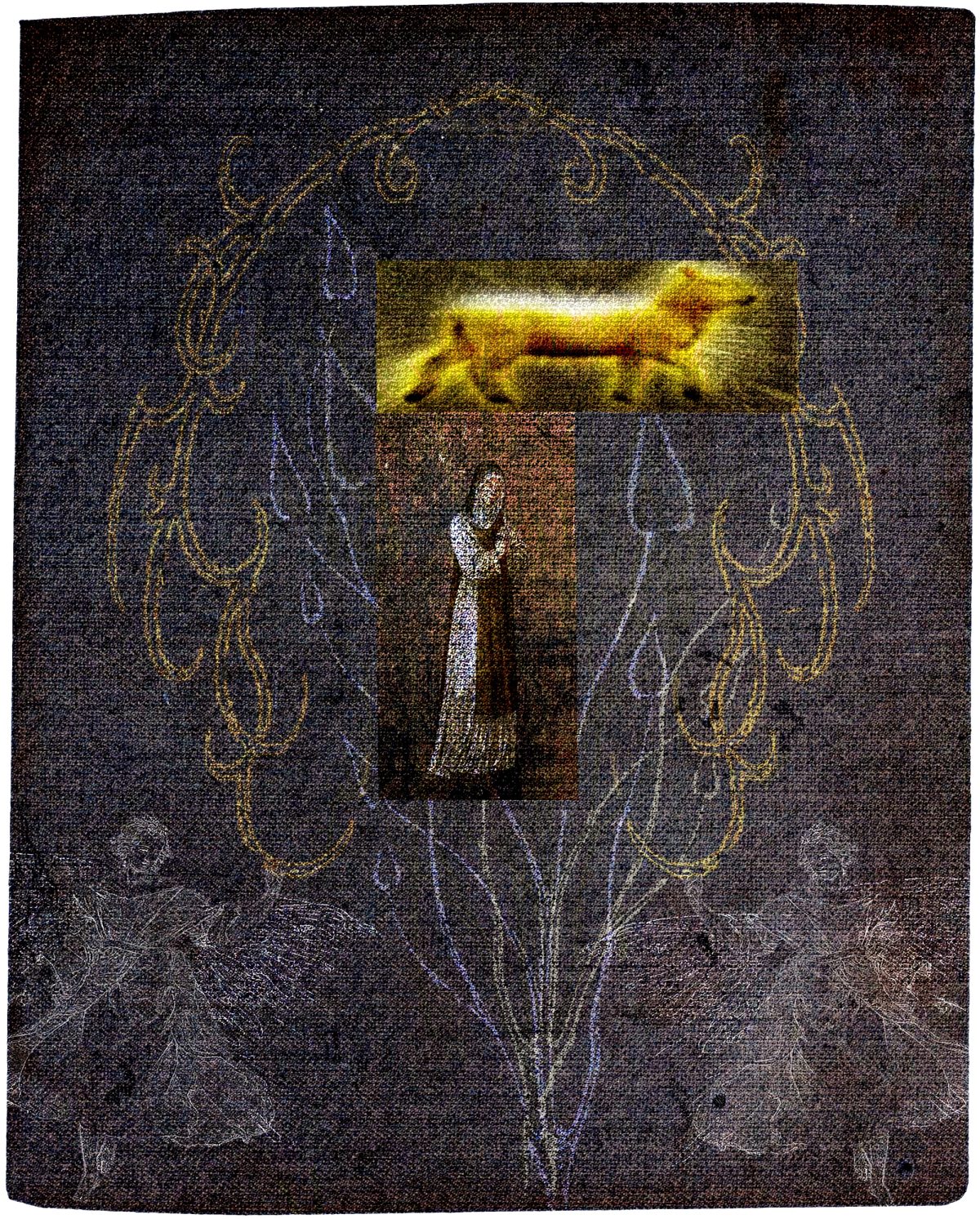
Karan Dhankani, Garden’s Sacred Lamb.
Some of your compositions feel almost emblematic, animals, crowns, eyes, and or ornamental forms arranged in ways that resemble crests or symbols. Do these elements hold specific meanings for you, or do they function more as open visual motifs?
They are usually more instinctive than symbolic for me. I am often drawn to the balance of shapes within the composition, to how certain forms interact with each other visually. Crowns or eyes can feel almost like anchors within the image, helping to structure the piece.
These are also elements that don’t necessarily have to hold one fixed form, but are just about recognisable enough to be what they are, which I find particularly fun to explore.
There’s an interesting tension between very old imagery and very contemporary production methods in your work. How important is that collision between past and present in your practice?
I really like this question because that tension is very important in my work. When I use older imagery alongside contemporary production methods, I try to approach the original material carefully, treating it with respect and thinking about where it comes from, rather than just using it for its aesthetic.
For me, bringing the past and present together in my techniques allows past imagery to be reinterpreted so it can feel significant again, while still acknowledging its origins.
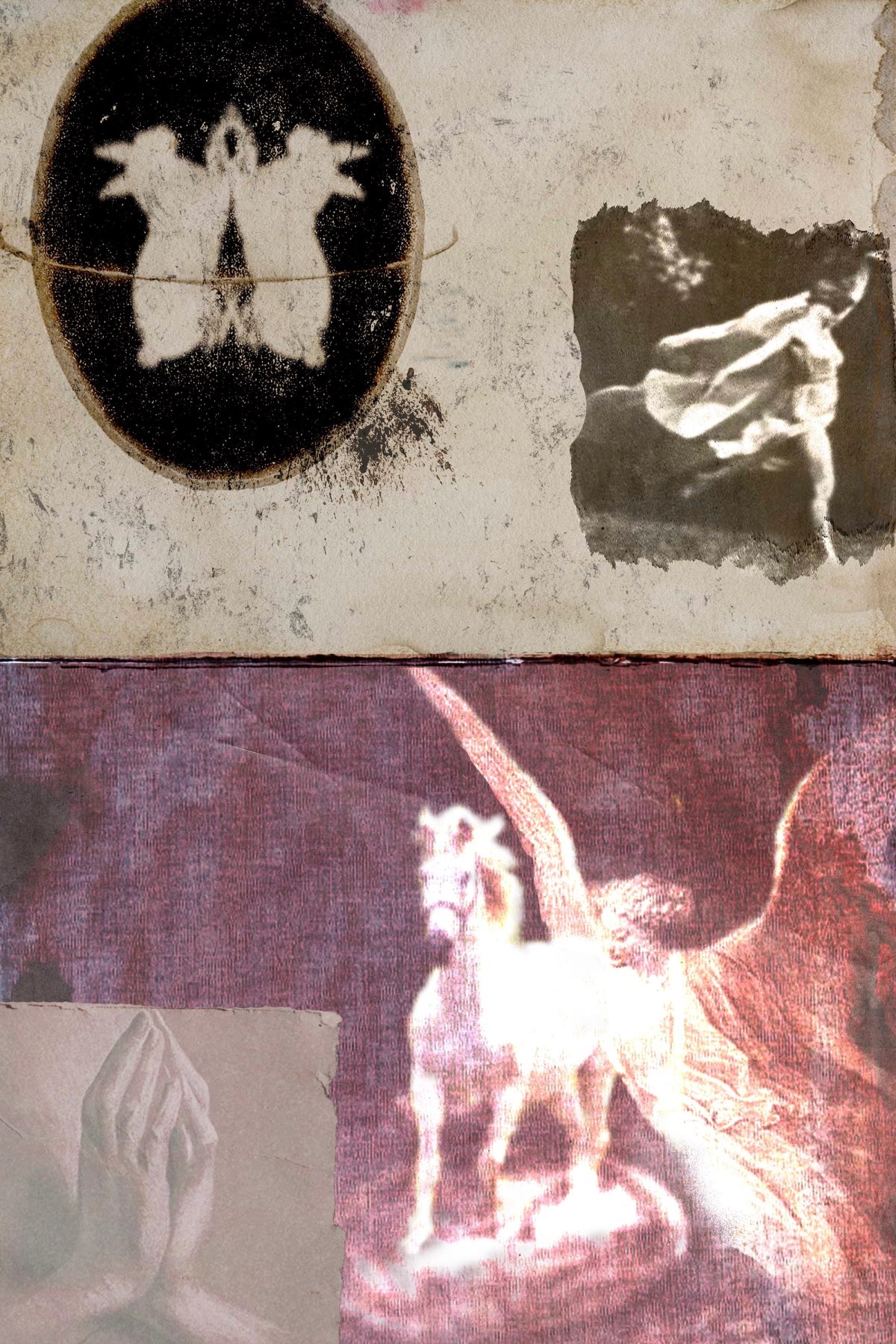
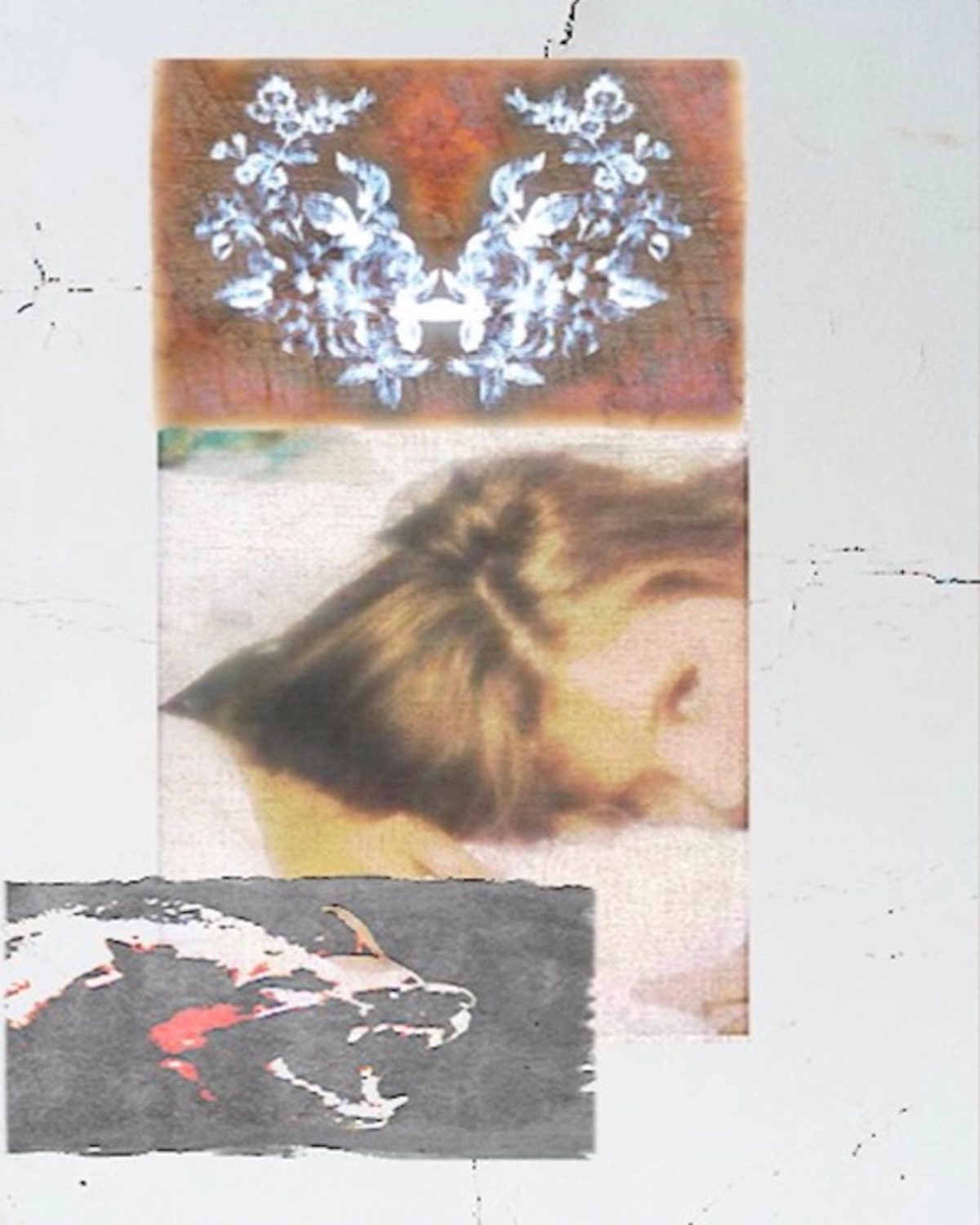
Left: Karan Dhankani, A Prayer and The Events Following. Right: Karan Dhankani, Conclusions.
“I don’t usually approach them as symbols with fixed meaning.”
Animals appear repeatedly throughout your images. They often feel symbolic, al most like characters that carry meaning beyond the literal. What role do animals play in your visual language?
I think this partly comes from my interest in older fables and mythic stories. I have always been drawn to the way animals appear in those narratives, like the story of the scorpion and the frog, and the idea of the white stag in Celtic mythology that leads people deeper into the forest and into something unknown.
That is probably where my emphasis on animals comes from. I find that animals can convey atmosphere very naturally, and many of them carry a strong sense of expression in their faces and posture.
Looking ahead, what directions are you curious to explore next in your practice, whether in materials, scale, or the kinds of images you’re working with?
Honestly, I have so many ideas, and sometimes it can be difficult to stay grounded and focus on developing just one of them at a time. One thing I would really like to do at some point is make a magazine. I would also love to collaborate more with other artists.
Recently, I have become very interested in working with linen. The surface of the material is beautiful, and it absorbs ink in a very unpredictable way. The texture gives the image a slightly aged, almost weathered quality, which I find really appealing. I also love the way the material stains with ink, especially how it bleeds into the fibres of the linen and spreads into organic shapes.
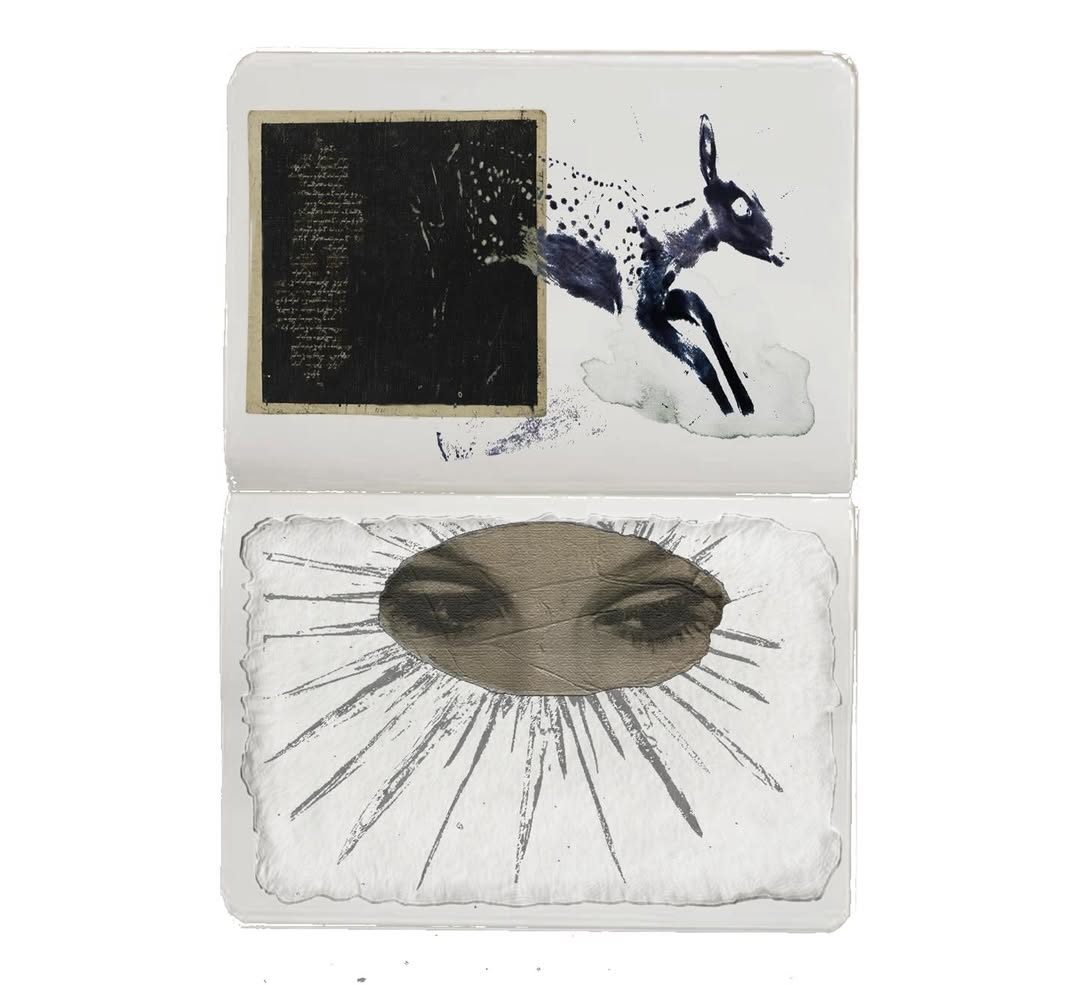
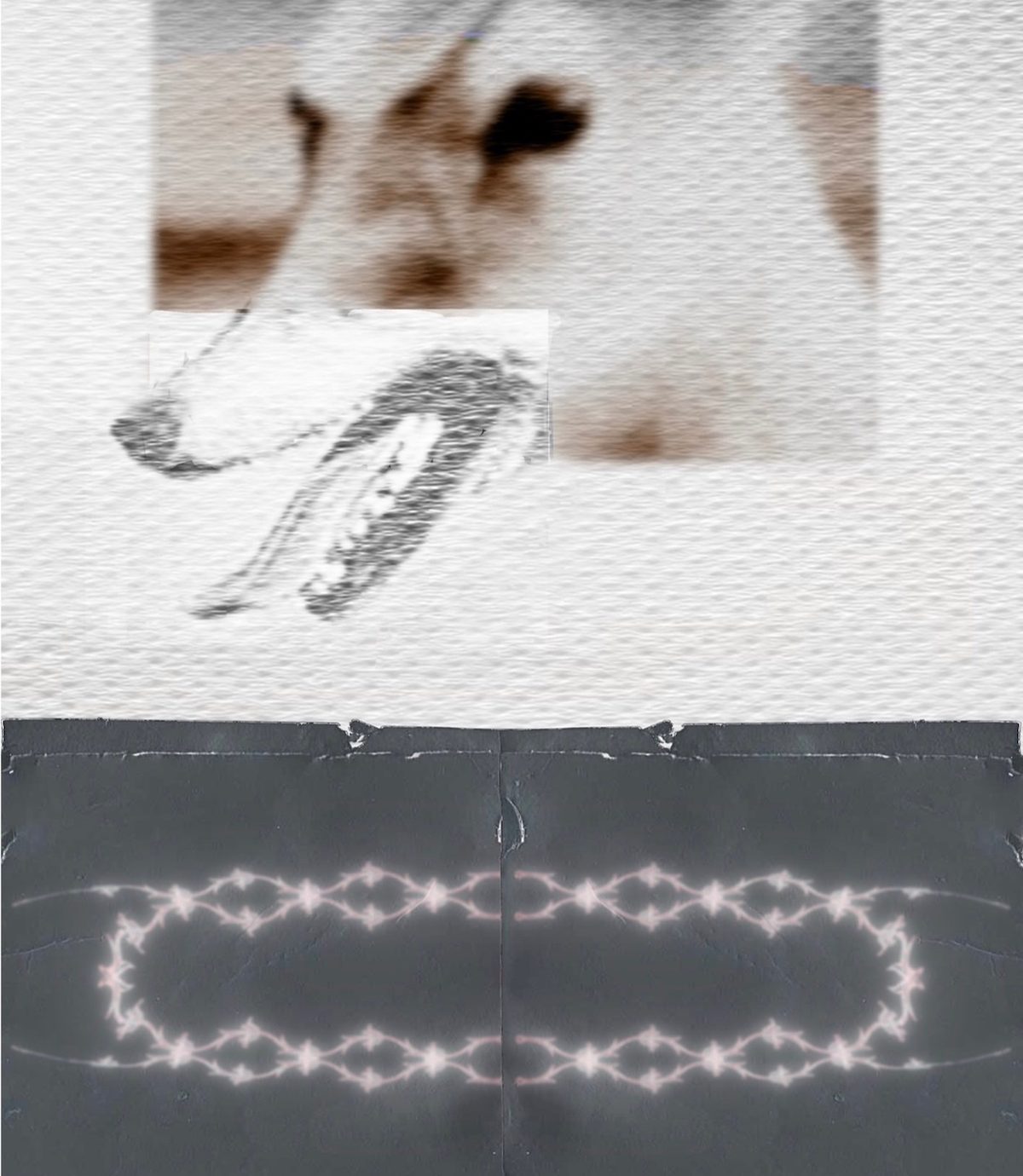
Left: Karan Dhankani, Innocence and Her Friend. Right: Karan Dhankani, Untitled.
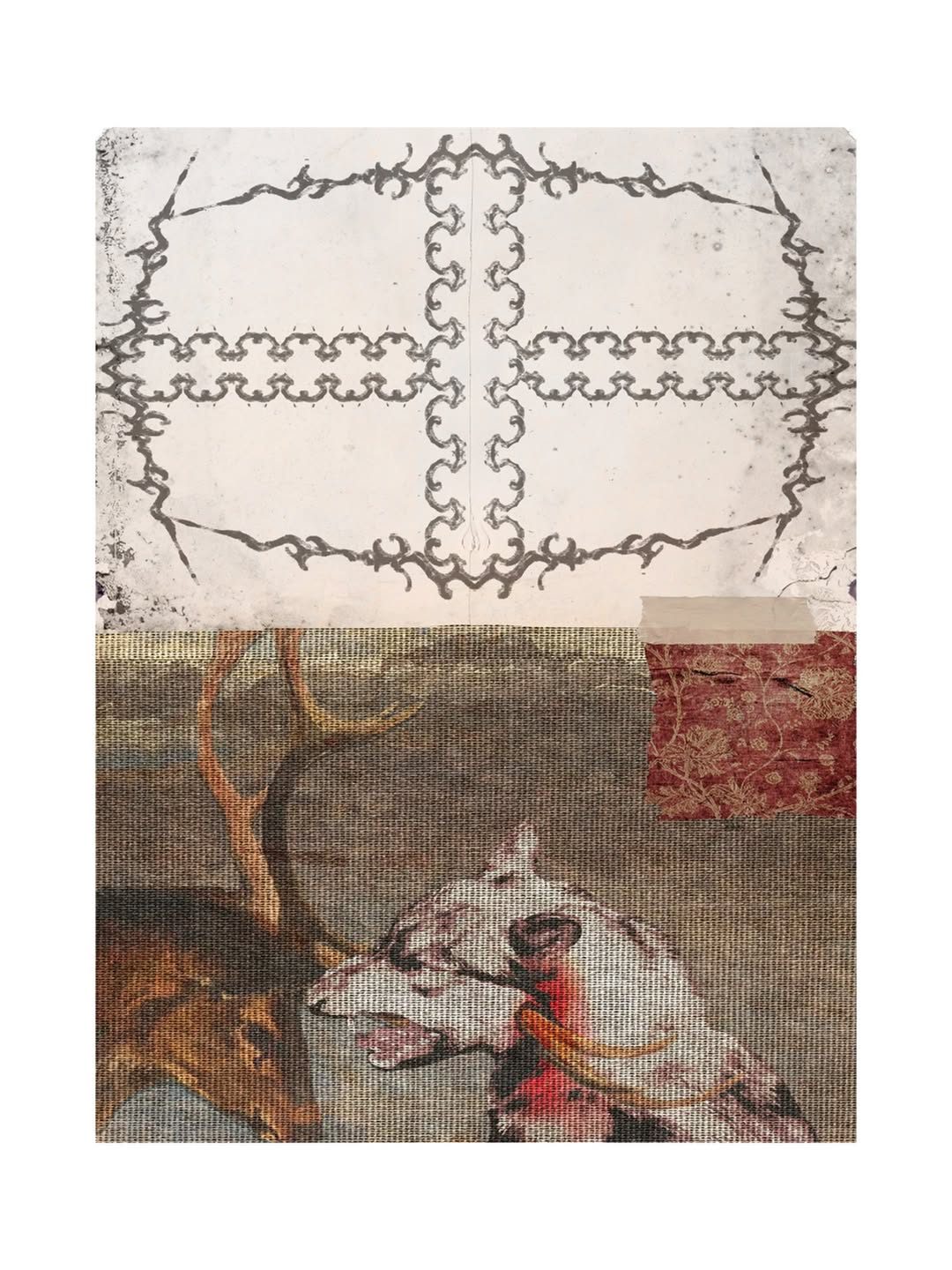
Cover Image: Karan Dhankani, Hart & Crown.