PLATE ARMOUR & SOLEMN BEAUTY: IN CONVERSATION WITH EXILE
CONVERSATION BY SELIN KIR
CO-FOUNDER, CURATOR
26 FEBRUARY 2026 — UNITED KINGDOM
Alfred Francis Pietroni, working under the name Exile, builds worlds where the body is never neutral. His figures stand armoured, blinded, burdened, suspended between plate armour and silk gowns, rusted metal and solemn beauty. Using 3D software as both discipline and disruption, he resists the seduction of digital slickness, instead constructing silhouettes that feel heavy with emotional weight. Each collection operates as a self-contained universe, yet remains tethered to a larger mythology shaped by restraint, resilience, and the war inside us. What emerges is not simply digital fashion, but a study in structure, limitation, and presence, a practice rooted in honesty, world-building, and the belief that to struggle is to live.
You work under the name Exile, which immediately suggests displacement, geographic, emotional, even metaphysical. It implies a body that exists slightly outside the social frame. Is this a self-imposed distance, a conceptual device, or a lived condition? What does exile allow you to see or construct that belonging might not?
Life has a way of making you feel excluded and forgotten. I myself have felt physically and emotionally displaced from various connections many times. Sometimes this is the result of my own actions; sometimes it’s others. Exile is a solitary feeling that I have clung to, which has been both beneficial and detrimental to my outlook and my creativity, hindering my options whilst simultaneously allowing me space to breathe and make art. There is a loneliness epidemic in the world that carves directly into individuals' souls, the sort of loneliness that you can feel in your very bones, and for several years I let this swallow me. Luckily, I have come a long way from the person I used to be, and now I find balance: surrounding myself with honest and true people, focusing on love, whilst still allowing room for my own solitude. I still feel that moment inside me, that isolation and disconnect from the world, but now I am grateful for it. It’s part of me, a reminder we are all human, and we all need each other to survive.
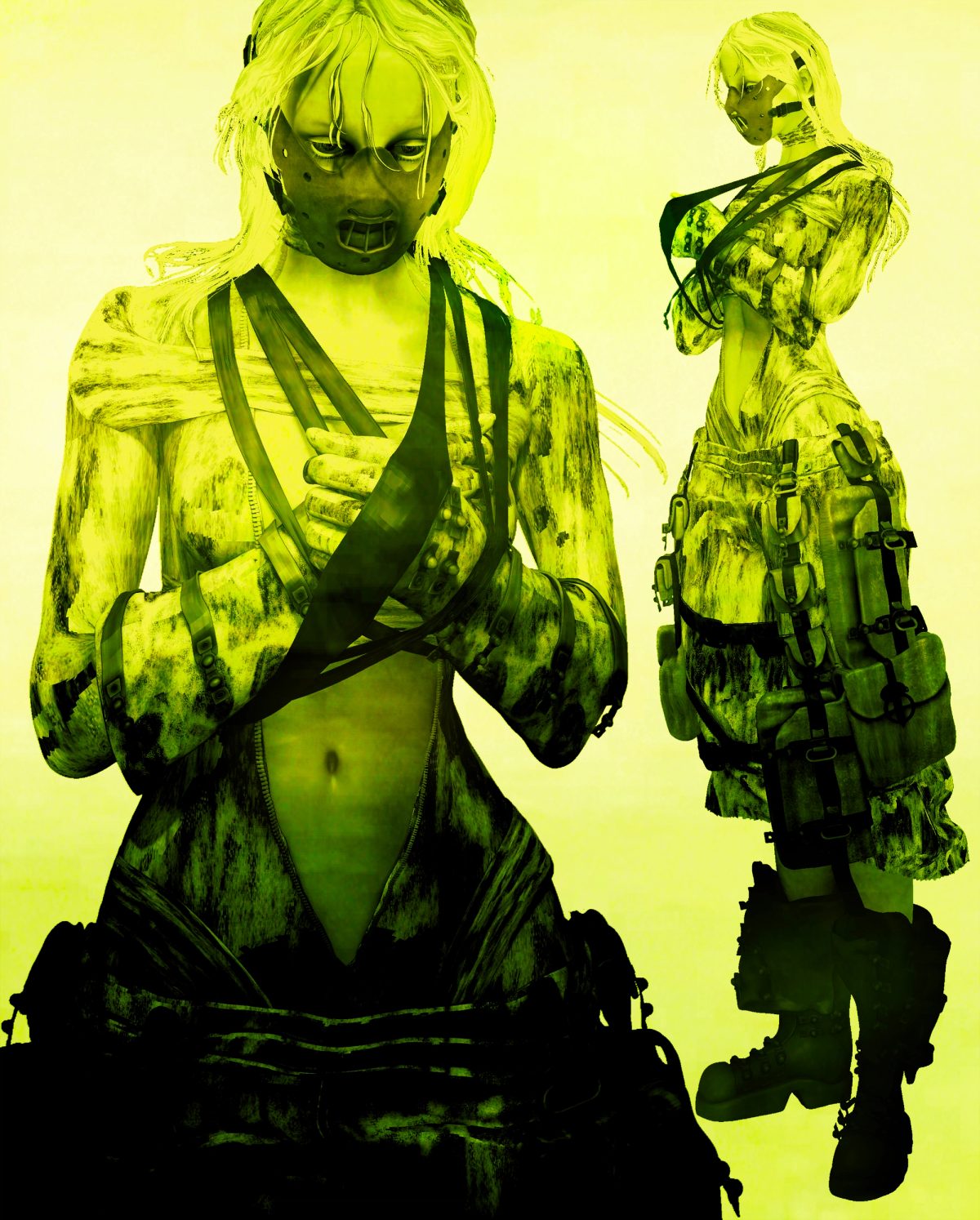
Left: Hannibal (f12)
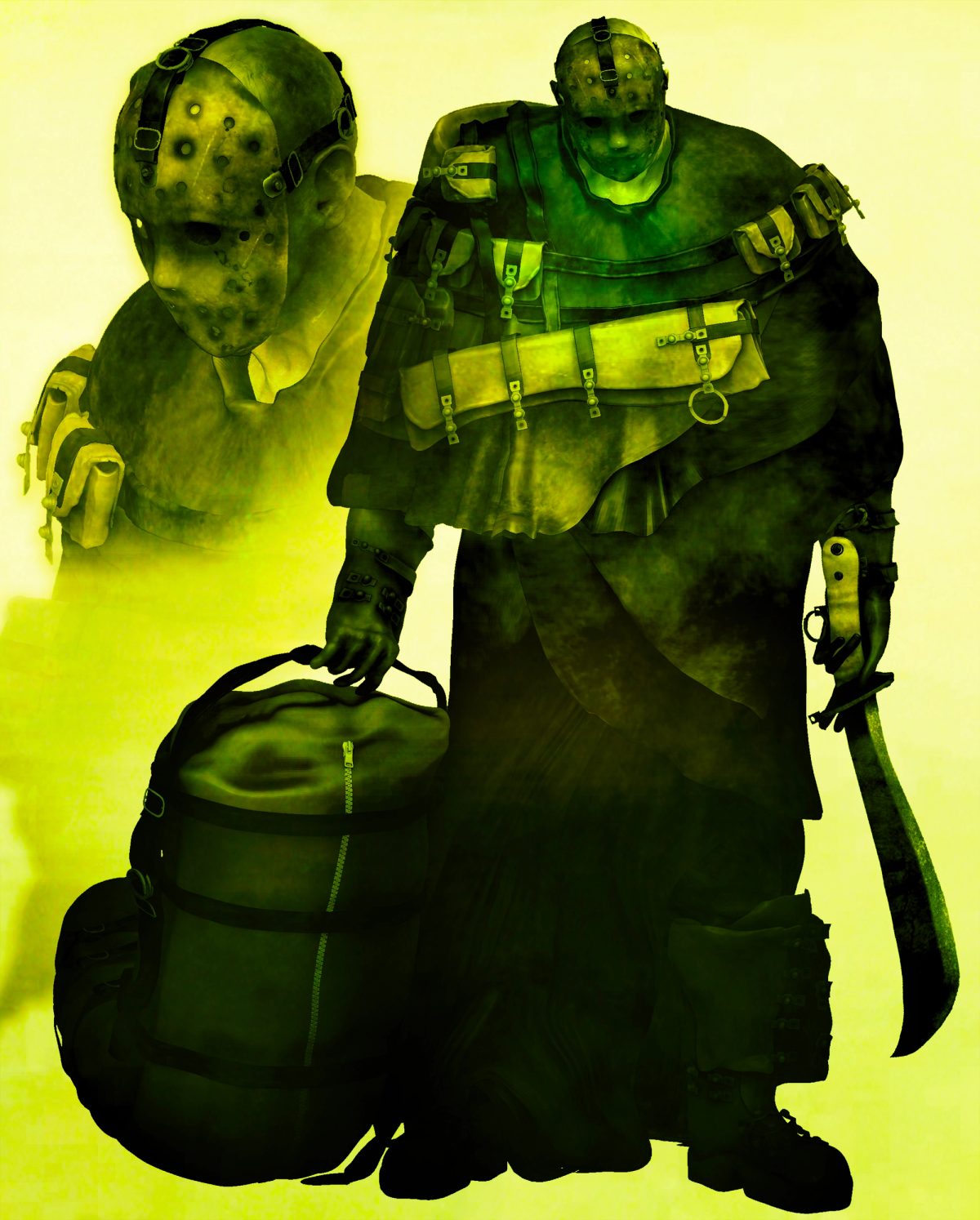
Right: Jason (f9)
Your digital runway collections operate somewhere between armour, relic, and ceremonial costume. They rarely read as simply “fashion”, they feel architectural, even disciplinary. When you design a look, are you thinking about adornment, protection, control, or world logic? What function does clothing serve inside your universes?
I want to tell stories. I want to tell poetry within the look, within the model's face, hair and makeup, within their presence and their soul. For me, fashion serves as a device for storytelling, no matter what sort of materials are being used: plate armour, silk gowns, rusted metal bars. It doesn’t matter; my main focus is always a narrative moment. I want to tell stories of emotional turmoil, unrelenting resilience, and solemn beauty, stories of love and loss, pain and innocence. These themes sit naturally at the core of my subconscious design philosophy, and they shape my artistic vision. Dichotomy, architecture, silhouette, shape, balance: these are all things to be considered when designing, but I try not to worry too much. Explaining and understanding things too heavily can be a barrier; as an artist, you have to be free.
Many of your silhouettes restrict vision, weight, or mobility, blinded models, heavy structures, rigid forms that seem to both empower and burden the wearer. What draws you to these limitations? Is constraint a narrative device, an aesthetic strategy, or a reflection on how bodies move through contemporary systems?
I would say it's all of those. It’s all about directing focus and channeling the simple ideology that we are all limited through various factors, and we all have the war inside us to overcome these restraints. We can allow restrictions to define us, to become part of us; they can weaken or strengthen our resolve, they can impact our fate and the ones around us. Whether we like it or not, the burdens of the wearer shape us visually and conceptually, and it's our choice what we do with those weights.
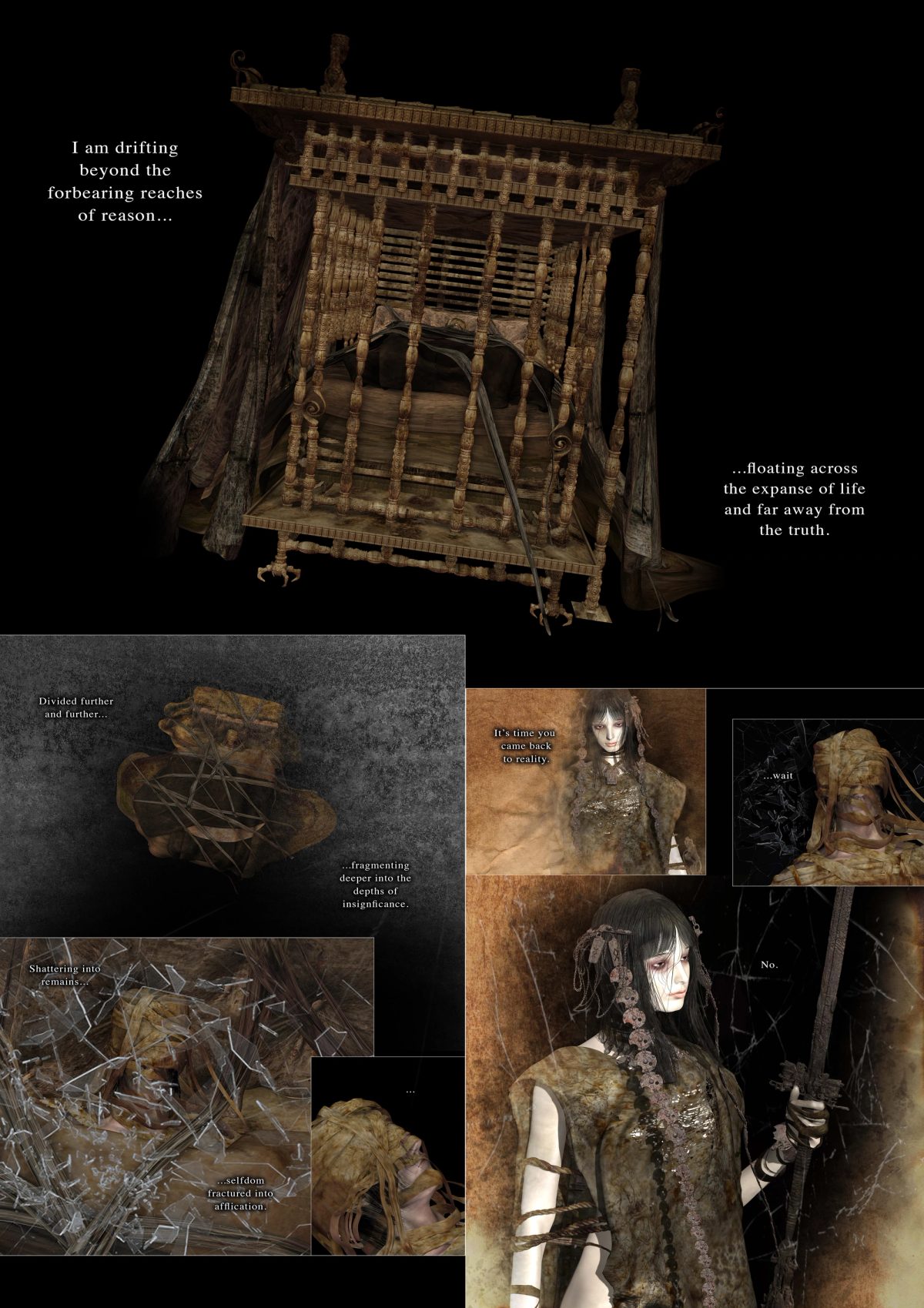
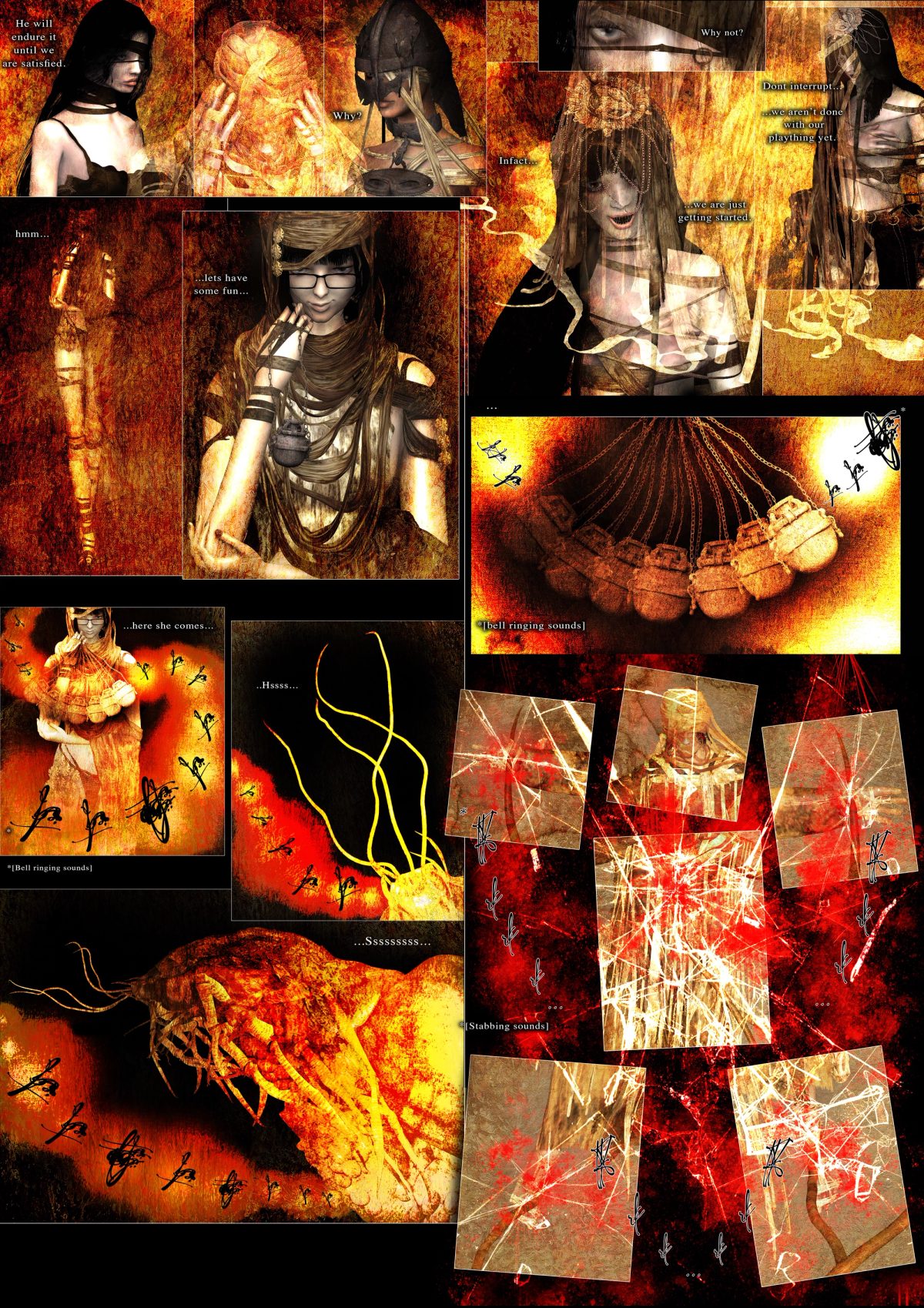
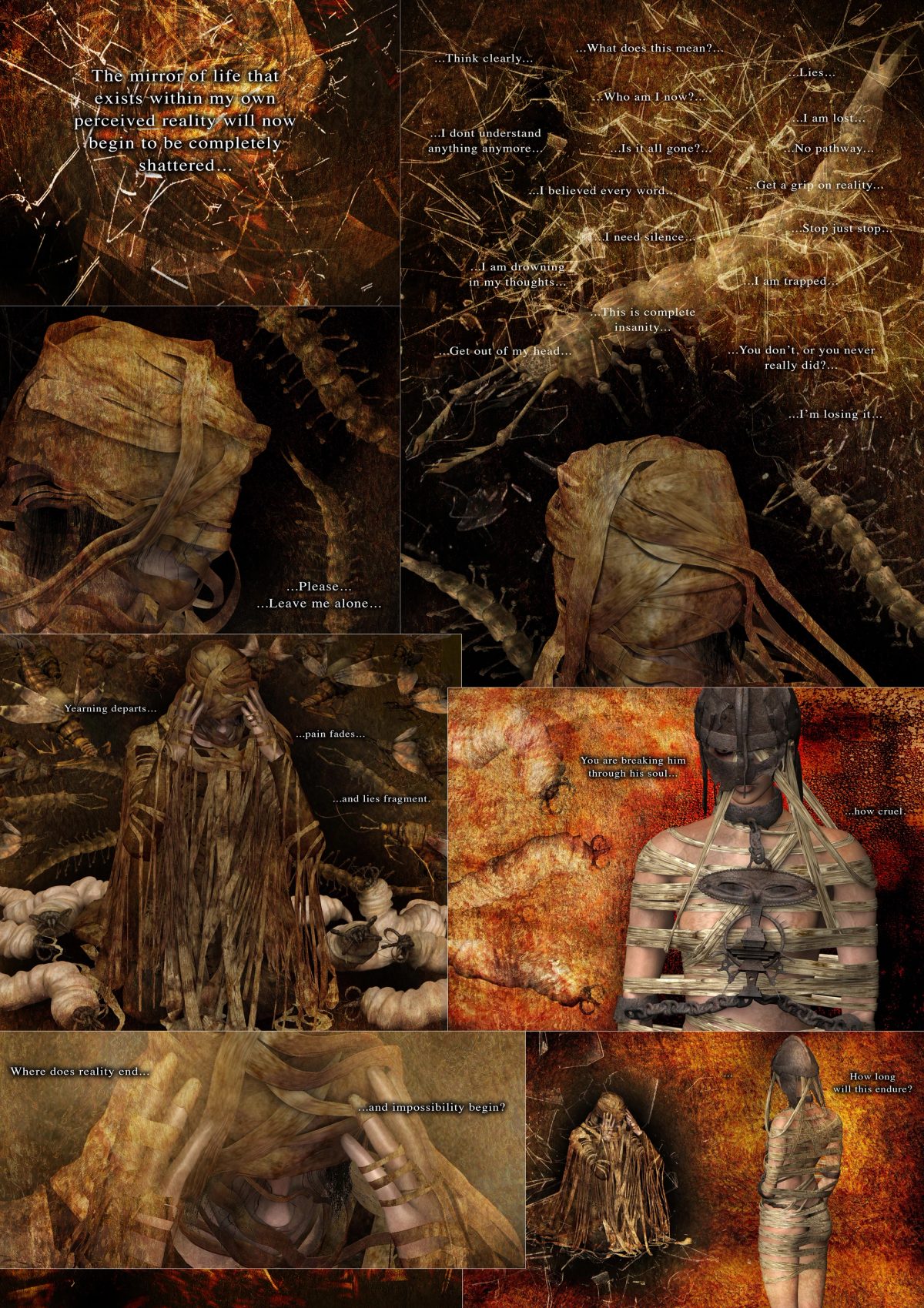
Prints from Inner Layer seriess
“There is a delicate balance of narrative and theme, both ambiguous and transcended in nature which allows each collection, each art project and each design to function both separately and cohesively.”
Working in 3D allows you to design garments that defy gravity, mass, and material logic. Do you see digital fashion as a liberation from physics, or as a way of testing the limits of believability? At what point does impossibility become more honest than realism?
Restraints are necessary components in shaping a design language; an accessible vision needs human touch at its core. Sometimes the infinity of digital design can feel overwhelming; the all-encompassing knowledge that you are only held back by imagination and technique is indeed freeing, but it also cages the mind to think in ways that don’t always necessarily translate or connect with the human psyche. That’s why I believe it’s important to stay grounded within design philosophy and to meet at the intersection of realism and fantasy. Suspending disbelief is provocative, but it needs to be contained within human cognition, and unbelievability is at its most compelling when it feels almost within reach. Yes, digital design allows you to defy logic, and this is liberating, but just like the real world, it needs to be rooted in honesty, with something to anchor the emotional weight, to create physicality and shape something which feels inherently responsive.
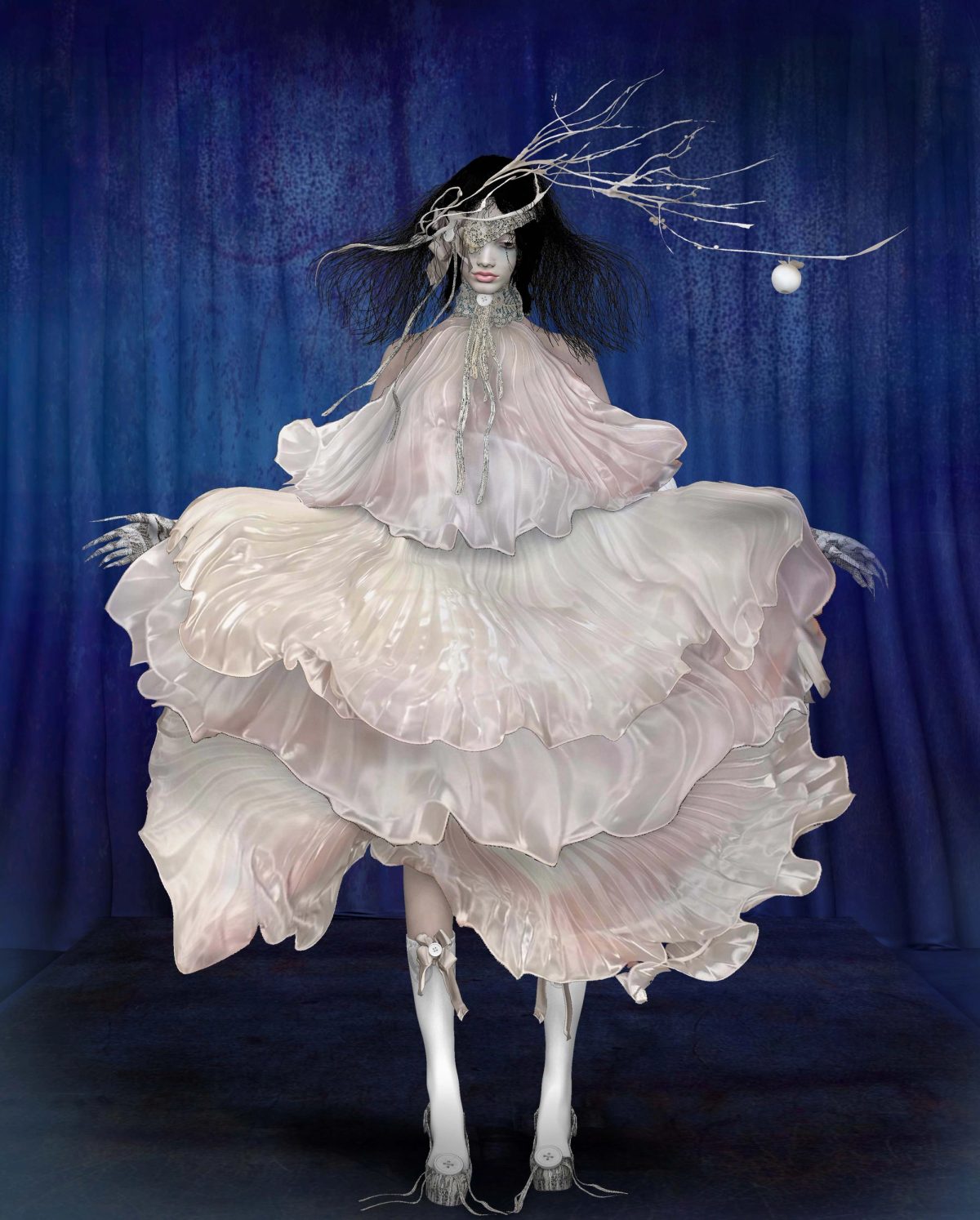
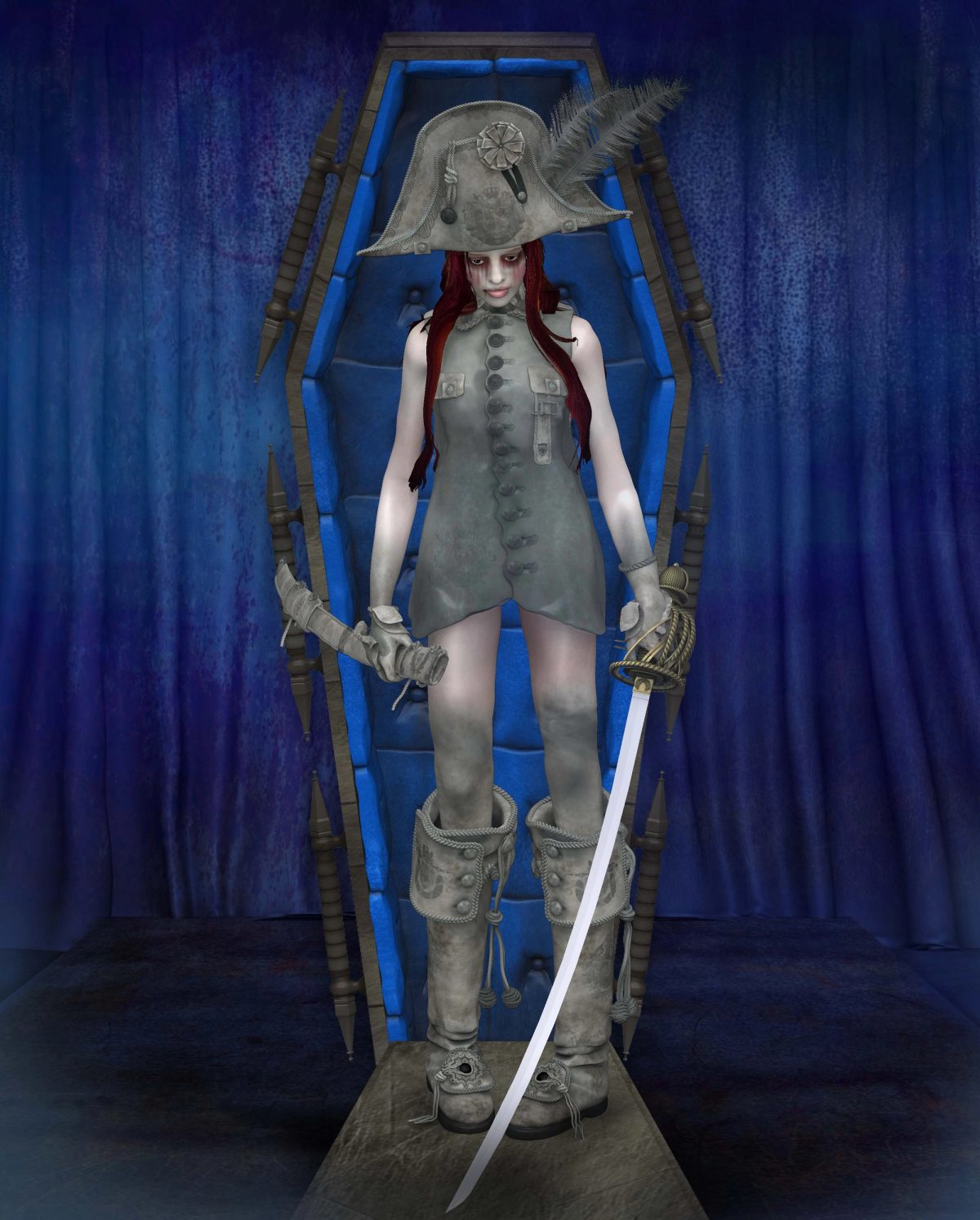
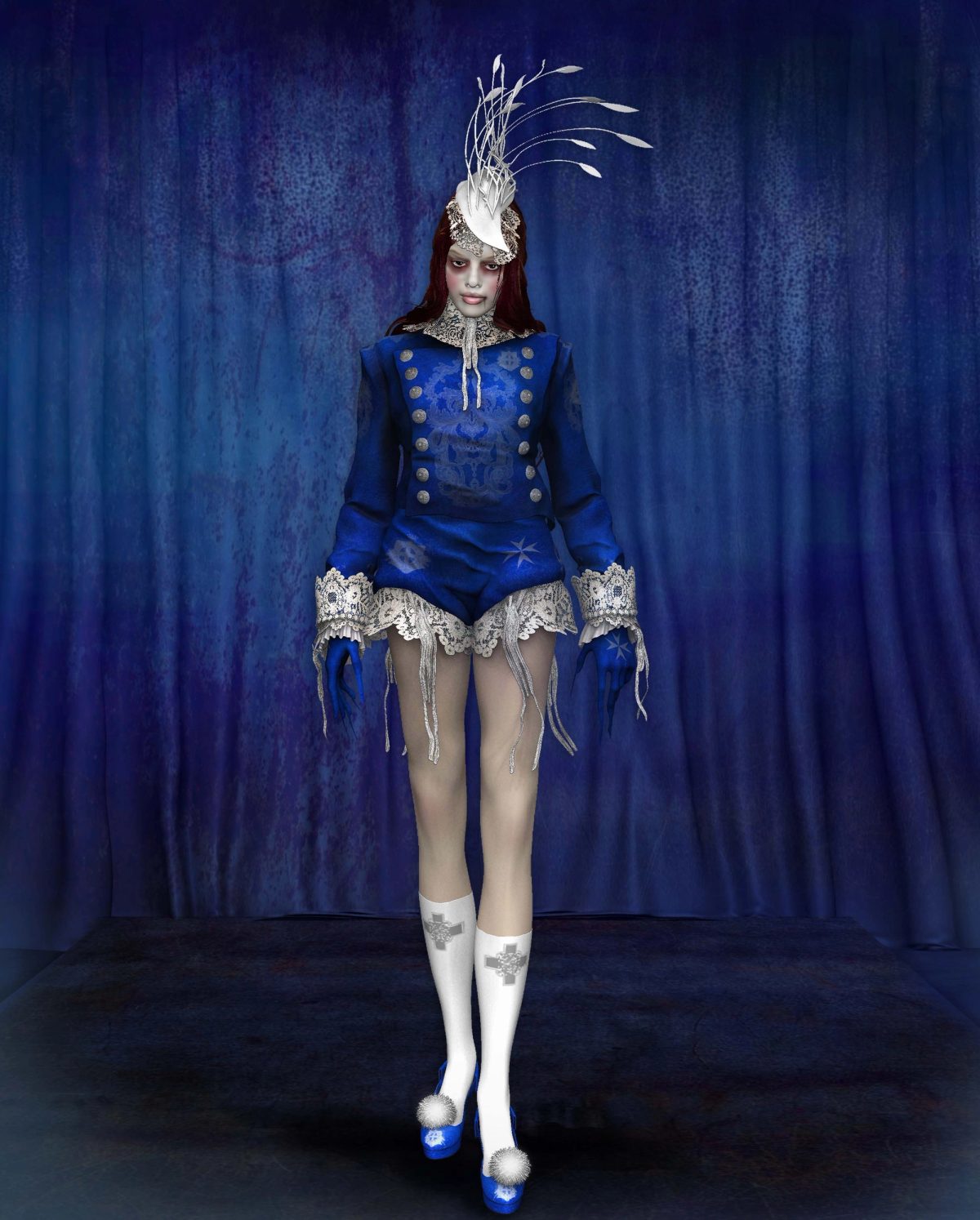
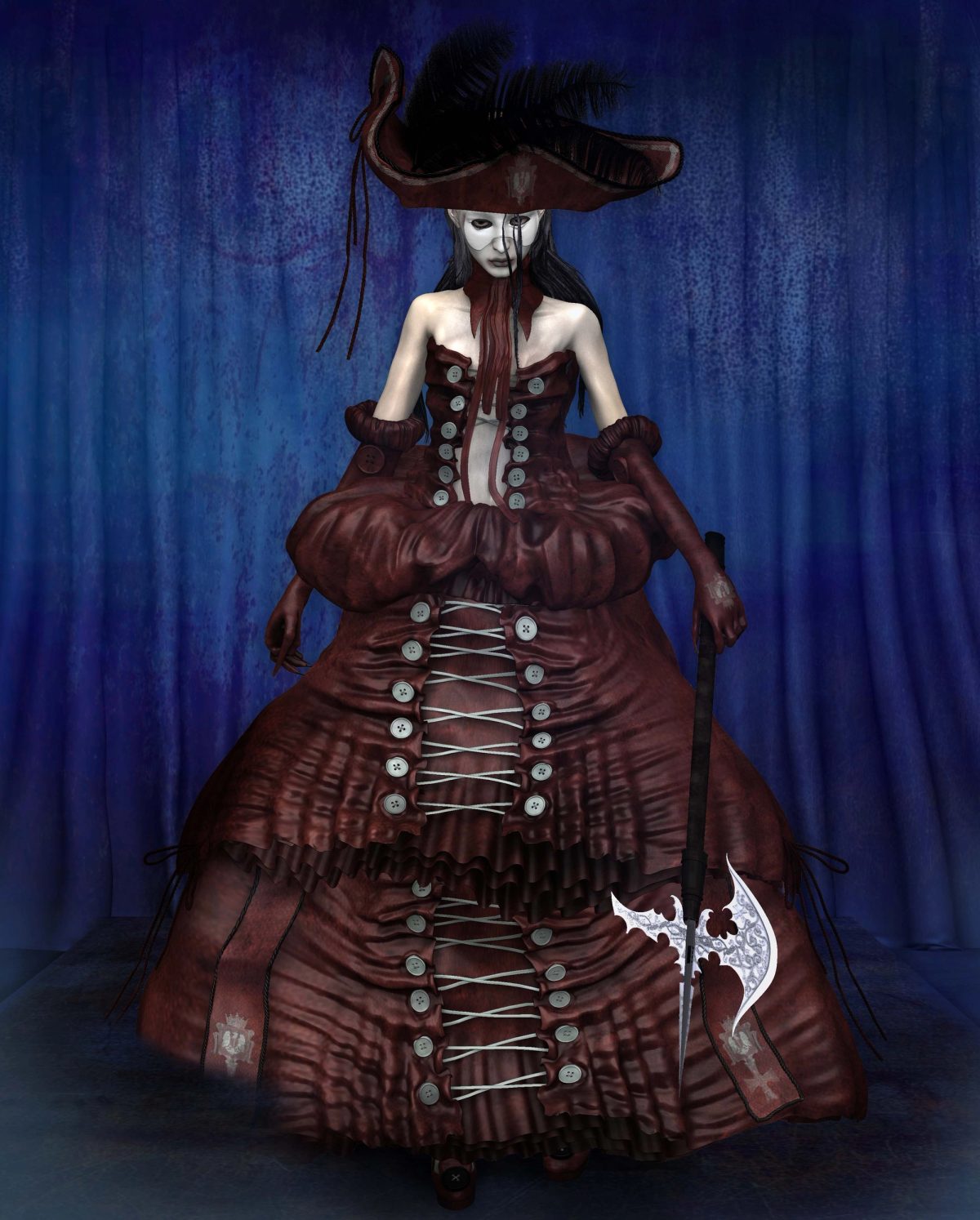
#7, #16, #3, #14 from the Hopeless Romantic series
Your collections feel like fragments of a larger mythology, each look suggesting a civilisation, hierarchy, or moral code. Are you consciously building a cohesive universe across projects, or do these worlds emerge organically? How do you maintain coherence without over-determining narrative?
Each collection exists within its own universe, but it still needs to feel recognisably mine, governed by my design sensibilities and structures. So, in a sense, yes, there is one larger universe which, for the purpose of artistic endeavour, acts as the overarching umbrella; however, each collection should still be able to stand alone. There is a delicate balance of narrative and theme, both ambiguous and transcended in nature, which allows each collection, each art project, and each design to function both separately and cohesively. This all stems from my love of world building and visual identity shaping, which is central to my ideology of ‘self’ and the natural choices, materials, themes, and motifs that I gravitate towards, which help shape this artistic cohesion.
It’s undeniably important to know exactly what it is you enjoy when experiencing art in order to create something which truly resonates with you. When I am absorbing art, film, or media, whatever format it is, I know that something I want to feel is that it has a collectively well thought out visual and conceptual identity. I love to see worlds that challenge and subvert expectations, substantial and inspirational universes that are large in body and have influential vision. I use this understanding to shape my own particularities and push my approach further, whilst maintaining recognisable patterns and devices.
Despite the technical clarity of 3D software, your surfaces often feel dirty, rusted, bruised, resisting hyper-polished digital aesthetics. Is this an aesthetic rebellion against contemporary CGI slickness? What does decay allow you to express that perfection cannot?
Rust, dirt, worn metal, ripped cloth, it all tells a story; its visual narrative display resonates conceptually and visually with me. I definitely am not a fan of things that are too clean and sleek, but I don’t think it is in a rebellious way; I am just naturally drawn to materials which have character. Decay speaks to my love of horror, military, and war themes; objects, tools, and clothing which have been worn down and shaped through journey or endeavour have more personality. When you clean everything up and cover up the cracks, you remove any sense of struggle, and to struggle is to live.
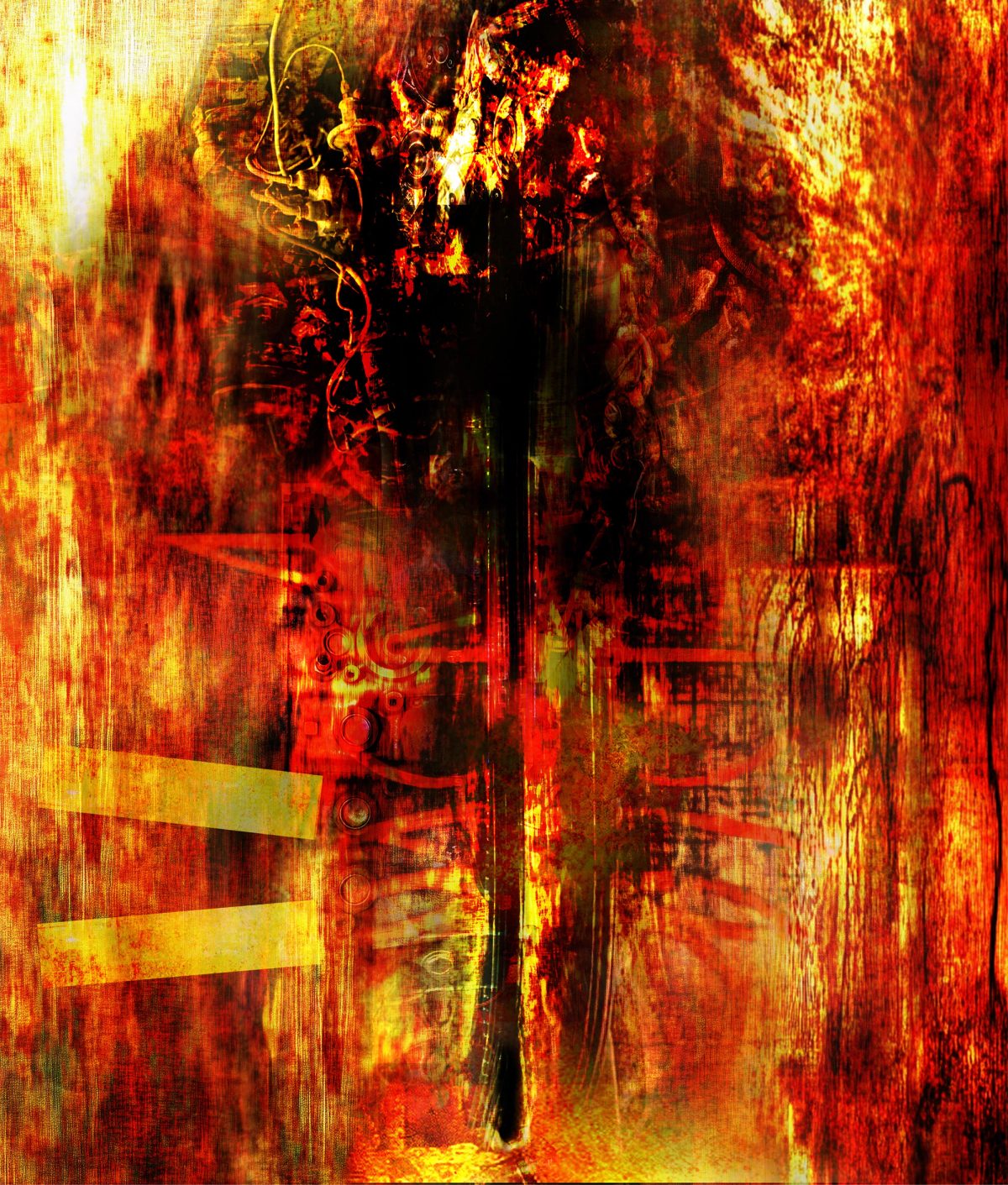
Hellscape IX
“For me, fashion serves as a device for storytelling, no matter what sort of materials are being used; plate armour, silk gowns, rusted metal bars. It doesn’t matter, my main focus is always a narrative moment.”
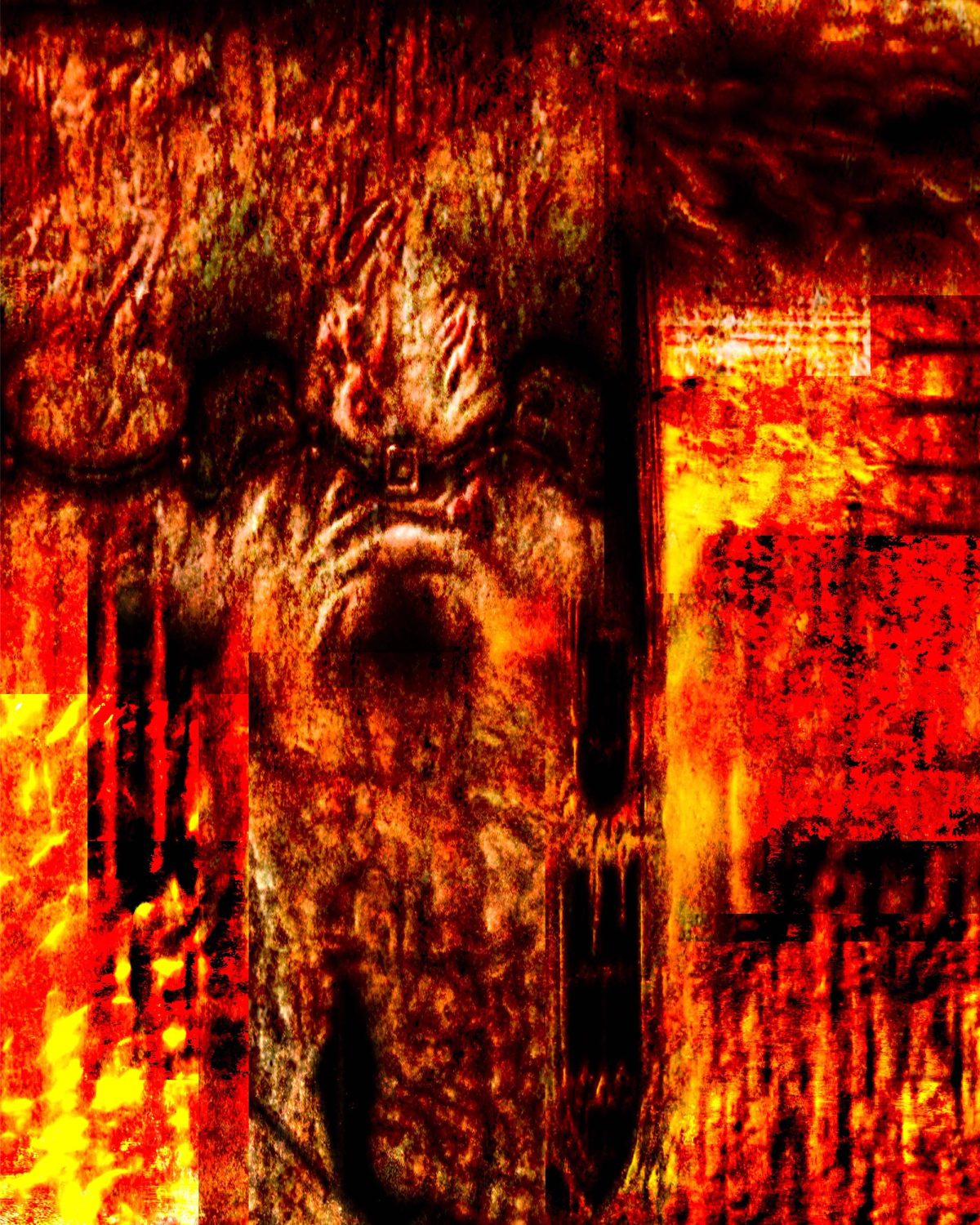
Hellscape VIII
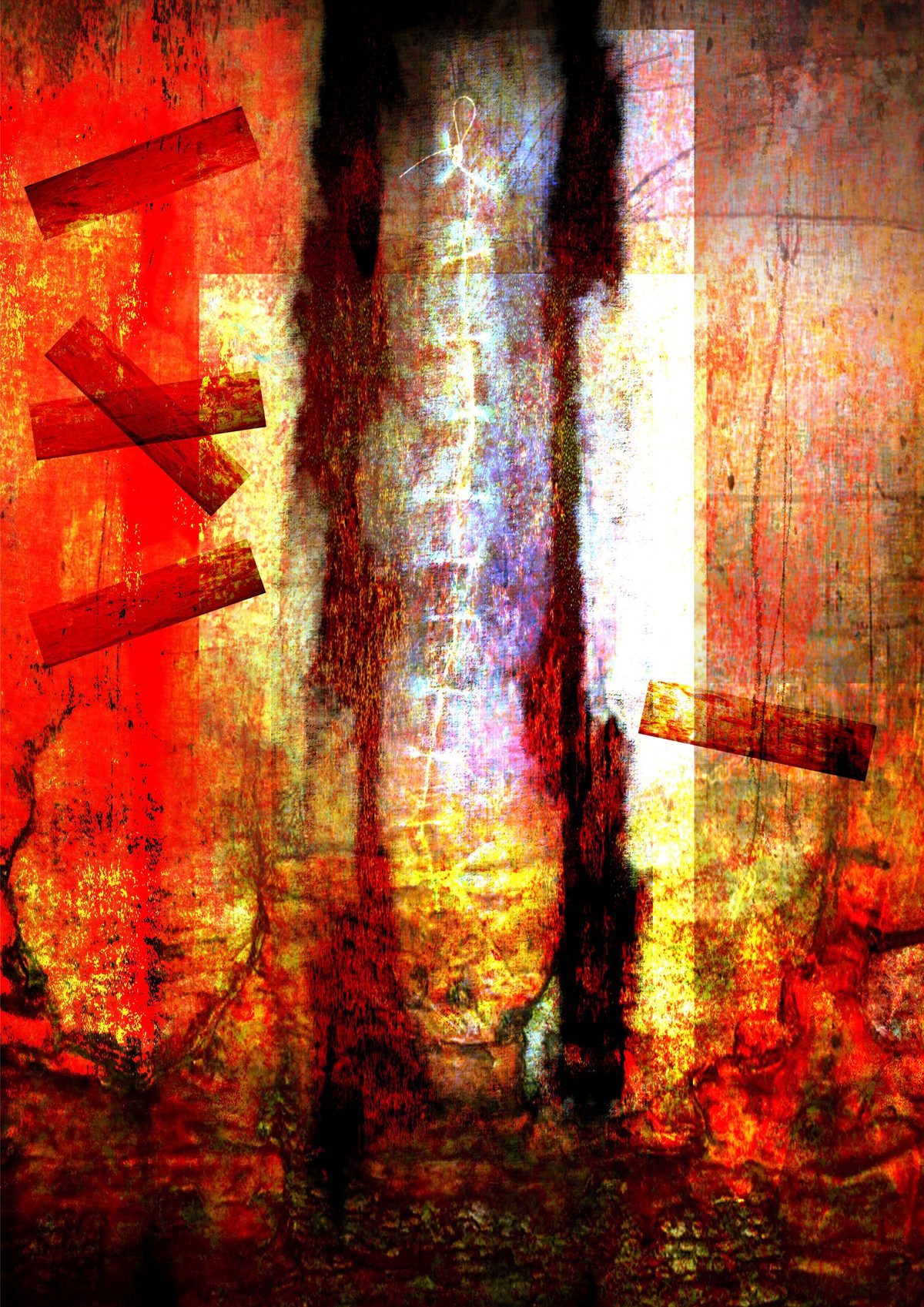
Hellscape XI
Your works was presented in OBTUSE (°) as four digitally rendered pieces, printed and framed, and notably, they were the only fully digital works within the exhibition. How did it feel to see your work translated from a luminous, backlit screen into framed objects occupying physical space? Did that shift, from scrollable image to fixed, framed surface change the way you understood your own work? And did being the sole digital presence in a materially grounded exhibition create tension, friction, or perhaps a productive contrast for you?
I think the most notable change is seeing something physically larger than yourself. The main issue with viewing art from your phone is the size; it’s minimised for convenience of the vessel, but this undoubtedly takes away a lot of presence the art can have. As soon as you are standing in front of an art piece (the larger the better), you become dwarfed, enveloped within it. I've always loved large paintings, sculptures; pieces that make the viewer feel inferior, like you are in the presence of something greater than you. This is how art should feel, consumed as it demands your attention. At the exhibit, I wasn’t focused on things being digital or physical; I was more interested in which pieces create dominance in the room and which pieces best translate a vision or moment. I love to see my work in physical space; this way, I am able to step out of a restricted zone and absorb my art closer to intention.
You frequently reference horror, fantasy, and theatrical fashion in the same breath. Historically, fashion has often flirted with morbidity, McQueen, Giger-in-spired couture, ritual garments. Do you see horror as an aesthetic category, an emotional register, or a philosophical lens through which you understand beauty?
Horror is more than a genre; it acts as the intrinsic counterbalance to all life. It is a notion of all things unnatural, all things despicable, impossible, deplorable, hateful, poisonous, and deeply unsettling. It is the breeding ground for writers, filmmakers, game devs, poets, and artists to explore the depths of our world. It is the necessary evil and the inescapable half of the human condition, which we are not only drawn to but one in which we desire to explore and inhabit. Just as there is no love without hate, there must always be horror to guide us, to act as a lens for understanding ourselves, our trauma, pain, violence, and complexity as humans. The visual and psychological potential held within horror is unrelenting and, as it turns out, fundamental to our very existence and survival in this world.
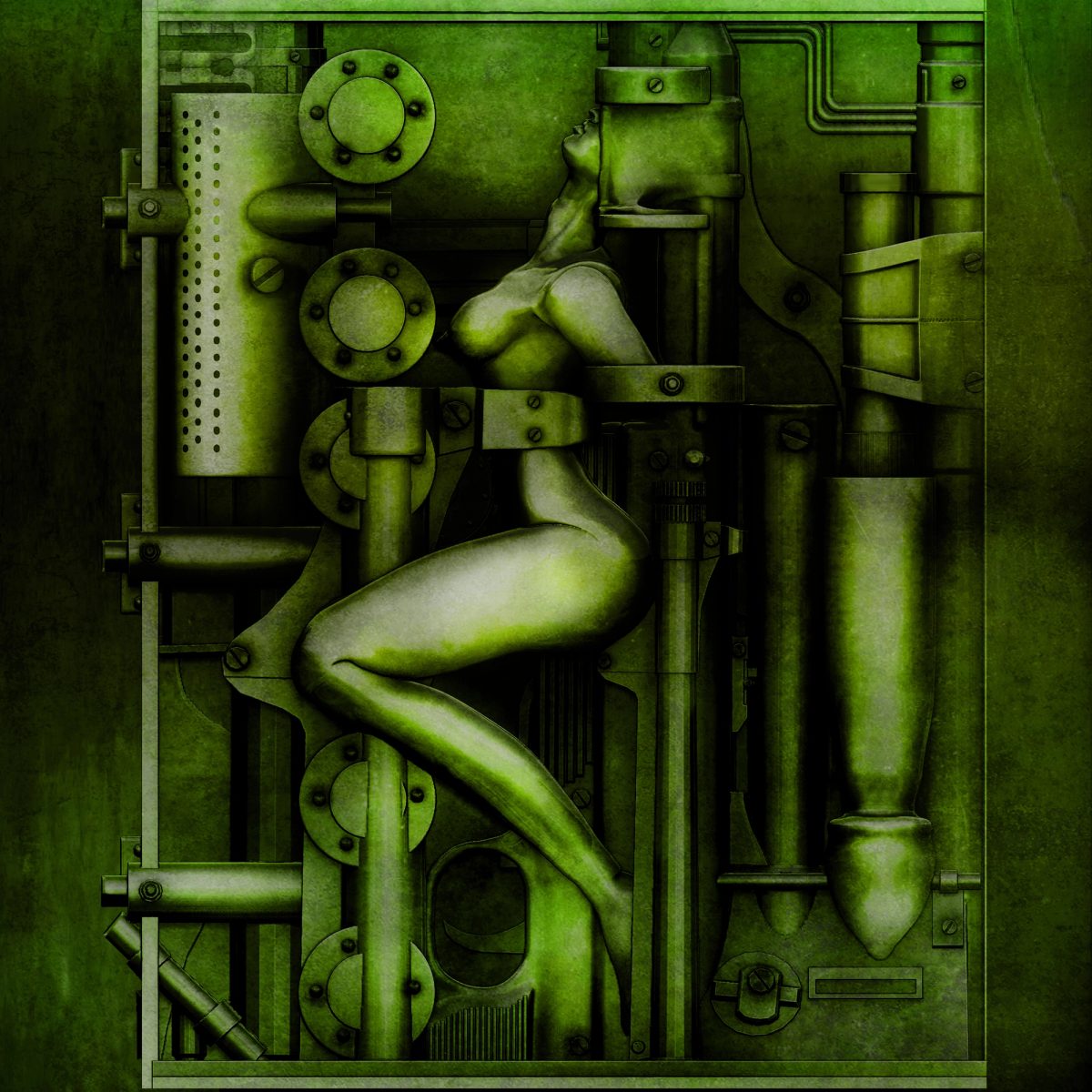
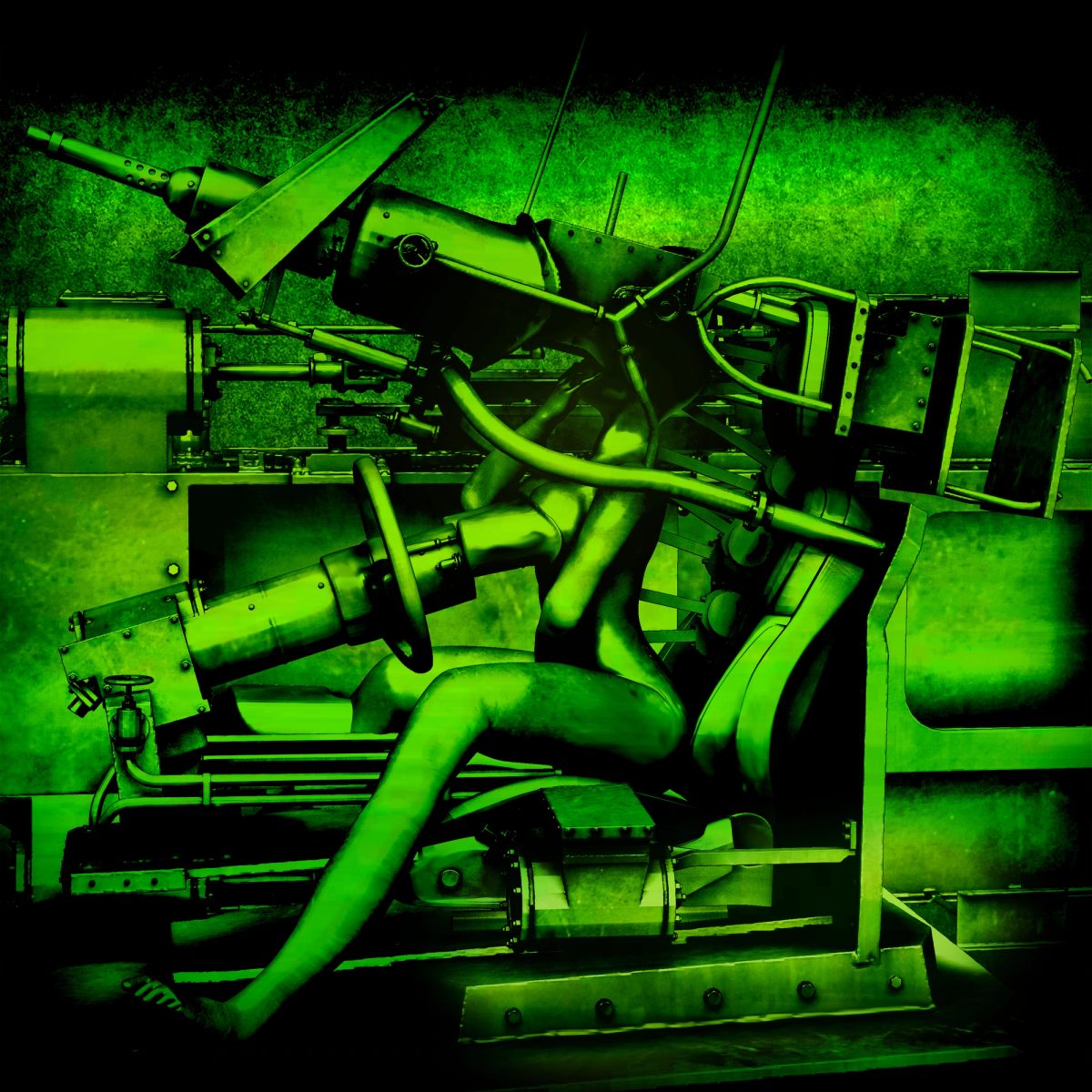
Left: Intimacy, 2025, Digital painting (framed), 70 × 70 cm; Right: Parked Car, 2025, Digital painting (framed), 70 × 70 cm. Shown at OBTUSE (°) Exhibition.
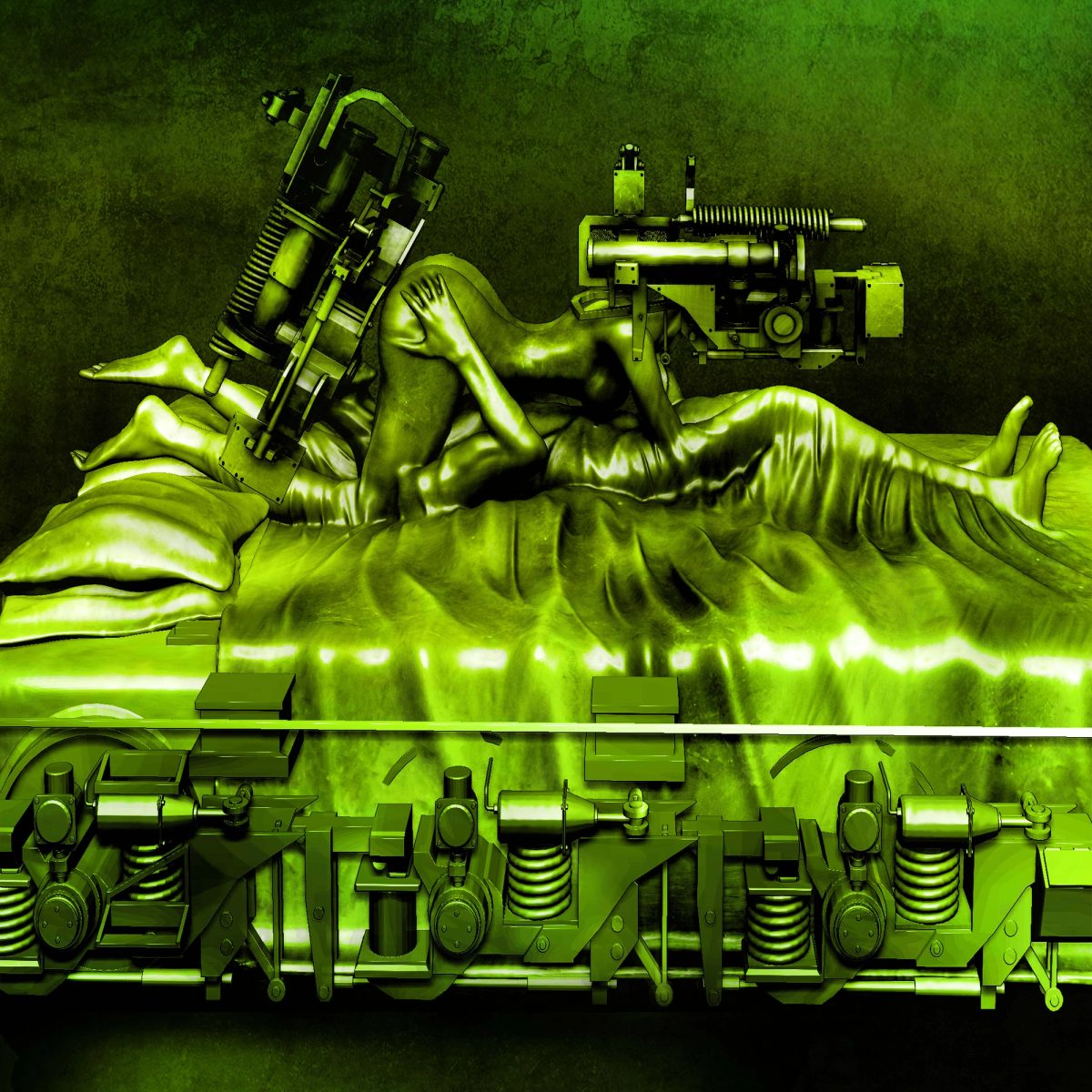
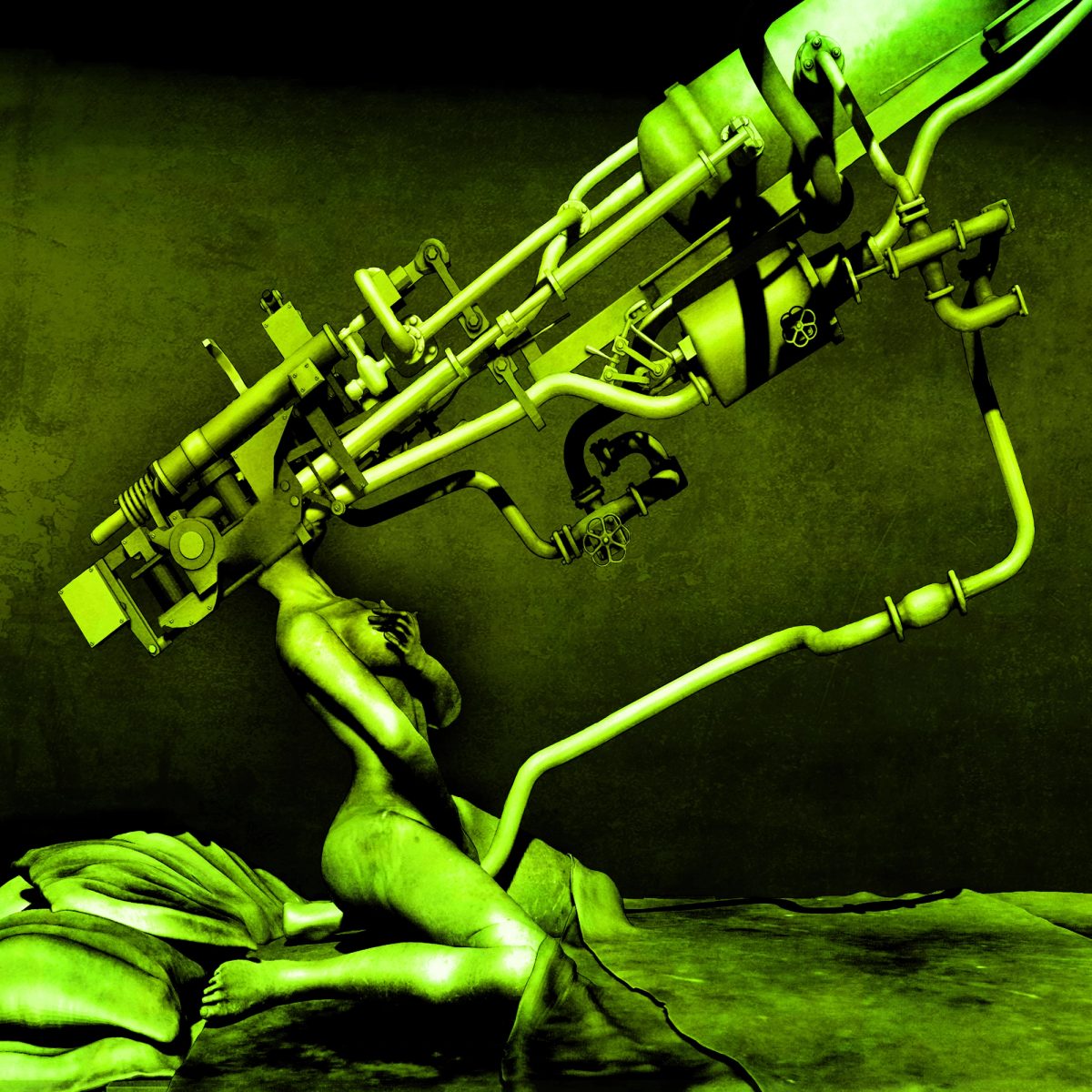
Left: Not Sleeping, 2025, Digital painting (framed), 70 × 70 cm; Right: Not Sleeping 3, 2025, Digital painting (framed), 70 × 70 cm. Shown at OBTUSE (°) Exhibition.
“I love to see my work in physical space; this way, I am able to step out of a restricted zone and absorb my art closer to intention.”
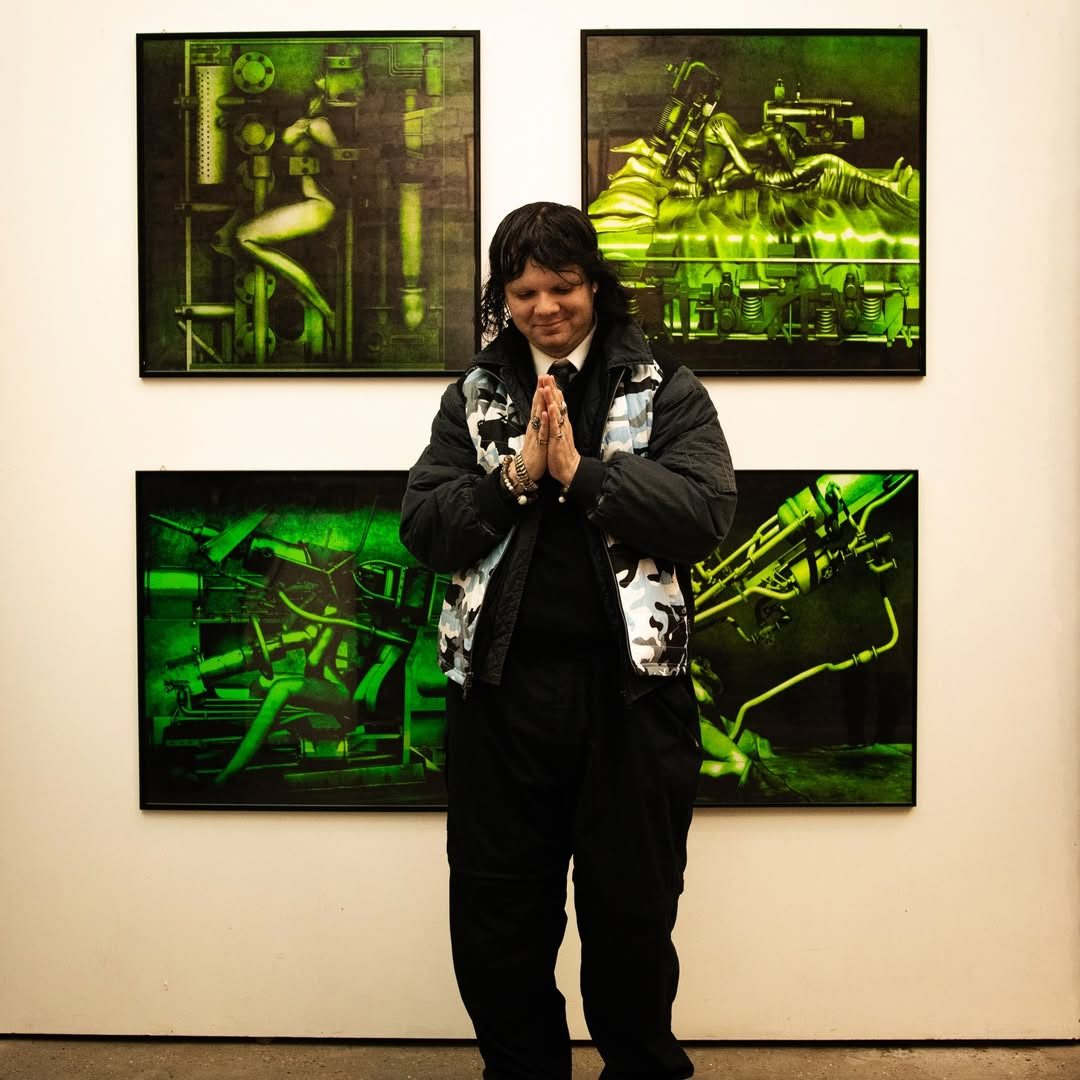
Alfred Francis Pietroni, Exile, from OBTUSE (°) Exhibition.
As digital and physical worlds increasingly overlap where do you situate yourself? Are you moving toward film, a proprietary IP, physical garments, or deeper digital mythologies? And does Exile remain outside these systems, or eventually build one of his own?
I see myself gravitating towards film more and more each day. I hope I can find my pathway into concepting or costuming and start to open up my potential further within a world where I find so much love and inspiration.
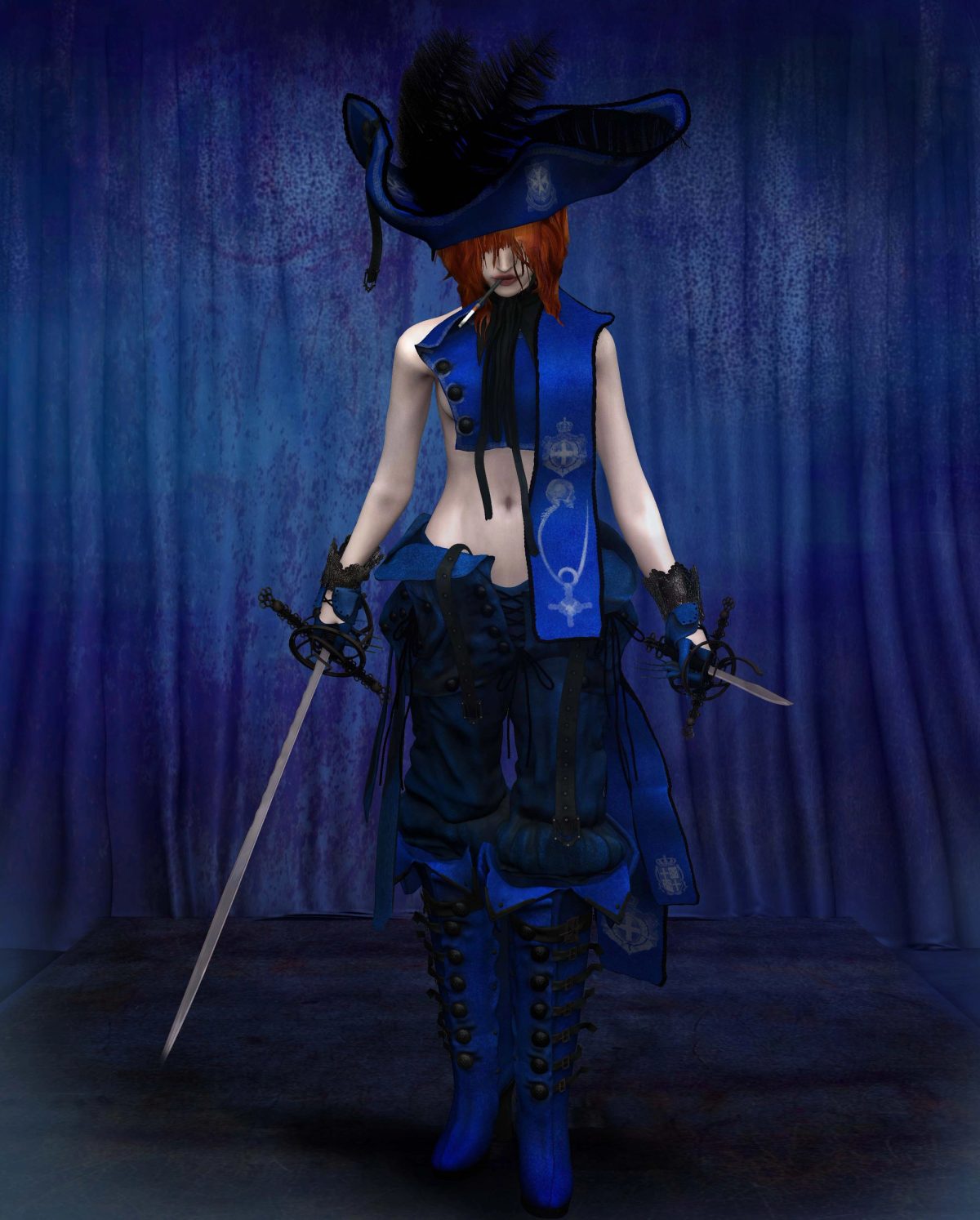
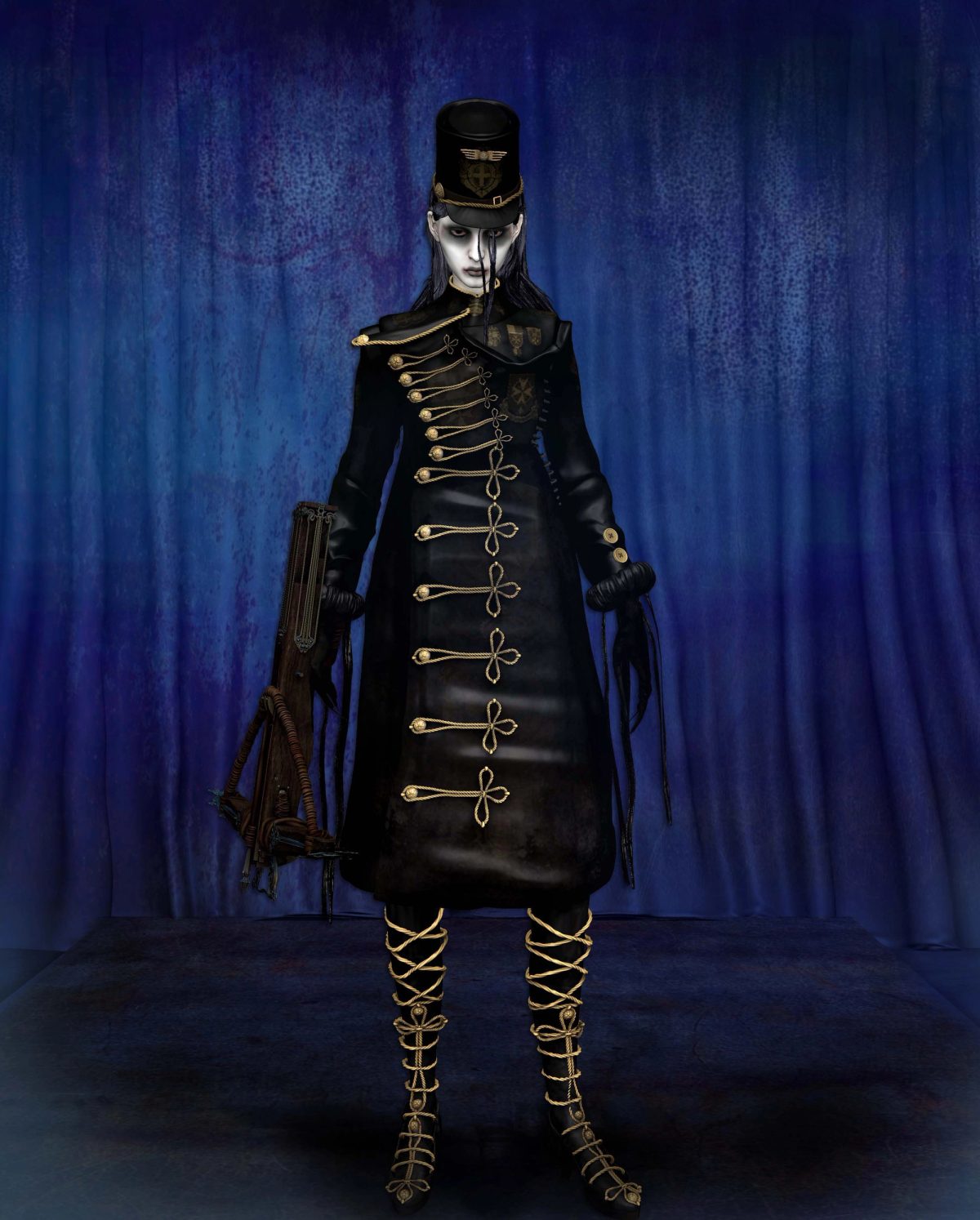
#12, #6 from the Hopeless Romantic series
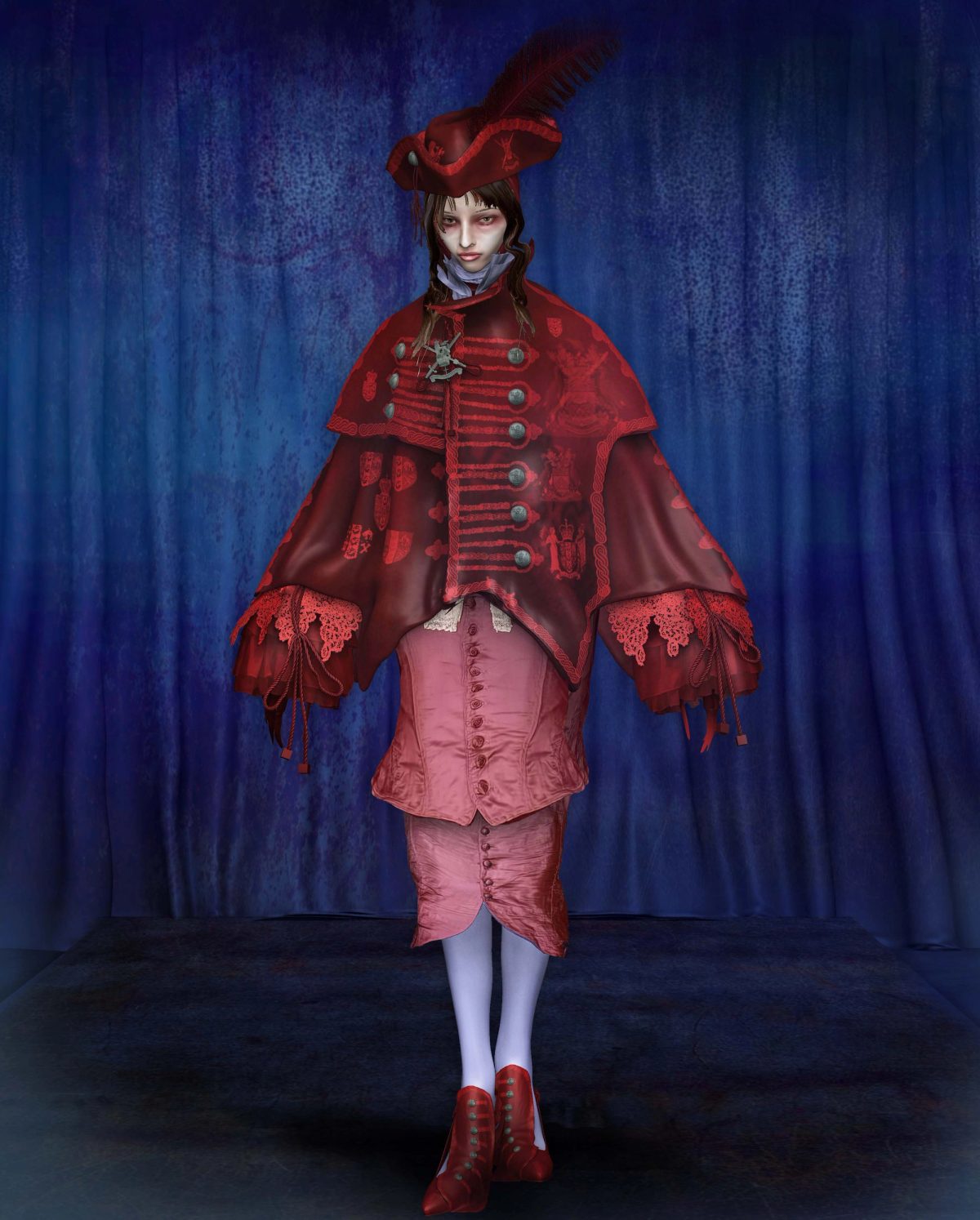
Cover Image: #9 from Hopeless Romantic series