FORM AS A CONSEQUENCE: IN CONVERSATION WITH ERIKA KAIJA
CONVERSATION BY SELIN KIR
CO-FOUNDER, CURATOR
13 JANUARY 2026 — UNITED KINGDOM
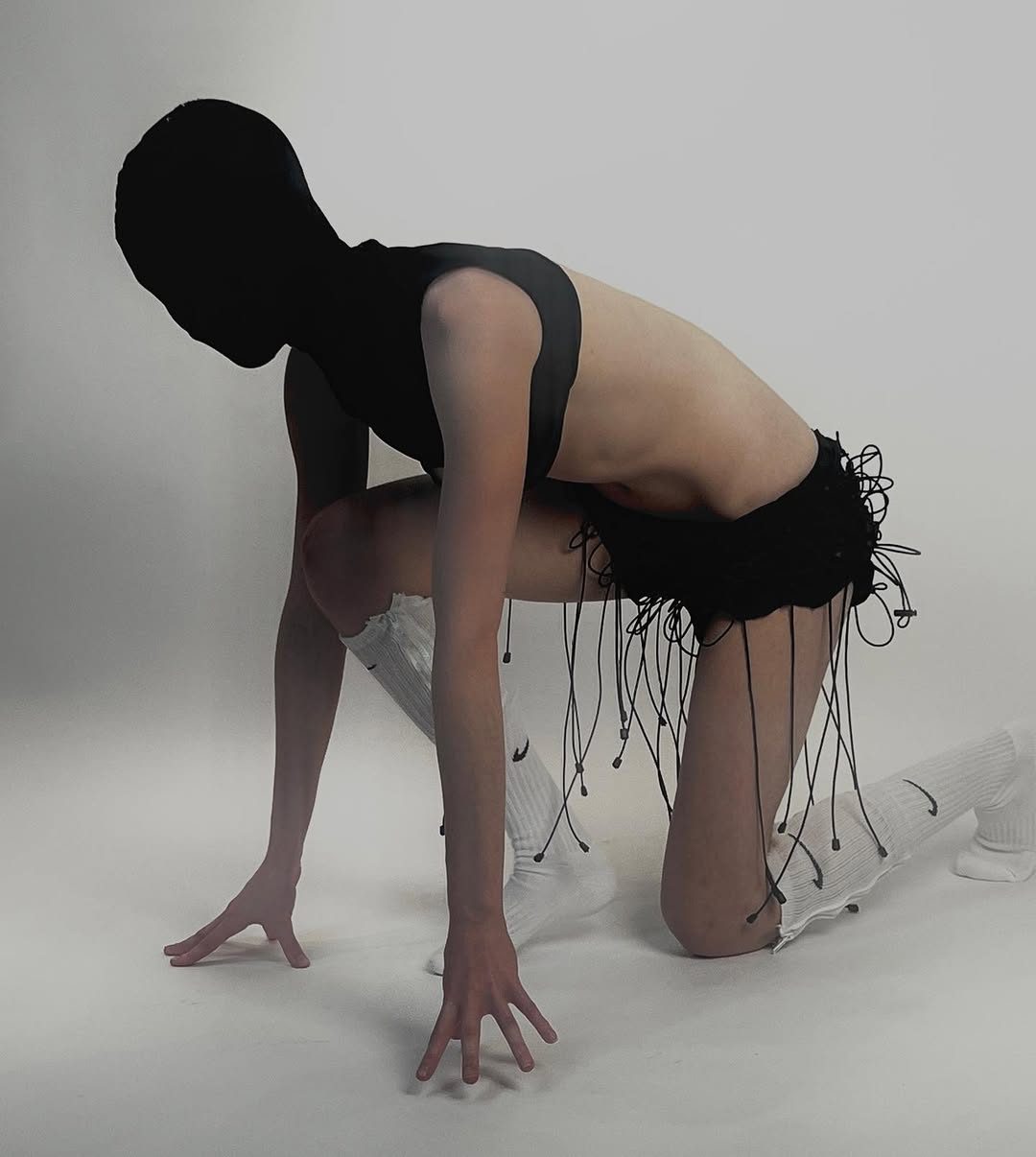
In approaching Erika Kaija’s work, we spoke about garments that oscillate between protection and exposure, pieces that appear constructed from necessity rather than finish, where seams remain visible and materials refuse to disappear into polish. Our questions moved through her use of found and repurposed materials, the tension between wearability and provocation, and the way her forms seem to emerge through making rather than pre-design. This conversation follows those threads, tracing a practice rooted in process, resistance, and attentiveness to what the material allows to surface.
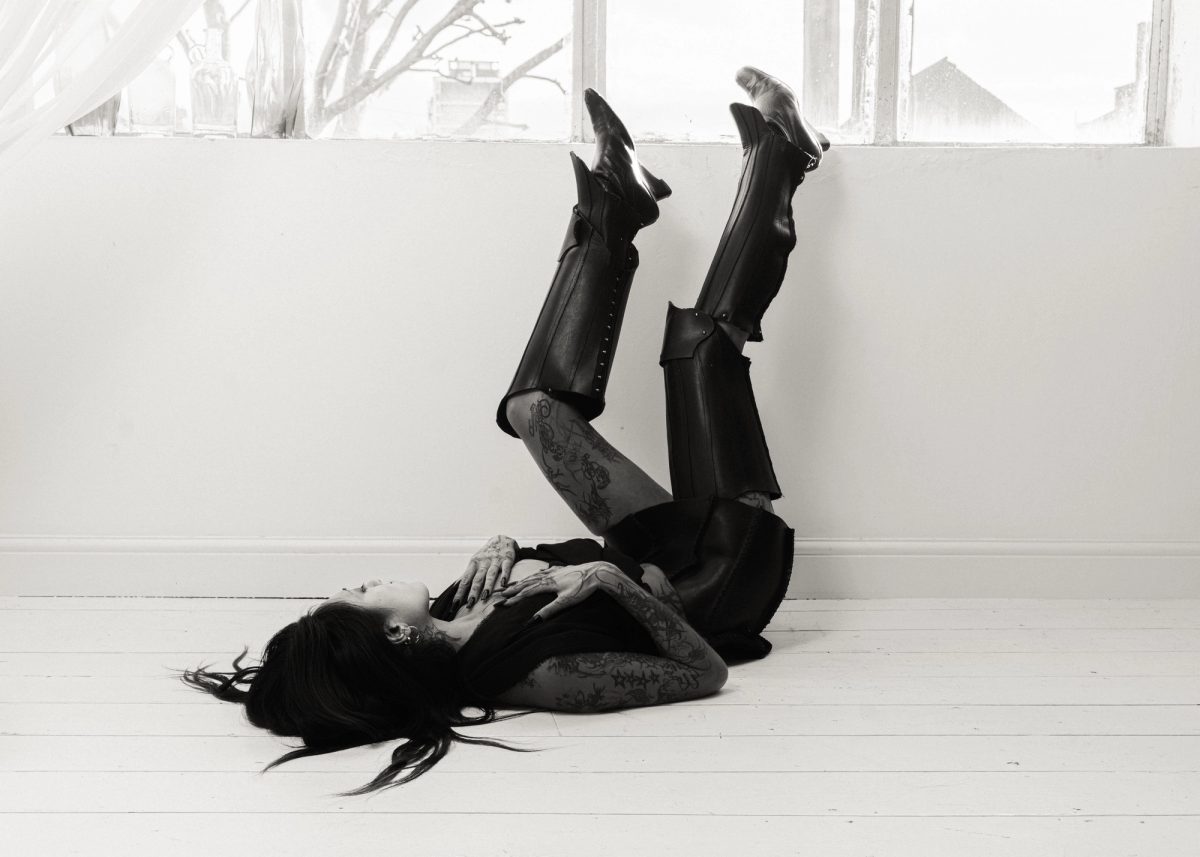
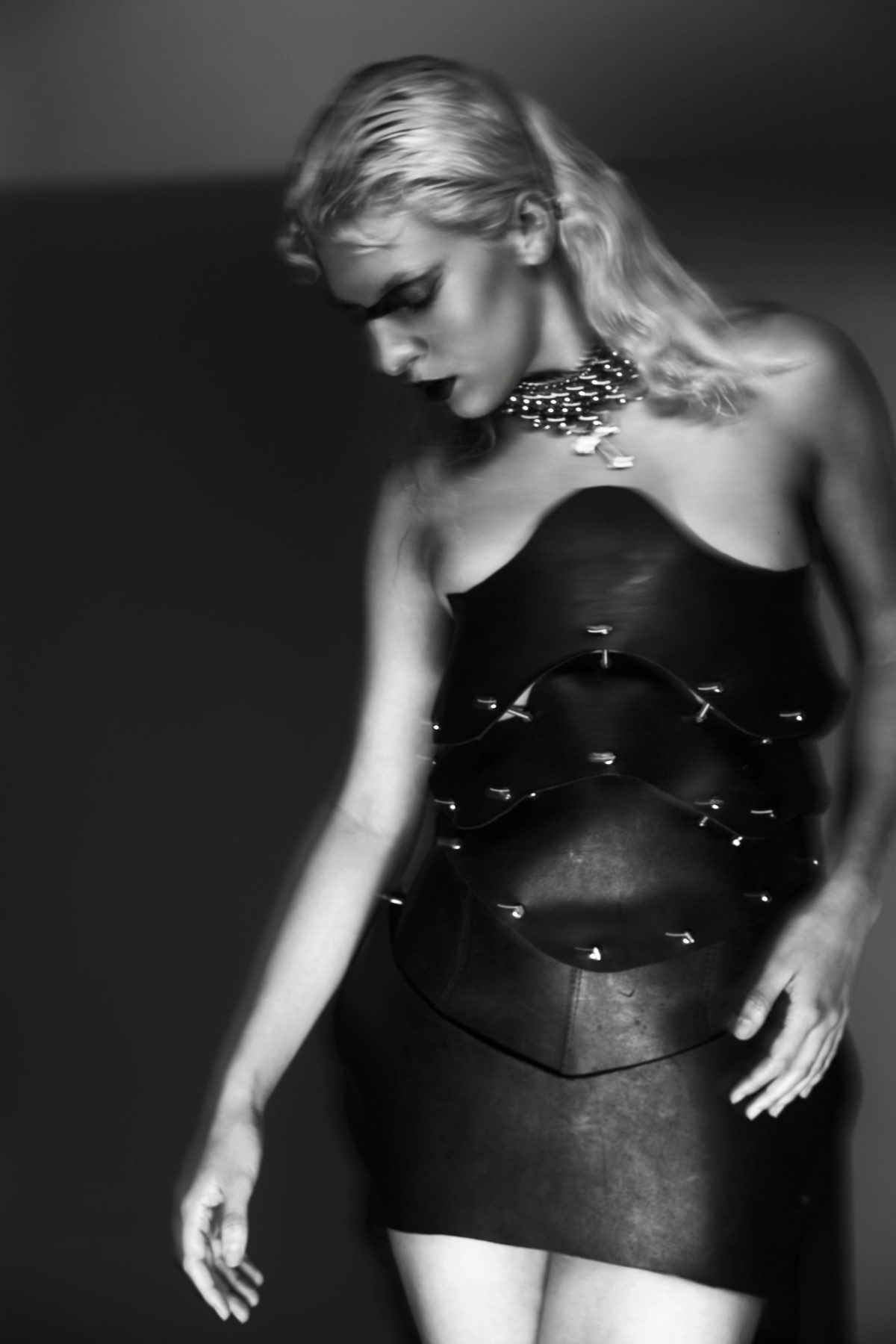
Your garments often sit between sculpture and skin, armour-like yet intimate. How do you balance form and function when working with heavy or rigid materials like leather and metal?
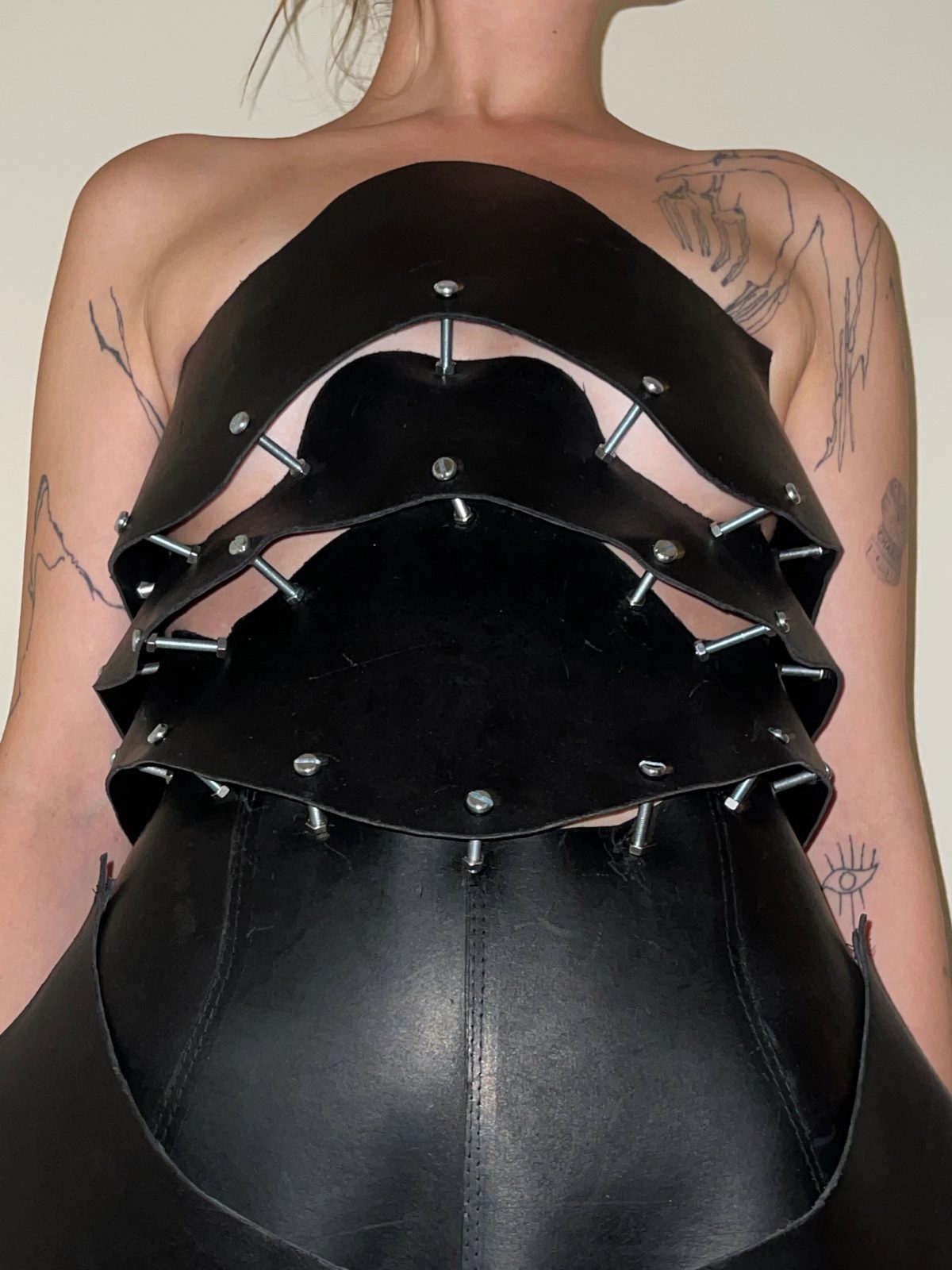
My garments usually stand within the ideology of wearable art. The masculinity of heavy and rigid materials is rendered defunct with a vulnerability like flesh within nude moulded nature making it a soft reveal of bowel-like innards. Function operates in the background nodding toward the archetype.
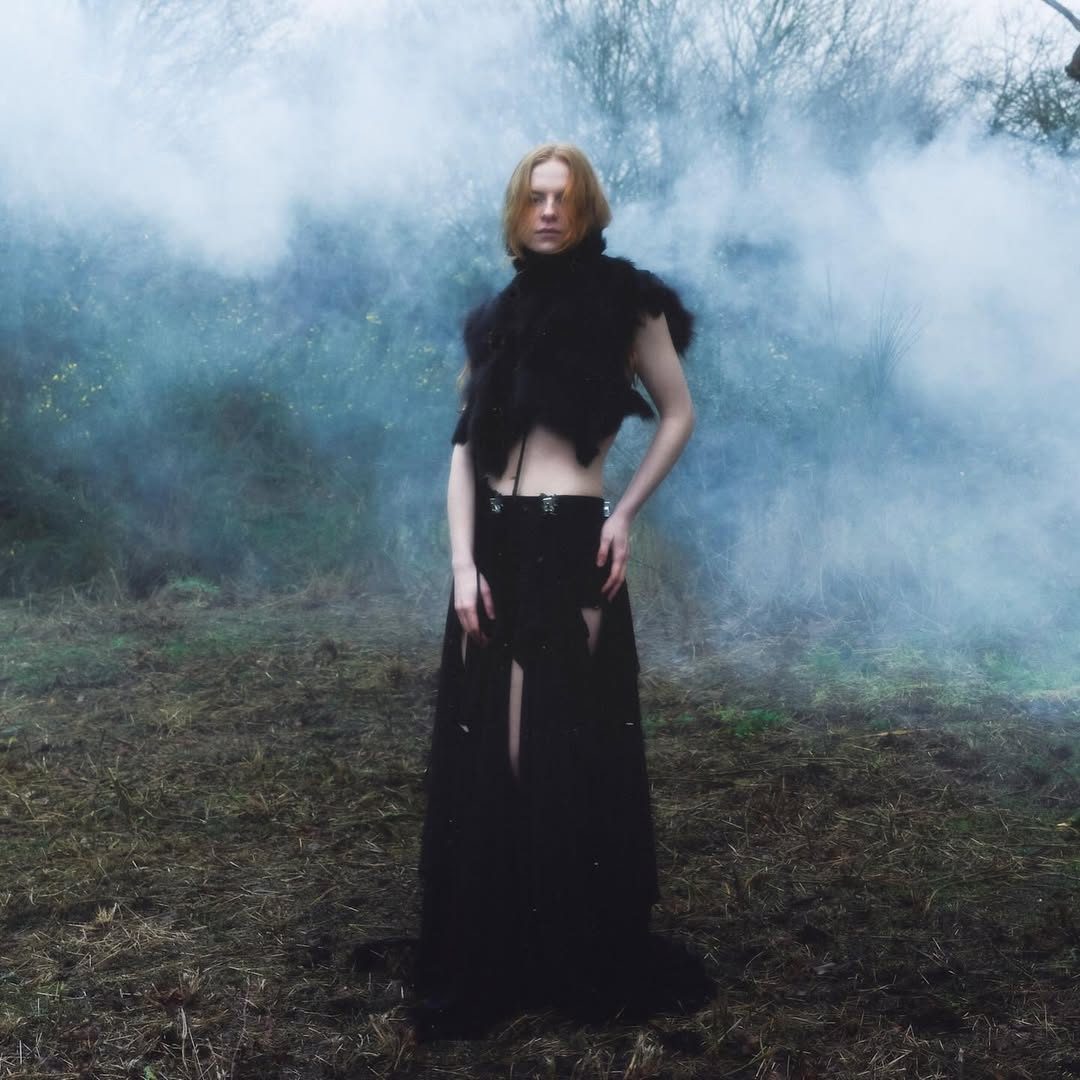
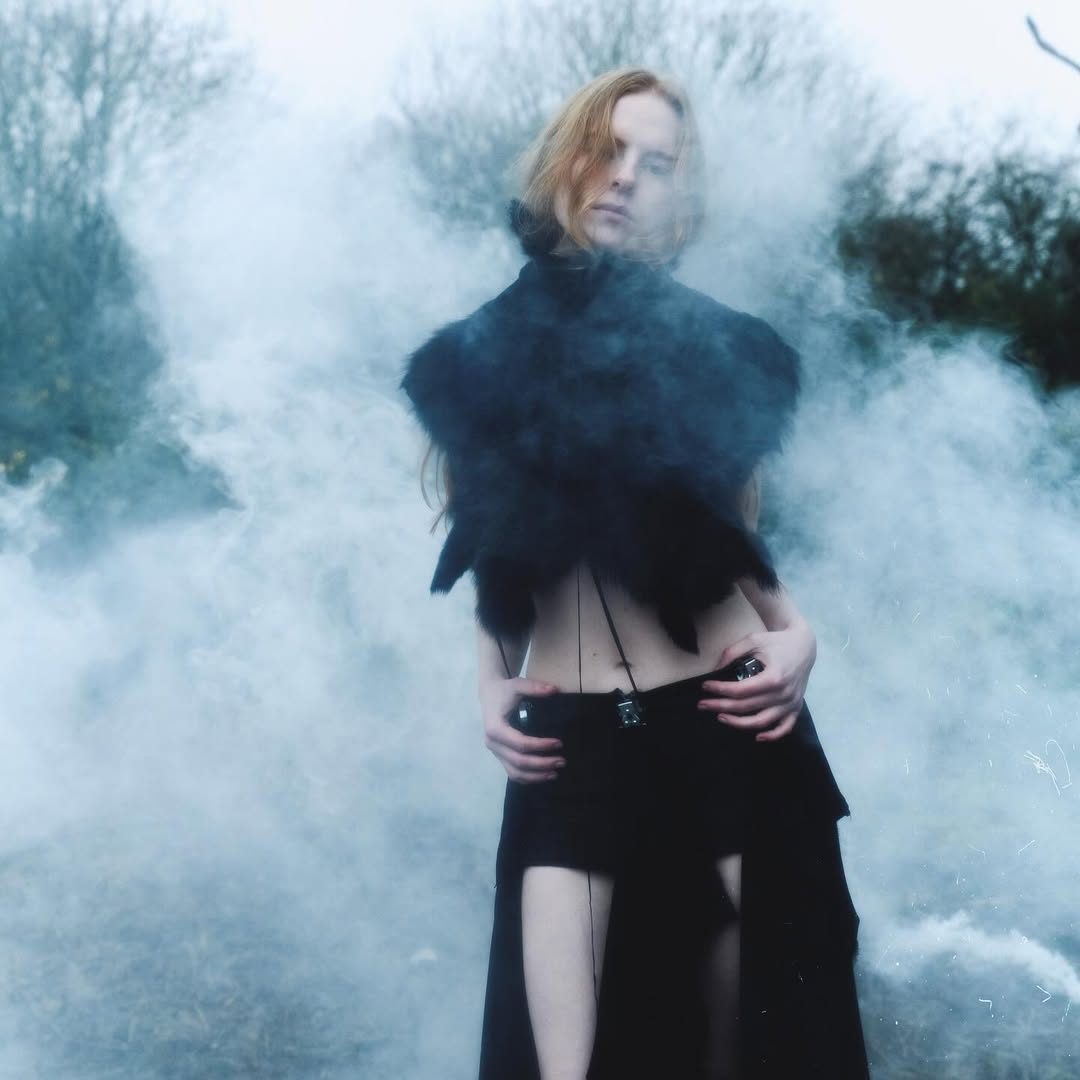
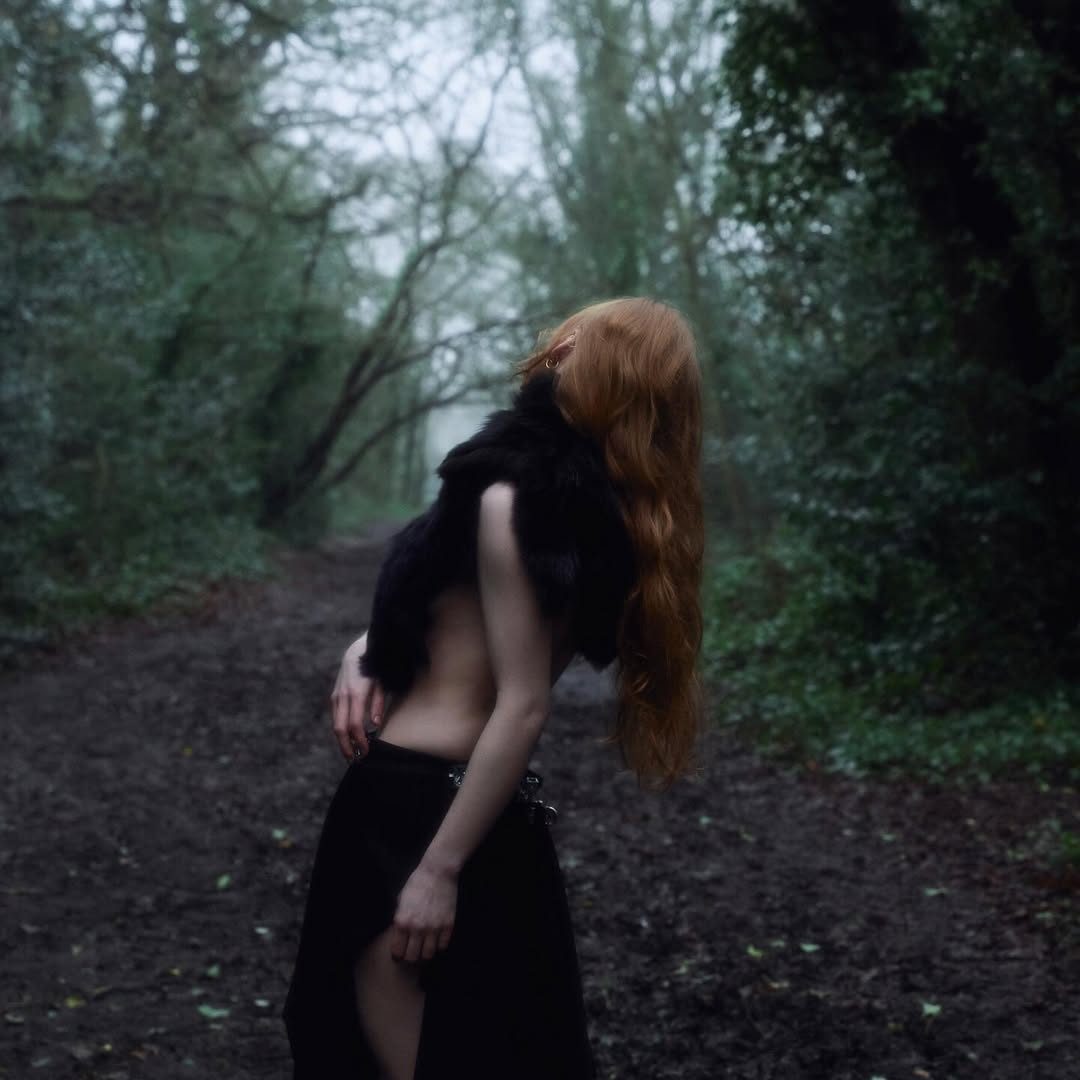
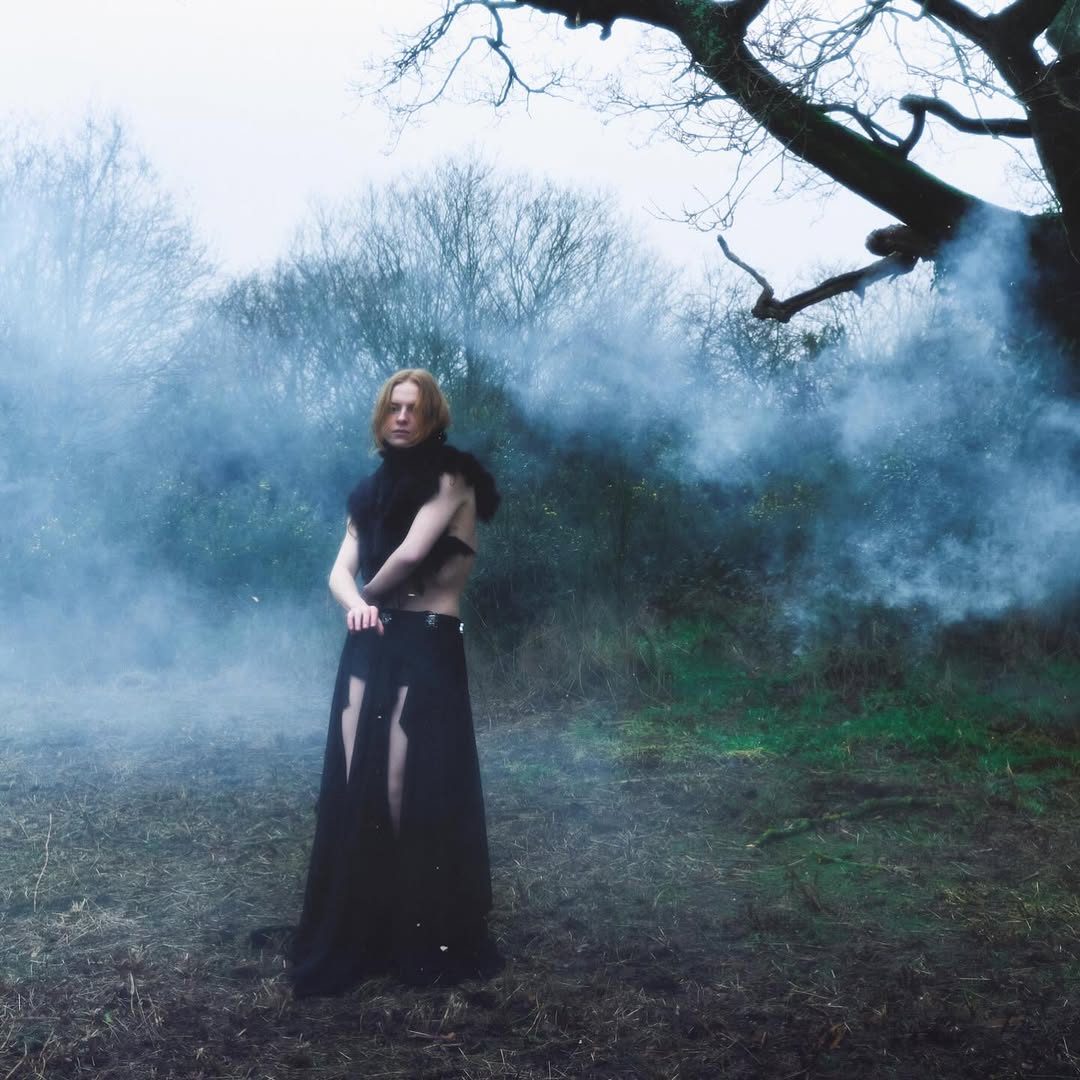
@MORRIGANRAWSON @IEVA_____________ @MILDAMBR @BONBONTATTOOS @VULTURES.PORTRAYAL
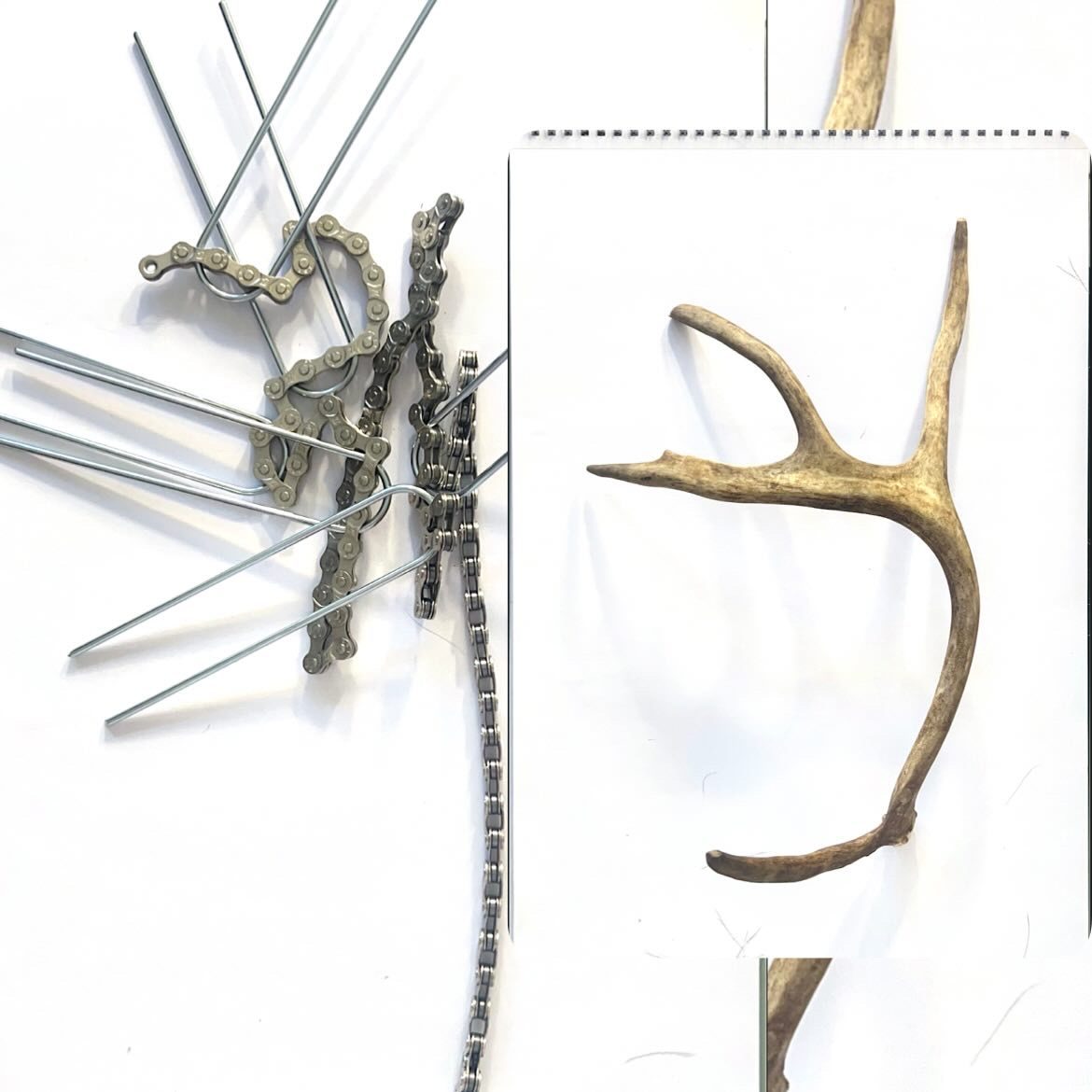
You often work with repurposed and deadstock materials. What is your approach to sourcing and preparing these fragments before they enter your design process? Do you let the material dictate the form, or the other way around?
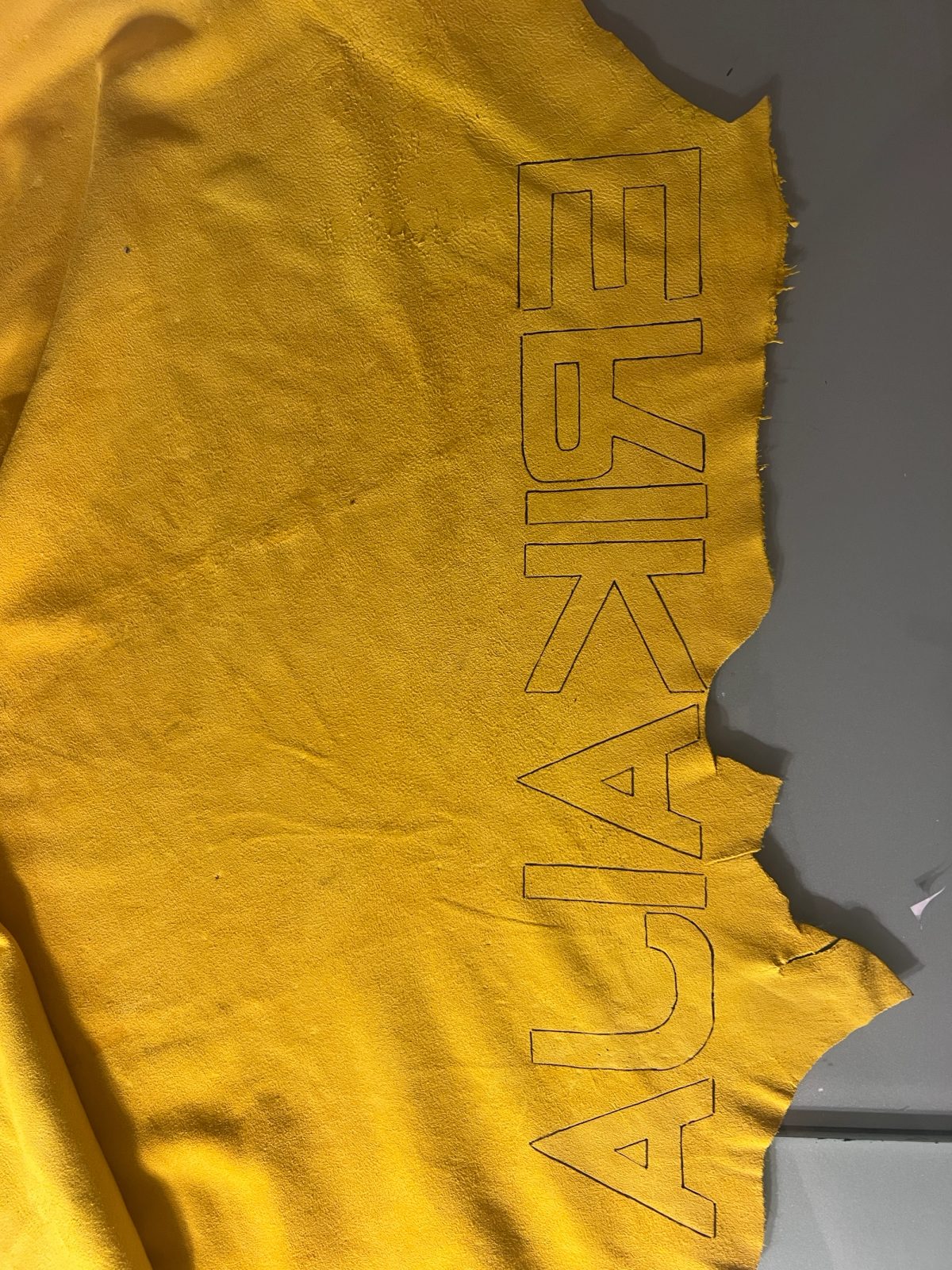
My materials are sourced from numerous locations, they may appear to me on the street or are obviously hunted down within various markets. Within the design process, the materials offer obscure interplay of silhouette which engages the body as a site of shifting focus.
Construction in your work feels performative, visible seams, external zippers, exposed structures. Is visibility a form of honesty in your process, or a deliberate aesthetic of rupture?
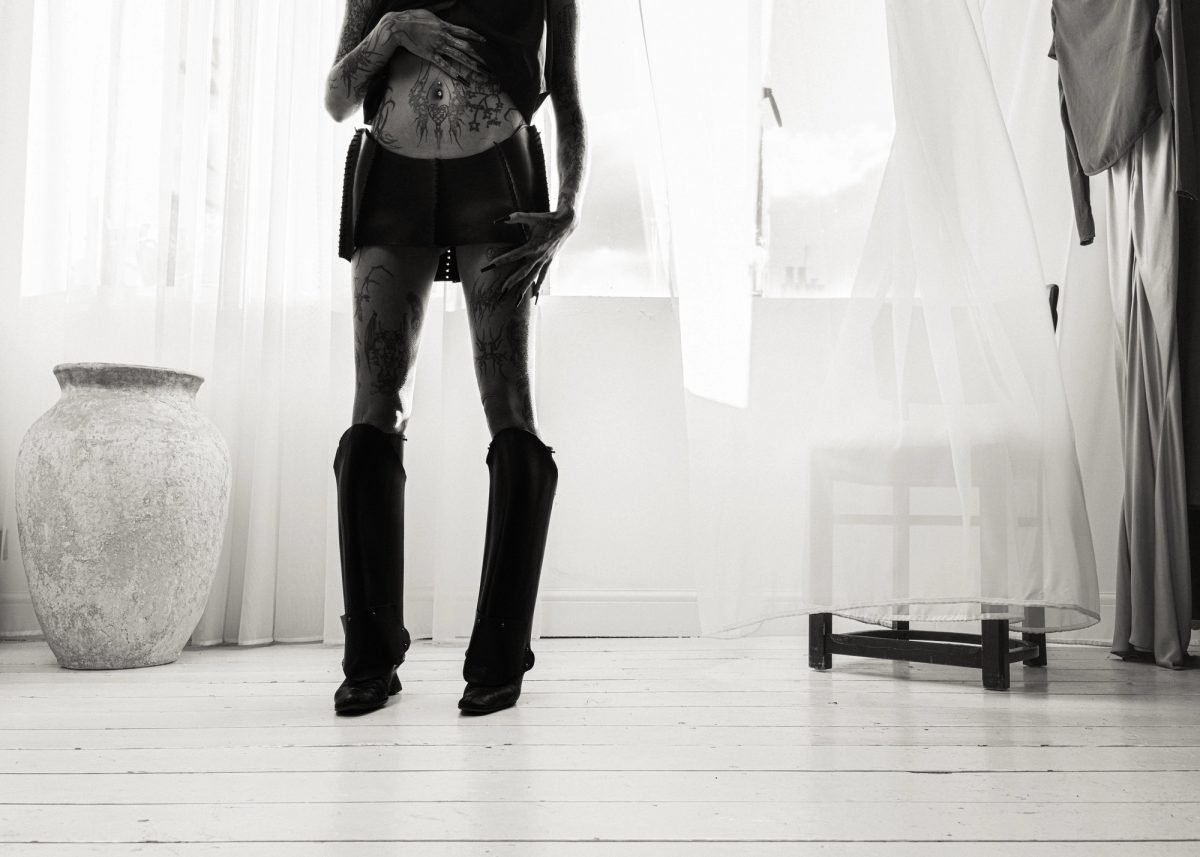
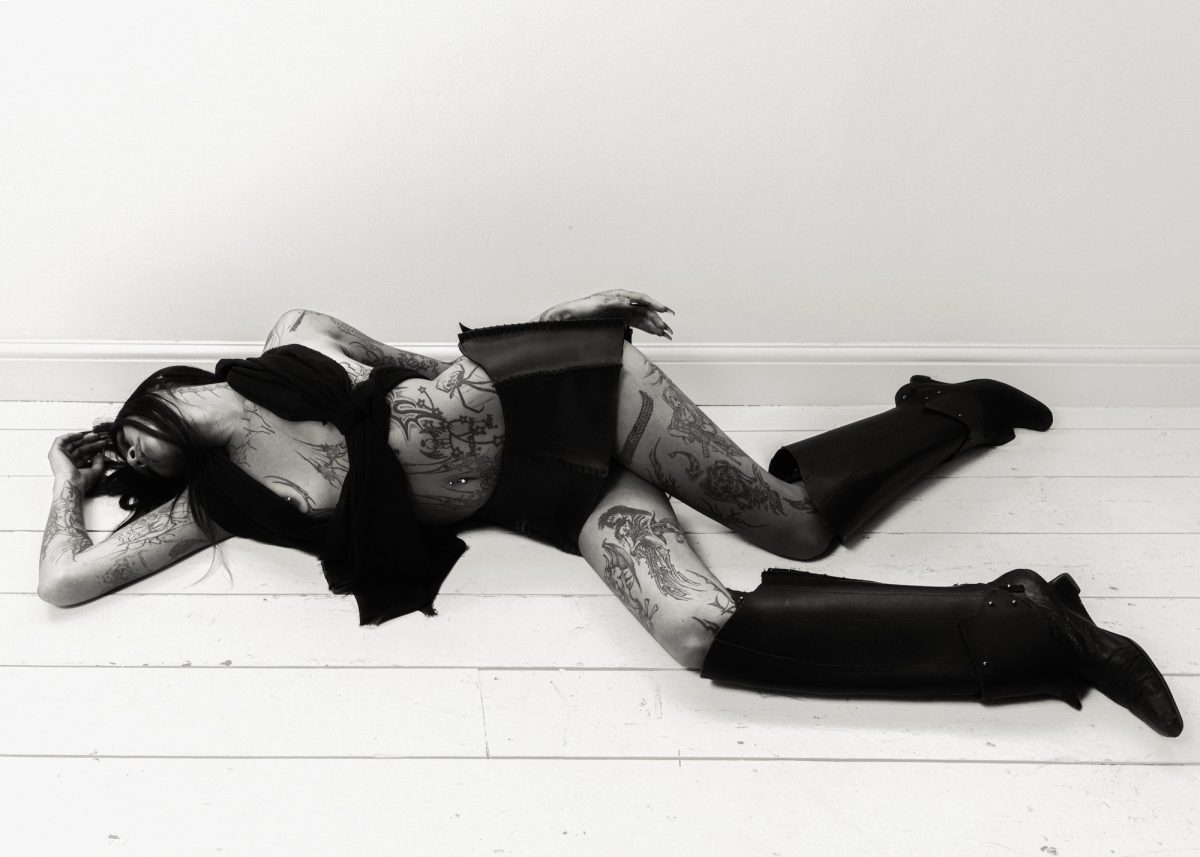
My garments work as a boundary between protective armour and provocative elements through material use and erotic silhouettes. The exposed construction is raw in that it feels provocative like revealing a part of the body meant to be concealed.
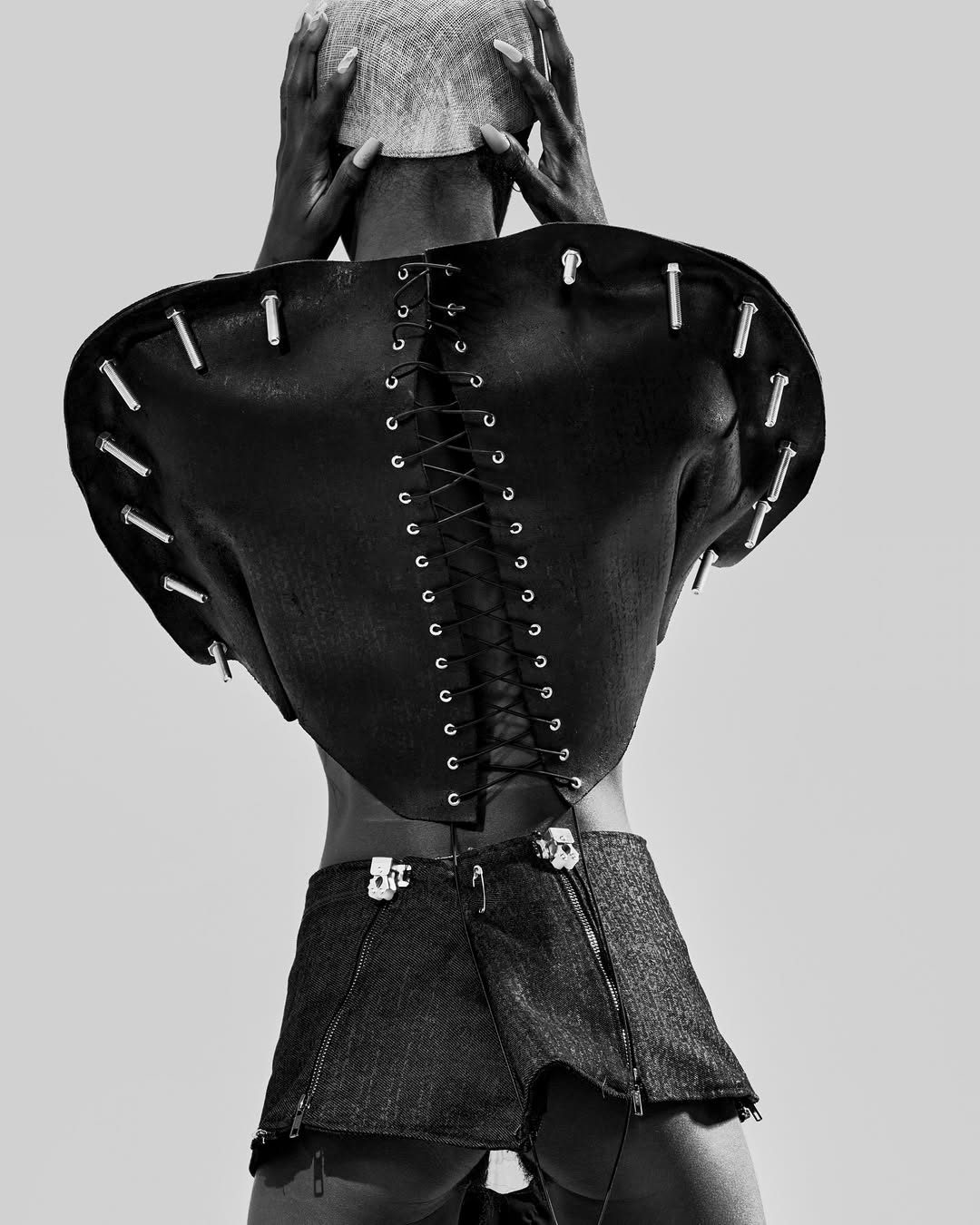
TWEAKS @HIFI.LONDON AND @HIDDENAGENCY
PHOTOGRAPHY @MORIARTYPHOTO
STYLING @KAREN_BINNSZZZZ
"The masculinity of heavy and rigid materials is rendered defunct with a vulnerability like flesh."
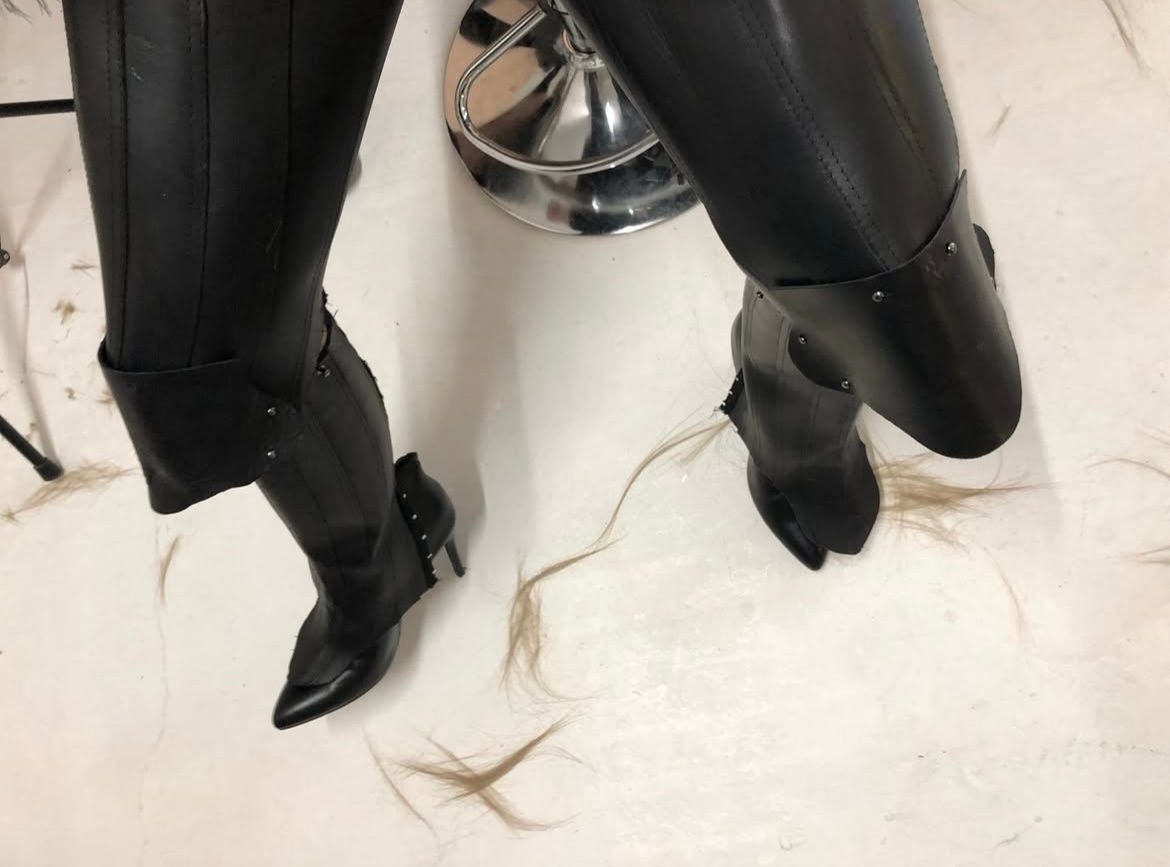
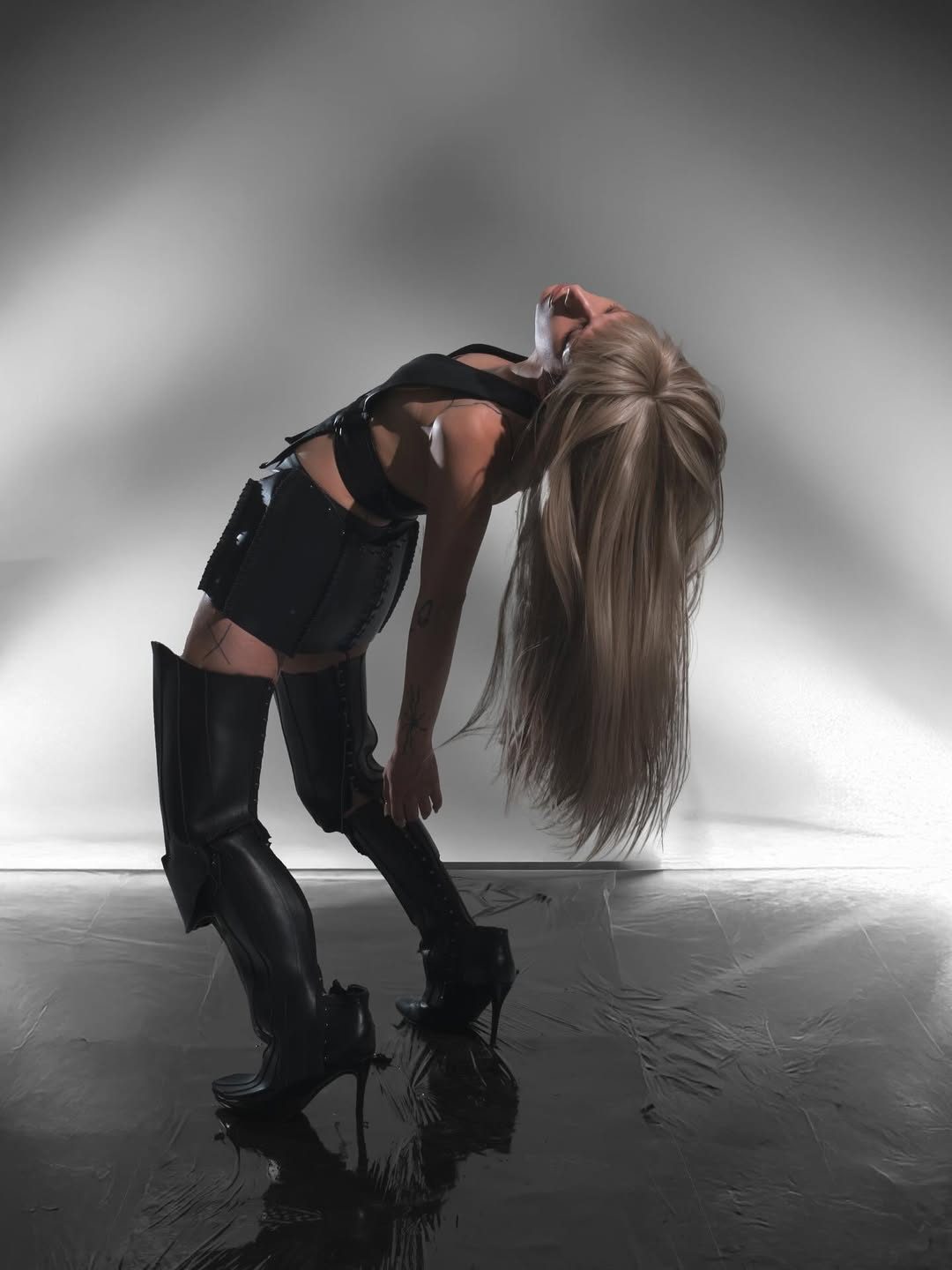
@SISSYMISFITT IN @PHREAKISSUE @NINI_BARBAKADZE @SASKIAHAST
You’ve described your approach as a kind of bricolage, working with what already exists. Is this methodology an act of sustainability, rebellion, or preservation for you?
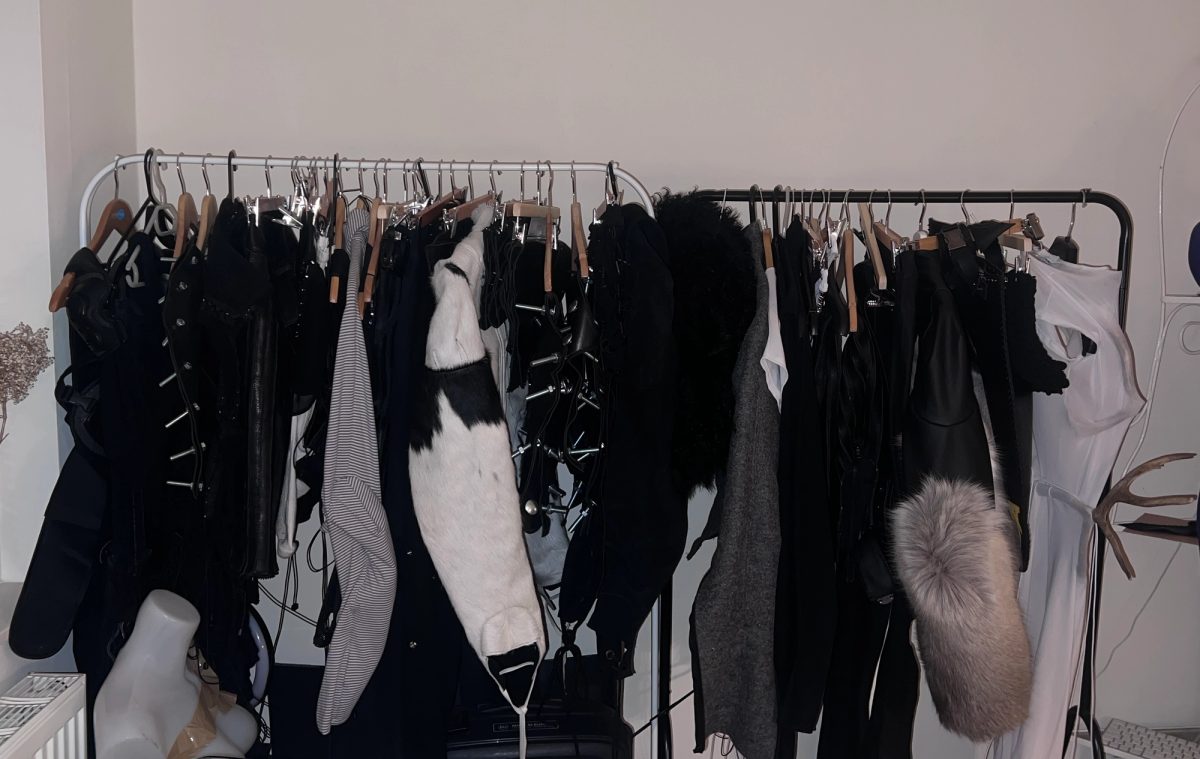
I use bricolage within two contexts: the design process and material use, where one informs the other. Within design, I physically collage my lineup with miscellaneous items around my house that resonate with the themes surrounding the project I am working on. This allows me to create tangible visuals that inform silhouette and material use. The miscellany is often interpreted into the garments and acts as its own design anchor, forming a methodology of design rebellion and material sustainability.
Many of your silhouettes seem to evoke tension between movement and restriction, attraction and discomfort, as if function is deliberately destabilised. Do you see limitation as an aesthetic tool? What happens to clothing when it no longer needs to serve the body, when it becomes an autonomous object?
My garments are a statement on how beauty does not serve comfortability. How to establish the body as a tool for aesthetics, it is stripped of its function. Pushing the boundary of the female form into a mere scopophilic object is portrayed through restriction. However, I don’t see my garments as autonomous objects but rather a commentary on issues surrounding the body, a wearable and uncomfortable protest.
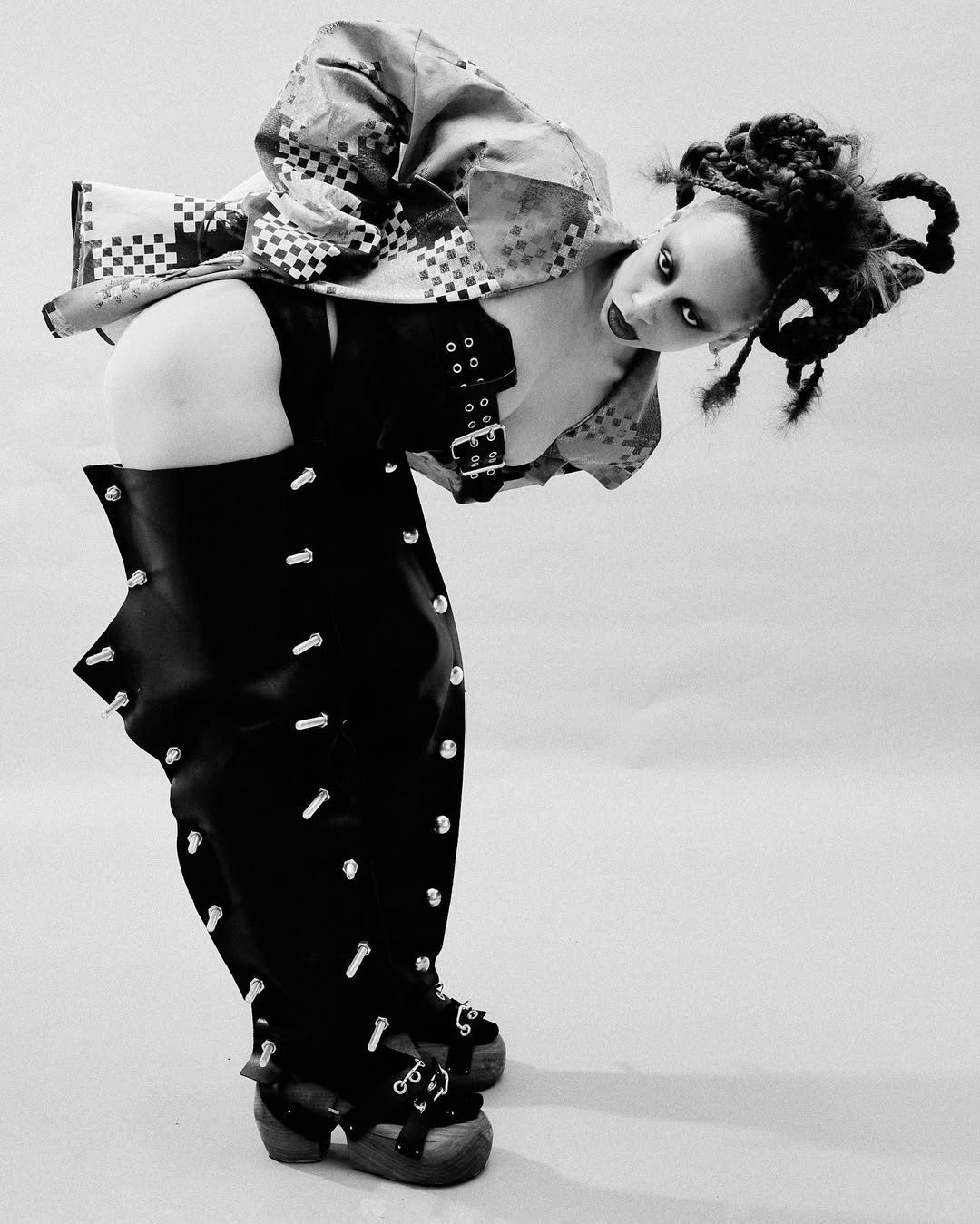
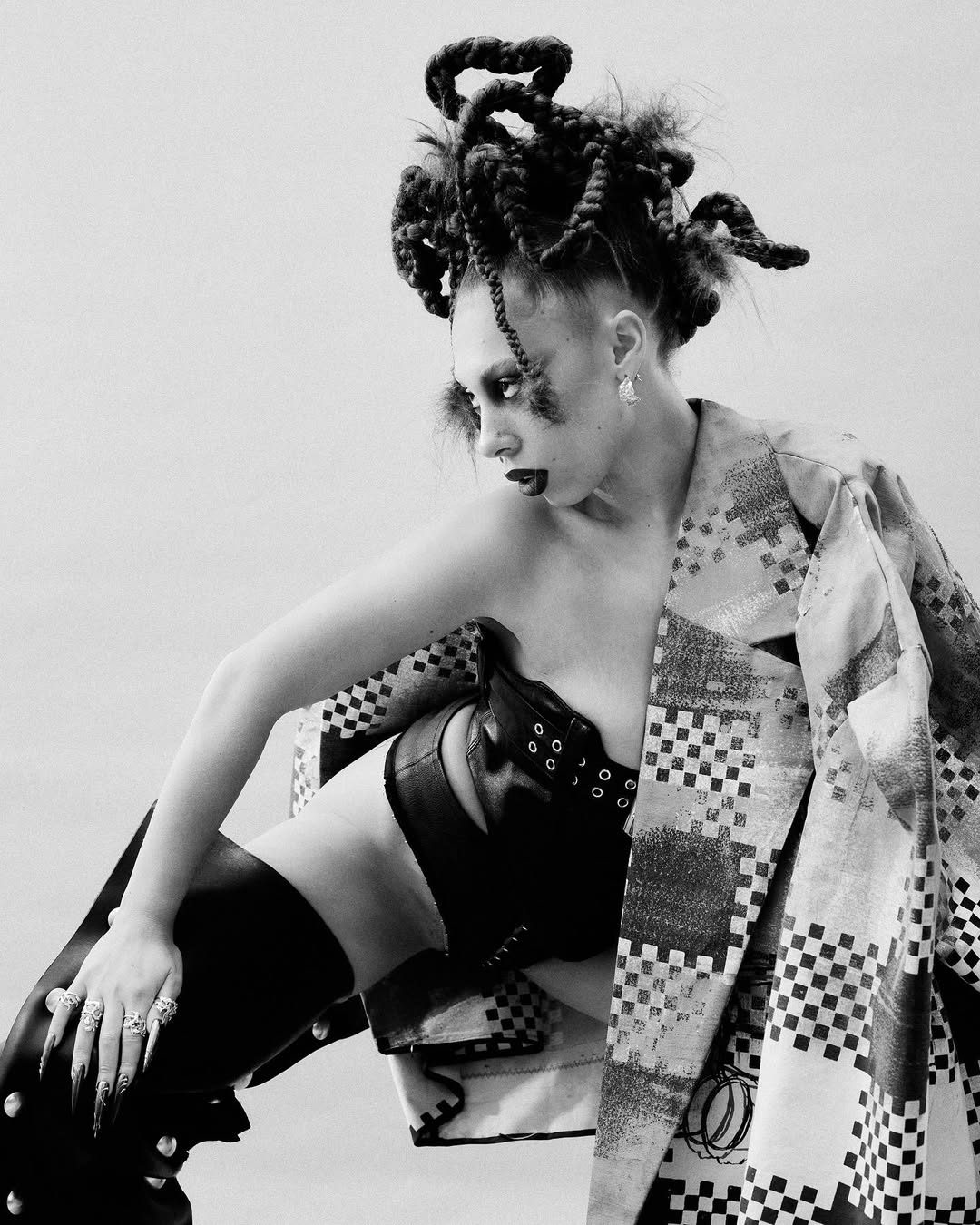
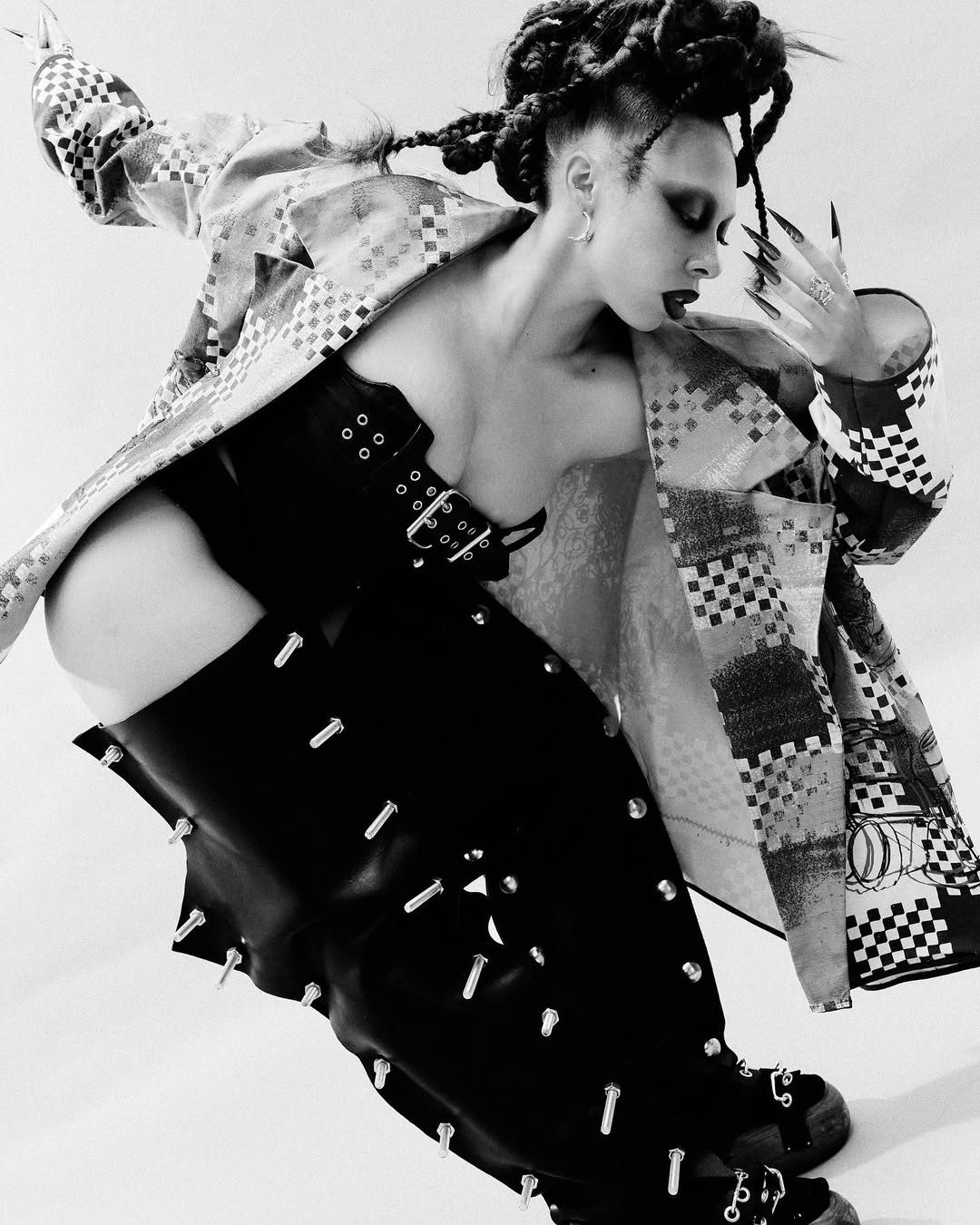
R @17.23.MAGAZINE
CREATIVE DIRECTOR & STYLIST: @RIANNAIRVINE
PHOTOGRAPHER: @AMINAHUMPHREYS
MODEL: @KENYAROPER
HAIR STYLIST: @LAYLACREATES
MAKEUP ARTIST: @ERVISAMAKEUPARTIST
NAIL ARTIST: @TEMISHASNAILROOM
PHOTOGRAPHY & STYLING ASSISTANT: @NIEPIEKNOSC
DESIGNERS: @ELENI____PA @EMILE.BRAIBANTTT @LISBETWRIGHT @SERENAMANGIATORDI @THELOUSSINE @LILIBUNTEN @LAY.AL @RONILEVY
"I don’t see my garments as autonomous objects but as a wearable and uncomfortable protest."
IDONY PT. 2
PHOTOGRAPHER @PATRICKOWENPHOTO
CREATIVE DIRECTION / GARMENTS @ERIKAIJA
STYLIST @HARRYJCRUM
MODEL @CHIA.RA.MAR.TINA
HMUA @NAYEON.MUA
ASSISTANT @FEYZABERCA
SHOES @ANTONINASJARISKATSI
JEWELRY @ANINEIRDEMX
Your work dismantles traditional ideas of femininity, not by rejecting it, but by distorting it. How do you navigate the relationship between sensuality and aggression in your designs?
Morality is the female form. The female figure has always been integral to the design of womenswear, shaped by societal norms and power structures. My work explores this boundary by combining protective and provocative elements, creating silhouettes that provoke discourse around eroticism, nudity, and agency.
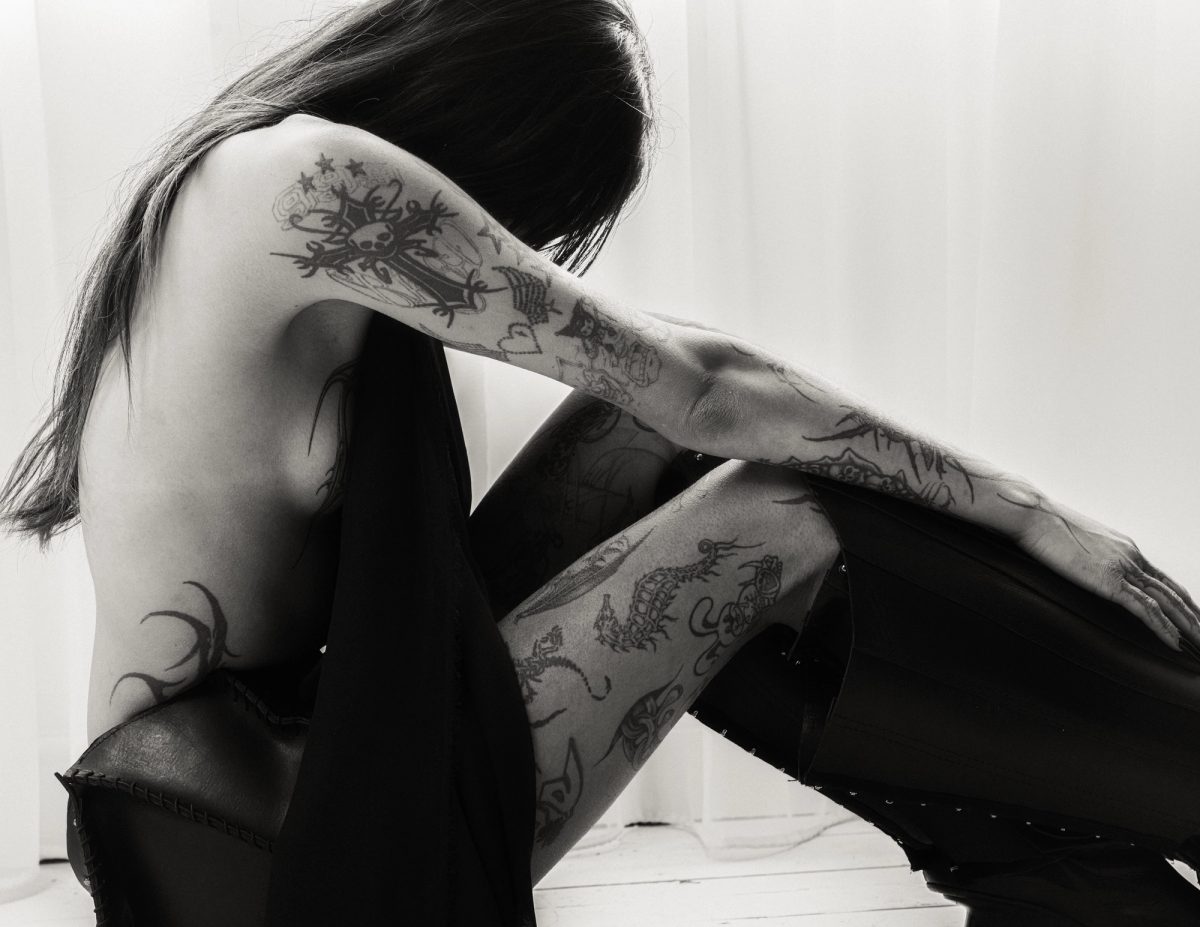
STYLING @IEVA_____________
PHOTOGRAPHY @SAMMUELEDWARDS
MAKEUP @JO.MAKEUPART
MODEL @_XENIX
PHOTOGRAPHY ASSISTANT @CORAIMAVALDEZR
"Designing, for me, is a creative enquiry. Finding a way to navigate these ideologies on my own terms is what keeps me curious."
Fashion is often obsessed with smoothness: polish, perfection, finish. Yet your pieces celebrate roughness, edges, tension. What does imperfection mean within your work?
Imperfection allows playfulness, whether that be in the creative process or within wearability. I find perfection incredibly limiting. I don’t want to create these fragile things that collect dust in the closet.
Beyond aesthetics, what does empowerment feel like to you in the act of making? Is it found in the craft, the concept, or in the person wearing the garment?
Conceptually my work always revolves around empowerment as they are protective yet provocative. The most empowering thing I can think of is this quote Alexander McQueen said, “I want people to be afraid of the women I dress,” and channel that energyin my own way. The garments I make are strong within their materials and silhouettes, I want the wearer to feel that.
Finally, you once said, “reclaiming aesthetic pleasure as a form of empowerment.” In a time when fashion often hides behind ideology, how do you keep pleasure alive in your practice?
Designing, for me, is a creative enquiry. Finding a way to navigate these ideologies on my own terms is what keeps me curious.
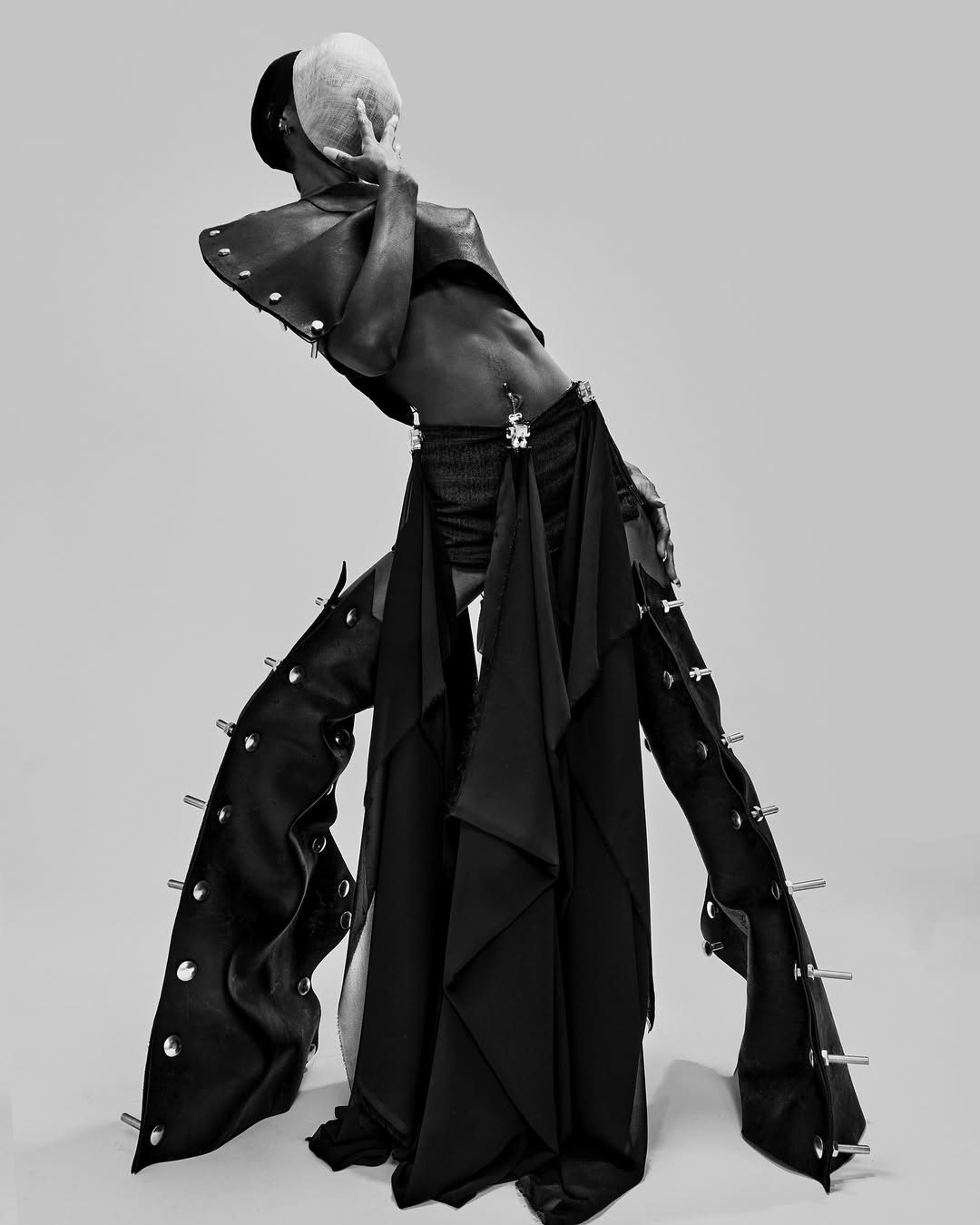
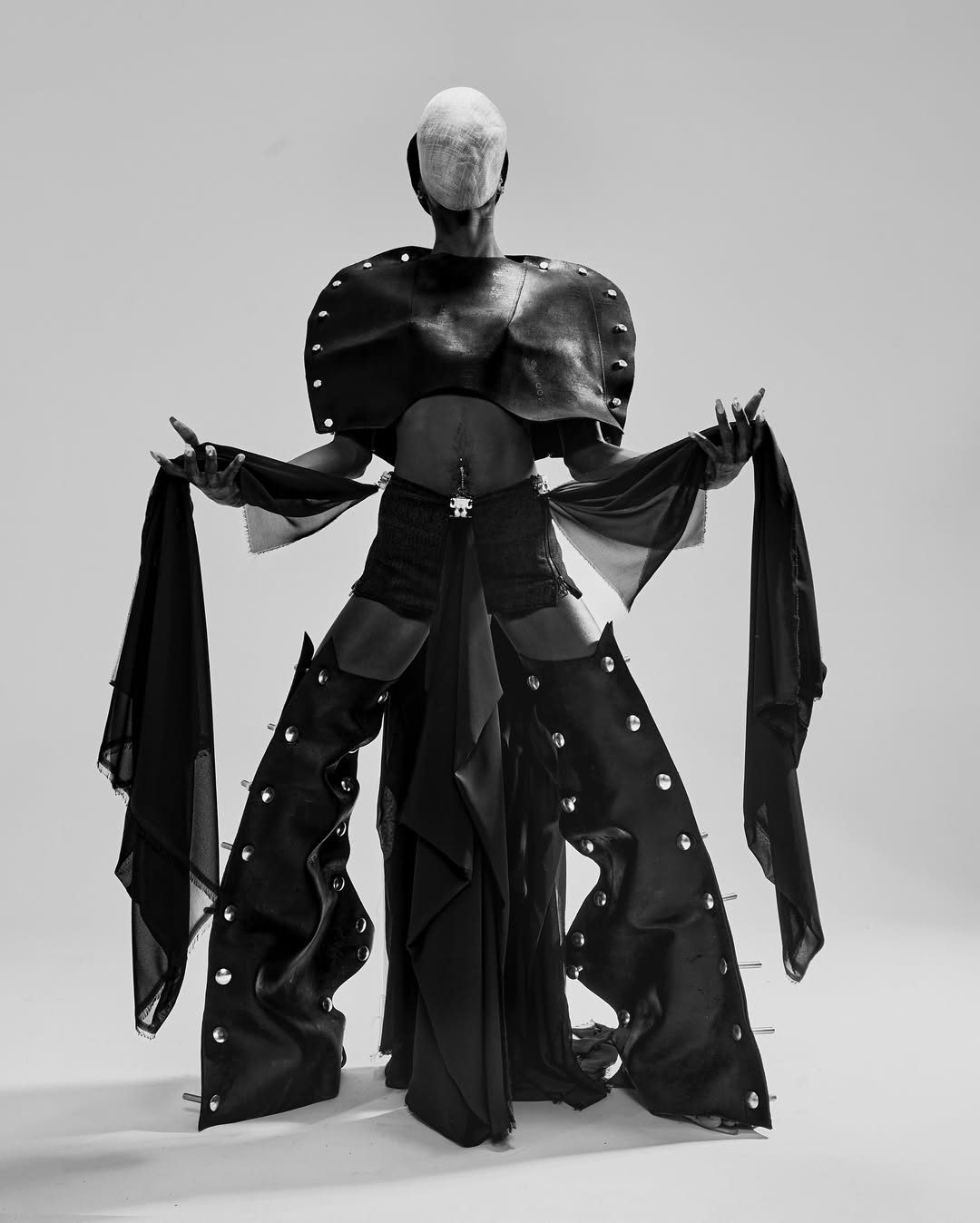
TWEAKS @HIFI.LONDON AND @HIDDENAGENCY
PHOTOGRAPHY @MORIARTYPHOTO
STYLING @KAREN_BINNSZZZZ
COVER IMAGE CREDITS:
STYLING @IEVA_____________
PHOTOGRAPHY @SAMMUELEDWARDS
MAKEUP @JO.MAKEUPART
MODEL @_XENIX
PHOTOGRAPHY ASSISTANT @CORAIMAVALDEZR