ACCUMULATIONS OF DECISIONS, ACCIDENTS, AND INTERVENTIONS: IN CONVERSATION WITH KASPAR DEJONG
CONVERSATION BY SELIN KIR
CO-FOUNDER, CURATOR
21 MAY 2026 — UNITED KINGDOM
Kaspar Dejong's work begins in the encounter with a timber post pulled from a canal, a surface marked by decades of exposure, a fragment of urban life that carries more history than any image could be asked to hold. Across painting, sculpture, furniture, fashion, and teaching, his practice is guided by a sustained attentiveness to what materials accumulate over time: the decisions, accidents, and interventions that give them their particular weight and presence. Dejong collects, repositions, and reconfigures, working with the charge already embedded in things. His is a practice of careful negotiation between what is found and what is made, between the conditions of the street and the conditions of the studio, between control and the unpredictable life of materials left to speak. In this conversation, we talk about urban mining and material memory, the research that sharpens intuition without fixing it, the different freedoms that fashion and the gallery wall each offer, and what it means to build a practice around accumulation rather than declaration.
Born in Maastricht, studied in Rotterdam, then Barcelona, then the Sandberg Institute in Amsterdam, now based in Amsterdam. The practice spans painting, sculpture, furniture, fashion collaboration, and teaching. What is the thread that runs through all of that? How do you describe what you do and why you do it?
Moving between different media creates a sense of freedom that allows a different kind of encounter with a specific idea. Painting, for me, is a space for slowing down, where I can always return to. Whilst sculpture, or working on large-scale installations, gets way more physical and site-specific. Collaborations, or other moments of exchanging, become extensions of that process. I like to see them as ways of testing how far something can shift while still holding onto its origin. I'd say it's more about setting up conditions where things can evolve through layering, collecting, and reconfiguring. The "why" sits in that curiosity: trying to understand how meaning is built over time, how something accumulates presence, and how it can be altered without losing its sense of place and history.
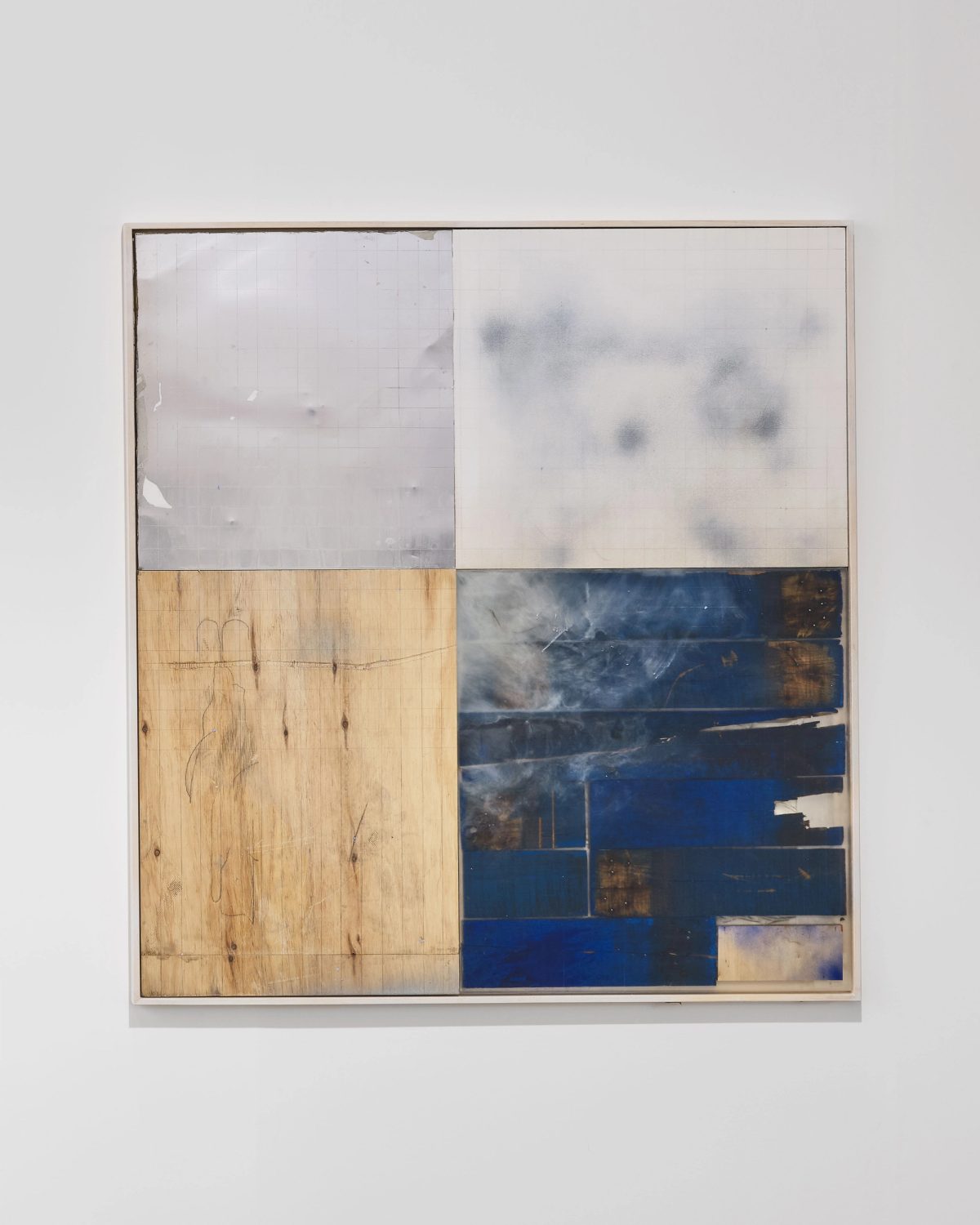
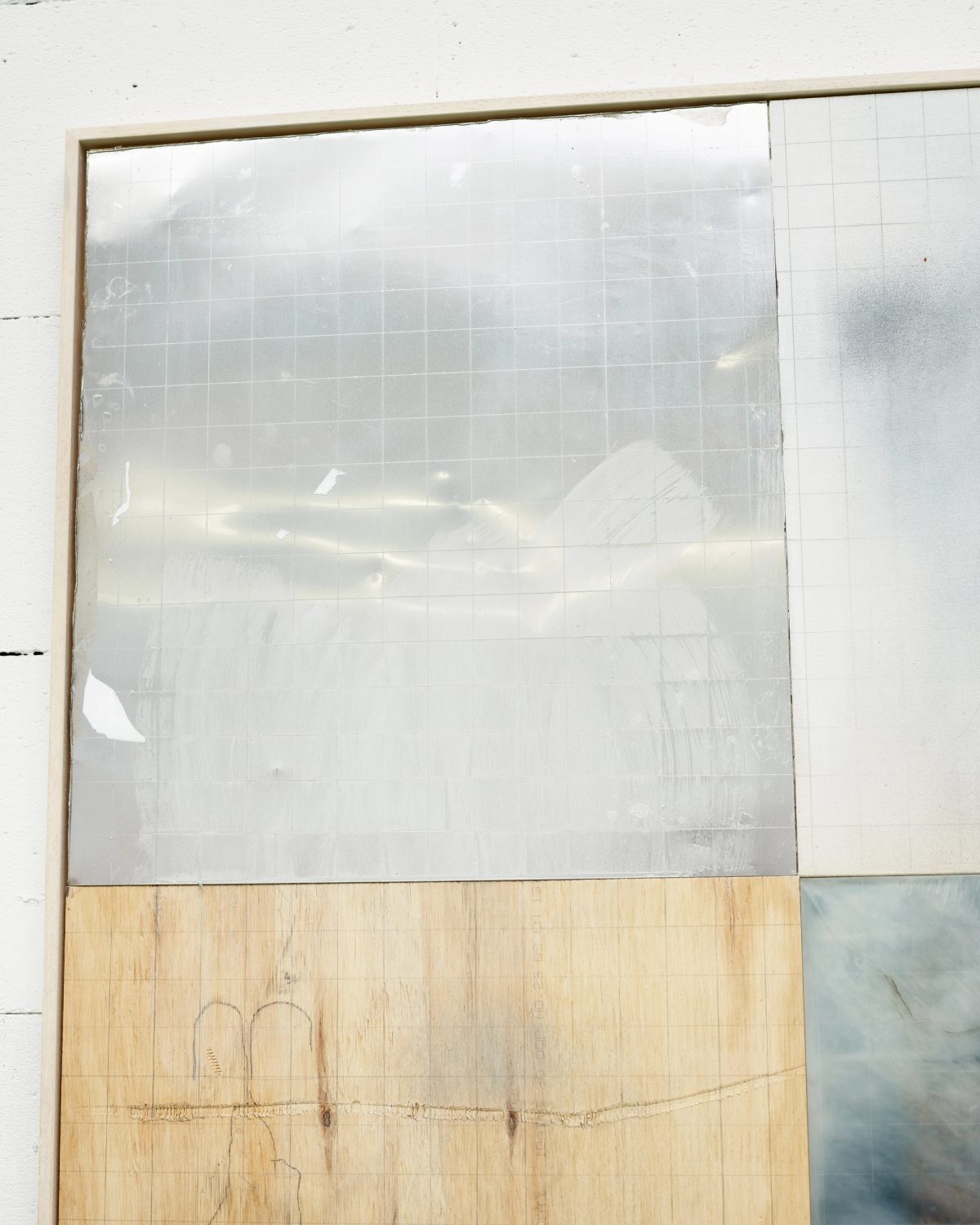
Kaspar Dejong, MUTT II, mixed media, 120 × 110 cm, 2026
The paintings use spray paint, graphite, oil paint, oxides; then there are the Mooring Seats made from reclaimed Azobe wood, works incorporating old railroad blocks, the PinkOrange collaboration built around wax-coated textiles and industrial foils. Unlike artists who commit to a single material language, the choice of material seems to follow the idea rather than the other way around. Is that how it works for you? Does the concept find its material, or does the material generate the concept?
It tends to move in both directions, rather than starting from one fixed point. Sometimes a material triggers something; for example, its weight, its history, the way it's been used or weathered that can become a starting point. Other times there's a more intuitive idea or image, and the material comes later as a way to give it form. I'm interested in materials that already carry a certain charge: industrial remnants, treated surfaces, things that have been exposed to use or time. They're not neutral, and that friction is important. It creates a dialogue between what I'm trying to do and what the material allows or resists. So instead of committing to one material language, I try to stay responsive. The work develops through that negotiation between intention and what's already embedded in the material. In that sense, concept and material are constantly informing each other, rather than one simply following the other.
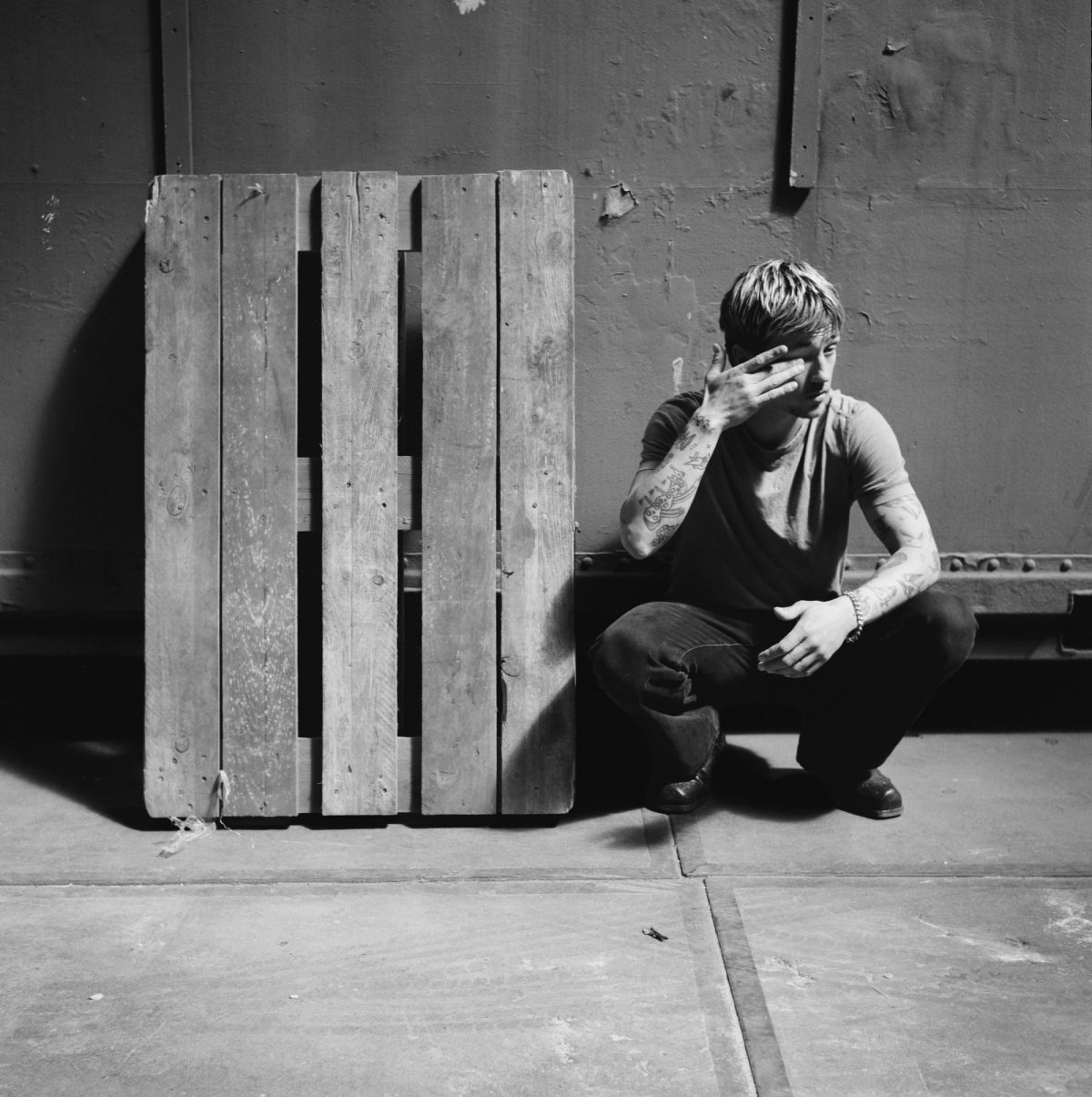
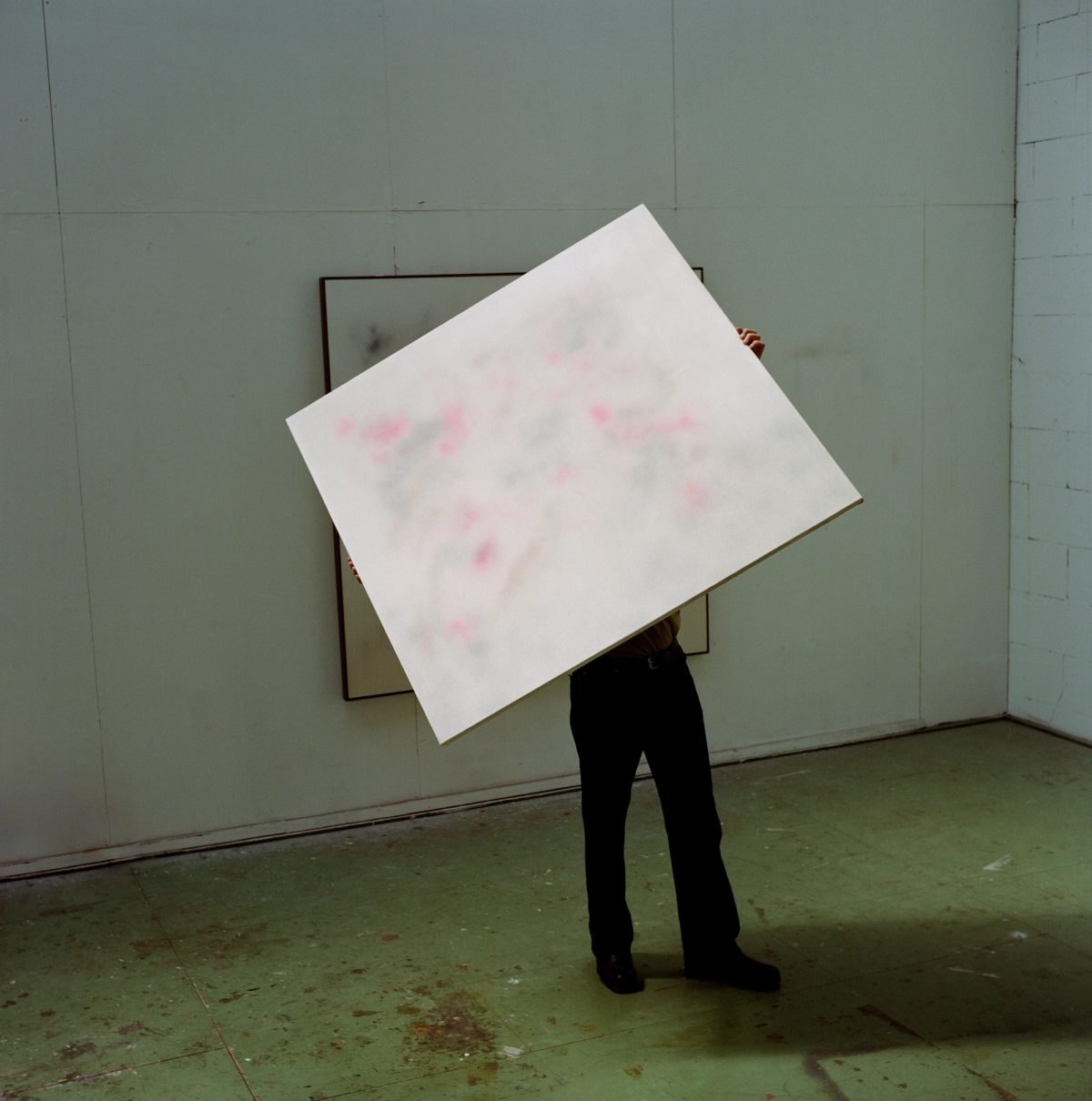
Kaspar Dejong, photographed by Lemmie van den Berg
"You start to see surfaces less as images and more as accumulations of decisions, accidents, and interventions over time."
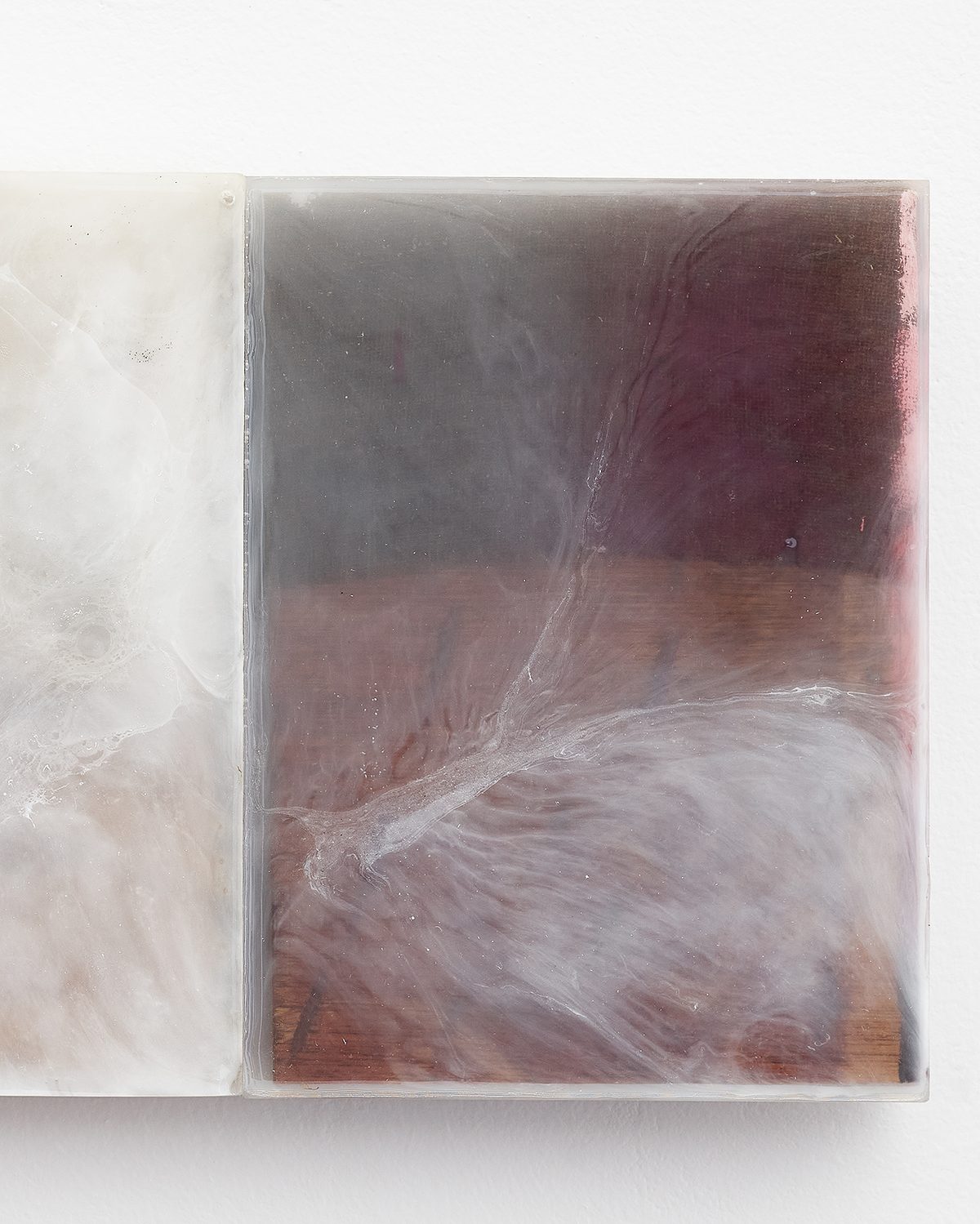
Kaspar Dejong, Cherub I, mixed media on wooden panel, 68 × 17 cm, 2026
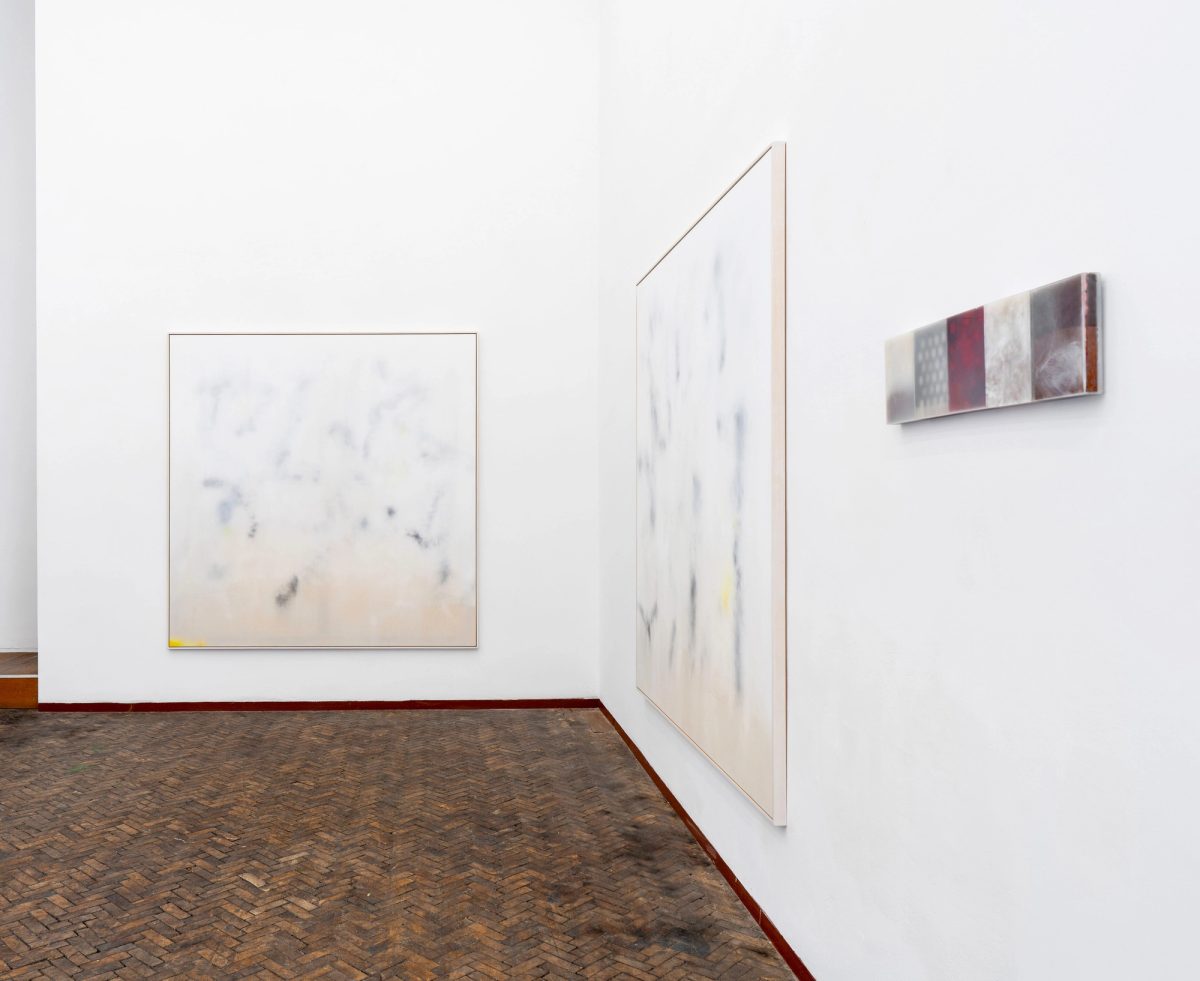
Installation view, Cherub, Gerhard Hofland gallery, Amsterdam, 2026
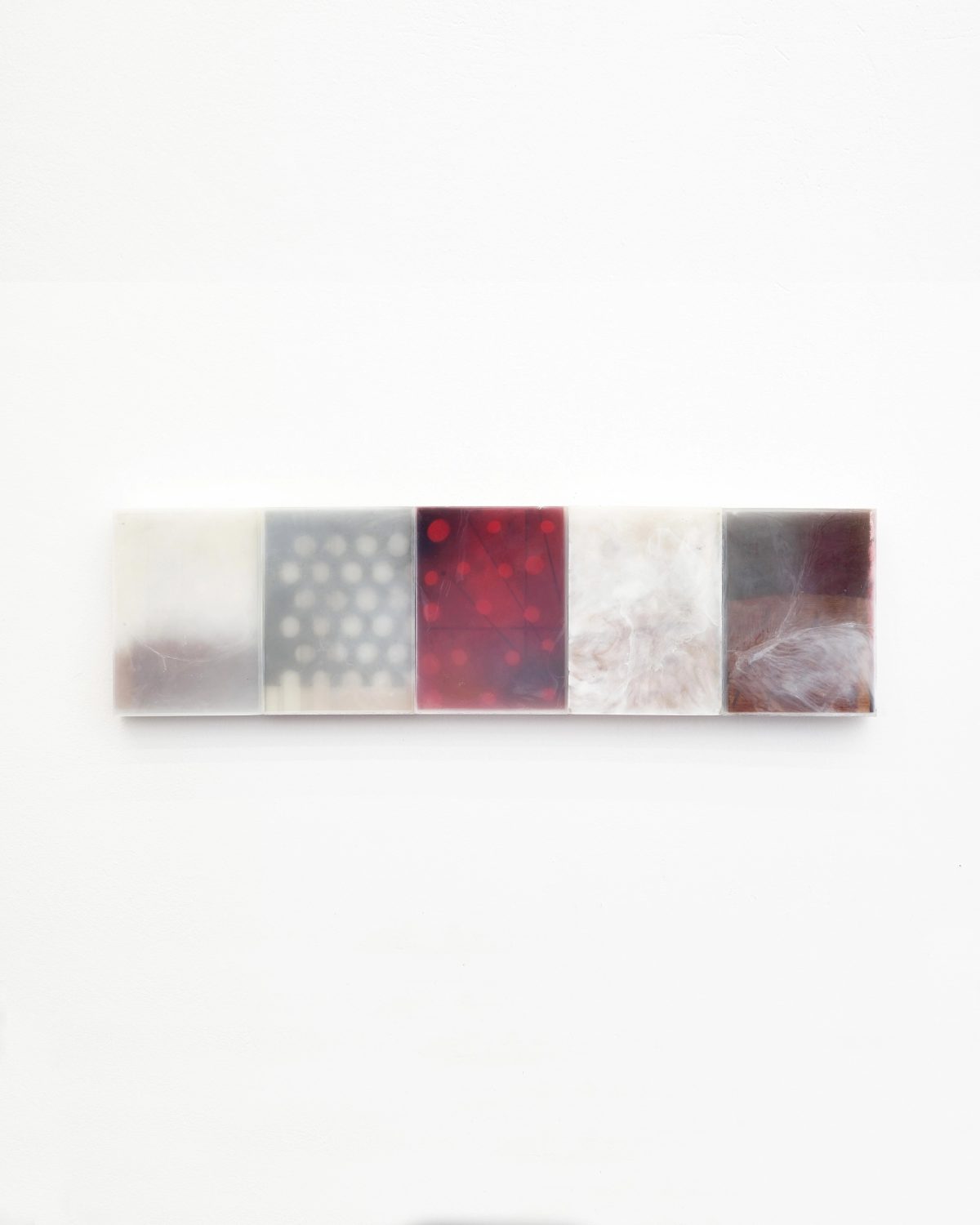
Kaspar Dejong, Cherub I, mixed media on wooden panel, 68 × 17 cm, 2026
The Art Brussels booth unfolds through a process of 'urban mining', discarded and collected materials reworked into new constellations, familiar surfaces shifted, everyday encounters opened up. That language suggests the city itself is a kind of studio. How much of the work actually begins outside, in the street, before it ever reaches the canvas or the object?
A lot of it begins outside, or at least is shaped there. Walking, collecting, noticing; those moments are not separate from the work but part of its starting point. The city acts like an active field where things are constantly shifting, accumulating, or being discarded. The work actually often starts before anything is made. It begins in those encounters with fragments, textures, or situations that hold something unresolved. The studio then becomes a place where those impressions are reconfigured, but they still carry the conditions they came from.
The research at SRAL on conservation techniques, the palimpsest, how time and use and vandalism layer themselves into surfaces is described as part of an ongoing research thread in your practice. What does it actually change to formalize something as research?
It changes the pace and the level of attention you give to things that might otherwise remain intuitive. A lot of what I'm already drawn to; surfaces that carry time, damage, repair exists quite naturally in the work. But by framing it as research, it becomes something you can return to more deliberately, almost like building a vocabulary around it. Working with conservation techniques, or studying how layers are formed through use, vandalism, or restoration, also shifts perspective. You start to see surfaces less as images and more as accumulations of decisions, accidents, and interventions over time. At the same time, I try not to let it become too fixed or academic. The research isn't there to explain the work, but to sharpen the sensitivity towards what's already happening within it. It gives structure, but it still needs to leave space for intuition and unpredictability.
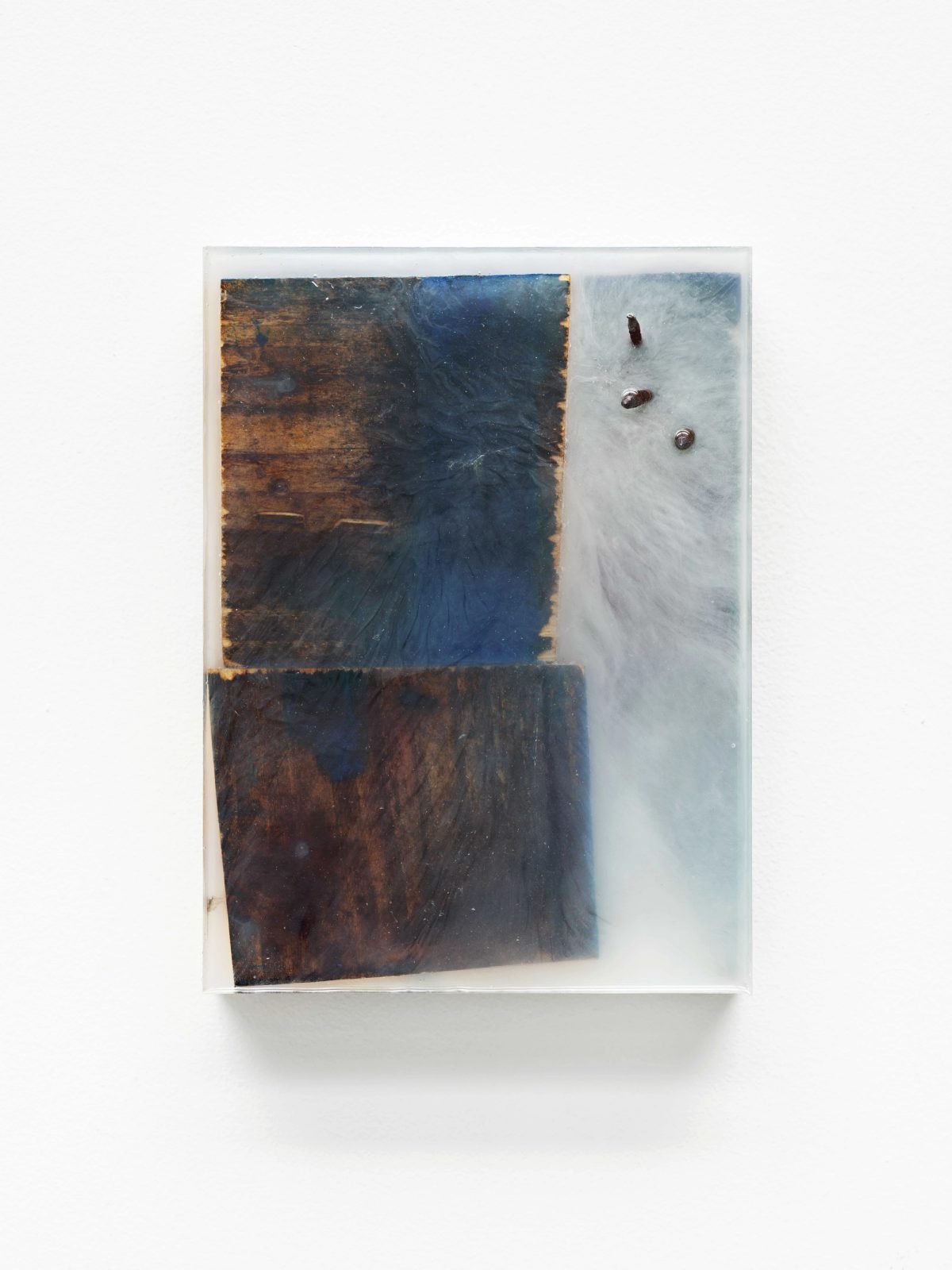
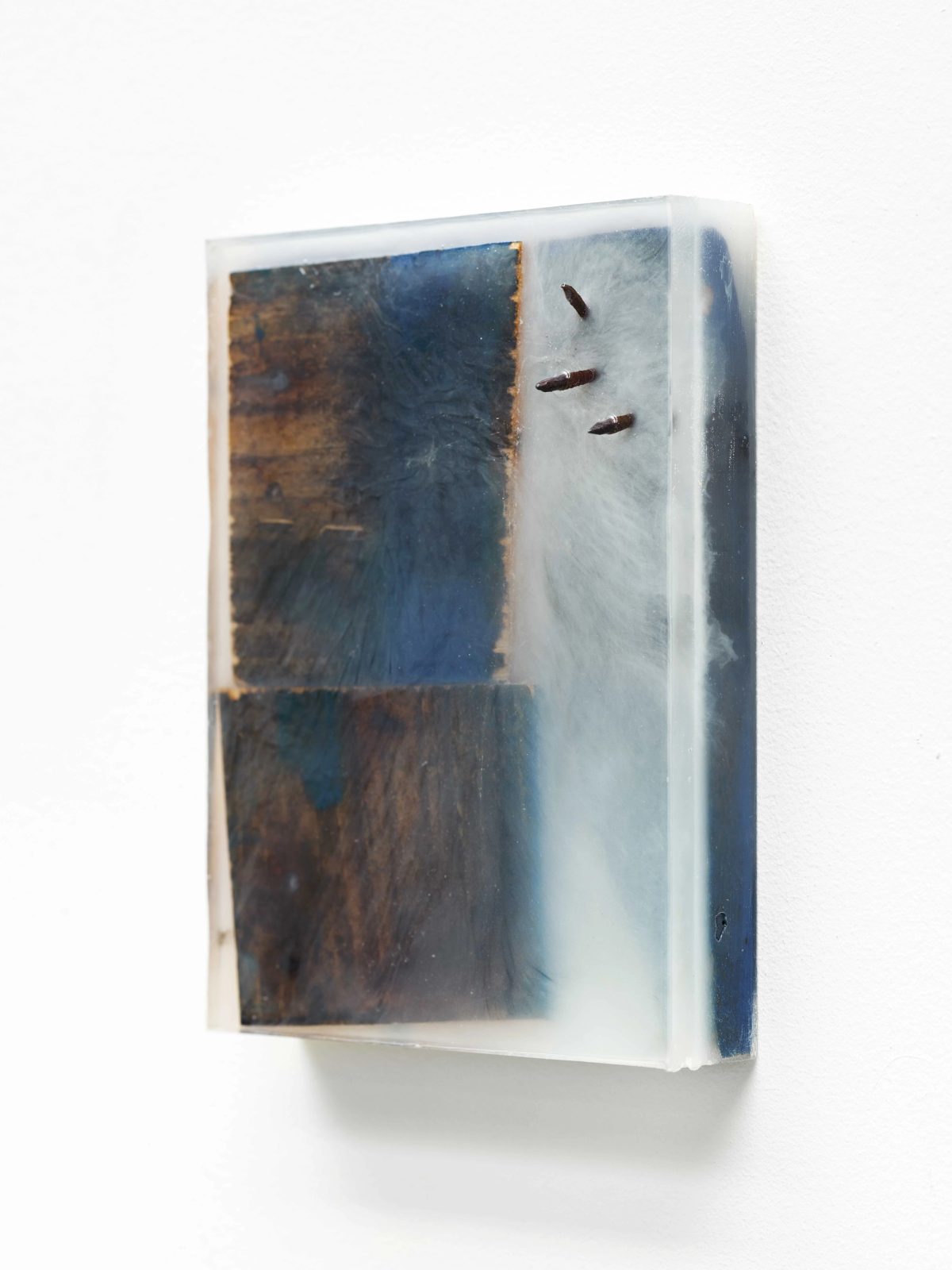
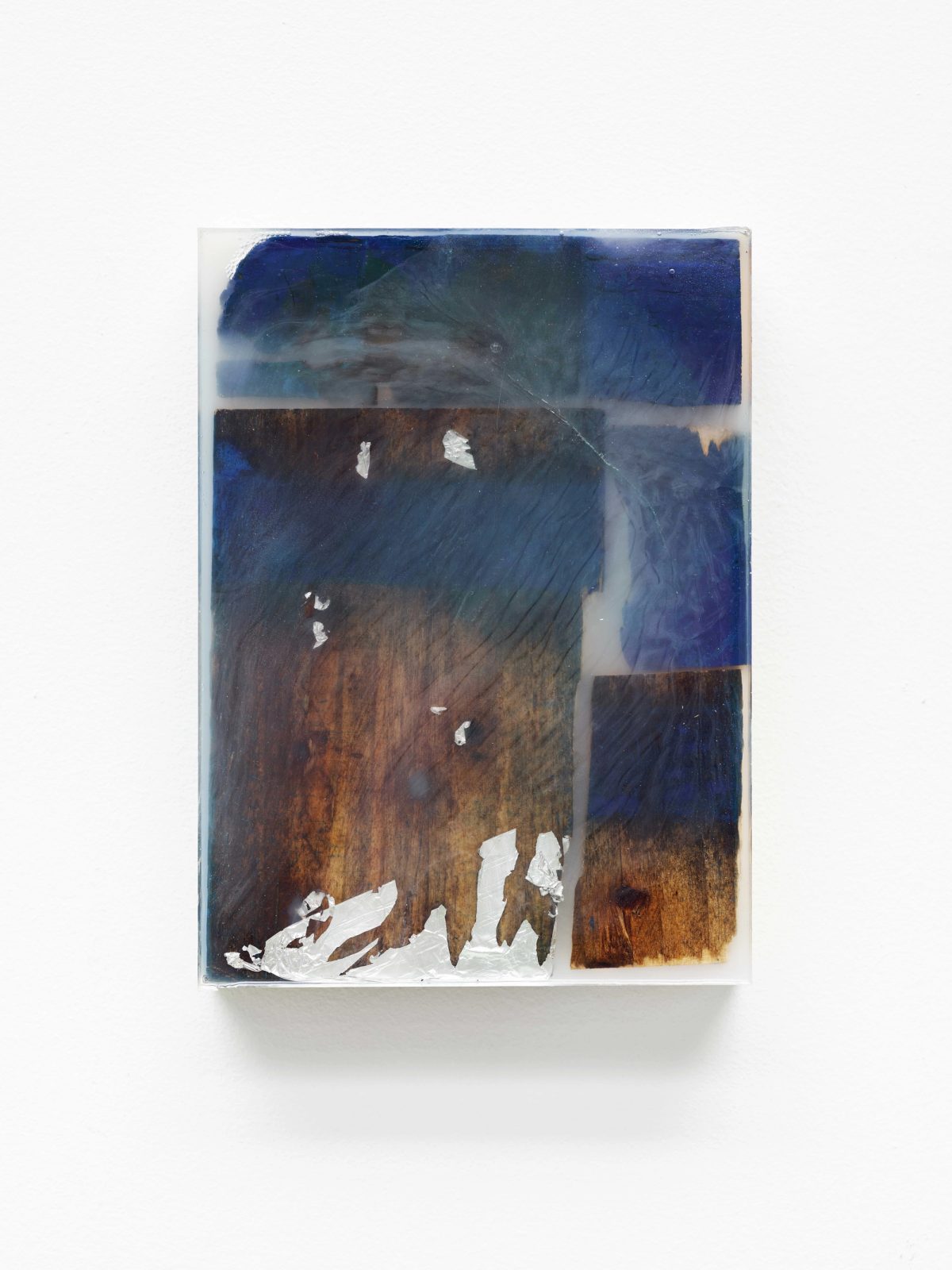
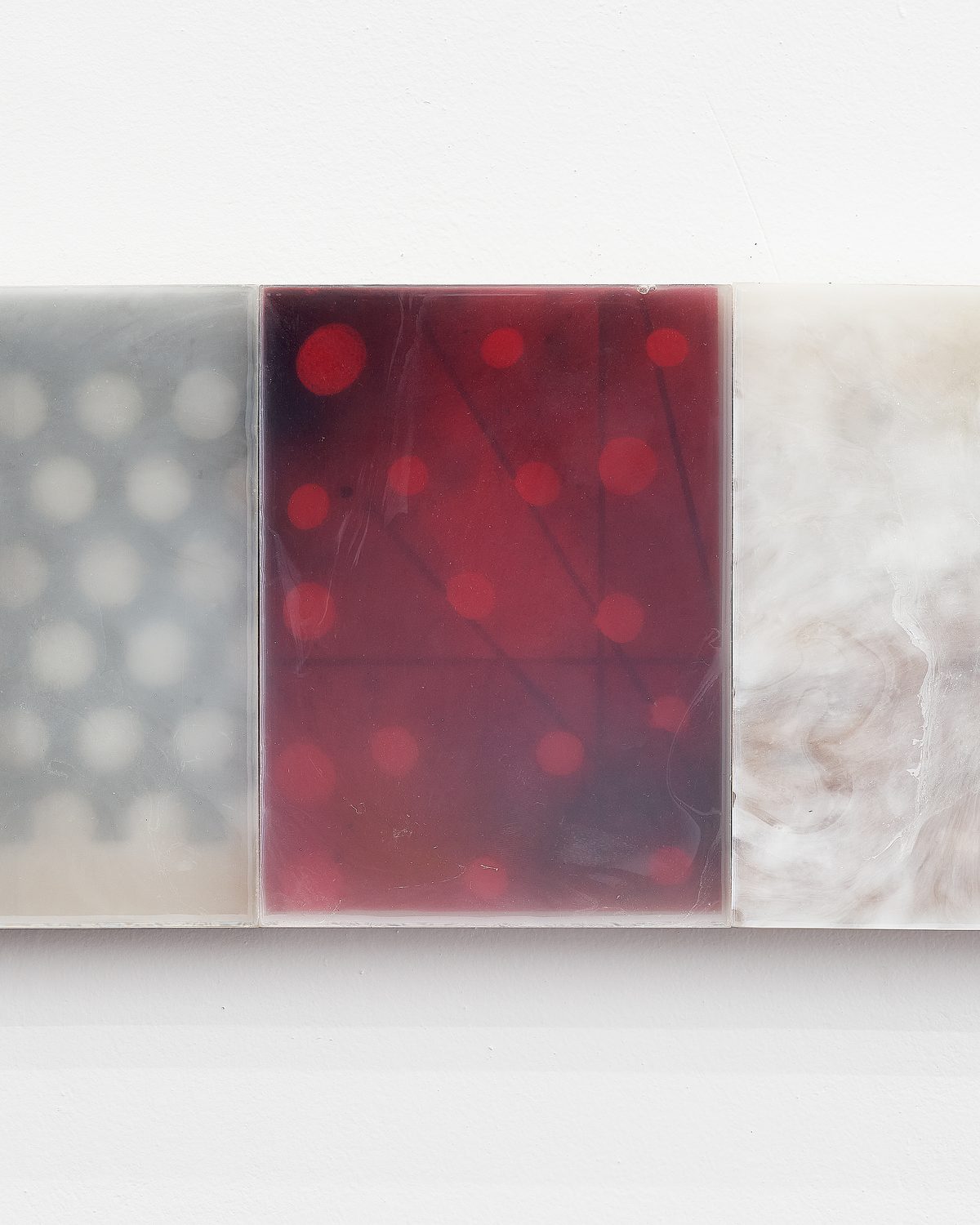
Left / Middle: Kaspar Dejong, GRIS I, mixed media, 18,5 × 13,5 cm, 2026
Right: Kaspar Dejong, GRIS II, mixed media, 18,5 × 13,5 cm, 2026
"You can follow something more intuitive or speculative without needing it to be productive right away. That can shift the depth of the process, how long something is allowed to evolve, or how far you push a material or idea."
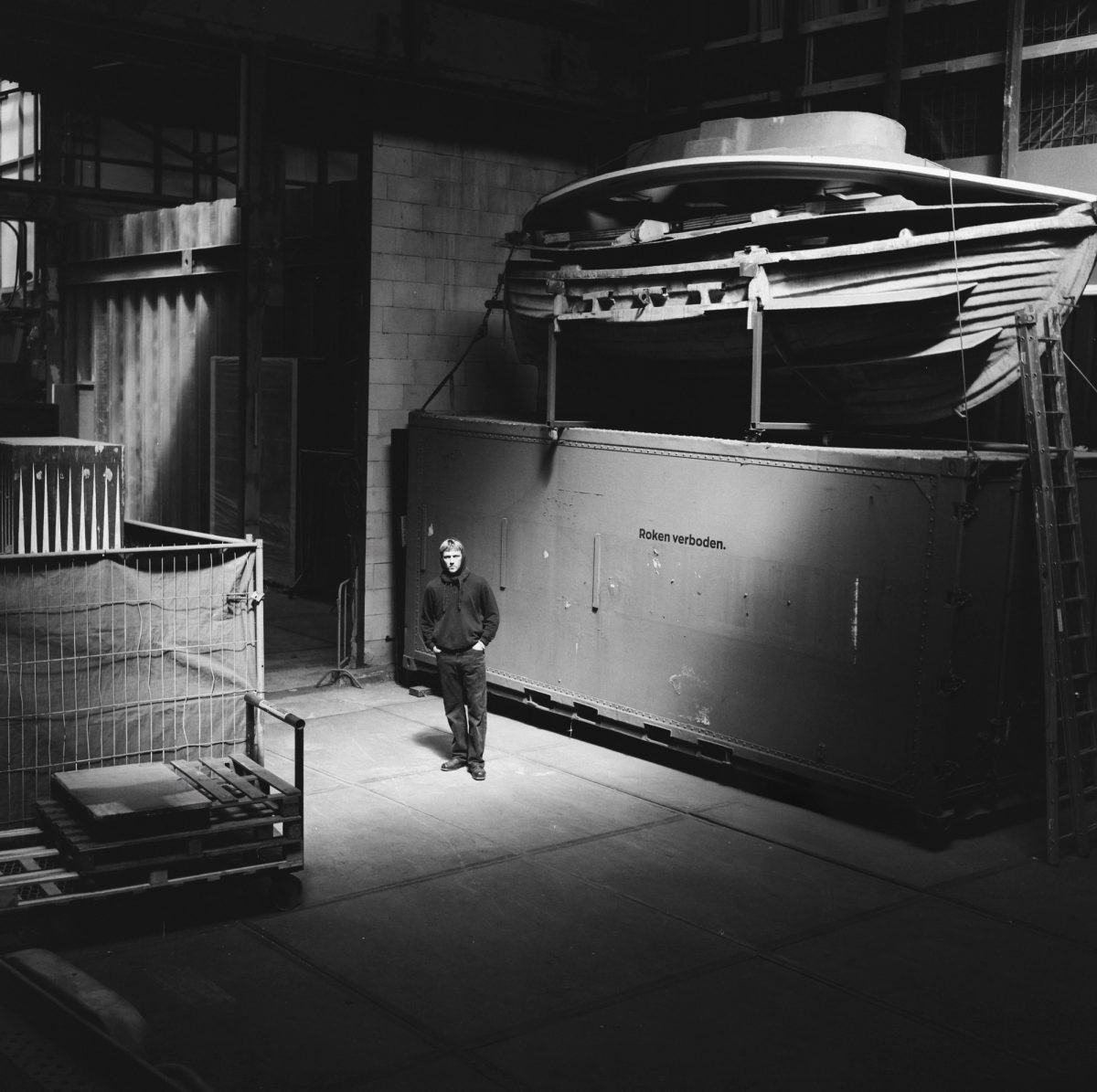
Kaspar Dejong, photographed by Lemmie van den Berg
The Mooring Seats use Azobe wood that served as mooring posts in the Amsterdam canals, then spent years in a parking lot where moss and flowers began to reclaim it. The timber bears the traces of boats, concrete, weather, growth. When you work with a material that already has that much narrative in it, what do you actually add, and what do you resist adding?
In those cases, it's less about adding something new and more about positioning or reframing what's already there. The material already carries a lot of information, time, use, exposure, so the work becomes a matter of deciding how much to intervene without flattening that complexity. What I add is often quite minimal: just to the point to read those traces differently. It's about creating a condition where the material can speak in another way, rather than covering it.
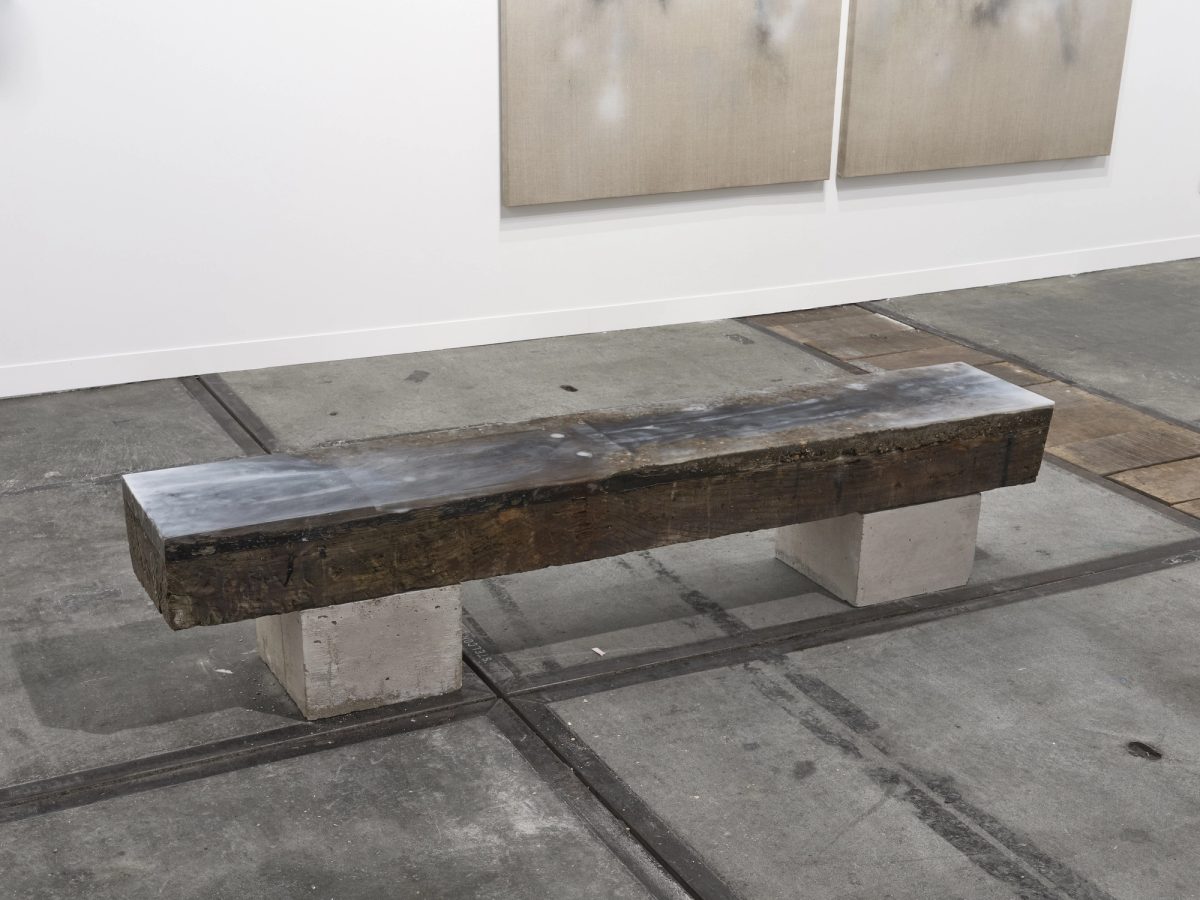
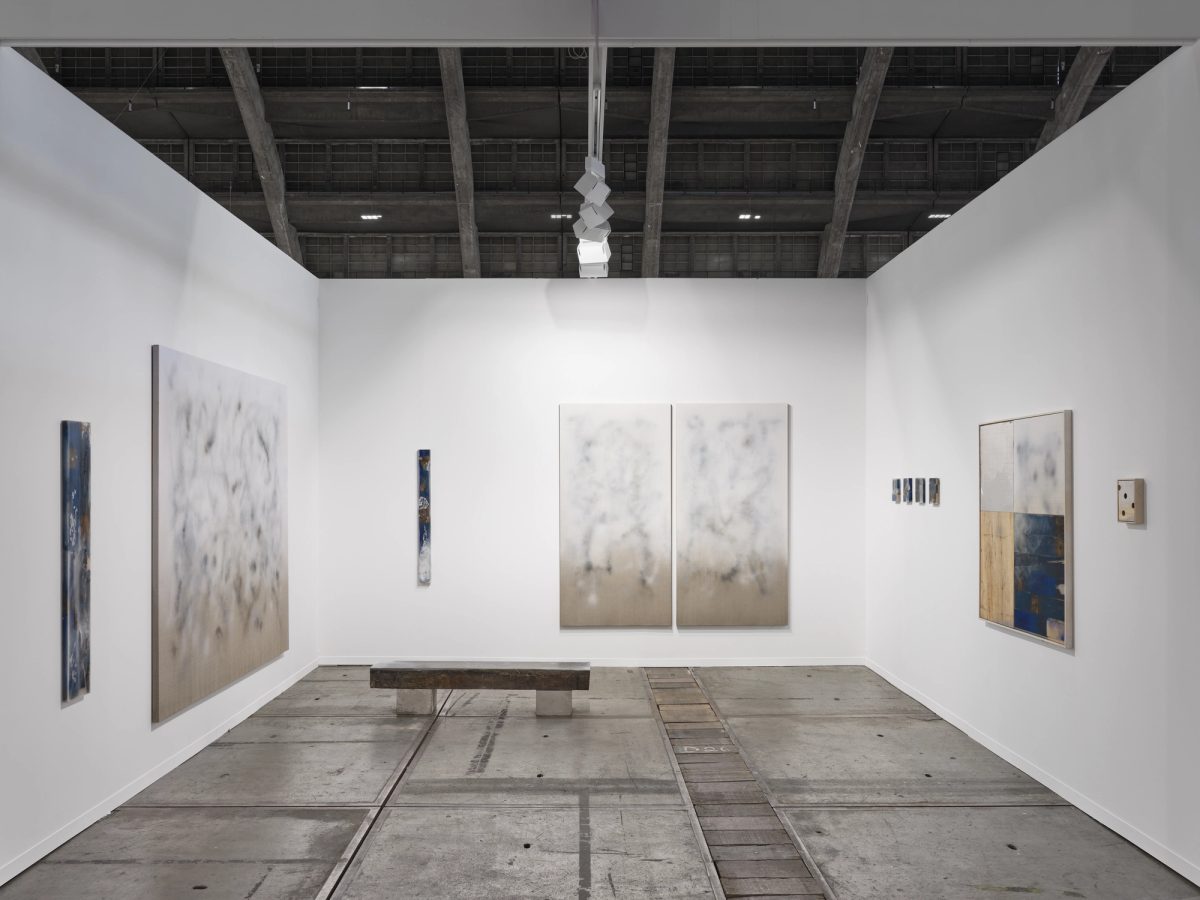
Art Brussels, booth A5-18, solo presentation with DMW Gallery Antwerp, photography by We Document Art, 2026
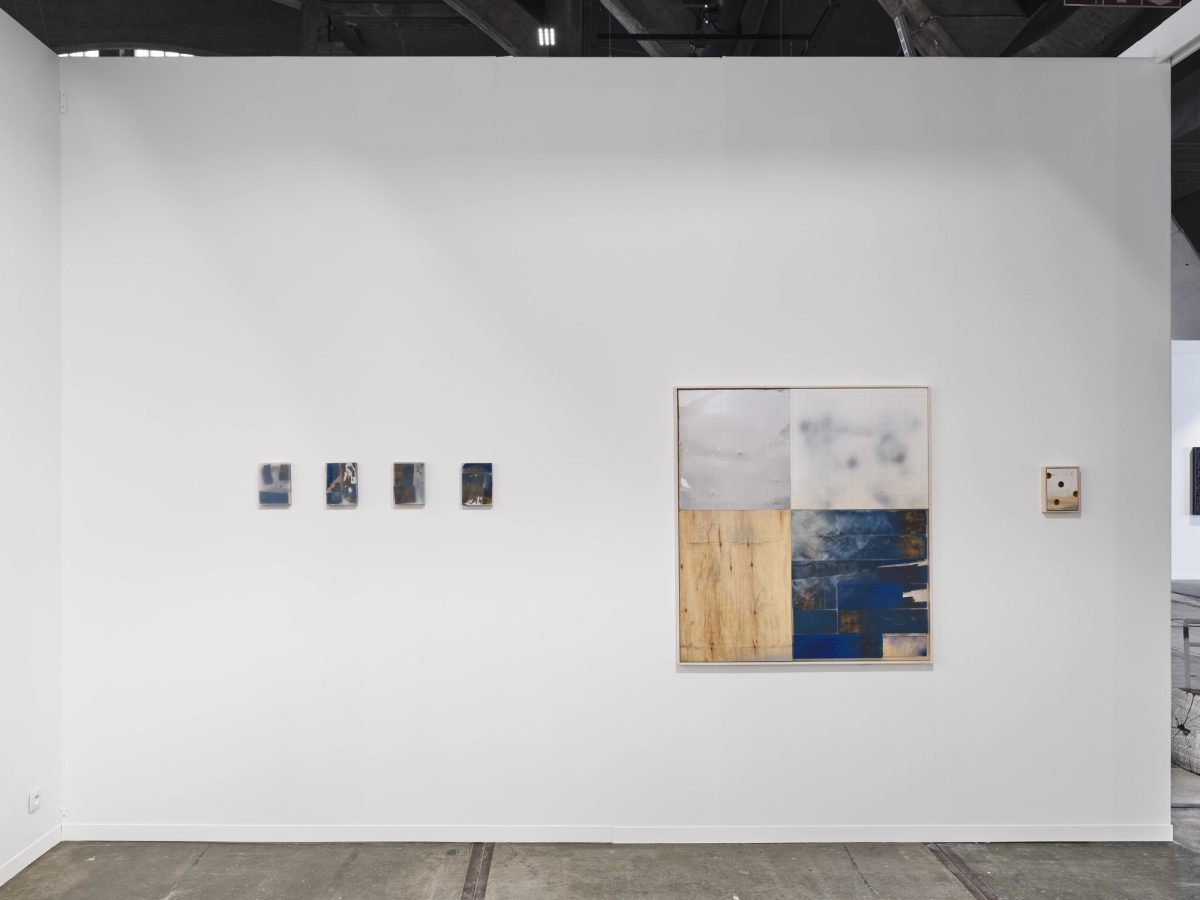
Art Brussels, booth A5-18, solo presentation with DMW Gallery Antwerp, photography by We Document Art, 2025
Calvin Klein, Sine & Cosine, PinkOrange, fashion and commercial collaborations sitting alongside gallery shows, museum collections, and residencies. What does fashion specifically offer the work that a gallery wall doesn't? And does moving between those worlds change how you think about what the work is for?
It's hard to compare those. Fashion comes with a completely different outline and speed. The work moves with a body, enters daily life, gets worn, folded, exposed to use in a way that a gallery setting can't offer. It shifts from something you stand in front of to something that circulates, that's touched and inhabited. What's interesting there is that the work becomes less fixed. It's not just about composition or surface anymore, but about how it behaves in motion, how it adapts, how it gets reinterpreted through wear. There's also a different audience, people who might not encounter the work in an art context, but engage with it more directly.
How does having institutional support, or not having it, actually change what you allow yourself to make?
It can change the conditions around the work, rather than the core of it. Time is your biggest friend sometimes when it comes to creating, letting things sit for a while. Grants can give you that, and create time, space, and room to slow things down, to test ideas that don't need to be good immediately, or to work at a scale that wouldn't always be possible otherwise. It allows for a certain level of risk. You can follow something more intuitive or speculative without needing it to be productive right away. That can shift the depth of the process, how long something is allowed to evolve, or how far you push a material or idea.
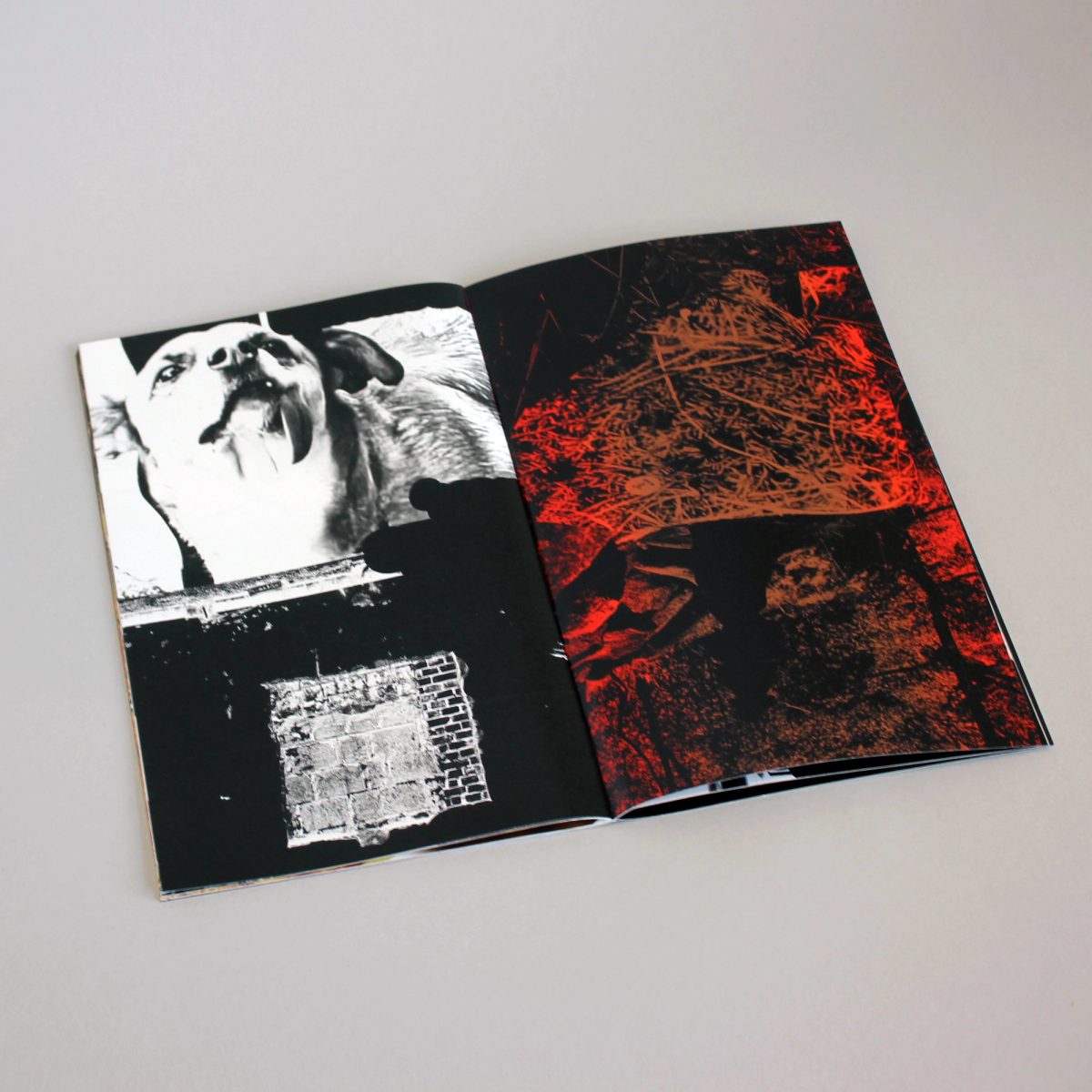
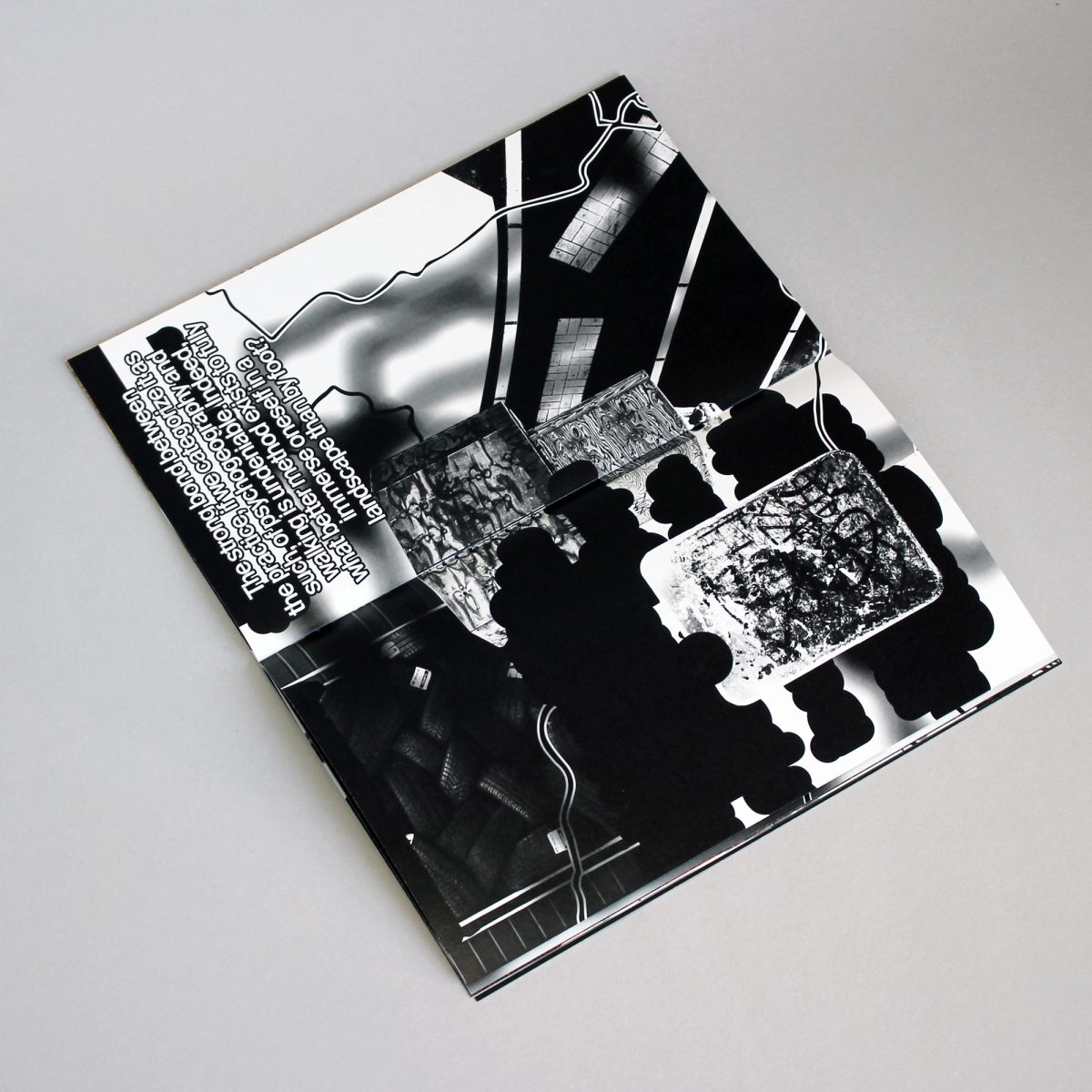
M3M0RY L33N', zine, design by Florian Mecklenburg, project by Kaspar Dejong, 2024
"The studio then becomes a place where those impressions are reconfigured, but they still carry the conditions they came from."
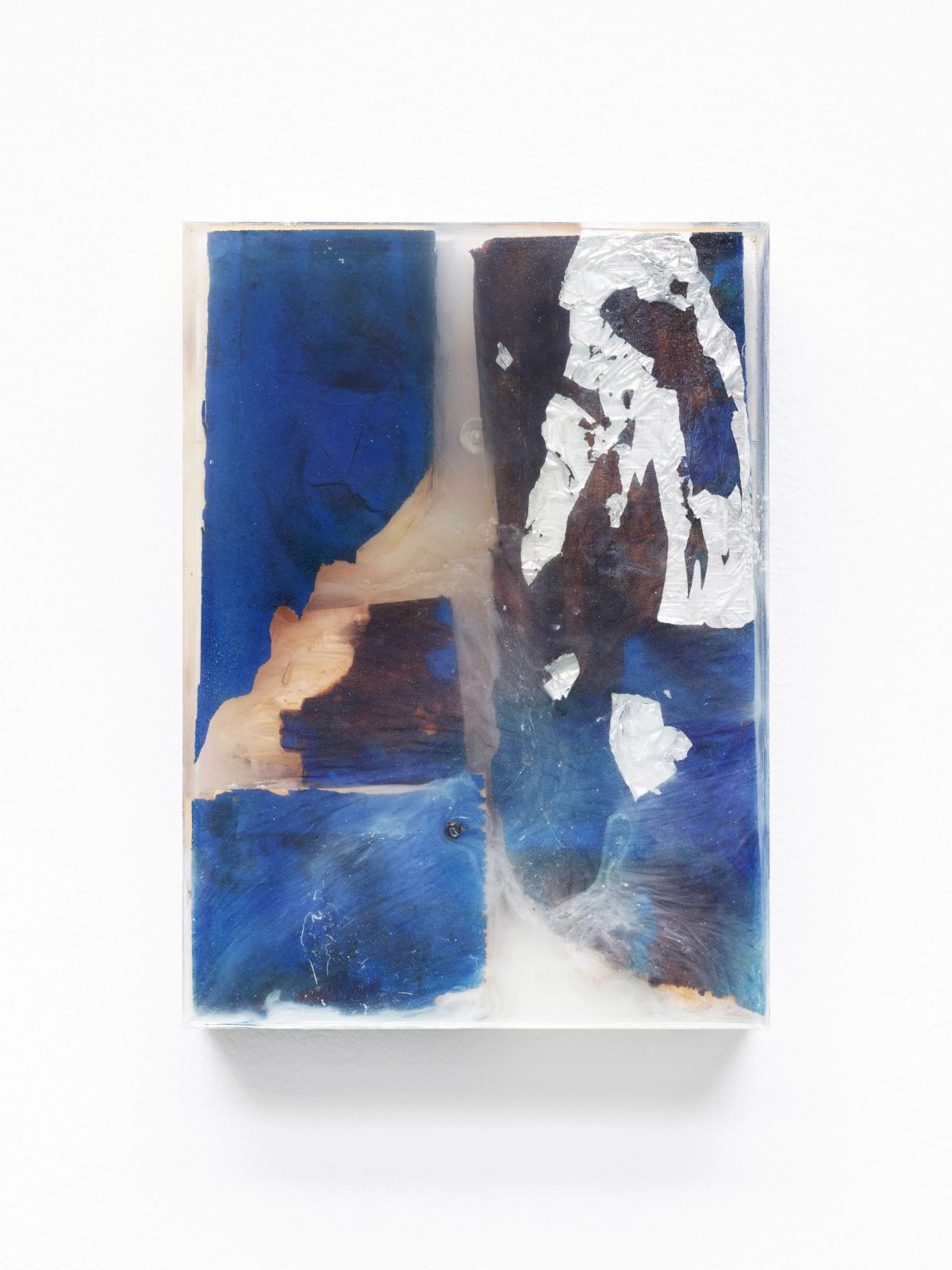
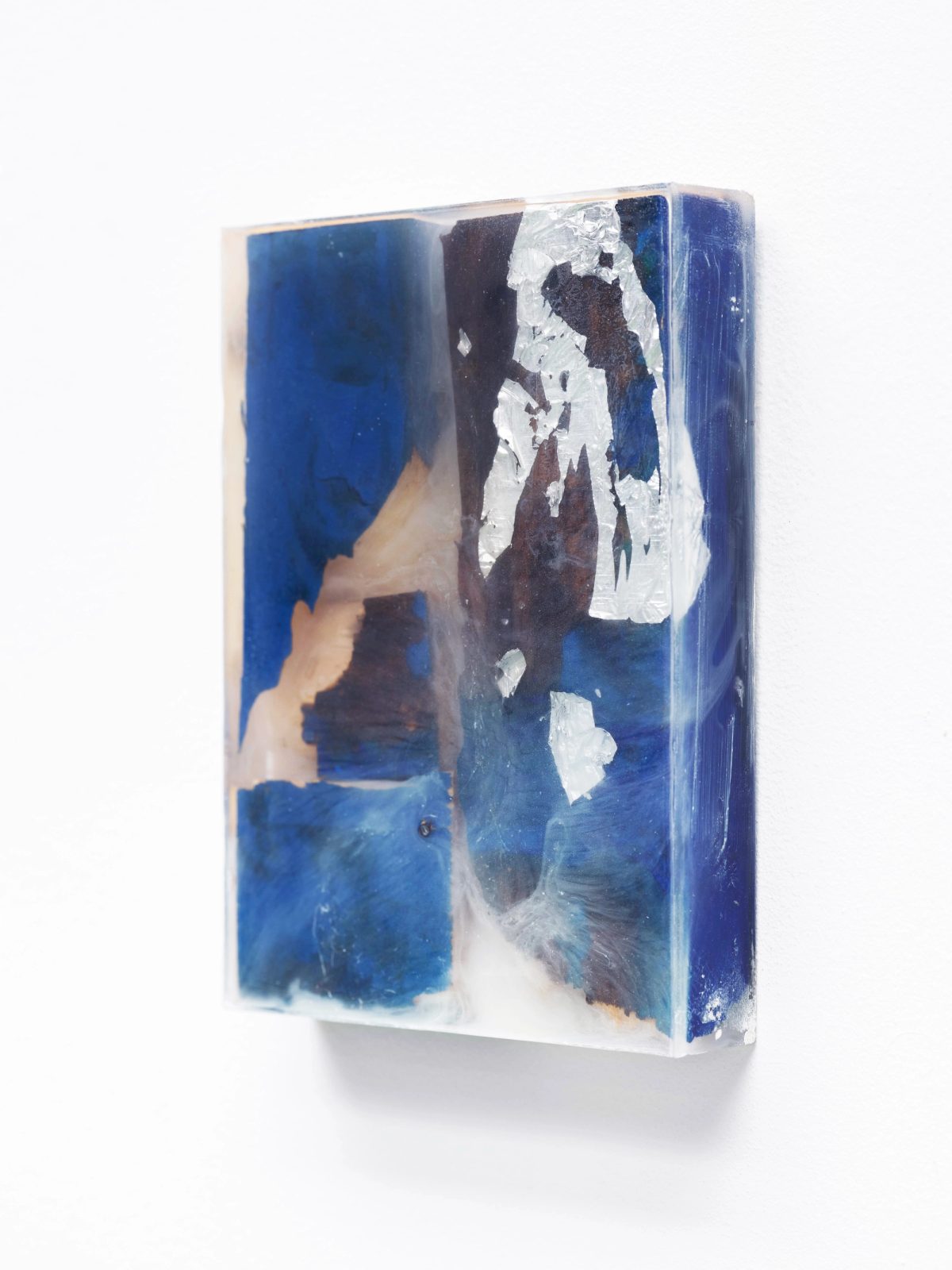
Kaspar Dejong, GRIS IV, mixed media, 18,5 × 13,5 cm, 2026
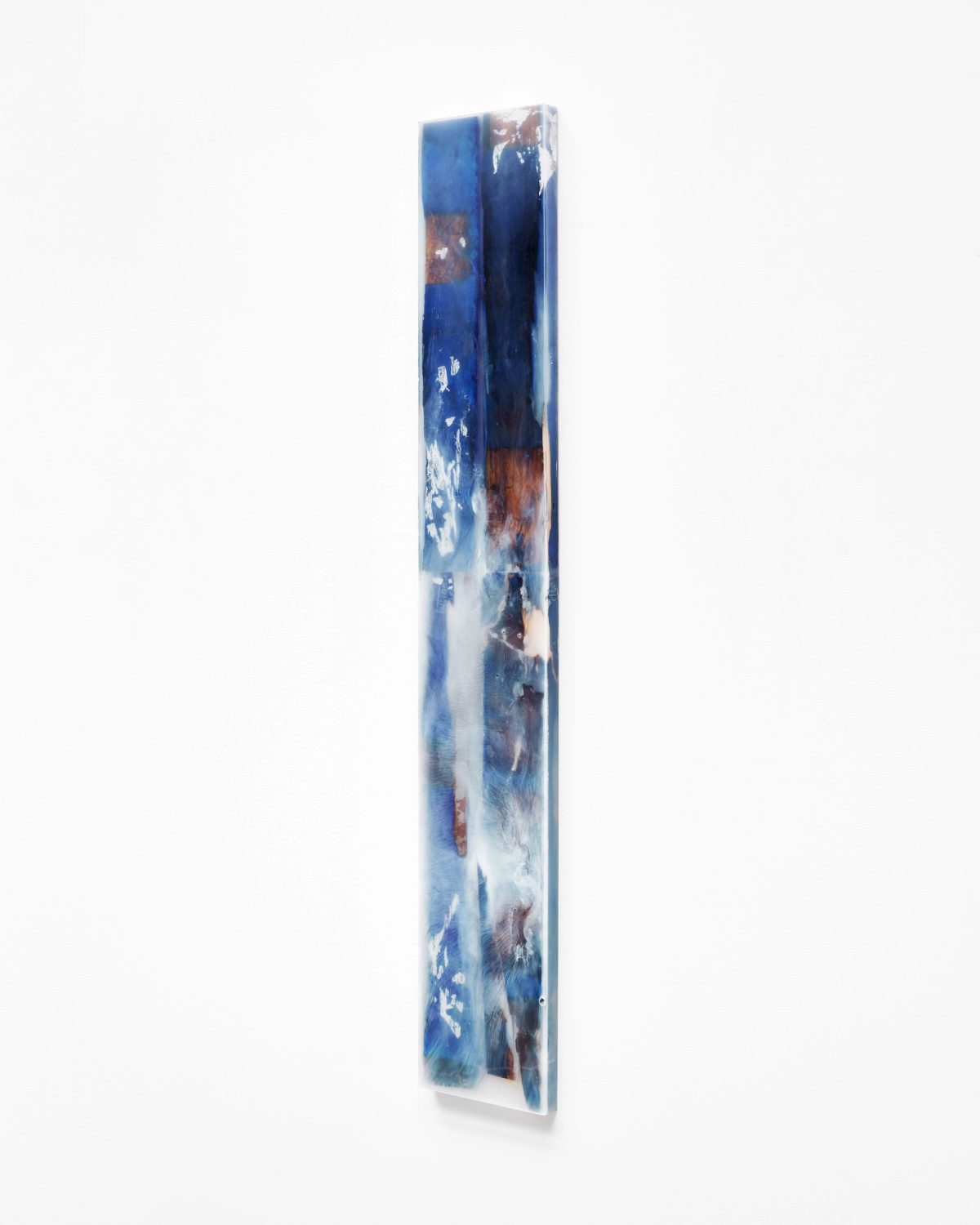
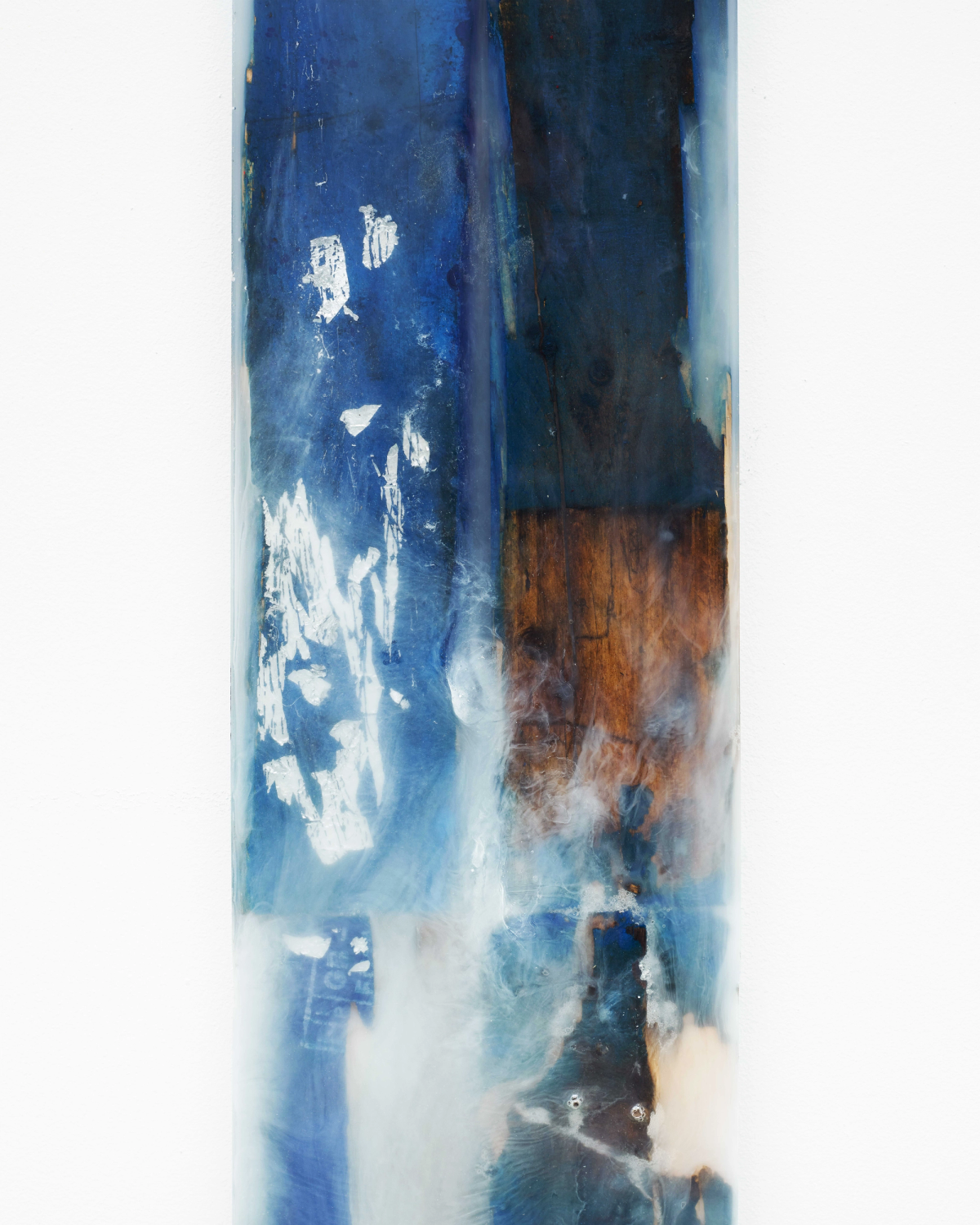
Kaspar Dejong, Scottie beam II, mixed media, 130 × 20 cm, 2026
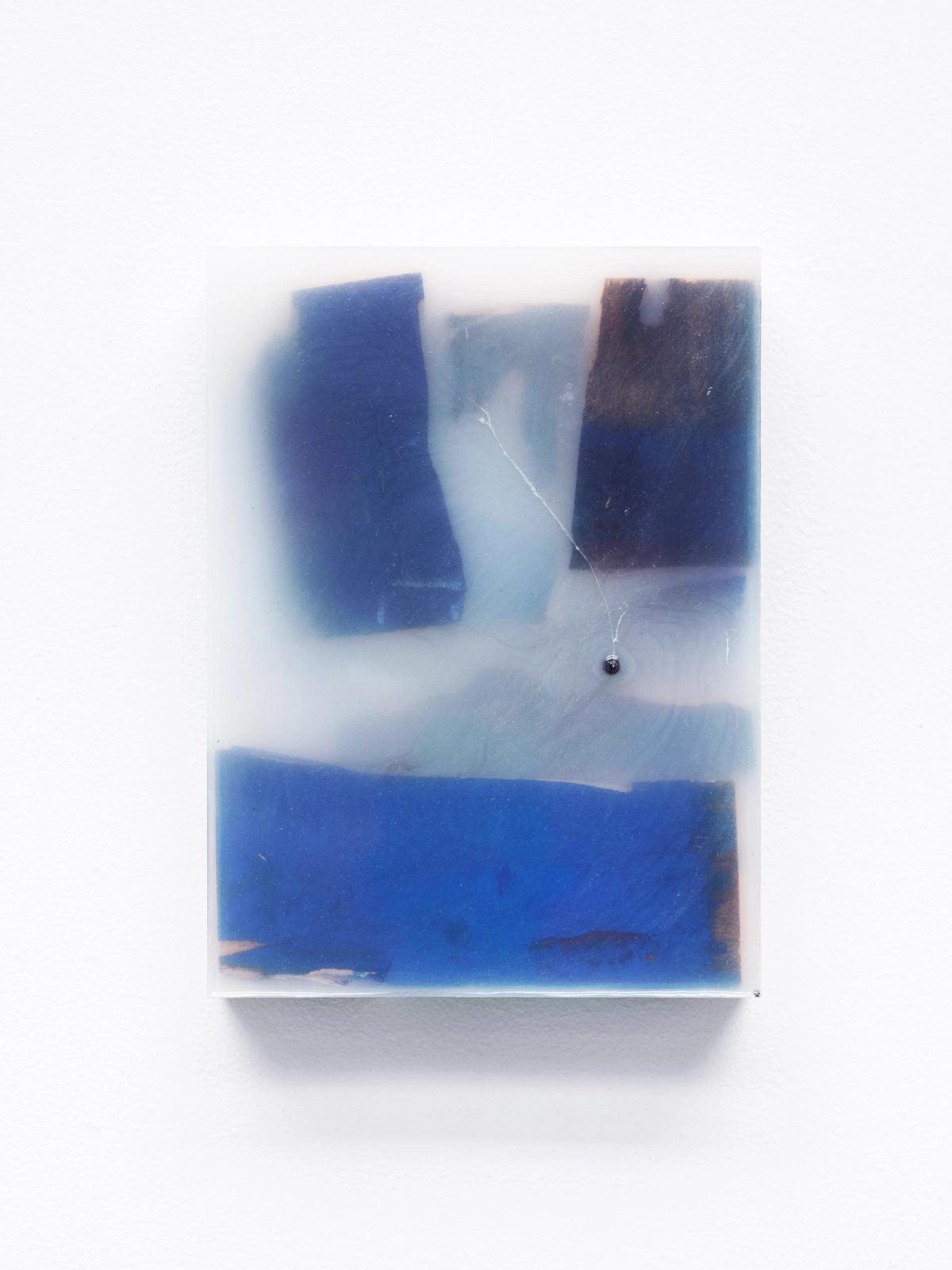
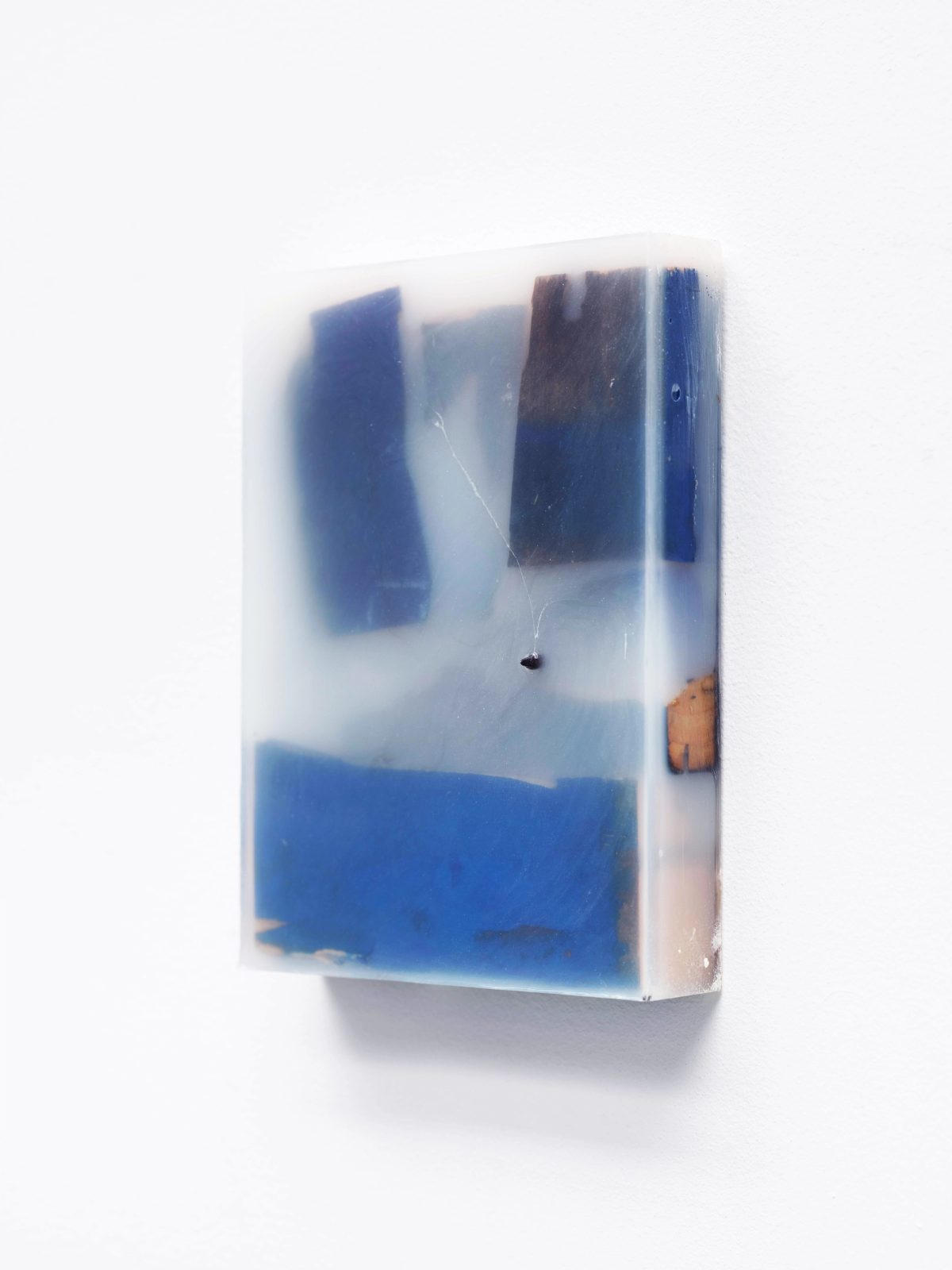
Kaspar Dejong, GRIS III, mixed media, 18,5 × 13,5 cm, 2026
You had a solo show in Tokyo, and you have a book release coming there.What happened in that relationship with Japan? And what does the work find there that it doesn’t find elsewhere?
The connection developed quite organically through people, conversations, and a shared interest. What I found there was a certain attentiveness to materials, to detail, and to the passage of time that resonates closely with how I work. There's a different rhythm in how things are observed and handled. Small shifts, subtle traces, or signs of use are given space and value, rather than being overlooked. That creates a context where my work doesn't need to assert itself loudly, it can exist in a more quiet, precise way.
Art Brussels, a book release in Tokyo, a solo at DMW Gallery, a public work in Almere... The practice keeps expanding into new cities, new contexts, new collaborators. What does the next chapter look like for you?
I have no clue, really. these things always come along naturally. Whilst working on one project, the other thing simultaneously arises. I would like to get more involved in public works in public spaces, and see things unfolding in different contexts. What interests me is how the work adapts, how it can move between cities, materials, and collaborations while still holding onto the same underlying core. The next chapter is probably about going further into that. Expanding scale in some cases, but also refining things in others, becoming more precise in how little is actually needed. I'm interested in pushing the balance between control and letting things happen, and in creating situations where the work can exist more openly, whether that's in public space, in books, or through collaborations.
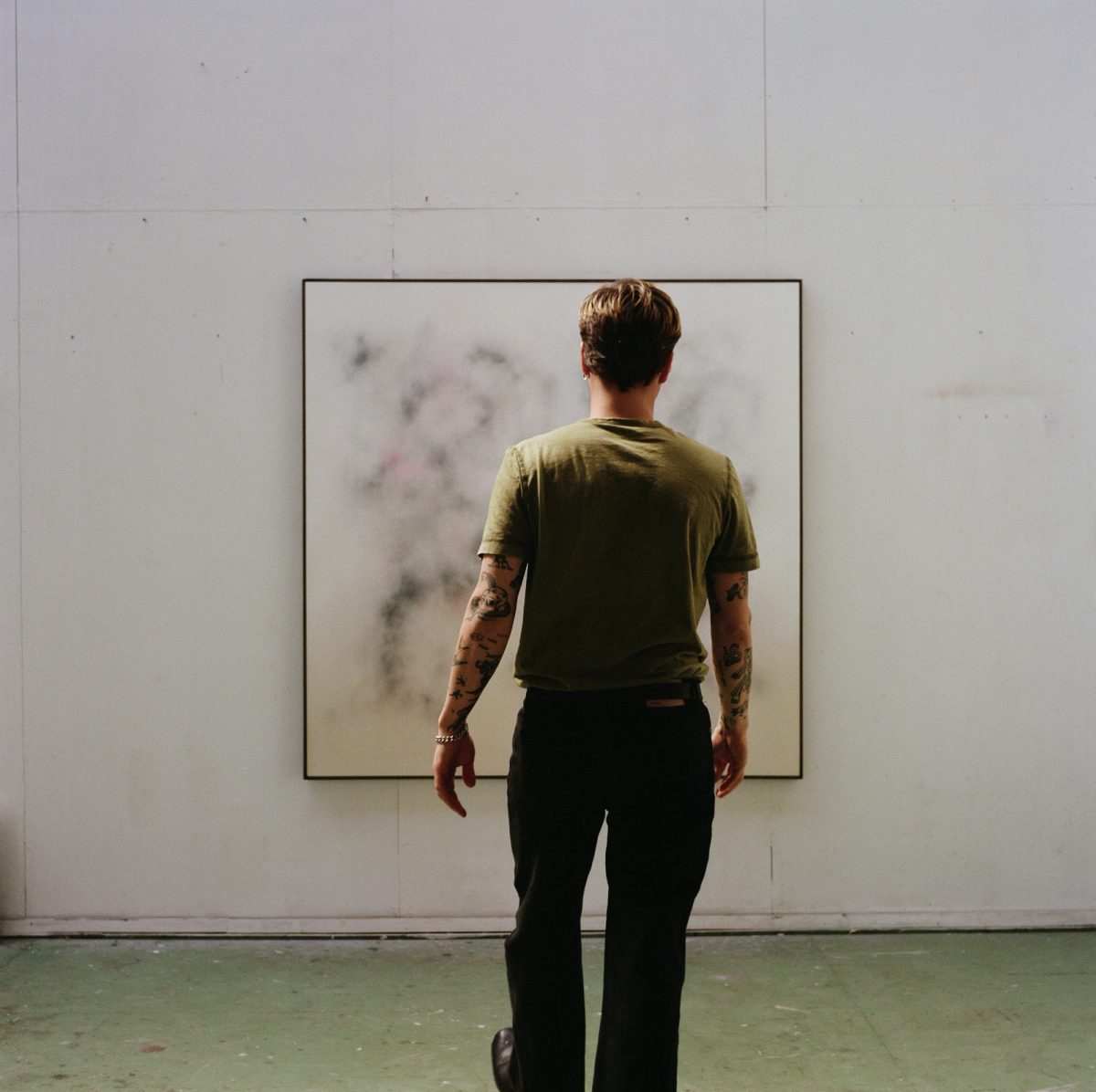
Kaspar Dejong, photographed by Lemmie van den Berg
Cover Image: Kaspar Dejong, photographed by Lemmie van de Berg
Documentation of Works: We Document Art / Jonathan de Waart