A LABORATORY FOR TESTING RELATIONS: IN CONVERSATION WITH ANNA SOZ
CONVERSATION BY SELIN KIR
CO-FOUNDER, CURATOR
20 MAY 2026 — UNITED KINGDOM
To move through Anna Soz's practice is to enter a field of deliberate entanglement. Working across installation, curation, pedagogy, and digital platforms, she builds her work through the slow accumulation of relations, between found materials and theoretical frameworks, between historical persistence and present collapse, between the legibility of systems and the opacity of lived experience. Trained across journalism, neuroscience, and information technology before entering the expanded field of contemporary art, Soz brings to her work a forensic attentiveness to the infrastructures through which reality is organised and perception conditioned. Her projects unfold as chapters within a larger, open-ended trajectory: each one a site of negotiation between constraint and agency, between the residual weight of things already used and the possibility of their reconfiguration. The result is a practice that inhabits the conditions of its moment from within; testing, with precision and patience, where the limits of orientation, imagination, and freedom actually lie.
You come from a background in journalism, media research, and IT, and you’ve built SOZ{X}INE as a web platform since 2018. How does that technical and media literacy sit inside the physical practice?
I think my practice emerged quite organically from this mixed background. Long before entering the field of contemporary art more fully, I was already preoccupied with questions of cognition, perception, and orientation with how realities are framed and how people navigate them.
During my master's in journalism, I became interested in media framing, agenda-setting, and the production of public narratives. Around the same time, I also briefly studied neuroscience, particularly memory consolidation and imagination in relation to the hippocampus; a structure deeply involved in memory formation and spatial navigation. I think this connection between memory and orientation has stayed with me ever since.
Working in IT later on gave me another perspective entirely. Beyond technical literacy, it exposed me to the internal logic of large technological systems and corporate infrastructures: their hierarchies, mechanisms of optimisation, and subtle forms of behavioural conditioning. In retrospect, this experience strongly shaped the way I approach techno-social conditions in my work today.
SOZ{X}INE began in 2018 as a platform for experimentation: a space for assembling visual fragments, text notes, references, and process-based material. In many ways, it became a laboratory for testing how different forms of knowledge, aesthetics, and perception can enter into relation. The website has changed significantly over time, just as my practice has.
I also wouldn't separate the "physical" from the "virtual" too strictly. I'm interested in the ways abstraction becomes material: how digital systems, images, interfaces, and narratives shape the conditions through which reality is experienced and organised.
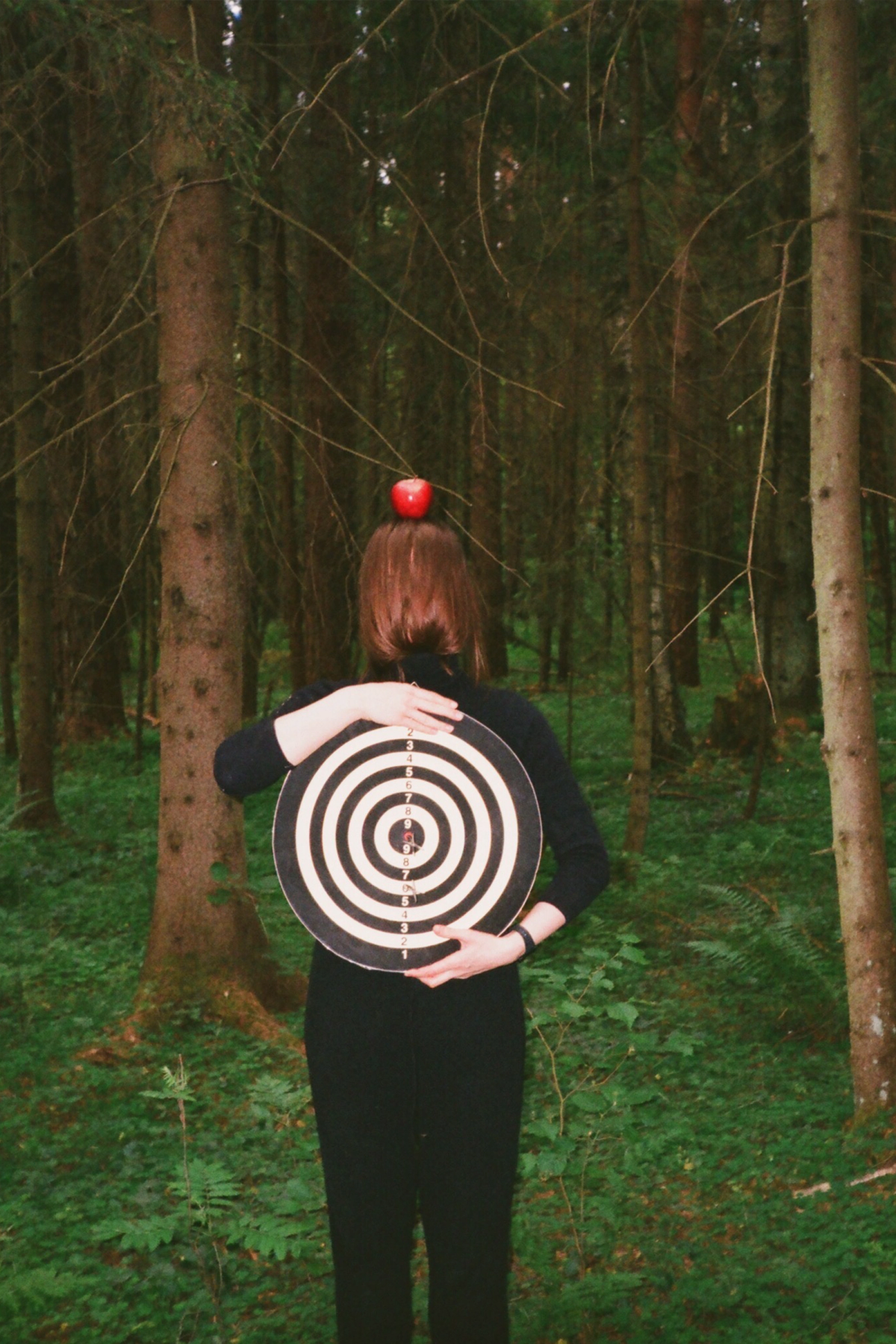
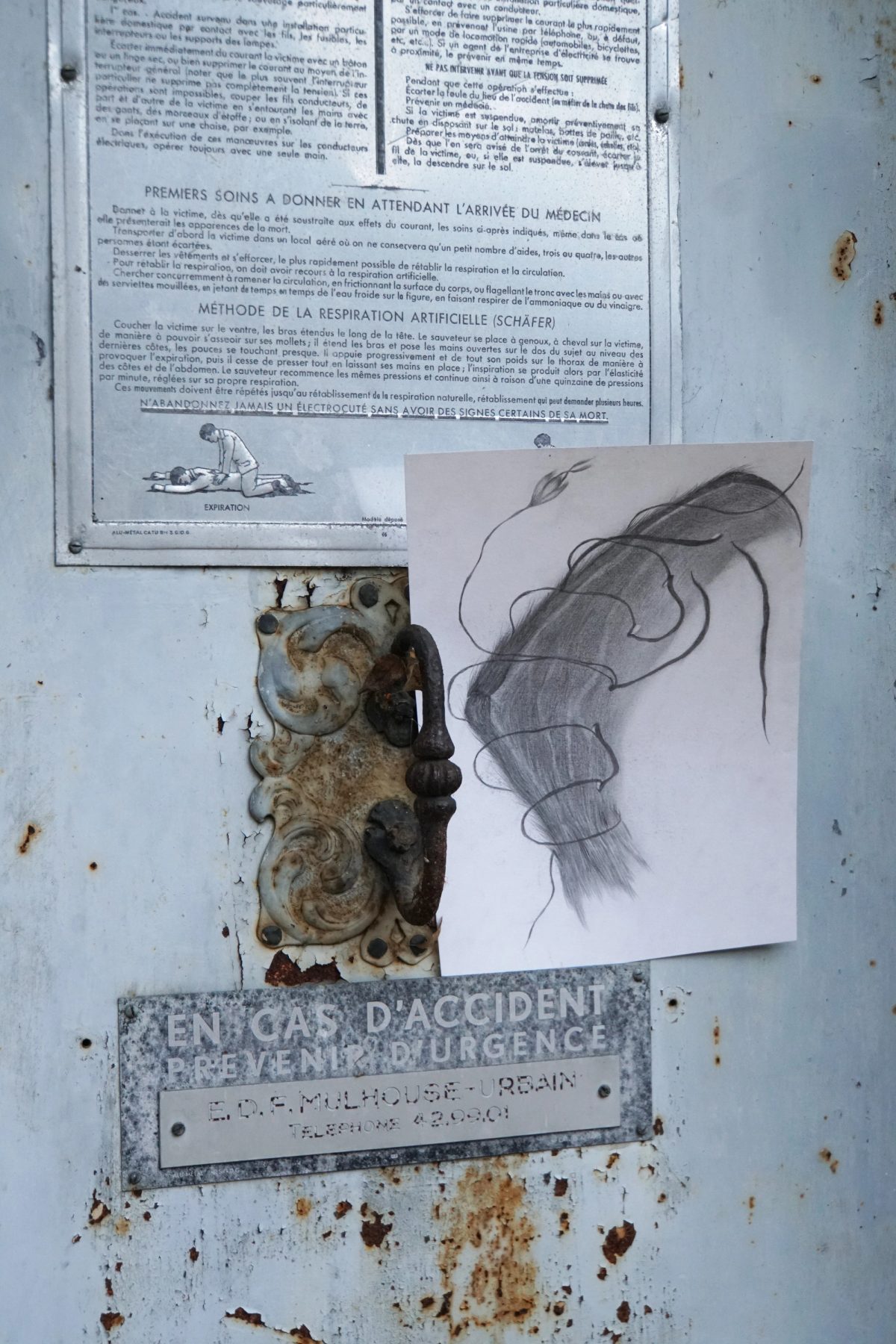
You describe your work through xenopoetics and epistemic enclosure: concepts that resist easy translation. Do you think about accessibility, or does the difficulty of the language feel necessary?
I think every artistic practice develops its own modes of orientation and different points of entry. My work is strongly informed by theoretical research, yet I don't see theory as something separate from material, image, or intuition. It is simply one of the ways through which a work can be navigated.
At the same time, I'm not especially interested in opacity for its own sake. I think complexity becomes meaningful only when it opens perception rather than closes it. Someone might engage with the work through references, diagrams, or texts, while someone else might connect through material tension, spatial relations, or affective resonance. These forms of engagement don't cancel each other out.
The notion of xenopoetics, for me, has to do with a certain openness to transformation and otherness to the fact that neither individuals nor worlds remain fixed.
There is a passage from Octavia Butler's Parable of the Sower that has stayed with me for years:
All that you touch
You Change.
All that you Change
Changes you.
The only lasting truth
Is Change.
What resonates with me there is the idea of transformation not simply as rupture or instability, but as a fundamental condition of existence itself. In many ways, my practice is concerned with how we orient ourselves within those ongoing processes of change.
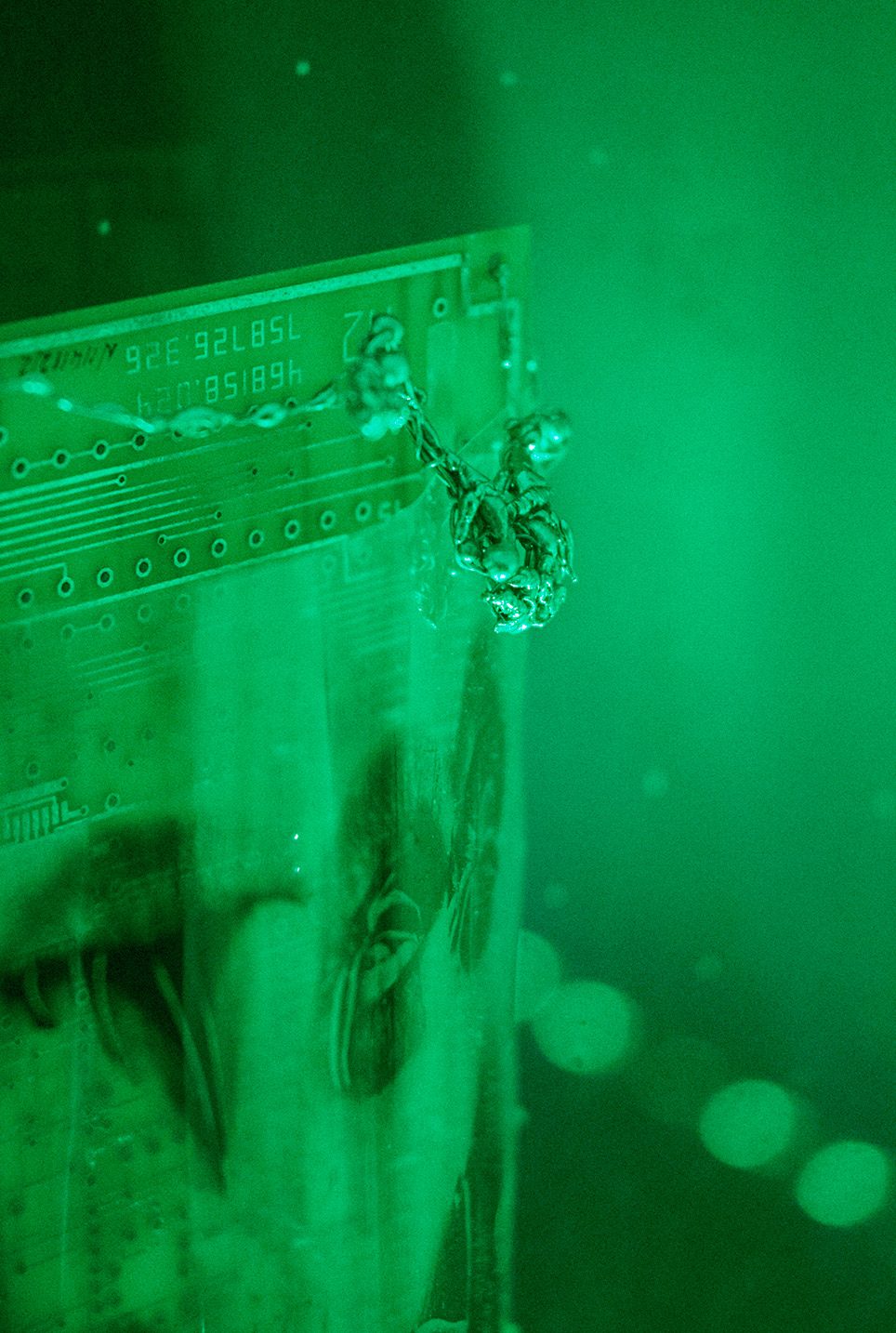
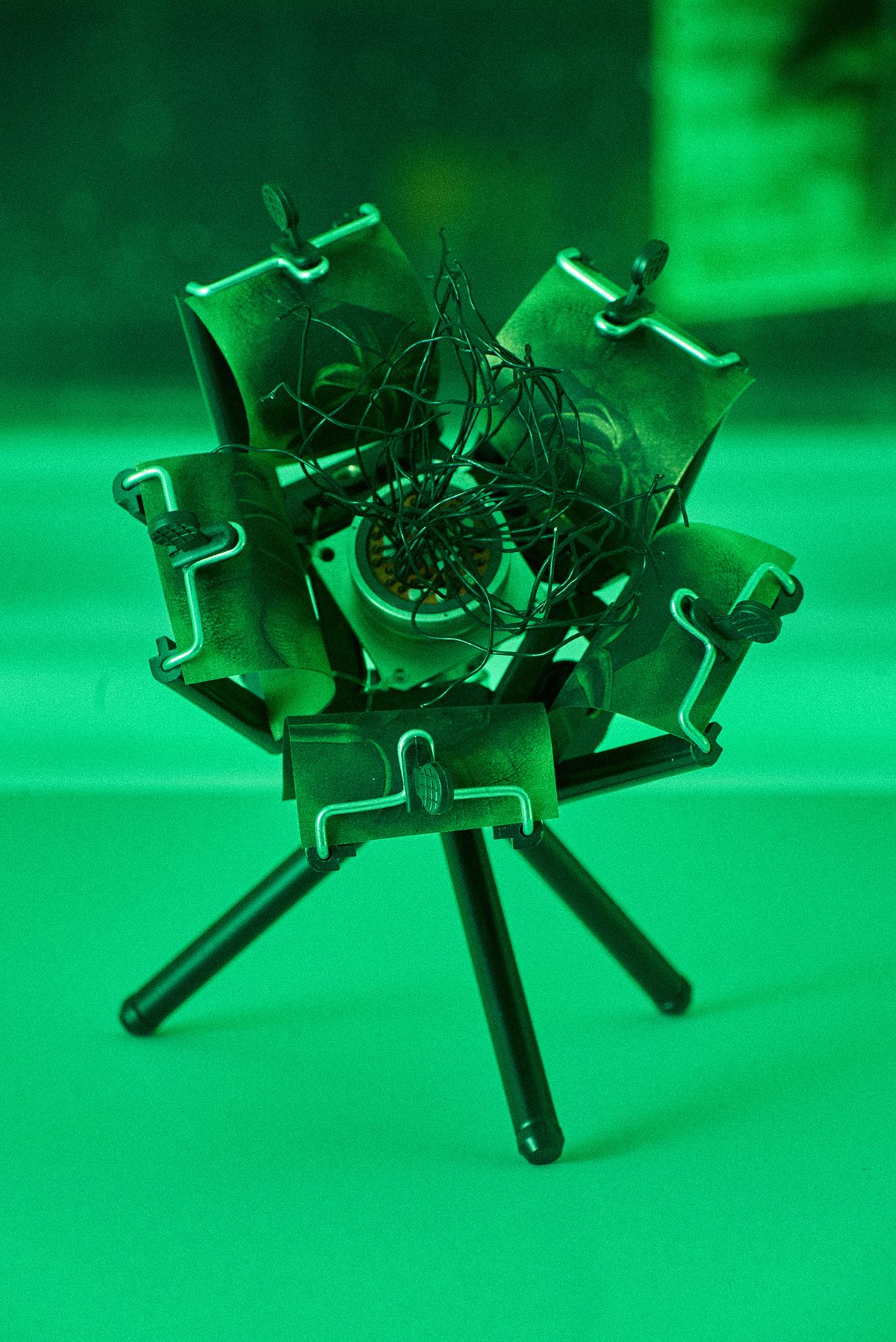
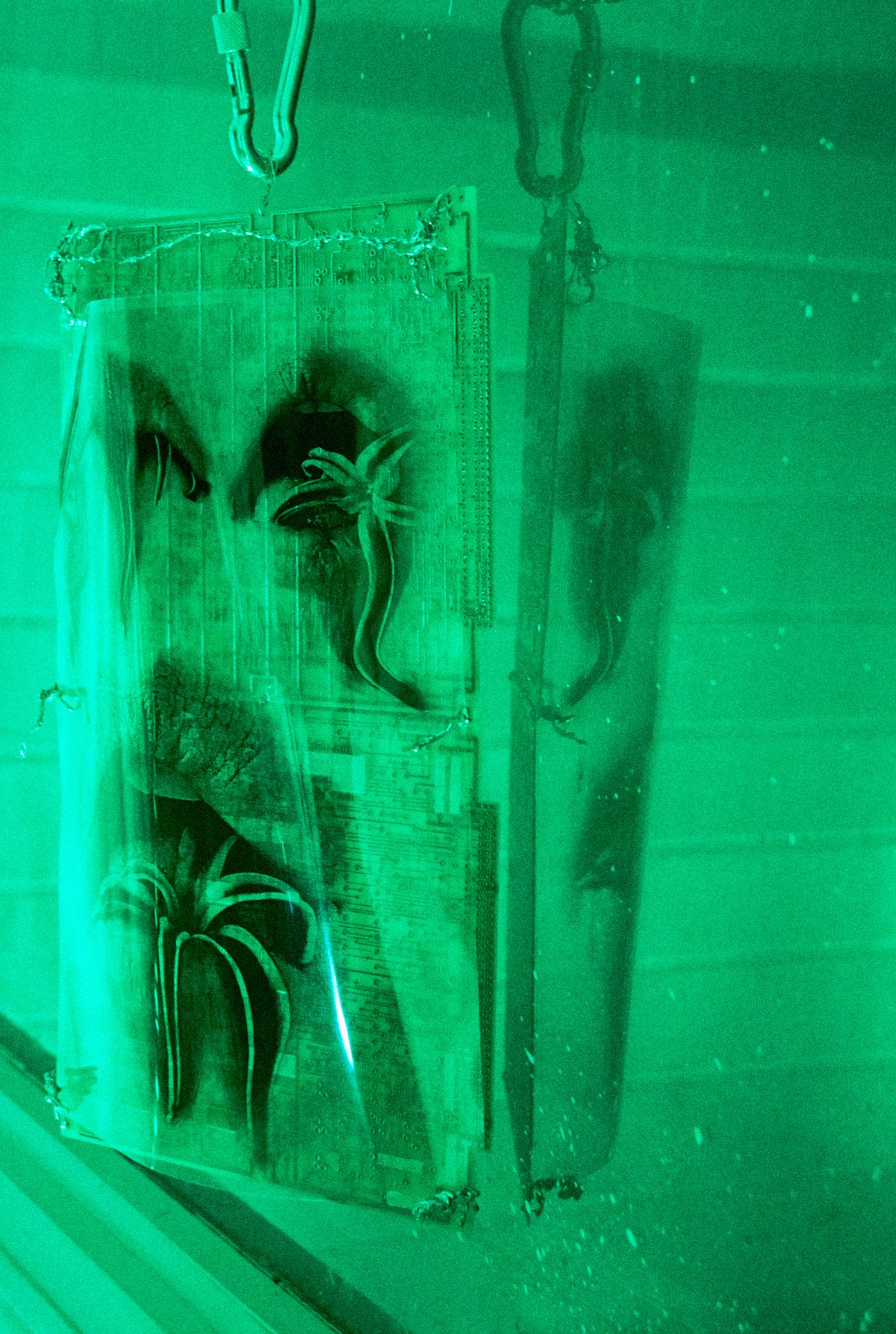
Anna Soz, The Garden of Hybrid Organisms, 2021
"I'm interested in what happens when different voices, historical moments, and cultural contexts are allowed to coexist without being flattened into a single narrative. Bringing them into proximity can produce unexpected forms of tension, resonance, or recognition."
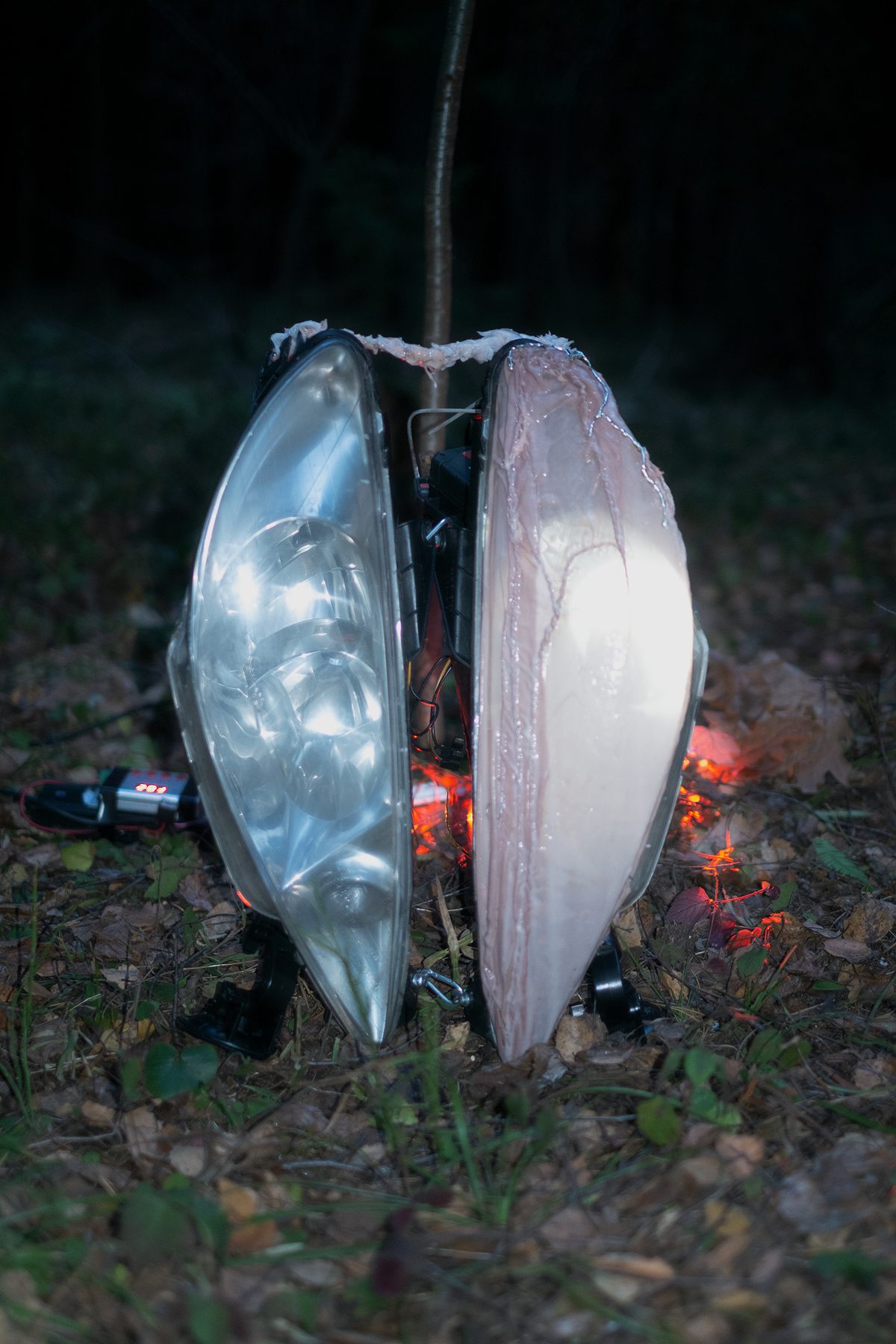
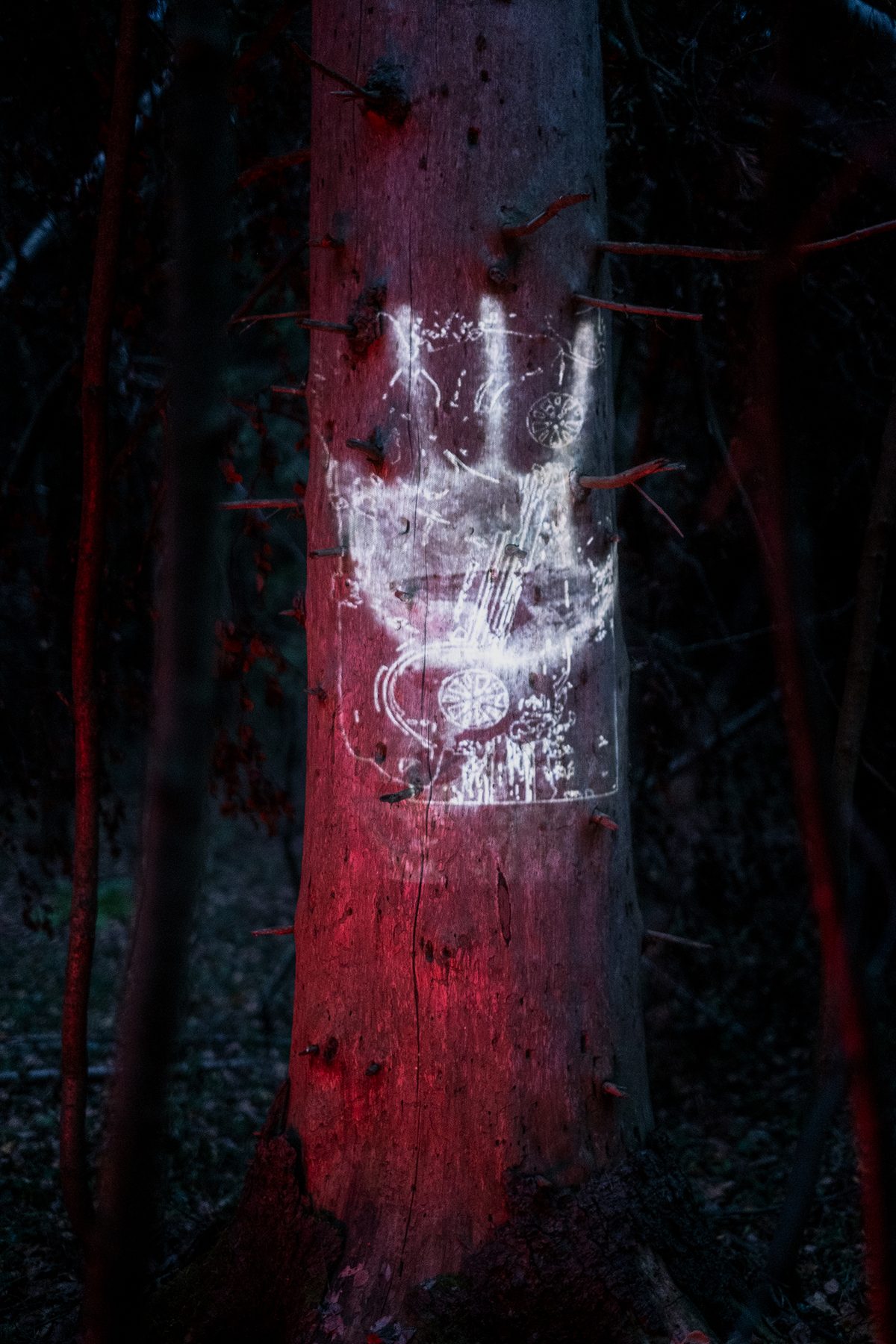
Anna Soz, It's Full of Speed or Nothing, 2022
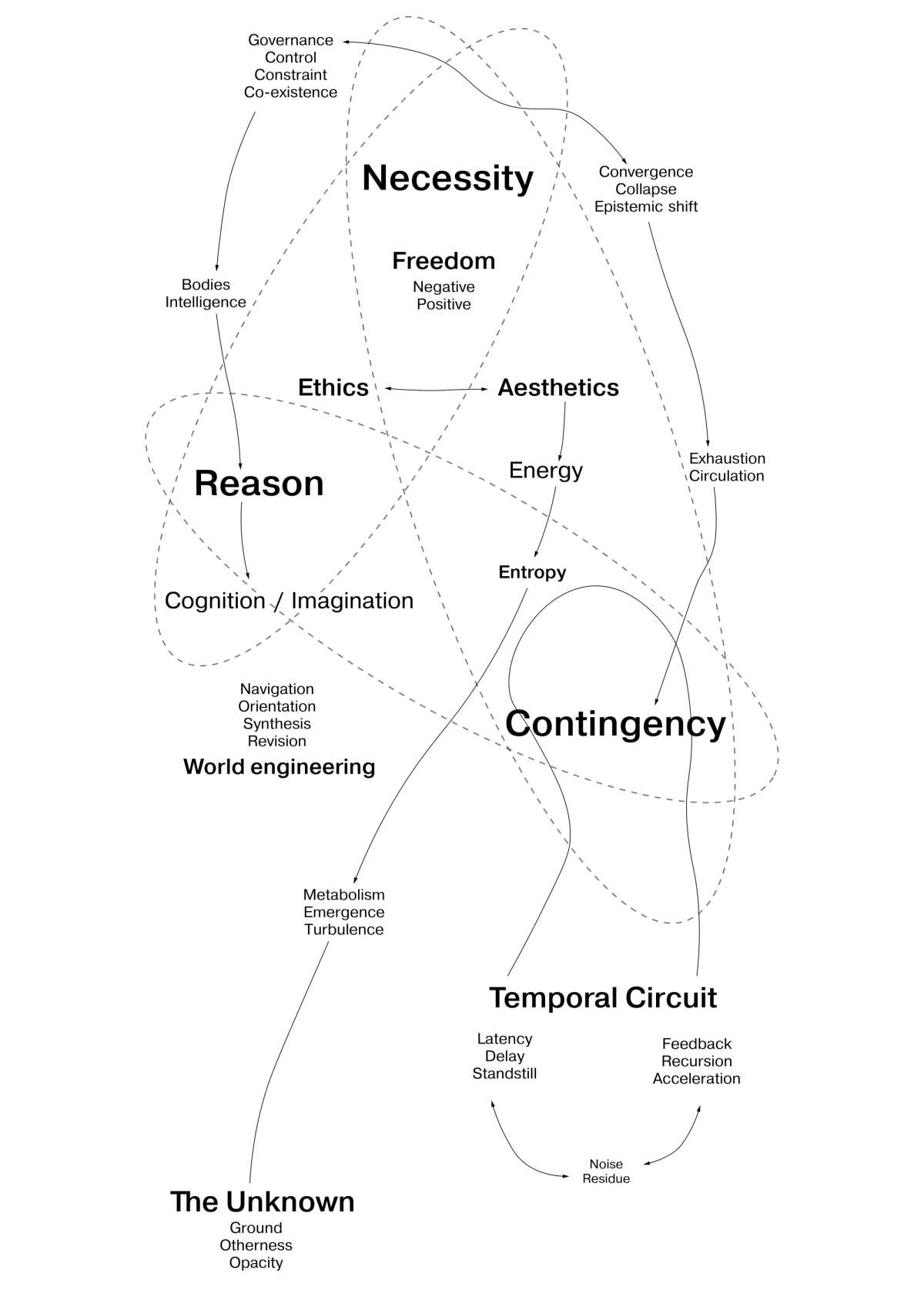
Diagram for Orientation Through Contingency
You keep returning to found and discarded objects: deadstock fabric, books on ideology, a gifted knife, broken sewing needles. What does it mean to work with things that have already been used, already been inside someone else’s world?
I think I'm interested in the agency of the found, in the way objects arrive already carrying traces of previous contexts, uses, and meanings. In many cases, the work begins precisely from negotiating with those existing conditions rather than imposing something entirely new onto them.
Found materials introduce a certain contingency into the process. They impose limitations, but also suggest unexpected relations, tensions, or narratives. A discarded object already contains a history, even if fragmented or partially inaccessible, and I'm interested in how these residual histories can be reconfigured rather than erased.
This approach also shapes the way I think about production more broadly. I try to remain conscious of how and why things are made. Many of my works are modular or reconfigurable; they can shift form across different contexts and installations. I've never been especially interested in producing autonomous objects detached from the conditions around them.
In a way, working with found materials also means accepting that meaning is never fully stable or self-contained. Objects continue carrying parts of other worlds with them.
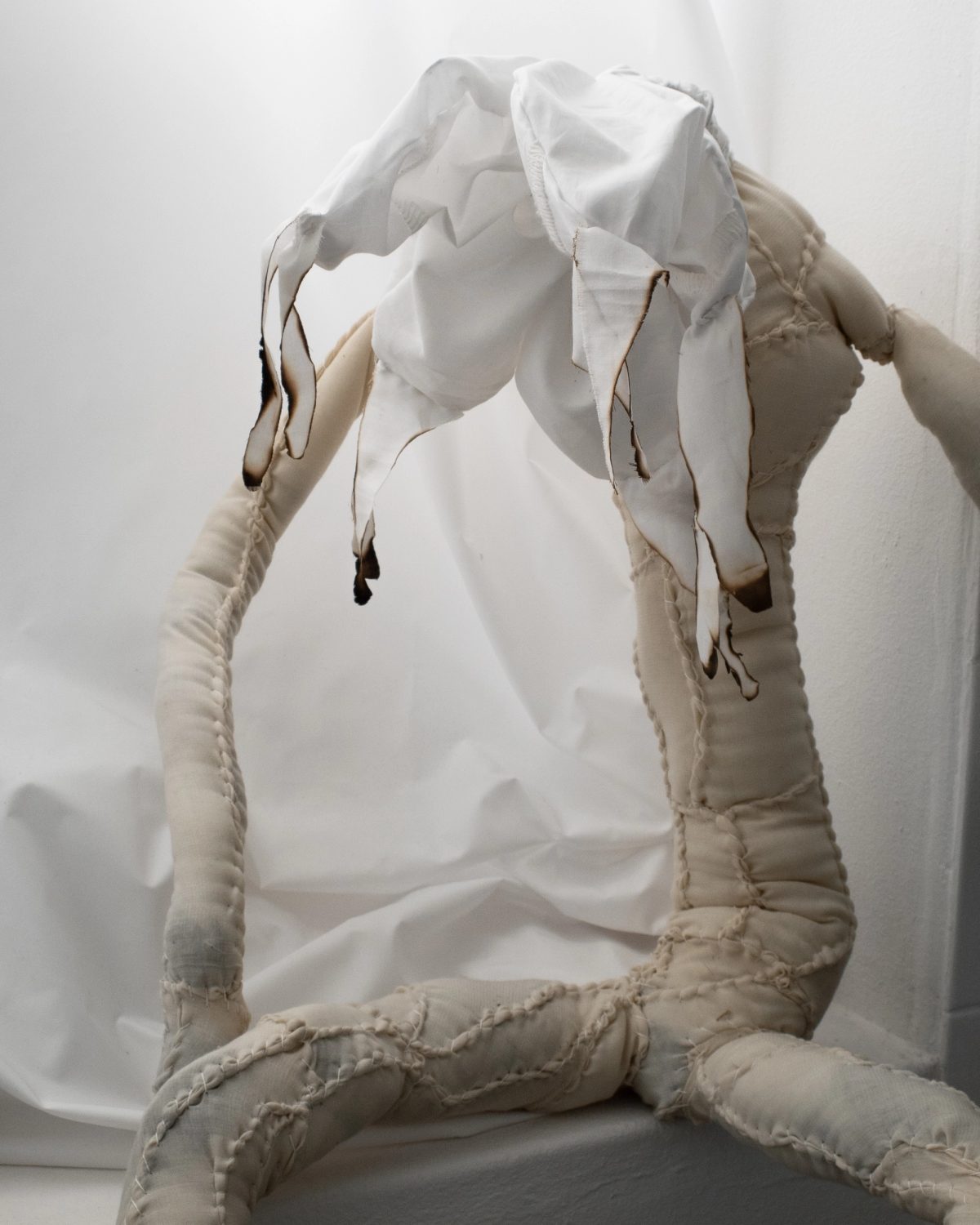
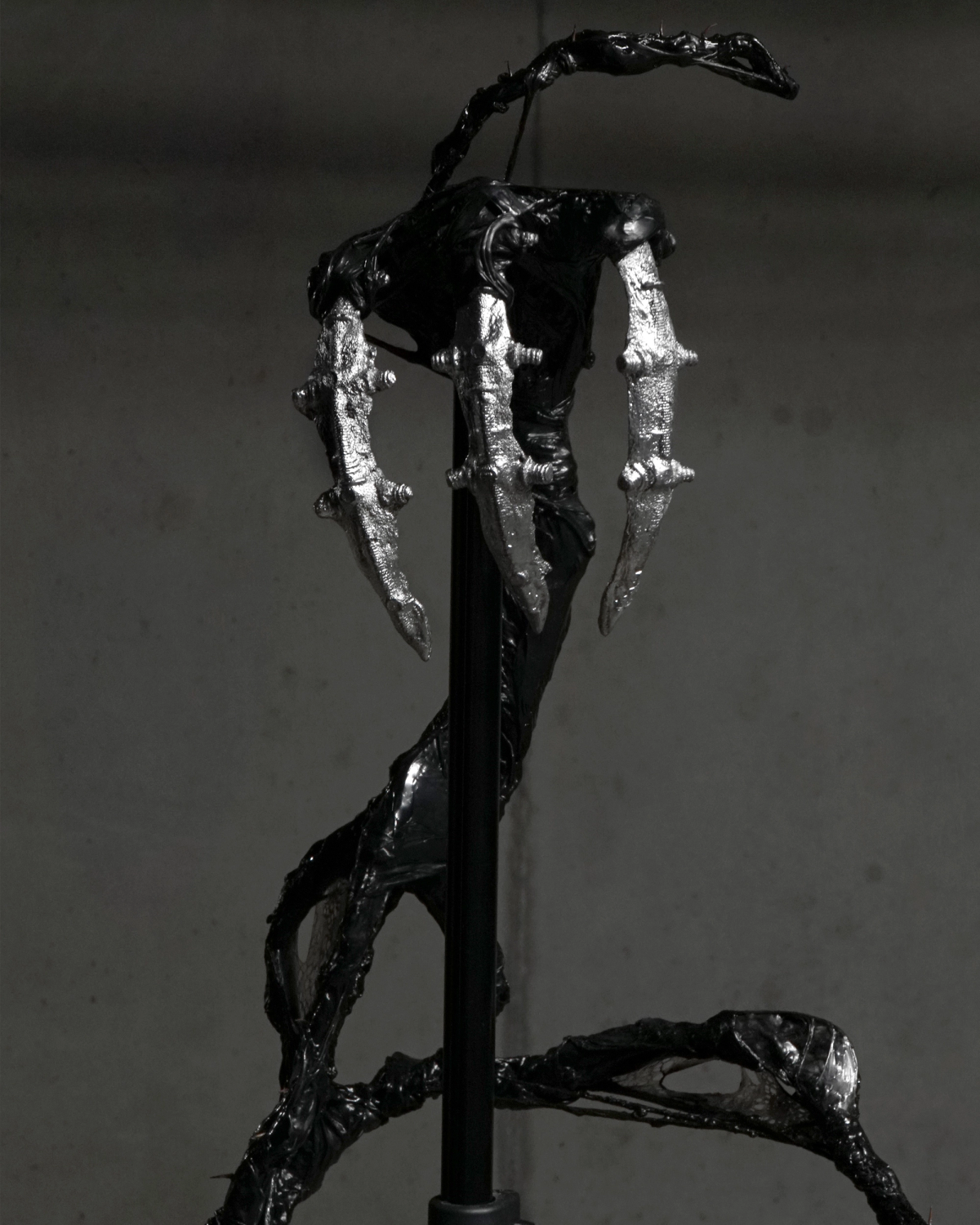
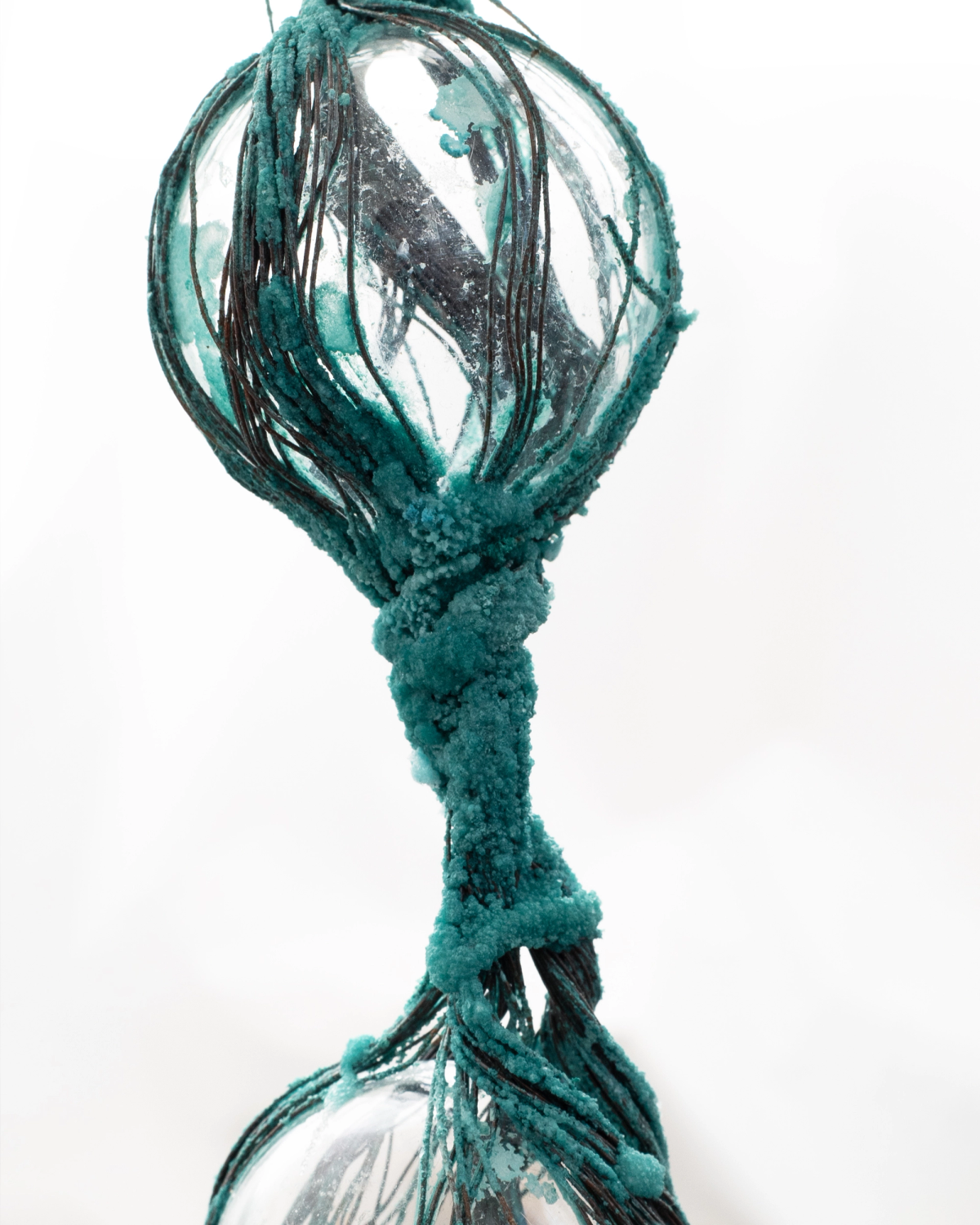
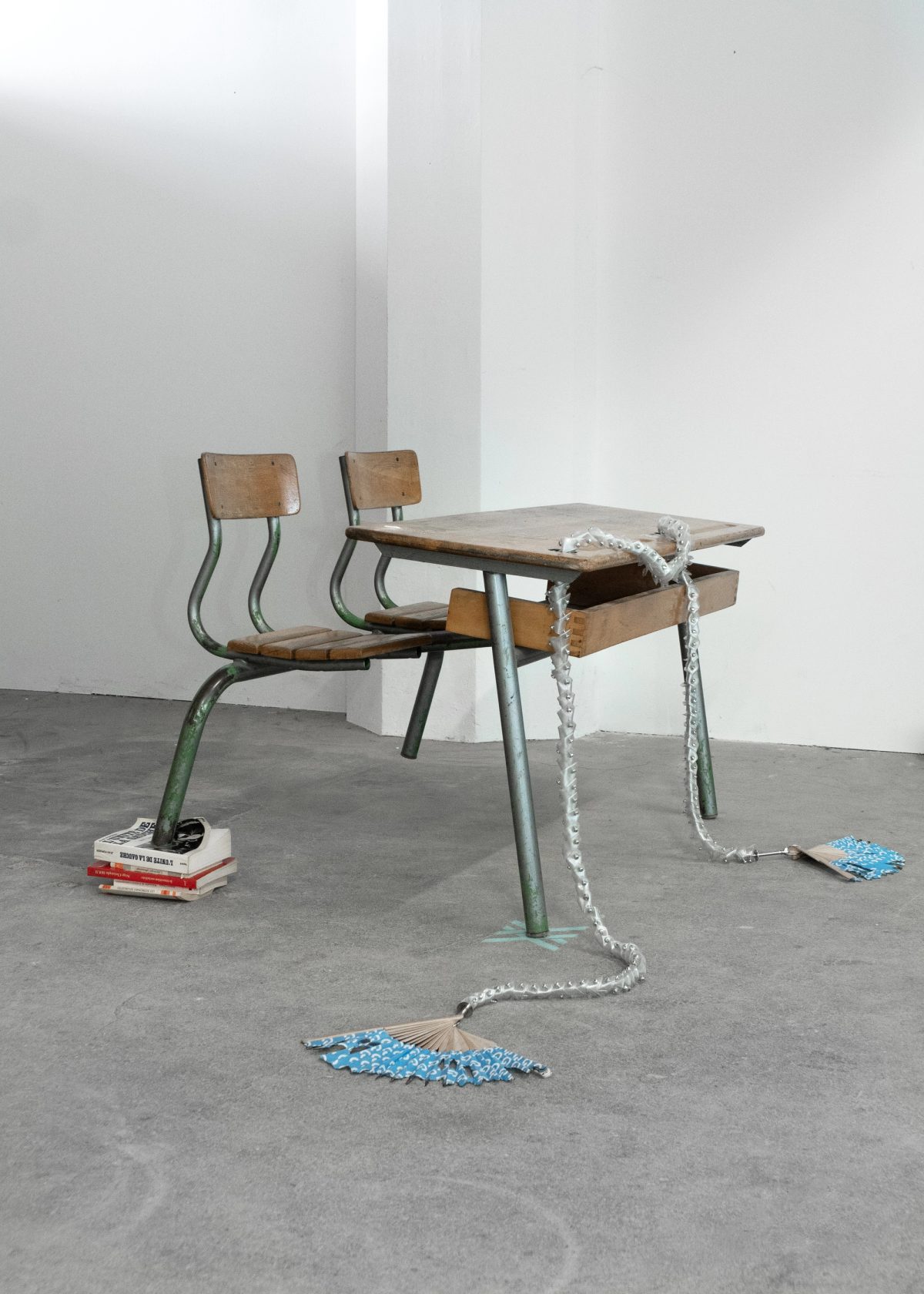
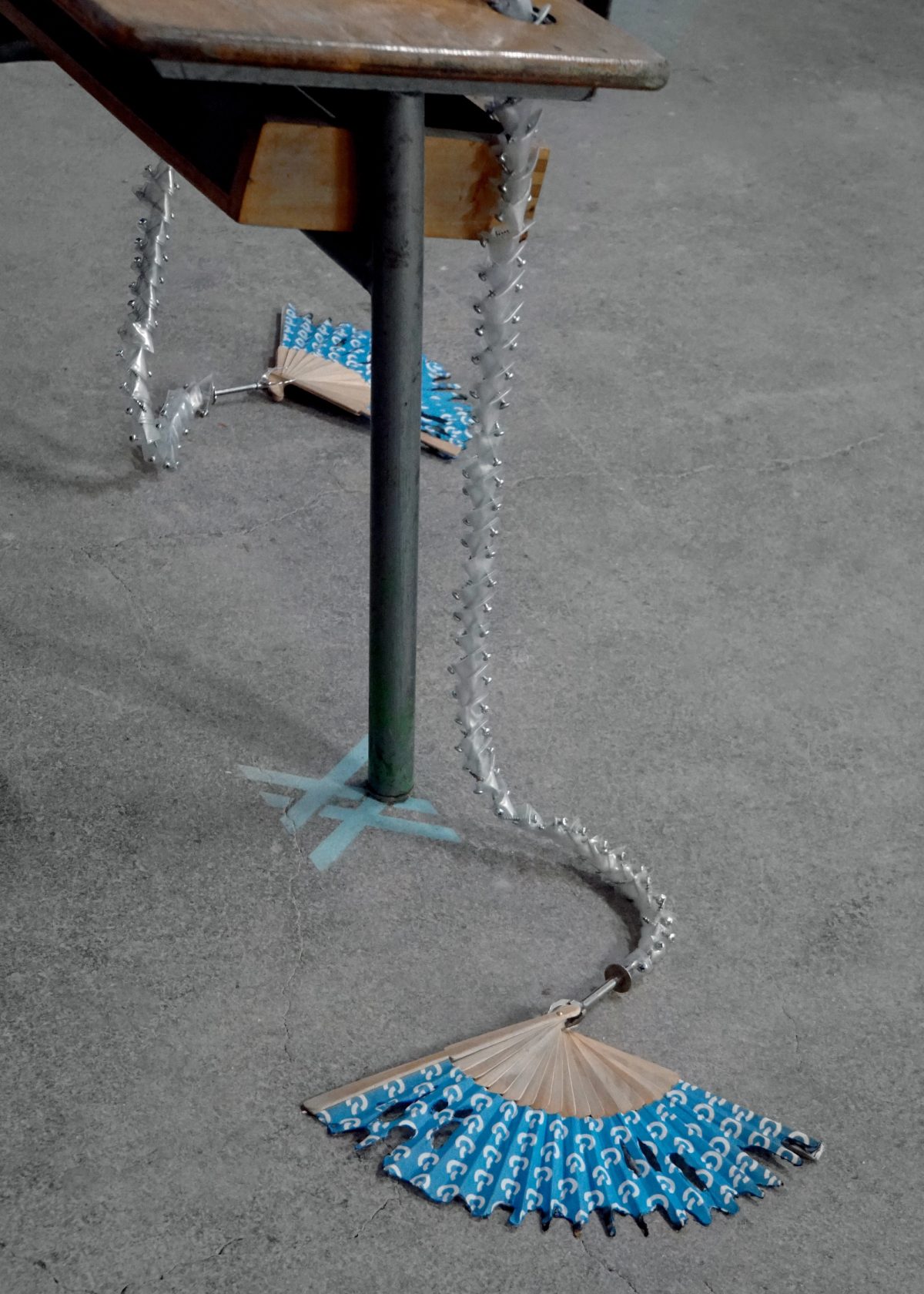
Anna Soz, Offline, 2026
During the residency you described your projects as chapters: Blade Runners being the second, followingI Pray the Trees Will Get Their Leaves Soon. Was that structure something the residency imposed, or a way of thinking you brought to it?
The chapter structure was already present in the way I was thinking before the residency, but the experience of transition intensified it and gave it a more concrete temporal dimension.
The PAUSE programme, initiated by the Collège de France and hosted in my case by Haute École des Arts du Rhin in Mulhouse, was created to support artists and researchers in exile. Because of that, questions of displacement, adaptation, transmission, and reorientation were already embedded in the context itself. I deeply resonated with this condition of transition, not only geographically or politically, but also existentially.
Over those two years, the projects gradually unfolded as interconnected chapters within a larger trajectory. I Pray the Trees Will Get Their Leaves Soon emerged around hope and the possibility of futures otherwise. Blade Runners focused more on navigation, equilibrium, and collapse. Witness dealt with memory, erasure, and historicity. Songs for Ashes moved through grief, kinship, and forms of connectivity beyond collapse, while Games became more concerned with flattened narratives, strategy, and geopolitical orientation.
Later, this trajectory also expanded into the curatorial projects Haunted and Haunted II | Outside.
Looking back, I think the residency gave me the temporal and spatial conditions to understand these works not as isolated projects, but as parts of an evolving constellation. Living and working in Mulhouse was especially important in that regard, it's a very specific city, but also one that feels deeply symptomatic of broader contemporary conditions.
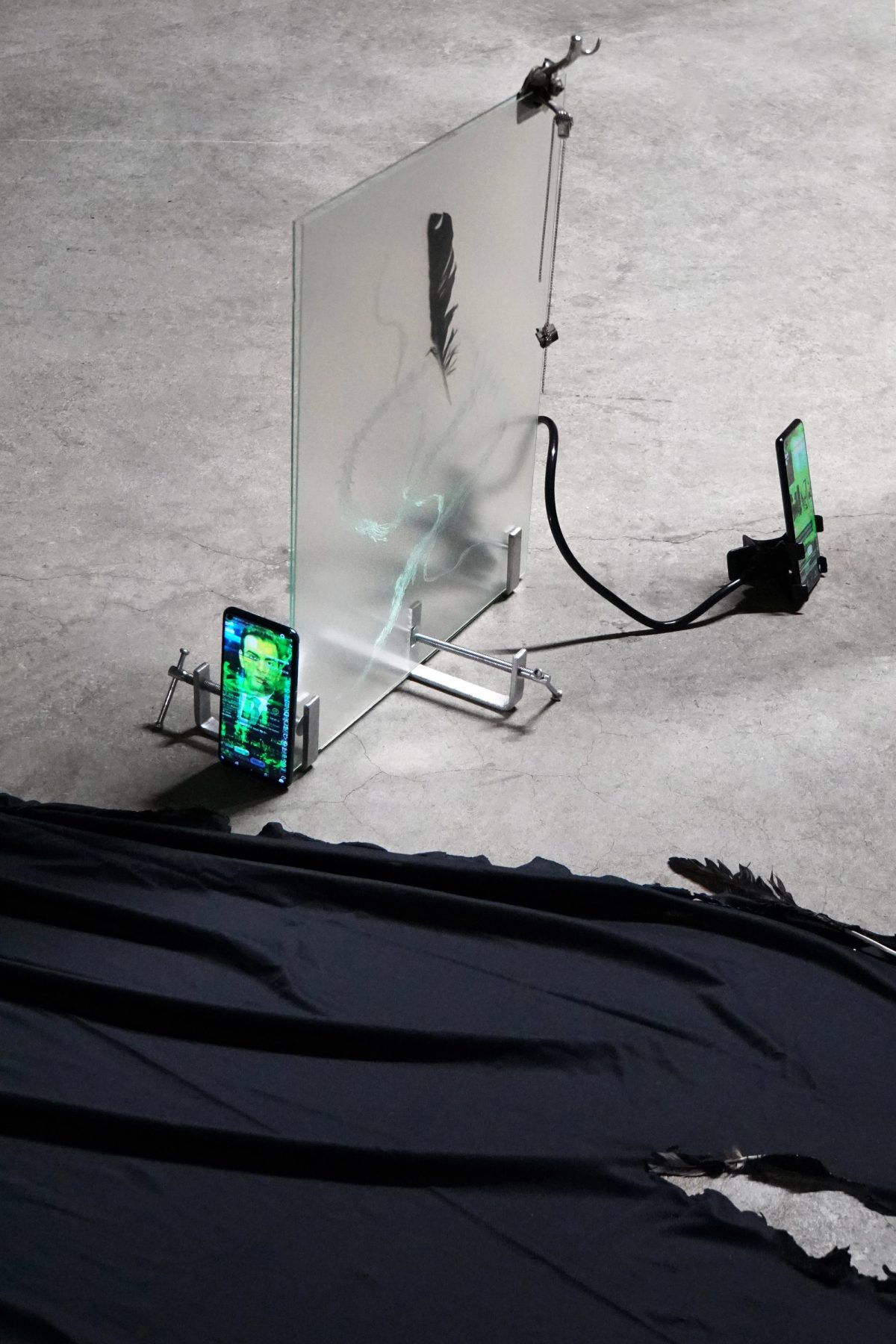
Anna Soz, Blade Runners, 2024
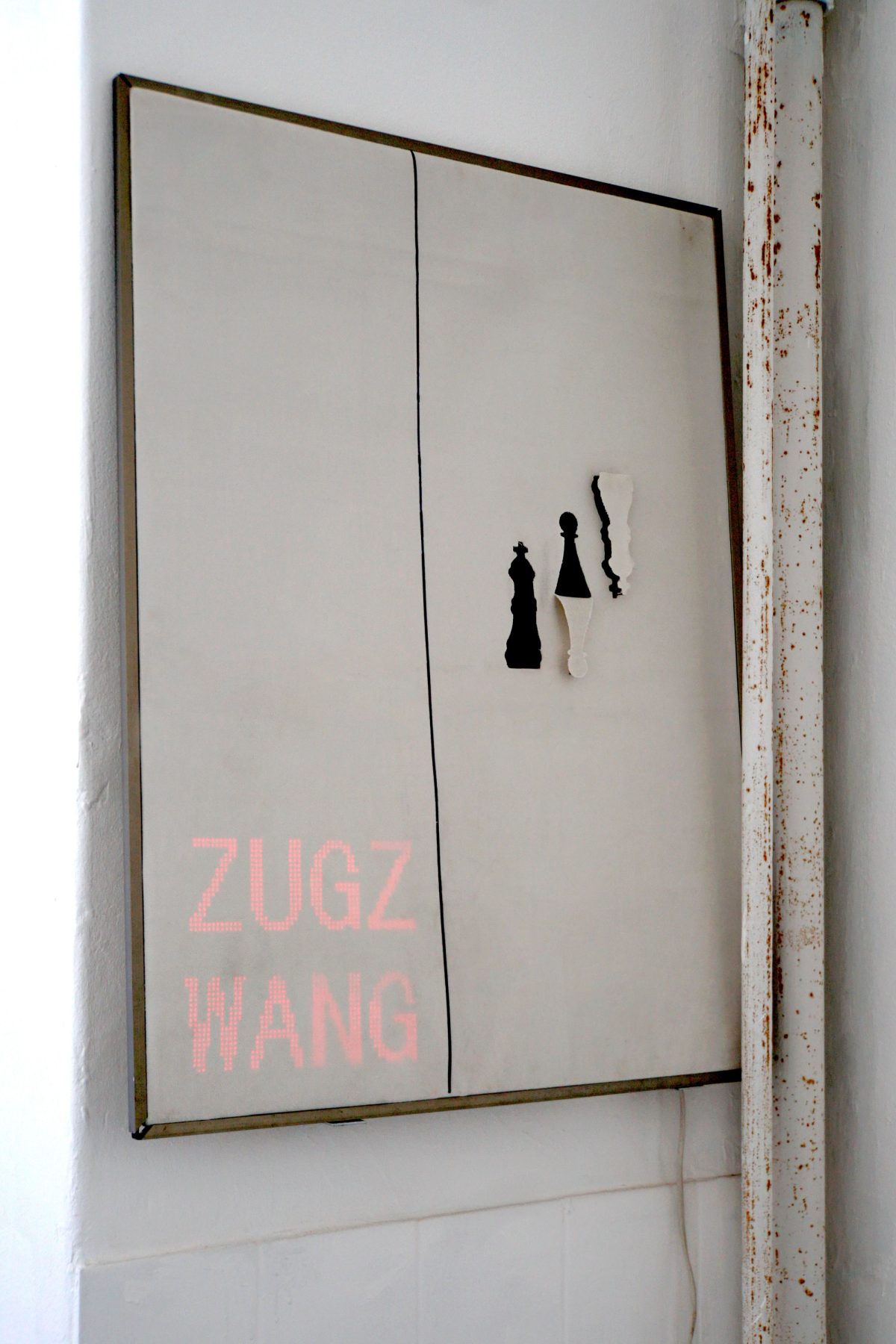
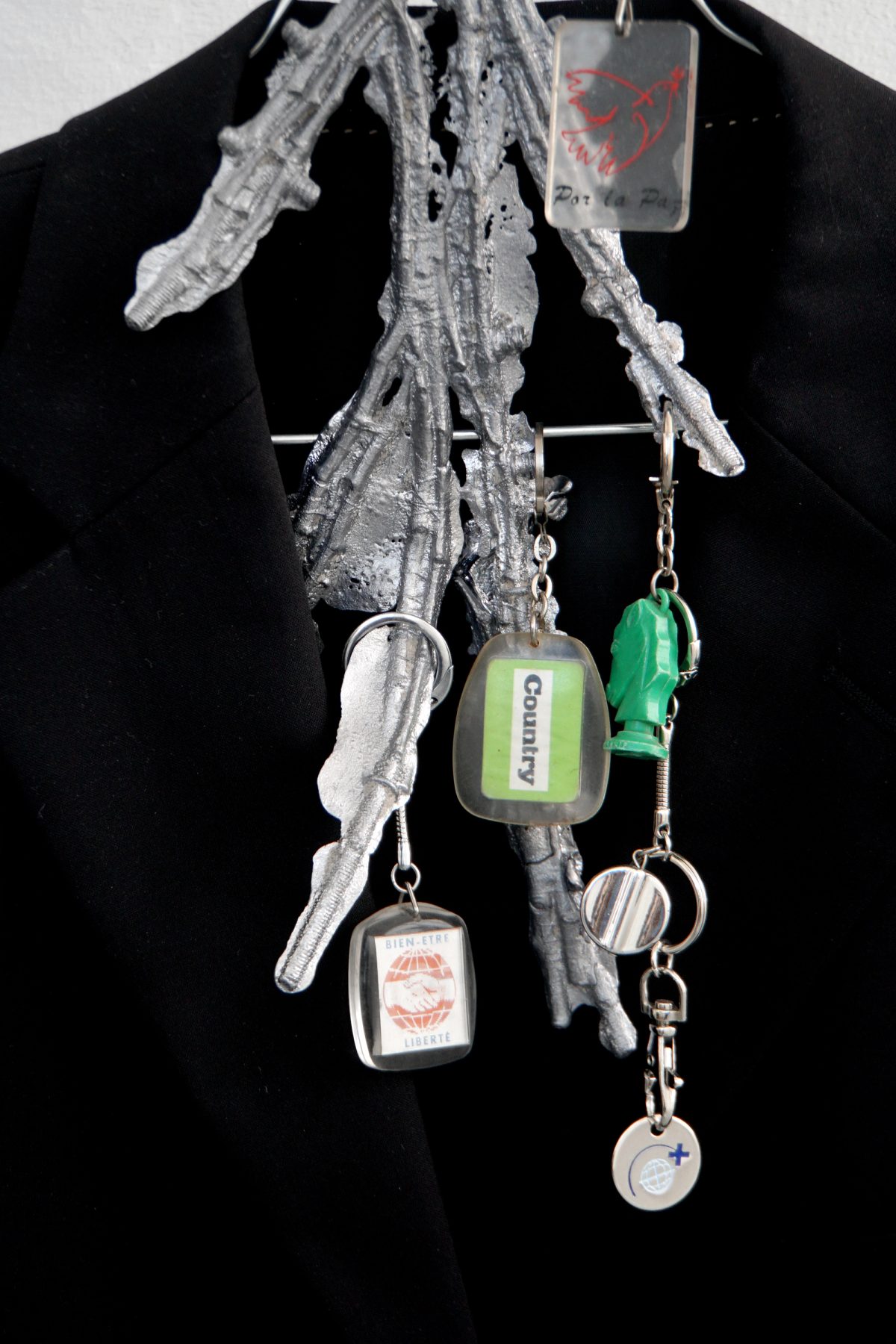
Anna Soz, Games, 2025, Motoco, Mulhouse
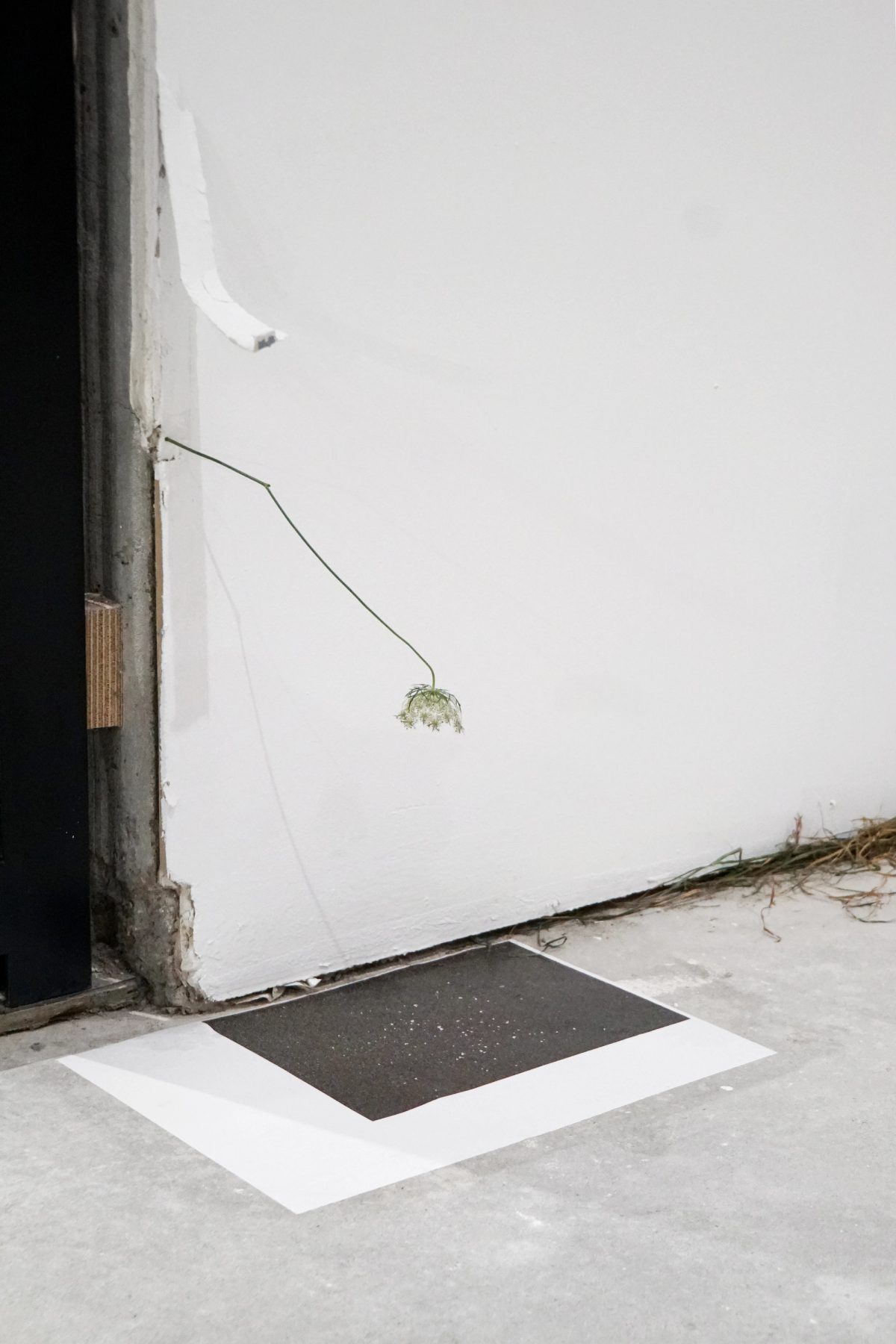
Marlijn Karsten, When the Night Falls into Pieces, 2024, presented in Haunted, La Galerie, Mulhouse
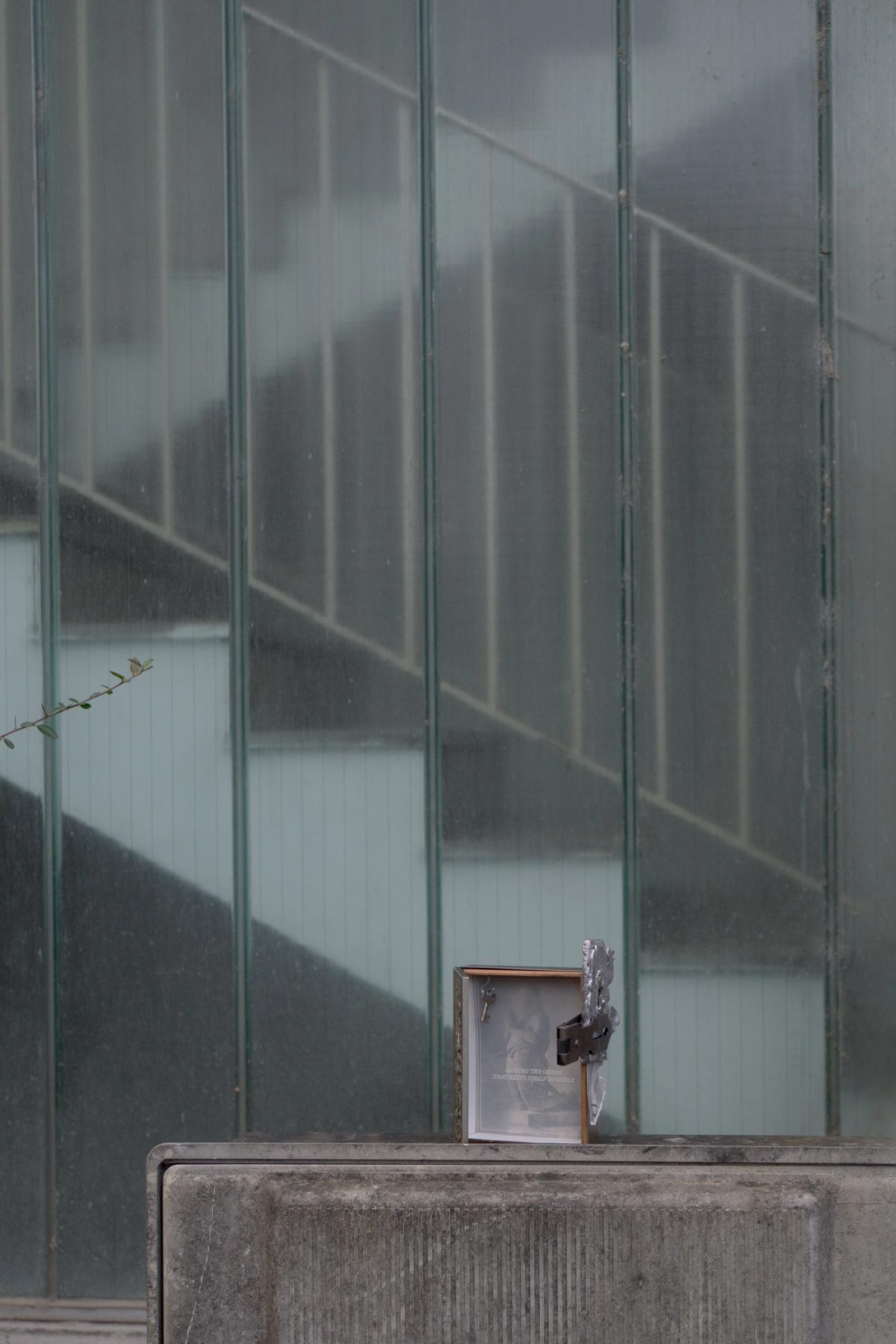
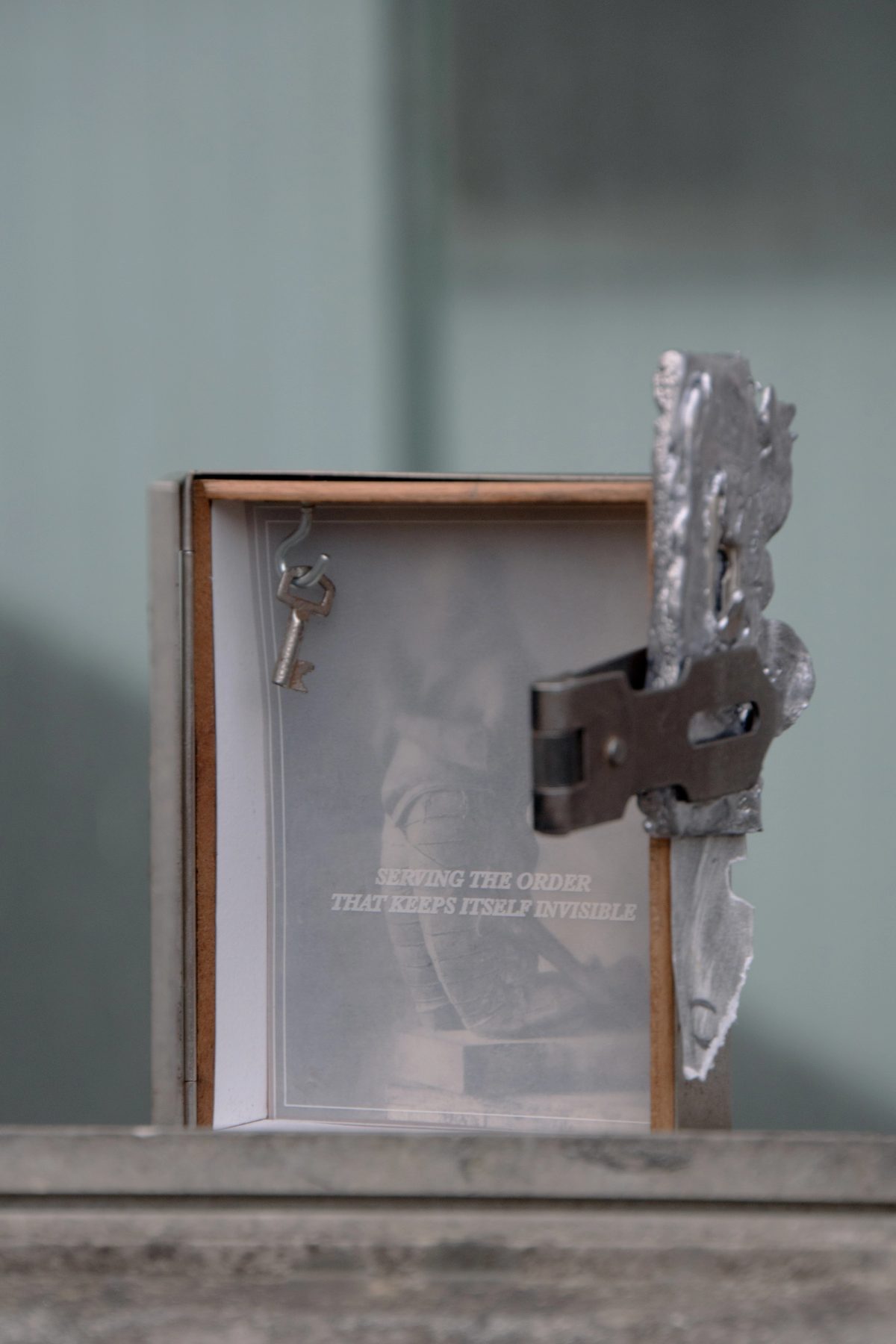
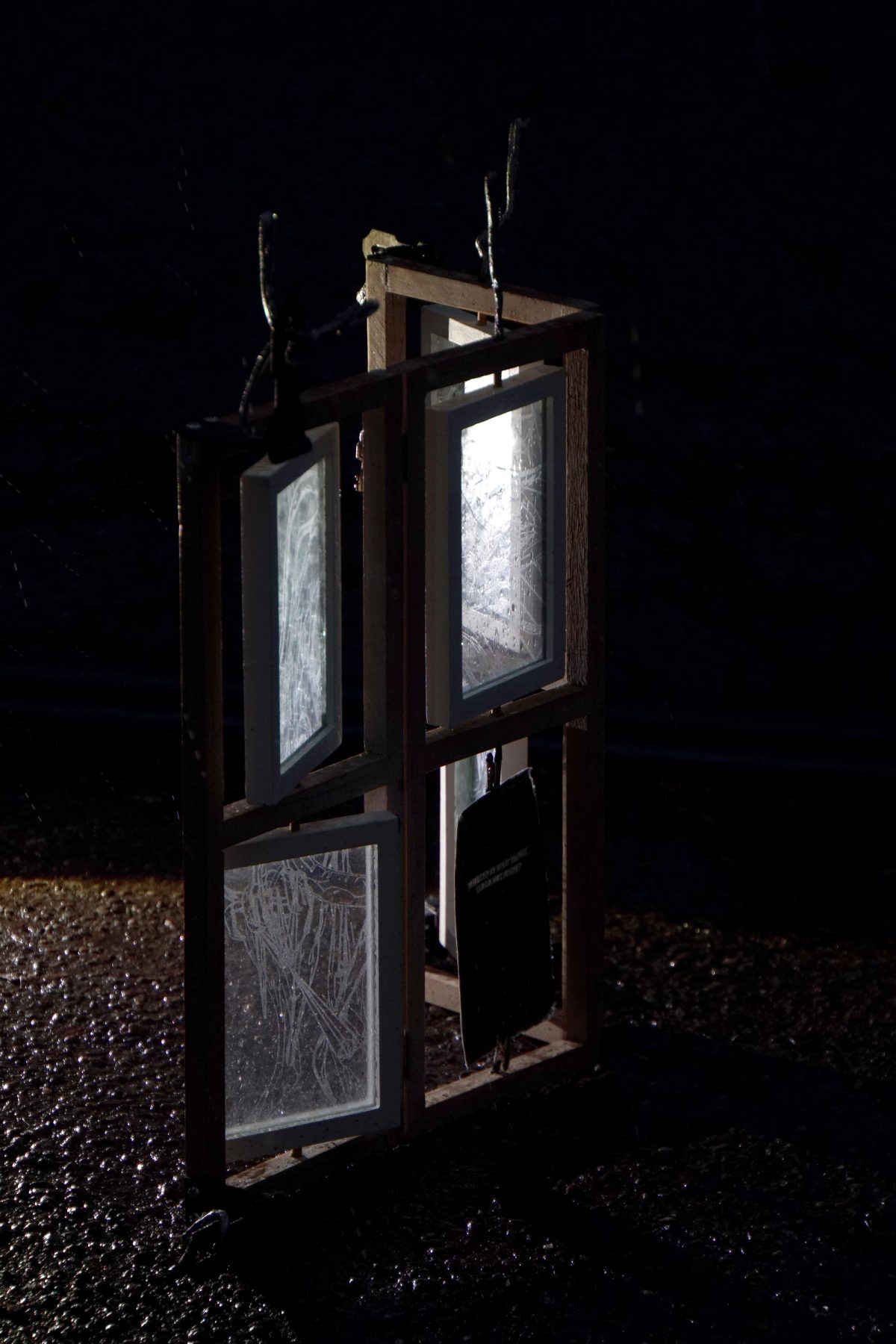
Anna Soz, Invisible Orders (left, middle) and By What Empire Could Not Forget (right), 2025, presented in Haunted II | Outside, off-site project, Mulhouse
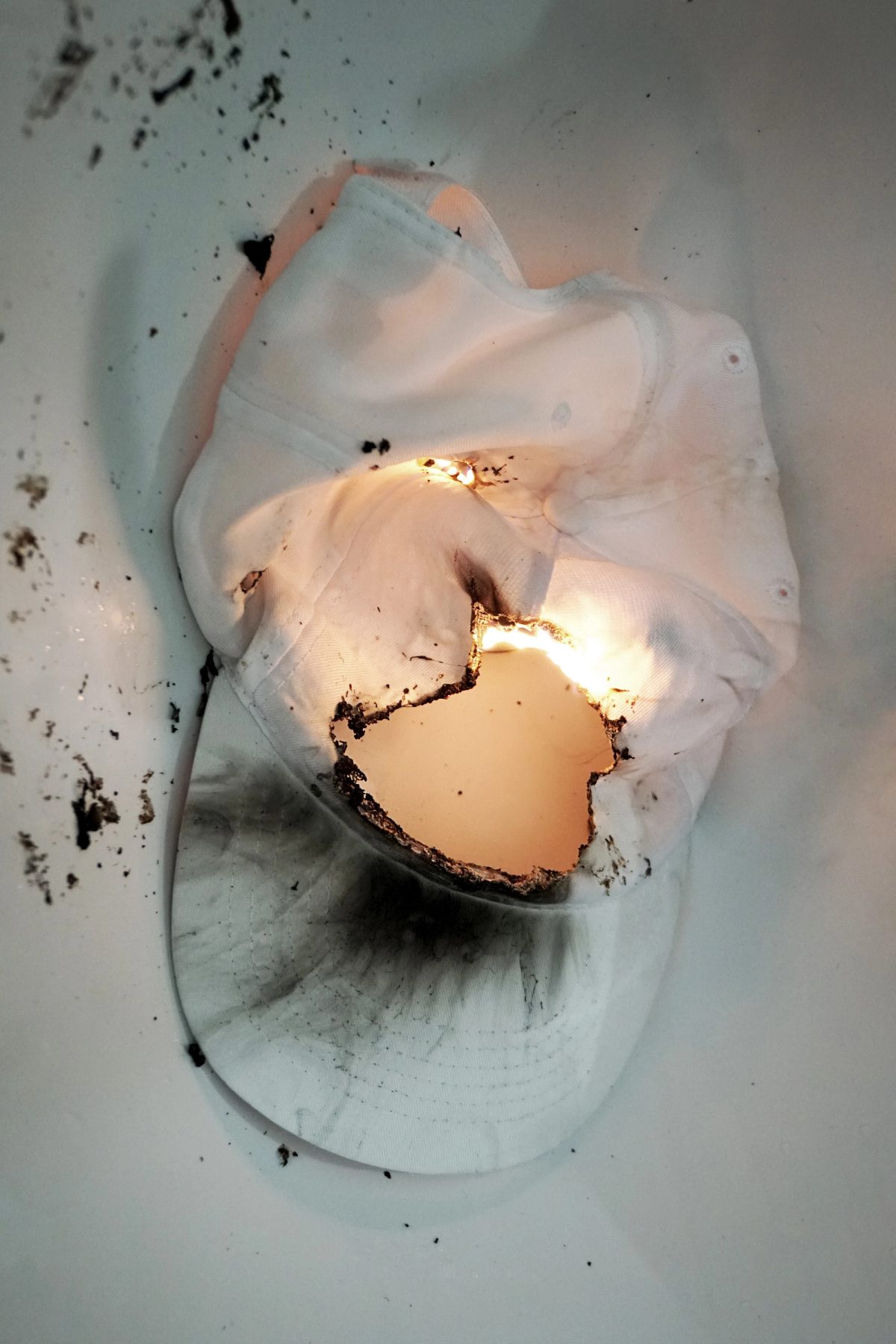
Anna Soz, Songs for Ashes, 2024, Motoco, Mulhouse
Games asks whether Zugzwang has become our Zeitgeist, every move deepens the loss, yet abstention is impossible. Does making art feel like another move in that same trap?
At times, yes. I think many people today experience a similar tension: the feeling that every available move is already entangled within larger political, technological, or economic systems that exceed individual agency. But I don't see artistic practice as reducible to that condition alone.
For me, art still carries an emancipatory potential precisely because it allows us to rehearse other forms of orientation, perception, and relation. Even under conditions that feel constrained, it remains possible to produce unexpected connections, meanings, and trajectories.
I often return to Peter Wolfendale's idea that freedom does not lie in breaking rules altogether, but in finding meaningful action within them. I think games are compelling partly because they make this tension visible: they operate through constraints, yet still leave space for strategy, interpretation, imagination, and choice.
In that sense, Games was less about resignation than about trying to think through how agency continues to function under conditions of exhaustion, acceleration, and systemic pressure.
Your practice is described as simultaneously artistic, curatorial, pedagogical, and experimental. Do you experience those as distinct modes or do they bleed into each other?
For me, they very much bleed into each other. I don't really experience artistic practice, pedagogy, curatorial work, or research as separate compartments. They coexist within the same evolving environment of thinking, making, gathering, and exchange.
That is probably why I became attached to the image of the multitool as a kind of informal emblem of my practice. Not because it represents efficiency, but because it suggests adaptability, contingency, and the possibility of shifting between different functions depending on the situation.
I also return often to Ursula K. Le Guin's The Carrier Bag Theory of Fiction. I love her proposition that the earliest human tool was not a weapon but a container, something used to gather, carry, and hold. I think this idea deeply resonates with the way I approach artistic and curatorial work: less as the production of singular gestures and more as the assembling of relations, references, situations, and forms of knowledge.
Pedagogy also enters this constellation quite naturally for me. Teaching is not separate from practice; it is another way of collectively navigating questions, tensions, and forms of attention. I'm very interested in learning environments built around exchange rather than authority as a fixed position.
Ultimately, I think all these different modes are connected by the same underlying impulse: the desire to create conditions for thought, relation, and freedom to emerge.
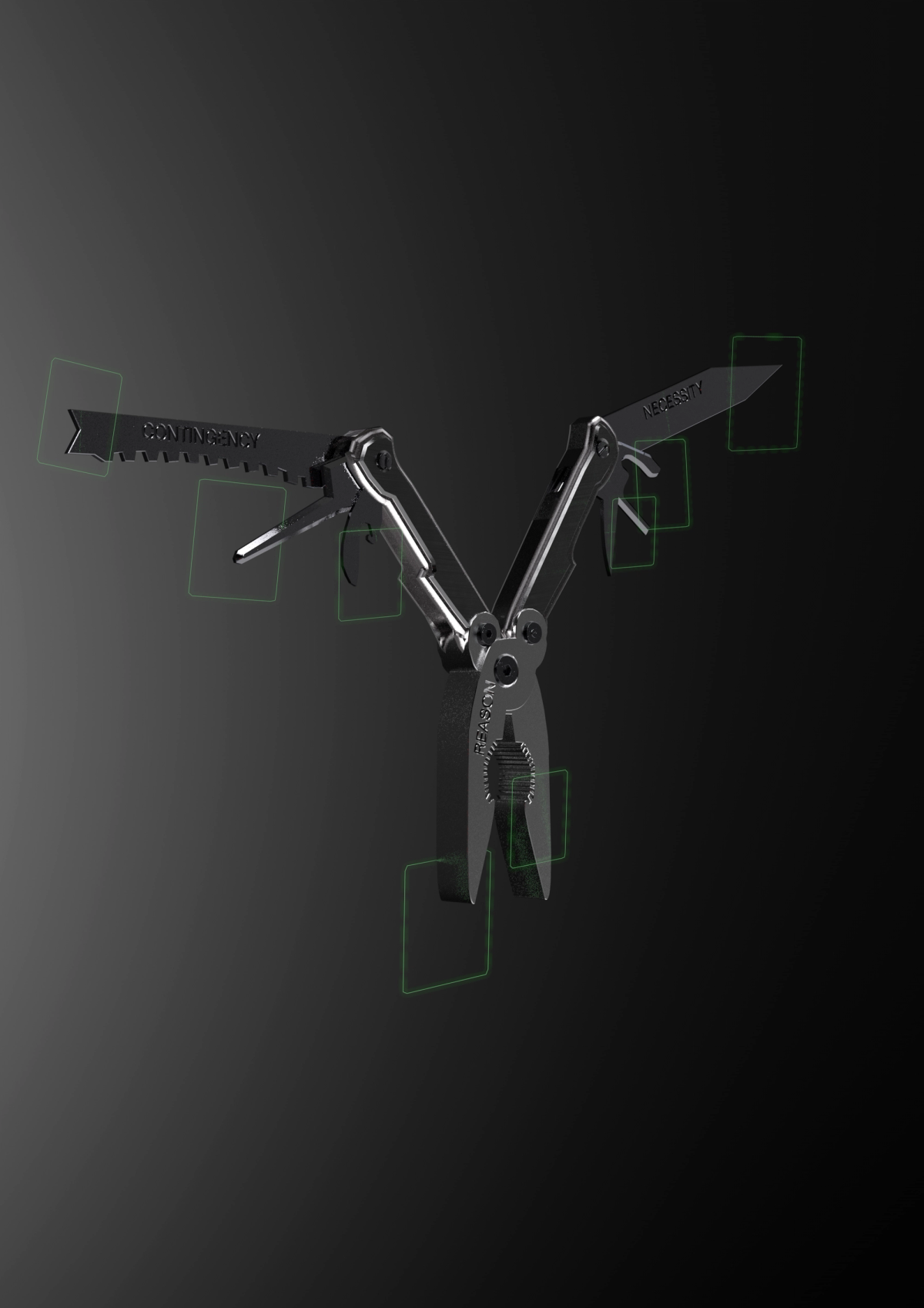
Necessity / Contingency / Reason
"I often think of artistic practice not only as a way of producing forms, but also as a way of structuring time. Different durations generate different kinds of attention, presence, and emotional intensity."
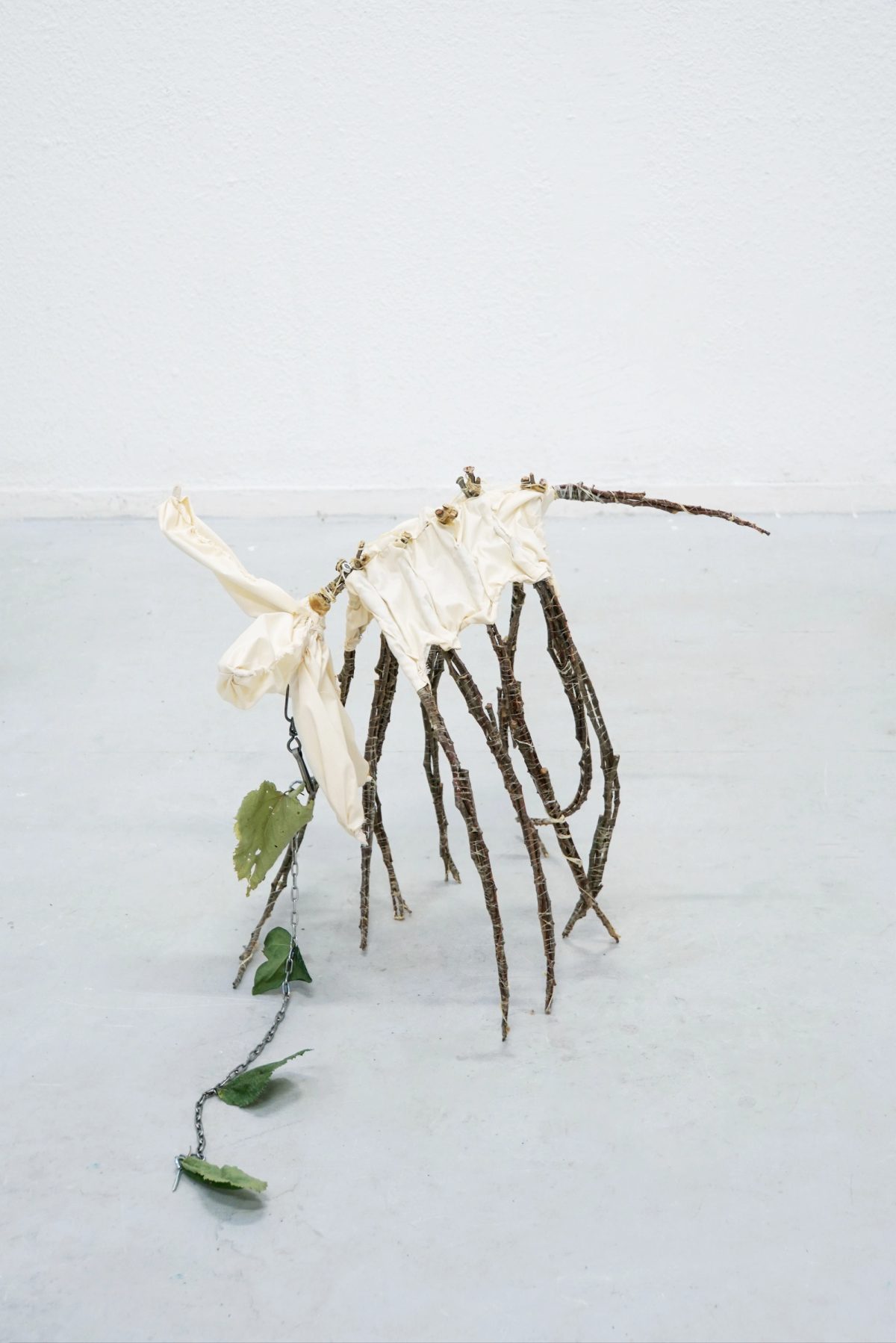
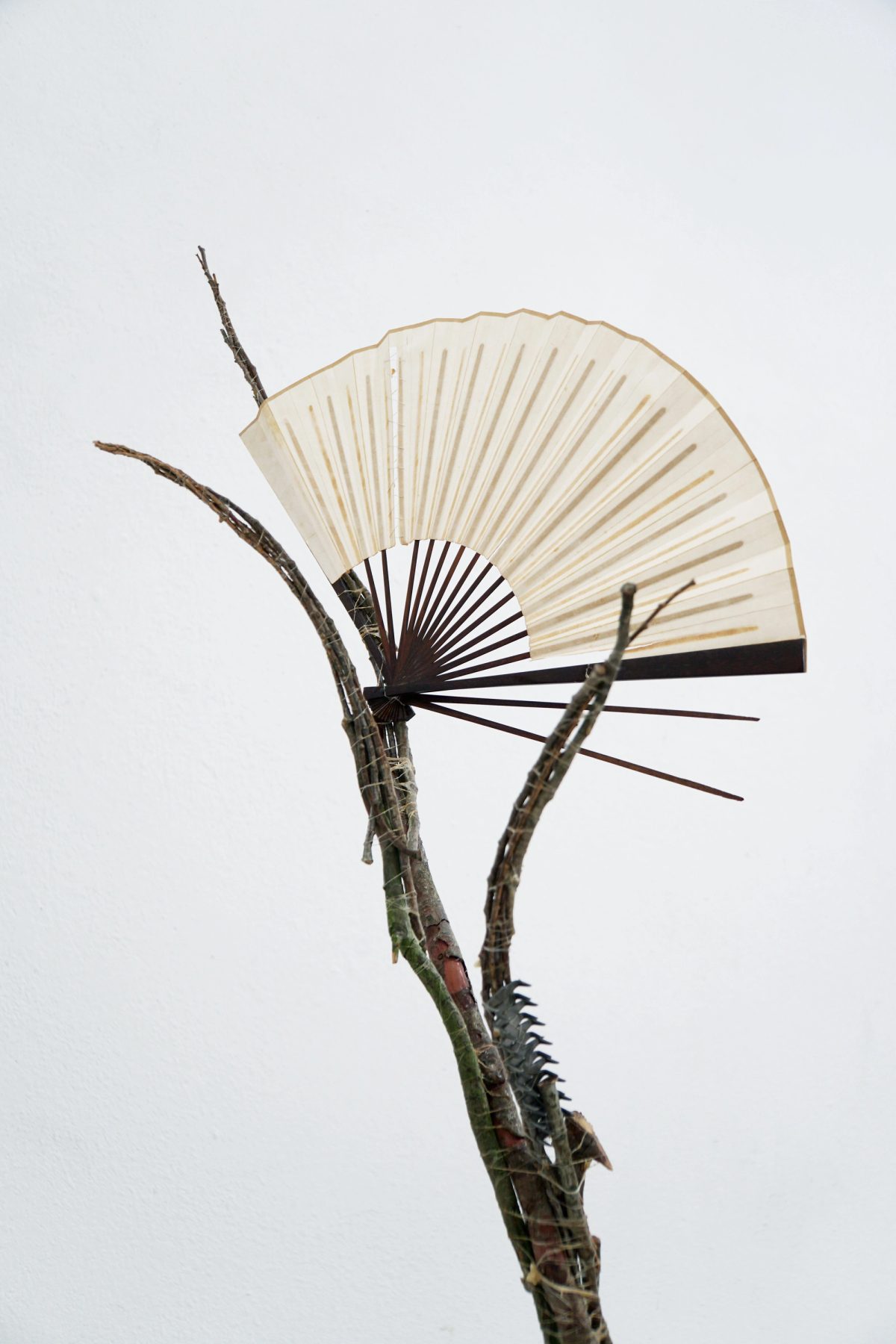
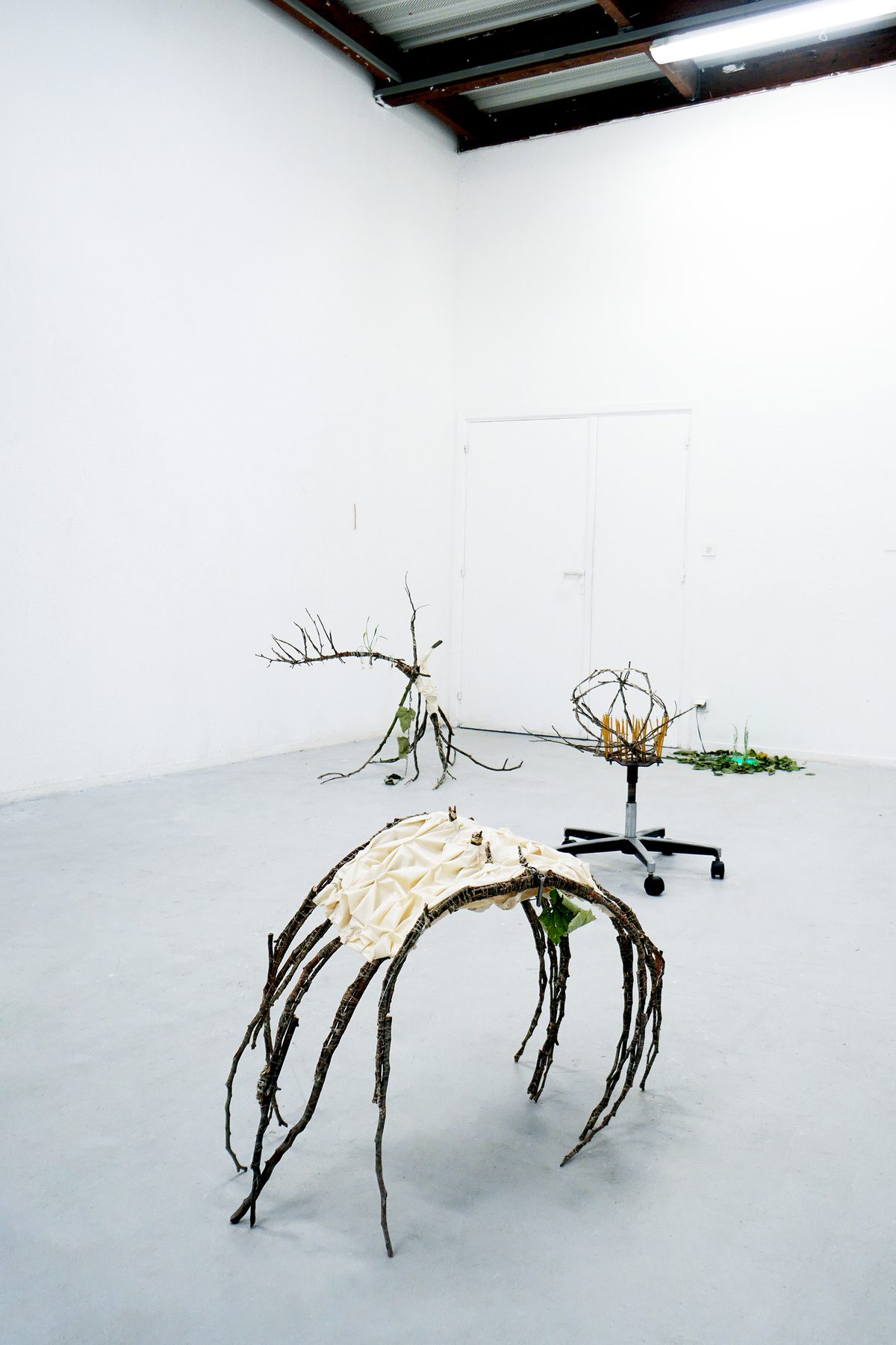
Anna Soz, I Pray the Trees Will Get Their Leaves Soon, 2023, presented in HEAR, Mulhouse
You’ve invoked Hegel, Ahmad Shamlu, Hiromi Itō, Adonis across different works. How do you choose the texts that enter the work? And what does it mean to put a Persian poet next to a Japanese one next to a German philosopher?
Because I tend to think of my projects as interconnected chapters, I often use texts almost as epigraphs or connective fragments moving across them. Sometimes they function as conceptual anchors, and sometimes more like echoes that continue unfolding through different works.
The process of choosing is quite deliberate. In many cases, a project begins with language itself – with a title, a quotation, or a textual fragment that gradually opens a larger conceptual and visual field around it. I constantly collect references, and over time, certain relations begin to emerge between them, forming an evolving constellation of ideas, images, and temporalities.
I'm interested in what happens when different voices, historical moments, and cultural contexts are allowed to coexist without being flattened into a single narrative. Bringing them into proximity can produce unexpected forms of tension, resonance, or recognition.
In many ways, references enter my work less as citations of authority and more as fragments that continue carrying meanings across different contexts.
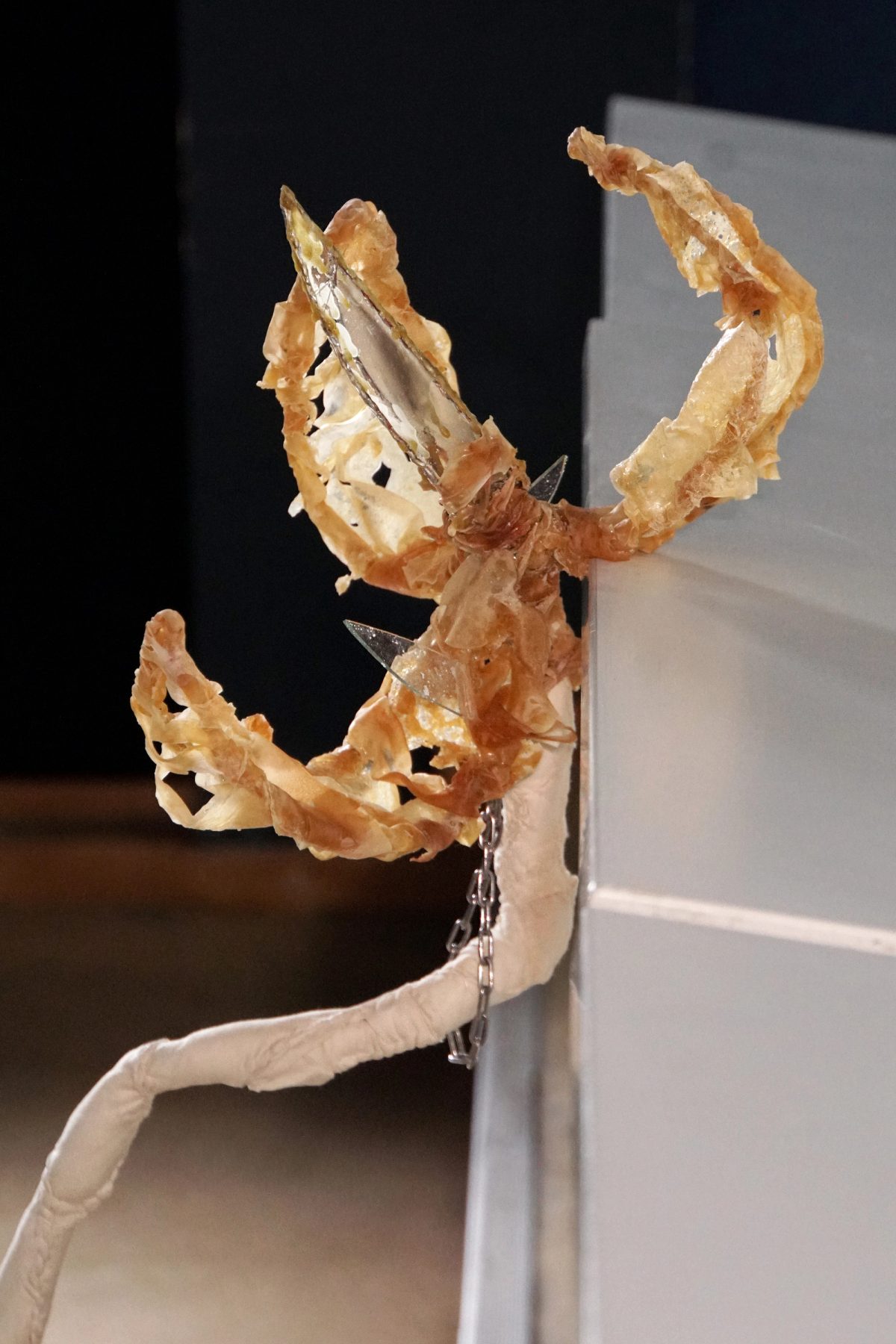
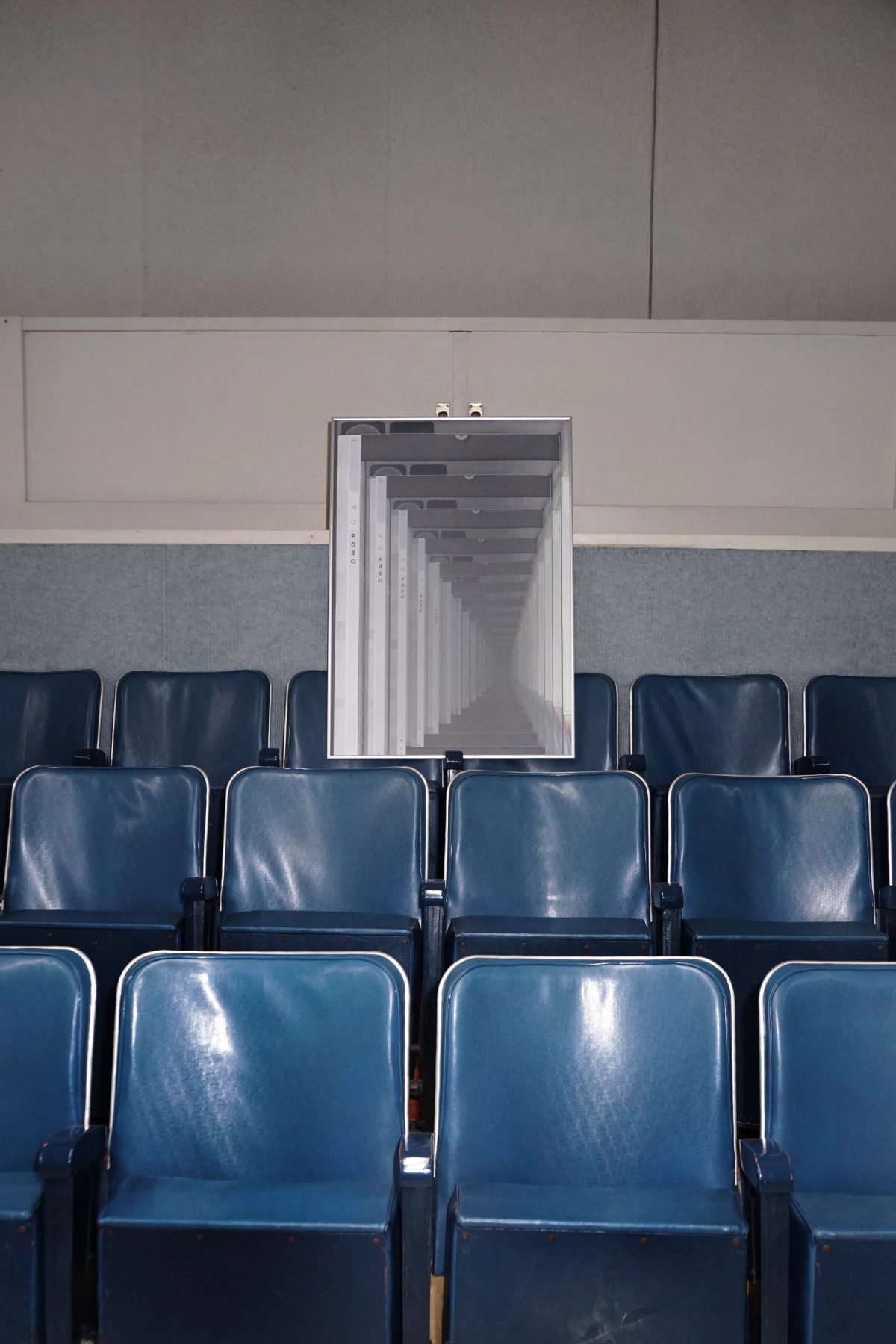
Anna Soz, Witness, 2024, Amphithéâtre, HEAR, Mulhouse
Witness was shown as a one-day installation. Songs for Ashes ran twelve days. The residency spanned two years. You seem to work across very different temporal scales. Does duration change what a work can do?
Definitely. Questions of temporality have become increasingly important in my practice over the past few years, especially the spaces between acceleration and standstill, emergence and exhaustion.
I often think of artistic practice not only as a way of producing forms, but also as a way of structuring time. Different durations generate different kinds of attention, presence, and emotional intensity. A one-day installation produces a very different relationship to appearance and disappearance than something unfolding over weeks or years.
This is something I also discuss a lot with my students. Contemporary experience rarely feels temporally stable; multiple historical rhythms, expectations, and crises seem to overlap at once. Because of that, I've become more drawn to nonlinear and recursive understandings of time.
Rather than imagining time as a straight line, I often think of it more as a spiral: something that returns, but never in exactly the same form. The past is never simply over; it continues to reappear within new political, technological, and emotional conditions. I think many of my projects emerge precisely from this tension between repetition, transformation, and historical persistence.
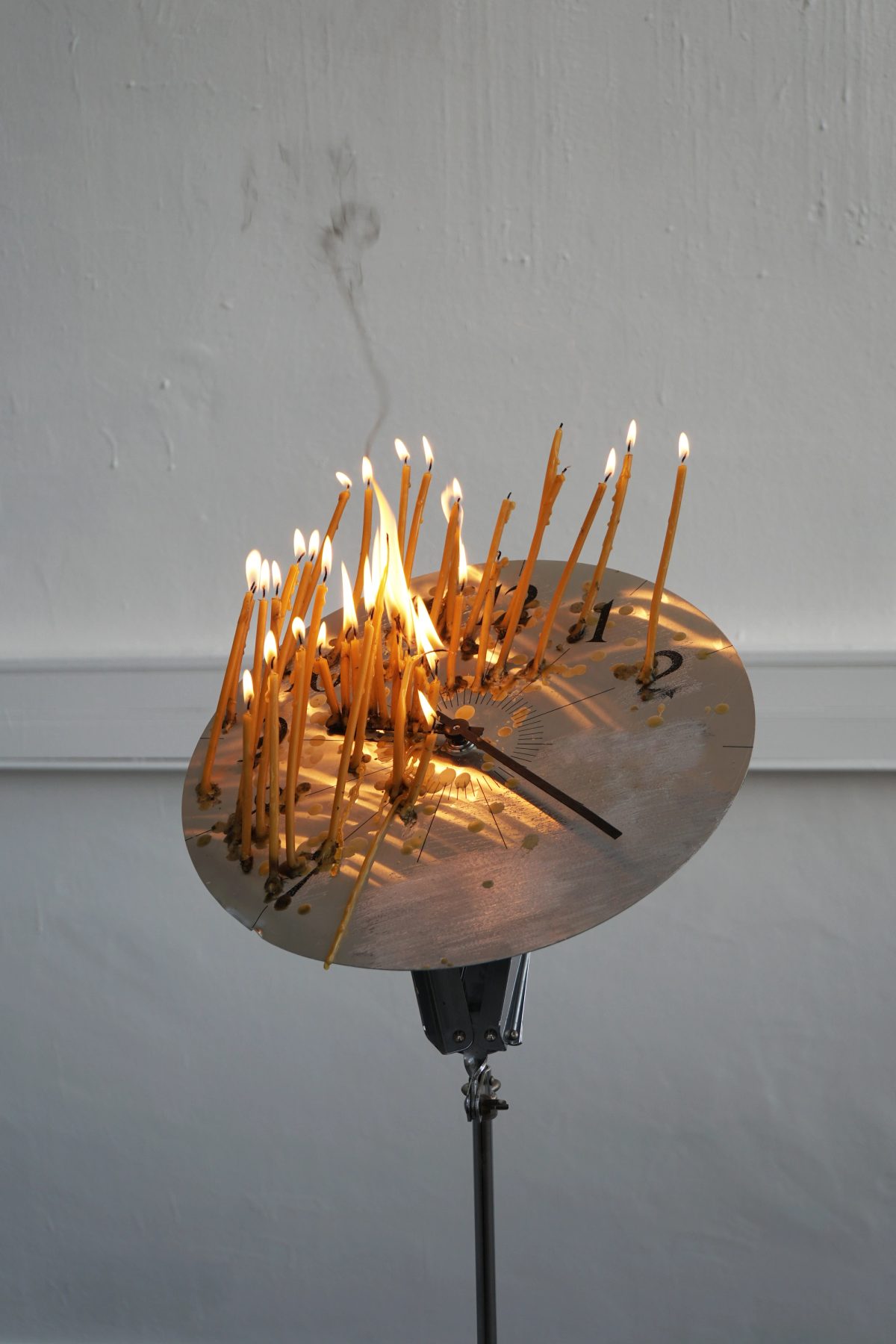
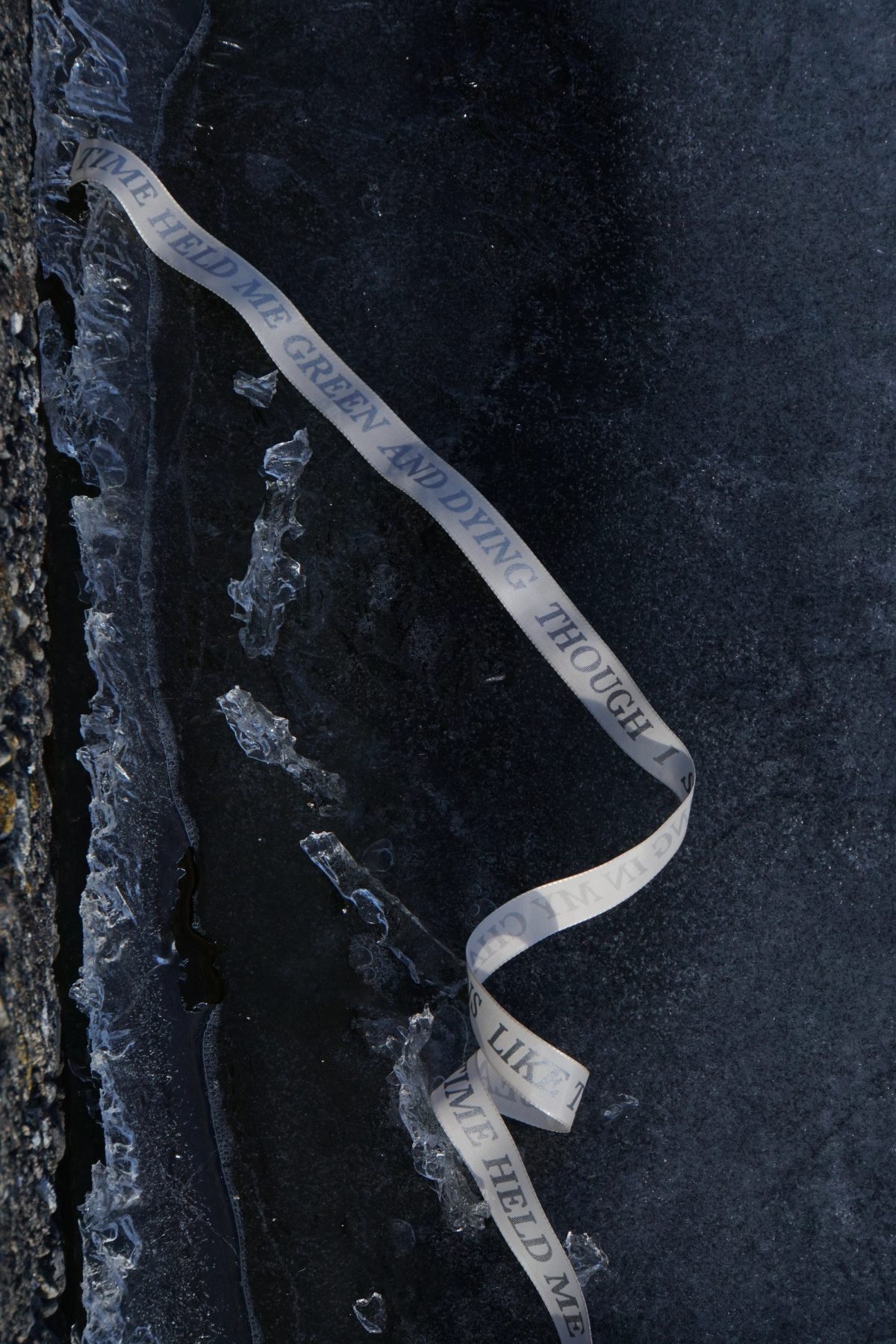
Left: Anna Soz, Time Out of Joint, 2025, found objects, engraving on metal, wax candles
Right: Anna Soz, Though I Sang in My Chains Like the Sea, 2025 (2026), found object, silk print on ribbon
"I'm interested in the agency of the found, in the way objects arrive already carrying traces of previous contexts, uses, and meanings. In many cases, the work begins precisely from negotiating with those existing conditions rather than imposing something entirely new onto them."
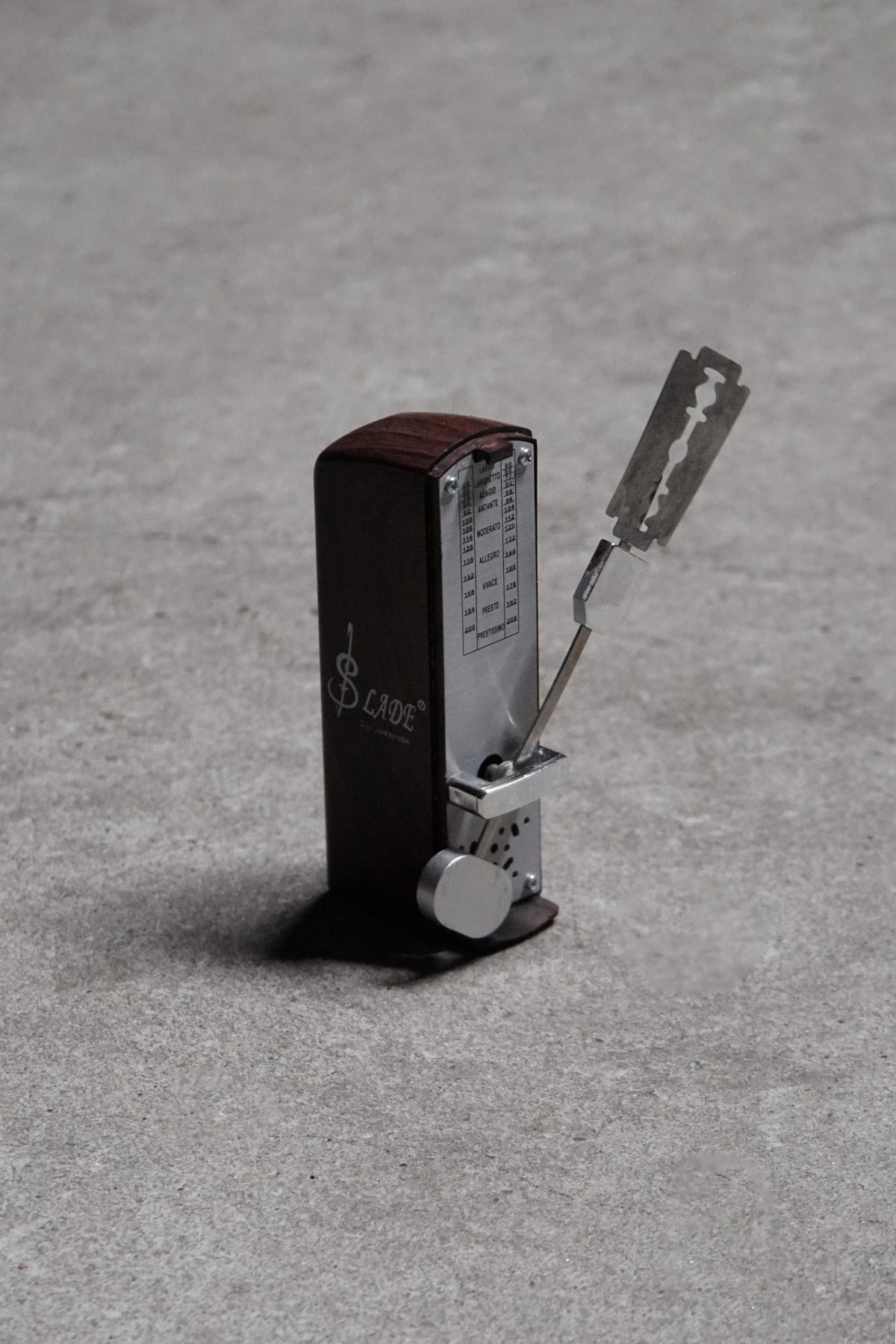
Anna Soz, Blade Runners, 2024
You describe your practice as pursuing emancipatory thinking, but so much of the work deals with censorship, necropolitics, erasure, collapse. How do you hold the emancipatory aspiration against such heavy subject matter without one cancelling the other out?
I think I engage with these subjects precisely because I'm trying to imagine conditions under which things could be otherwise. For me, emancipatory thinking is not the denial of violence, collapse, or political exhaustion, but the refusal to accept them as the only possible horizon.
Of course, my perspective is also shaped by lived experience; displacement, censorship, instability, the experience of rebuilding forms of orientation under new conditions. But I think difficult realities make imagination even more necessary, not less.
I'm very interested in the relationship between imagination and agency: the ways people remain capable of producing meaning and solidarity even within constrained conditions. In that sense, imagination is not escapism for me. It is connected to the practical question of how different futures become thinkable in the first place.
I often return to a line by China Miéville from one of his recent interviews:
"We are in the business of changing what is realistic. Our job is to push and push and push until certain things that are not realistic become...realistic."
I think artistic practice can sometimes do exactly that, not by offering utopias detached from reality, but by shifting the limits of what people are able to perceive, articulate, or desire collectively.
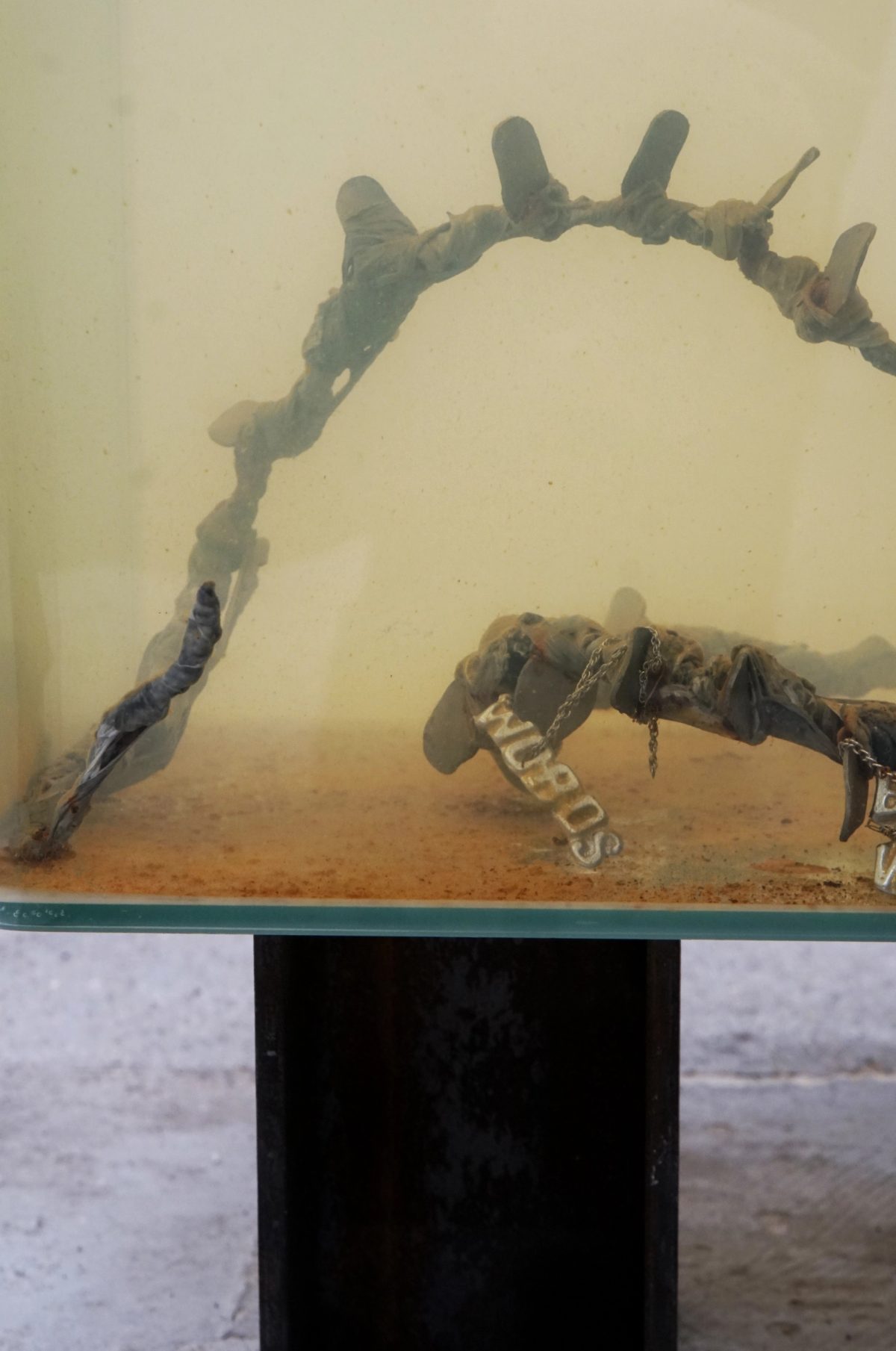
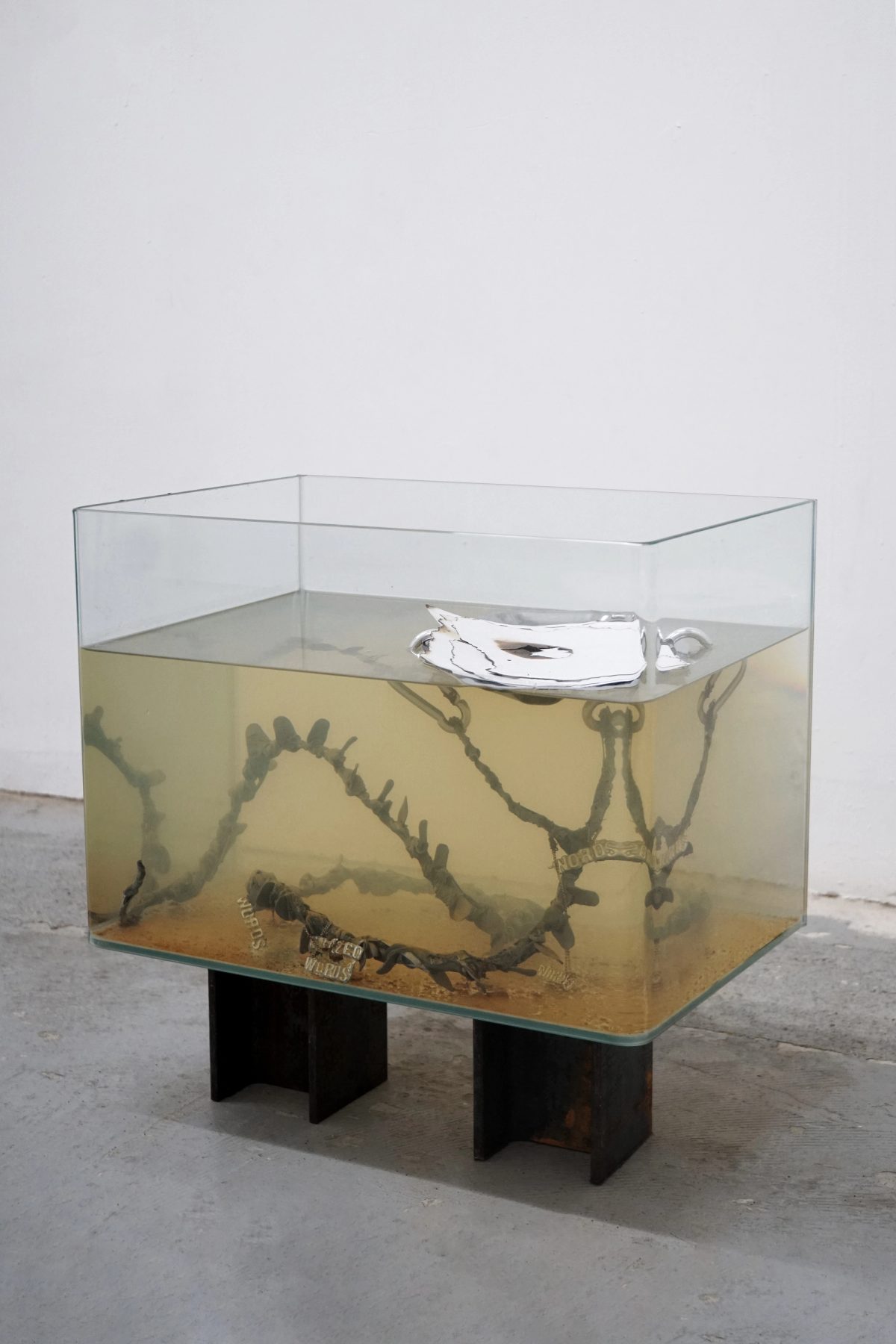
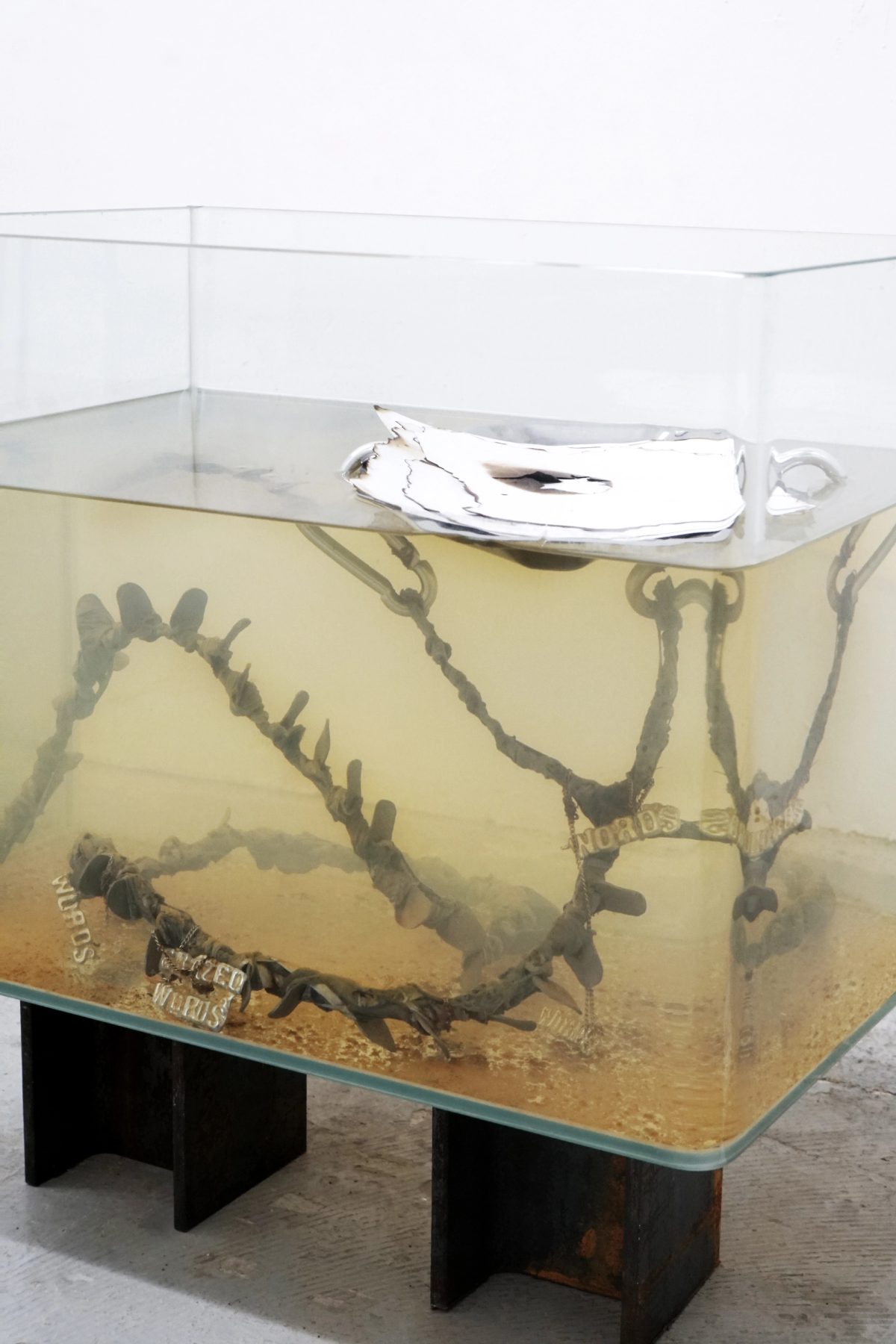
Anna Soz, The Words of Truth Are Hard to Swallow, 2024
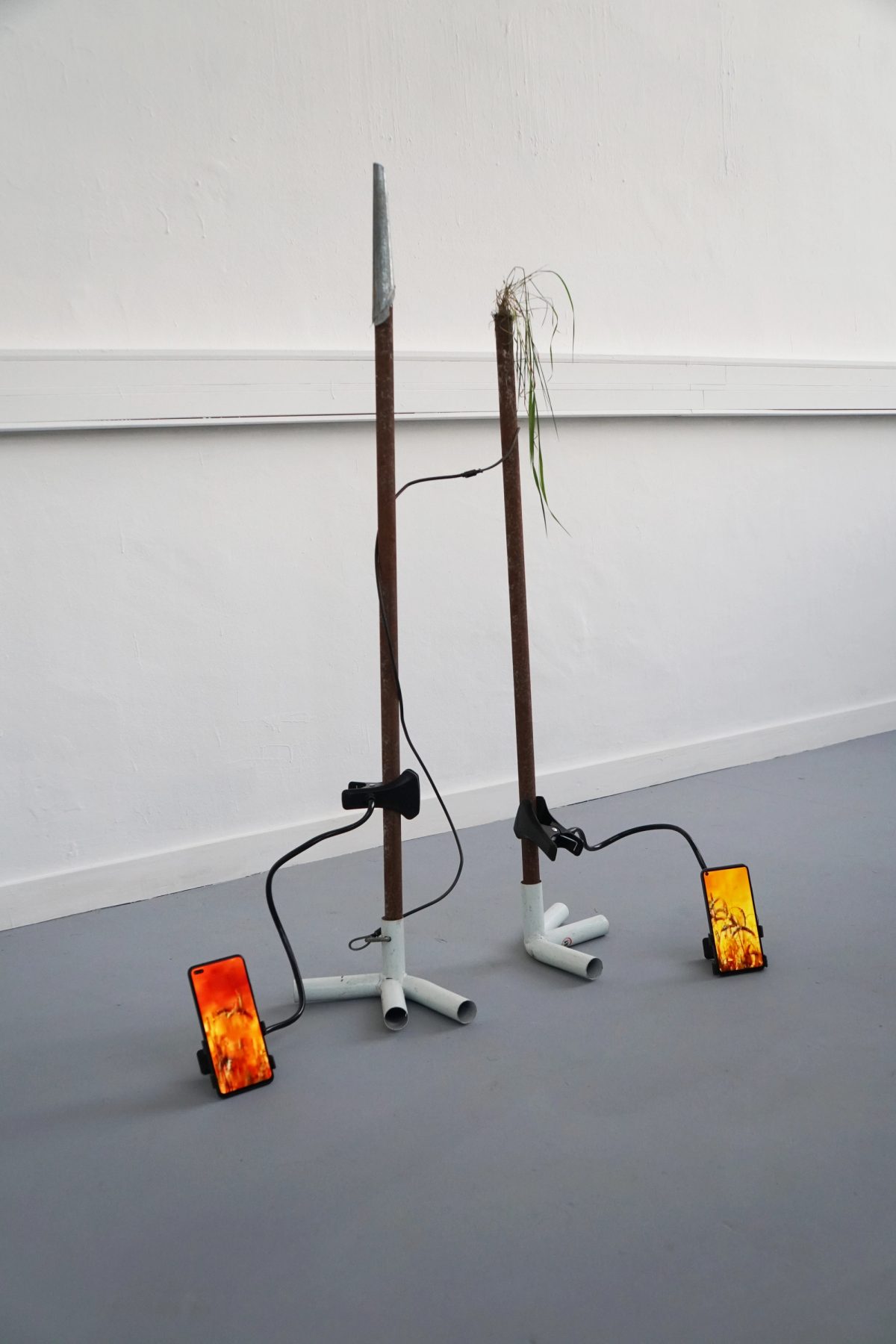
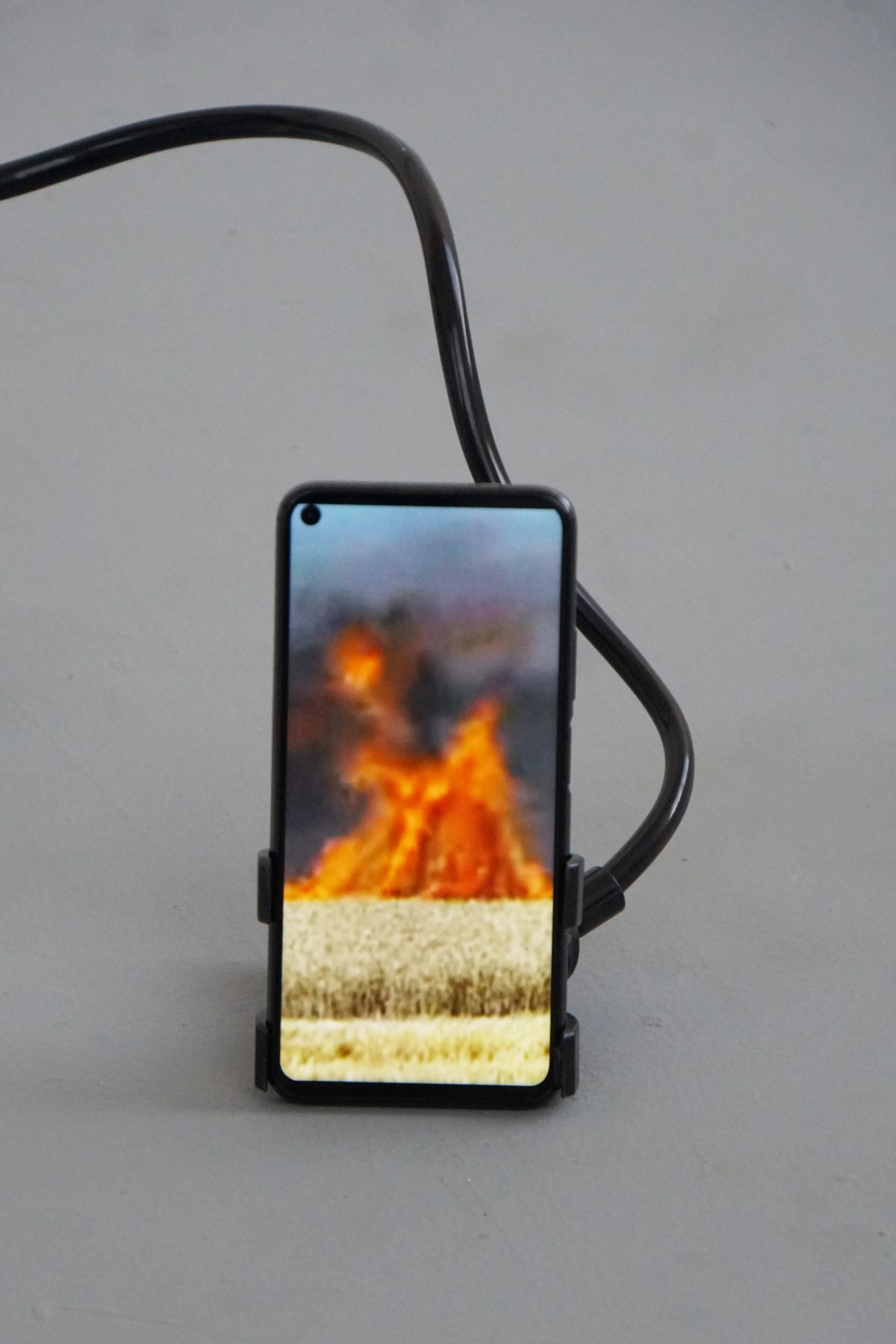
Anna Soz Where Feet Are Stuck in Scalded Soil (No Song of Birds Is Heard), 2025
You move across installation, sculpture, digital platforms, curation, pedagogy, and the work keeps shifting registers. Where is all of this going? What’s next?
At the moment, I'm interested in continuing to expand the practice across different scales and formats rather than moving toward a single stable form. Lately, I've been thinking a great deal about embodiment, perception, and the relationship between cognitive and physical experience, and I feel this will shape the next phase of my work quite strongly.
I also hope to return to academic research at some point, especially in relation to temporality, imagination, and techno-social conditions. At the same time, I remain deeply invested in building spaces for exchange, publishing, learning, and dialogue outside strictly institutional frameworks.
Publishing is especially important to me. I constantly collect books, references, and fragments of material, and I'm very drawn to the idea of creating an environment where these forms of knowledge could circulate collectively, somewhere between a publishing platform, a study space, and an exhibition environment.
More than arriving at a fixed position, I think I'm interested in continuing to build conditions for new relations, questions, and forms of attention to emerge.
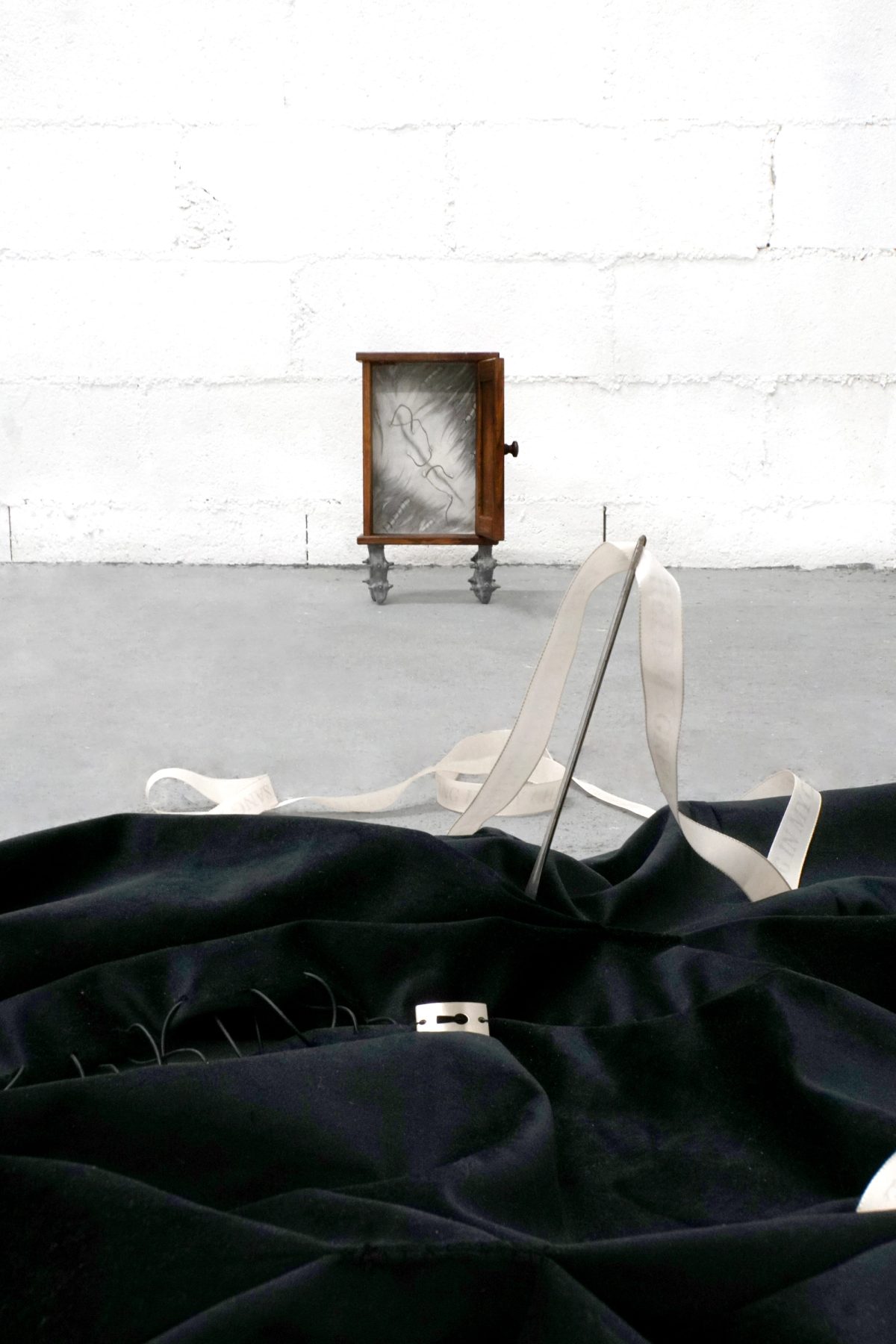
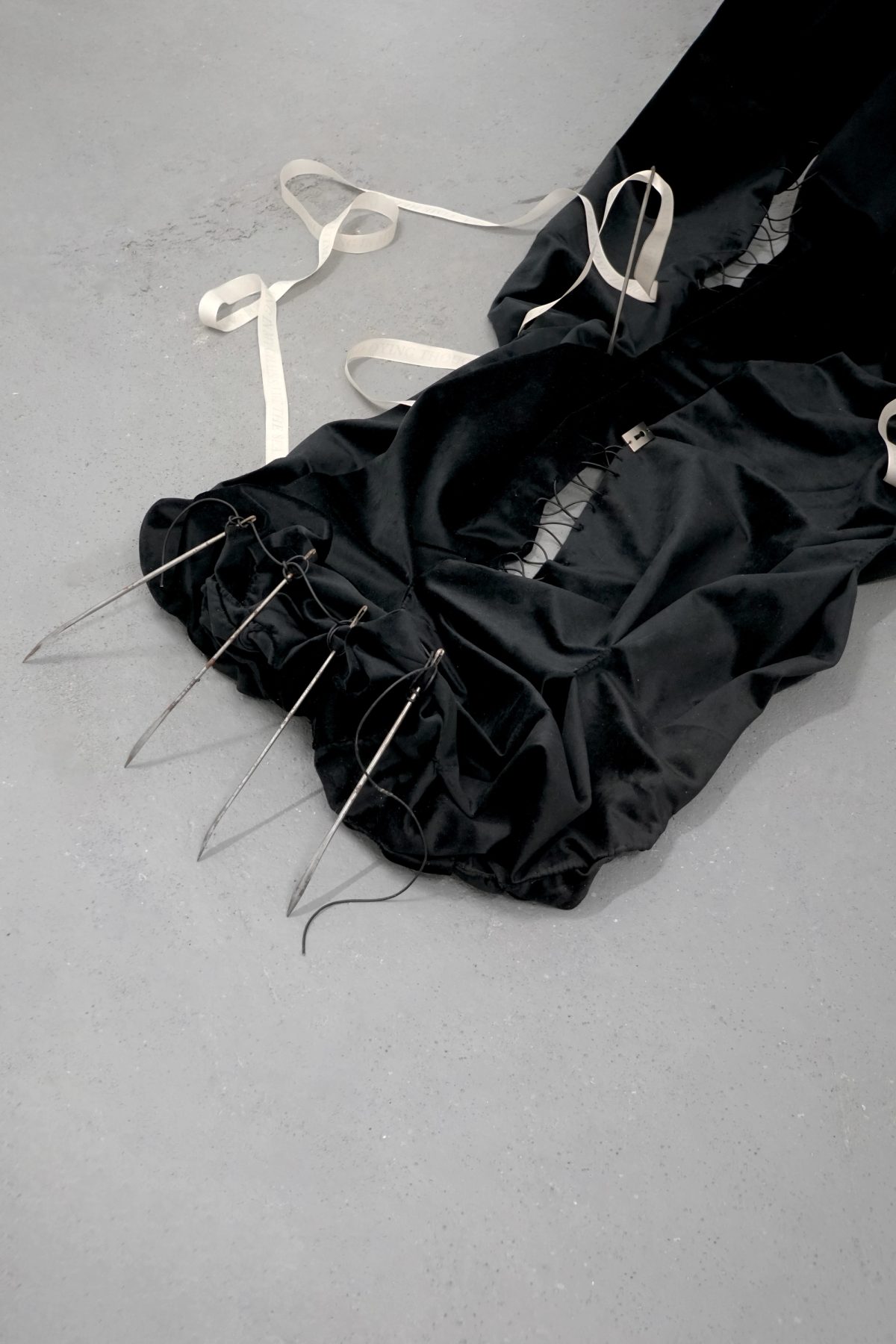
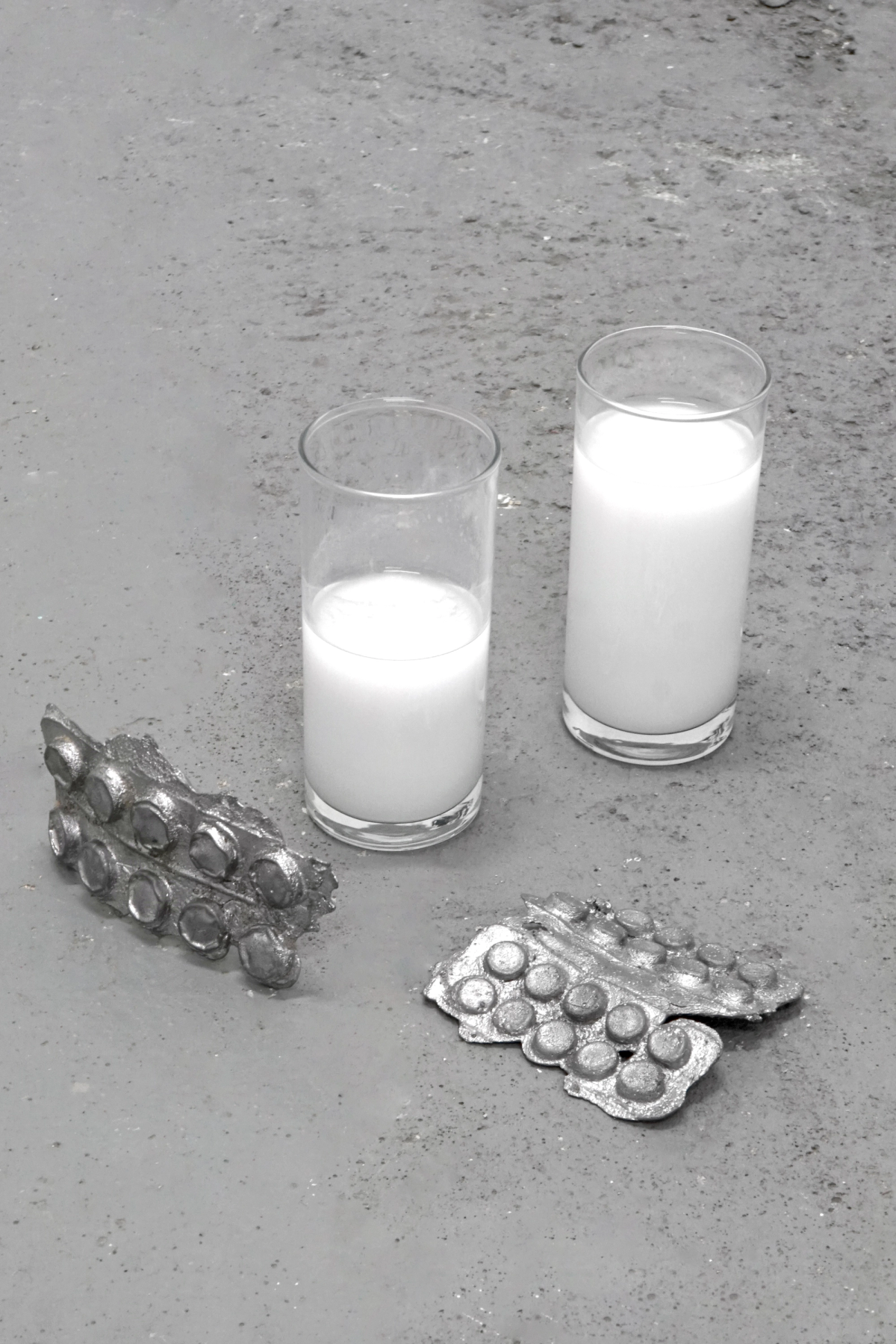
Anna Soz, Zoé Brunet-Jailly, Aspirin on Milk, 2025, Poush, Aubervilliers