THE OBVIOUSLY FAKE: IN CONVERSATION WITH YUKA HIRAC
CONVERSATION BY MOCO CHEN
CO-FOUNDER, ART DIRECTOR
23 JULY 2026 — TOKYO, JAPAN
Yuka Hirac trained as a makeup artist in London before relocating to Tokyo, where her practice now lives in the private, ongoing work of self-published diaries, personal projects, and an archive she calls, without irony, her own fetishism. Colored contacts, prosthetic teeth, silicone that passes for skin until it doesn't: her images sit in the narrow space between beauty and unease, real and staged, finished and still becoming. She is drawn less to horror than to the feeling just before it, the loop, the spiral, the thing that's almost right. In this conversation, she talks about impermanence, chūnibyō, the pandemic ritual that became a diary, and why she'd rather something look obviously fake than convincingly real.
Before we get into the work, who is Yuka Hirac? You trained in makeup in London and now work out of Tokyo across editorial, personal projects, and self-published books. What's the actual path that connects those dots?
I'm currently based in Tokyo, working as both a makeup artist and a visual artist. I studied makeup in London, where I began my career as a makeup artist. Since then, I've worked across editorials, fashion collections, music videos, and a variety of other creative projects.
As a makeup artist, my work is fundamentally collaborative. Every project is built together with photographers, stylists, hair artists, and other creatives, each contributing their own ideas to create a single image. I sometimes work as a creative director as well, but with client projects, it's always about understanding the brief as a team and finding the strongest way to bring that vision to life. The inspiration and knowledge I gain through those collaborations have become an essential part of my practice.
My personal projects and self-published books, on the other hand, are much more intimate. They're less about creating something for someone else and more about creating a space where I can reflect on myself. That practice began during the pandemic, when I decided to apply makeup every day and document it. Over time, it naturally evolved into a diary-like process that I still continue today.
Although makeup remains the foundation of my work, I rarely decide on a theme beforehand. Because the work functions like a diary, the themes emerge from whatever I'm experiencing at the time: my doubts, my questions, my emotions, my inner landscape. More recently, I've started incorporating text into the work, so the practice has gradually expanded beyond makeup alone. What has remained constant, however, is my interest in exploring beauty through the face and the body.
Working in fashion constantly exposes me to different ideas of beauty. Even when people use the same word, "beauty," they often mean completely different things. Through those experiences, I realized that my own aesthetic is actually quite different from what many people consider beautiful. That realization made me want to document my own sense of beauty, to create an archive of what I find beautiful before it changes or disappears. That desire became the foundation of my artistic practice.
For me, being a makeup artist and being a visual artist are not separate identities. Through client work, I'm constantly challenged, inspired, and exposed to new perspectives, even when there are times I can't fully realize what I want to express. My personal practice gives me a place to revisit those unresolved ideas, reconstruct them, and express them in another form. The two practices continuously influence one another. Neither would exist in the same way without the other.
Moving between creating beauty for others and searching for my own understanding of beauty has become the core of my practice.
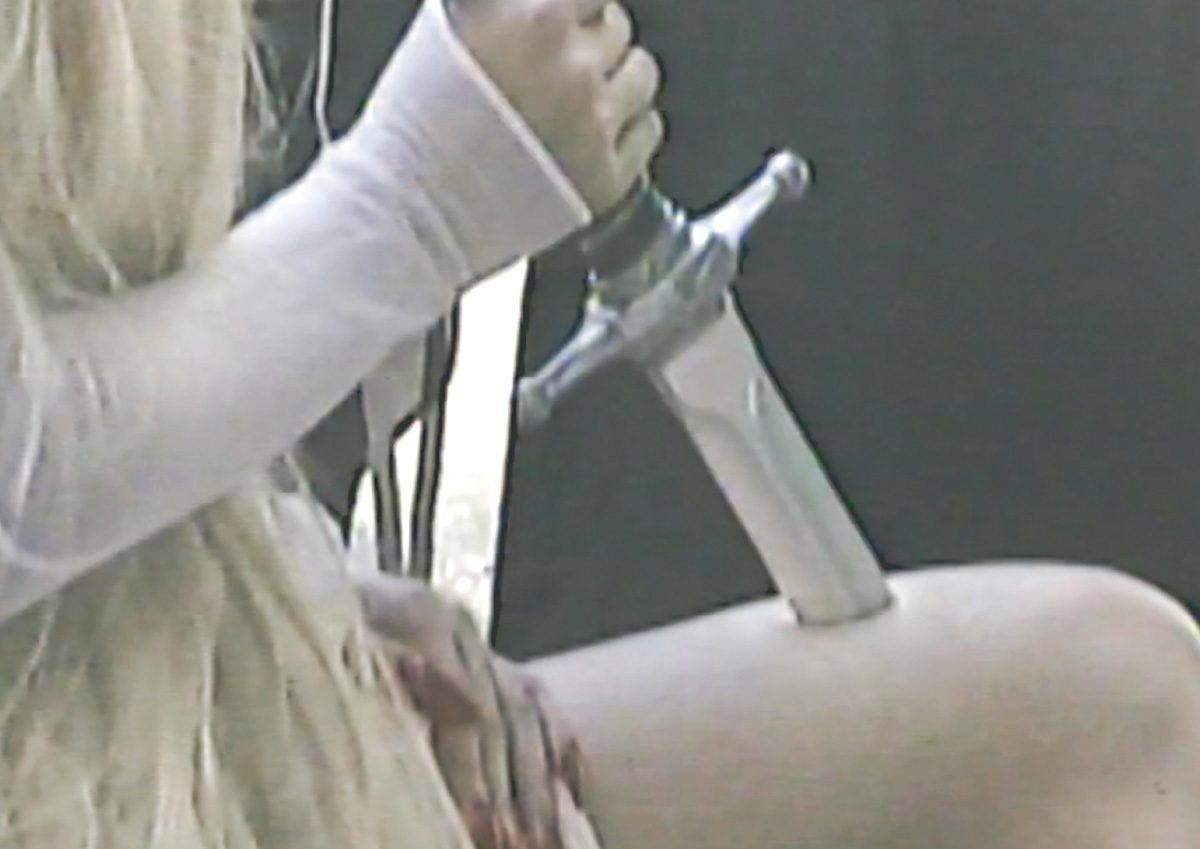
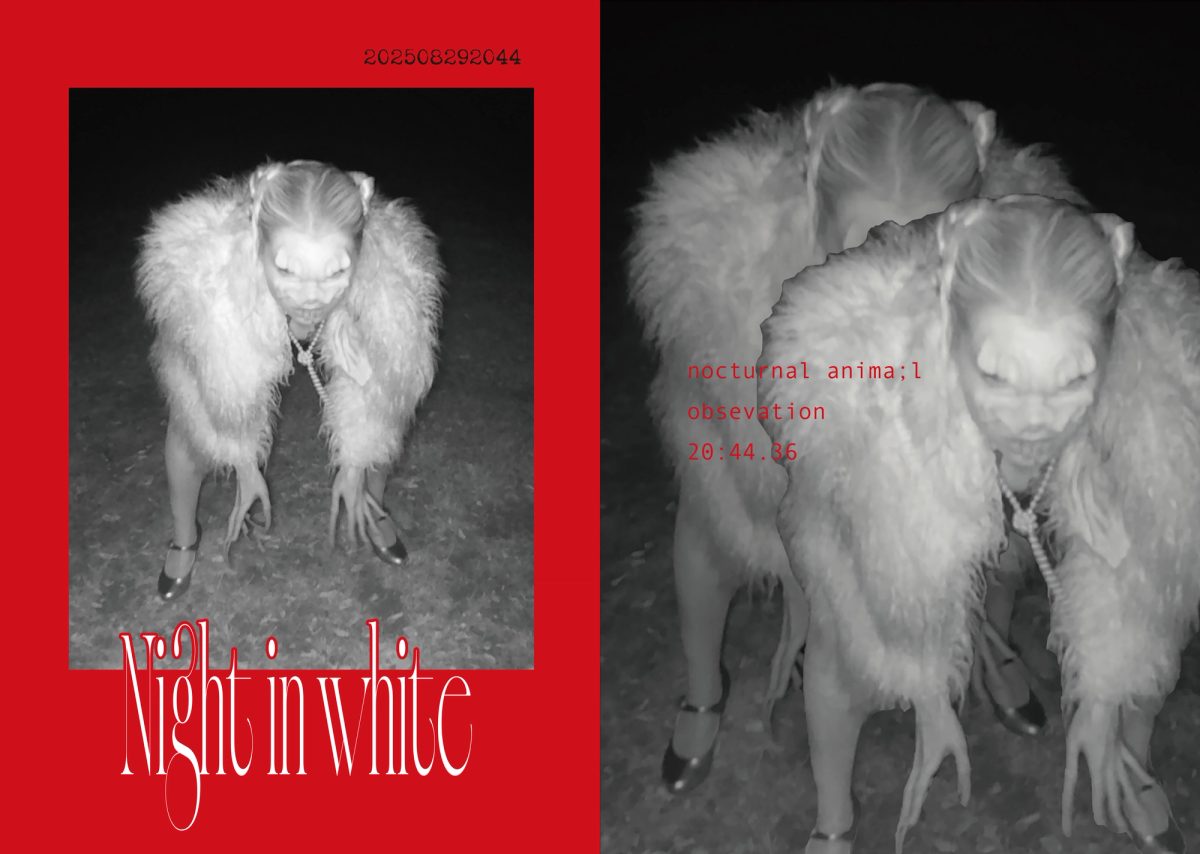
Left: SFX animal makeup, Neverland Error
Right: SFX animal makeup, Night in White
Your looks often involve colored contact lenses, prosthetic teeth, painted wigs, and pierced or veiled fabric across the face. A lot of layered, physical alteration rather than just cosmetics on skin. Walk me through your actual toolkit: what materials do you reach for first when a look needs to go somewhere unsettling?
Honestly, if I can use it, I'll try it. (laughs) I'm the kind of person who experiments with anything that catches my attention, so I don't really limit myself to specific materials.
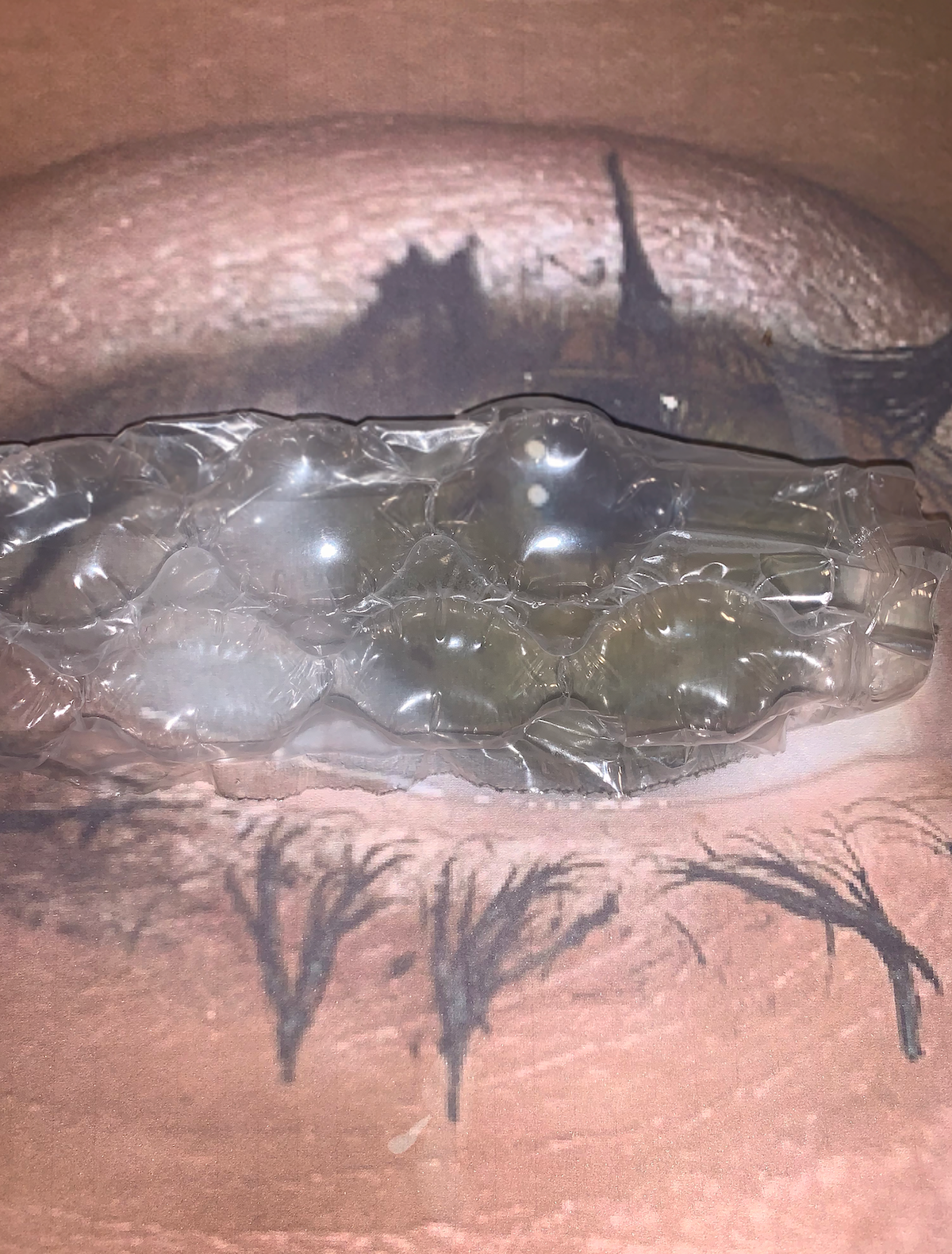
I've worked with feathers, oil paper, leather, stocking fabric, glass beads, urethane, clay, really, almost anything. I'm especially drawn to worn or frayed materials, like scraps of fabric with loose edges. They carry a sense of time and history that I find really beautiful. Those materials allow me to create textures and a physical presence that makeup alone can't achieve.
When I'm trying to create a sense of unease or something slightly unsettling, I actually tend to use materials that blend naturally with the skin, like silicone, rather than adding something obviously dramatic. I like creating something that looks almost real, but has one small detail that feels just a little off. I'm more interested in that subtle ambiguity, the moment when you're not quite sure if what you're looking at is real or not, than in making something overtly grotesque.
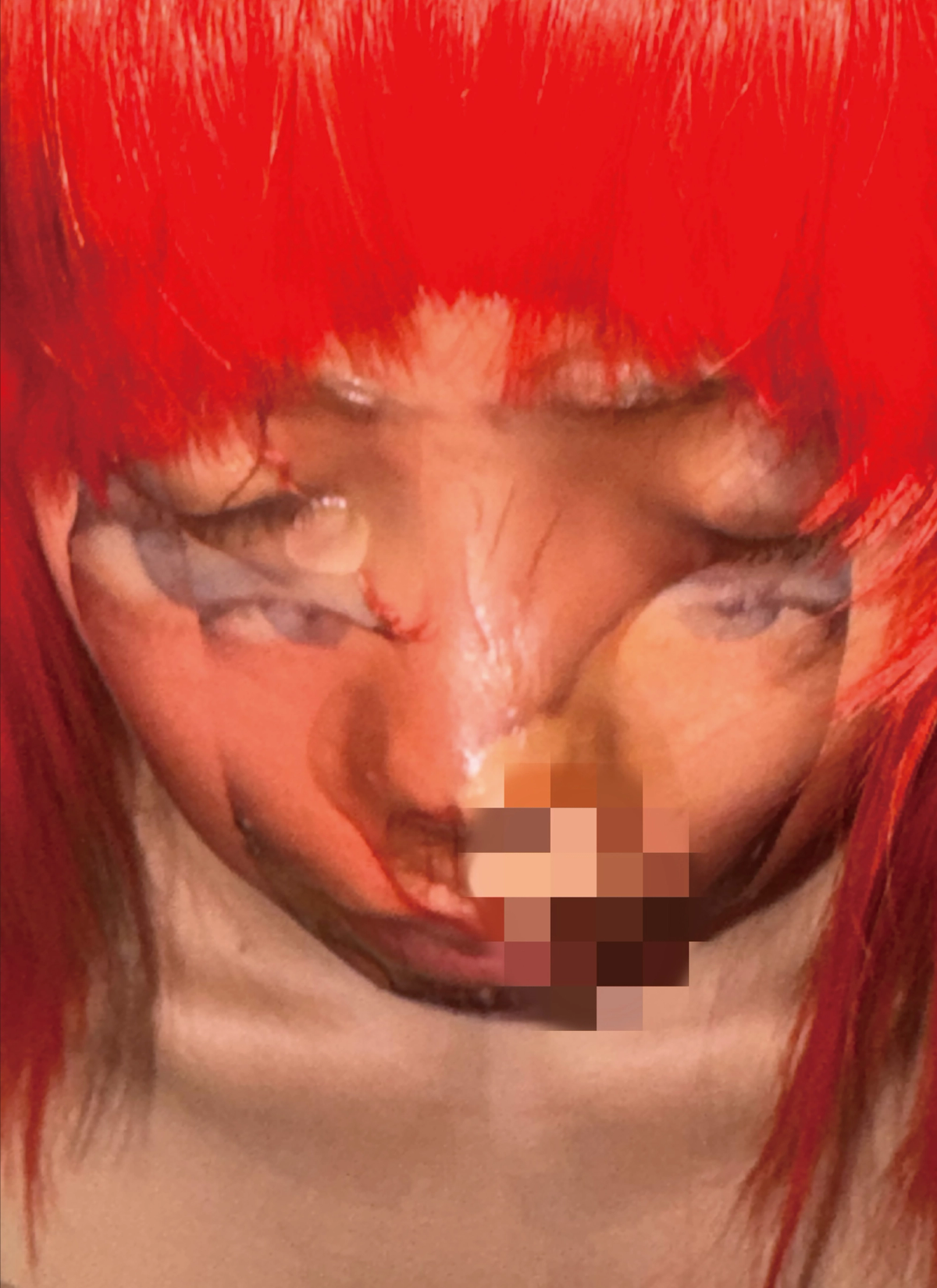
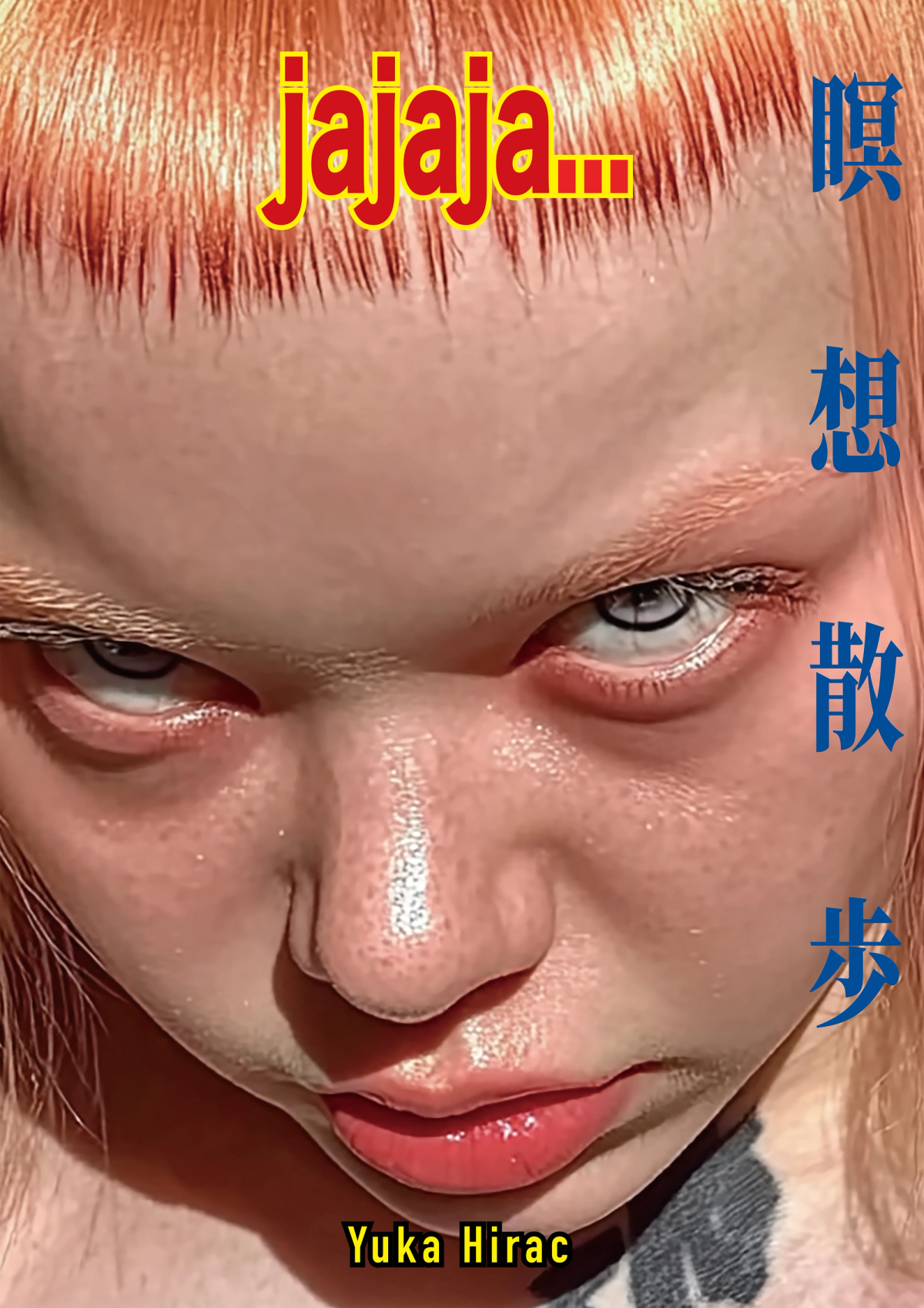
Left: From the photobook "Jajaja… Meditation Walk" by Yuka Hirac
Right: "Jajaja… Meditation Walk" — 1st edition cover, by Yuka Hirac
Redefining beauty by embracing discomfort and the uncanny hidden within everyday life" is how your practice gets described. A lot of artists who work with the uncanny talk about it in the abstract, but your images are very specific: bleeding-looking eye makeup, distorted teeth, stretched or painted faces. Where does the discomfort actually come from for you? Is it about horror imagery, medical imagery, something else entirely?
The source of my work isn't horror in the sense of blood or violence.
I'm drawn to things that feel just slightly off. For example, looping videos, spiral staircases, or subtle moments that make you feel something isn't quite right. I love that strange, uncanny feeling. I'm also fascinated by the beauty of sound and repetitive imagery.
I'm very interested in human psychology, emotions, and the supernatural. I genuinely believe there are things that can't be explained, and I think that naturally finds its way into my work.
Because of that, the atmosphere of my work may feel closer to Japanese horror. But I'm not interested in shocking people with blood or violence. I'm much more interested in quiet, psychological tension and a lingering sense of unease.
People often assume that because of my work I must love splatter films, but it's actually the opposite. (laughs) I really can't handle blood or graphic violence. They genuinely scare me. If I ever use blood in my work, I'm much more interested in its artificiality than making it look realistic. I like it when it still feels obviously fake.
What interests me is a quieter, more inexplicable kind of fear. A feeling that's difficult to define, but somehow unsettling and impossible to shake. That's the kind of uncanniness I try to express in my work.
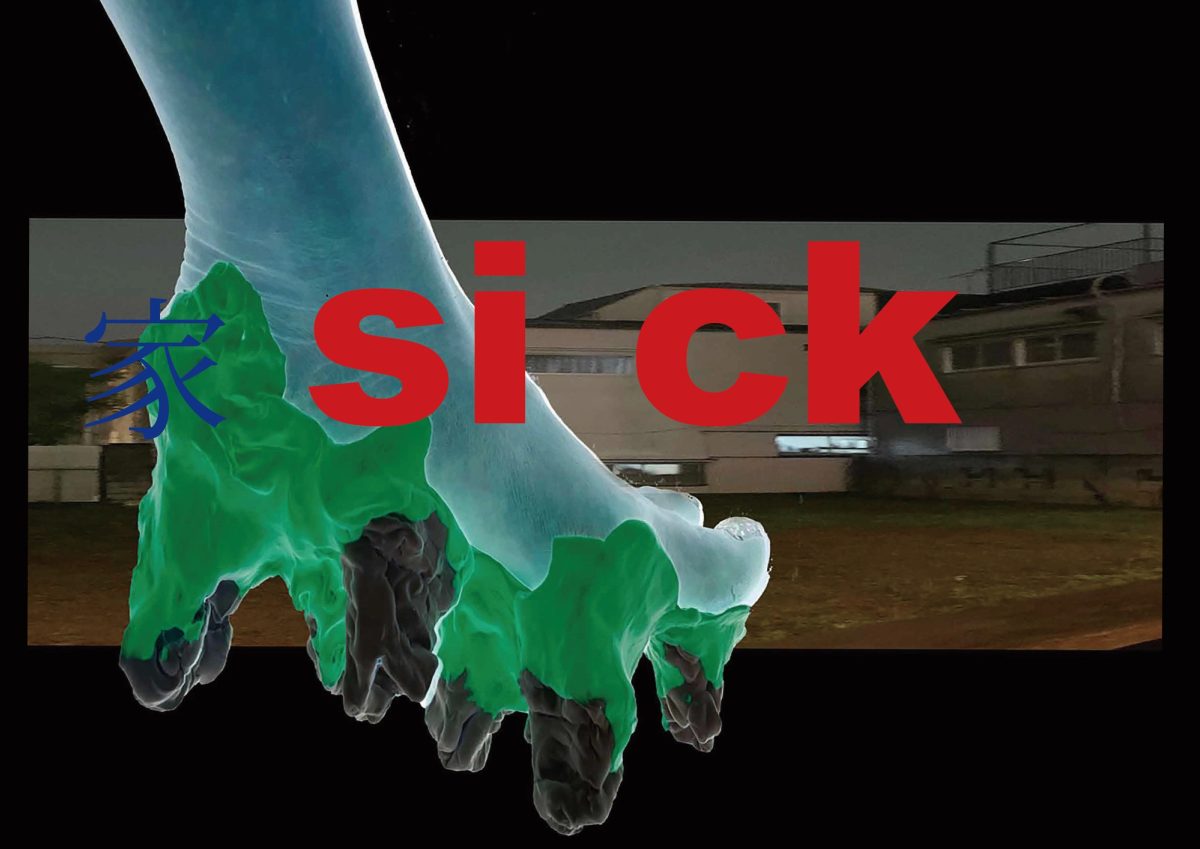
From the photobook "My Creation Rubbish" by Yuka Hirac
"I like creating something that looks almost real, but has one small detail that feels just a little off."
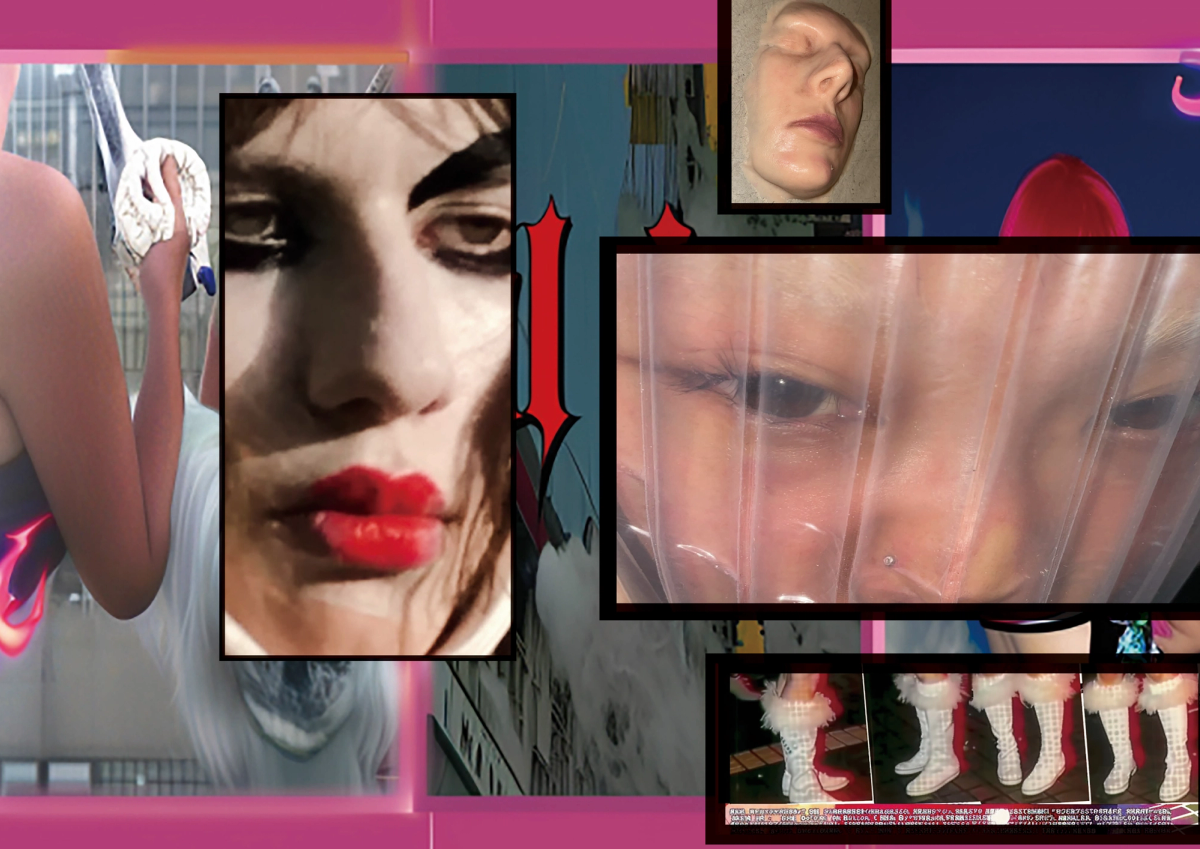
From the photobook "Jajaja… Meditation Walk" by Yuka Hirac
Your diary book jajaja... is described as your 4th self-published diary, now in its 2nd edition of 150. What made you choose the diary format specifically and repeatedly over other ways of presenting your personal work?
I think it's because, at its core, it's a very personal record.
When I first started making these books, I never imagined publishing them. They weren't created with an audience in mind. They began simply as a visual diary for myself, something I could look back on in the future. I was documenting my everyday life, practicing makeup, recording the things I saw and the things that caught my attention, and gradually layering my emotions onto those images.
For me, putting my thoughts and feelings into my work is also a way of getting to know myself. It's a process of asking myself questions, what am I feeling, and what do I actually find beautiful? Making the work is a form of self-reflection.
In that sense, the diary isn't just a format. It's not simply a way of making work; it's the way I know how to understand myself.
Of course, now I do want more people to see these books. But the reason I continue making them hasn't really changed. They're still a space where I can have an honest conversation with myself, and that process naturally becomes the work.
For Clinical Emotion with Dazed Beauty, the concept referenced real cosmetic-surgery marking pens on skin, imagining a future where emotion can no longer be expressed. Did that shoot come out of actual research into surgery culture, or did the imagery arrive more intuitively?
Not really. The starting point wasn't cosmetic surgery itself, but imagining what might happen if cosmetic procedures became completely normalized in the future. From there, I became interested in the relationship between the person performing the procedure and the person being observed or treated.
I'm not against people choosing to change their bodies. I think that kind of choice can be empowering. At the same time, I sometimes feel that cosmetic procedures have become almost too casual or too easily accessible.
Maybe it's an old-fashioned way of thinking, but I still want to value fate, or the things we're born with. I think our insecurities and imperfections can also become a source of strength or individuality. We're living in a world that's becoming increasingly convenient. In many ways, that's wonderful. But sometimes I also feel that the more convenient everything becomes, the harder it can be to simply exist.
Clinical Emotion isn't meant to argue for or against cosmetic surgery. It's more about asking how our relationship with our bodies and our emotions might change in that kind of future. That's where the project began.
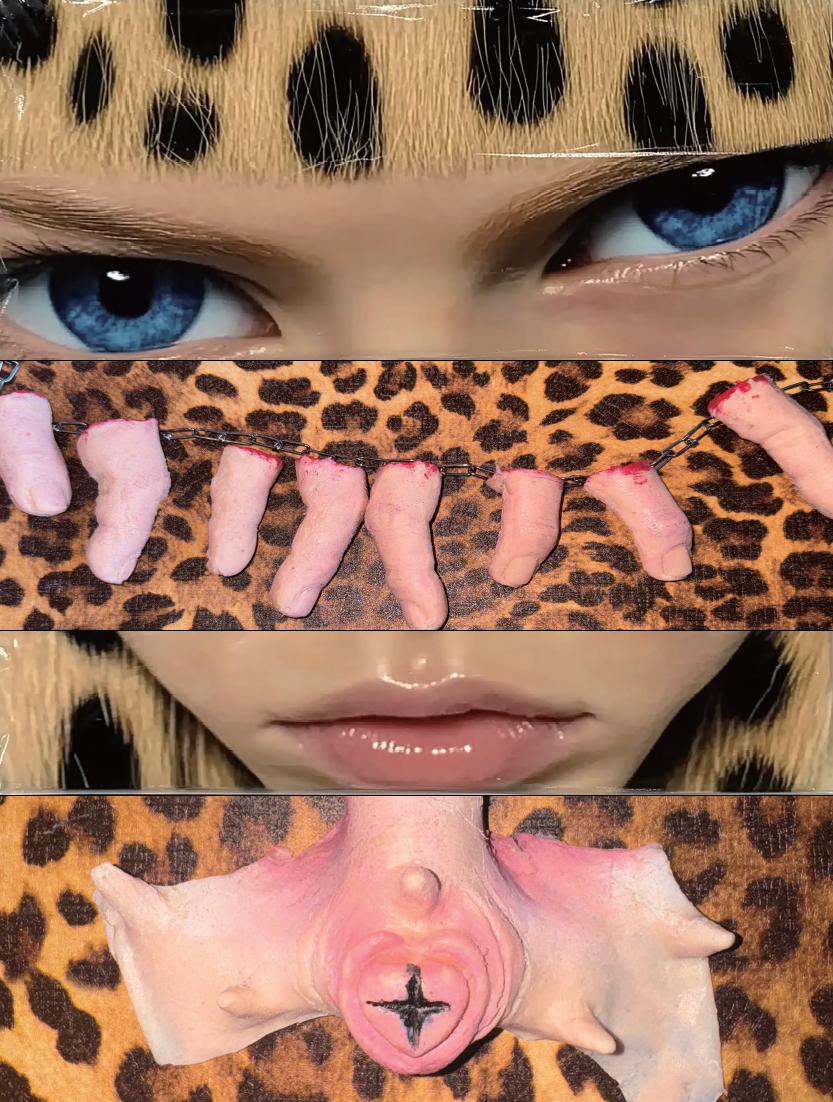
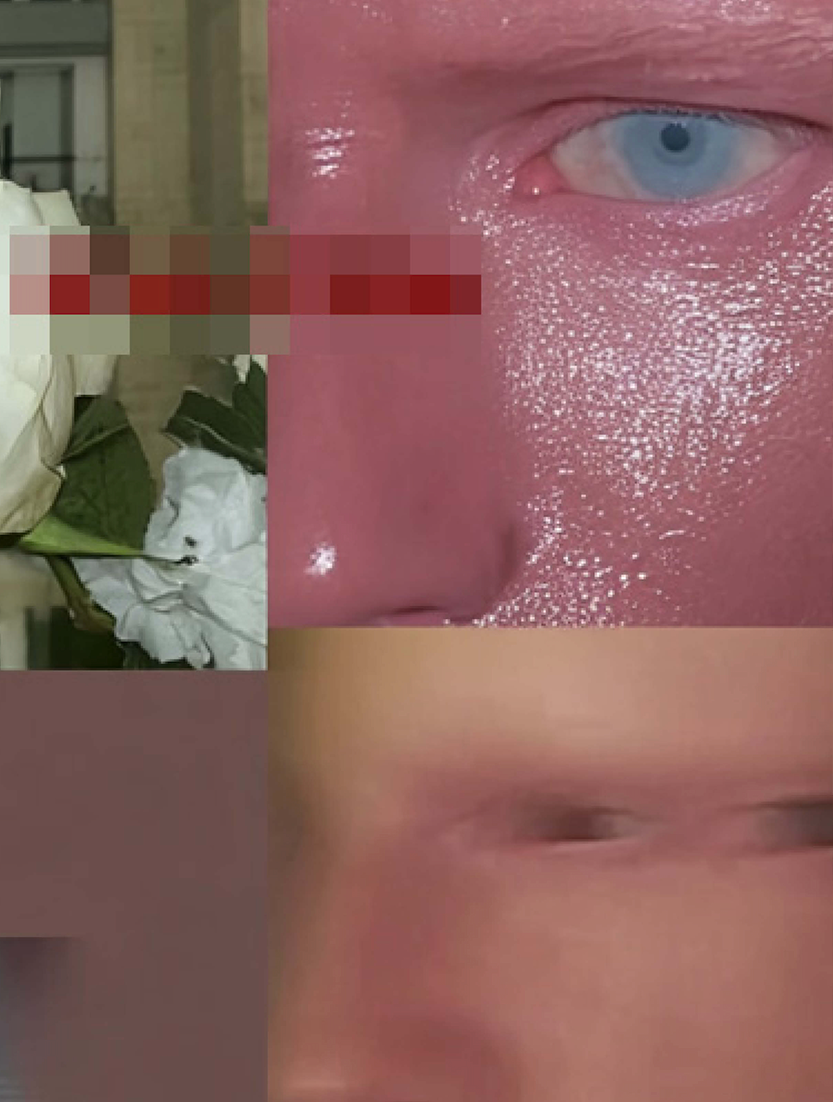
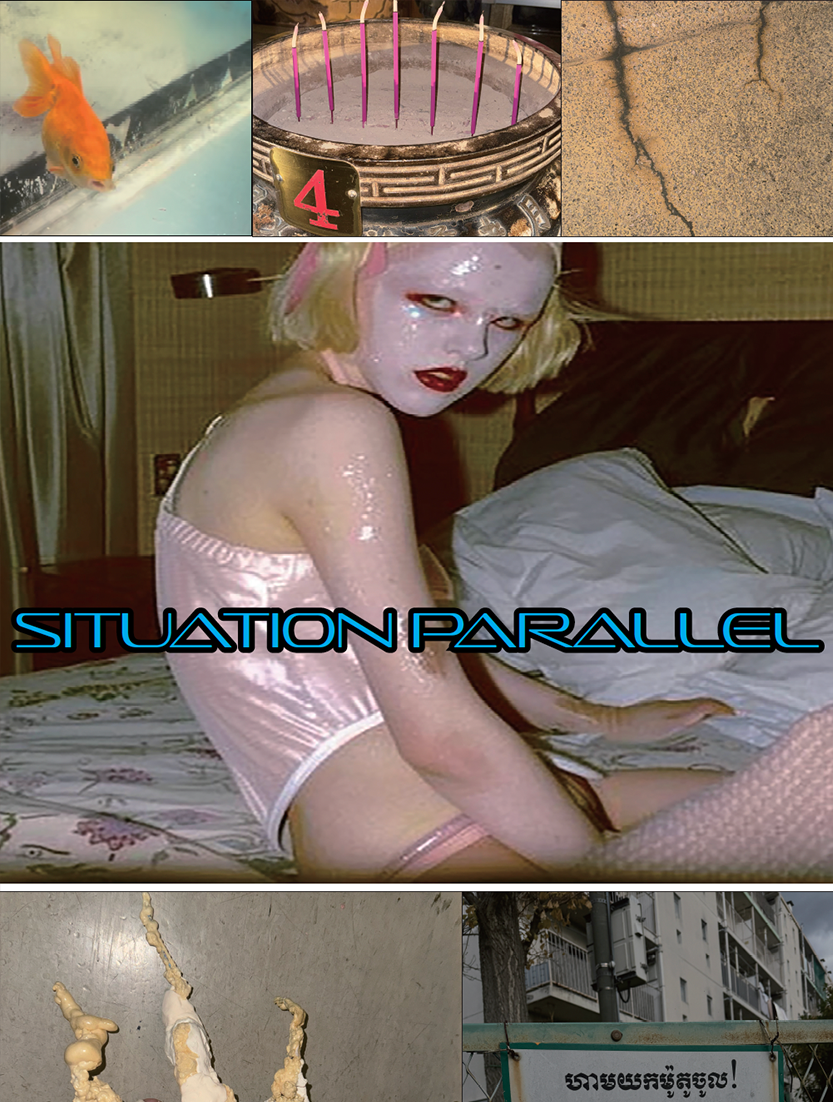
Left: Leopard by Yuka Hirac
Middle: Untitled by Yuka Hirac
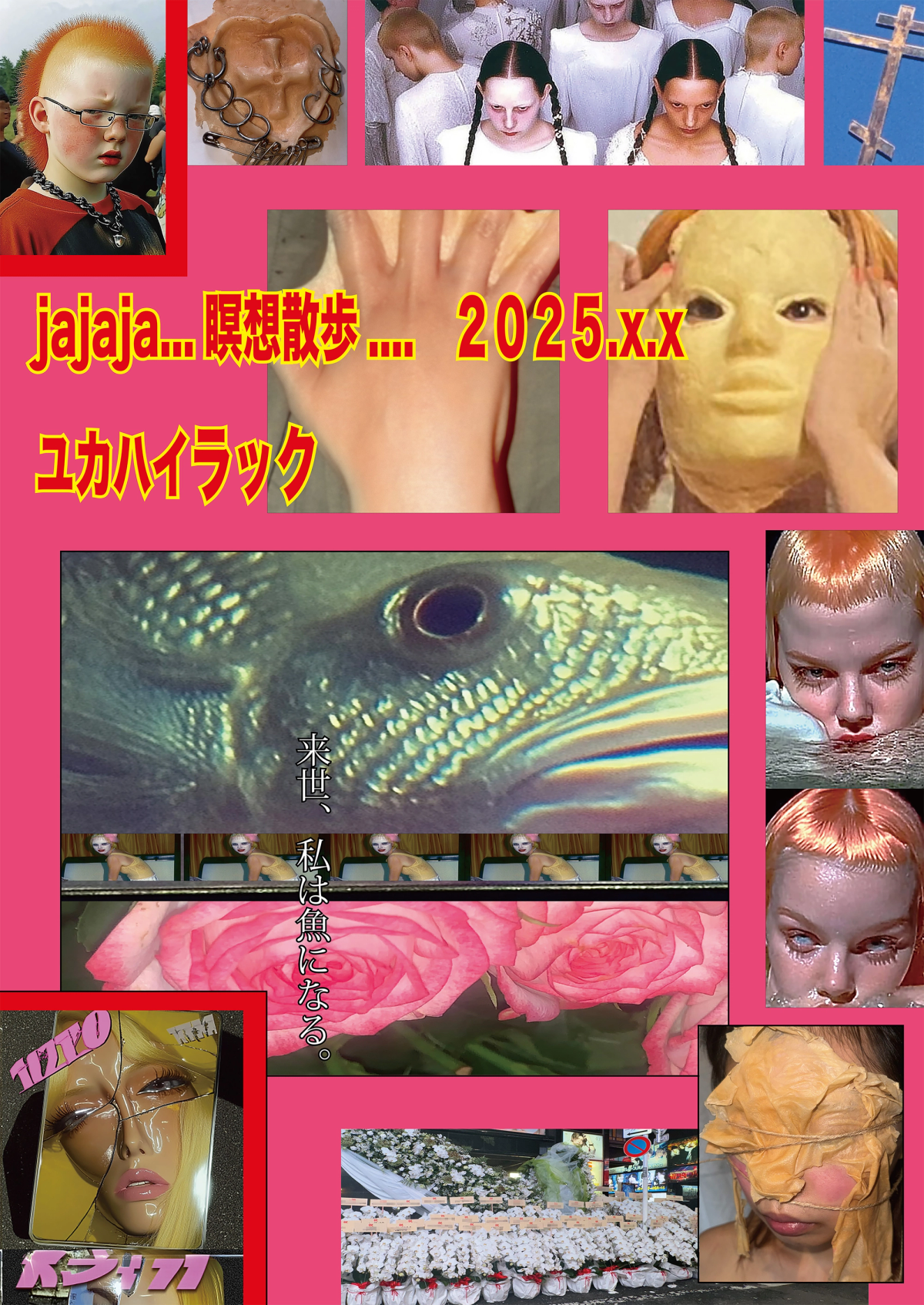
Right: Jajaja… Poster by Yuka Hirac
You've described your practice with the phrase "all things are impermanent": a fairly weighty Buddhist concept to attach to a beauty and makeup practice. What does impermanence actually mean for you in the context of makeup, which is by definition temporary and gets washed off?
I can understand why people might ask that. Makeup disappears as soon as you wash it off, so why connect it to the idea of impermanence?
For me, makeup is simply part of everyday life. When I talk about impermanence, I'm not referring to a single makeup look. I'm thinking about the emotions I experience while putting on makeup every day, the changing scenery around me, and the person I'm gradually becoming. It's within those everyday moments that I feel impermanence.
Another thing I'm deeply drawn to is the beauty of the process itself. I've always loved works in progress more than finished results. For example, I might place a single drop of water on a face just to see how it flows. Or I'll layer color onto a wet surface to watch how it spreads and bleeds. Even watching makeup dissolve into water while I'm washing my brushes feels beautiful to me. I'm fascinated by changes that can't be completely controlled, and by things that reveal the passage of time.
Traditionally, makeup is seen as something that makes people look more beautiful. For me, it's less about perfecting beauty and more about exploring things that don't have clear answers, things that can't be predicted, the passage of time, and constant transformation.
So, for me, impermanence isn't about makeup disappearing. It's about finding beauty in the fact that everything is always changing.
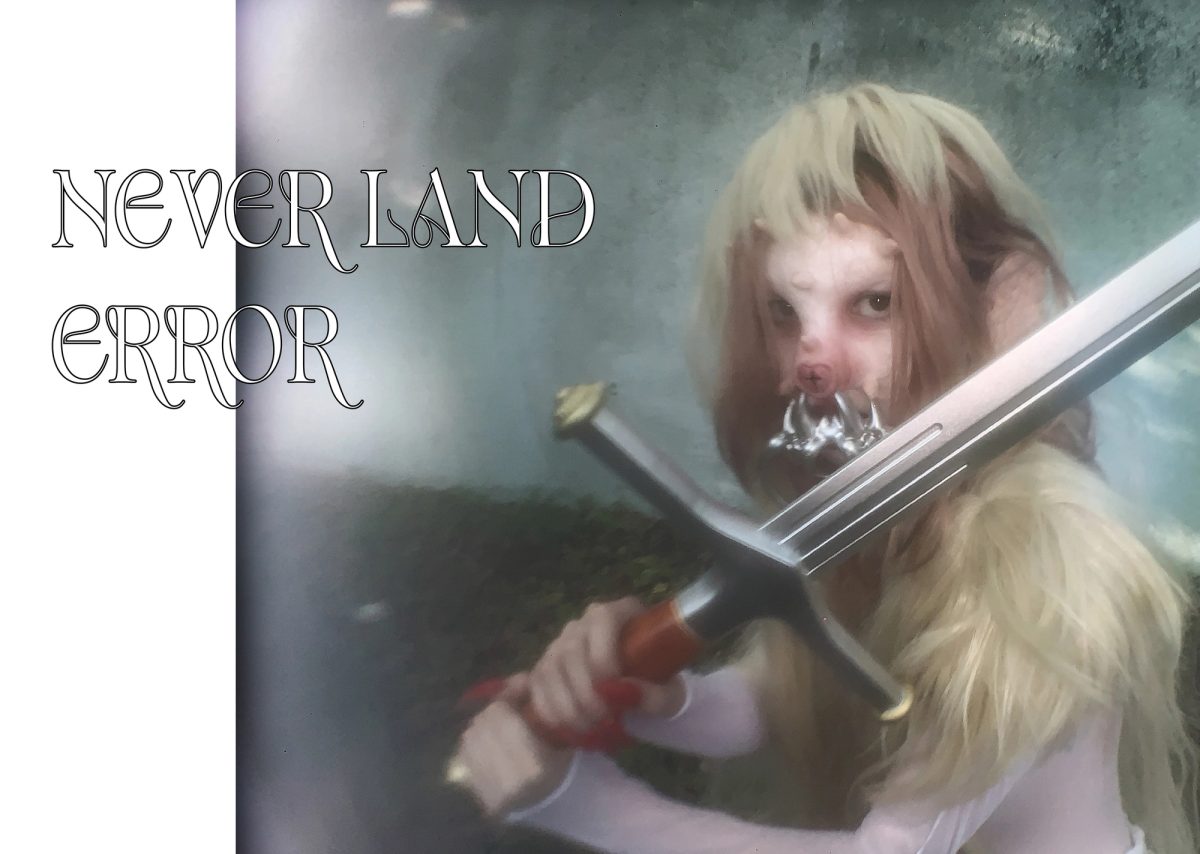
SFX Animal, Neverland Error, by Yuka Hirac
"If I ever use blood in my work, I'm much more interested in its artificiality than making it look realistic. I like it when it still feels obviously fake."
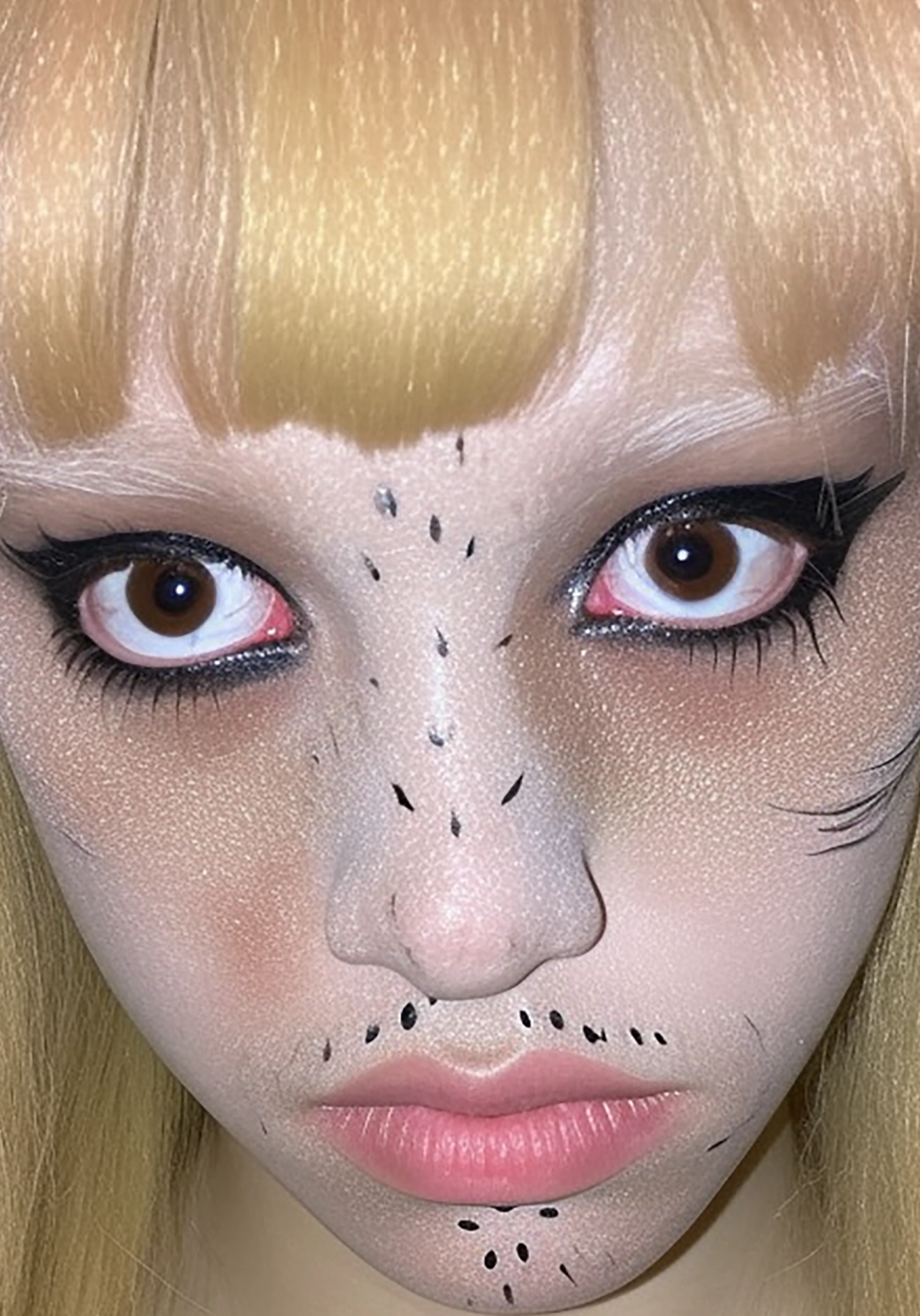
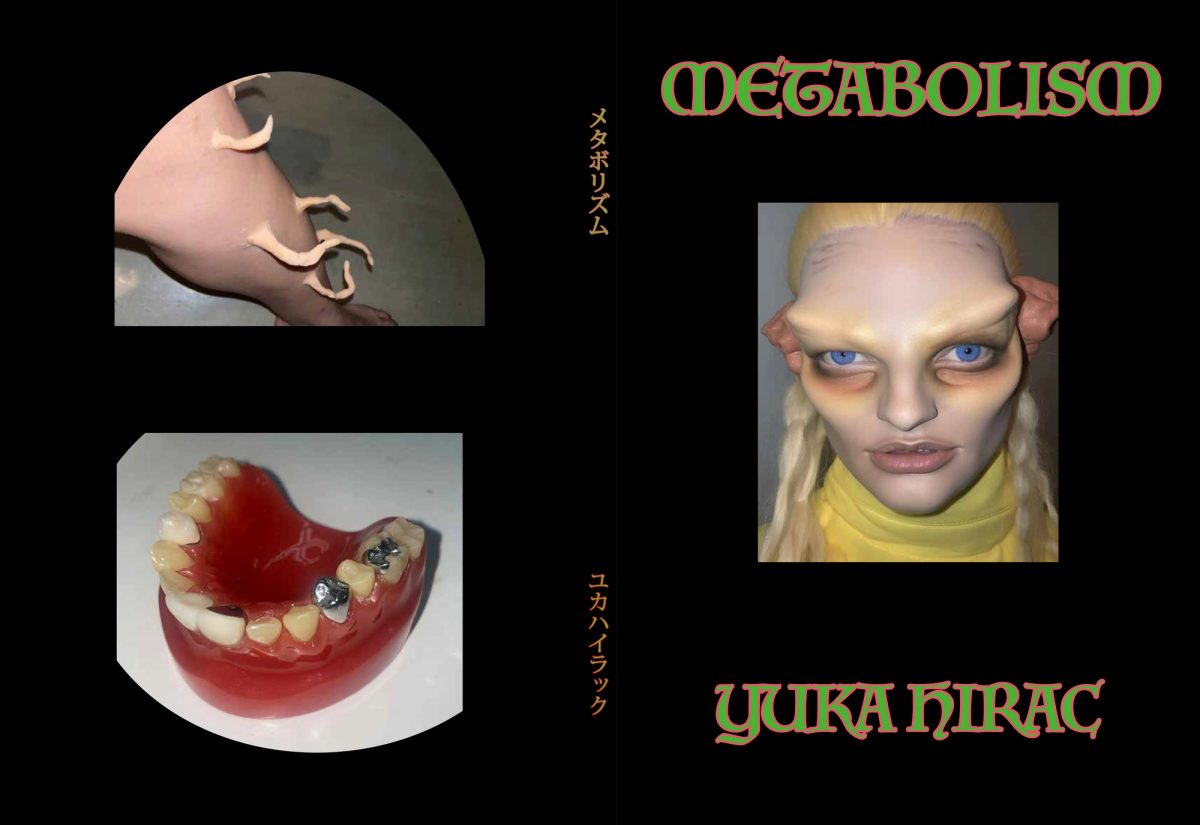
Left: Exhibition "Metabolism"
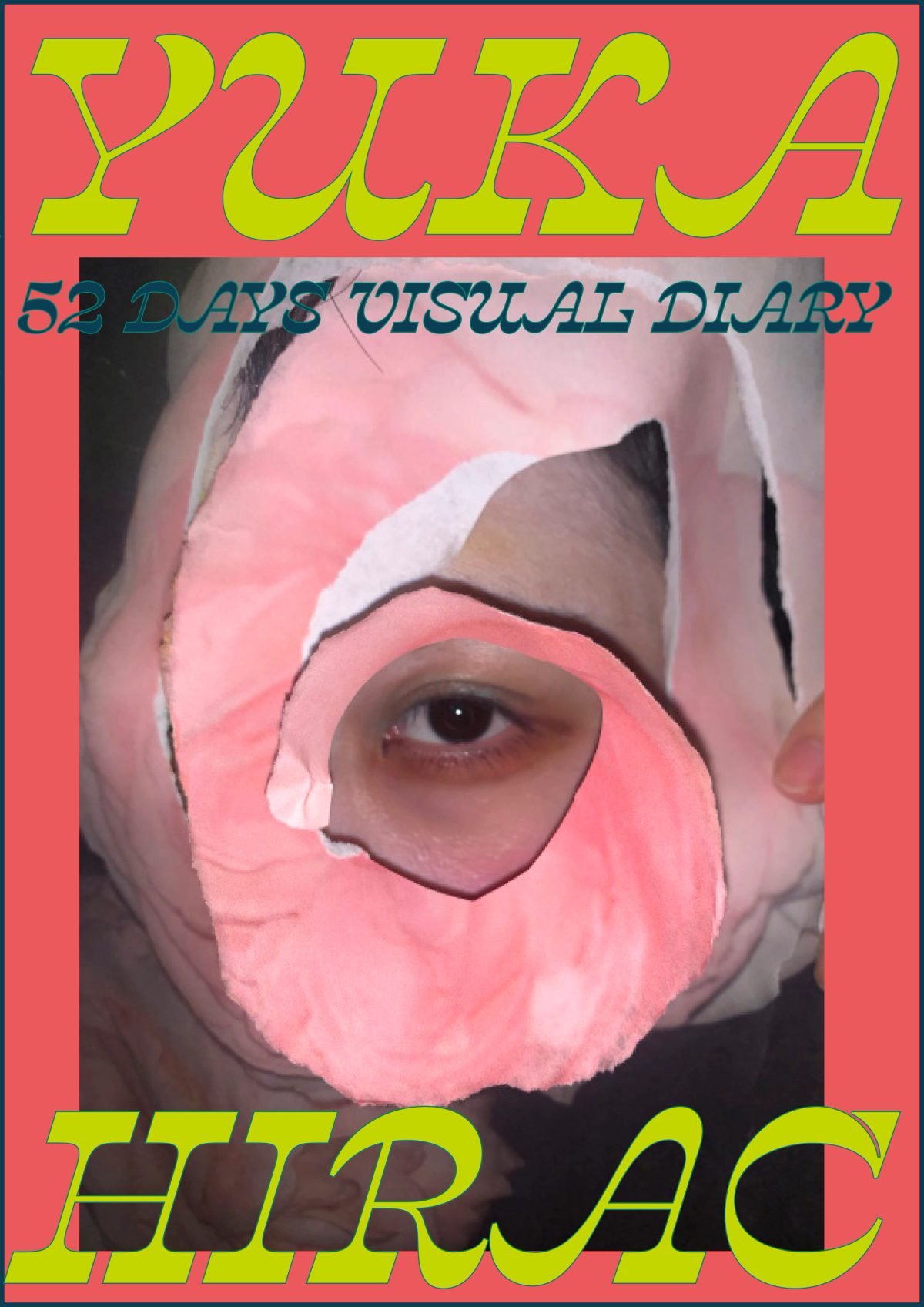
Right: Photobook "52 Days Visual Diary"
You've worked across a huge range of editorial names such as Vogue Japan, i-D, Dazed, and GQ China, alongside self-initiated personal projects like Night in White and Neverland Error. Do you approach a commissioned editorial shoot differently than your personal project work, or does the same visual instinct drive both?
They're completely different.
When I work as a makeup artist on editorial shoots, I'm responding to someone else's vision. There's usually a creative director or photographer who has already developed the concept, so my role is to imagine the mood and world they're trying to create, and then contribute makeup ideas that enhance it. I'm constantly trying to step into someone else's mind while bringing my own perspective to the work.
Personal projects are completely self-initiated. I develop the concept, direct the project, cast the people I want to work with, and edit the final outcome myself. Because every decision comes from me, I naturally become much more particular about every detail. At the same time, it also means I take full responsibility for the work.
Although the approaches are completely different, both are essential to my practice. Editorial work teaches me how to collaborate and exposes me to new ways of thinking. Personal projects allow me to pursue my own questions and express my ideas without compromise.
The two practices constantly influence each other, and I think that balance is what shapes my work today.
You have a section of your work explicitly labeled "Fetishism," linked to a separate account. Fetish aesthetics show up in fashion a lot, often flattened into just leather and hardware. What does that word actually mean inside your own practice? Is it about specific objects, or a broader sensibility?
For me, fetishism isn't about the way the word is often used in fashion.
It's about the things I'm unconsciously drawn to, almost like an obsession. For some reason, I always find myself noticing things like overlapping forms, loops, and spirals. I'm also drawn to abandoned buildings, empty lots, the typography on apartment buildings, mirages, and windows covered with steam.
None of these things are particularly extraordinary. They're all part of everyday life. But somehow, they keep catching my attention.
Because of that, I make a habit of photographing the things and scenes that stay with me. I think of it as documenting my own fetishism, collecting the moments that I instinctively respond to. Over time, those photographs have become a record of the way I see the world, and they often become the starting point for new work.
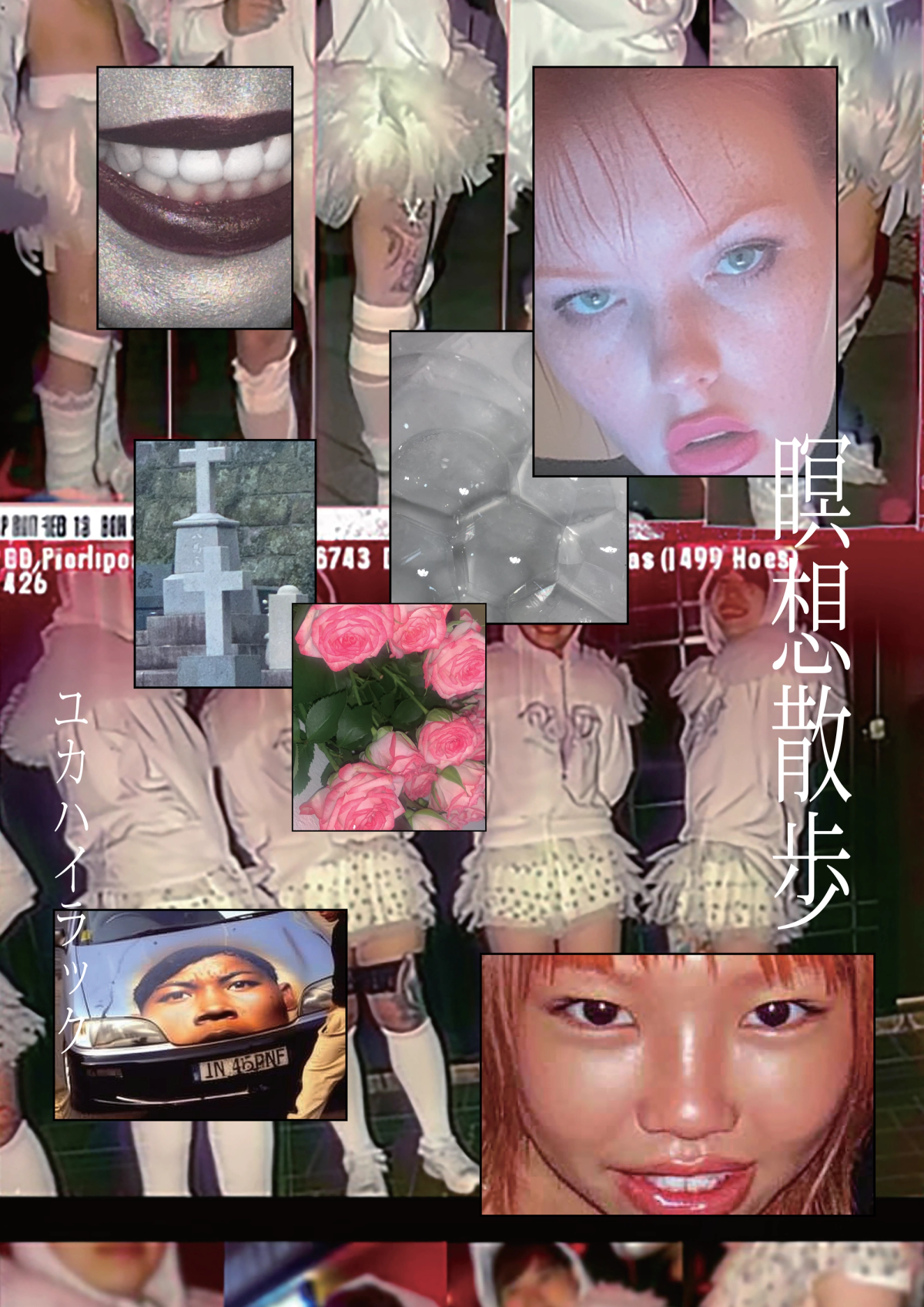
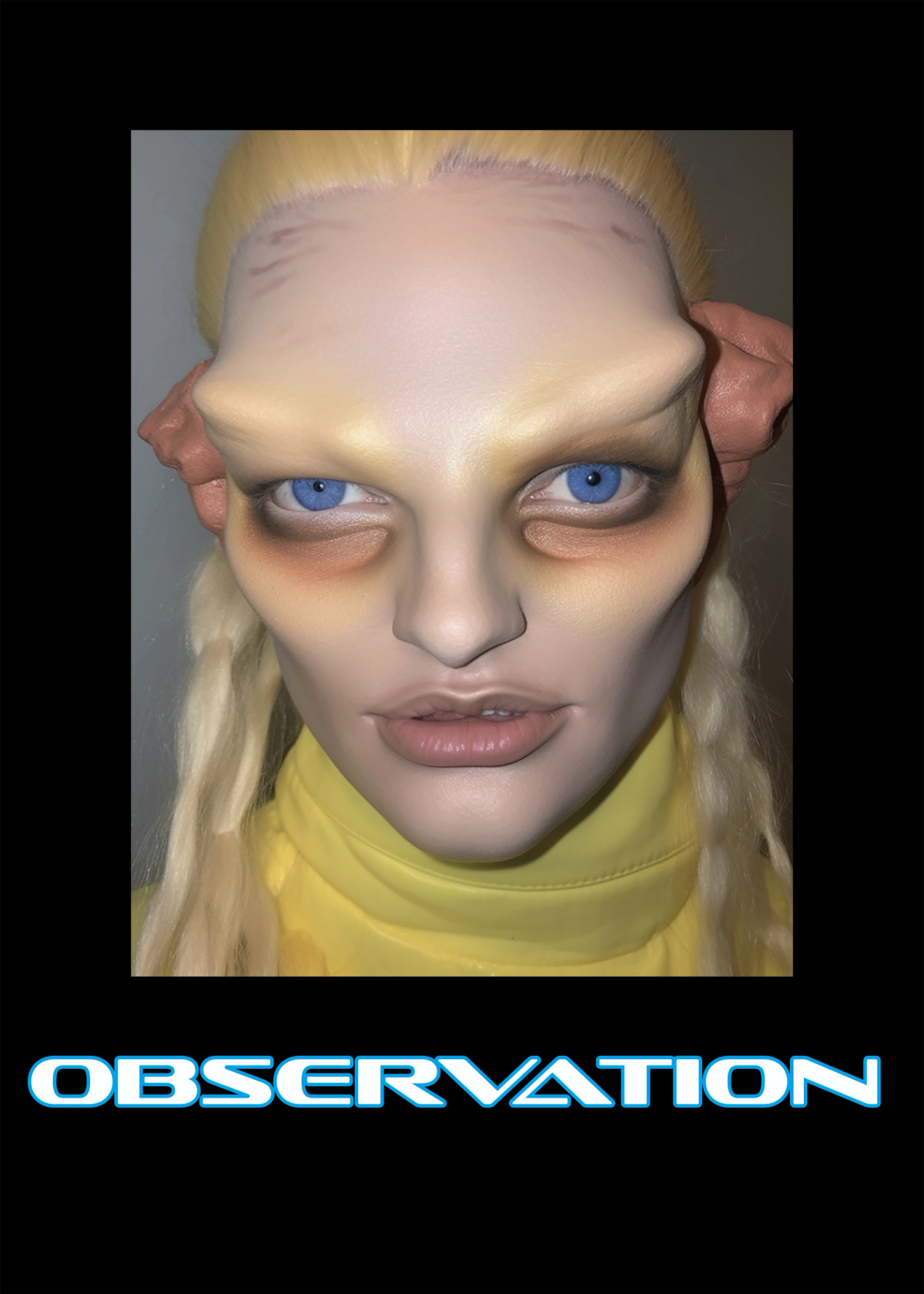
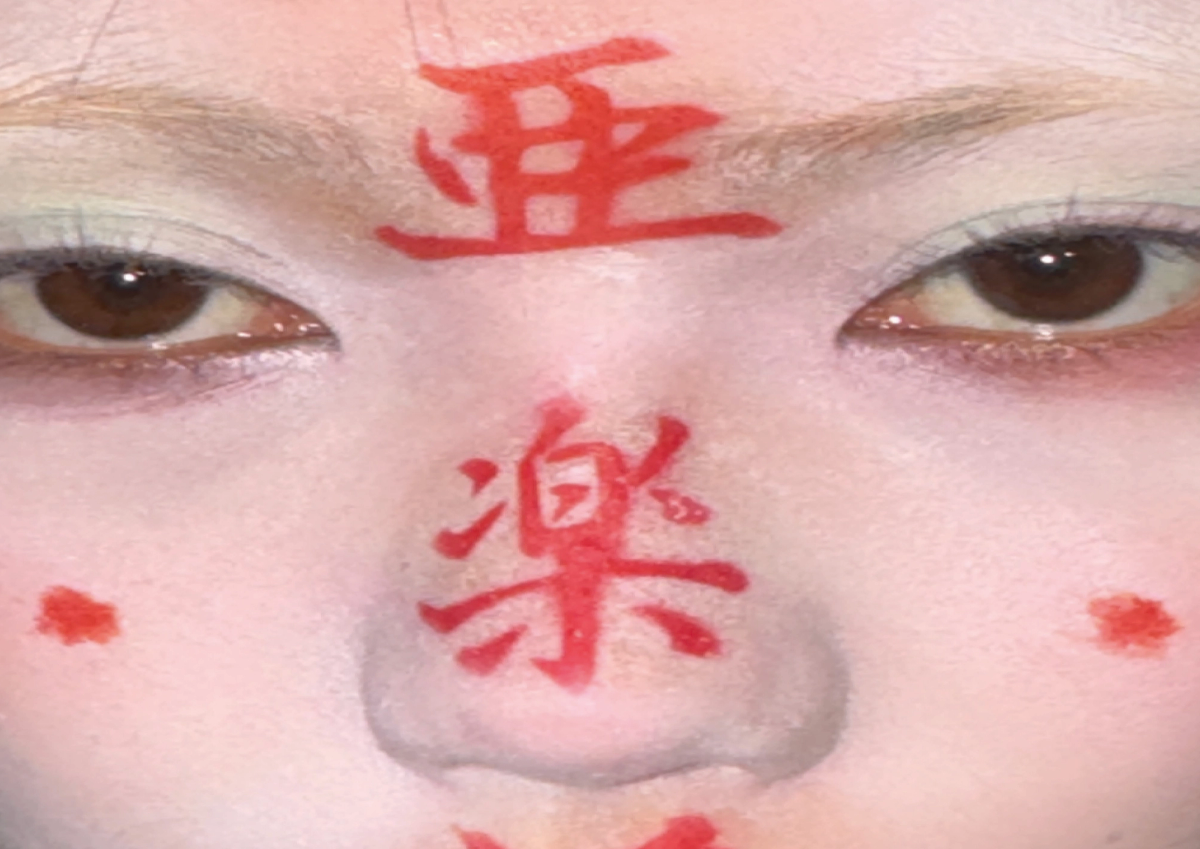
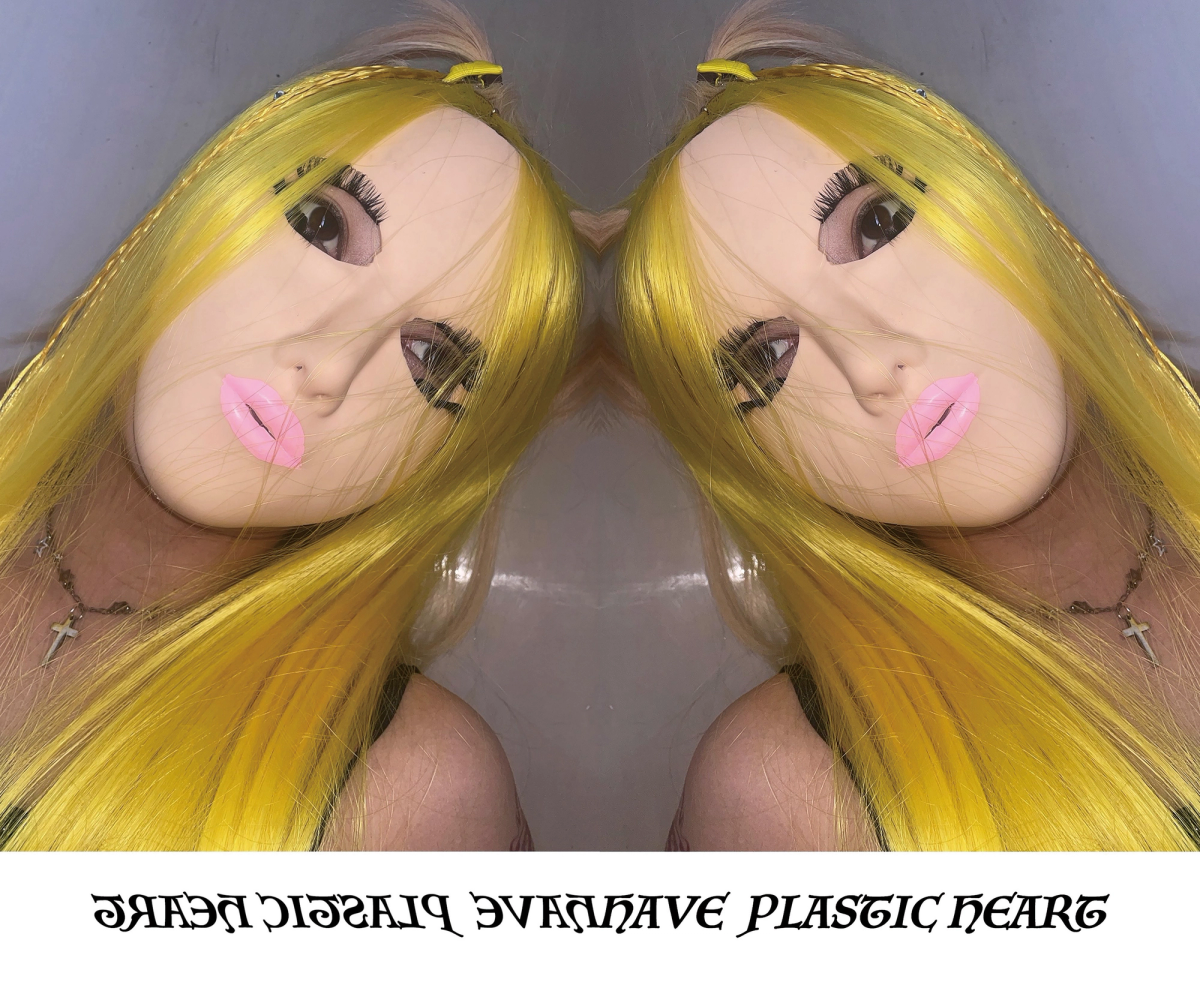
Top left: "Jajaja… Meditation Walk" by Yuka Hirac
Top right: Metabolism Poster by Yuka Hirac
Bottom left: Untitled by Yuka Hirac
Bottom right: From the photobook "Metabolism"
A lot of your models are shot with green, orange, or otherwise unnaturally tinted hair and skin, and the color grading often pushes toward VHS or early-internet distortion. Is that color language something you control at the makeup stage, or is it largely built afterward in post-production with your collaborators?
It depends on the project. Sometimes the colors are created through makeup itself, and other times they come together during the editing process.
I might shoot with an old digital camera or use lenticular materials to create distortions during the shoot. In other cases, I develop the colors and textures later in post-production.
Recently, I've also been experimenting with AI. I enjoy transforming my own photographs or pictures of my friends into something that feels like a video game character, and then collaging AI-generated images with my photographs to create a subtle sense of discomfort or visual disorientation.
Because these are personal projects, I do all of the editing myself. I like experimenting throughout the editing process, so I prefer to keep that part entirely in my own hands. I sometimes work with models, but I usually create the projects on my own. Quite often, my assistant becomes the model.
I genuinely love editing. It's one of the most enjoyable parts of making work for me. Lately, I sometimes feel like I enjoy editing even more than doing makeup.
Your work has been described as drawing on "teenage subcultures" and "the aesthetics of early internet culture" as reference points. Which one did you actually grow up inside, and which one are you looking at more like an outside researcher?
Both, actually. They're both rooted in my own experiences as a teenager.
I grew up with the early internet, and at the same time I was involved in different subcultures. I think subculture is something many people go through during their teenage years. It's a way of searching for where you belong, connecting with people through shared interests, and trying to figure out who you are.
I've also always been drawn to the emotional intensity that comes with adolescence. In Japanese, there's a word, chūnibyō, that's difficult to translate. It describes a very particular teenage mindset: dramatic, deeply introspective, and completely sincere, even if it seems exaggerated from the outside. I'm sure similar feelings exist in other cultures, but I've never found an English word that captures it quite the same way.
So I don't really see either of them as something I study from the outside. They're both part of my own memories and experiences. Looking back on them now with some distance allows me to reinterpret them through my work.
Sometimes it feels as though I'm imagining the version of myself I can never go back to, and giving form to the things I never got to do or express back then. It's a strange feeling, but I think my work has become a way of continuing that unfinished conversation with my younger self.
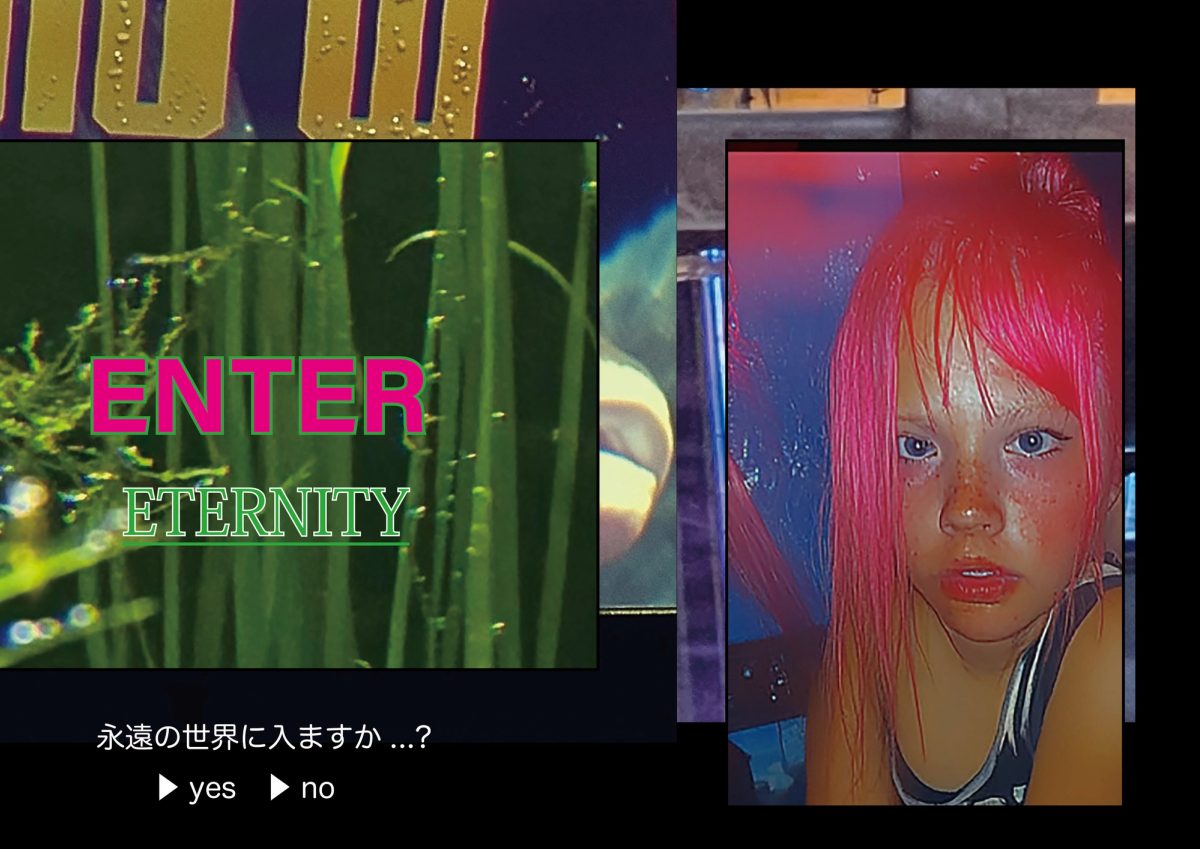
Left: From the photobook "Jajaja… Meditation Walk" by Yuka Hirac
Right: From the photobook "Metabolism" by Yuka Hirac
"For me, impermanence isn't about makeup disappearing. It's about finding beauty in the fact that everything is always changing."
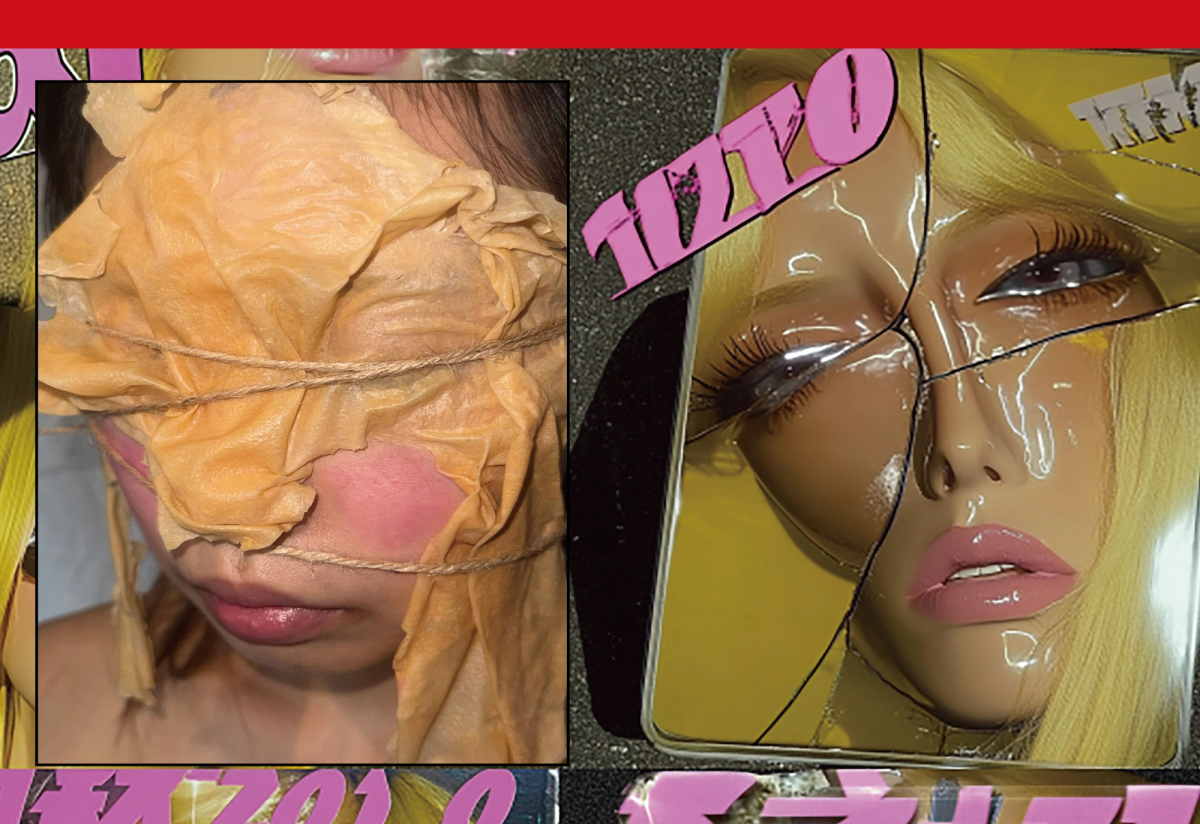
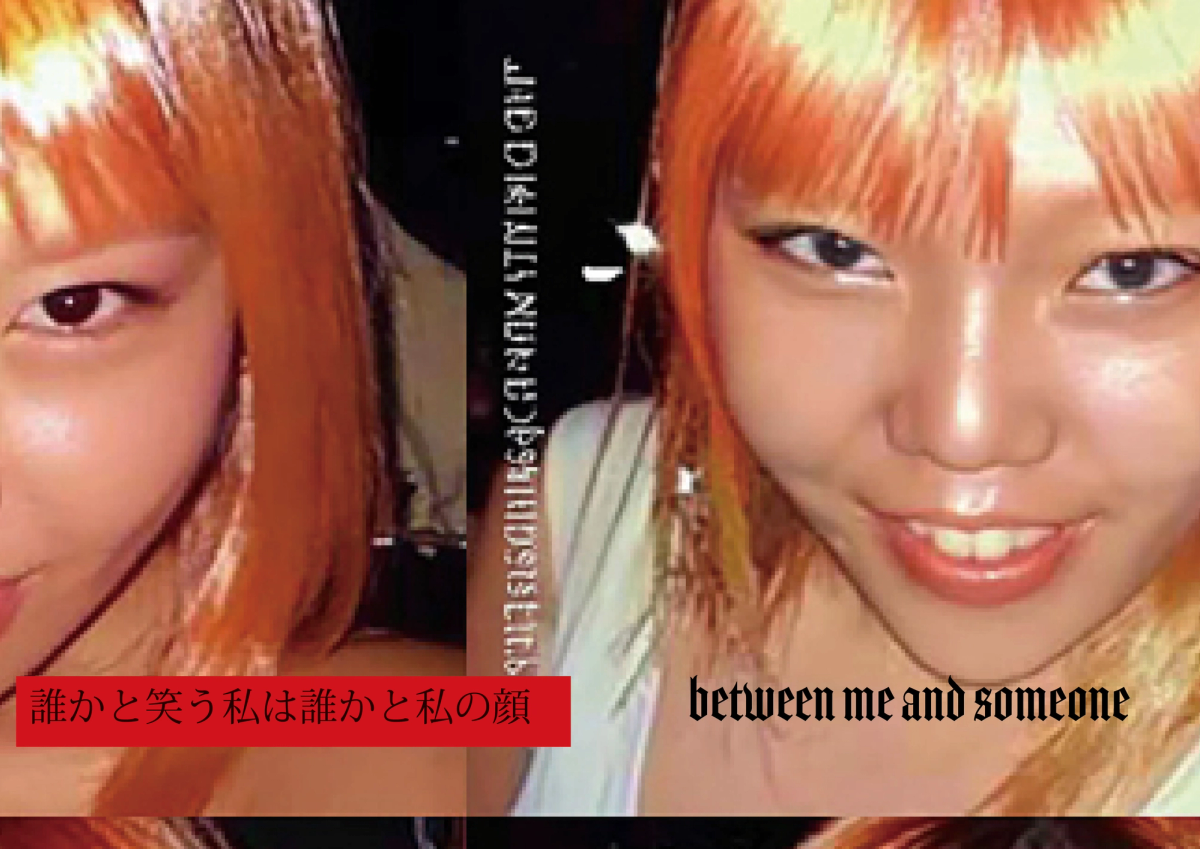
Left: From the photobook "Jajaja… Meditation Walk" by Yuka Hirac
Middle: Jajaja… Poster by Yuka Hirac
Right: From the photobook "Jajaja… Meditation Walk" by Yuka Hirac
Magazine editorials, self-published books, directed personal projects... Your practice keeps splitting into different outputs. What haven't you tried yet? Is there a format or scale you're actively being pulled toward?
Actually, I haven't created a moving-image work as a personal project yet.
But I've wanted to for a long time. Most of my inspiration comes from films and moving images, so even my books and photographic works often have a cinematic mood or feel like scenes from a film. That's why I'd love to create an installation using moving images someday.
I imagine a space where video, sound, and physical elements come together to create something slightly chaotic. I'd like people to step into the work and experience it, rather than simply look at it.
For me, that feels like a very natural next step in my practice.
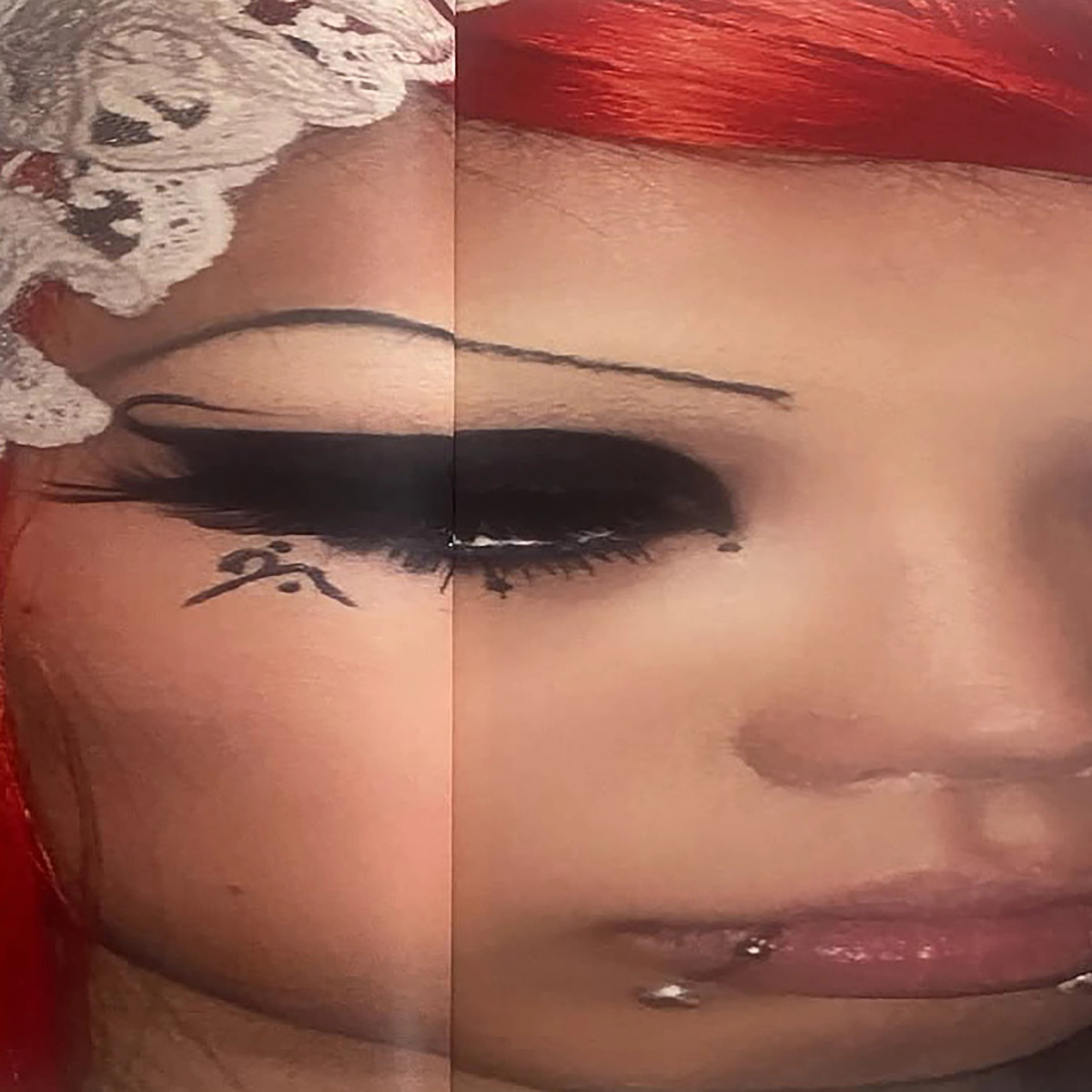
jajaja, meditation walk, by Yuka Hirac