STILL WEARING LAST NIGHT: IN CONVERSATION WITH TIA LIU
CONVERSATION BY MOCO CHEN
CO-FOUNDER, ART DIRECTOR
14 OCTOBER 2025 — UNITED KINGDOM
Tia Liu’s images hum in the space between aftermath and becoming, where emotion hasn’t settled, only trembles. Whether she’s capturing lovers dissolving into darkness or bodies slumped beneath fluorescent light, her gaze is tender but unsparing. Rooted in performance yet haunted by what follows, her photographs reveal the beauty of fatigue, desire, and solitude, moments when the world exhales and something unspoken flickers through. In this conversation, Liu reflects on cinematic longing, emotional residue, and her search for honesty within the noise of contemporary image-making.
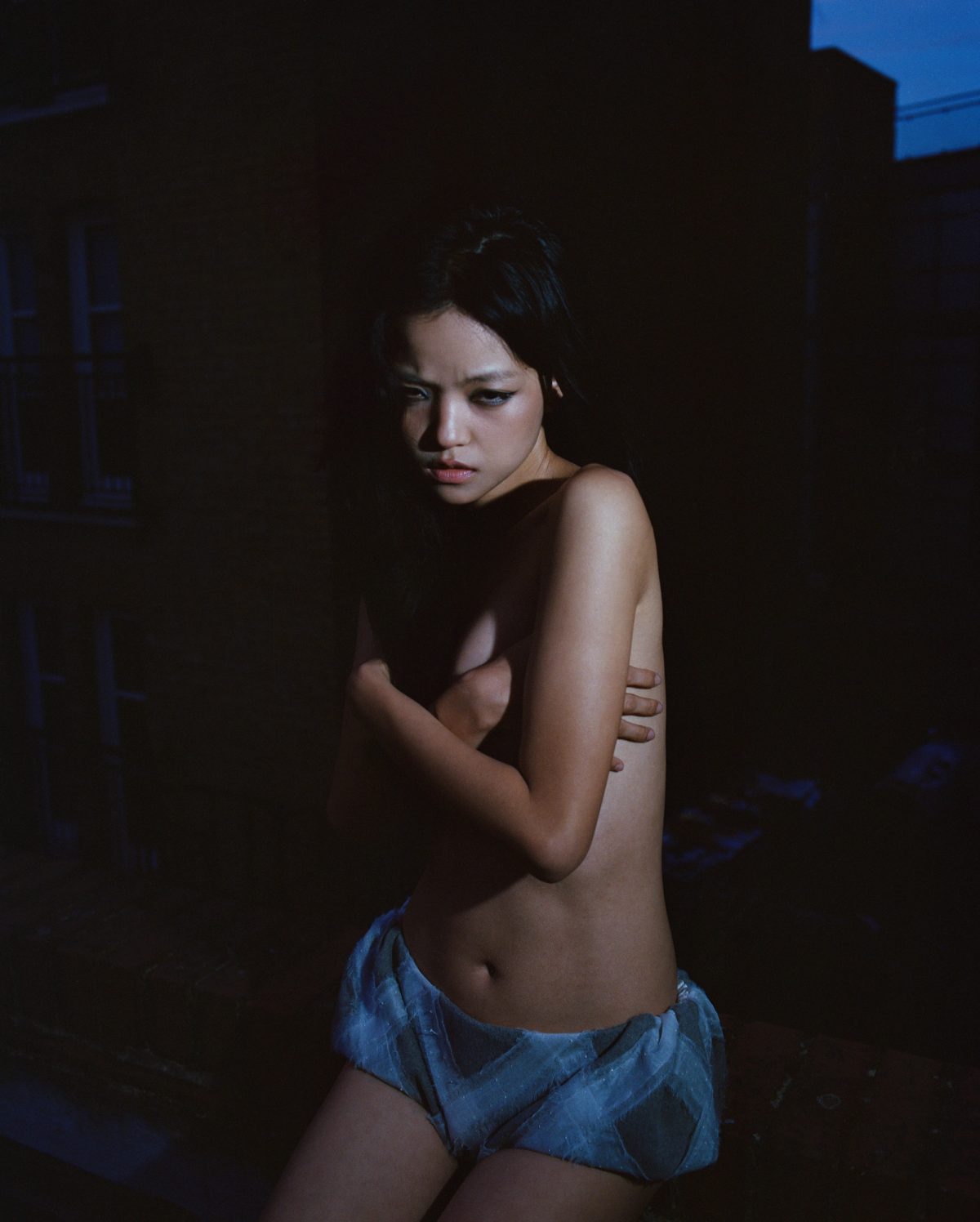
Your lens holds a quiet rupture. Whether you’re photographing lovers in the dark or models collapsed on the pavement, your work never flattens its subjects. It lets them bleed, ache, vanish. What draws you to this in-between? Are you more interested in performance or aftermath?
I’m drawn to what’s left behind: the trace of a feeling rather than the performance itself. I like that space where something just ended or is about to begin. It feels more real to me. I’m not after clarity, but that quiet tension that lingers.
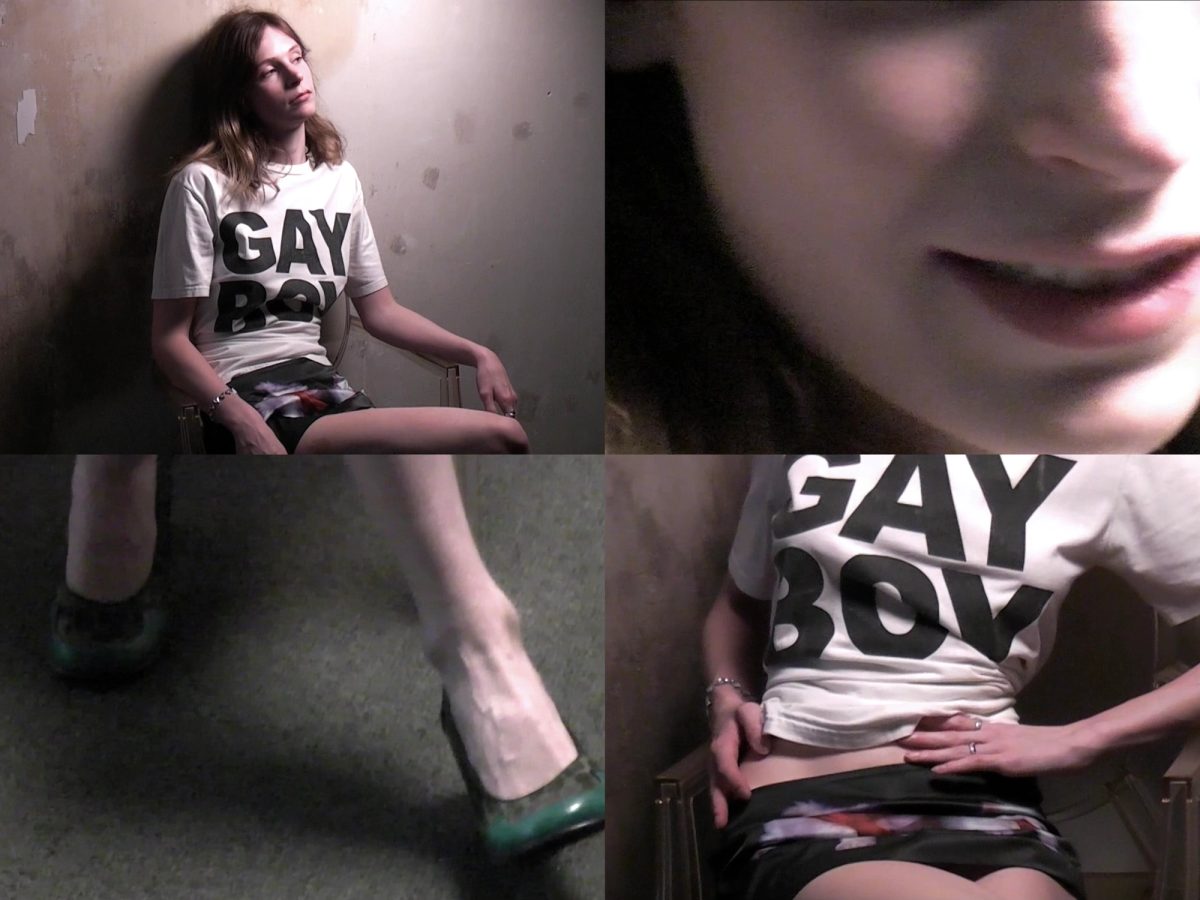
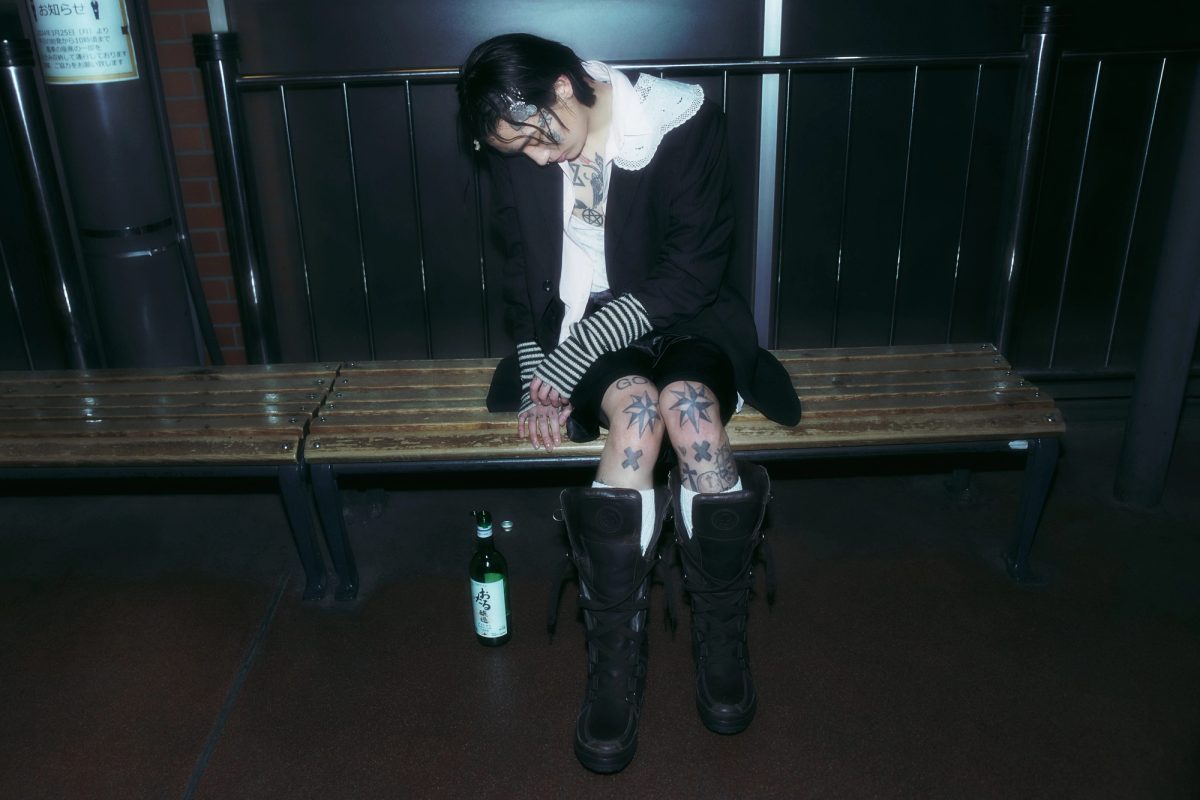
“Still Wearing Last Night” reimagines Tokyo nightlife through exhausted bodies, poetic disarray, and emotional overflow. You mentioned being inspired by images of businessmen asleep in public. What was the starting point for you? And what did you discover about public solitude while making this series?
It started with a feeling. During my stay in Tokyo, I often wandered the city at night. I saw people asleep on the train, collapsing outside convenience stores... It wasn’t just exhaustion, it felt like emotion spilling into public space. I wasn’t trying to document nightlife, but to translate that feeling of soft disconnection when you’re surrounded by people, but still deeply inside yourself.
“I THINK EMOTION IS THE ANCHOR, NOT LOUD EMOTION, BUT A QUIET ATMOSPHERE THAT HUMS BENEATH THE FRAME. I LIKE TO TELL STORIES BY LISTENING, EVEN IN LOUD ENVIRONMENTS.
You’ve shot fashion for some of the world’s biggest publications, yet your compositions rarely feel editorial in the traditional sense. They’re tender, disobedient, cinematic. Do you think of your work as fashion photography? Or is it something else wearing fashion as its skin?
That’s an interesting question- actually, a creative director friend recently told me he sees my work more as fine art or documentary than fashion photography. It made me reflect. think fashion photography today comes in many forms. It’s not just about showcasing clothes. For me, emotion always comes first. Most of my images sit within a fashion context, but what I’m really drawn to is the feeling beneath the surface.
In one of our past conversations, you mentioned you were thinking of moving to Paris, feeling like London wasn’t offering enough for fashion photographers. Can you speak more to that? What is it about Paris that feels expansive, and what feels limited here in London?
It’s totally a personal feeling. I’ve been living in London for the past three years and I truly love it. But every time I go to Paris, usually for work or fashion week, I feel the wave of motivation and freshness. There’s no doubt Paris is still at the heart of the global fashion industry, and I’m also obsessed with the city’s romantic energy. It’s not that London isn’t offering enough, there’s still so much here for me to learn and explore. But before I fully settle down, I’d love to try Paris, just to see where it might take me. Ideally, I would like to have a fluid presence in both cities.
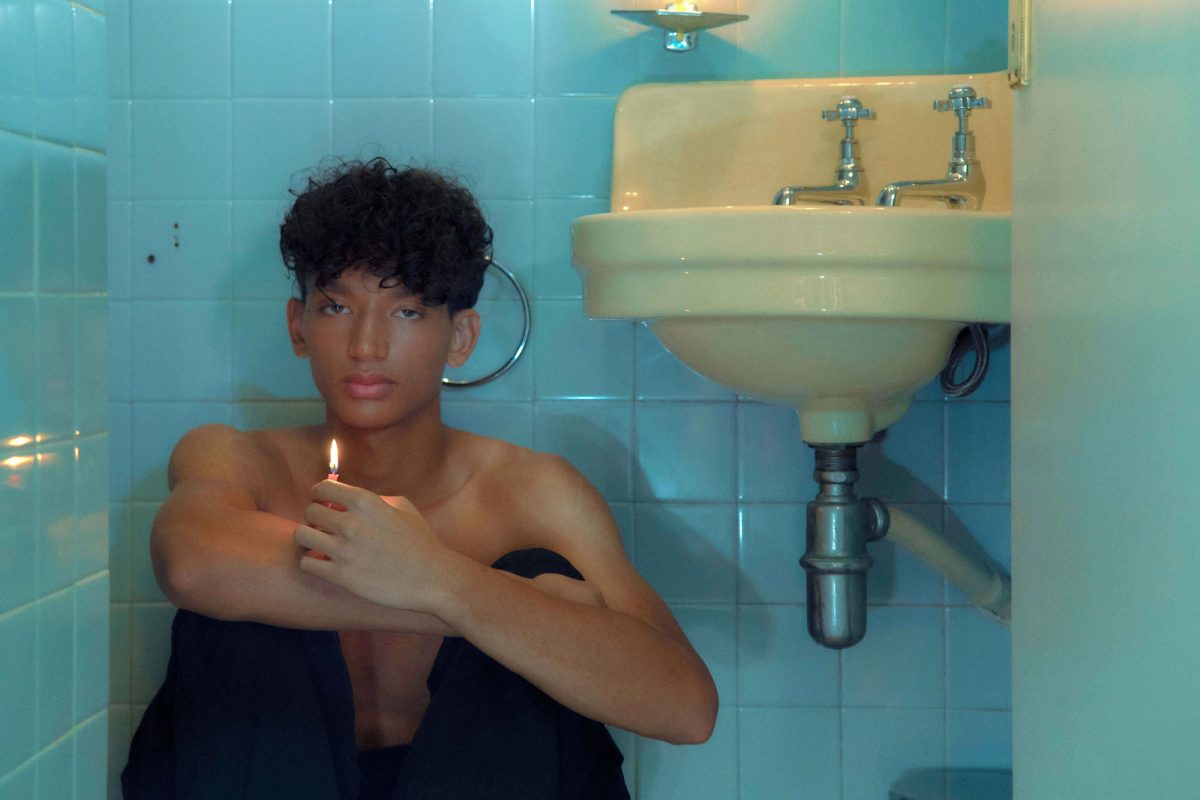
From the softness of the domestic to the starkness of public space, your images hold emotional tension in the backdrop. How do you choose location? Does space shape the image, or do you bring the mood with you, wherever you shoot?
Location is never just a backdrop for me, it helps set the tone of the image. I choose places that can reflect or contrast the emotion I want to capture. Sometimes I look for quiet, minimal spaces to focus on the subject’s expression. Other times, I place them in busy or impersonal environments to create tension. It depends on the feeling I want to build in the image, but I always want the space to feel intentional.
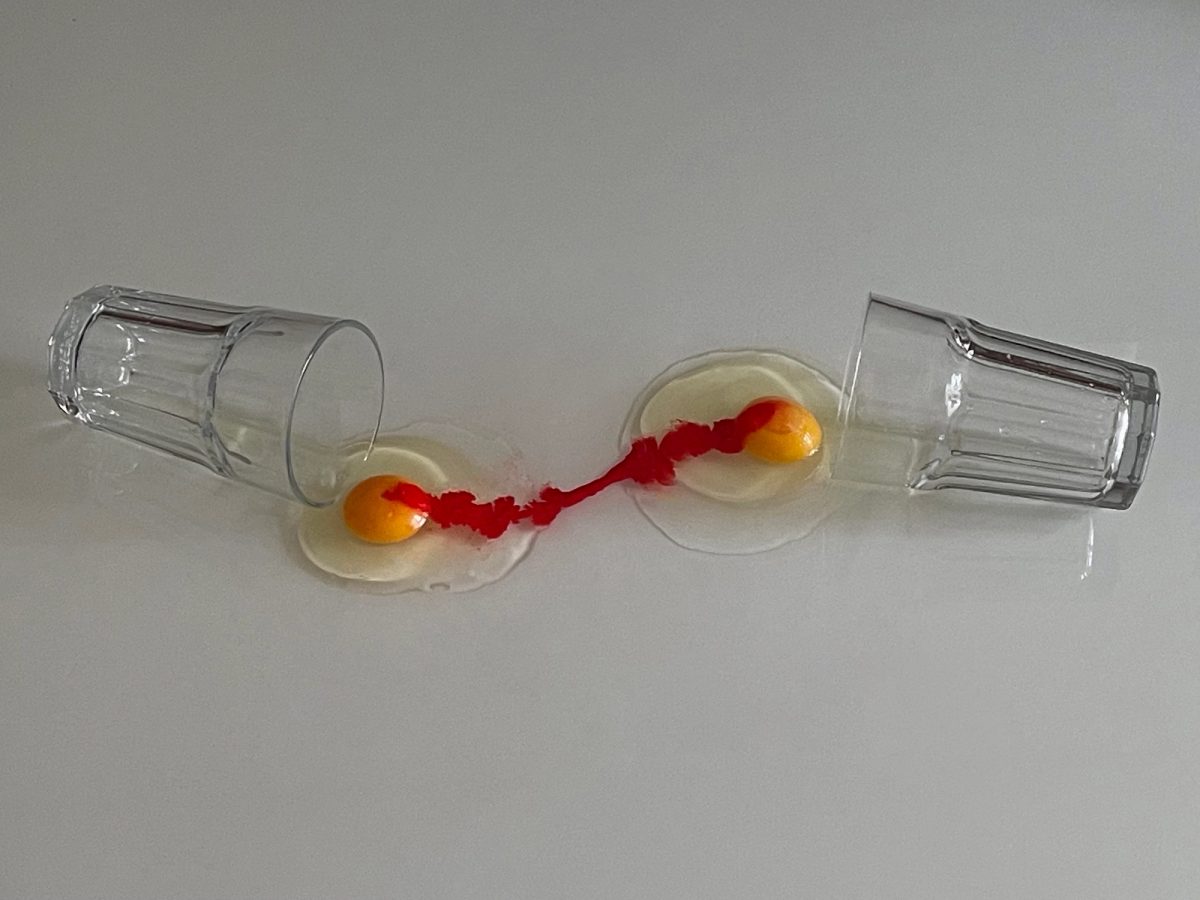
“I’M DRAWN TO WHAT’S LEFT BEHIND, THE TRACE OF A FEELING RATHER THAN THE PERFORMANCE ITSELF. I LIKE THAT SPACE WHERE SOMETHING JUST ENDED OR IS ABOUT TO BEGIN. IT FEELS MORE REAL TO ME.”
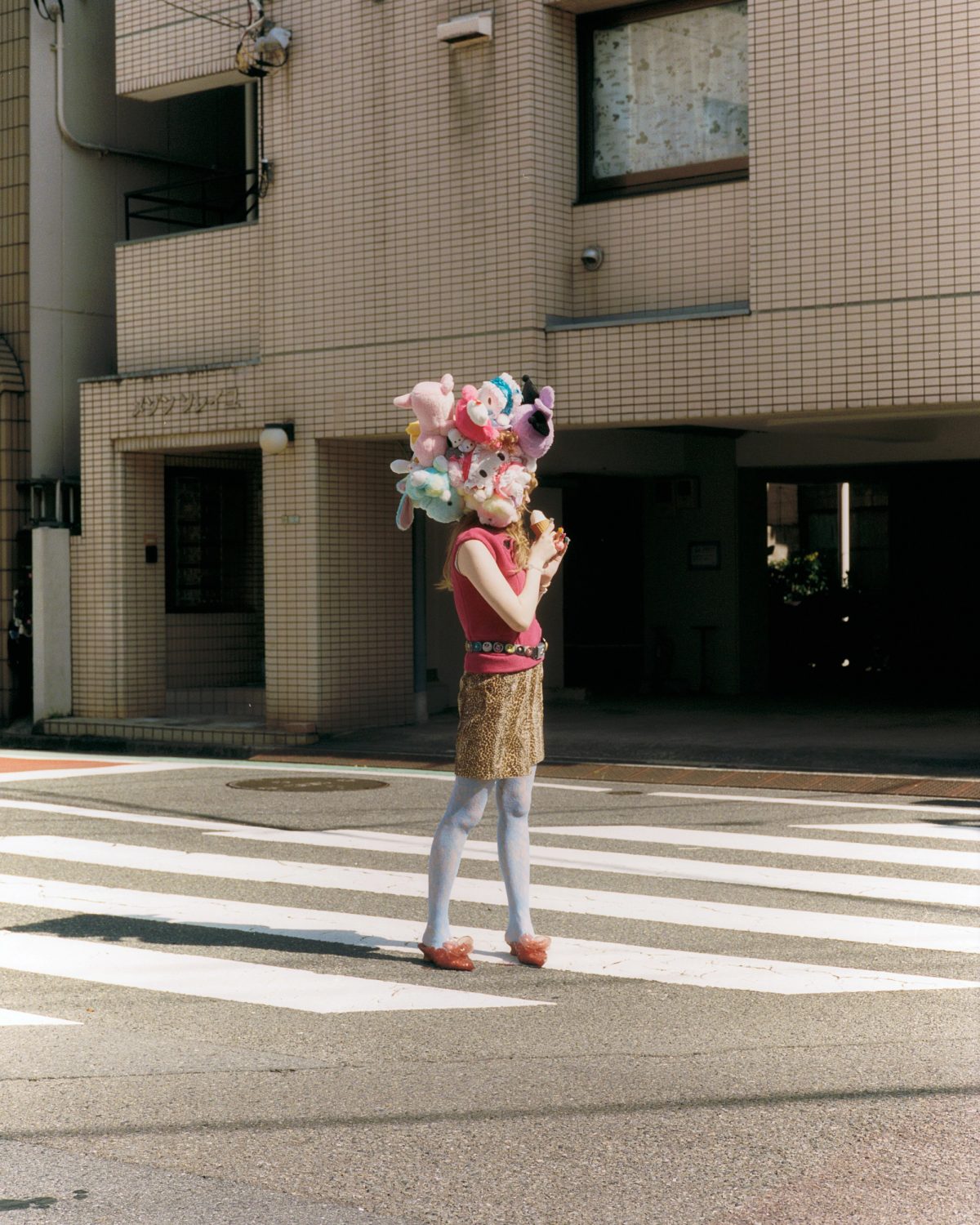
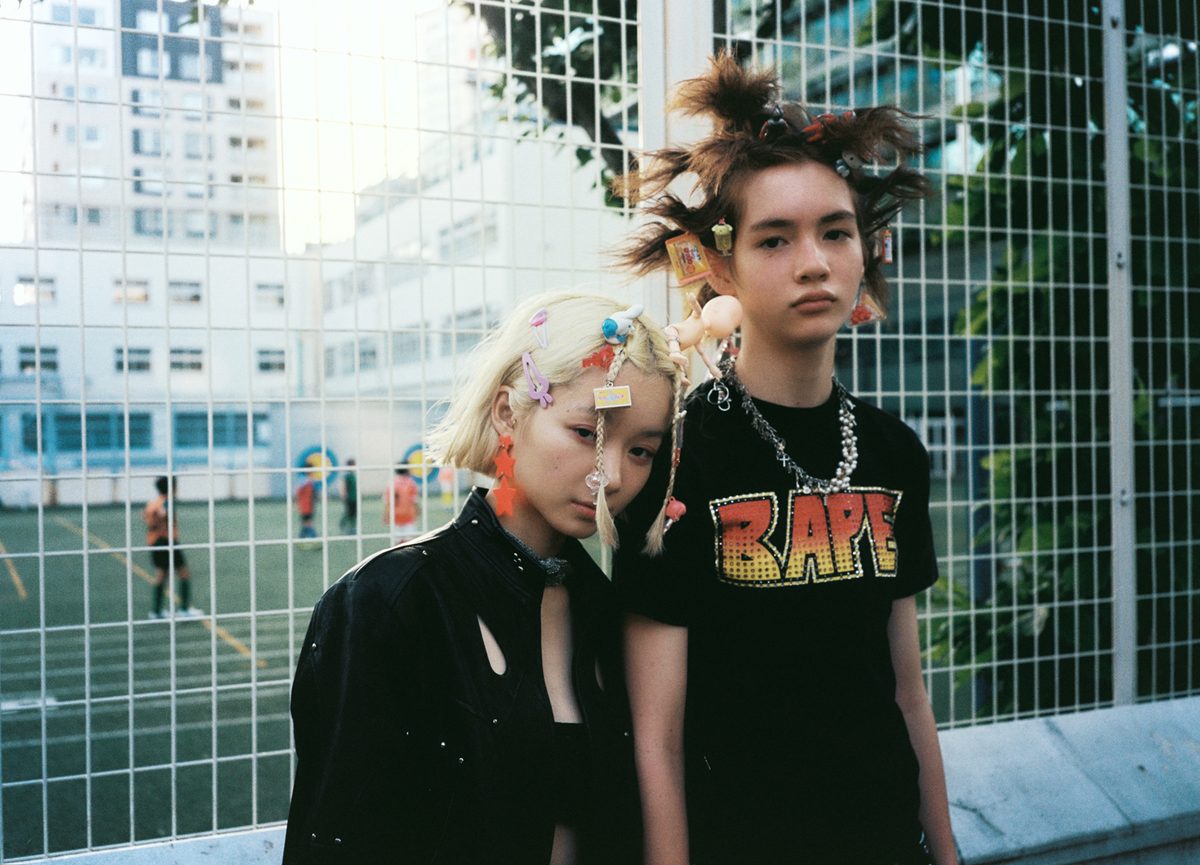
"In Made in Japan - A Tokyo Toy Story for Sabukaru", you work with childlike motifs, plastic charms, playgrounds, but it never tips into pastiche. There’s a real sincerity under the surface noise. What was your approach to balancing visual play with emotional grounding in that story?
I think it comes down to how I approach photography in general. As I mentioned earlier, I always focus on what a photo feels like rather than just how it looks. This series wasn’t about visual noise for the sake of being loud. It came from a very genuine place.
I’ve always been deeply moved by the kawaii culture in Japan, not just as a style, but as an emotional language. I remember visiting a hospital in Tokyo and seeing adorable plushies hanging around the reception desk, I didn’t feel cold at all as in normal hospitals. So I carried that sincerity into this shoot. Even the headpieces were handmade by the hairstylist over several days. There was care in every detail.
Your directorial work moves fluidly between modes, from the sunlit softness of your Burberry short to the latex-lit darkness of underground club scenes. Whether you’re shaping a commercial narrative or capturing a fleeting gesture in a more documentary register, there’s always a through-line. As a director, what anchors your vision across these shifts? Is it light, emotion, character, or something else entirely that guides the frame?
I think emotion is the anchor, not loud emotion, but a quiet atmosphere that lingers beneath the frame. Whether it’s glossy or raw, I’m drawn to a certain feeling. Light helps shape that mood, but it’s really about catching that subtle tension between the subject and space. I like to tell stories by listening, even in loud environments.
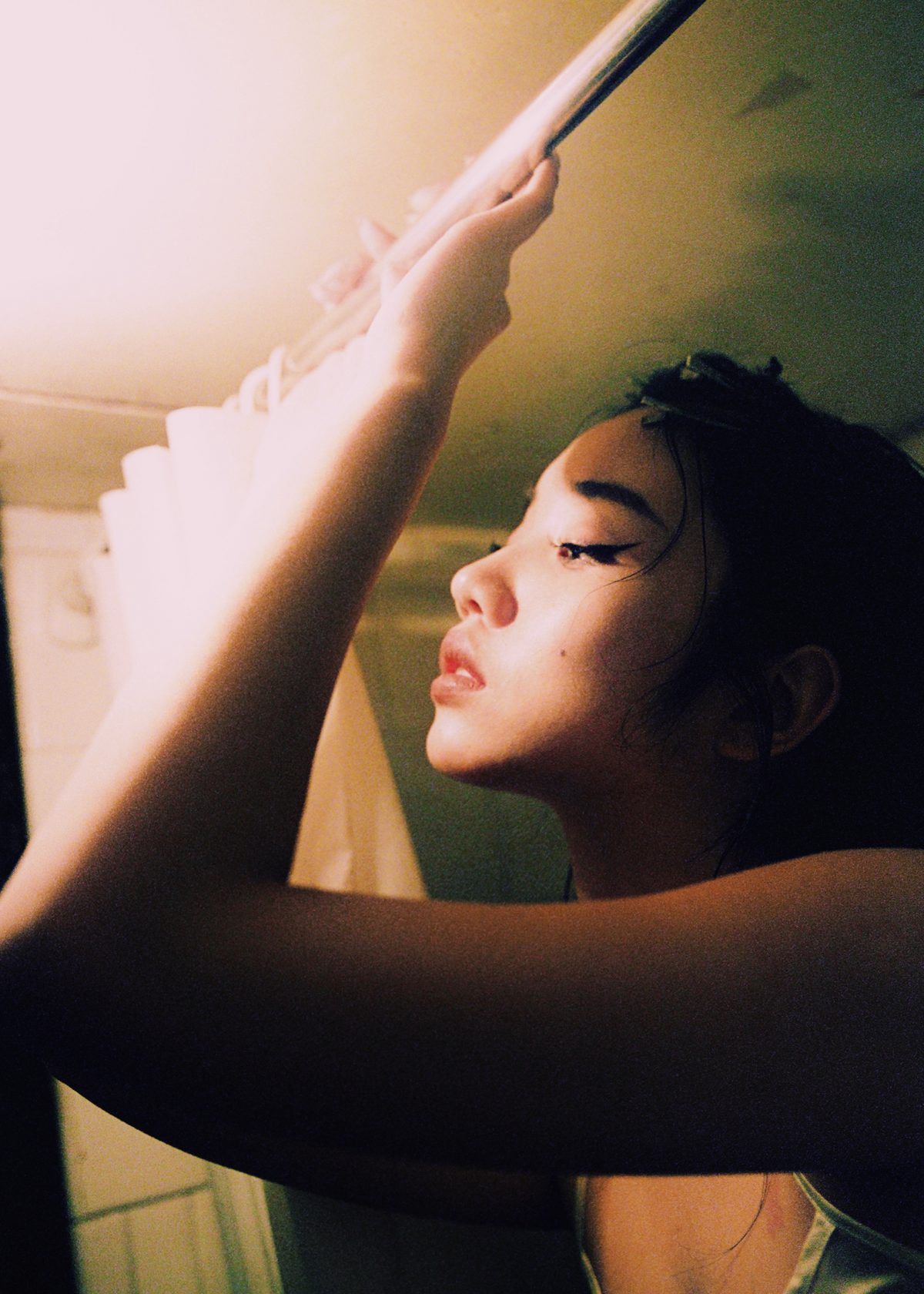
Queer subtext, emotional exposure, cinematic longing, these all appear again and again in your imagery. Do you have recurring visual obsessions or emotional textures that you’re alway circling back to, consciously or not?
Yes! For me, it’s always cinematic longing. Film is the most magical visual language. There are endless emotional landscapes and surreal universes to feel and explore. I love the works of David Lynch, Jim Jarmusch, Charlie Kaufman... I think I’m always trying to build my images as if they exist inside a film, not necessarily telling a story, but holding a mood.
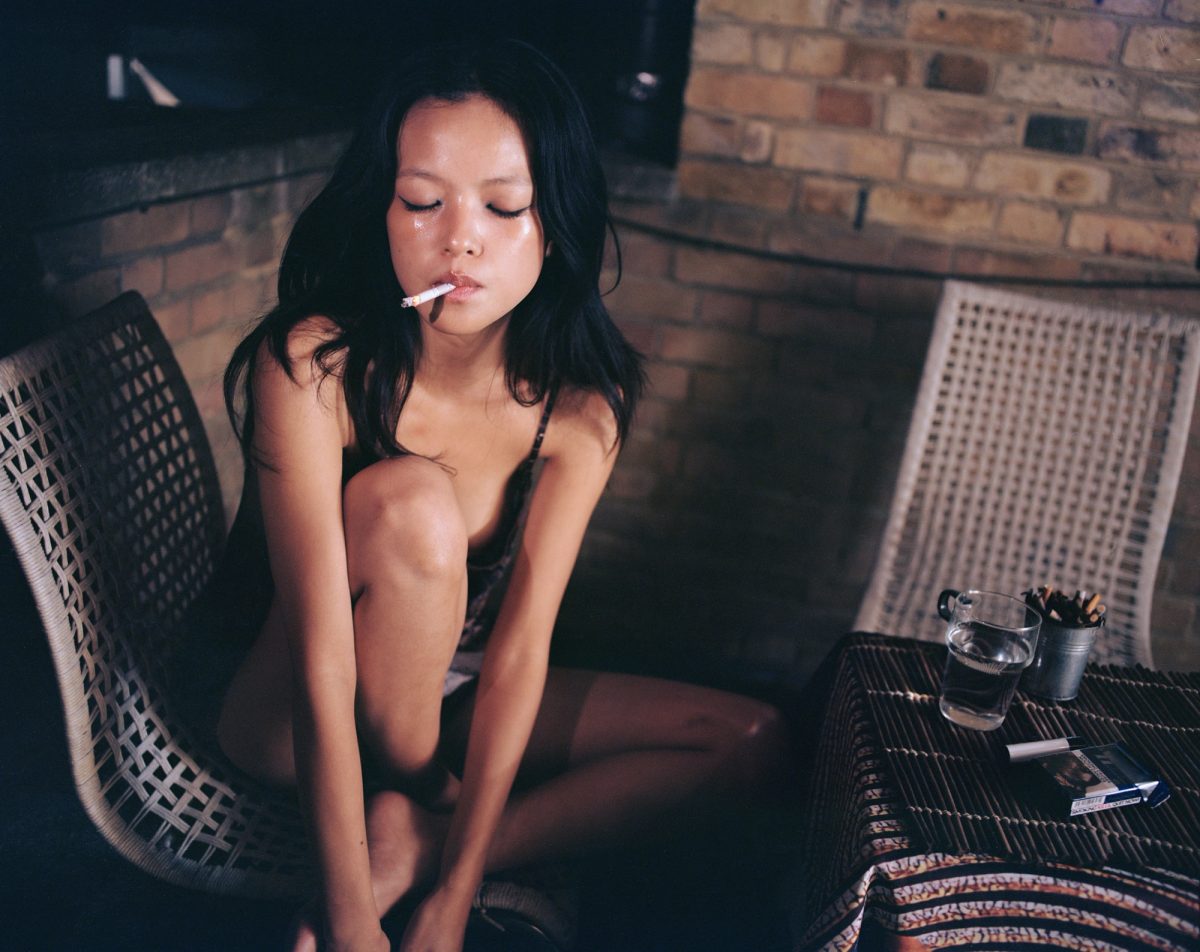
You often shoot your subjects in moments of solitude, on beds, in bathrooms, smoking alone in the dark. But the intimacy never feels forced. How do you build trust with your subjects? Are these scenes staged, or surrendered to?
Before I shoot, I always spend time talking with the subject, getting to know them as much as I can, so they feel safe and comfortable around me, especially when it comes to intimate shots. I treat those moments like directing a scene: I gently guide them into the emotional space, then hold the room open, quietly. Most of the intimacy comes from being fully present with them, letting whatever needs to surface.
Finally, what feels urgent to you now? Is there a project, a city, a format, or a person you’re aching to work with, or something you’re done with entirely?
Right now, I feel an urgency to slow down and focus on deeper, long-term projects, the kind of work that helps me build my own visual universe. I’m tired of constantly producing things I don’t love just to meet client expectations. I want to create from a place of clarity, not compromise. My goal is to shape a stronger, more honest body of work, and let it speak for itself.