INTERRUPTED BREATH: IN CONVERSATION WITH JUAN CHEN
CONVERSATION BY SELIN KIR
CO-FOUNDER, CURATOR
28 SEPTEMBER 2025 — UNITED KINGDOM
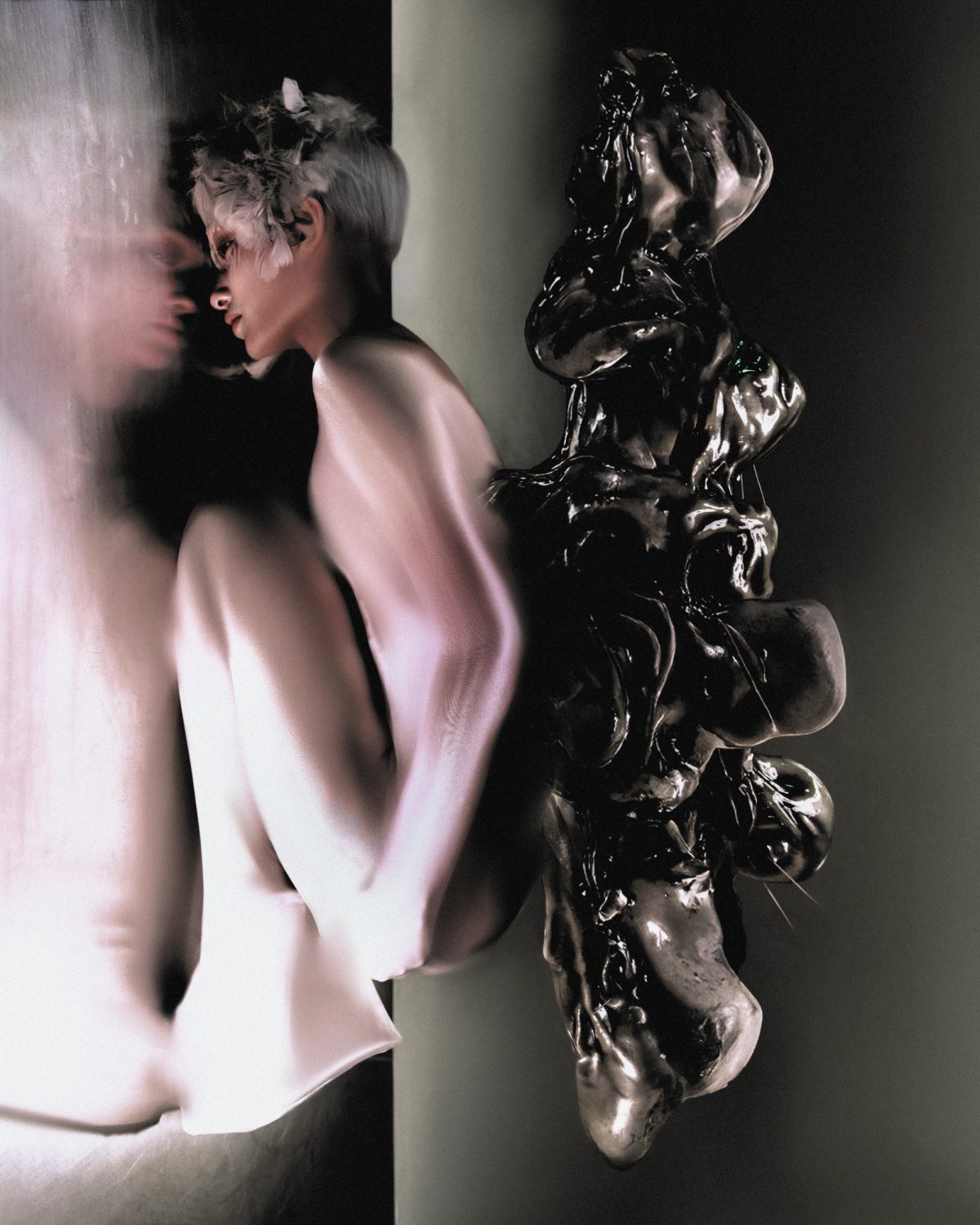
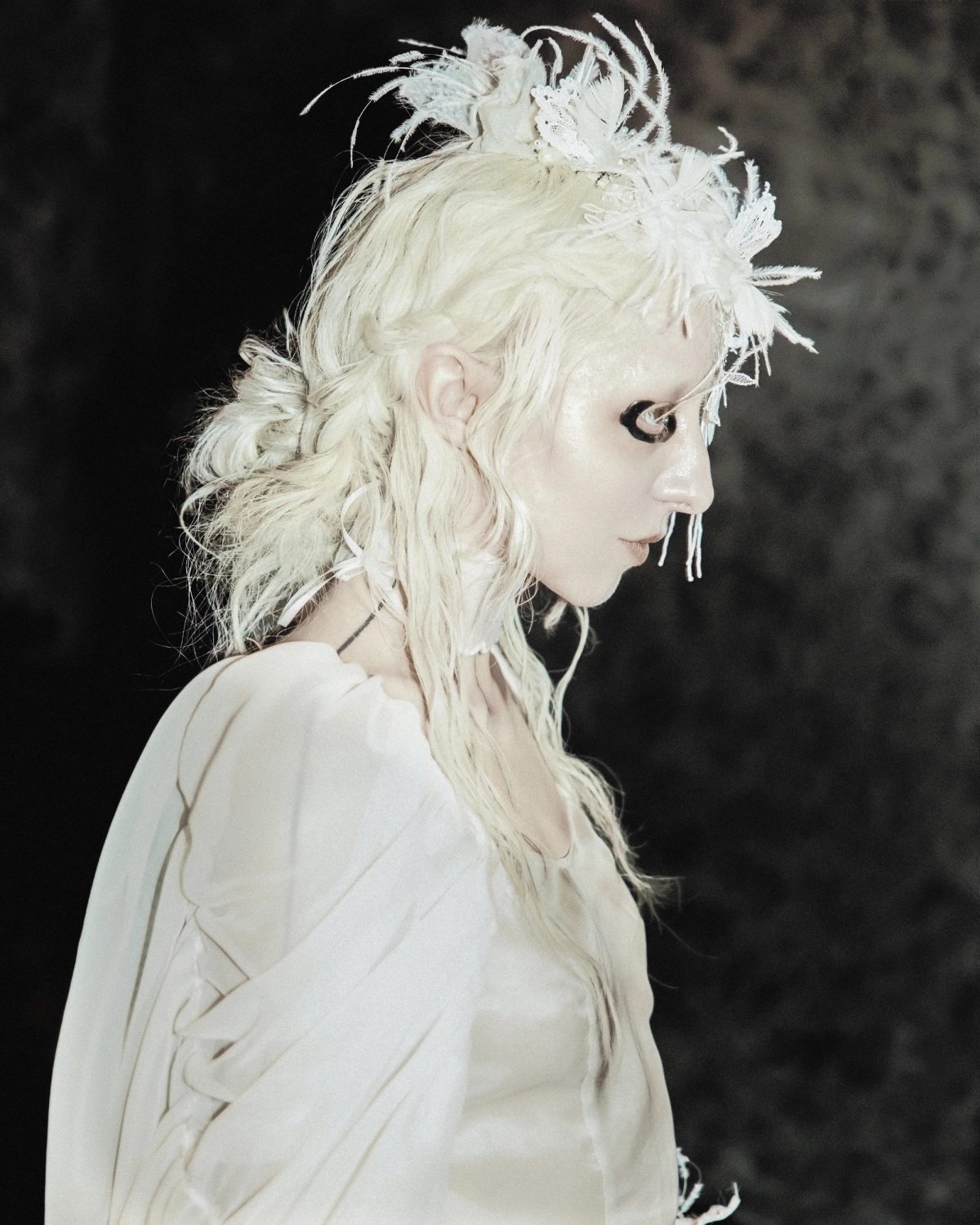
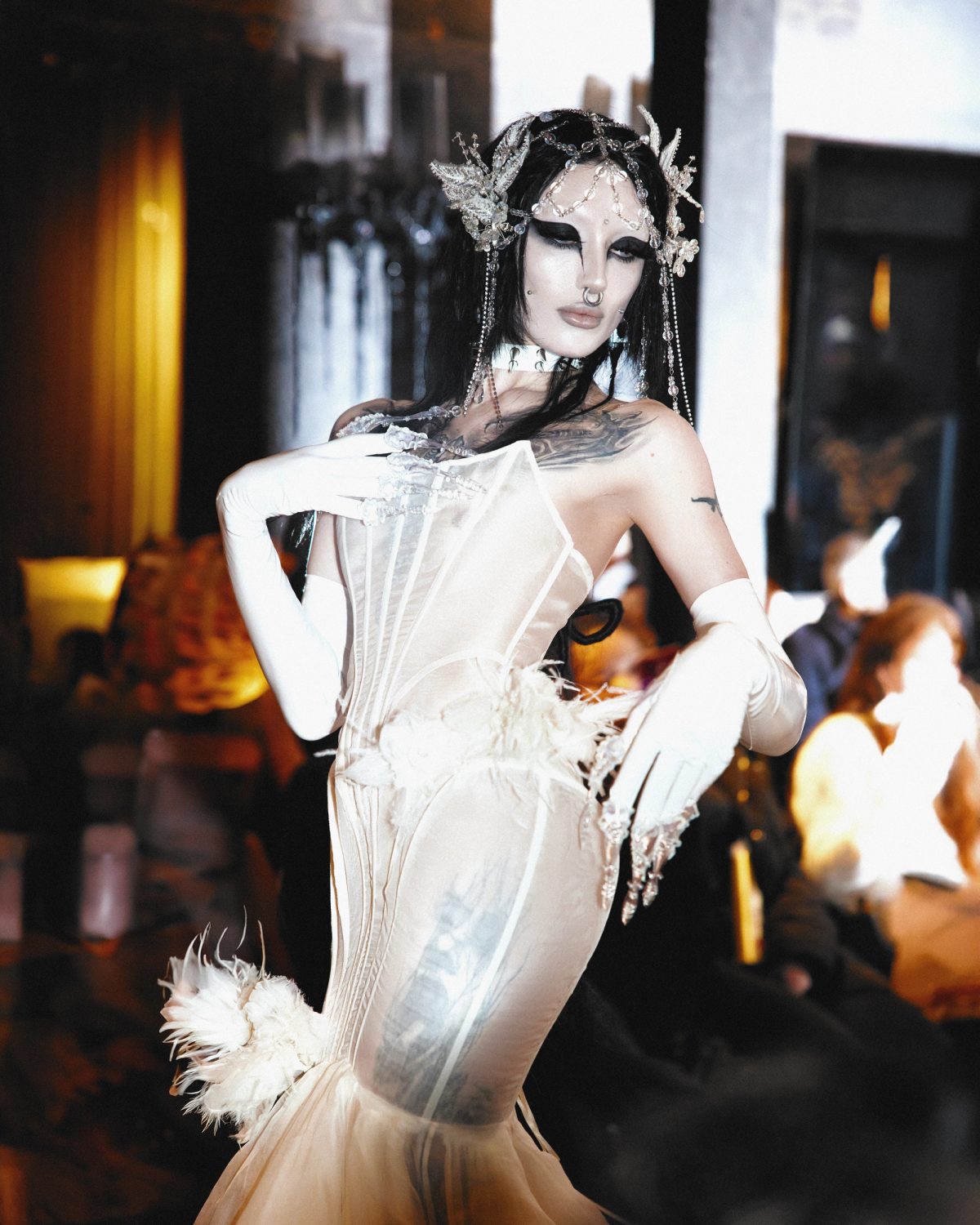
Juan Chen’s photographs inhabit a space where bodies are unsettled, stretched, or stilled into forms that feel both fragile and confrontational. Working with skin, shadow, and gesture as her primary vocabulary, she builds images that fracture continuity and compress silence into charged atmospheres. Figures emerge as altered, mythologised, or fading at the edges, carrying an ambiguity that resists resolution. Rather than revealing a subject, her work opens a threshold: images that hover like fragments of a larger, unknowable narrative.
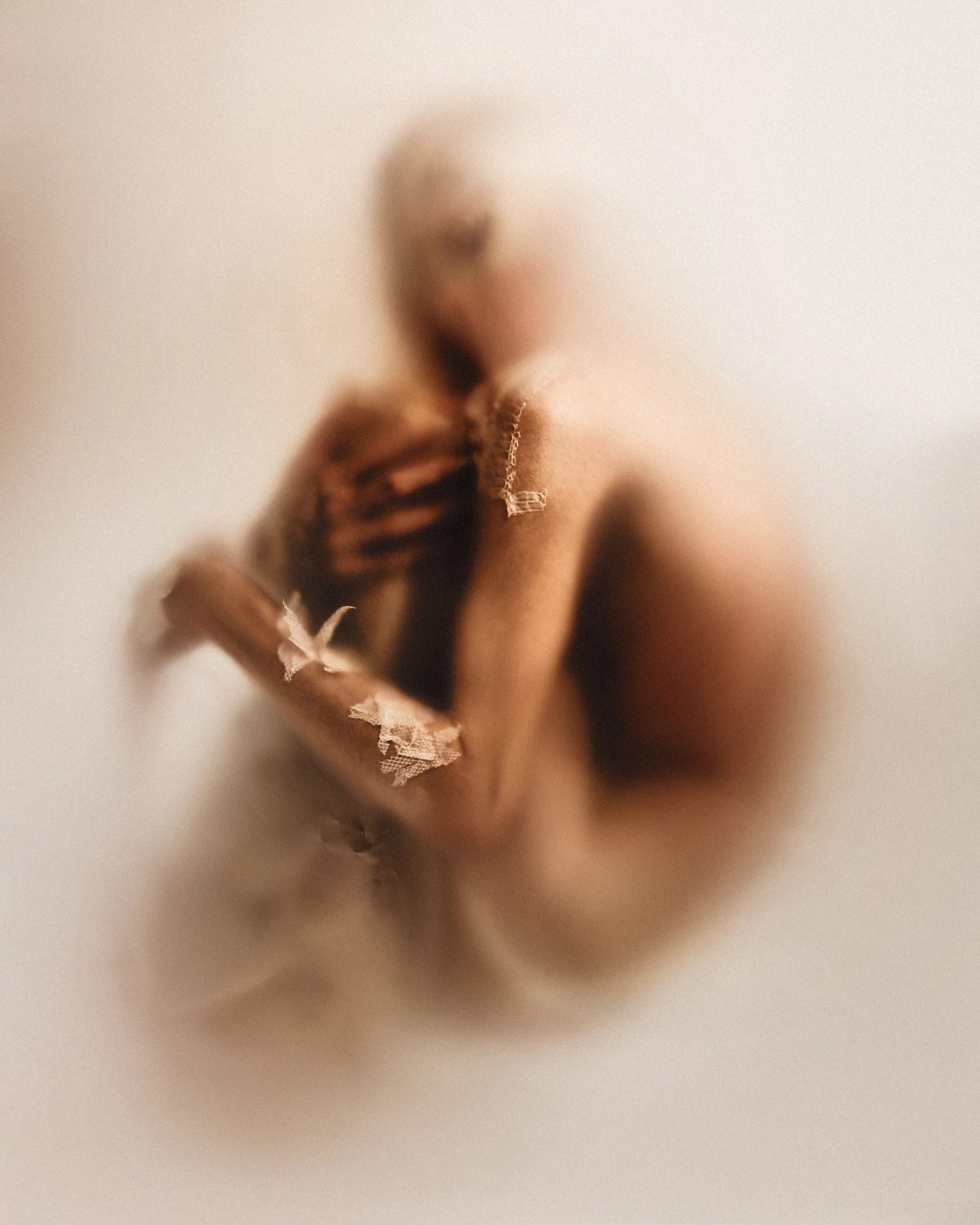
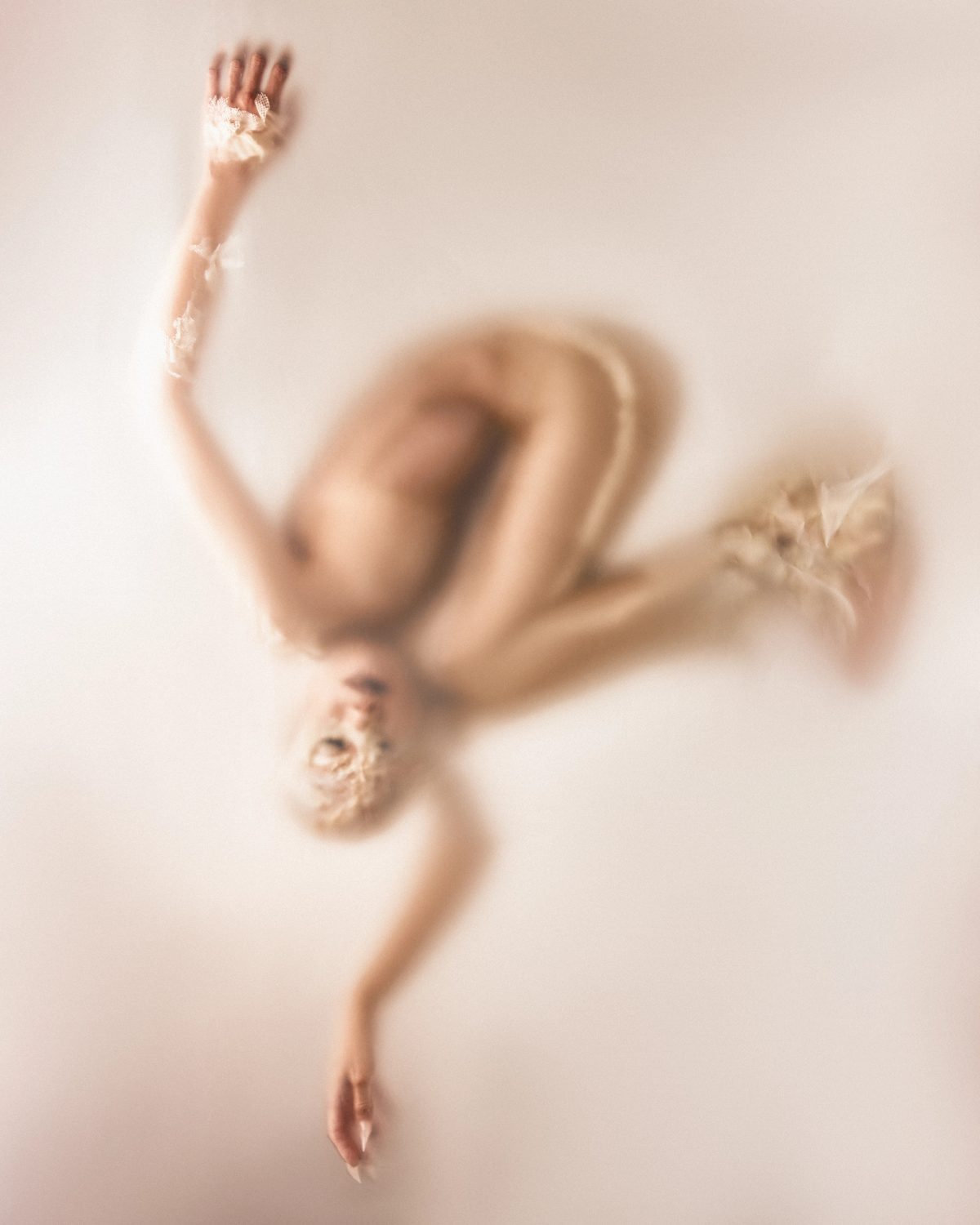
I had the chance to model for you, and I remember feeling like I was in a world that spoke through skin, shadow, and gesture. What led you to develop this kind of visual intimacy with the body where distortion, stillness, and vulnerability become part of the language?
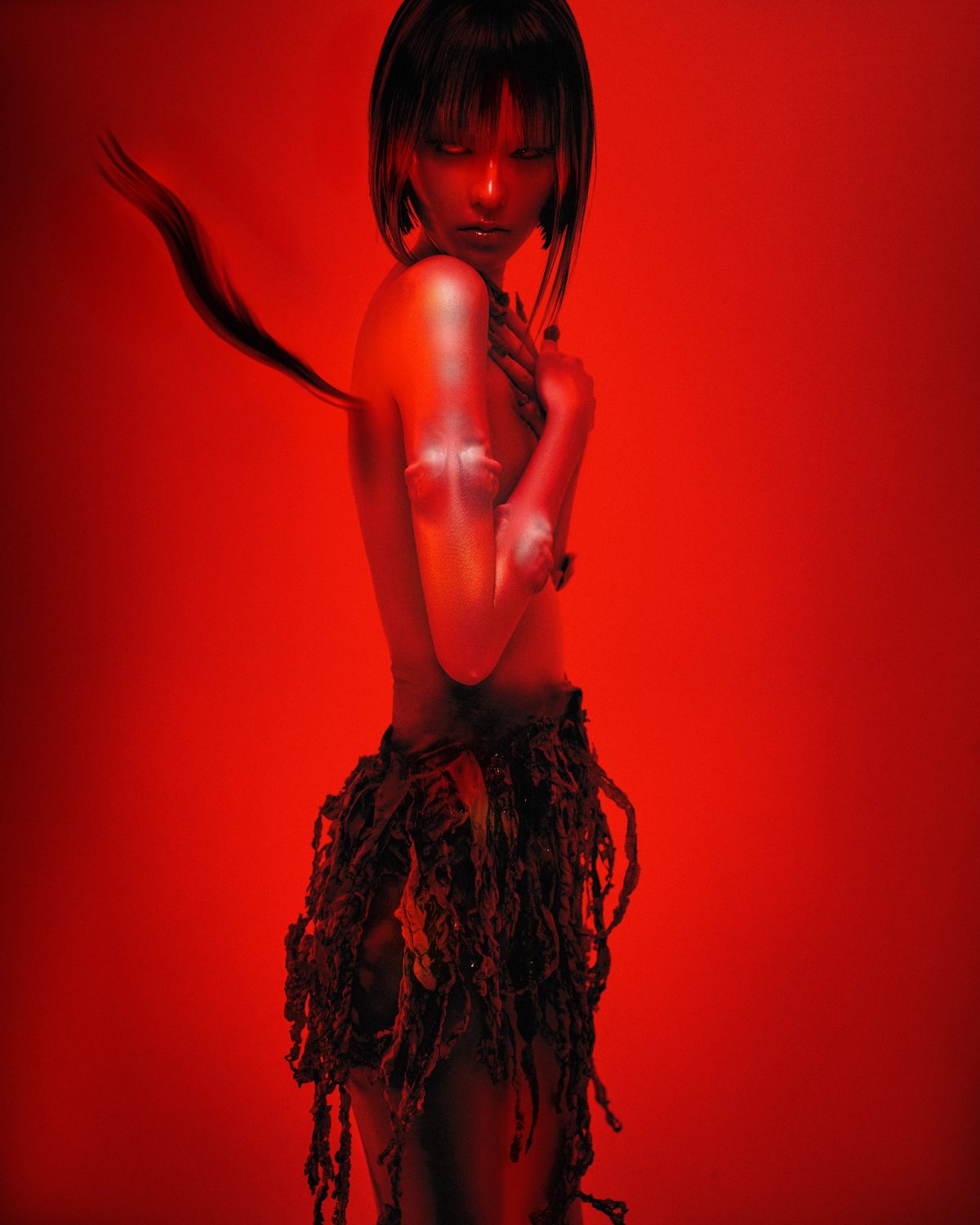
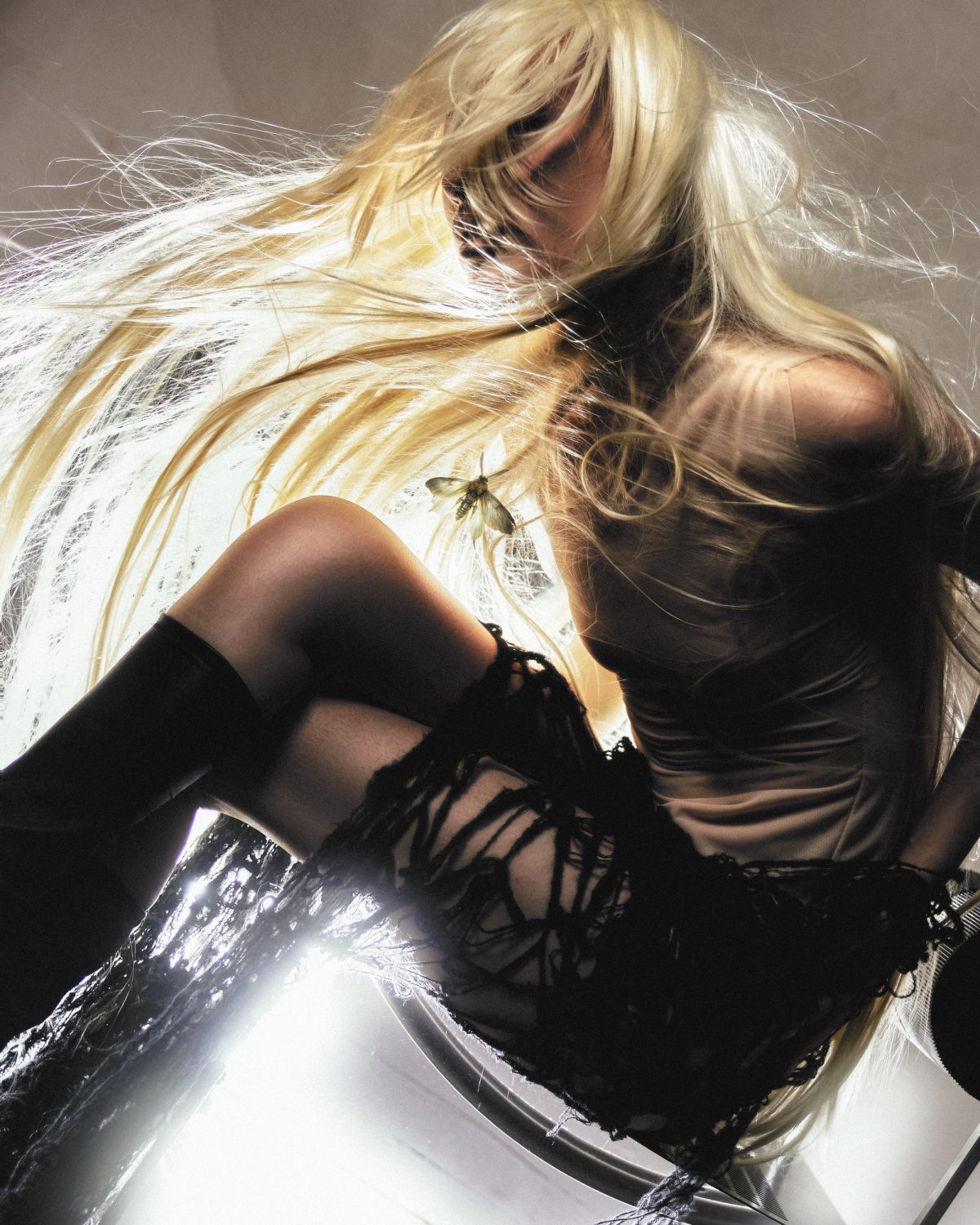
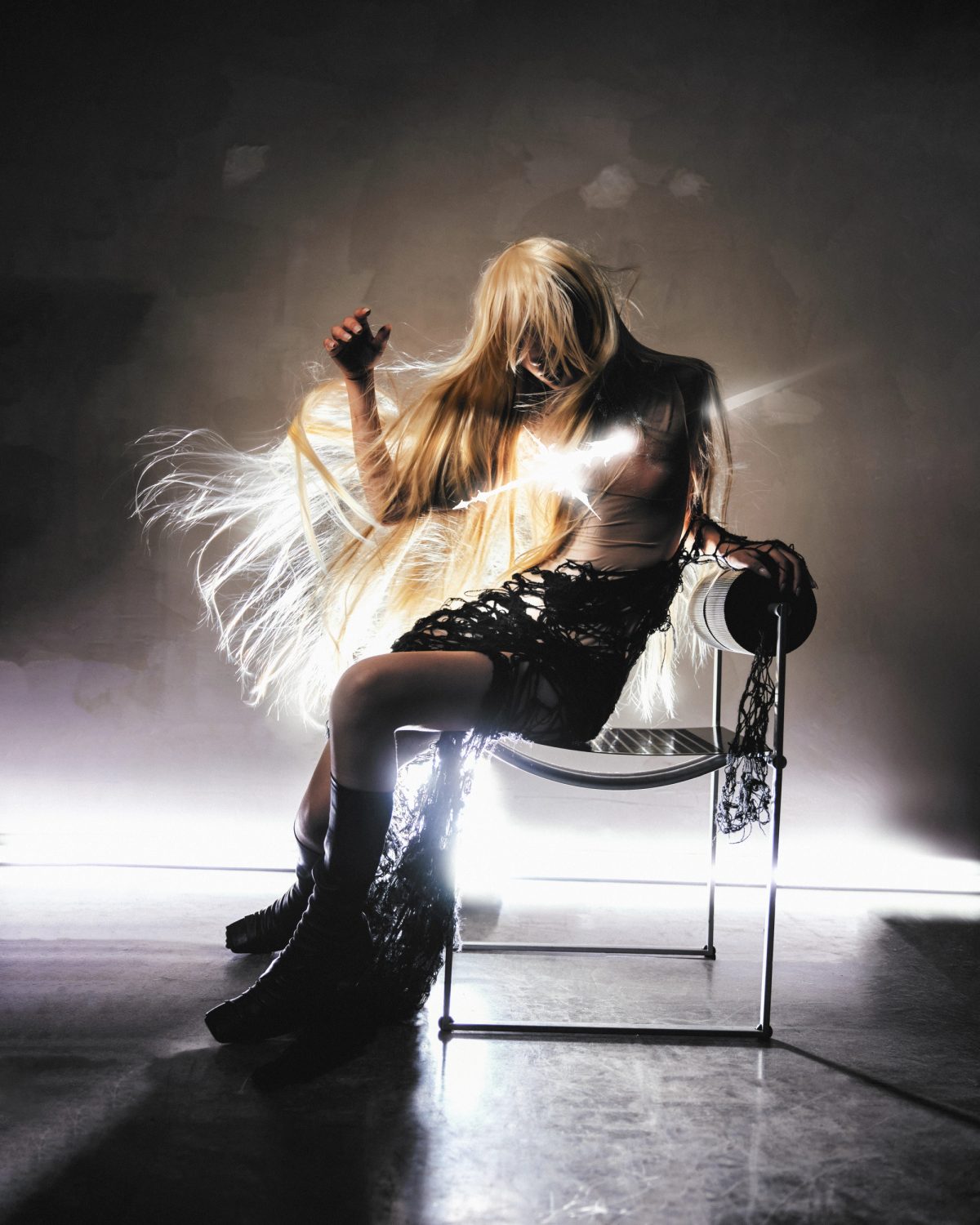
In my images, the body is never a passive subject, it breathes alongside light, space, and time. I choose skin, shadow, and posture as my primary language because they speak more honestly than words. Distortion and stillness are revelations for me: they fracture the continuity of the everyday, allowing vulnerability to surface. In directing movement, I often ask for something unsettling, oppressively quiet, or charged with stillness. These gestures rarely carry explicit meaning, but they compress emotion into a subtle tension, inviting the viewer to sense an energy beneath the surface.
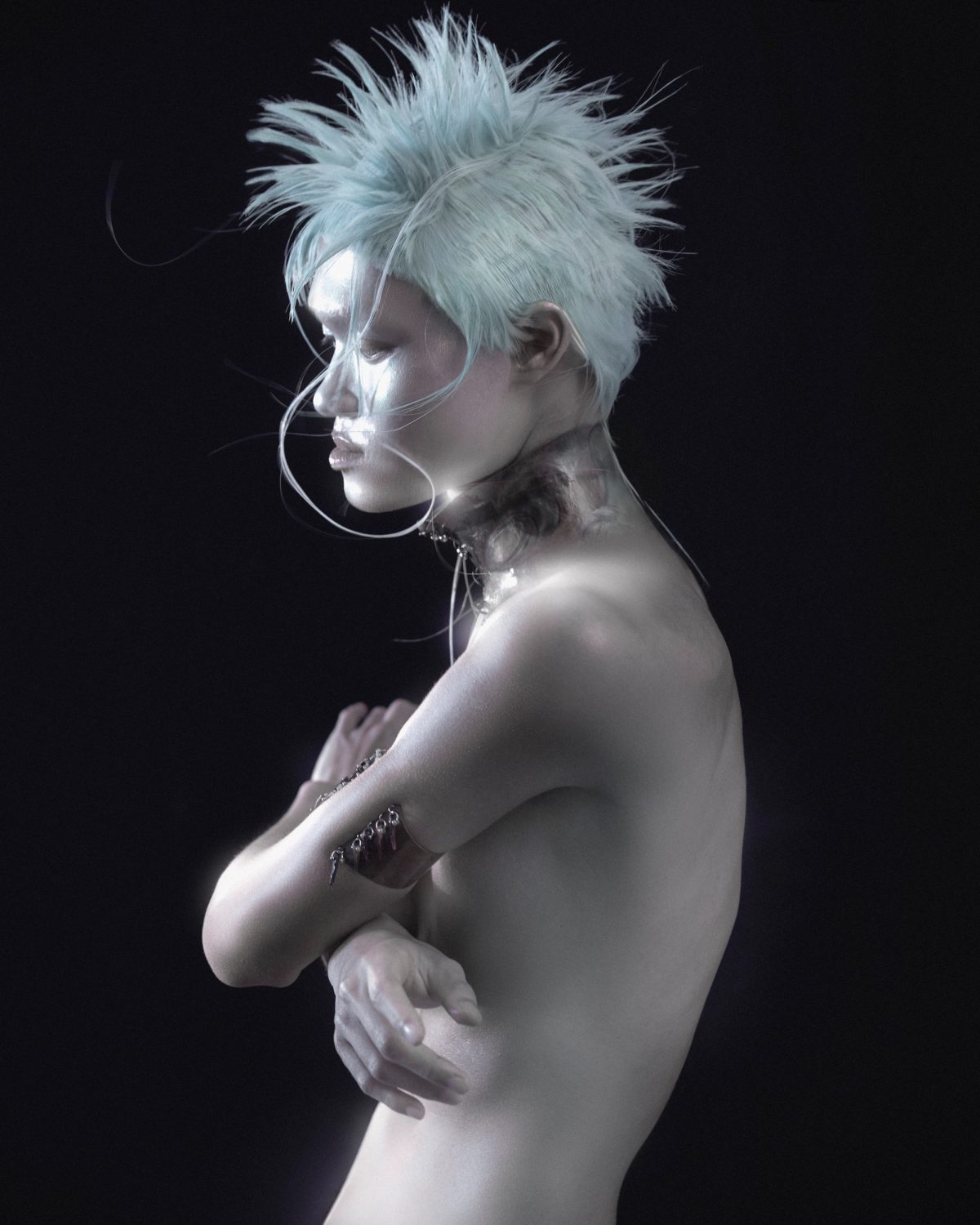
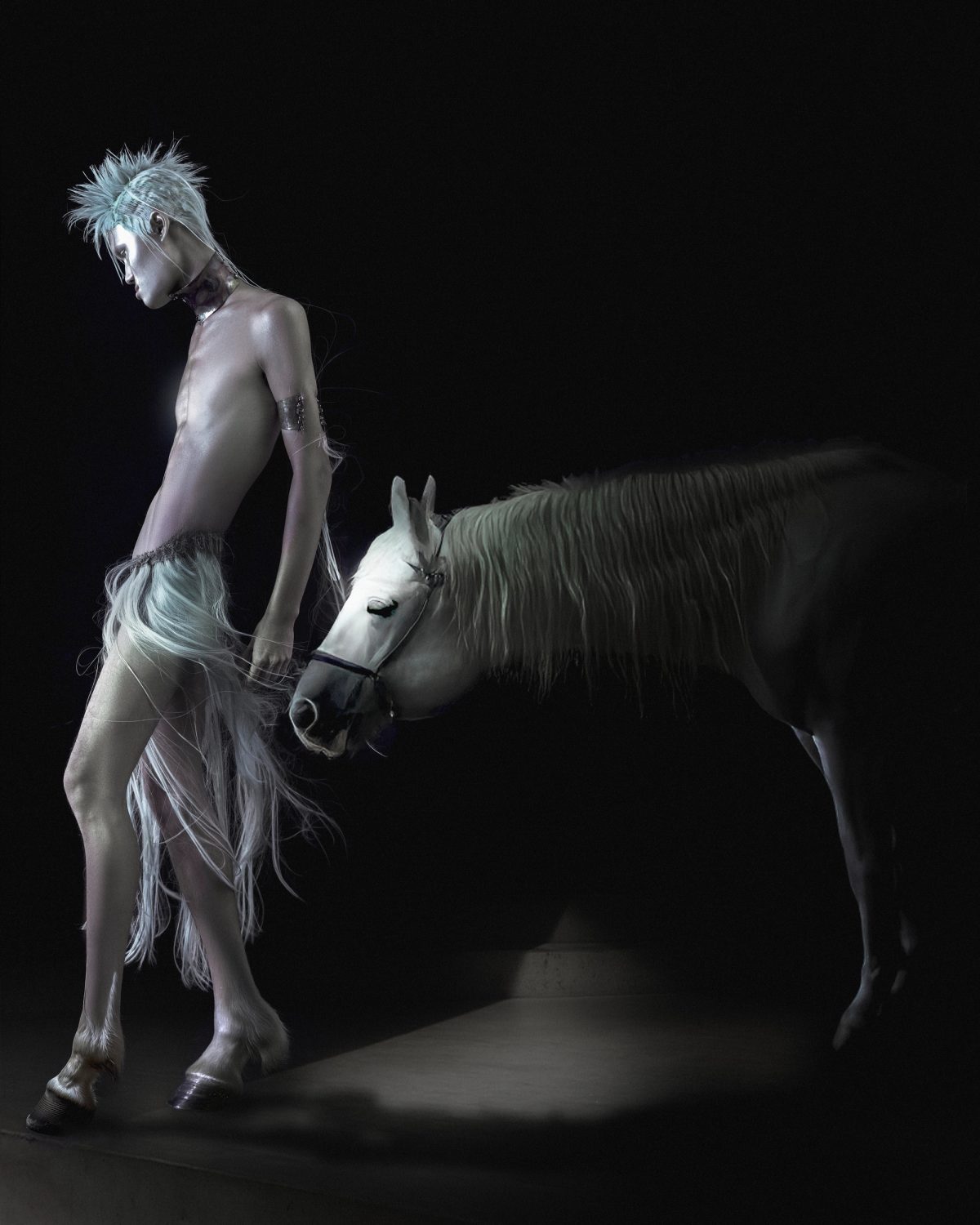
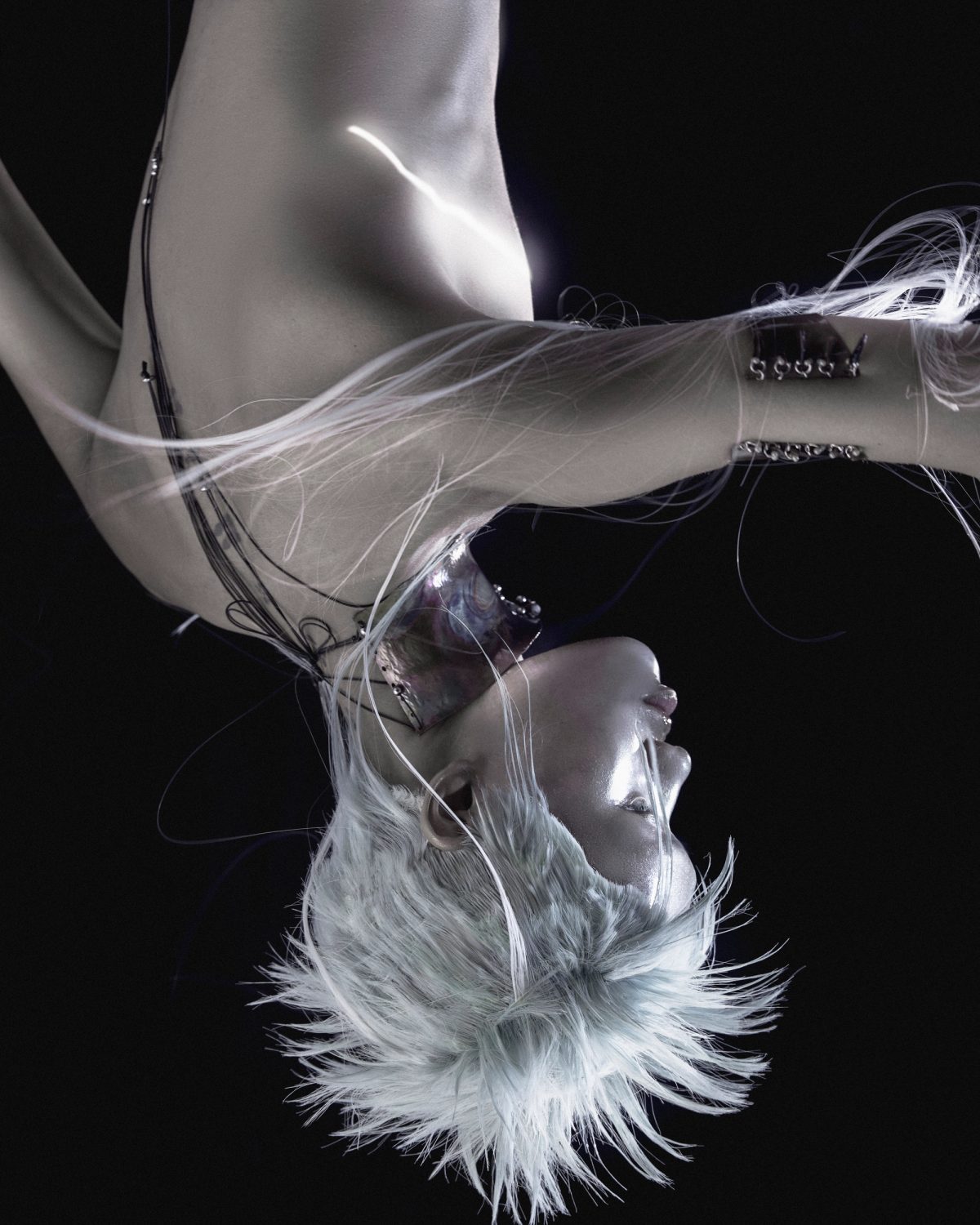
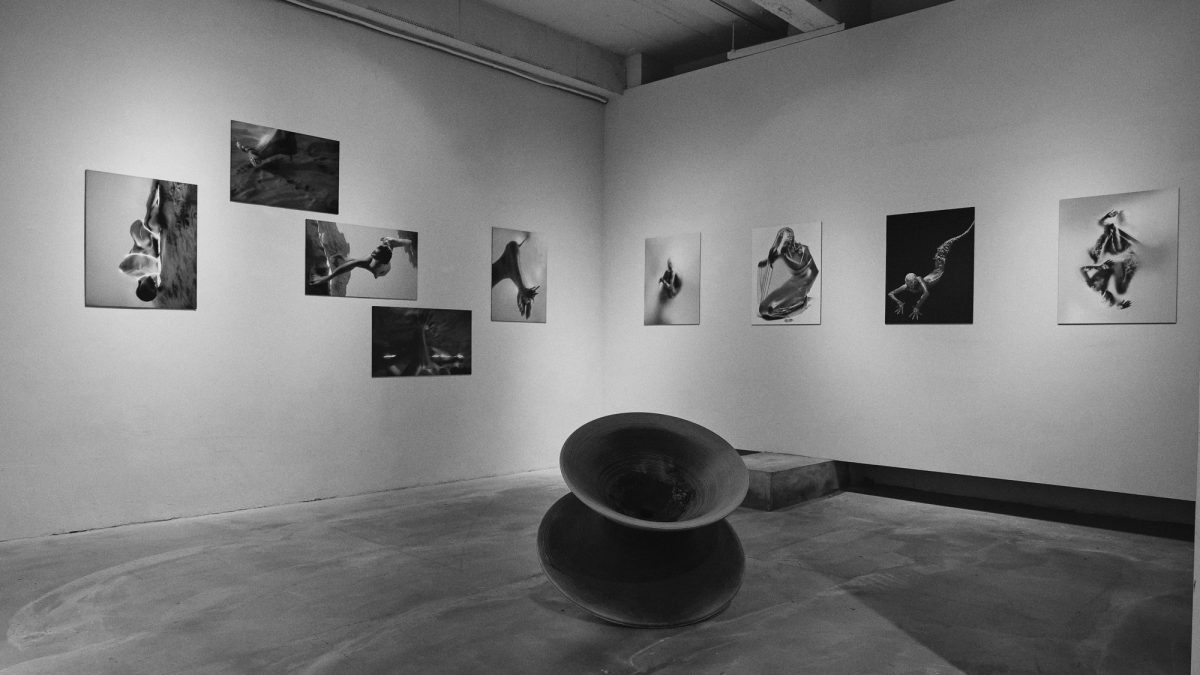
Let’s talk about GUVEX, your solo exhibition. You describe it as revolving around fluidity, deconstruction, and reconstruction exploring the boundary between reality and illusion through imagery. Can you tell us how these concepts shaped your process, both thematically and technically?
GUVEX is my first solo exhibition, it is a deliberate act of opening myself up. It revolves around conflict and internal warfare, and the contradictions that inevitably emerge. The work is an experiment in fluidity, deconstruction, and reconstruction, allowing images to drift between reality and illusion, taking on no fixed form yet seeping deeply into perception. The exhibition unfolds along three to four narrative threads: beginning with the most overtly confrontational states, and gradually moving toward spaces that are closer to reality yet remain unfamiliar.
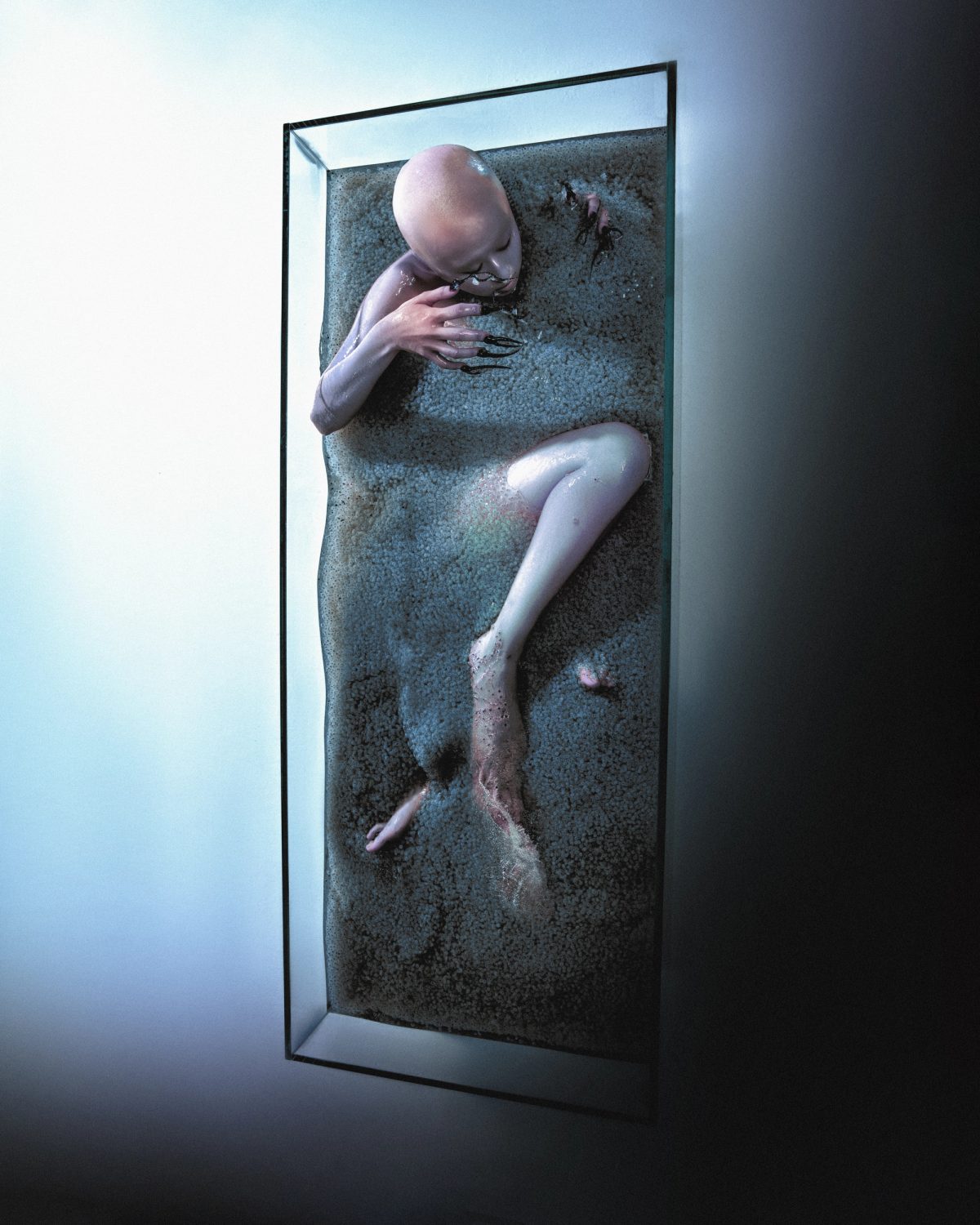
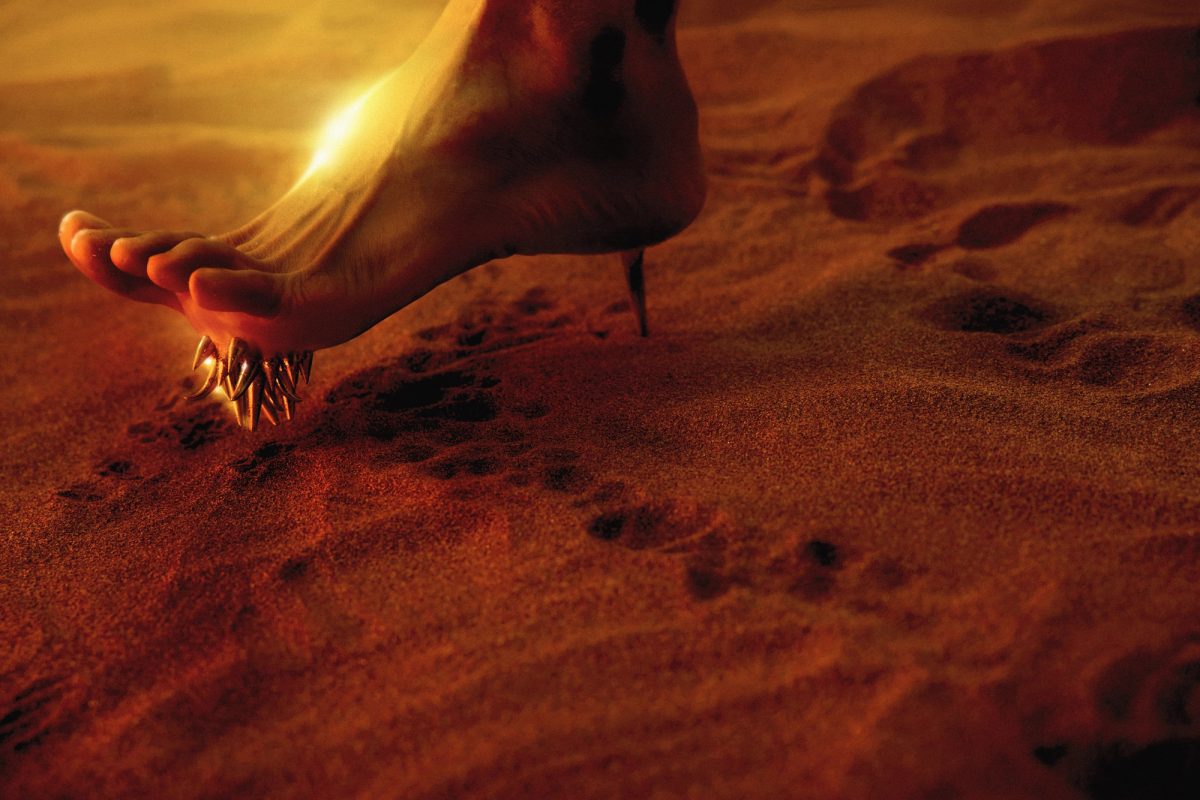
The main installation centers on my recurring “alien-like” figures, wordless in emotion, carrying fragments of personal messages, guiding viewers into my inner logic. Another zone returns to tangible space, such as deserts, arid, sun-bleached, where light suggests a faint hope, yet the figures remain sharp-edged, cold, and defensive.
A further section reflects my attraction to smooth, transparent, light-reflective materials such as, latex, fluid, high-gloss surfaces that invite a voyeuristic gaze into another realm. The final section contains my interpretation of dreams. For me, dreams rarely hold light; they are often shadowed, carrying cryptic messages, placed deliberately in concealed corners like doorways only unlocked under certain conditions.
“I like my images to feel like an interrupted breath, inviting the viewer to wonder what came before the inhale and after the exhale.”
Your images often feel like fragments of a larger, unknowable story. Otherworldly yet grounded in flesh. There’s a speculative quality, as if the viewer is invited to imagine what happened before or after the frame. Do you think about narrative or world-building when you create? What role does speculation play in how you shape a photograph?
I like my images to feel like an interrupted breath, inviting the viewer to wonder what came before the inhale and after the exhale. Ambiguity is the most liberating part of my process, keeping the work fluid and resistant to singular meaning. My therapist has been a constant presence, from my earliest years as a painter to my current work in moving and still images. In my earliest paintings, the body appeared as fragmented flesh, exposed organs, and unfiltered pain. Now, the language has shifted toward “the tension before dismemberment”, elongated limbs, vanishing extremities, bodies whose cores are damaged yet limbs remain intact. My therapist has often interpreted these visual choices as subconscious expressions of psychological compression and unresolved tension, a reading I deeply trust, and intentionally preserve in my work.
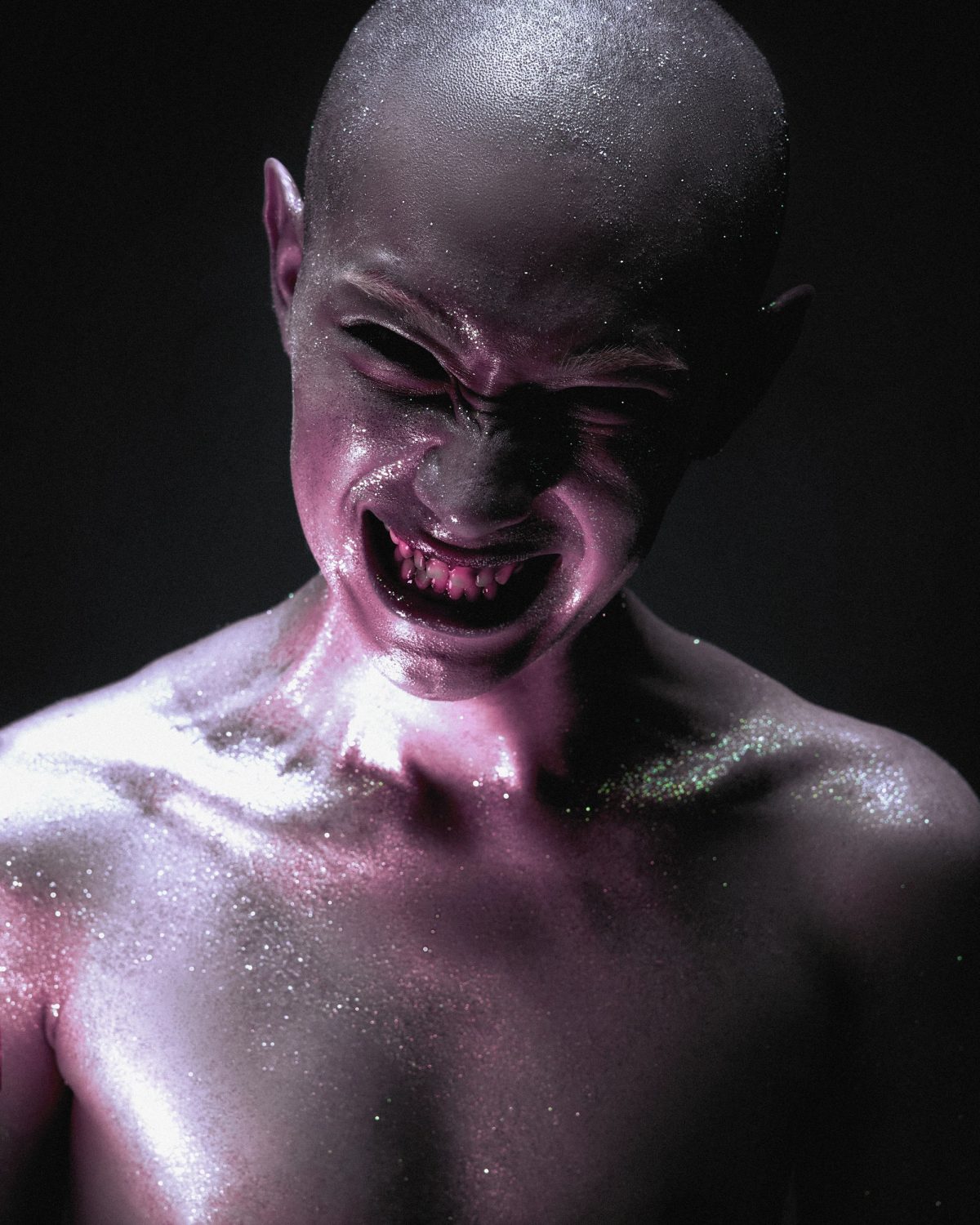
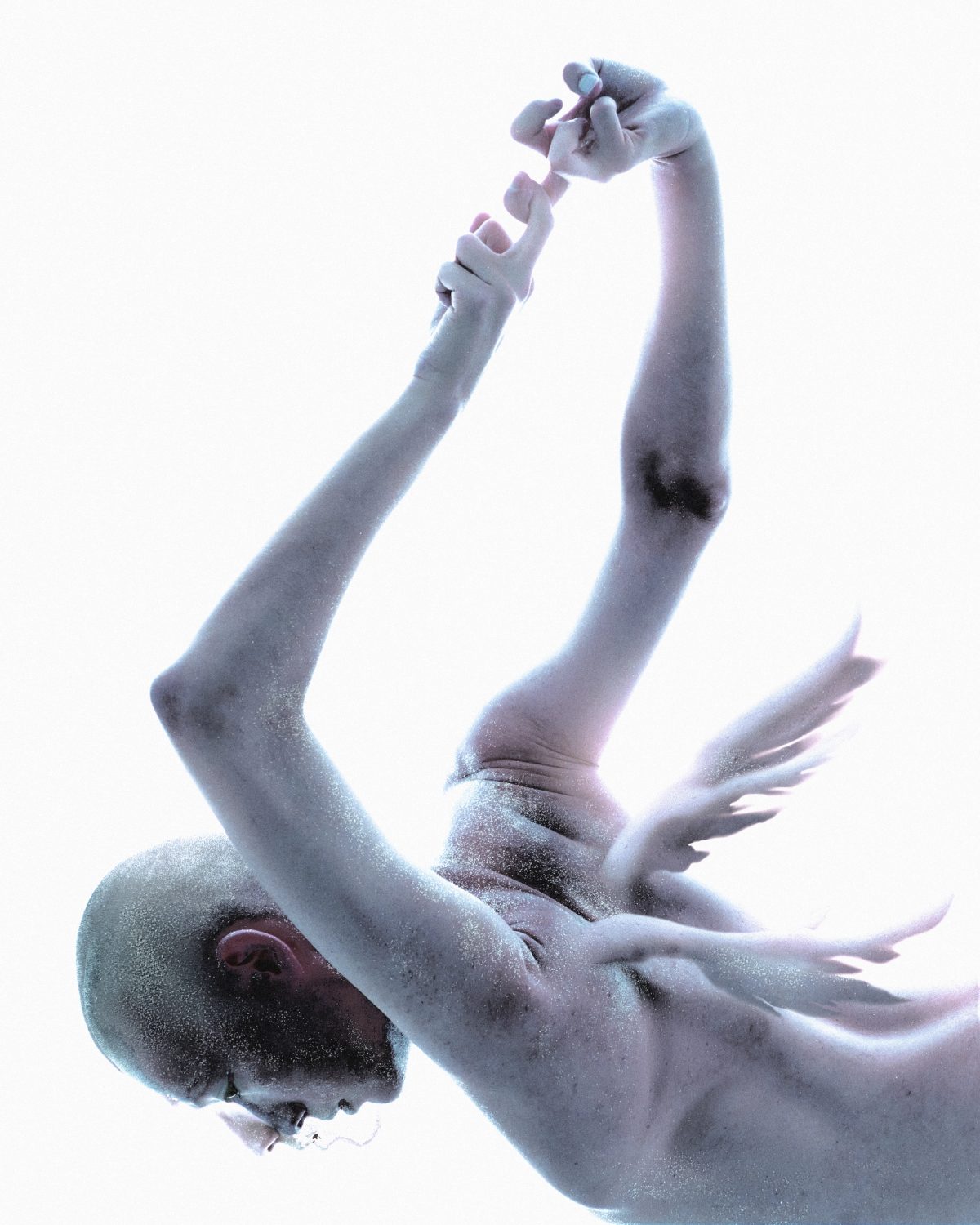
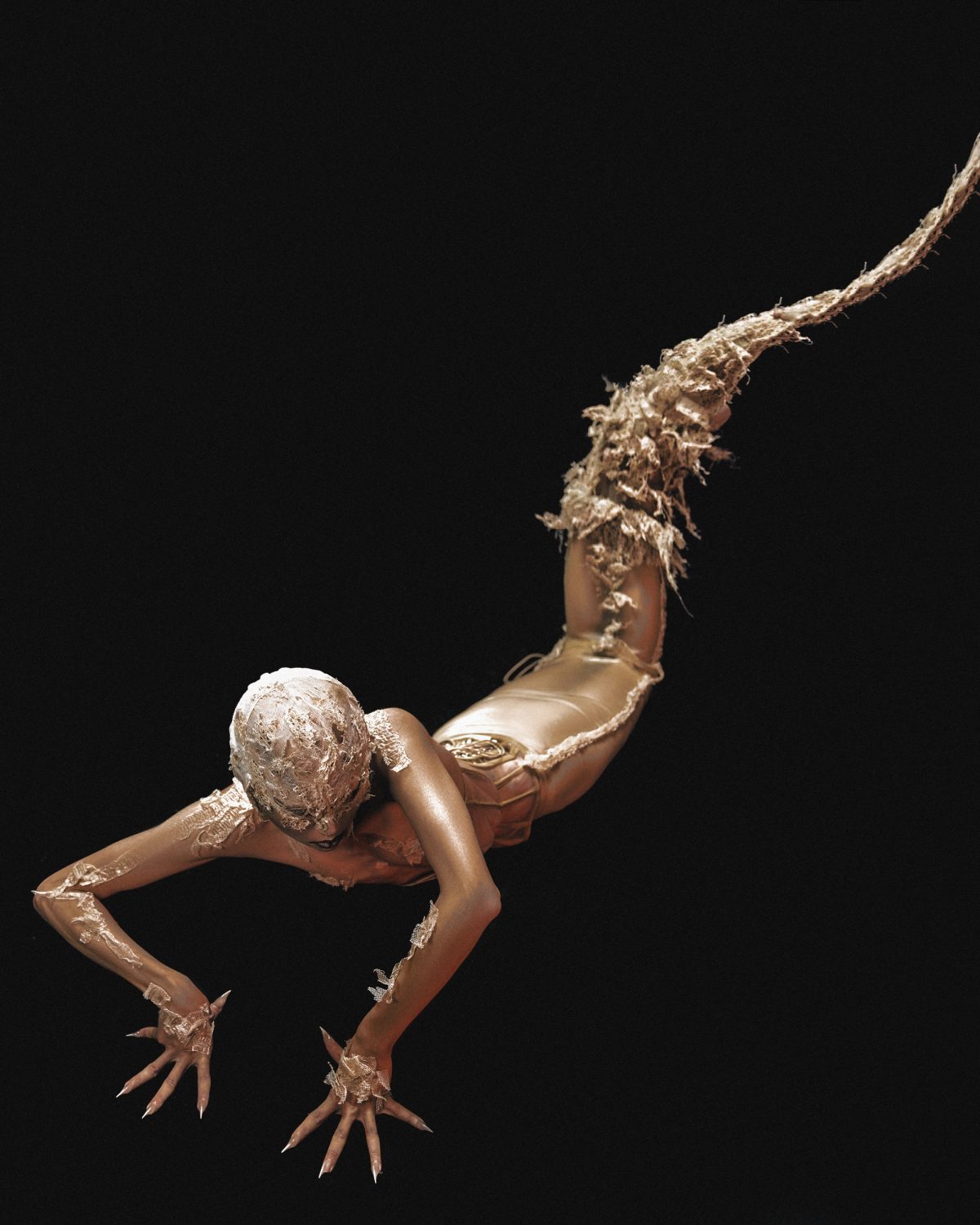
Across your work, we often see bodies that are isolated, altered, or mythologised. What draws you to these forms of alienation or transformation? Are there specific symbols or references you find yourself returning to?
I remain drawn to bodies in states of isolation or transformation, as they feel like the edges of human experience, wavering between the familiar and the alien. Hands and fingers are recurring motifs: magnified, elongated, sometimes morphing into animals, other times into sculpture. Often, they fade at the tips, as though slipping into fissures of the subconscious. These transformations carry both aggression and self- protection.
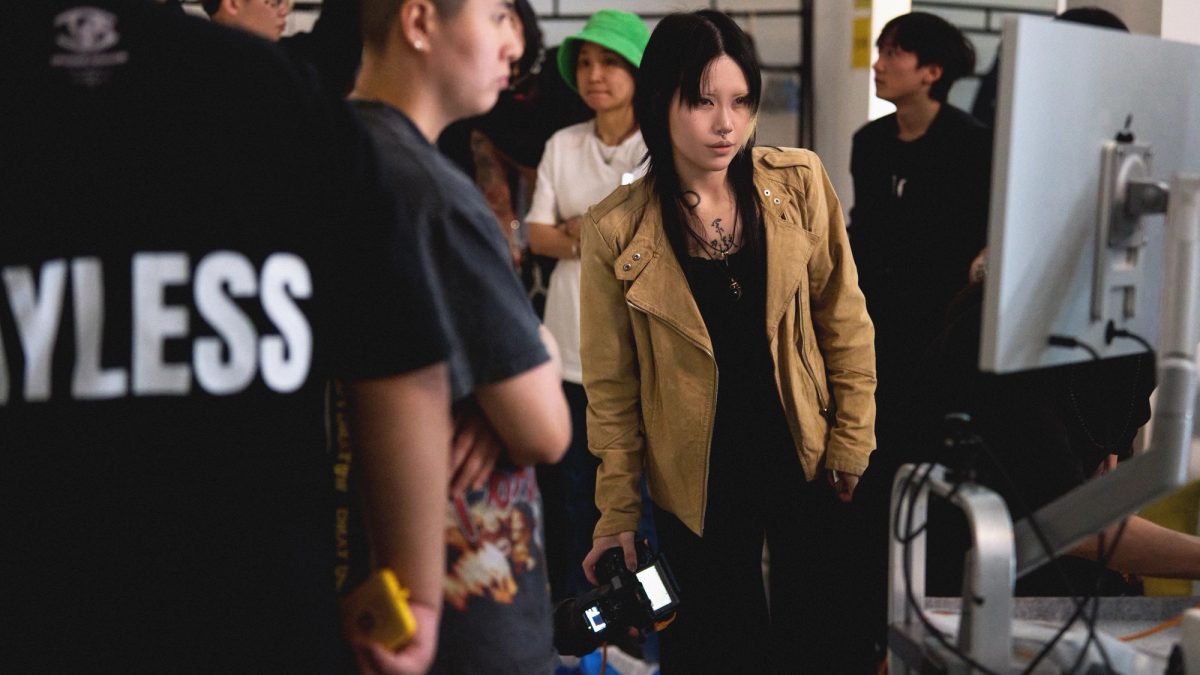
Your approach to portraiture seems to fracture time and narrative. Rather than revealing a person, it feels like you’re opening a portal. How do you direct or collaborate with your subjects or models to arrive at this space?
I am not interested in revealing a sitter’s “true self,” but in inviting them into a space detached from the real. Having been on the other side of the camera, and growing up with a mother trained in dance, I understand movement intuitively. Before shooting, I spend time discussing visual references and imagined situations with the models, helping them inhabit the required atmosphere. In commercial photography, such extended preparation is rare, but I value it deeply, and am grateful when collaborators embrace it.
Much of your work evokes a kind of post human sensitivity. There’s the skin, the flesh, the gesture but also a sense of uncanny. How do you think about the balance between emotion and abstraction in your images?
Emotion need not be explicit, it can be embedded in form, color, or texture. For me, the uncertainty of emotion is more powerful than its declaration. My palette has shifted over the years: early work was saturated and intense, while recent work leans toward muted, cooler tones, like observing the world from within a cave. Static, calm, yet hyper-aware, where the slightest color shift lingers longer than a direct emotional cue.
Can you speak about your visual influences? Are there artists, filmmakers, or writers that have shaped the visual language you’ve developed?
Two artists have profoundly shaped my visual language: Tim Walker and Nick Knight. I am drawn to Tim Walker’s sense of the uncanny, his constructed spaces feel opulent yet subtly unsettling, walking the line between beauty and the unfamiliar. Nick Knight, on the other hand, has fueled my pursuit of experimentation, his sculptural use of light and extreme treatment of the body and material convinced me that imagery can transcend documentation, becoming pure visual impact and conceptual transmission.

Finally, what’s next? Are there new directions, collaborations, or ideas you’re currently exploring?
For a long time, my work inhabited a dreamlike, psychological space, a terrain many artists are drawn to. But moving forward, I am interested in external realities: moments of conflict, and the transformation of aggressive symbols into visual languages that carry public resonance. I aim to deepen the interplay between image, installation, sound, and AI-generated forms, creating works not only to be viewed, but entered. I hope these works will continue to be reinterpreted, reshaped, and recontextualized across different cultural landscapes.
“Imagery can transcend documentation, becoming pure visual impact and conceptual transmission.”