FIELDS OF FLOW WHERE QI MOVES: IN CONVERSATION WITH CELS 細胞
CONVERSATION BY SELIN KIR
CO-FOUNDER, CURATOR
17 NOVEMBER 2025 — UNITED KINGDOM
In CELS’ (細胞) practice, form is never simply made, it condenses. His works emerge from an invisible choreography of forces, where Qi moves, gathers, disperses, and thickens into matter. What we see is only the final residue of a much earlier event: shifts in density, pressure, attention, and breath. Across textile, sculpture, graffiti, tattooing, and spatial composition, CELS (細胞) treats material not as substance but as evidence of an energetic field taking shape. In this conversation, we speak with him about Qi as motion rather than metaphor, about how gestures accumulate into structure, and how form becomes a temporary resting point in a much larger circulation of life.
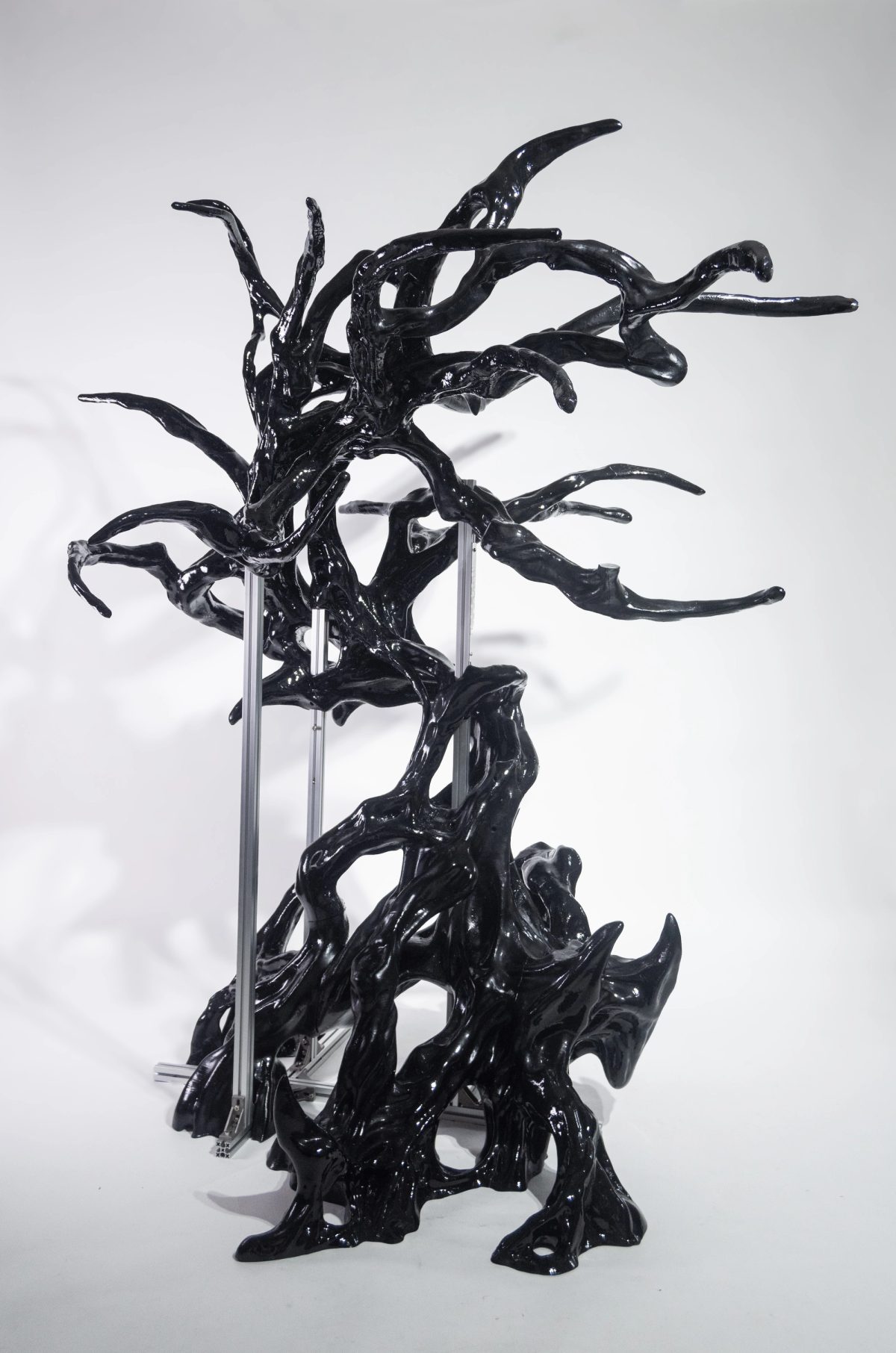
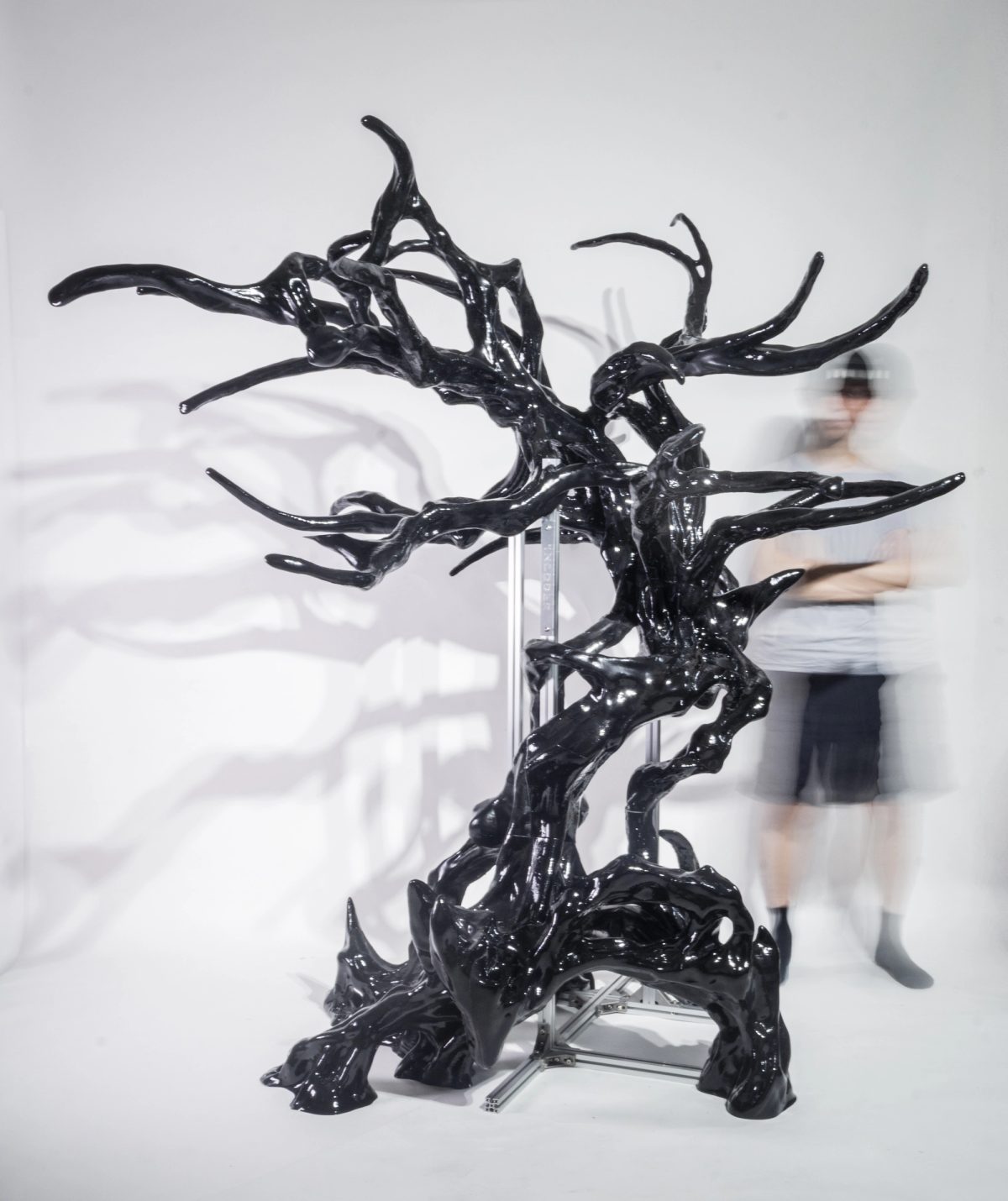
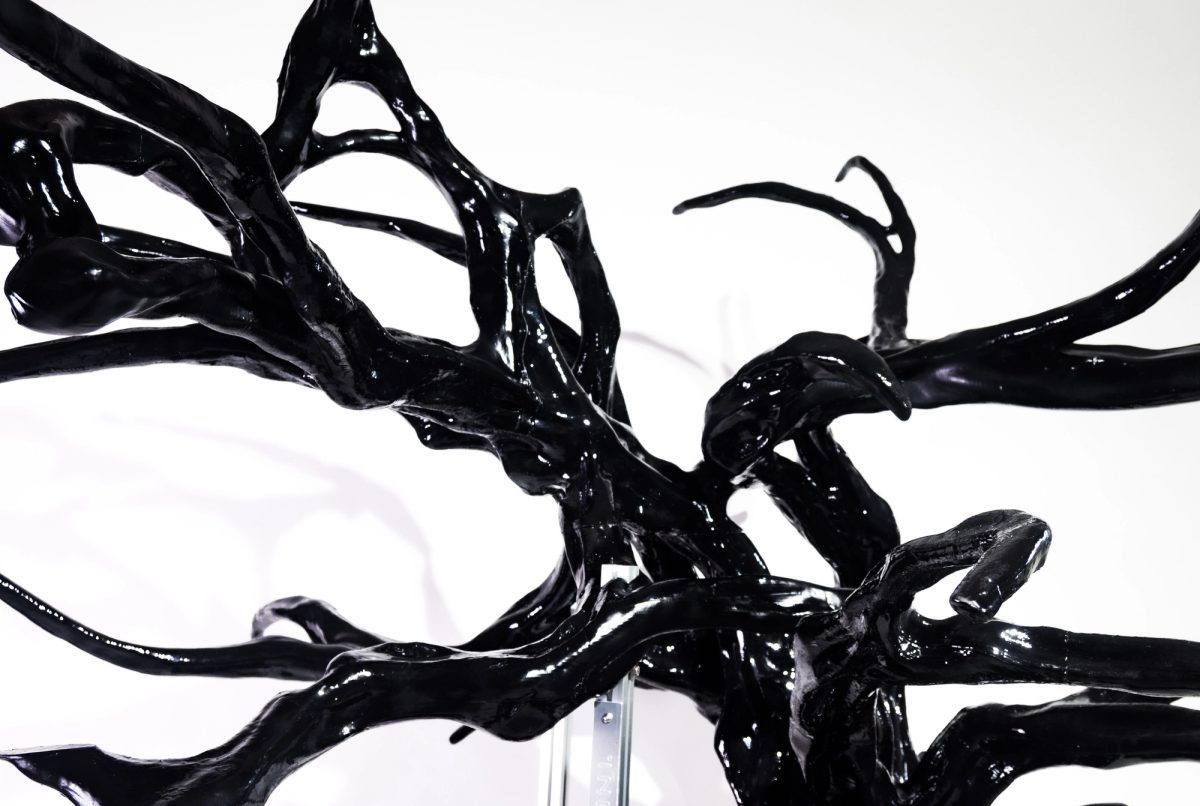
Tree for Incoder, 2025
Your work seems to mutate between digital and physical states: painting, sculpture, prosthetic, and motion. When you move between these mediums, what remains constant?
What runs through all of them is Qi (氣,not to be confused with “aura”) as described in Chinese medicine. For me, it’s similar to what hip-hop culture calls flow, but Qi also includes the relationships between body and nature, the connection between “me” and the environment.
No matter what the medium is, I try to capture a field of flow where Qi moves, an energetic field being condensed into form. Even my kinetic works are about shaping this kind of looped state.
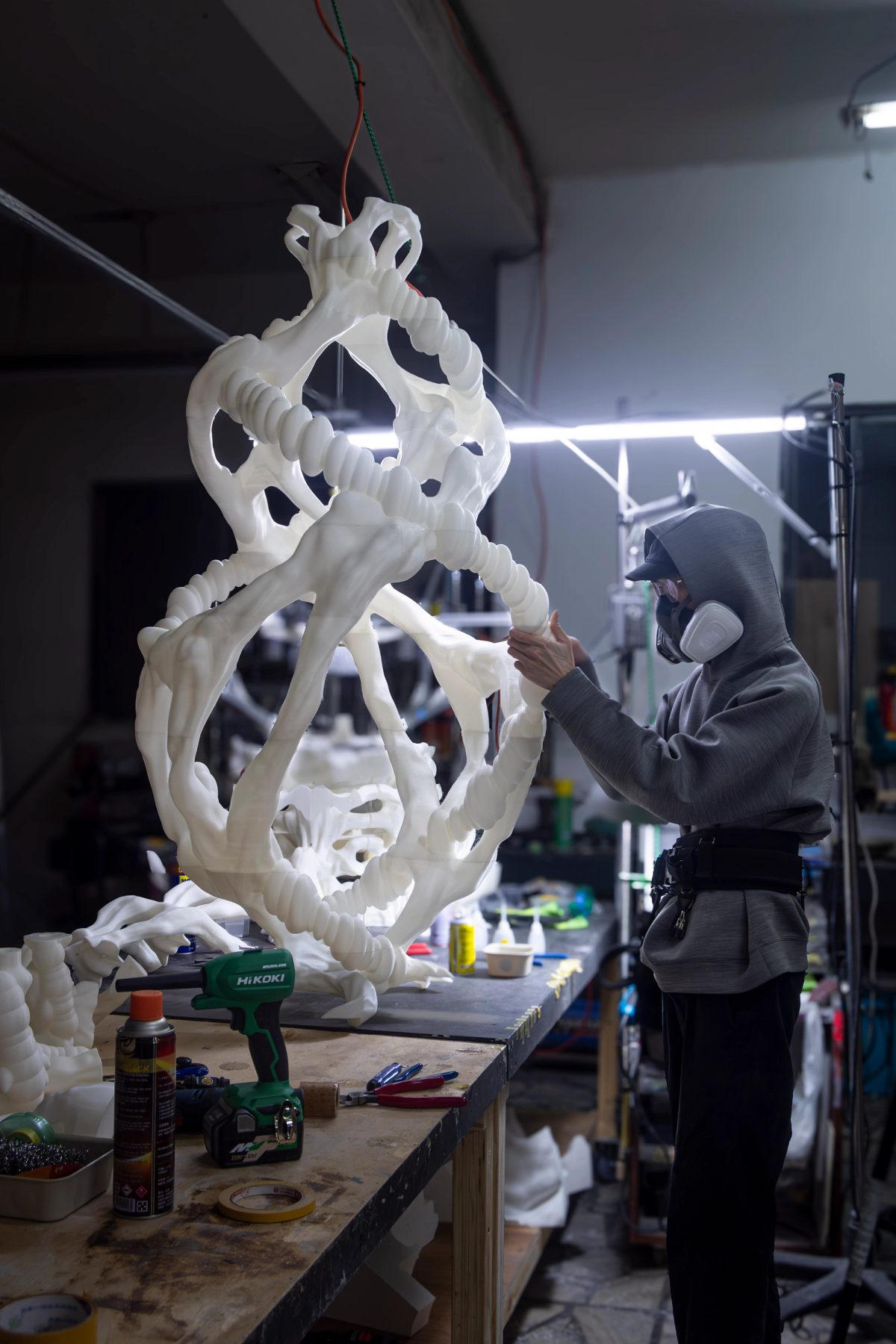
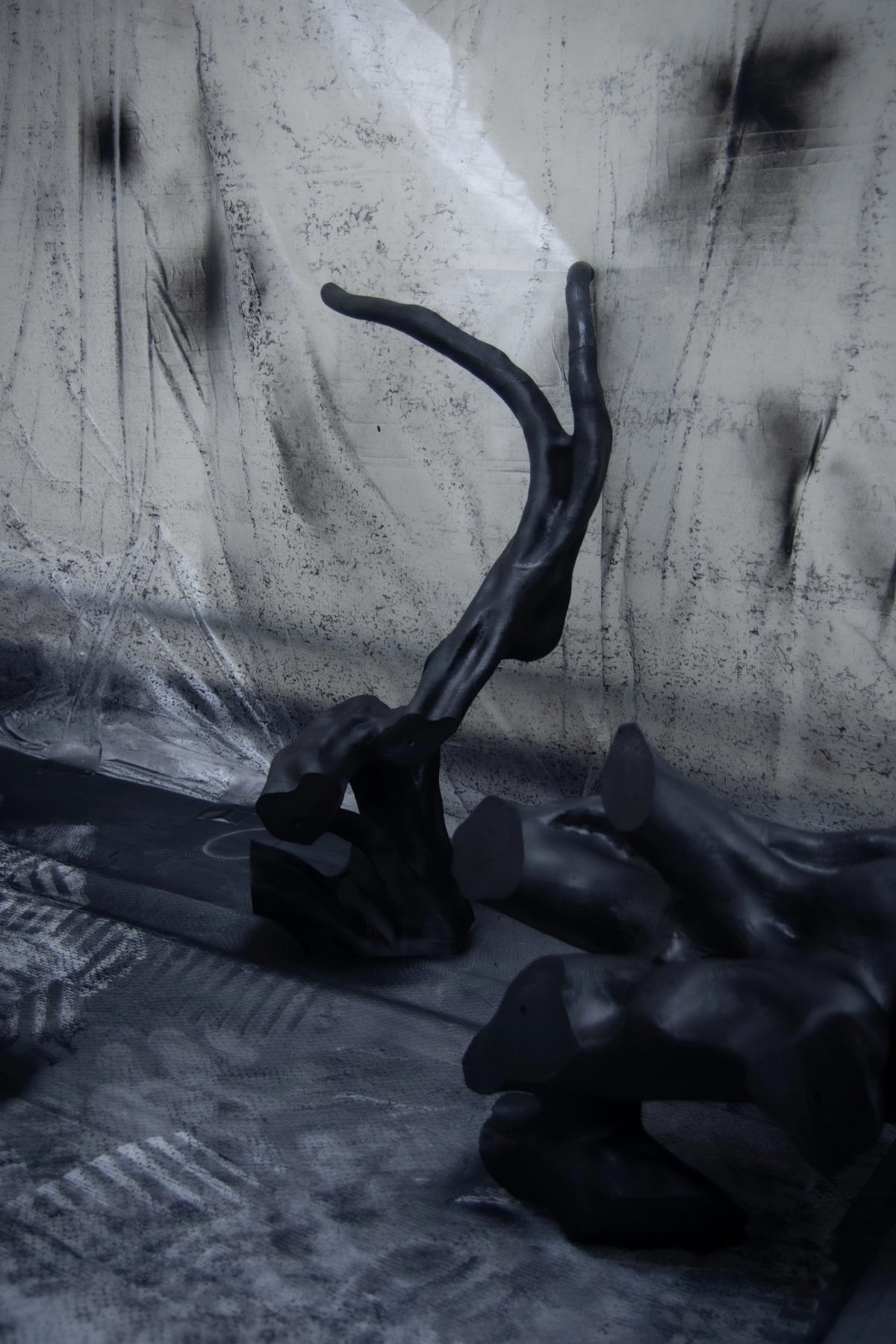
From Cels' 細胞 Studio
Many of your pieces feel like organisms caught between growth and decay, steel and skin. How do you think about material life, especially when you work with resin, chrome, and code?
“Material life” is a very good question. Some artists, like Ivana Bašić, can directly sense the vitality of matter itself. In one interview she said, “These materials are the truth.” Compared to resin or plastic, she feels that glass or stone are closer to the truth of life. To perceive that vibration of life through material is a remarkable talent, but I rely on a different path to approach life.
Rather than searching for vitality within material, I imagine the movement of Qi. In Chinese medicine, life arises when Qi circulates. For me, form is not made, it condenses through Qi; when Qi disperses, the form loosens. The alternation between density and release keeps Qi in motion.
My three-dimensional works are therefore more like “three-dimensional paintings.” Three-dimensionality is not simply an expansion from surface to space, but the materialization of the energy and rhythm that once existed in the pictorial field. Material only supports this flow, without the condensation of Qi, it is merely a corpse.
Just as “logic” must be materialized through language, whether programming or philosophy, the materialization of Qi appears in forms that carry bodily sensation. These shapes are traces left by the movement of air, extensions of bodily impressions.
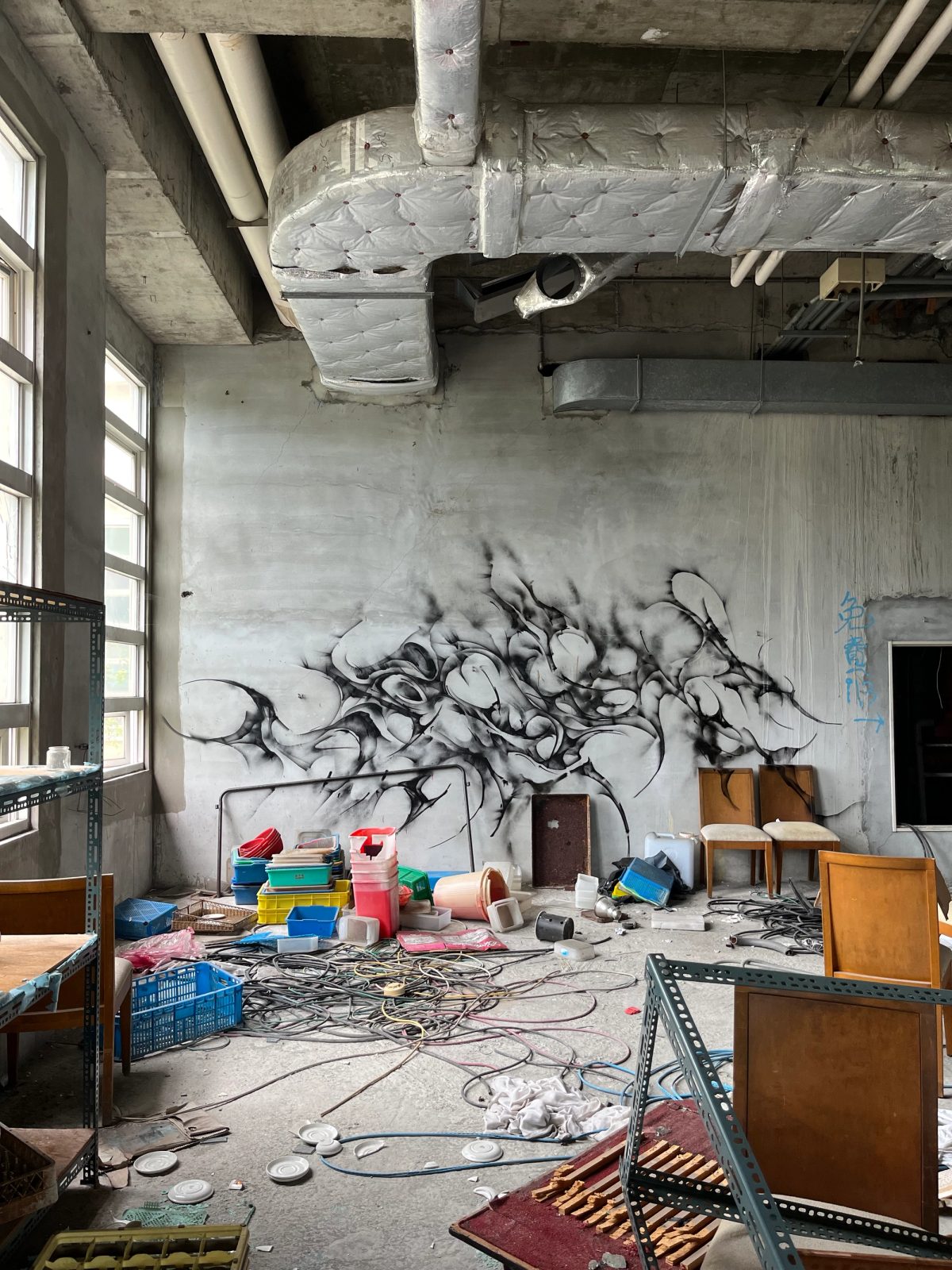
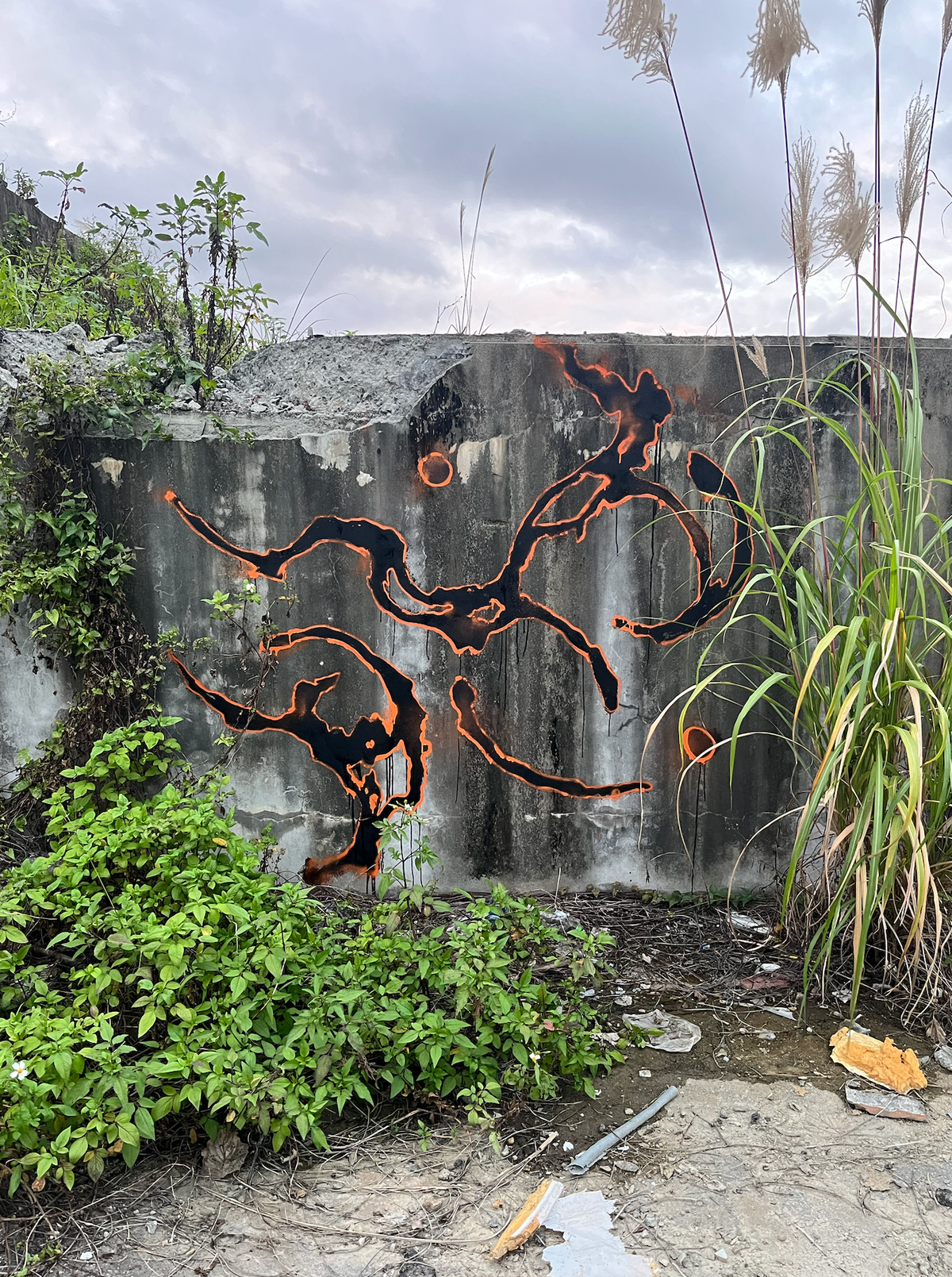
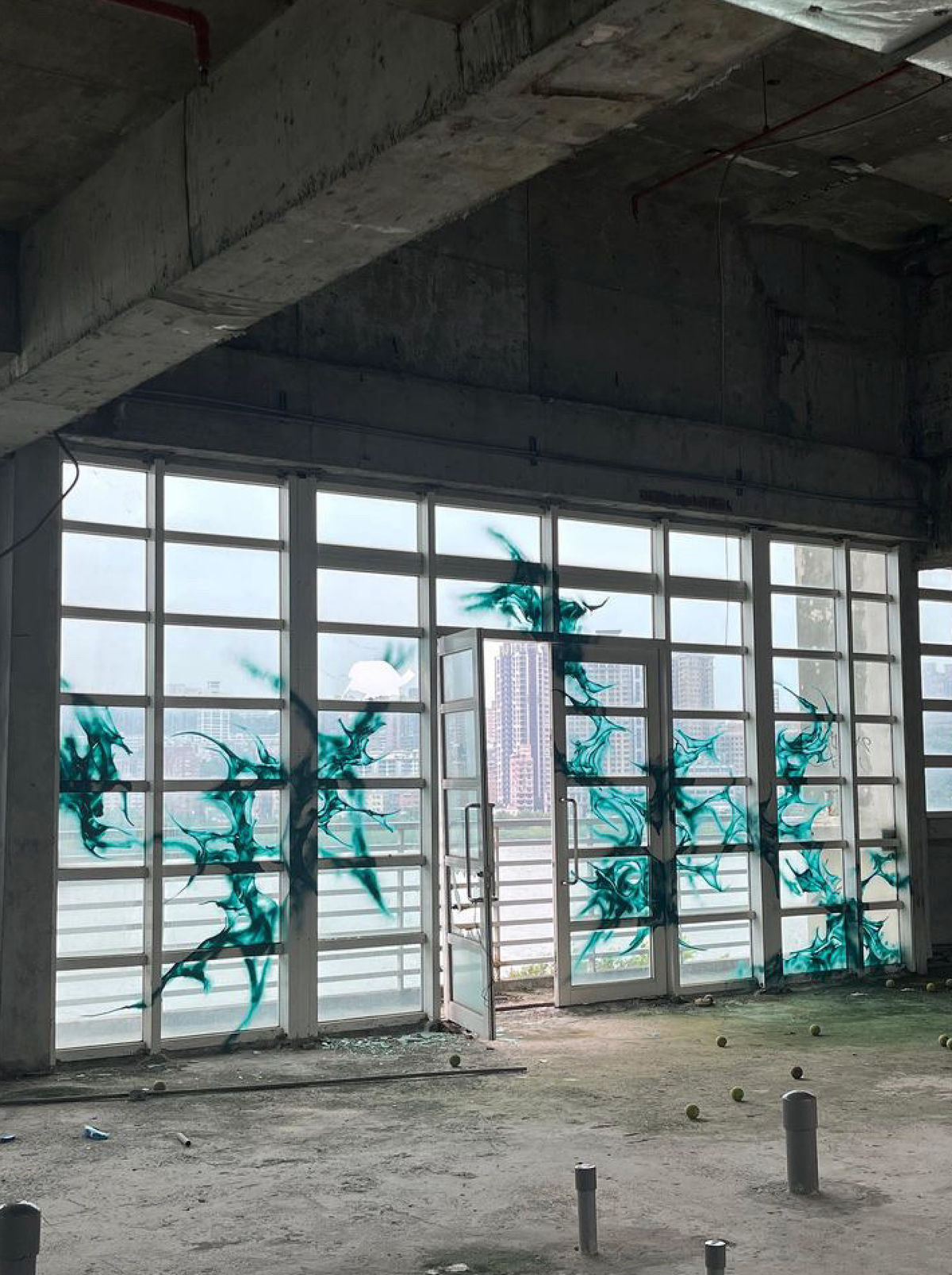
Untitled Graffiti Works
“My work begins before the material appears, in pressure, in breath, in the shifts that happen inside the body.”
You often describe your practice as “extended thoughts on graffiti.” What does that phrase mean to you?
Before I encountered art, I began with graffiti. Many might see them as the same, but for me they belong to different realms: graffiti acts on instinct and intuition, while art is a system of knowledge that requires reflection and method. The two are not opposed but cyclical. I want to think about graffiti through art, and to practice art through the raw drive of graffiti.
So I call my practice extended thoughts on graffiti as a self-reminder: let intuition and reflection coexist, and resist falling into any habitual system. Even graffiti, which seems rebellious and free, has its hidden rules and grammar, and it’s precisely that tension that continues to attract me.
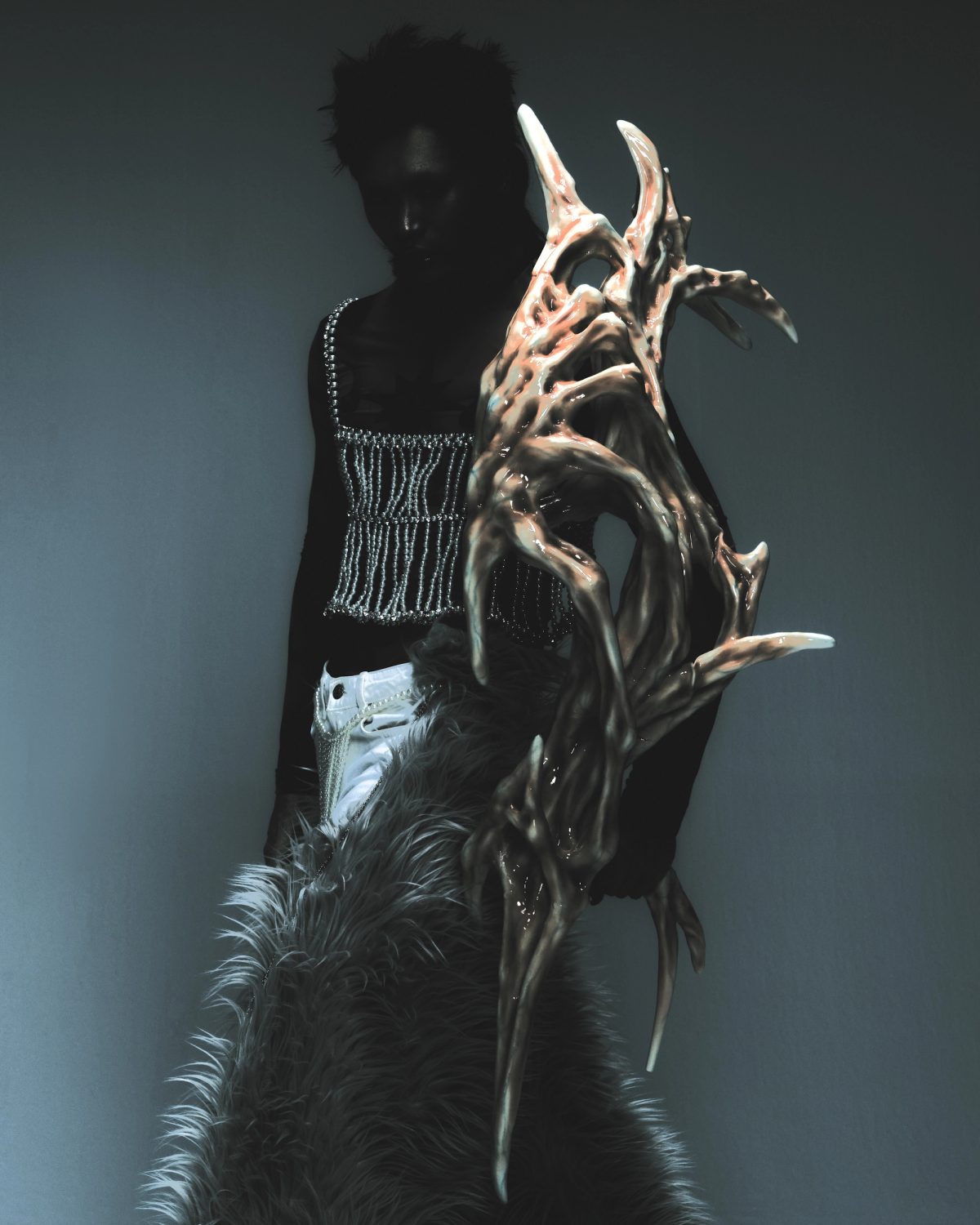
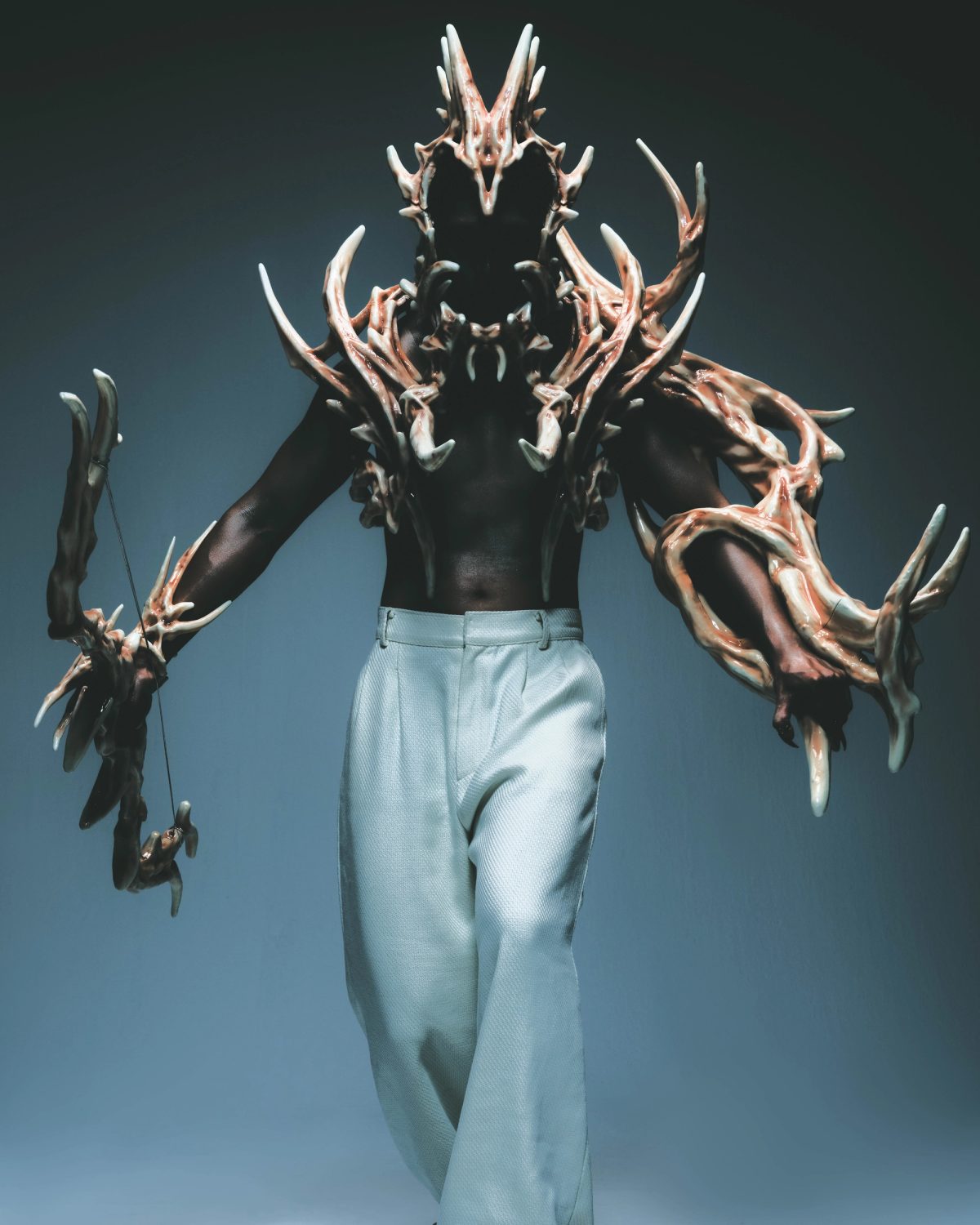
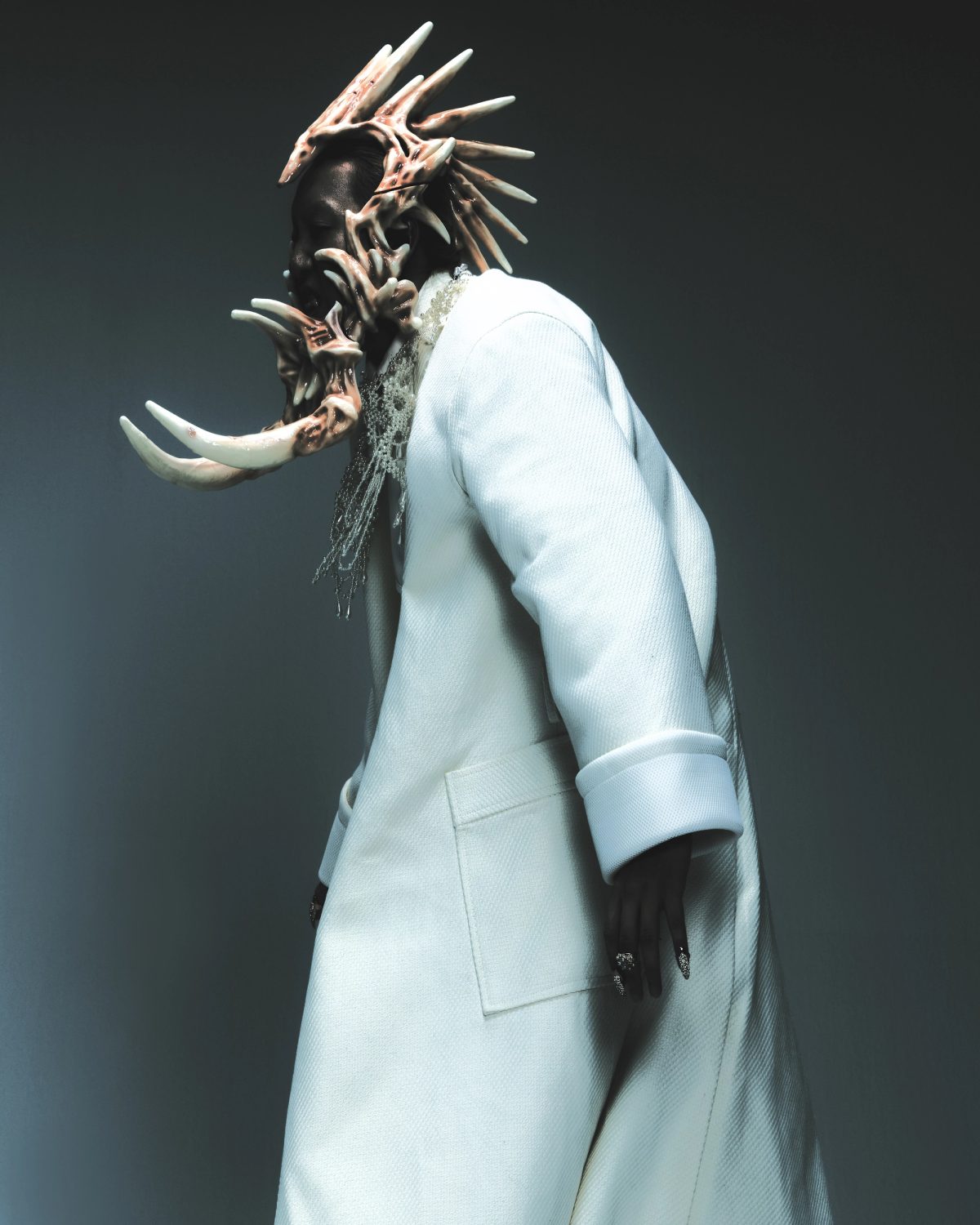
Band: AmazingShow 美秀集團
Photography: Alien Wang Creative
Production: SYSTÈME
Styling Ange1made: (Yee1Yee, LUYINYIN)
Hair & Makeup: Zan egroom hair, Chen Wei
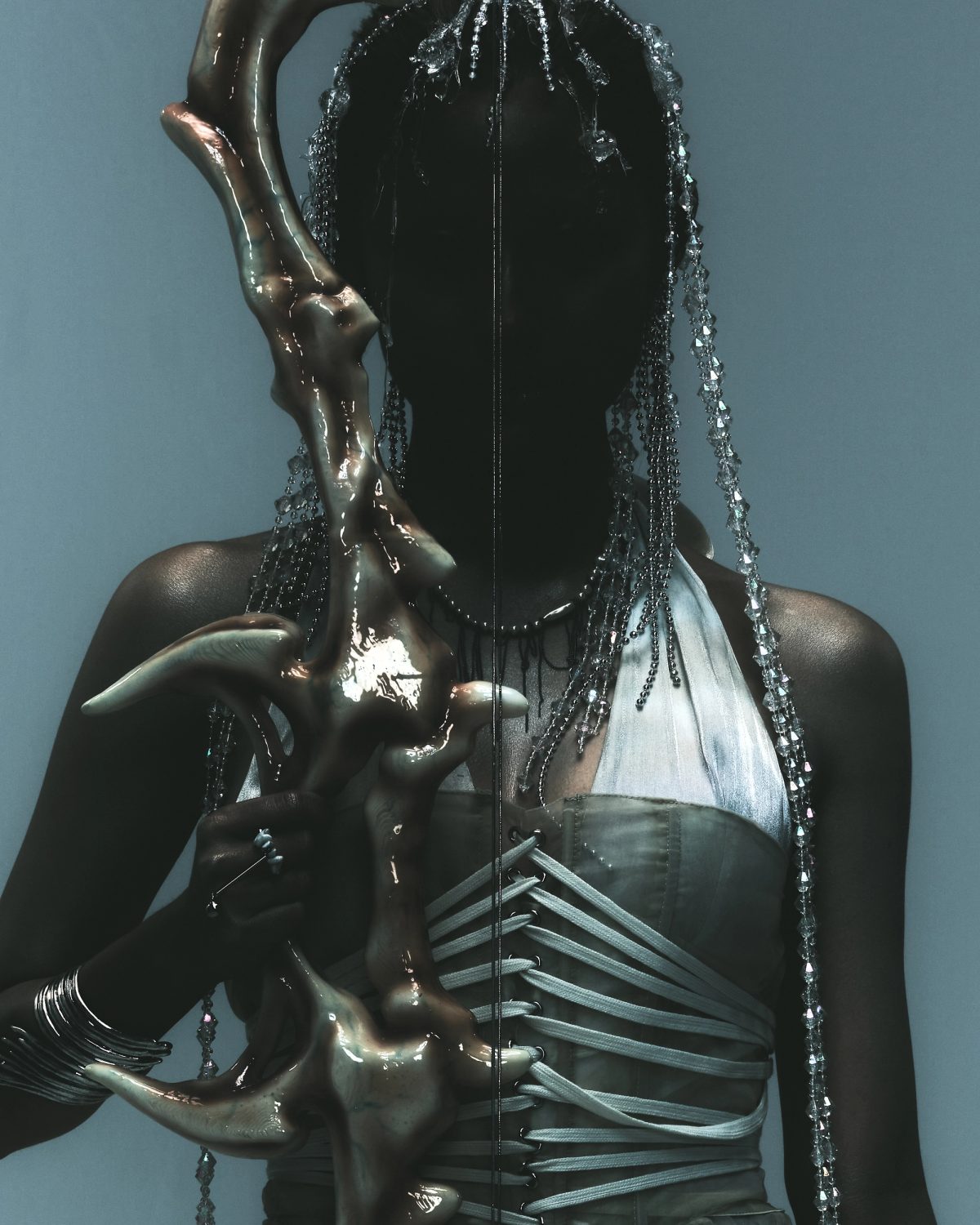
Xenoflesh Exoskeleton: Cels 細胞
The forms you create feel both post-human and deeply emotional, like the body reimagined through circuitry and tenderness. Do you see these hybrids as future bodies, or as reflections of the present moment?
These forms exist within a non-linear time, or perhaps a state beyond time itself. To me they are in a constant process of becoming, fields where form is momentarily condensed within flow.
When I think about the relationship between body and Qi, I focus not on temporal position but on a motion that transcends time. Like how Ryoji Ikeda speaks of the “continuum” between data and the universe, or how Deleuze describes the fold (le pli): no beginning, no end, only the perpetual unfolding and refolding of energy.
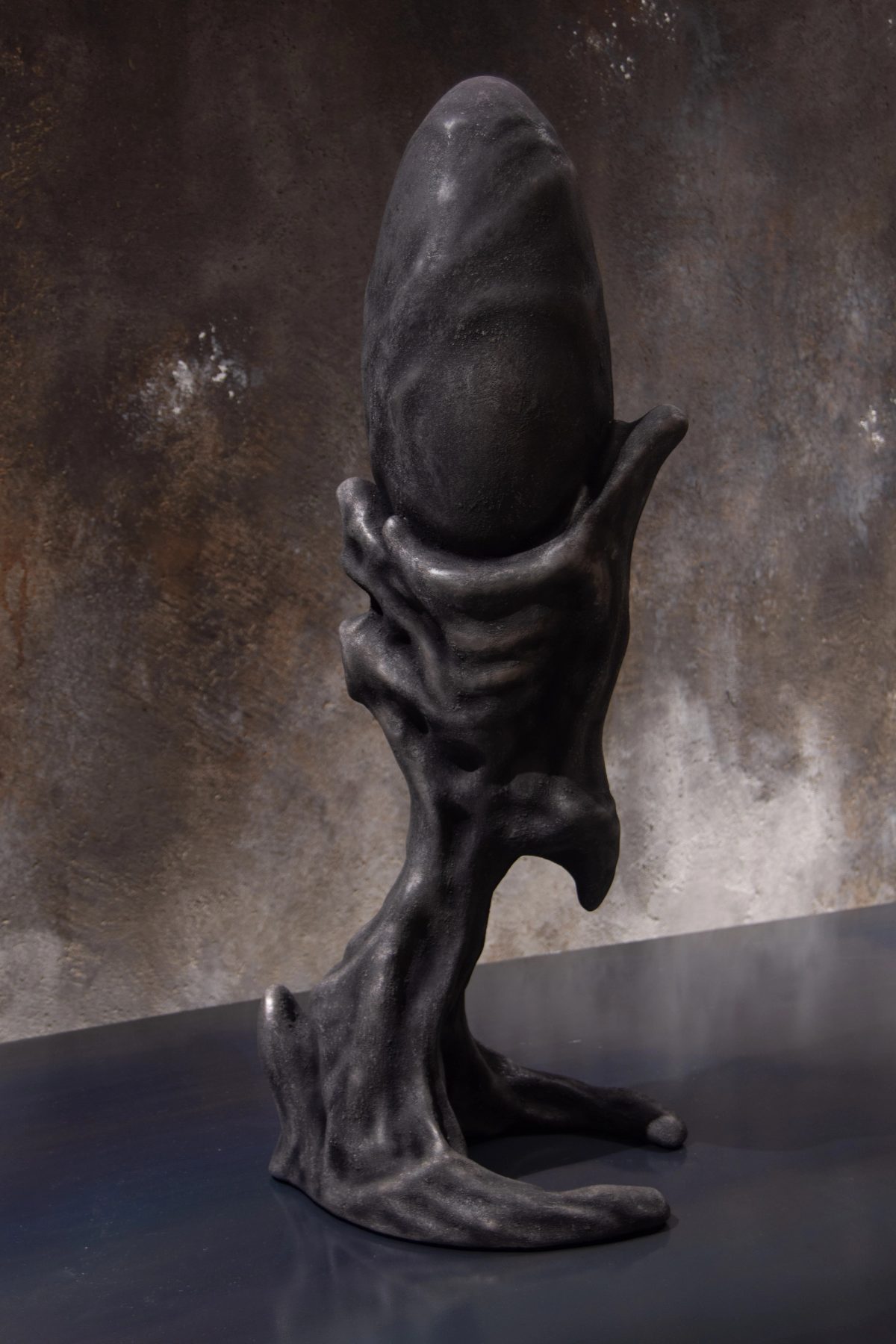
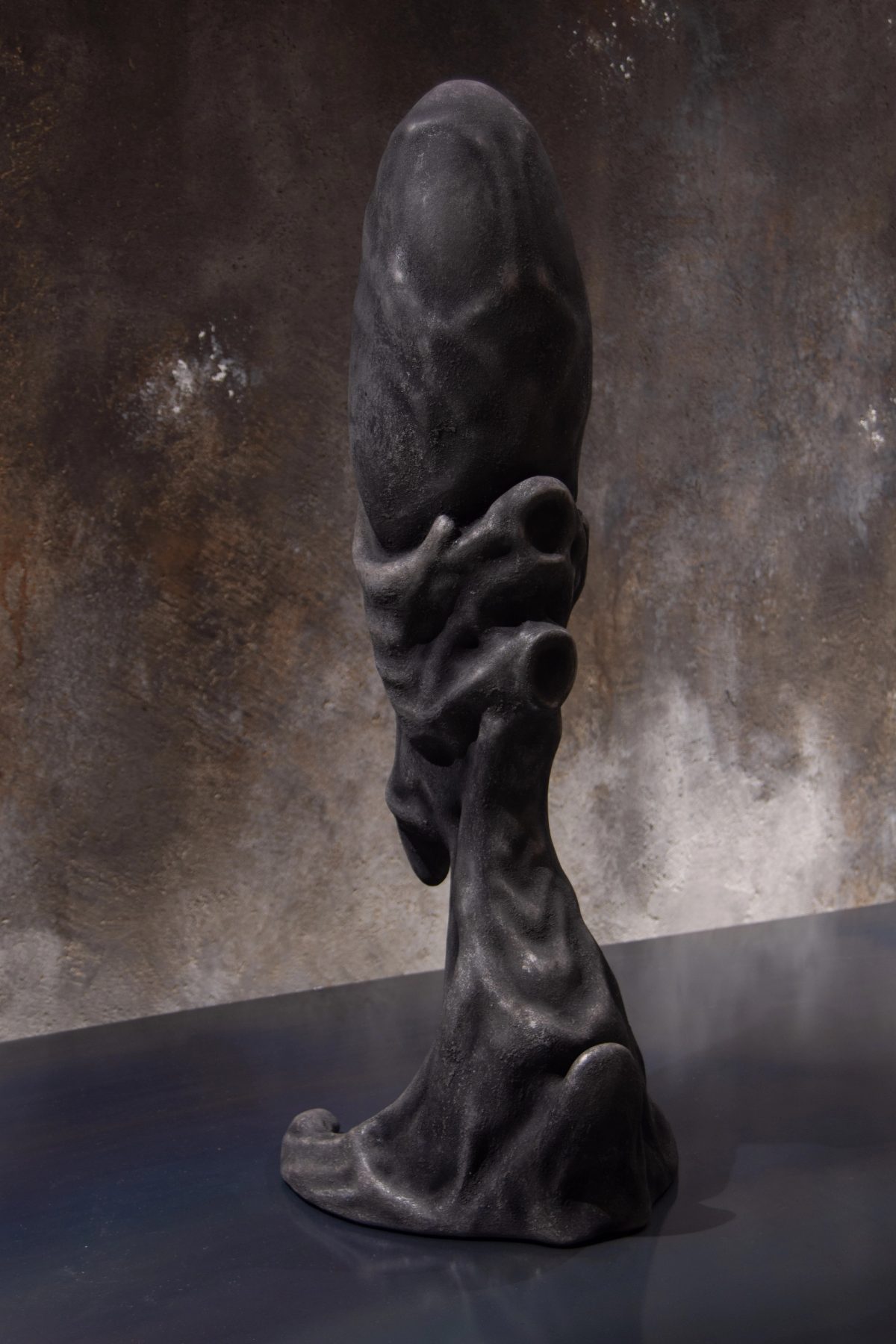
Egg for Sea Anemone, 2025
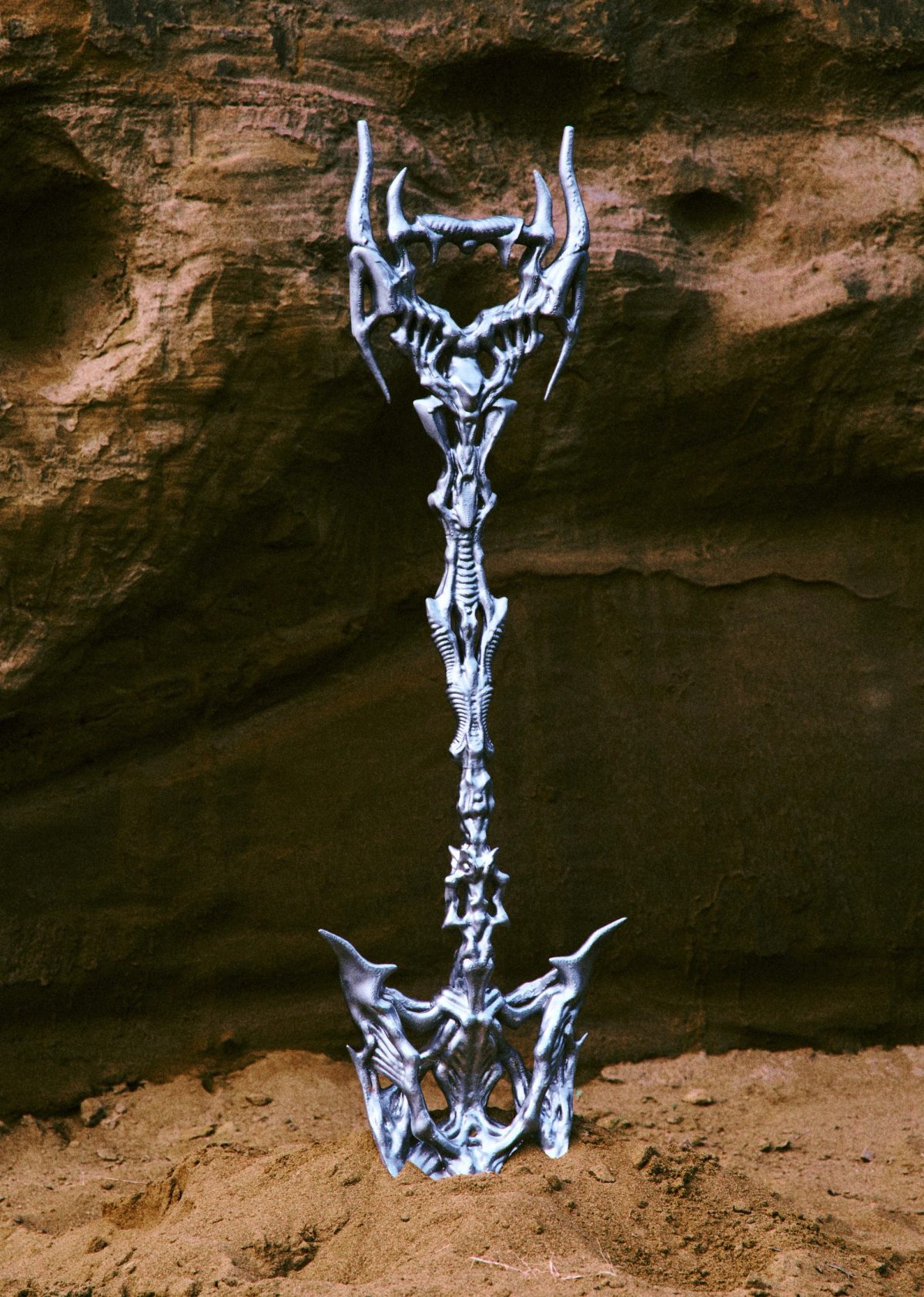
Shovel for Ravefun Taiwan, 2024
Photo: @wangdahow
Art Direction: @majajajalee Shovel @cels___
“I don’t think of materials as objects; I think of them as densities. What you see is simply the moment where energy becomes visible.”
In your recent project in a hot pot restaurant you translate heat, breath, and transformation into a small cosmology of moving forms. What first drew you into this world, and how did these processes, boiling, rising, mutating, begin to shape the language of the work?
It was a long-term commission from the hotpot restaurant “Yü’s Good Food” in Taichung. They offered full freedom in theme and medium, so I began from the nature of hotpot itself, it’s a site of intense energy transformation: the boiling broth, the bursting bubbles, convection flipping the ingredients, liquid turning into vapor, heat changing color and texture, and finally food entering the body as energy.
The works revolve around these processes of transformation. “The Cosmic Broth” imagines an endlessly simmering pot like the universe itself, particles in constant reaction. Behind it stands “Rising Breathe”, a vertical moving canvas symbolizing the rising of steam, and beside it “Thermal Morphology”, a shape mutating within its own boiling state.
For me, movement opens another dimension of perception. When the form begins to move, the relation between viewer and work shifts, the control returns to the piece itself. It starts to breathe and find its own rhythm. I’m more interested in this continuous state of being than in simply making an object move.
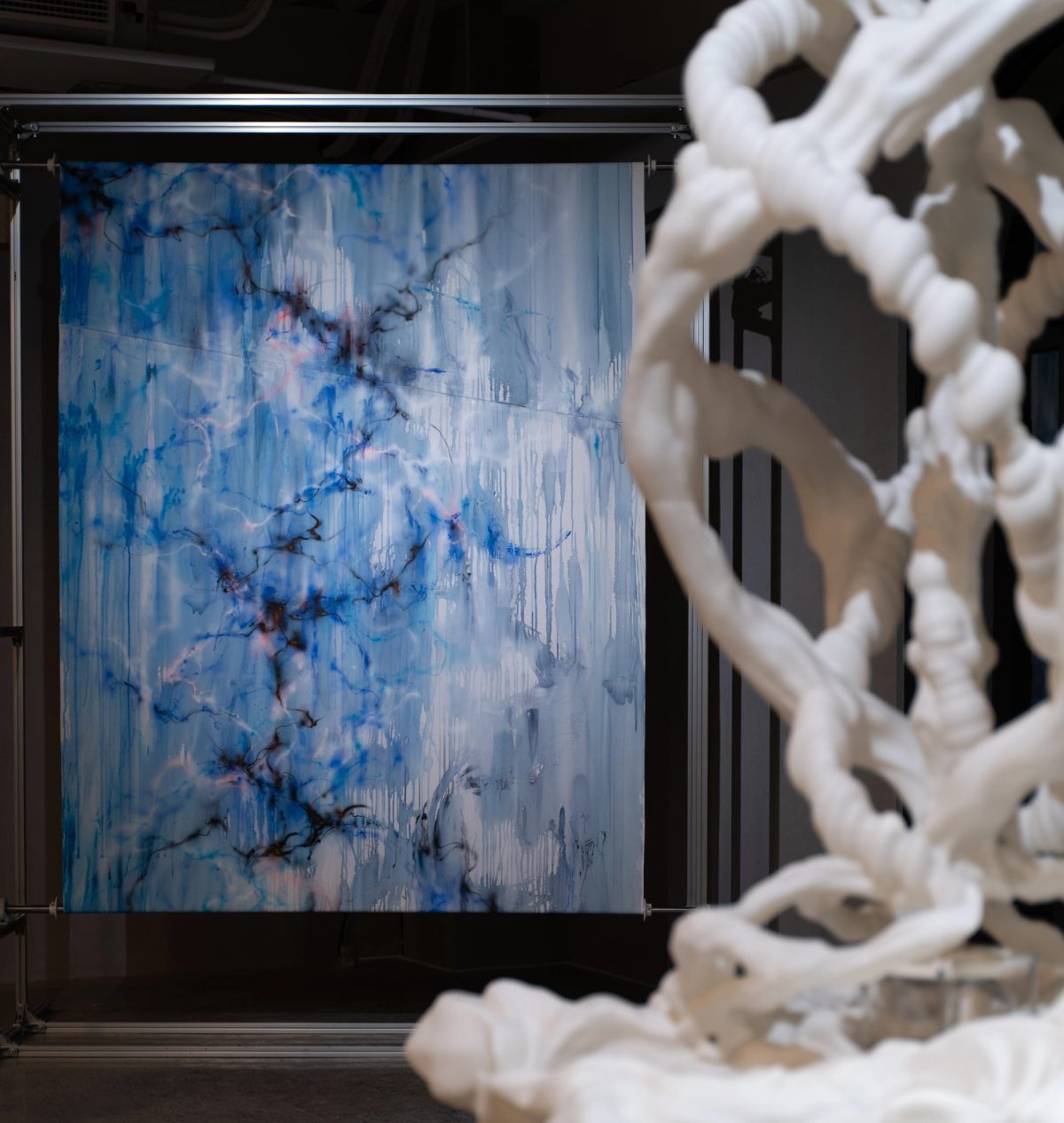
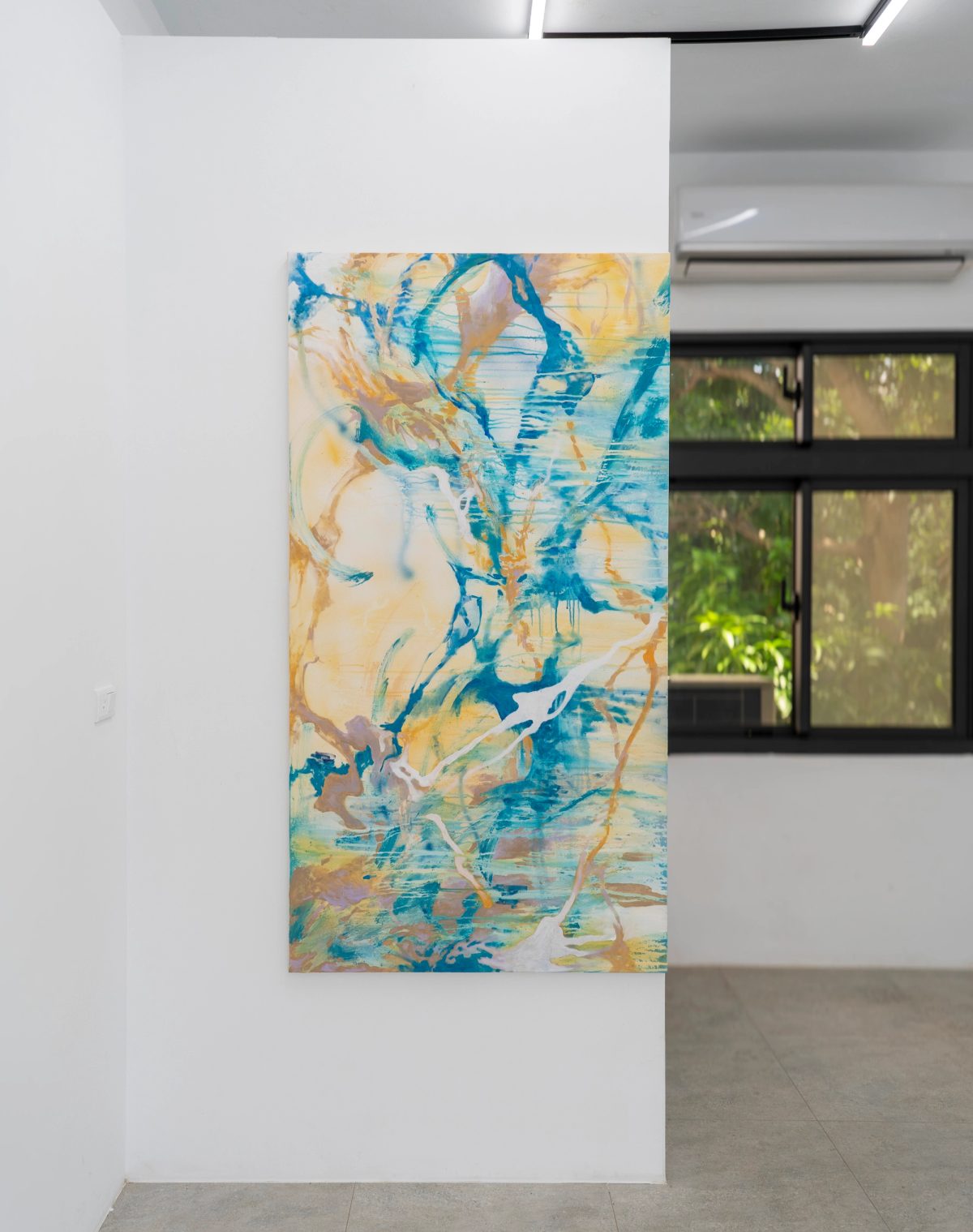
Rising Breath, 2025(Left)
Composed Silence, 2025 (Right)
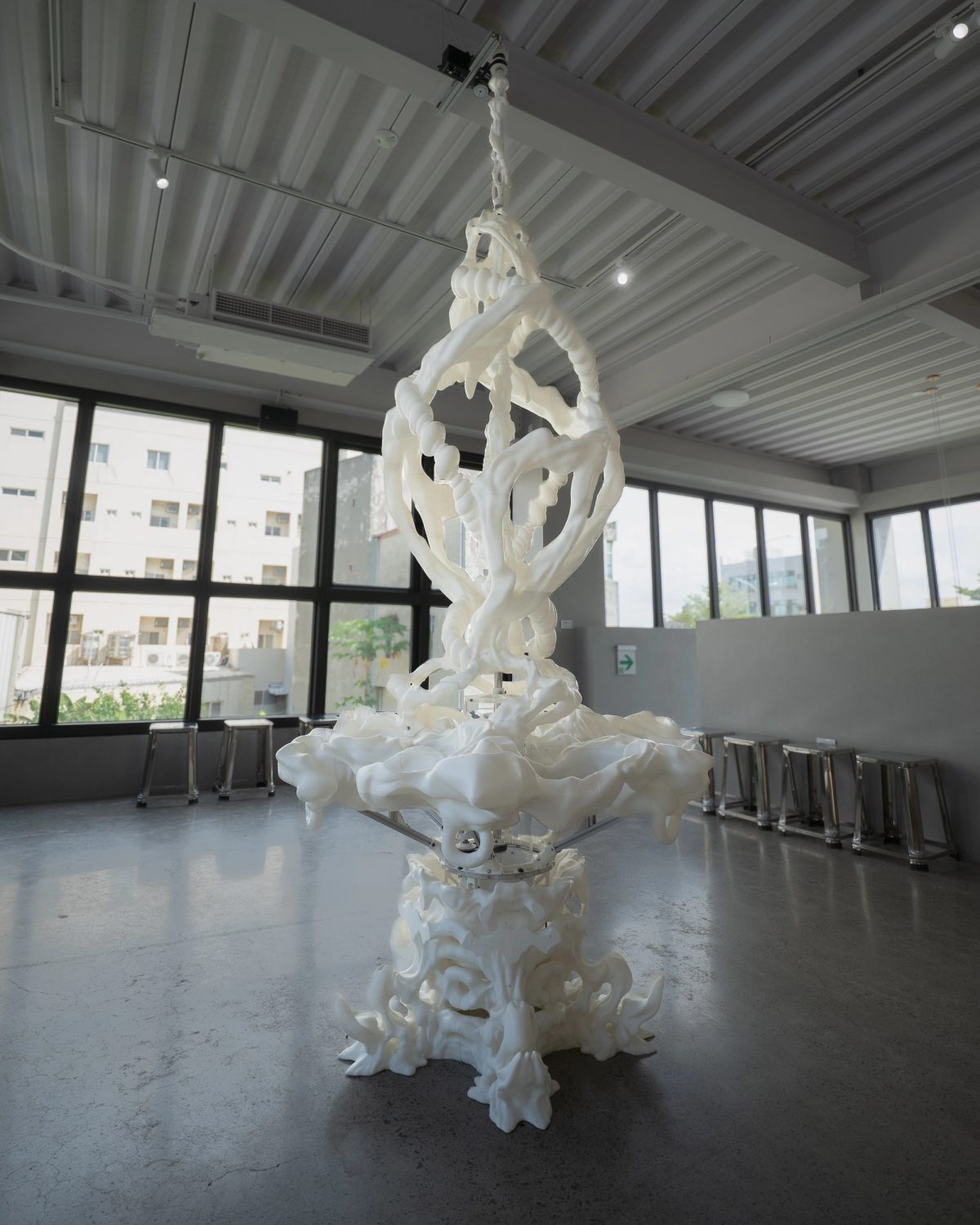
The Cosmic Broth, 2025
There’s a certain spiritual charge in your installations, as if they were shrines to the digital unconscious. Do you think of your practice as a way to build rituals for an age of machines?
Perhaps it’s because I’ve always focused on “vitality,” and tried to step away from human emotions, that the works carry a calmness similar to Buddhist statues. Buddha figures are fascinating, they resemble humans yet are not human; they are too serene, too peaceful. I have no religious belief, but I’m drawn to that tranquility. Maybe unconsciously I’ve transferred this longing for peace into the works themselves. Art-making, to me, has always felt like a form of spiritual practice.
I really like this question; I never thought of it that way before. In retrospect, you’re right, it seems I am, like Japanese culture, trying to insert a sense of ritual into this era of information overload.
This makes me think of my sculptural works as “icons” in another sense, not religious symbols, but presences that bring inner stillness. That quality of quiet energy is something pursue; it reminds me of Mark Rothko’s paintings: silent yet full of force.
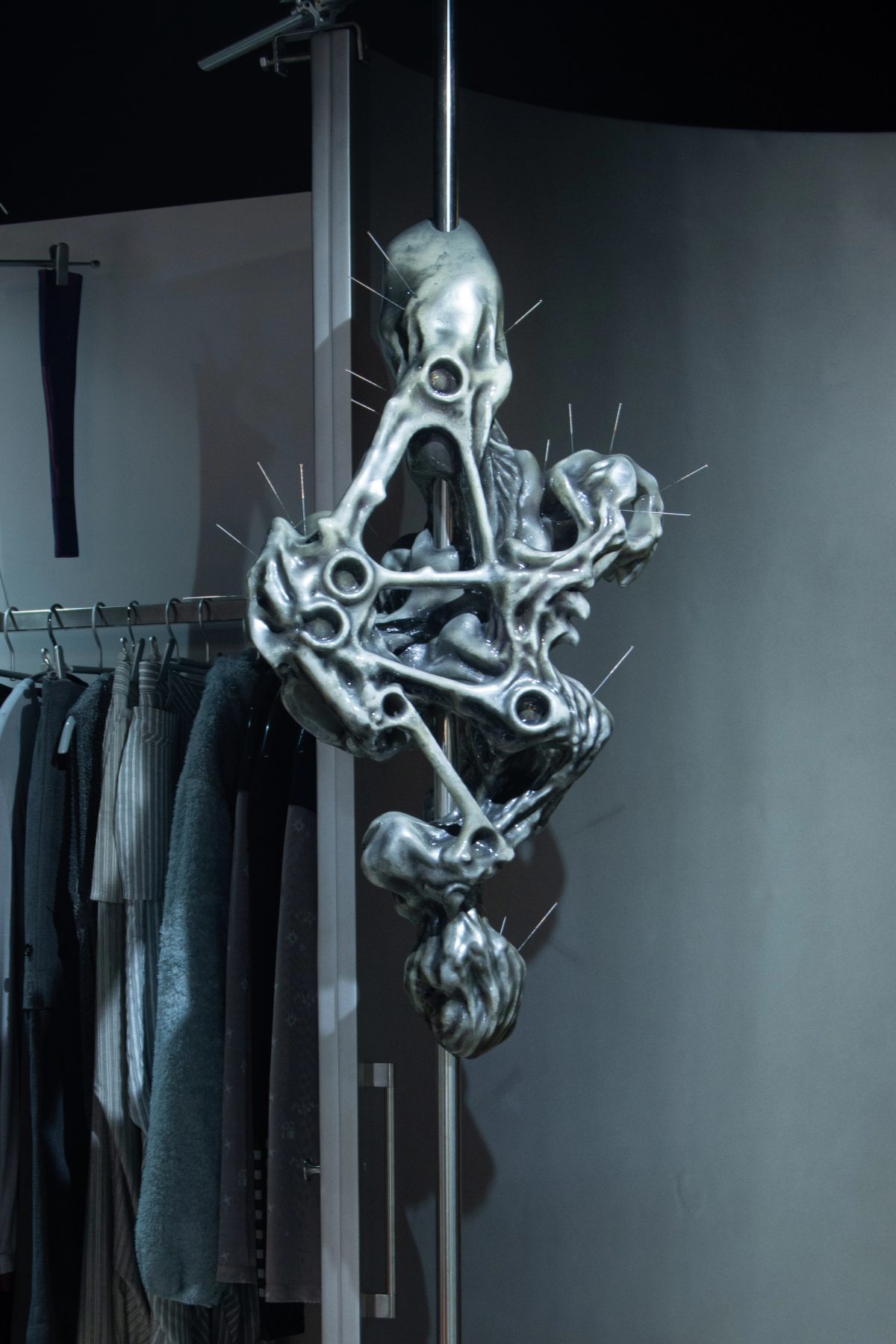
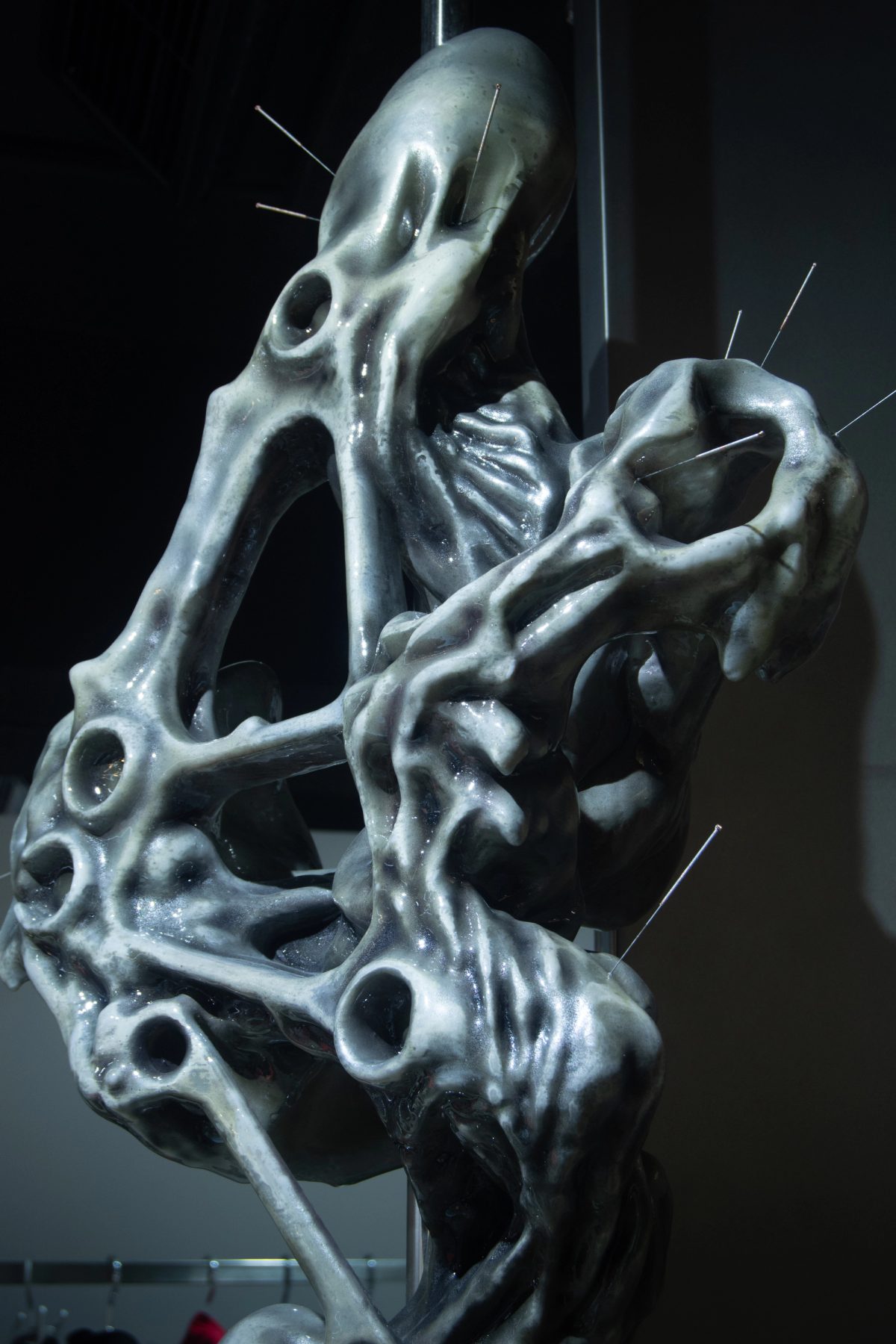
Xenoflesh series - Recovery-1, 2024
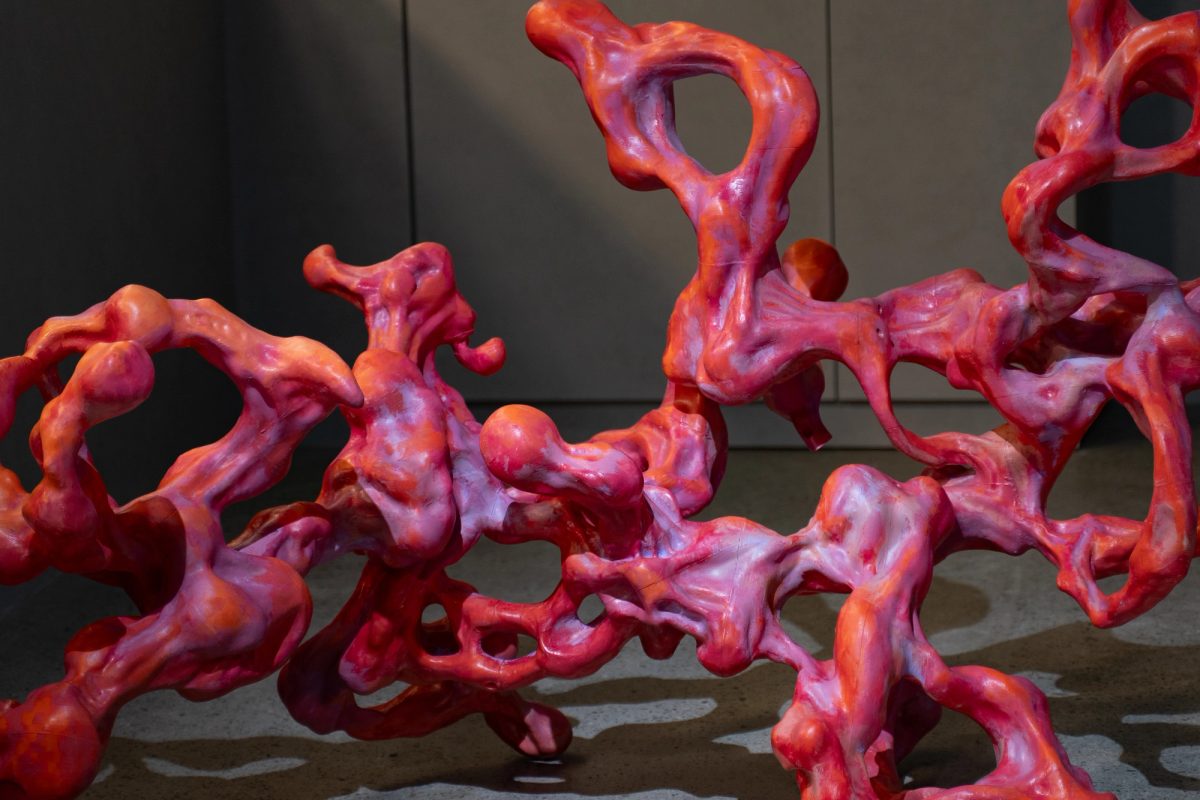
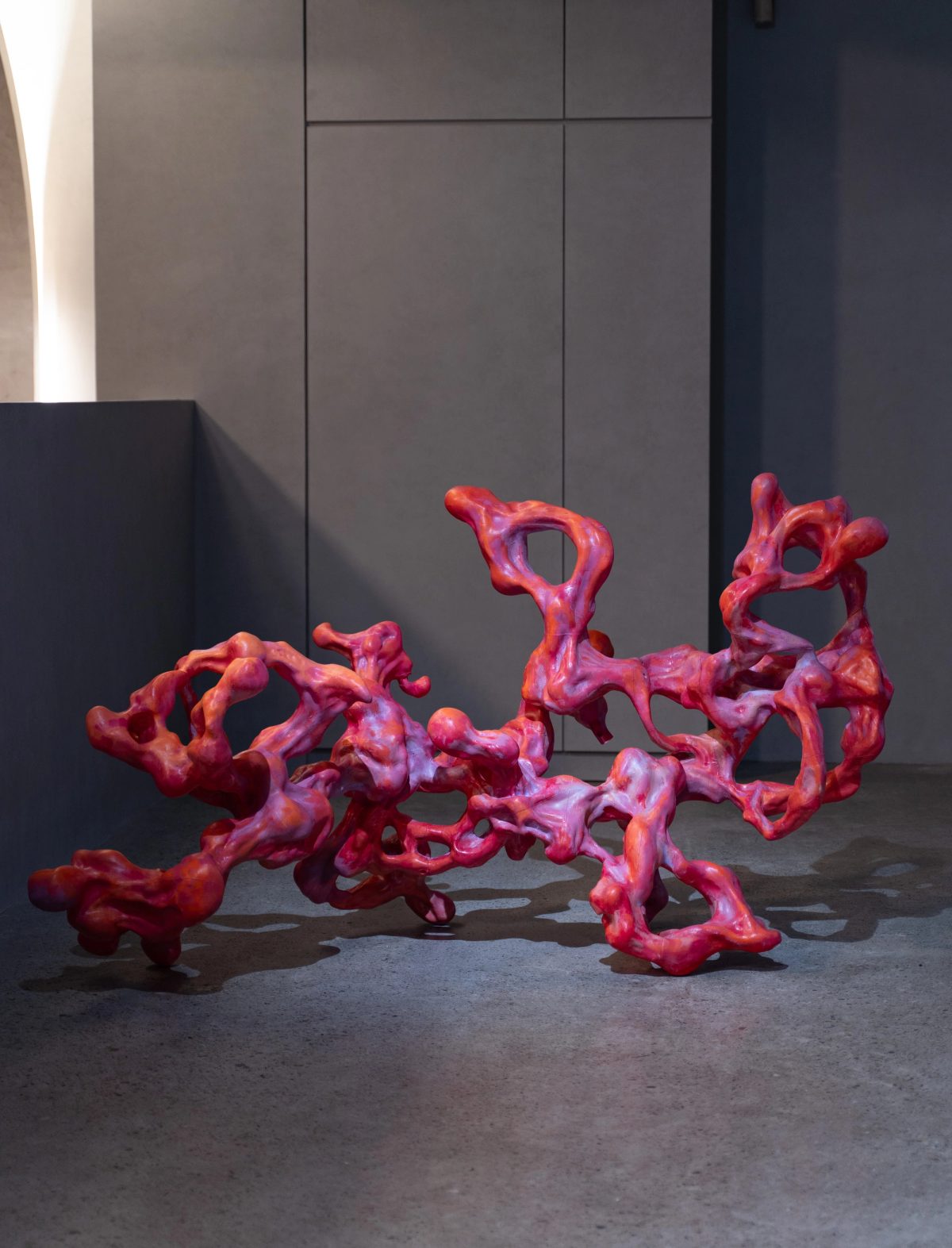
Thermal Morphology, 2025
“Qi is always moving, expanding, condensing, circulating. Form is just where it pauses.”
Your works often appear in collaboration, from mechanical installations to wearable forms. How do you navigate authorship within systems that are so interconnected, between human, software, and material intelligence?
If one graffiti writer’s name is re-tagged by another, who owns the mark? If an employee invents something new, does authorship belong to the individual or the corporation?
We already live in a society that values the common good more than personal aura. My studio, though small, is built with that structure in mind. Creation today depends on collaboration, between humans, tools, and software. What matters to me isn’t authorship but whether the system continues to breathe.
If I had to describe it, I’d say I’m more like a conductor, the orchestra and the conductor exist in symbiosis, sharing rhythm rather than hierarchy.
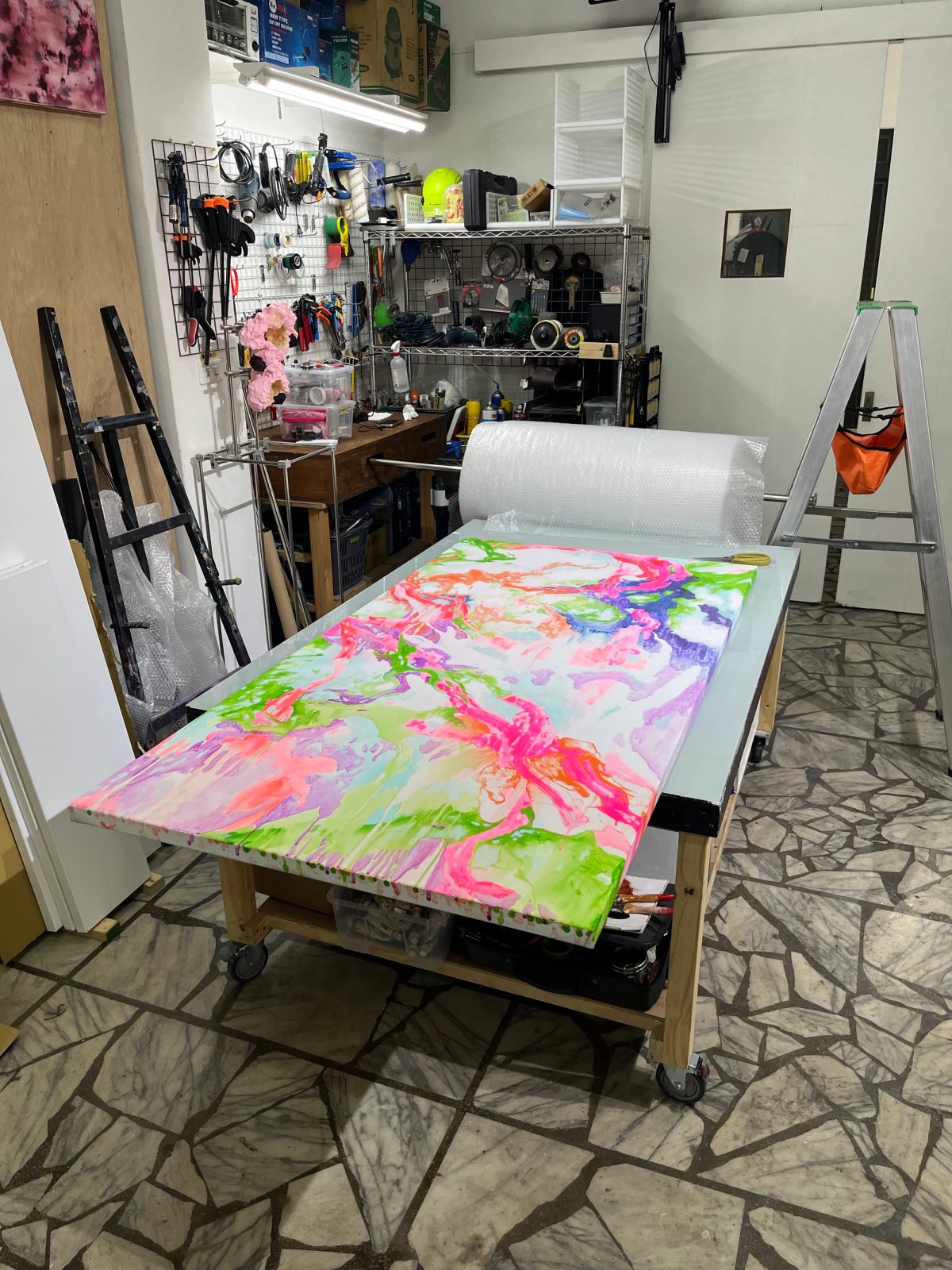
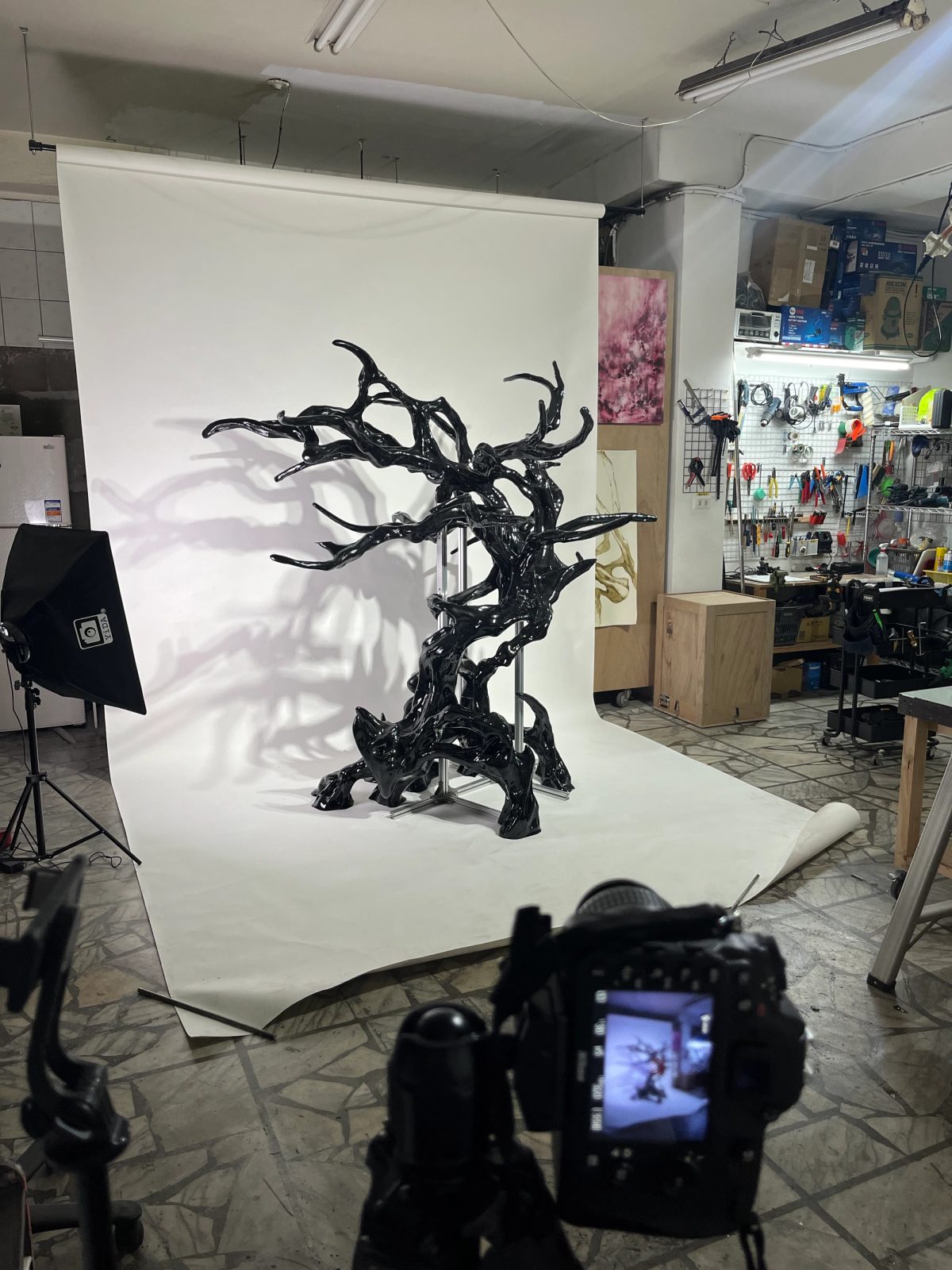
From Cels' 細胞 Studio
Your tattoos echo the same fluid, branching patterns found in your paintings, as if your skin became another surface for thought. Do you see tattooing as part of your artistic practice, a continuation of your visual system, or as a way of embodying what can’t stay on canvas?
They were actually temporary body paints, not real tattoos. Before making sculptural works, I had already started painting on different three-dimensional surfaces, ceramics, bodies, cakes, clothes. I was searching for interesting “supports” that could bring me closer to understanding flow. I found the human body most fascinating because I painted freestyle, improvising while observing subtle muscular movements. Those lines guided my composition, the forms seemed to “grow” from the body itself.
It was also my first time observing the body so sensitively. I used to paint at street stalls, each piece finished in about twenty minutes, leaving no time for planning. Over time I trained a kind of blank gaze, eyes slightly unfocused, like when one stares into distant scenery. It allowed me to capture overall structure before detail, almost instinctively.
So yes it’s a part of my artistic practice, yet it’s more accurate to say that I was graffiti-ing on skin. Many people asked to tattoo my designs, but I couldn’t draw them without the living muscles, they aren’t just images but states of flow. Tattooing, conceptually, also conflicts with graffiti: graffiti is destined to vanish; once the writer leaves, the wall belongs to the street again. That ephemerality gives it life. I prefer coexistence with nature over the desire for permanence.
When painting on bodies no longer satisfied my spatial imagination, I began making the three-dimensional works you see now, paintings that became volumetric.
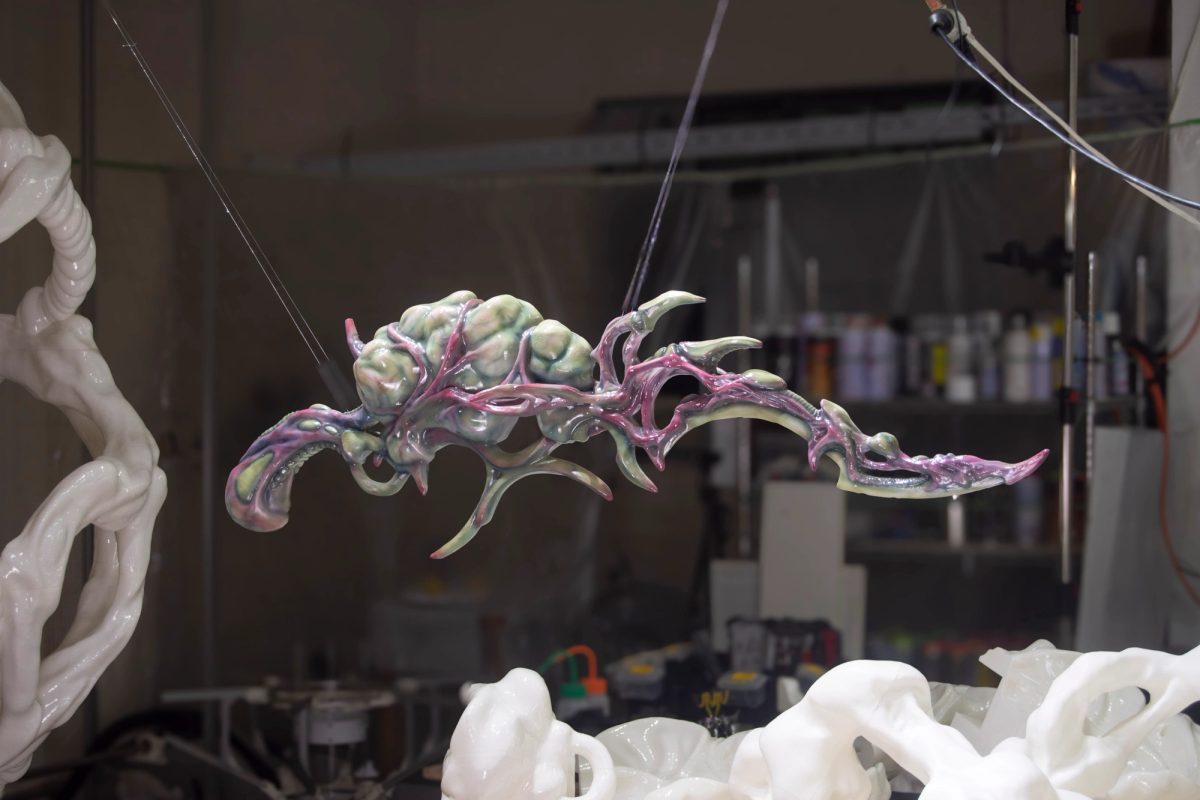
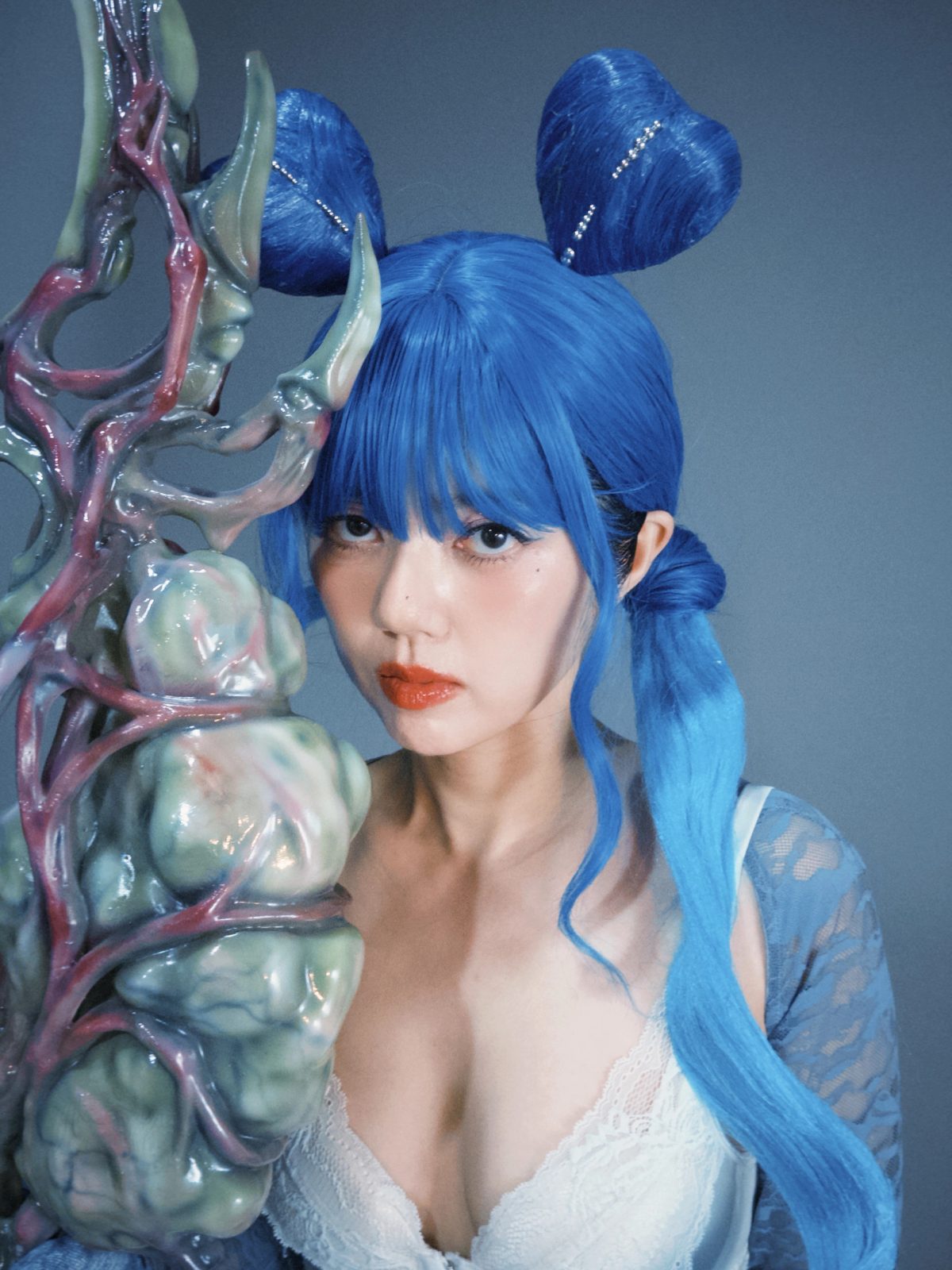
Gun-sword for Lin Mao, 2025
Photography: @phtsai_tw
Make-up & Hair Artist: @chingchingmakeup
What are you building now, mentally or physically? What kind of creature, space, or system are you trying to summon next?
Recently I’ve been organizing my creative trajectory. Through writing my thesis I’m trying to understand my intuition more deeply, to clarify directions for future work. Building a more accurate system feels like a form of respect for the works themselves, it allows me to look at my own visual language from another perspective.
My studio is also producing some commissioned projects, including a large scale installation for a new music venue and a wearable sculpture for an influencer. These projects continue my exploration of Qi in different forms and flows.
Lately I’ve become interested in the concept of the time crystal. Normally, matter at its lowest-energy state reaches dynamic equilibrium, yet a time crystal keeps oscillating, it maintains motion at minimal energy. Scientists consider this zero energy oscillation ideal for calibrating time, such as in GPS communication, and for quantum-computing data storage.
To me, this endless, self-generating rhythm echoes what I’ve been exploring in kinetic sculpture. I haven’t studied it deeply yet, but it might become an entry point for thinking about the relationship between Qi and time.
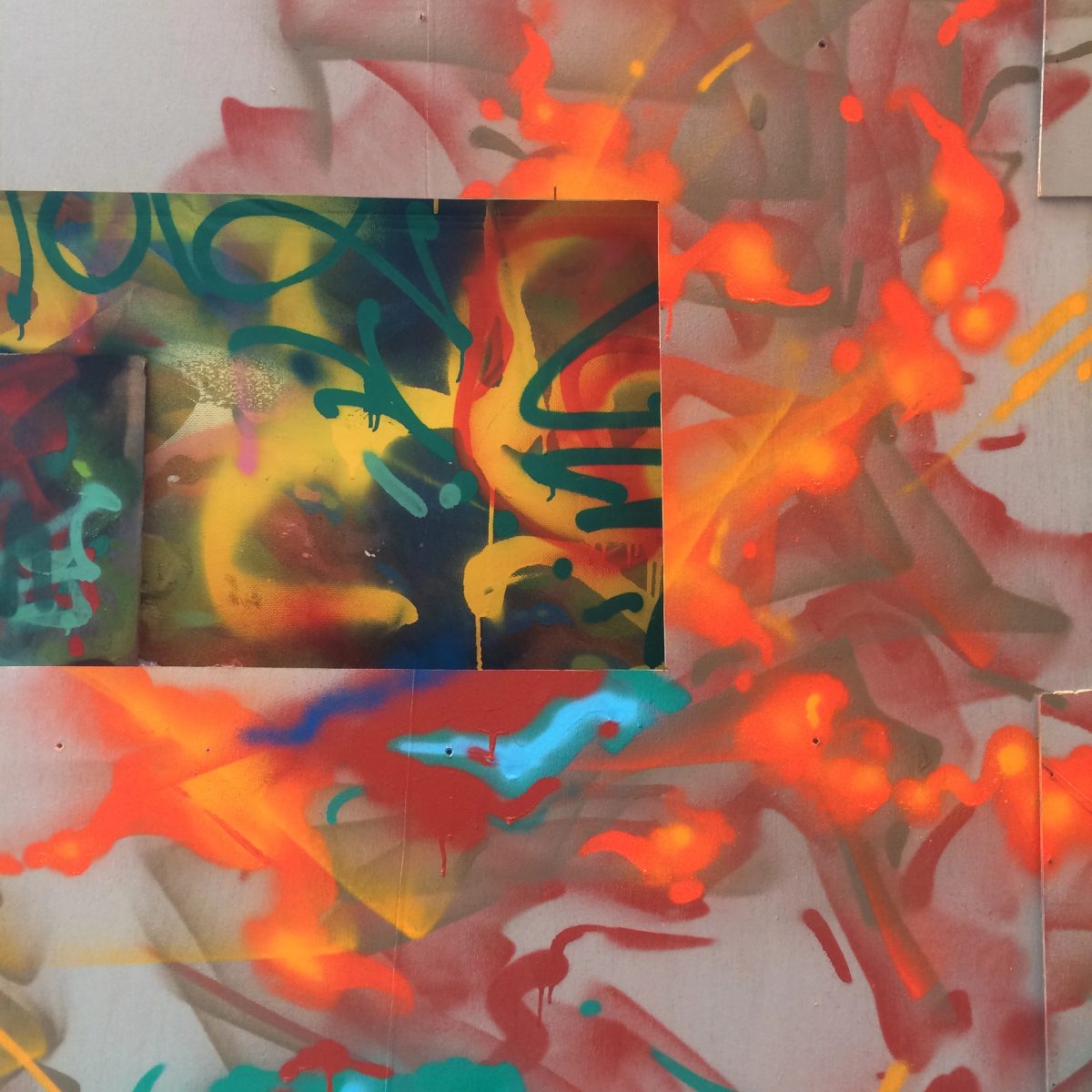
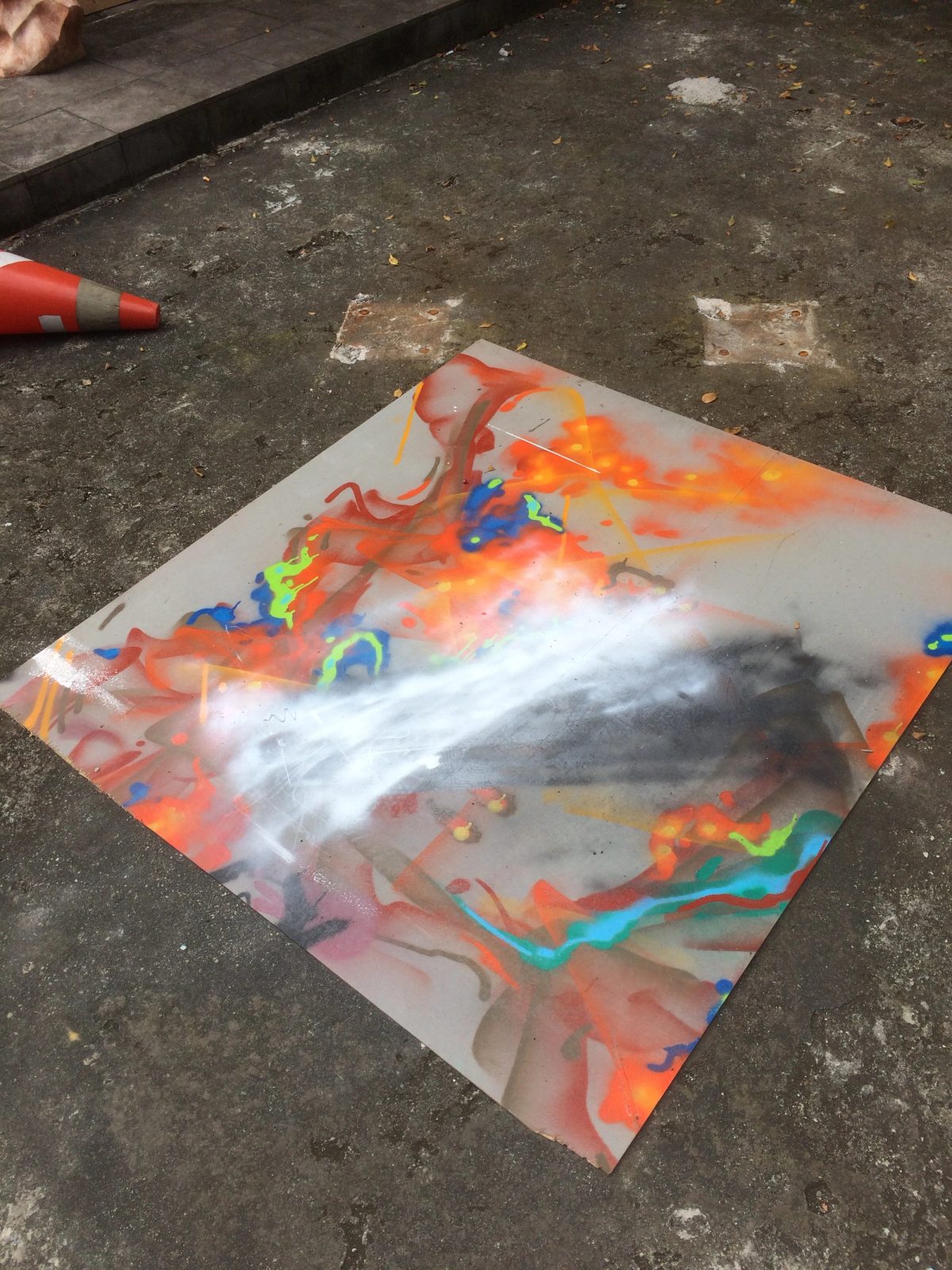
"These two images have had a huge influence on me. I once painted on some scrap wood just for practice, and one day I found those boards being trimmed, buffed, and used as protective layers for spray painting. It felt violent, yet strangely natural. Only then did I realize that by letting go of a bit of restraint, and let the work grows naturally, the work itself begins to breathe with more life." - Cels 細胞
Website: cels-ho.com
Instagram: @cels___