THE LOST LANGUAGE OF FASHION SHOWS
VISUAL ESSAY BY ZEYNEP KERPISCI
9 OCTOBER 2025 — UNITED KINGDOM
Fashion shows can be defined as ‘cultural moments’, so what happened to them?
The catwalk is the space where a fashion designer expresses themselves in the most vulnerable way. Fashion shows, which have changed and evolved over the years, were initially intimate events organized exclusively for wealthy clients, but over time they transformed into culturally recognized spectacles that left a mark on society. This transformation occurred as a result of sociological, economic, and demographic changes in society that influenced designers. As fashion shows gradually evolved into a form of performance art that infiltrated the depths of our minds, urging us to think more expansively and allowing space for vulnerability, they became the most powerful point of convergence between fashion and the designer.
Fashion shows, which held an elitist status from the early to mid-1900s, underwent a radical transformation in the 1970s. Along with the emergence of various subcultures led by the punk movement, fashion shows evolved into a bolder and freer space of expression. As the term Les Enfants Terribles, meaning “terrible children,” began to resonate in the fashion world, the first members were Vivienne Westwood and Malcolm McLaren. For this duo, who introduced punk to both the streets and fashion, fashion shows were a rebellion against the system they opposed. The 1981 Fall RTW collection Pirate paid homage to fashion while embracing a new order. Their extreme styling, exaggerated proportions, and the use of makeup for both men and women represented a completely new attitude. Embracing this innovative perspective, these collections continue to inspire many even today.
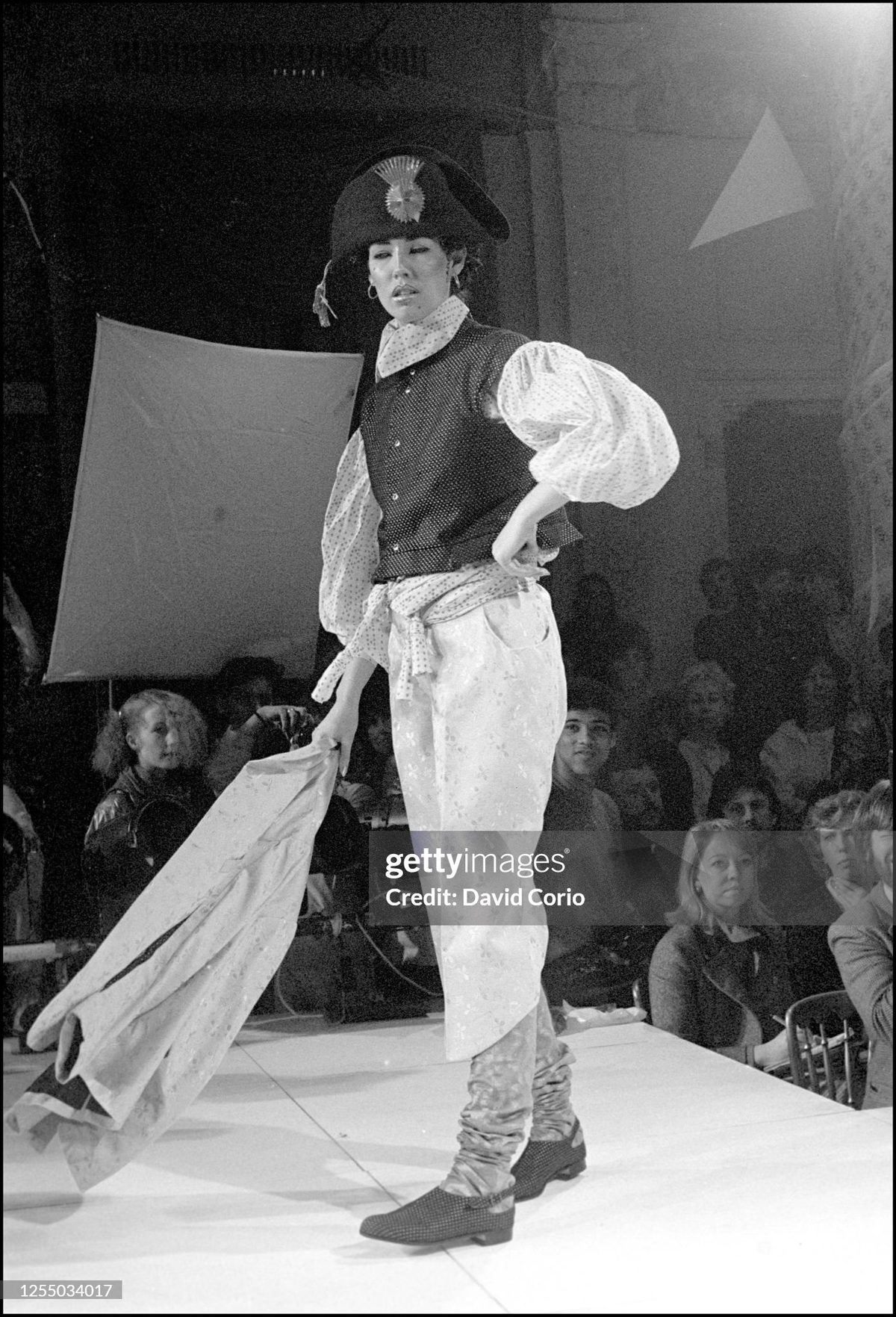
Vivienne Westwood's Autumn/Winter 1981–82 “Pirates” collection, the first catwalk show of Vivienne Westwood and Malcolm McLaren, Olympia, London, 22 October 1981 | Photo: David Corio/Redferns
As the 1980s arrived, Jean Paul Gaultier carried the torch of Les Enfants Terribles. While his fashion shows contained unusually disruptive elements, they also challenged traditional ideals of beauty and gender norms. Jean Paul Gaultier’s AW 1984 show was, in many ways, full of firsts. As one of the earliest fashion shows to confront gender discrimination, this collection gained recognition for its provocative approach that made the issue appear alluring. Gaultier embraced diversity ahead of many others on multiple levels, presenting street-style models of all ages, sizes, and skin tones. Nevertheless, what remained most memorable were the men in plaid skirts and the female models wearing cone bras or strap tops exposing their chests.
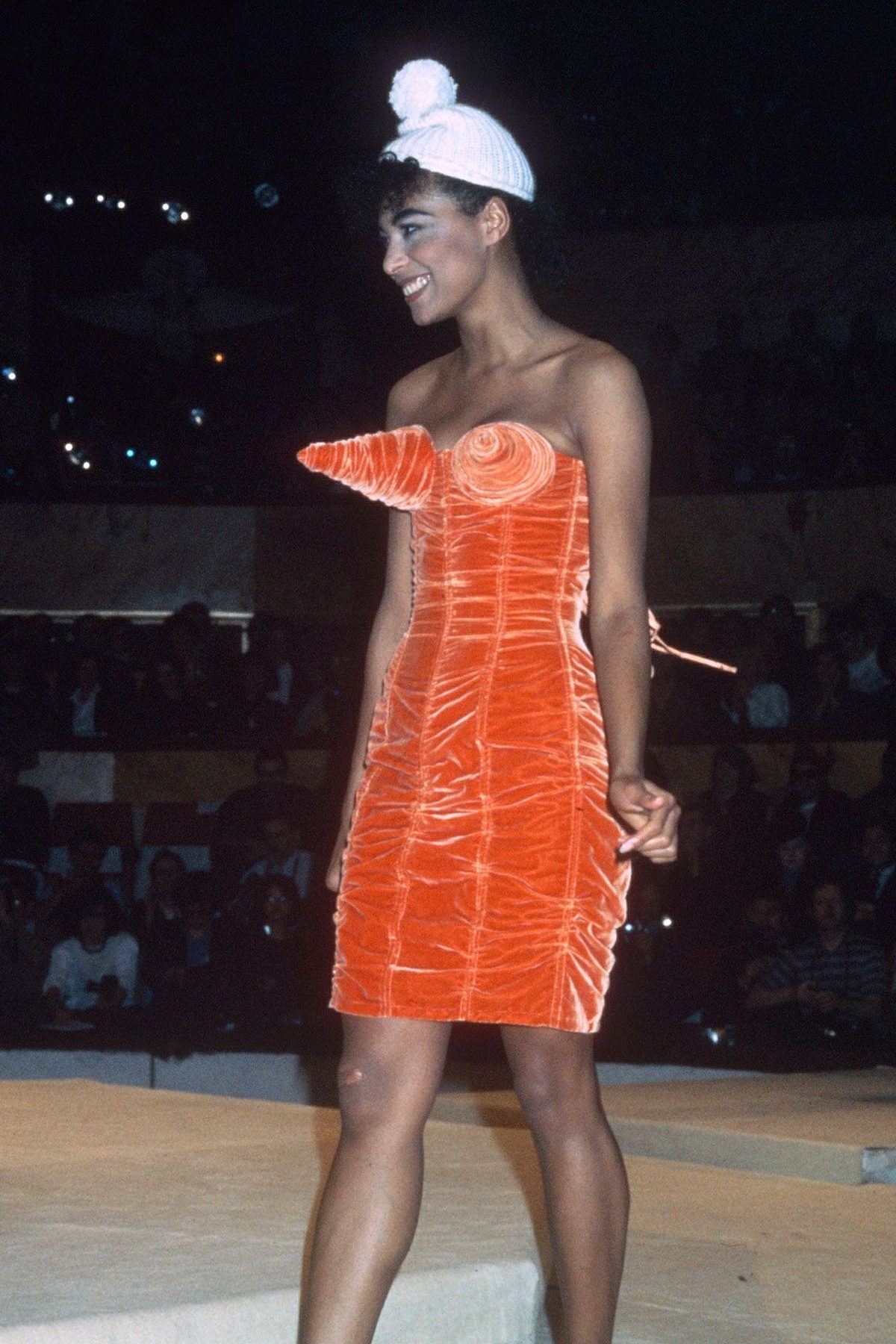
Jean Paul Gaultier's Autumn/Winter 1984 collection | Photo: Sipa/Shutterstock
Later on, Gaultier’s intern Martin Margiela went on to establish his own label, Maison Martin Margiela, in 1988. The 1989 Maison Martin Margiela collection, which broke the then-emerging consumer-focused perception, carried an inspiring sense of self-confidence. Staged in the 4th district of Paris at Café de la Gare, the show had an unconventional setup for press and editors. Guests could sit wherever they wanted, and the venue was filled with children from the neighborhood who joined spontaneously. The uneven runway, the models stumbling, and the deconstructed collection embodied a radical acceptance of fashion’s new reality.

Martin Margiela's Spring/Summer 1990 collection in Paris | Photo: Jean-Claude Coutausse
By the time the 1990s arrived, Alexander McQueen and John Galliano were at the forefront of the Les Enfants Terribles identity in what became one of the most important decades in fashion. McQueen merged dramatic and dark themes with fashion, while Galliano filled the catwalk with theatrical and historical coherence, radically changing fashion history. In the decade beginning with 1990, the rise of supermodels and the emergence of new designers made fashion shows increasingly visible. Shows evolved into a form of storytelling where clothes were often secondary, immersing us deep into the designer’s mind. These fashion shows, where the audience neither knew nor could guess what would happen next but eagerly awaited each unfolding moment, reflected the designer’s integrated creative journey. Taking viewers into a different universe than the one they lived in every day, fashion shows allowed us to become part of the stories that designers tell in their most expressive space.
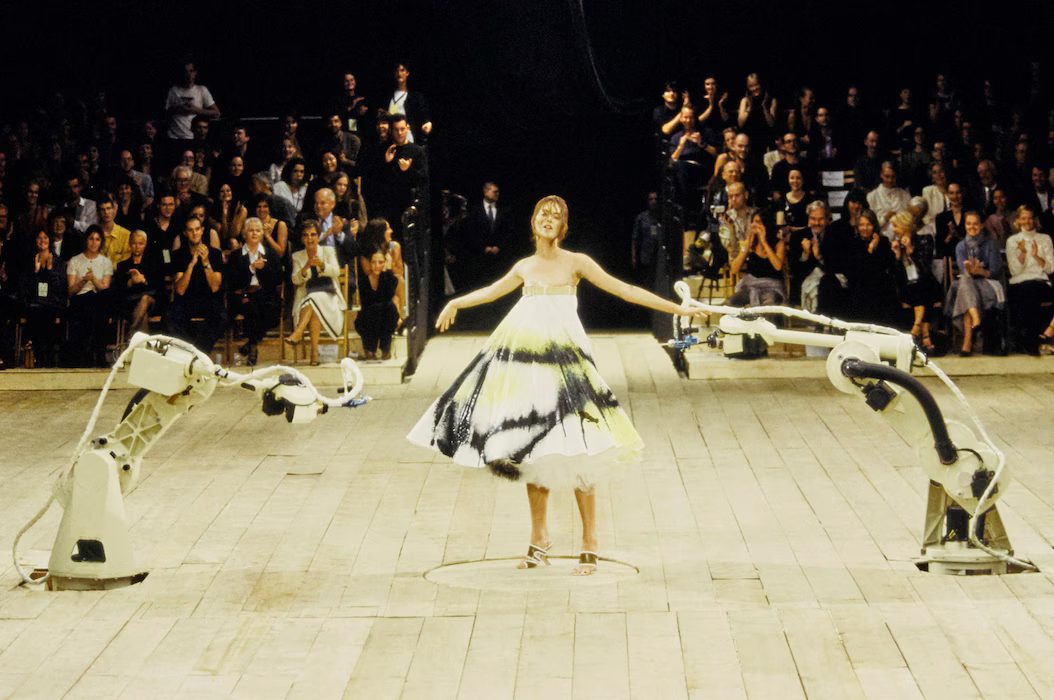
Alexander McQueen's Spring/Summer 1999 collection in Paris | Photo: Guy Marineau/Condé Nast via Getty Images
Alexander McQueen, who introduced us to many universes within his mind, created countless unforgettable runway moments. His shows were a true embodiment of the word sublime, meaning “beauty that is potentially frightening.” His fashion shows transformed into an individual realm where he expressed both his skills and emotions. McQueen, who described his shows as highly personal and autobiographical, saw them as a way of communication. Aiming to create emotional experiences, he often drew inspiration from his own life, personal struggles, and historical events. According to In Vogue: The 90s documentary, he was one of the first to realize that a runway show could be more than just clothes on models, and he added more drama, history, and innovation to the catwalk.
For his 1998 Fall collection Joan, McQueen ended the show with a masked model in a blood-red dress standing in a ring of fire, symbolizing Joan of Arc, the collection’s namesake. His Spring 1999 collection, titled No. 13, witnessed several iconic moments as well. Paralympic athlete Aimee Mullins walked the runway with wooden prosthetic legs, and supermodel Shalom Harlow, standing on a rotating platform, was spray-painted by two robots on stage, just part of what made the performance so impactful.
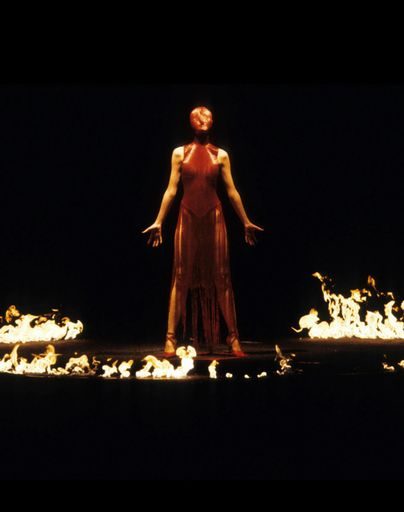
Alexander McQueen's Autumn/Winter 1998–1999 "Joan of Arc" collection in Paris
Another Enfant terrible, John Galliano, invited audiences into entirely different worlds with his collections for both his own brand and Christian Dior, blending historical references with fairytale aesthetics. In Fashion, Desire and Anxiety: Image and Morality, Galliano’s 2004 Christian Dior haute couture show is mentioned as an example of how such fashion shows represent clothing not merely as physical objects but as emotional and narrative forms. In his 2007 Madame Butterfly haute couture collection, Galliano once again proved his talent for evoking beauty, sensitivity, and emotion.
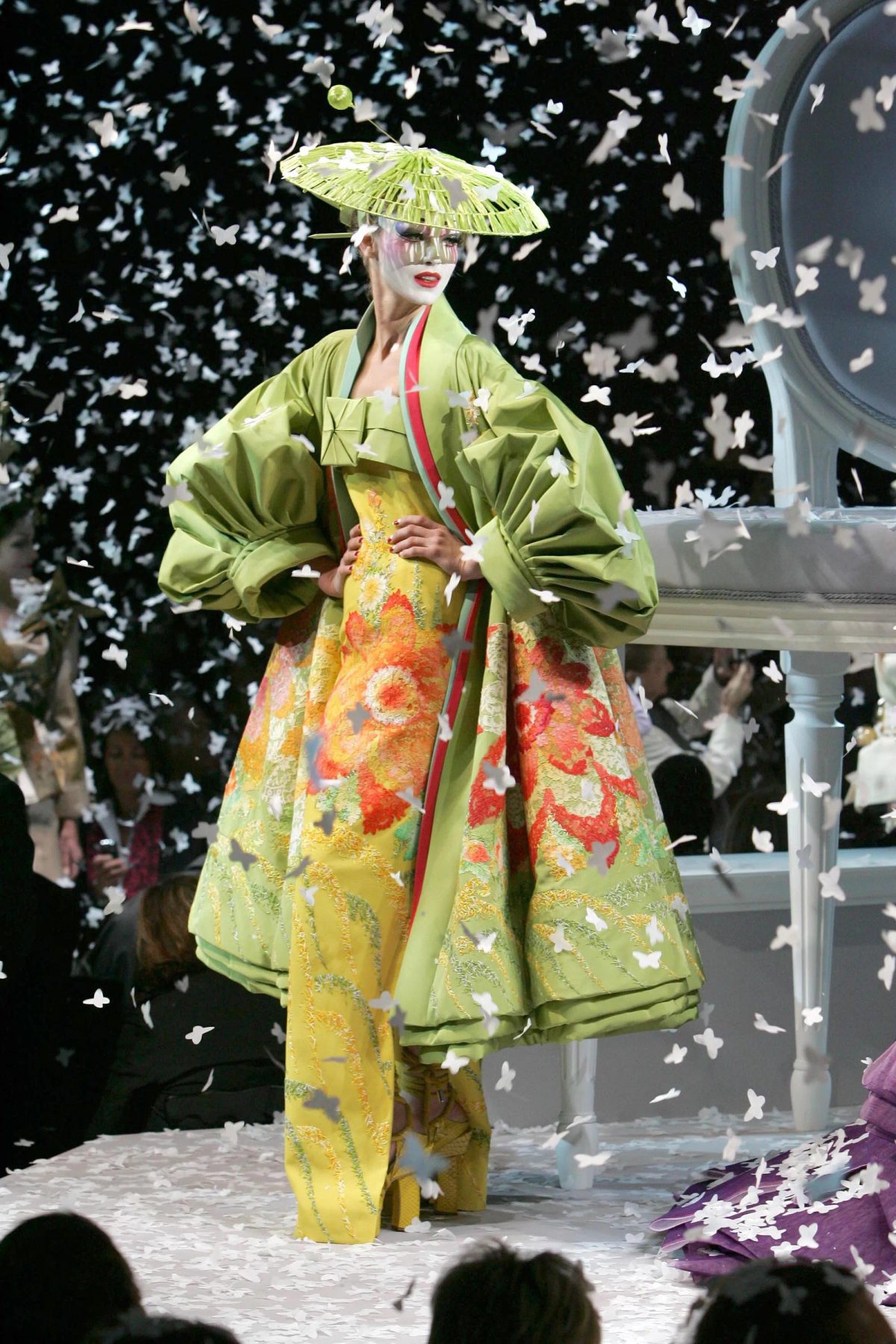
Christian Dior's Spring/Summer 2007 Haute Couture "Madame Butterfly" collection by John Galliano in Paris | Photo: Getty Images (110300248)
Fashion runways help us understand that a designer's role isn’t limited to creating clothes, also their other role is reflecting society. With the rise of the internet, fashion shows underwent a dramatic shift. While traditional shows once symbolized the ritualistic and theatrical side of fashion, today they have evolved into more experiential, accessible, and multi-channel formats. Today’s online fashion shows focus more on clothes and trend driven pieces than on storytelling, and as designers prefer less creative presentations, this shift highlights the intersection of creativity and consumption. Many fashion houses now invest in social media strategies rather than creating meaningful runway moments and therefore often neglecting genuine communication. Fashion has always been one of the most powerful forms of self-expression and continues to be, but as fashion shows evolve in the digital age, one essential question occurs: Is this the end of an era or a transformation?