GHOSTS OF NATURE / BODIES OF STRUCTURE: A VISUAL ESSAY IN THREE MOVEMENTS BY SIMONA SHARAFUDINOV
VISUAL ESSAY BY SIMONA SHARAFUDINOV
7 JANUARY 2025 — UNITED KINGDOM
I. OBSCURA — THE DESCENT
Everything feels monochrome at first: survival rendered in grayscale, days stripped of hue by the labour of endurance. Crisis and duty flatten time into a narrow bandwidth where feeling is rationed and pleasure deferred. This is not what I imagined liminality to be. Not a holy threshold or a hushed corridor of becoming, but a prolonged ache—a holding pattern where the body keeps score. The cross appears not as promise but as proof: an instrument mistaken for meaning, suffering dressed up as destiny. The in-between is not luminous. It is fluorescent-lit waiting rooms, unread letters, the quiet humiliation of asking for help. There is no choir here, only the low hum of persistence. And still, breath continues—stubborn, unheroic—a small defiance against the insistence that pain must be redemptive to be justified.
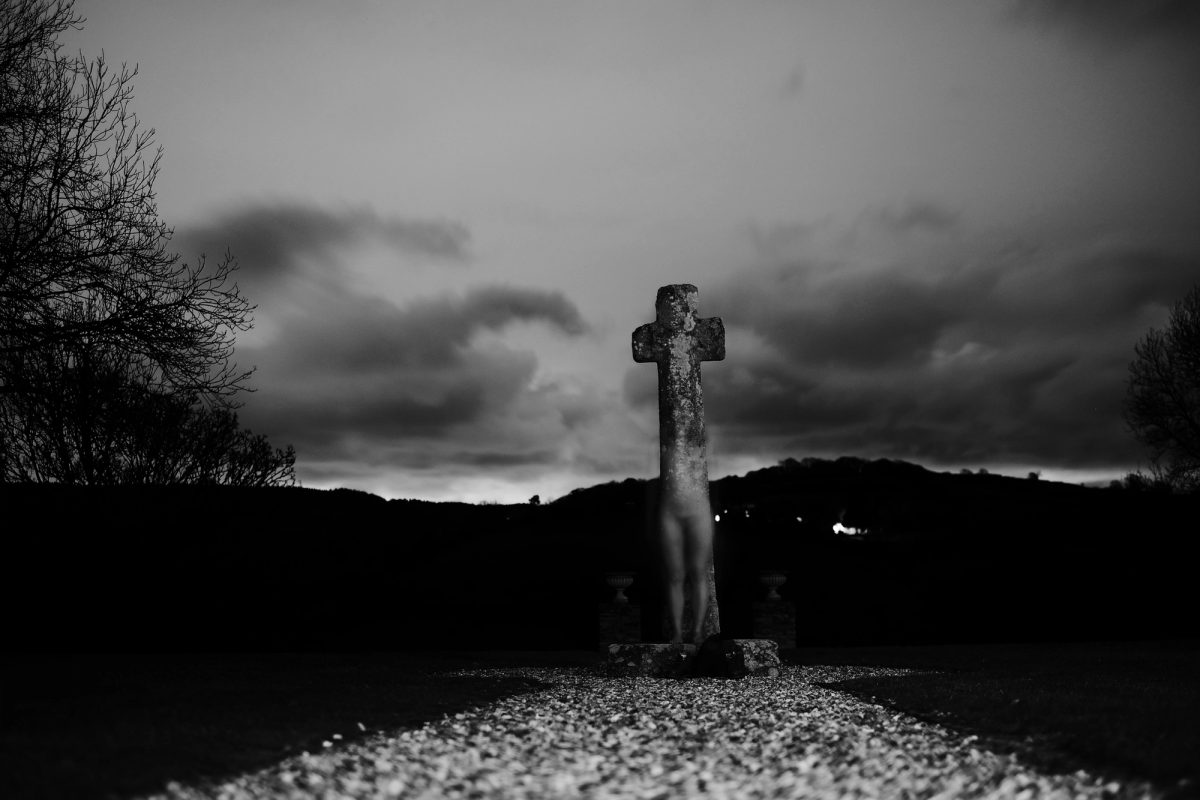
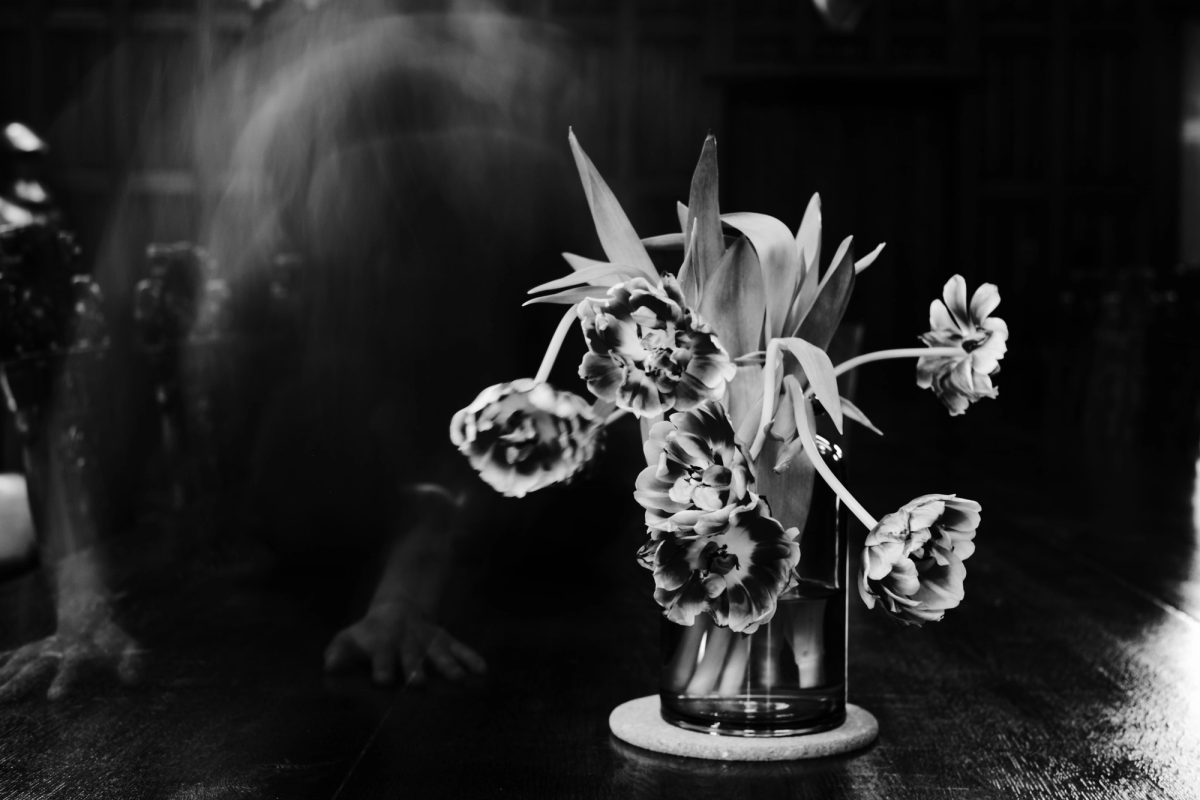
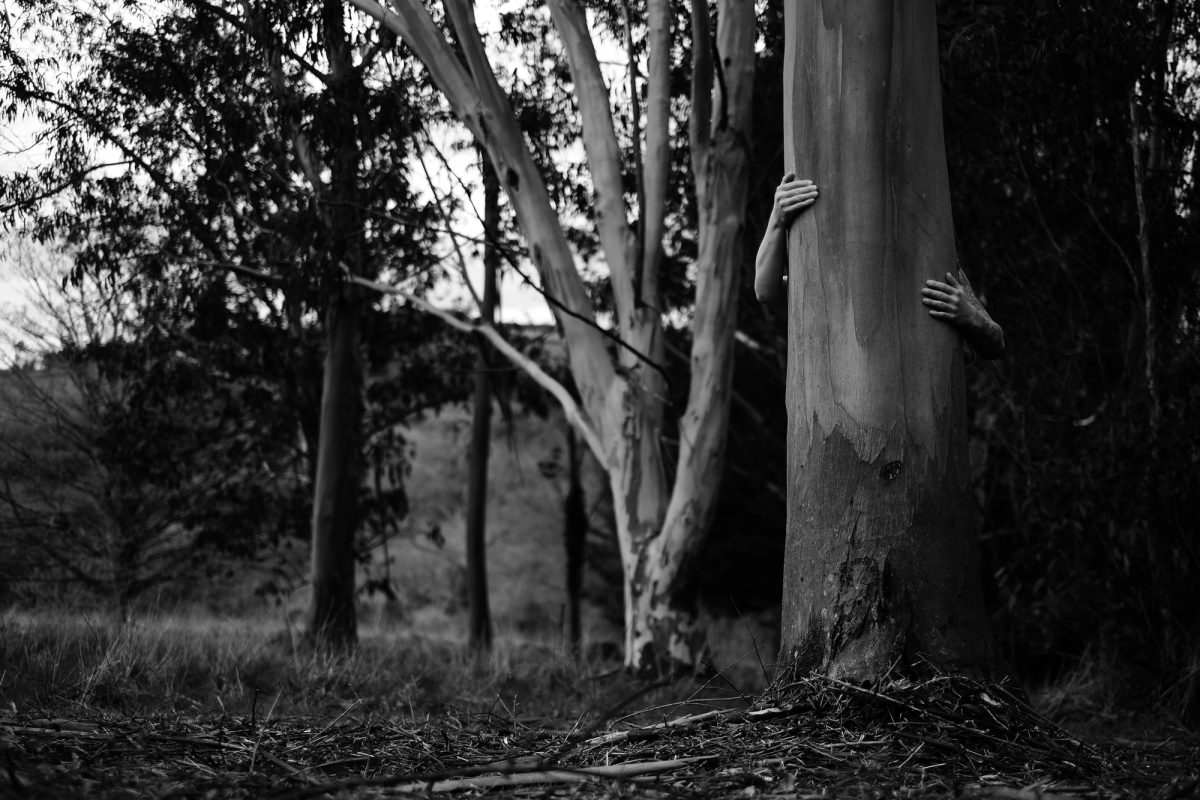
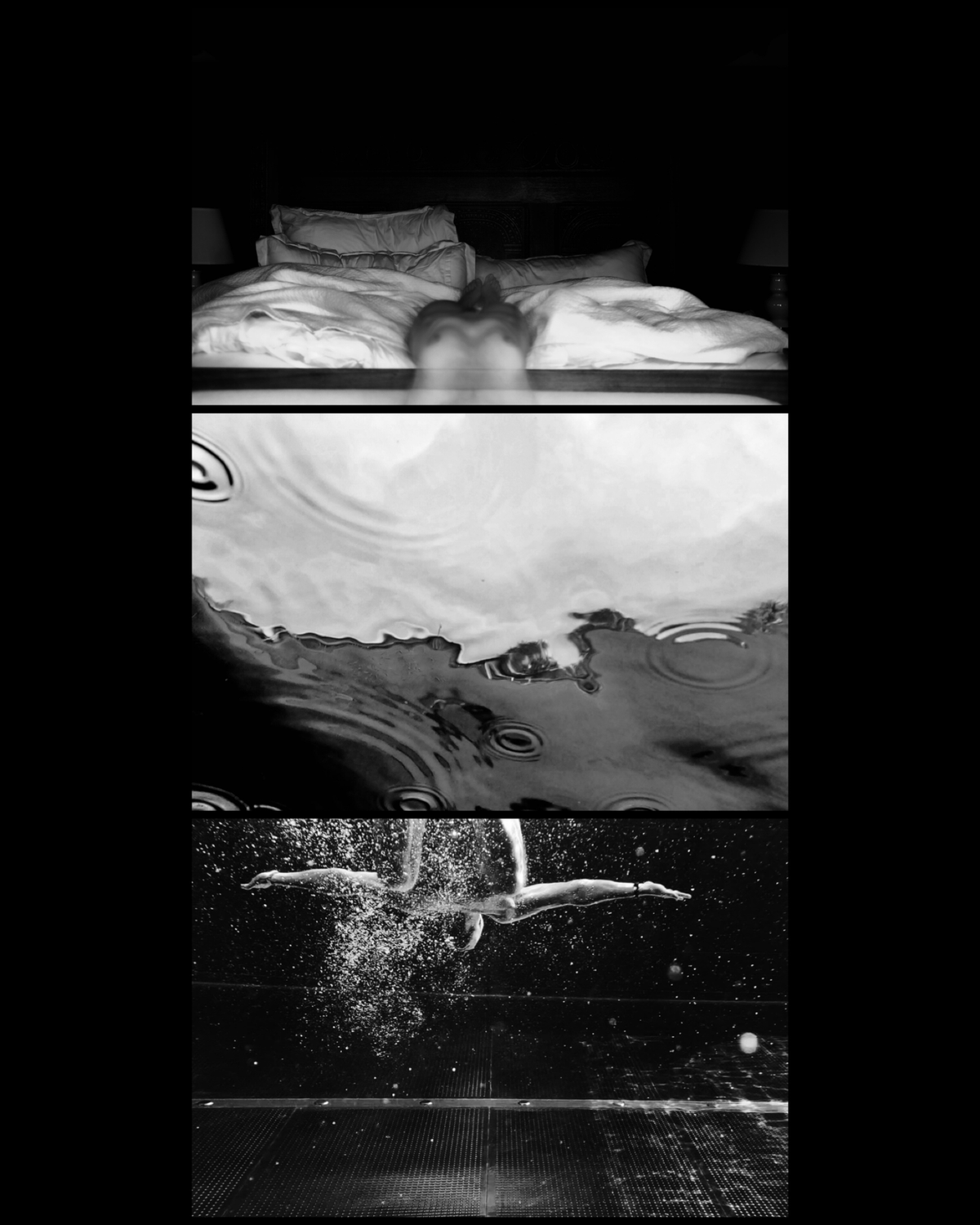
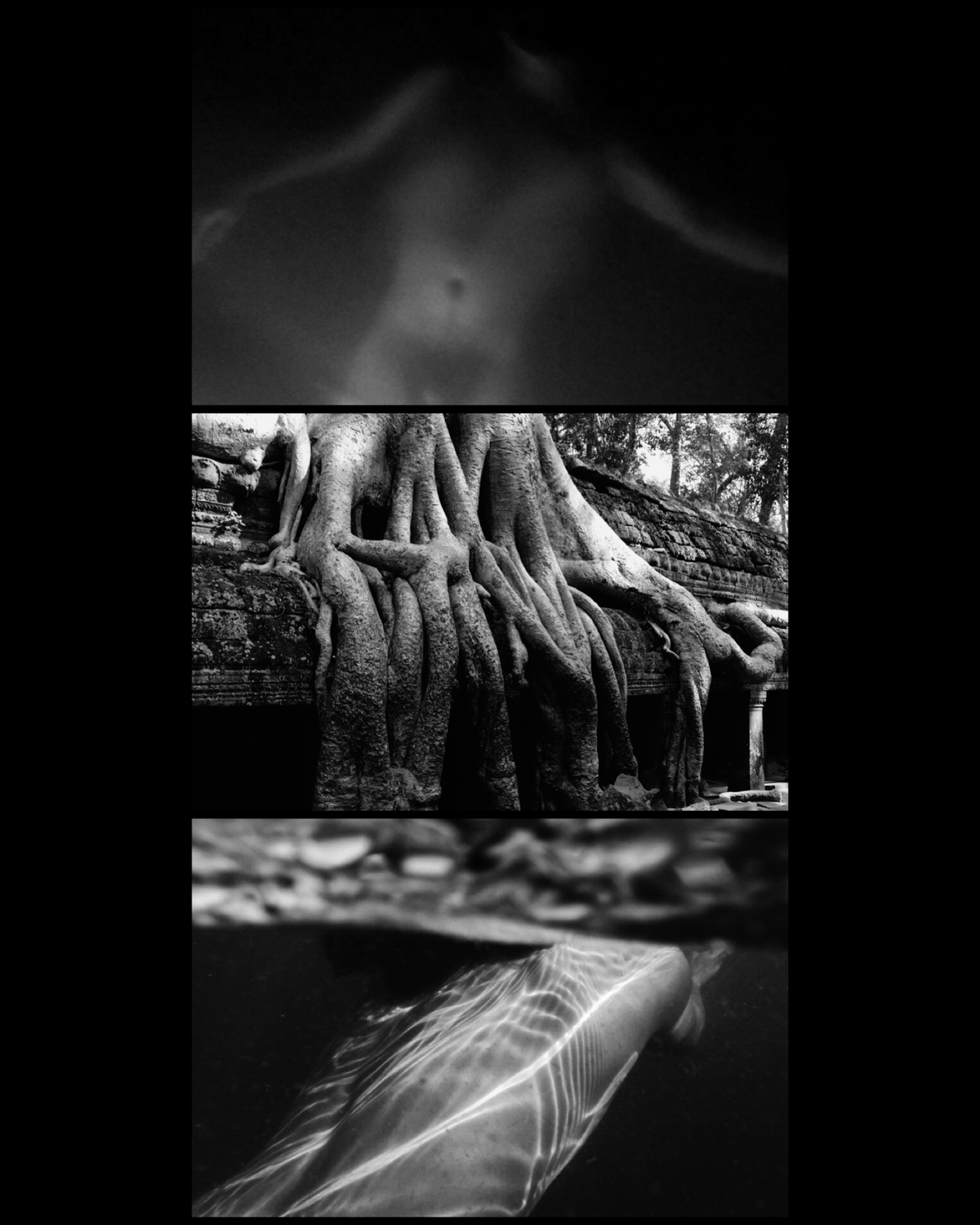
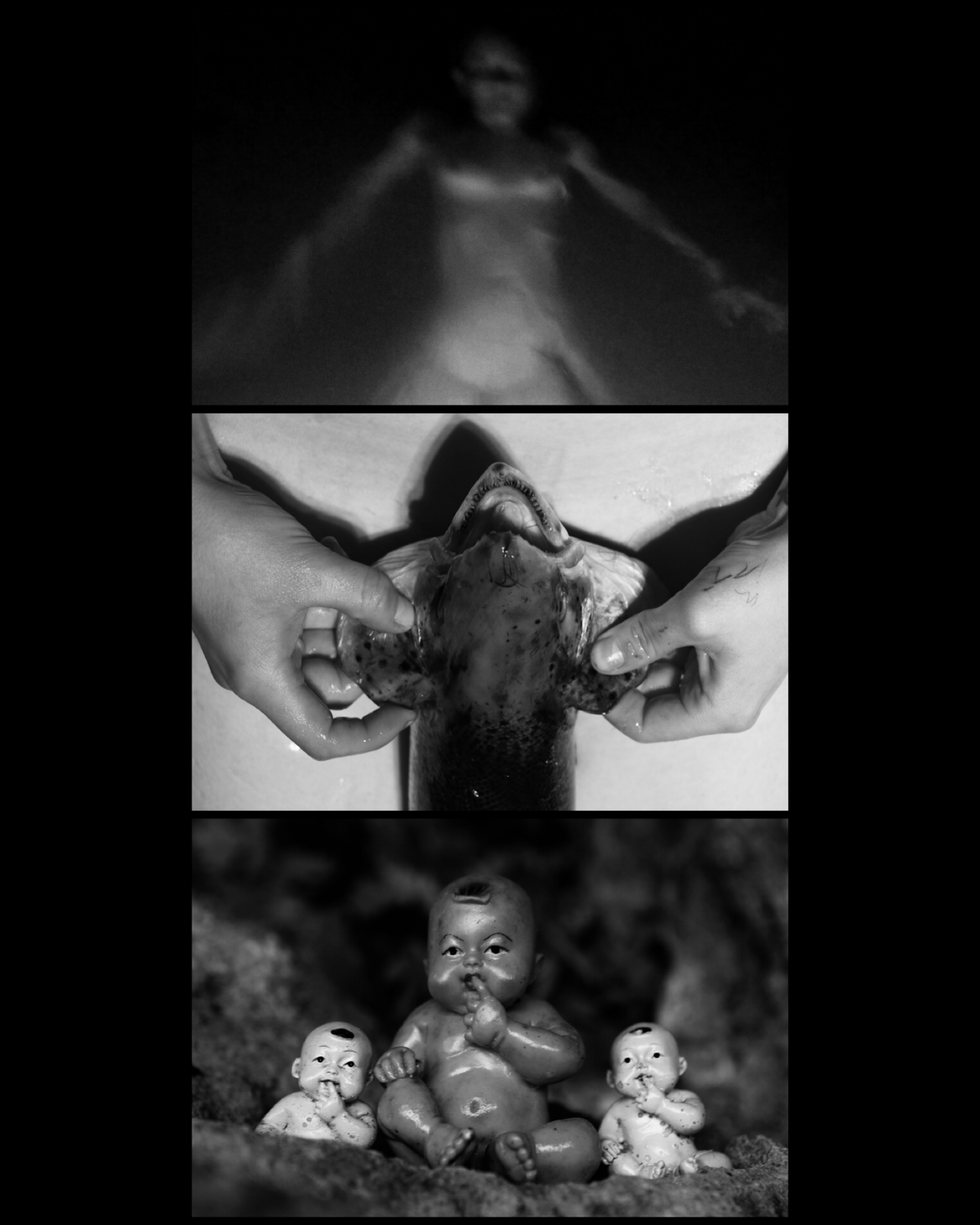
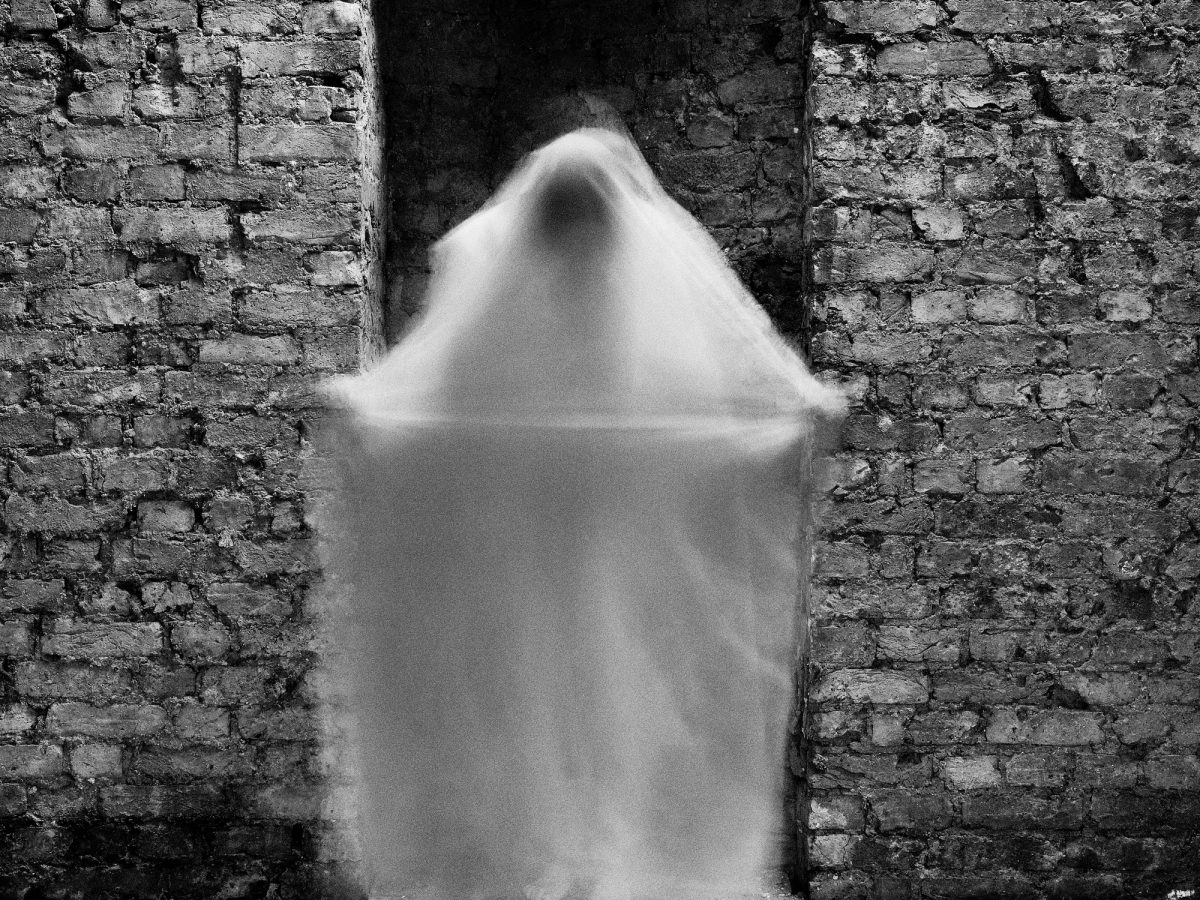
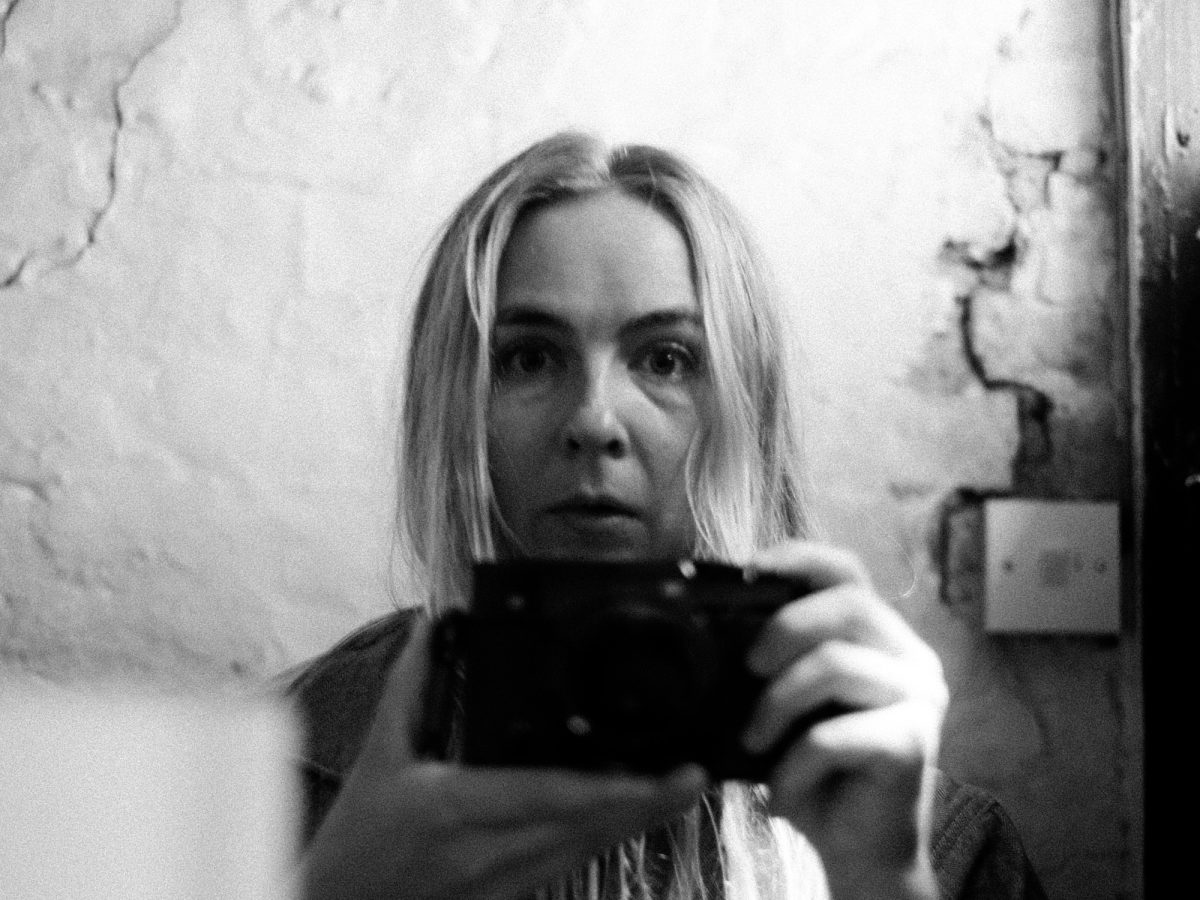
Obscura begins here. In black-and-white self-portraits made in a historic manor and its surrounding grounds, I return to nature and its ghosts. These images do not seek wholeness; they hover at the edge of dissolution. The body appears as residue and apparition, a witness to its own erasure. Walls, beams, staircases, trees—each surface carries time differently. I enter these spaces not to be framed by them, but to listen to what they already know about disappearance.
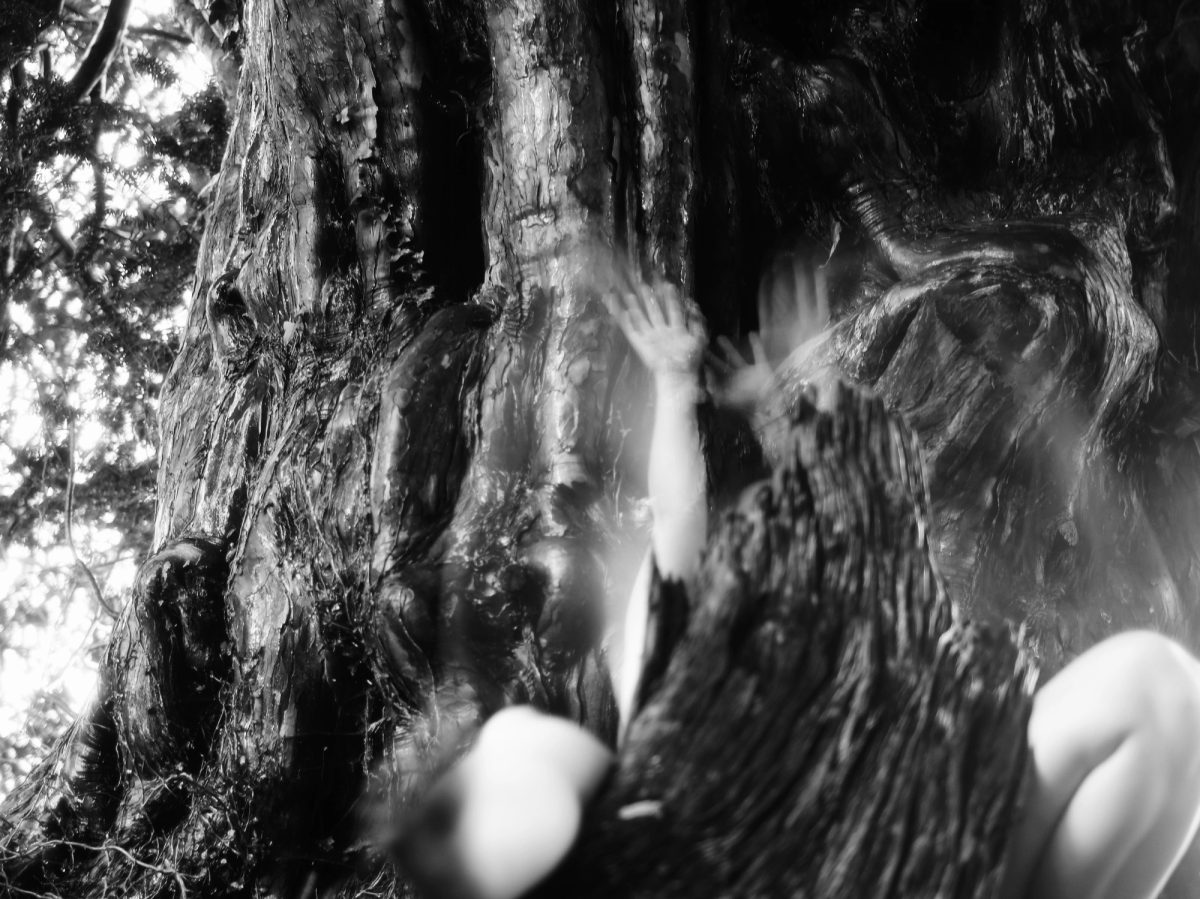
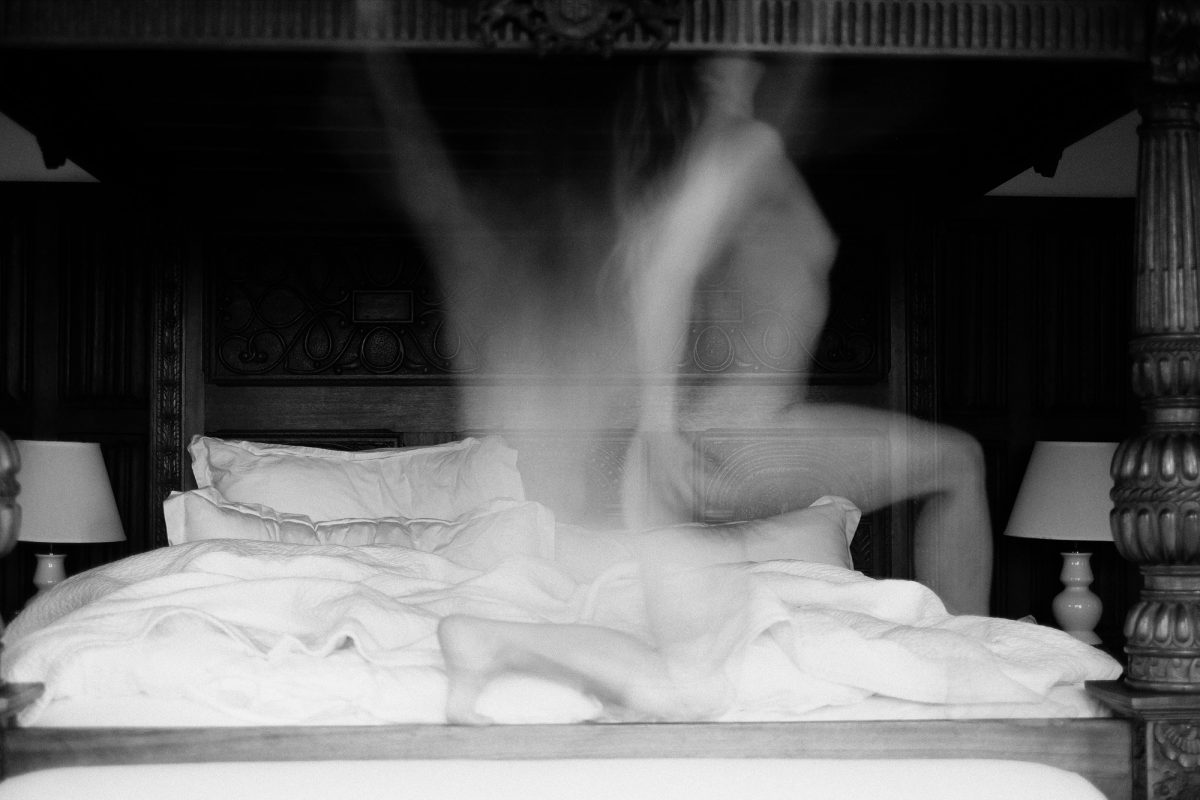
I think of Francesca Woodman moving through rooms that seemed to recognise her before she recognised herself: wooden beams bowed with age, dust thick as breath, cemeteries threaded with cobwebs and silence. She searched not for an image, but for the reflection of her own ghost—a self both held and loosened by place. Wrapped in golden hair, polka-dot dresses slipping between eras, she let architecture carry what the body could not. In those rooms, obscurity was not erasure but shelter: a pact between flesh and world, where the ghost could be held just long enough to be seen.
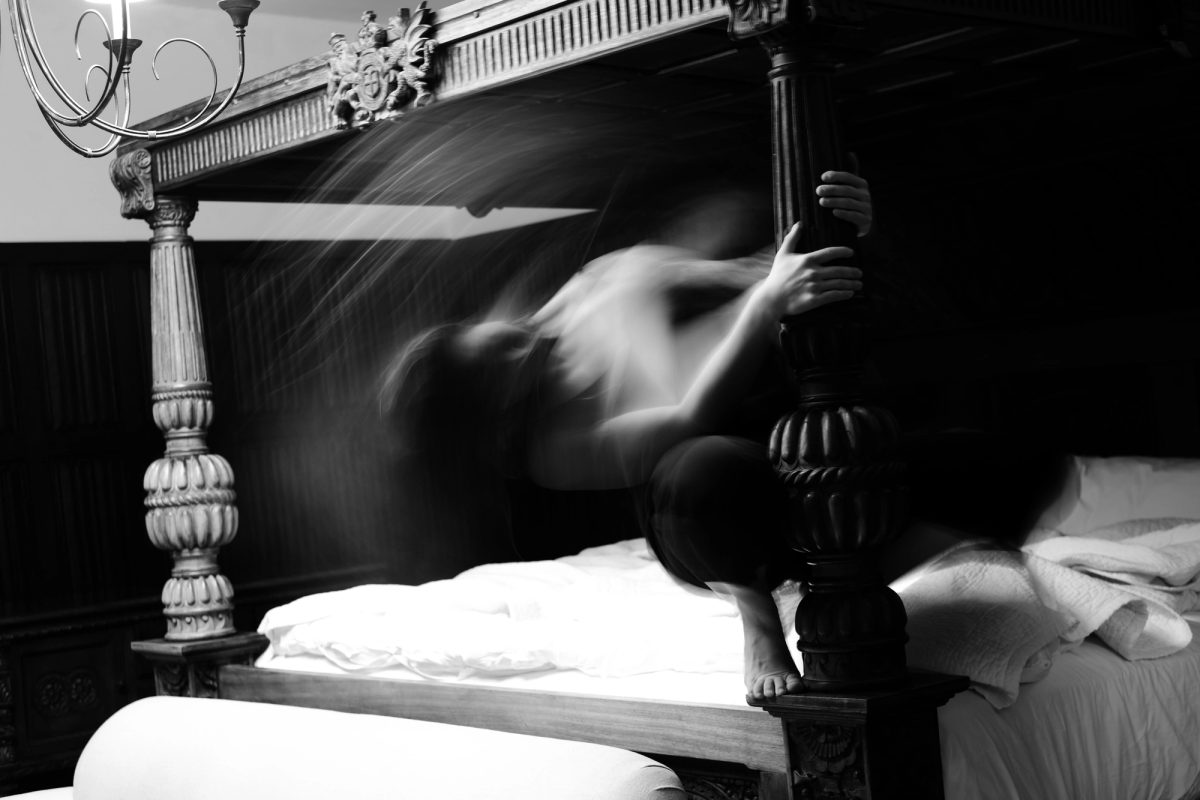
Yet obscurity has a double edge. It can cradle, or it can consume. In my own act of looking, I feel that same pull toward spaces already inhabited by absence—rooms where time has softened edges, where wood bends and dust settles like a second skin. But I am no longer searching for my ghost. I am resisting becoming one. After loss, after rupture, the body is no longer abstract; it is weight, aftermath, insistence. The camera becomes a tether. This is not an aesthetic inquiry but a form of triage. The image holds what the body cannot.
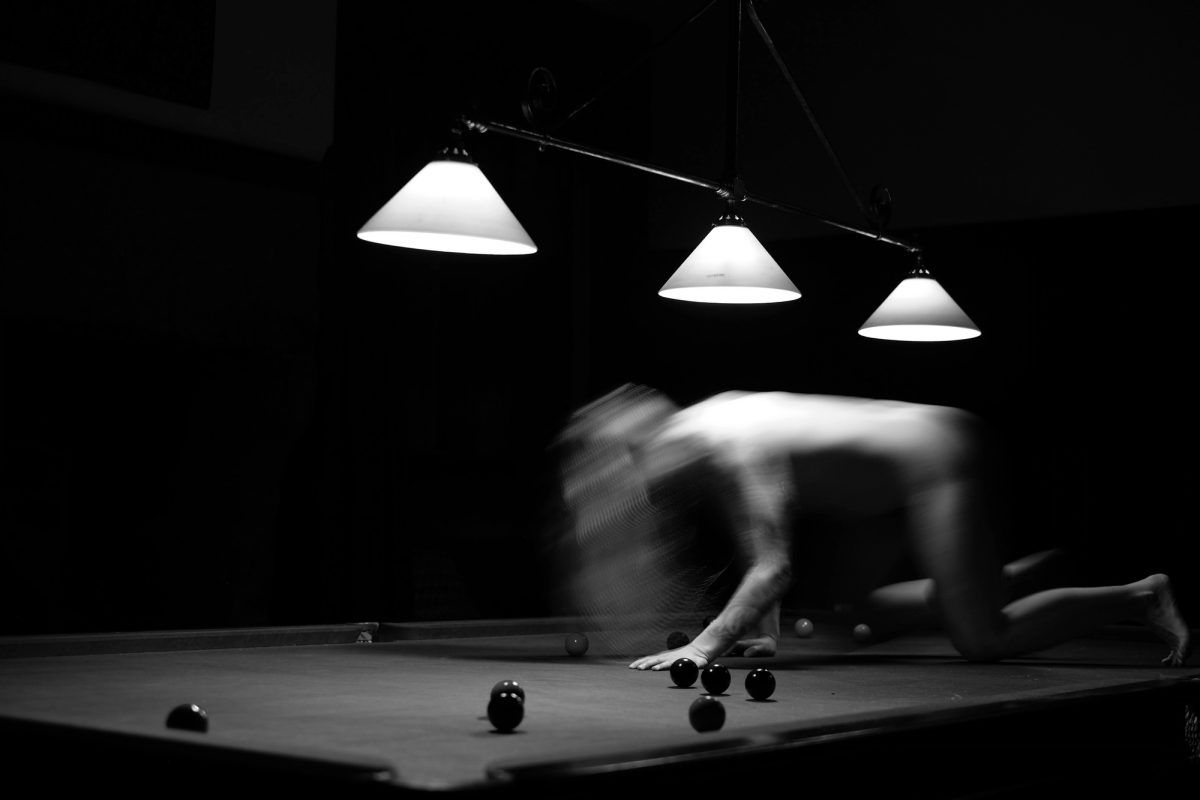
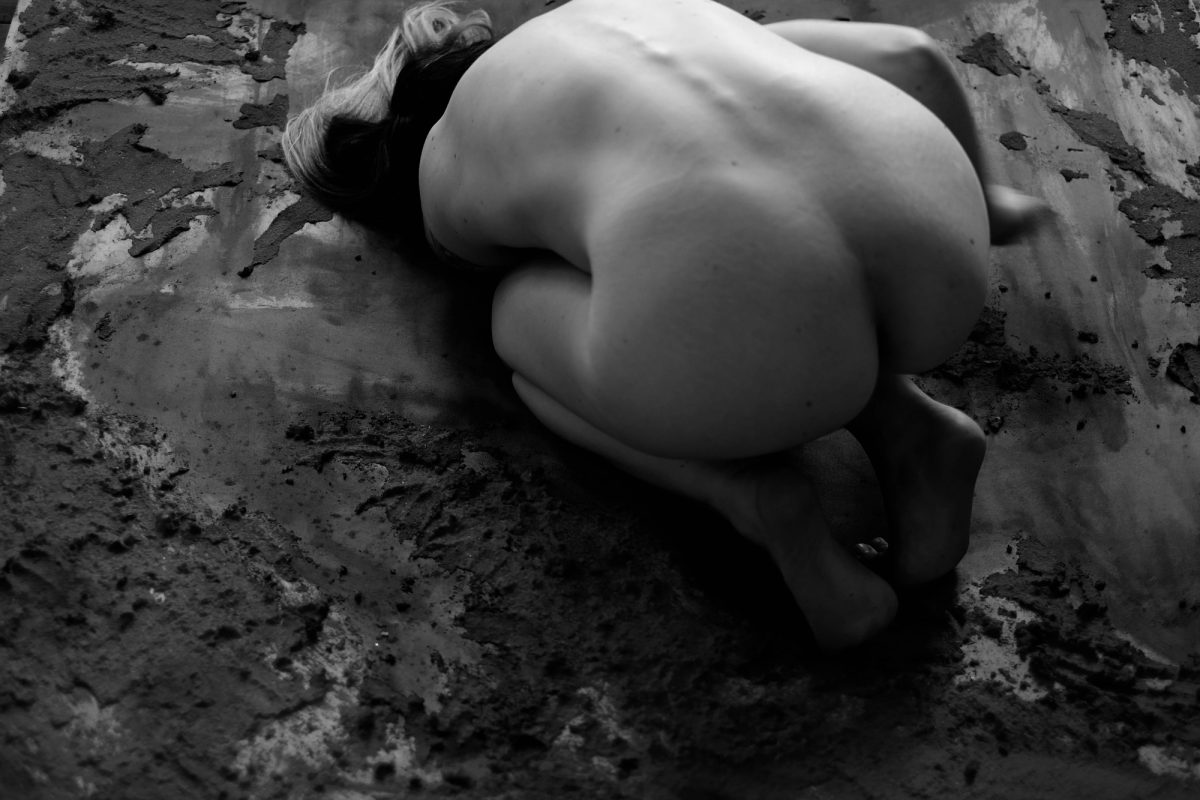
The descent here recalls Persephone—not as mythic captive but as ritual participant. A return to darkness that is also a reclaiming of agency. To descend is not to disappear, but to enter what has been buried without consent. In Obscura, I merge with shadow to understand its temperature. The body blurs, fractures, presses itself into bark and stone, but it does not vanish. Survival is not triumph. It is insistence. A line drawn against erasure.
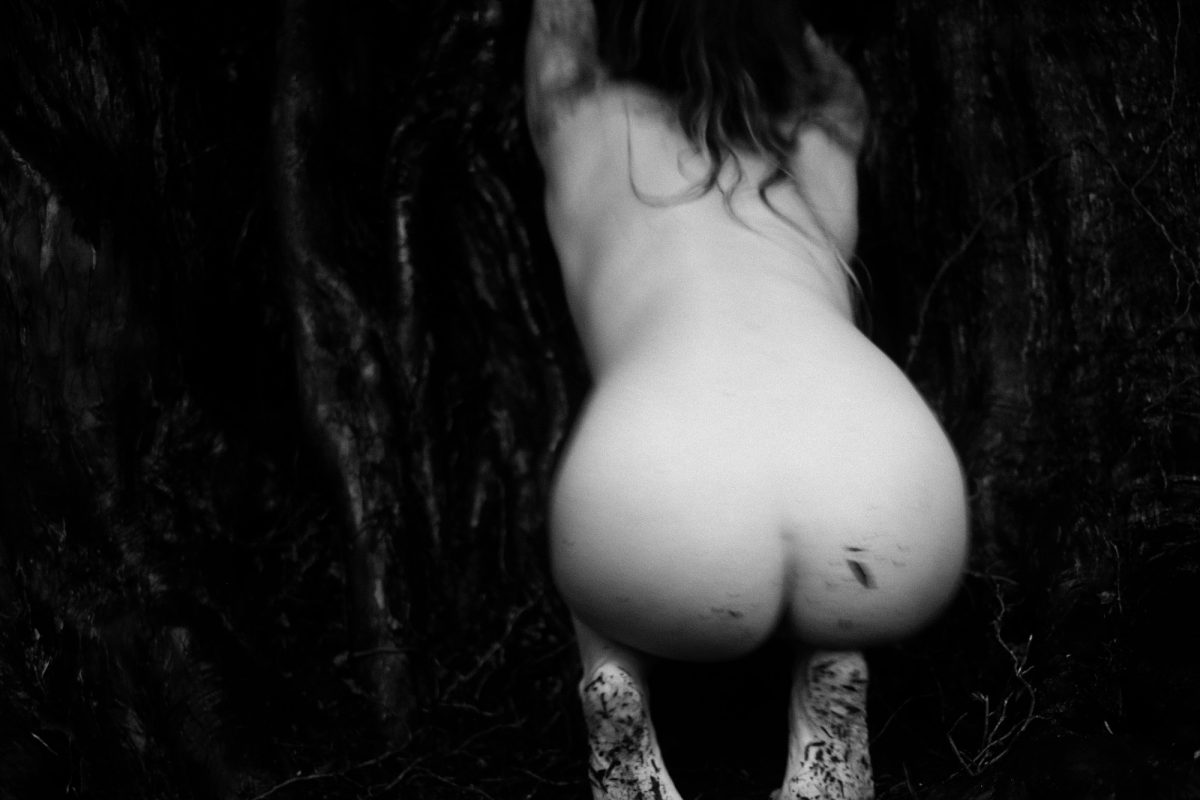
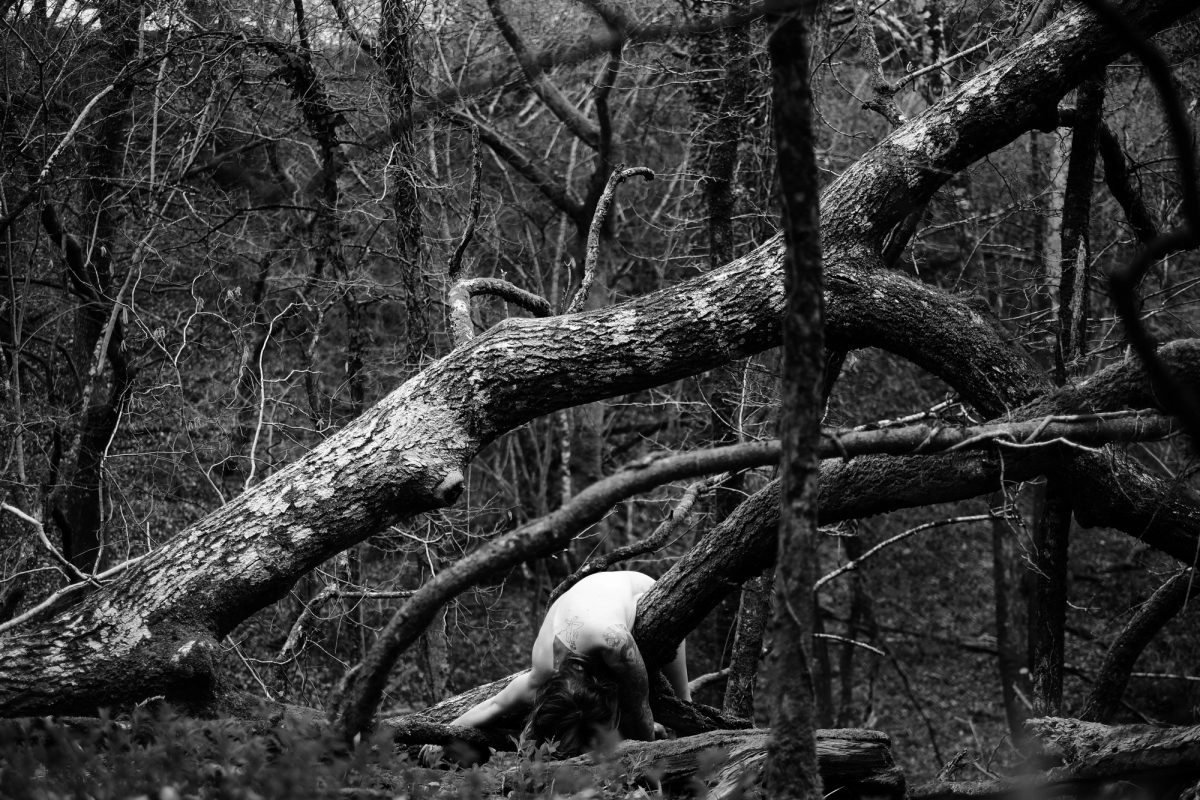
The seeker and the artist are the same body moving through different thresholds. Like Orlando, I run—not away, but toward recognition—until breath becomes invocation: Nature, Nature, I am your bride. Earth receives. Darkness answers. The descent does not end in revelation. It ends in grounding.
II. VOYAGES OF DEATH — THE WATER PASSAGE
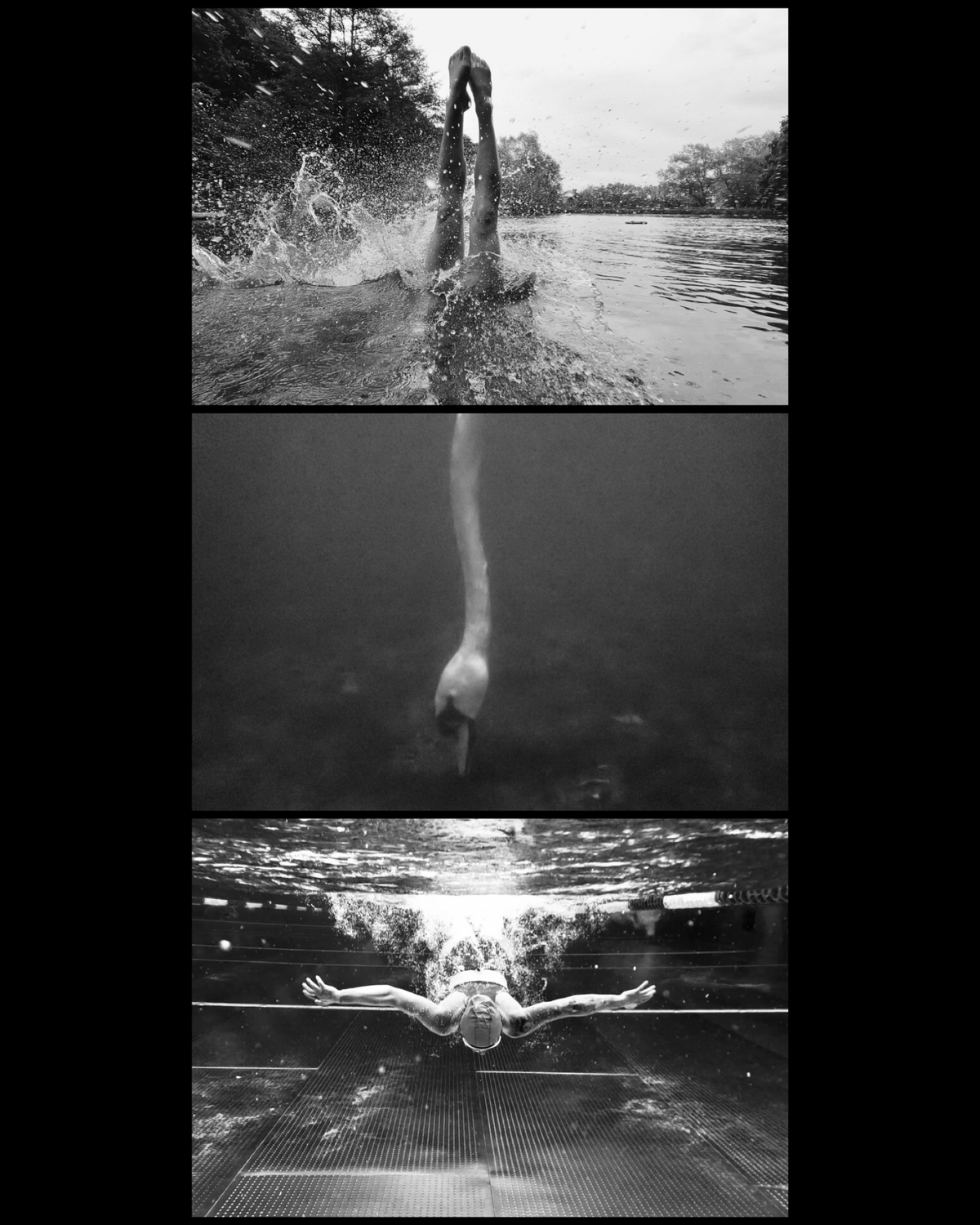
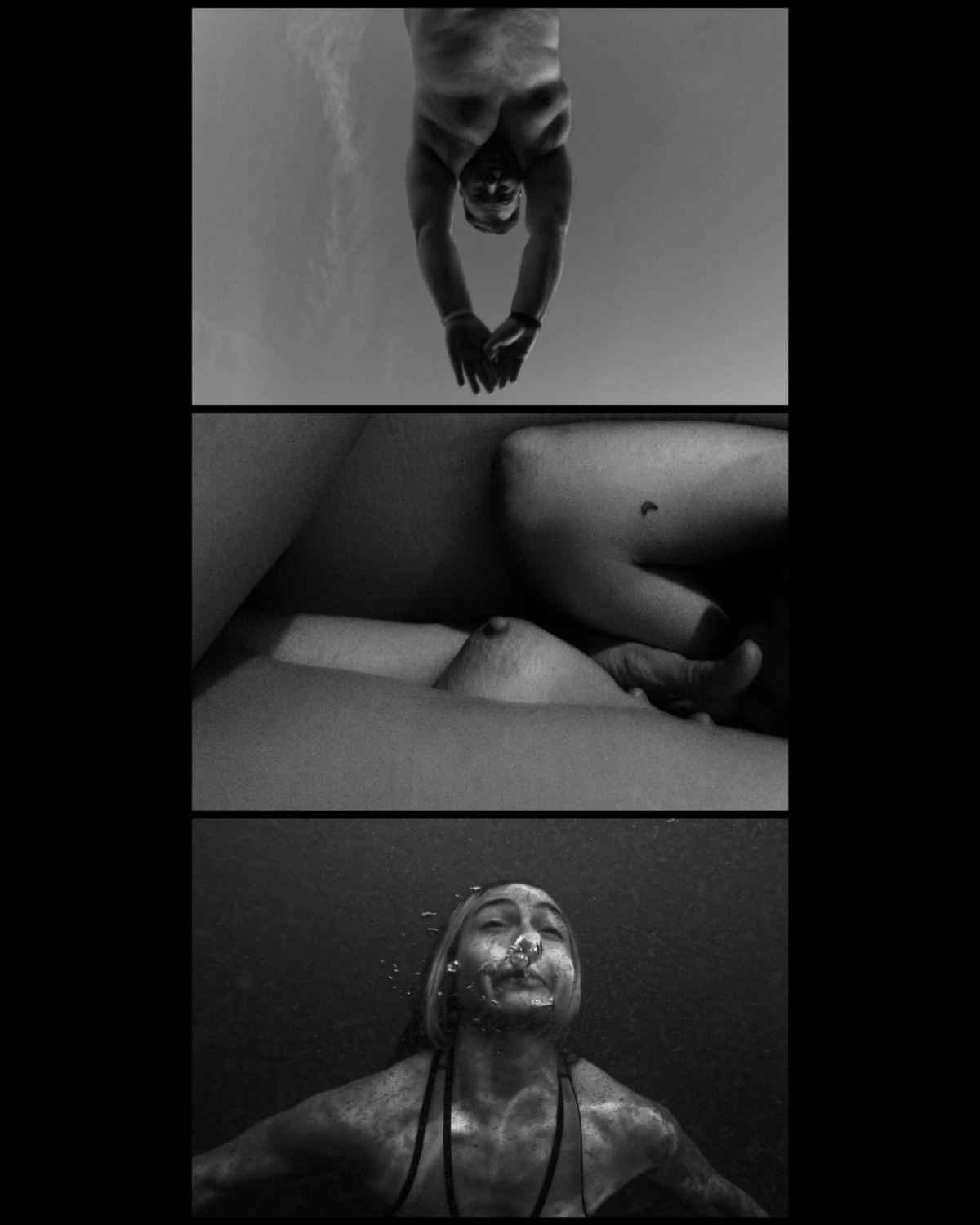
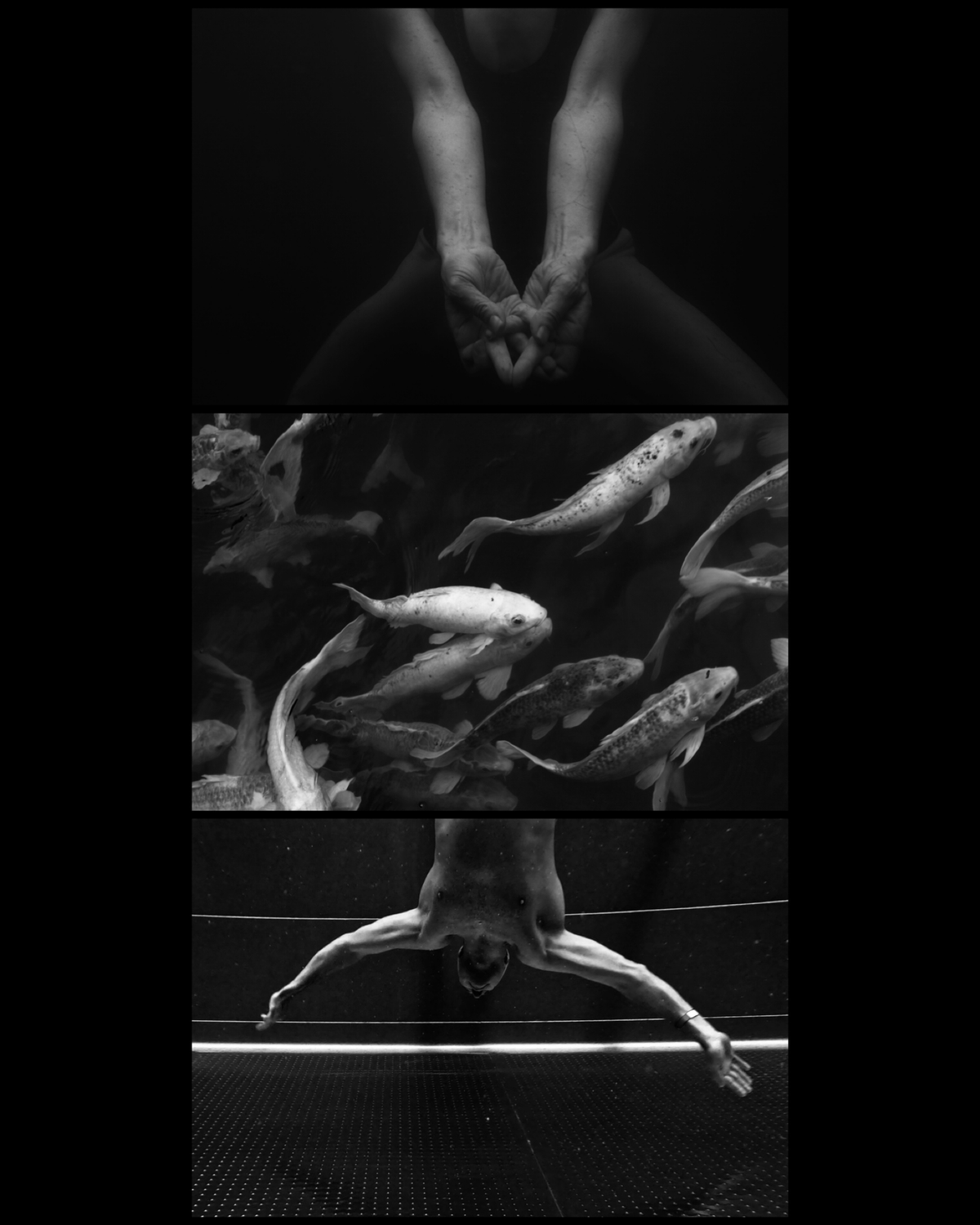
Water begins where earth loosens its grip. In Voyages of Death, bodies drift underwater—submerged, suspended, re-formed by pressure and light. This work emerged as a daily ritual, a survival thread. Entering cold water again and again, I learned to negotiate with breath. Submersion demands presence. There is no future underwater, only the immediate conversation between lungs and silence.
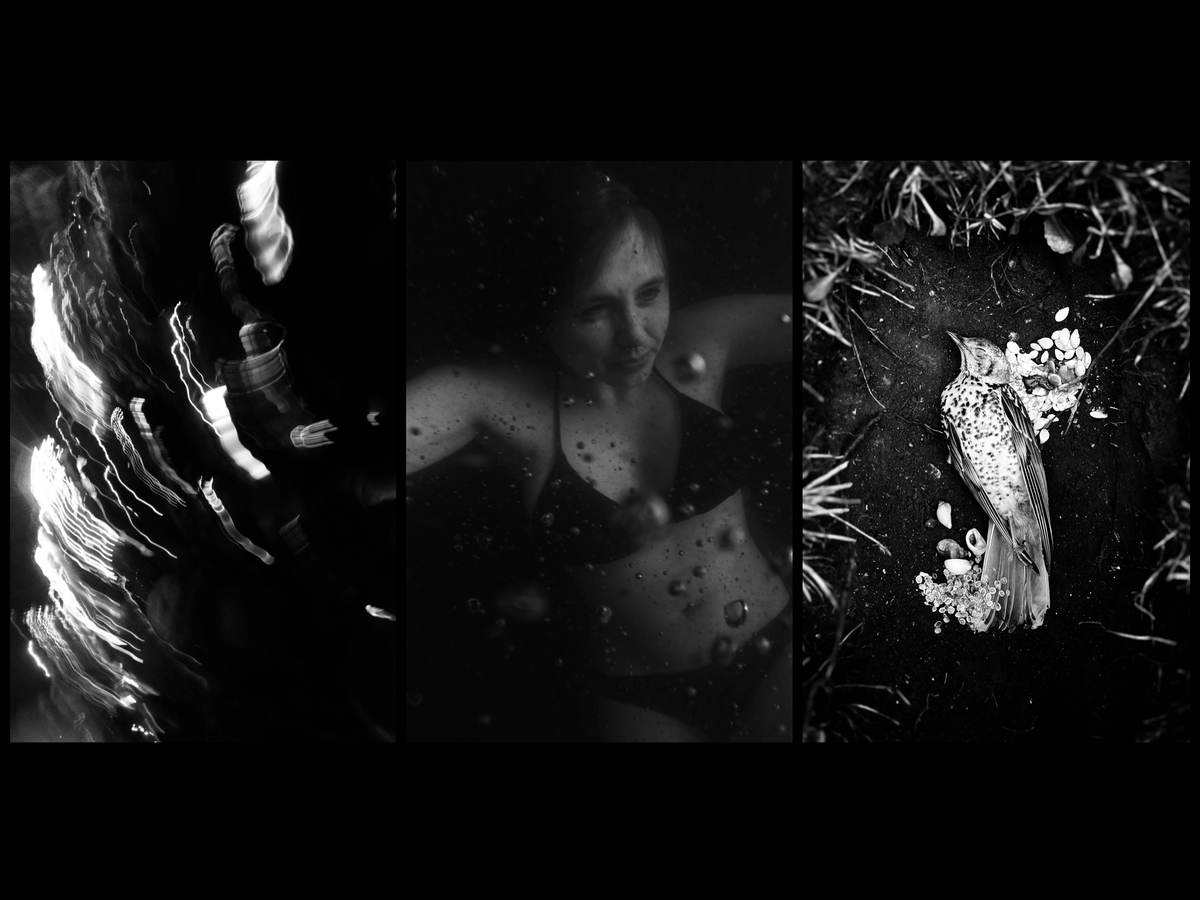
Water is both womb and grave. It holds without asking questions. In its depth, borders soften. The body forgets its outline. Light fractures, sound dissolves, time thickens. Here, death is not an ending but a passage—an elemental corridor where surrender reorganises the self.
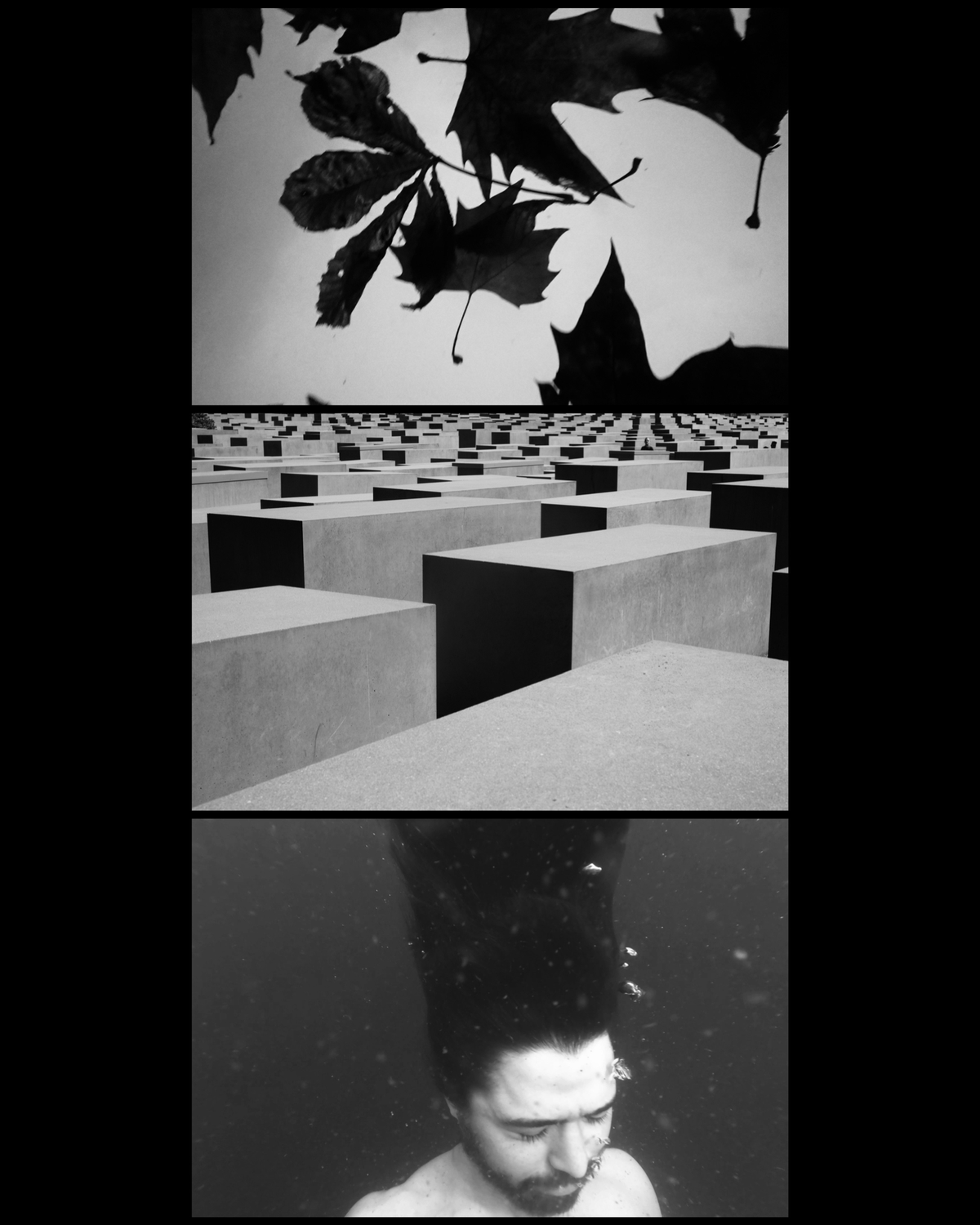
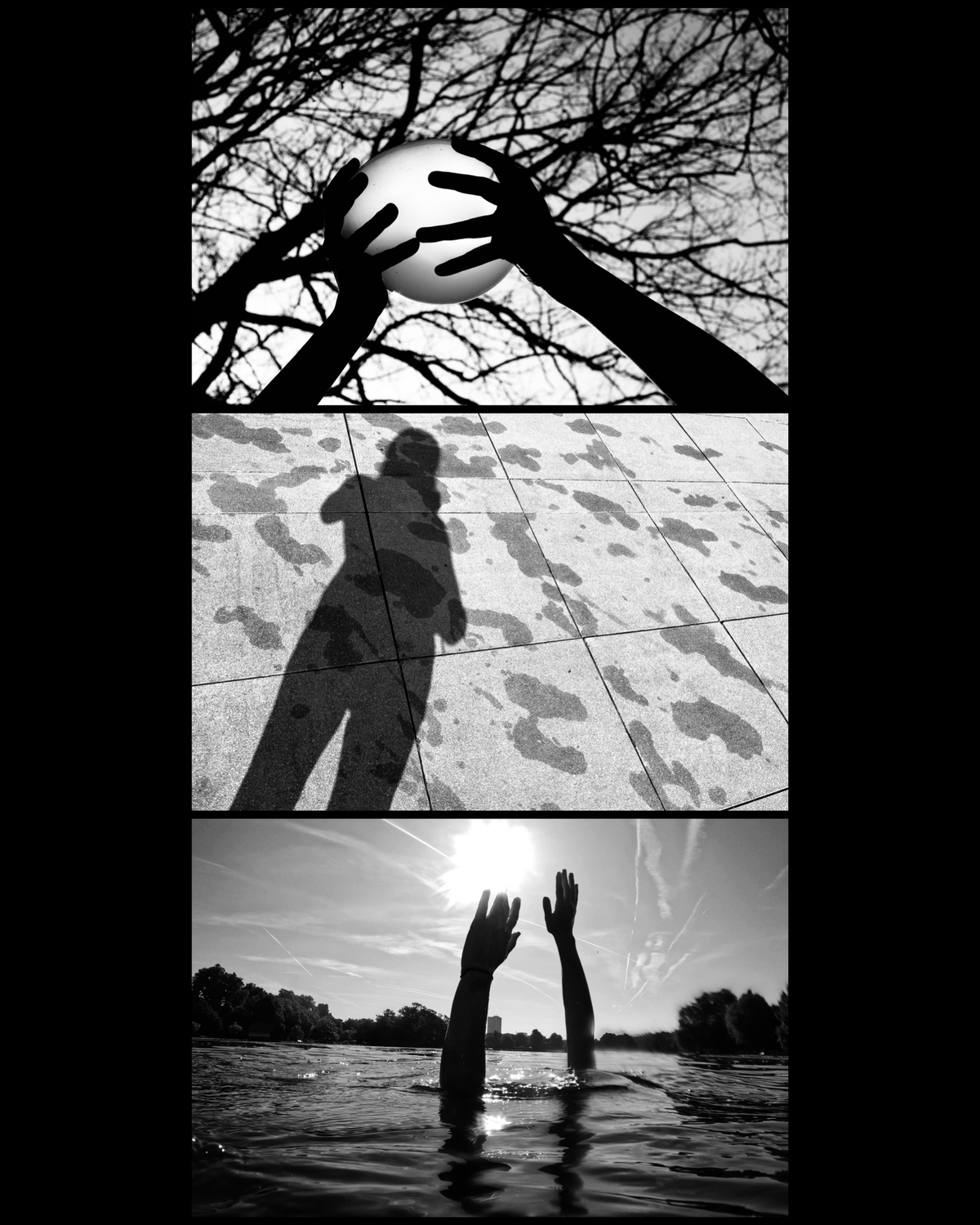
Ana Mendieta understood this language. Her siluetas pressed into earth and stone are not acts of disappearance but of consecration. The body returned to element, claimed by gravity, claimed by place. Her fall haunts every conversation about love—the shadow side of devotion, the moment when weight reveals what cannot hold. Falling from height—headlong, unprotected—is another grammar of intimacy. Love, misnamed, has mass. It pulls. It drops you and calls it fate.
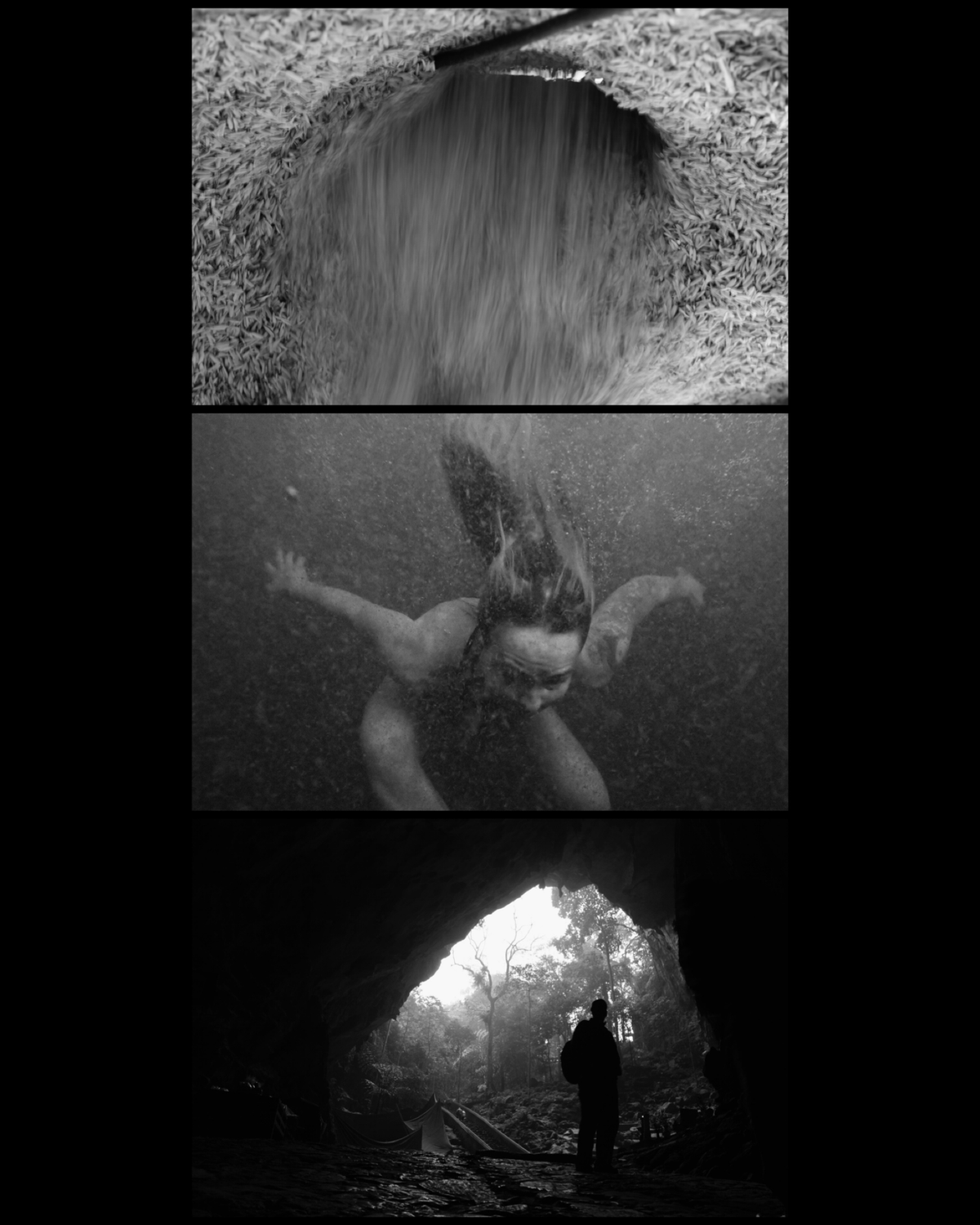
Water carries that knowledge differently. It does not drop; it receives. In submersion, the body freezes, then thaws. And in that thawing, perception changes scale. The world breaks into molecules. Every encounter becomes poetry. Every gesture carries consequence. If God is dead, God’s silhouette survives here—in rhythm, in repetition, in the quiet mercy of attention.
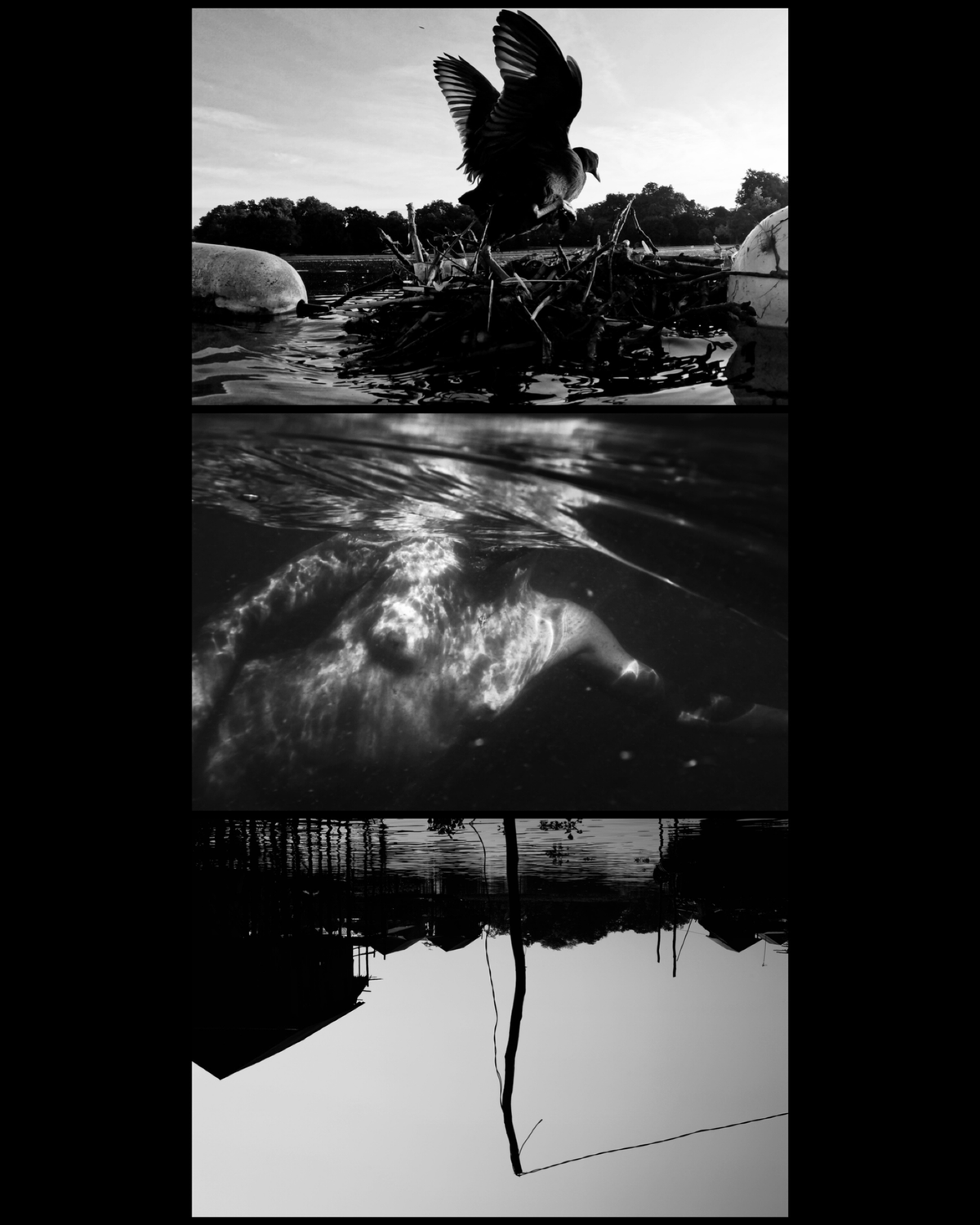
It was in water that I learned how to breathe again. Not metaphorically, but bodily. Breath becomes deliberate, counted, precious. Each immersion is a negotiation with fear and trust. And it was here, in this repeated rite of cleansing pain, that another woman met me. Two bodies carrying different versions of the same wound. No declarations. No claims. Just kindness, repetition, care. We swim with birds in the cold. We learn how to hold and be held without possession.
"Do not speak to me of love. Show me the place it cut open and did not destroy."
Voyages of Death is not about drowning. It is about listening. About allowing the body to dissolve just enough to reconfigure itself. In surrender, something loosens. In dissolution, form reorganises. Life returns not as certainty, but as pulse. Water teaches what earth begins.
III. FLESH TO BONE || BRICKS TO MORTAR — RE-ENTRY
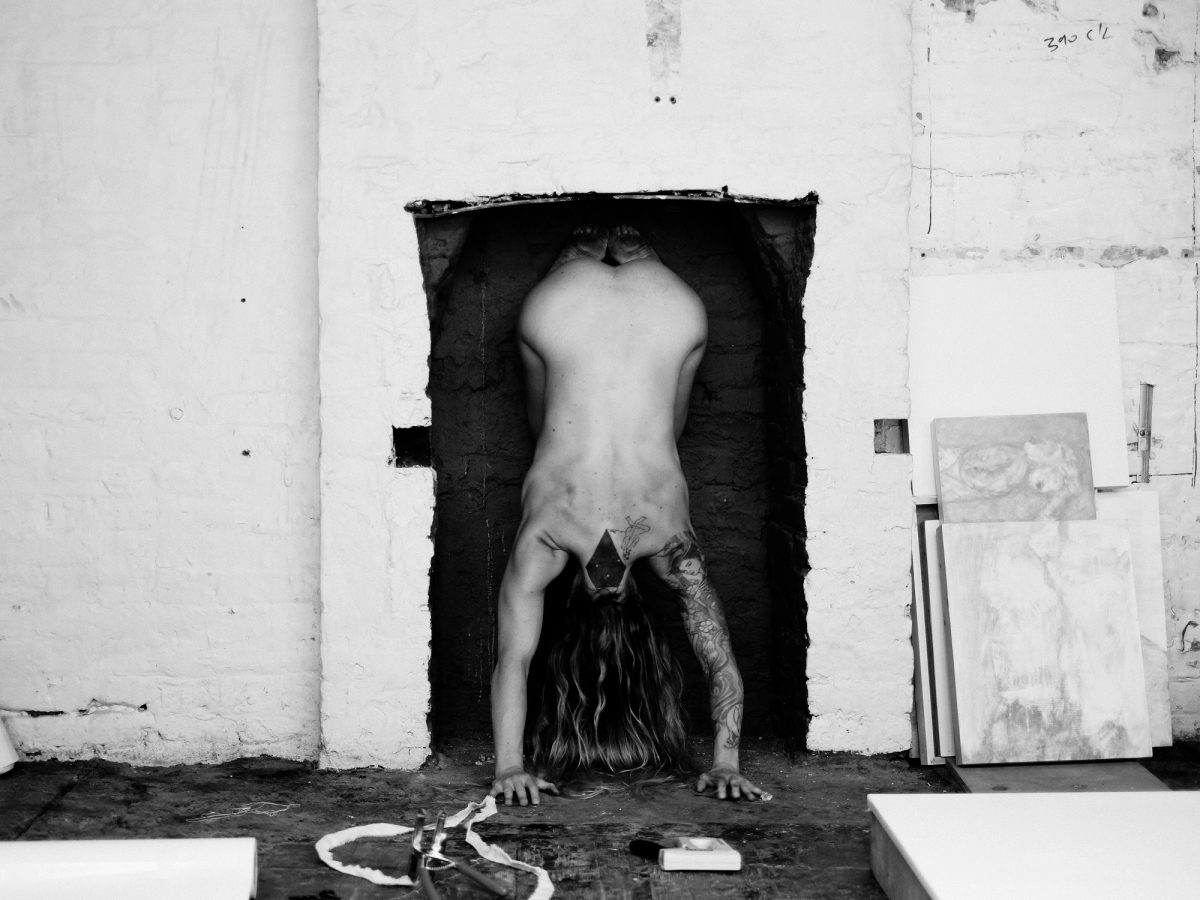
If water dissolves, architecture remembers. In Flesh to Bone || Bricks to Mortar, the body returns to structure. This series was made after a miscarriage, in the wake of loss that rearranged the body’s sense of purpose and scale. Here, the house becomes mirror. Curves align with archways. Limbs echo beams. A woman’s form threads through hollow hearths in an unfinished dwelling.
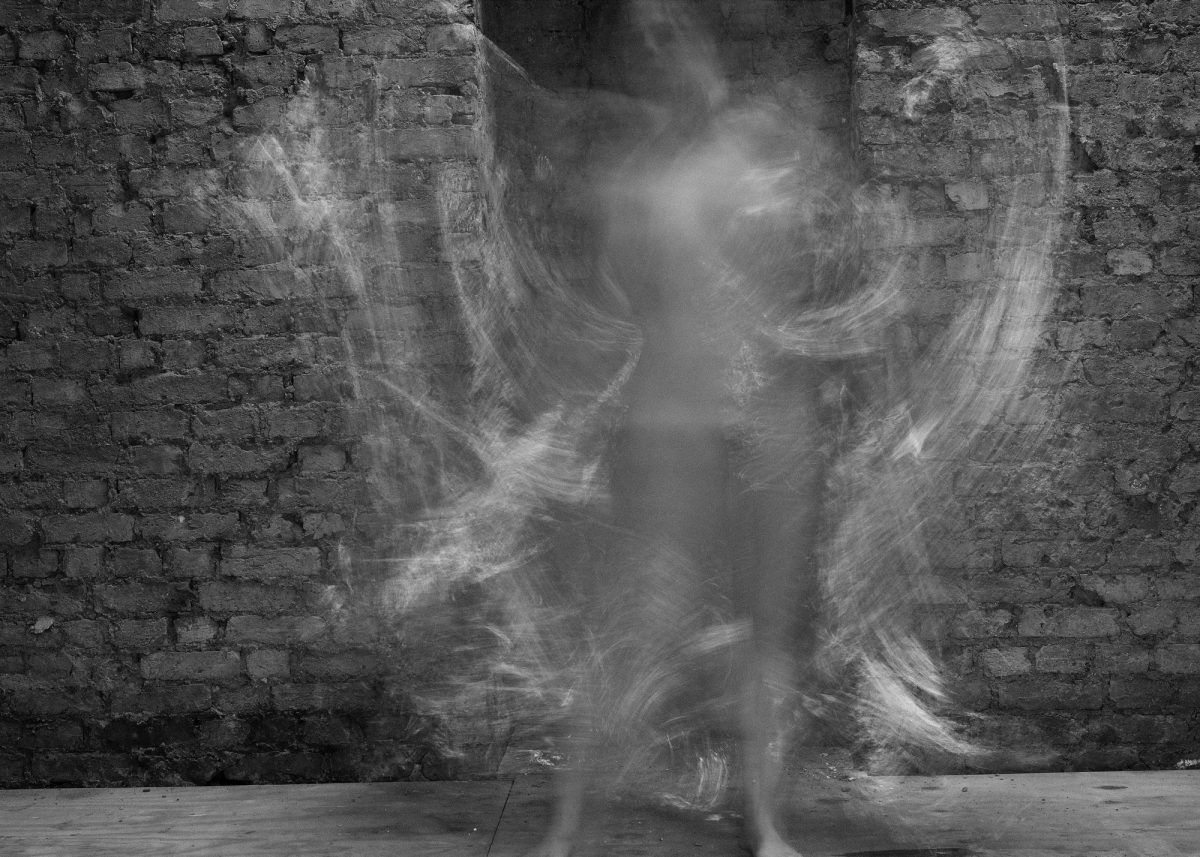
"The house is not shelter yet. It is ruin and promise at once. Displacement made visible. The body enters these spaces not to claim ownership, but to test fit. To ask where weight can be placed without collapse."
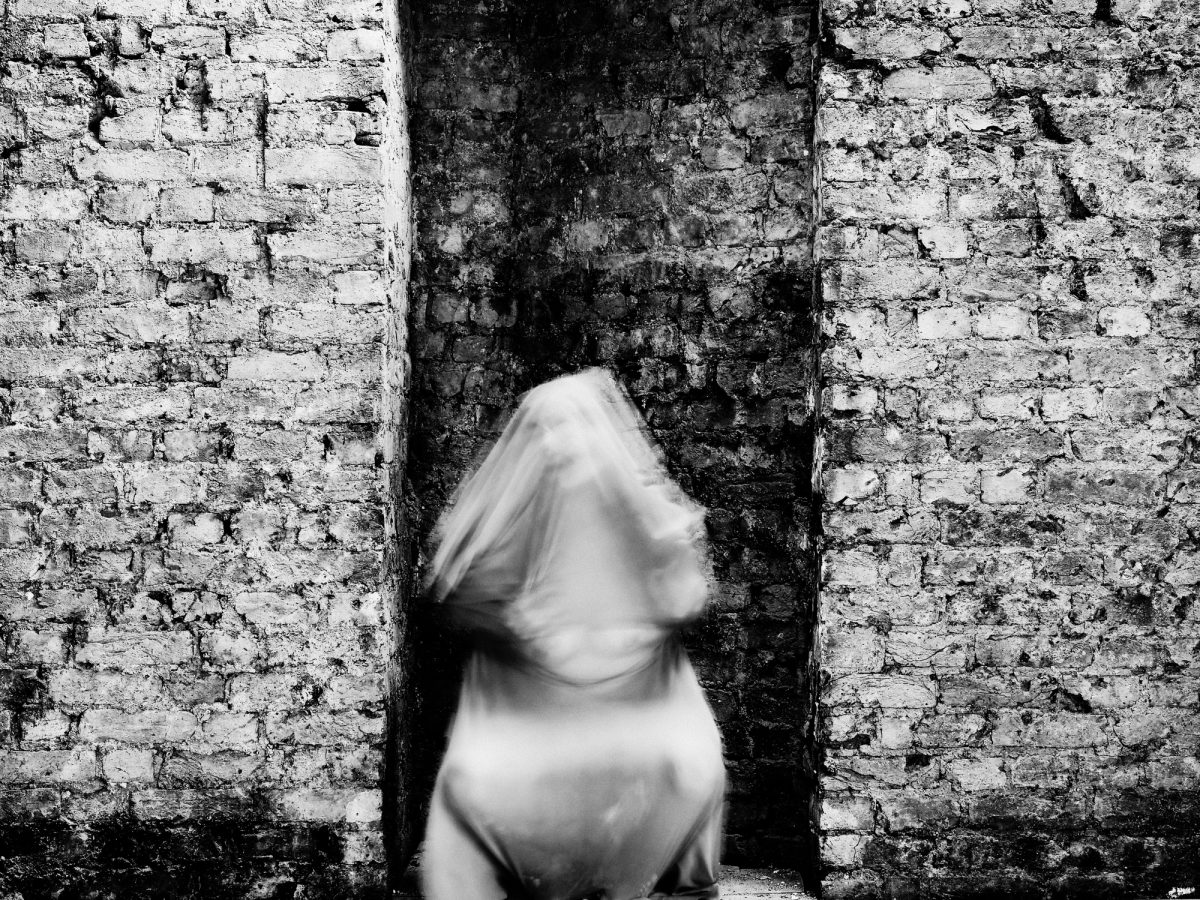
I think again of Woodman and Mendieta—bodies in conversation with architecture and earth, testing the line between merging and disappearance. I have lived in shadow. I have learned the colour of erasure—not black, not white, but the slow fading at the edges when a body is asked to become background. This work is a re-entry. A refusal to be absorbed completely.
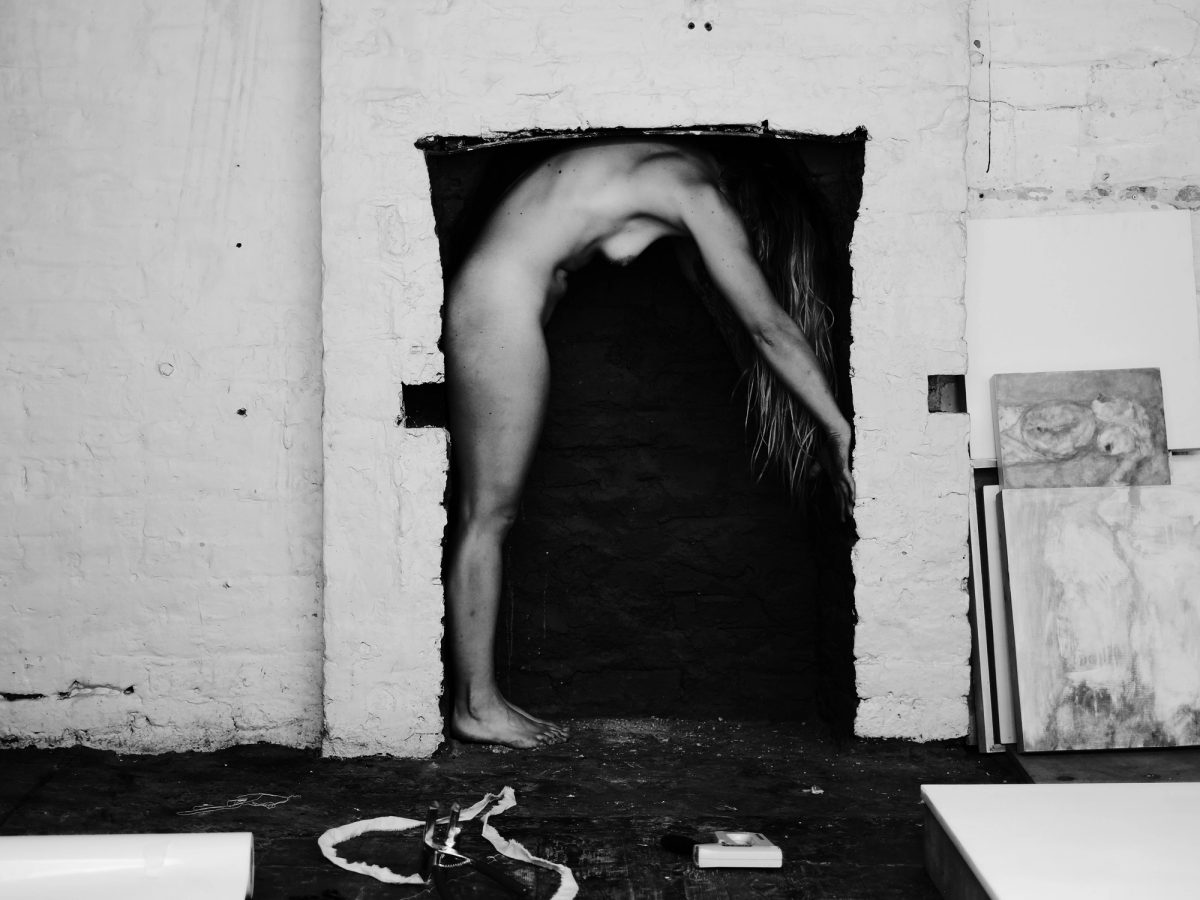
Bone meets beam. Flesh meets mortar. The unfinished house holds absence the way a body holds memory. In aligning myself with these structures, I measure survival spatially. How much space does a body need to remain? How much pressure can it withstand before becoming surface?
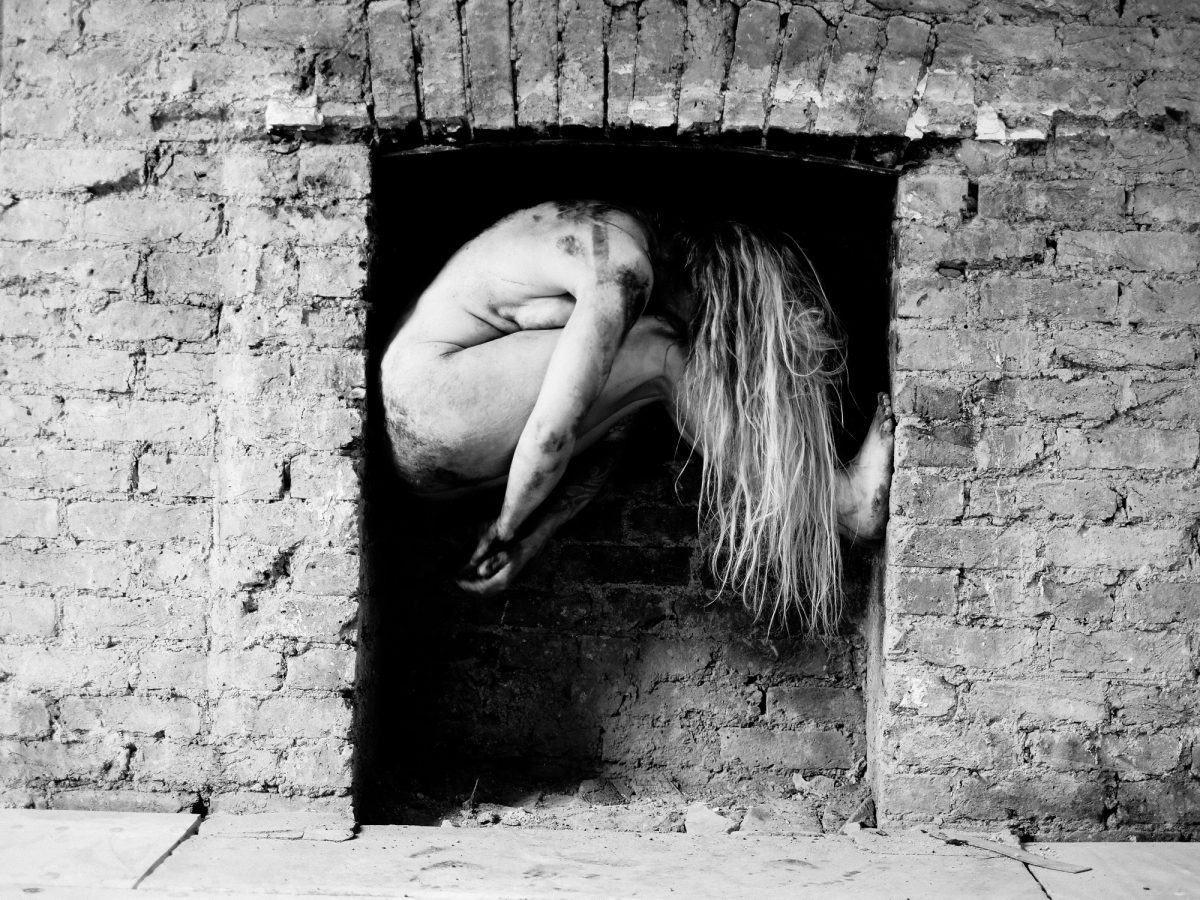
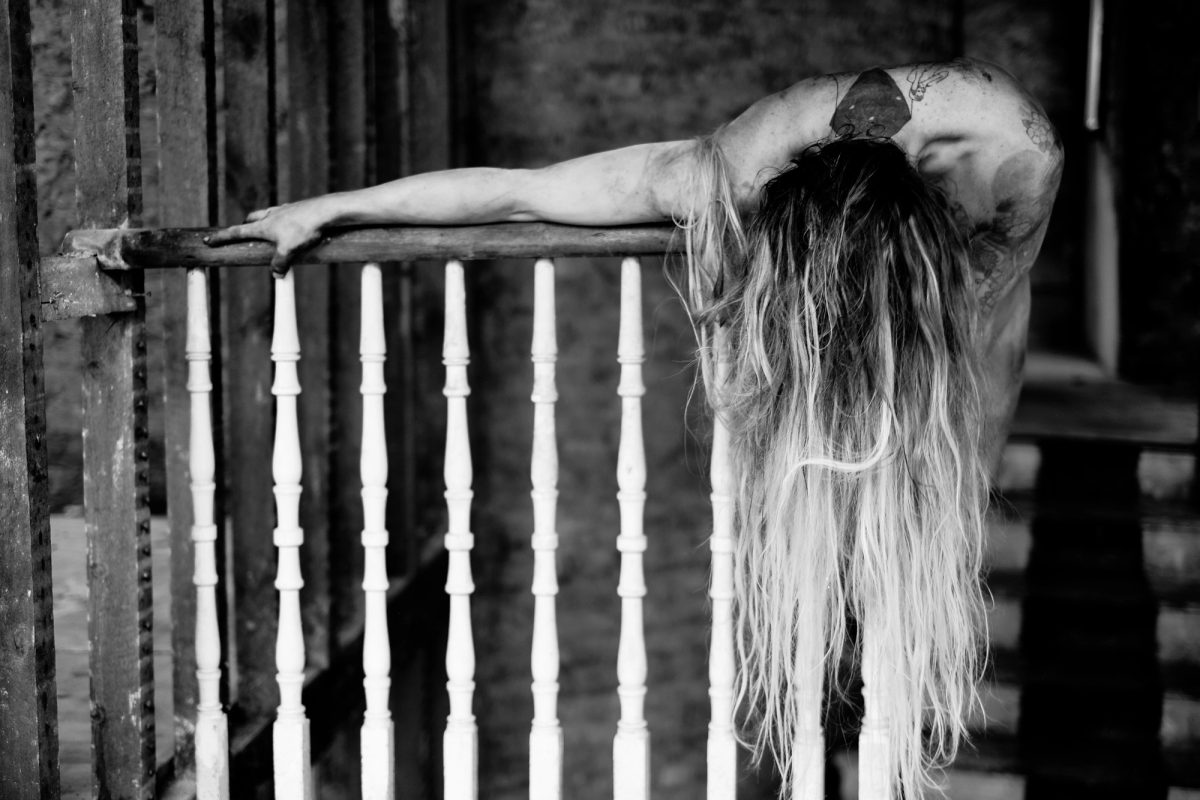
The serpent sheds its skin. Not in triumph, but in necessity. In this era, I ride a white horse through ruins, watching birds gather by instinct rather than command. The myth shifts here. No longer descent, no longer submersion, but habitation. Finding home not as permanence, but as practice.
"Until death parts us—yes. But death here is not master. It is a teacher. It instructs the body in how to stay."
CODA
These three movements—descent, passage, re-entry—do not resolve into closure. They form a cycle. A visual essay that sits between the symbolic, the psychological, and the mythical. Together, the movements trace a body learning how not to vanish. How to move through darkness, water, and ruin without surrendering its outline. If there is transformation here, it is not transcendence. It is attention. And attention, practiced long enough, becomes a way of living.
Simona Sharafudinov